
We recently connected with Giorgio Haddad and have shared our conversation below.
Giorgio, thanks for joining us, excited to have you contributing your stories and insights. Can you talk to us about how you learned to do what you do?
As an actor, I’ve learned what I do through a combination of training, experience, and sheer passion. My journey started in childhood when I realized how much joy I felt entertaining people and stepping into the shoes of different characters. Over the years, I took every opportunity to perform, whether it was in school plays, community theater, or small film projects. Each role taught me something new—how to embody emotions, connect with an audience, and make my characters feel real.
If I could go back and do something differently to speed up my learning process, I would have focused earlier on networking and building relationships in the industry. Finding mentors, taking more professional acting classes sooner, and getting involved in projects outside my comfort zone would have given me a broader range of experience and exposure.
The most essential skills for me have been vulnerability, adaptability, and perseverance. Vulnerability allows me to fully connect to a character’s emotions. Adaptability helps me respond to feedback and adjust my performance as needed, especially on film sets. And perseverance has kept me going through auditions, rejections, and the waiting game that comes with being an actor.
The biggest obstacles in my learning process have been self-doubt and limited access to resources. There were times I doubted if I was good enough or if I’d ever get my big break. Financial limitations also made it hard to attend workshops or move to areas where opportunities were more abundant. But those challenges fueled my determination and taught me to make the most of what I have, which I think shaped me into the actor I am today.
Every obstacle and every lesson has been part of the journey, and I wouldn’t trade that for anything.
Giorgio, before we move on to more of these sorts of questions, can you take some time to bring our readers up to speed on you and what you do?
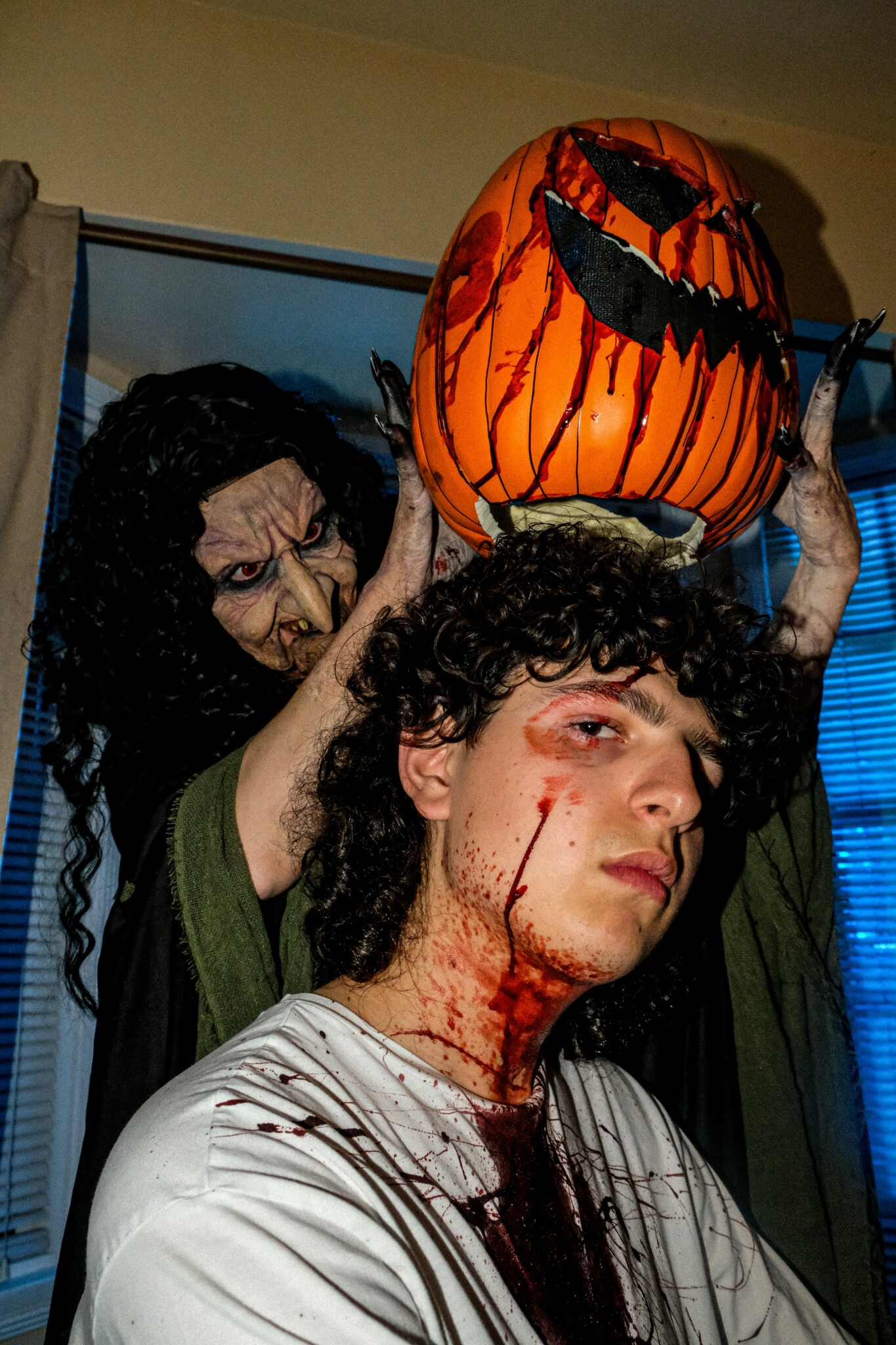
My name is Giorgio Haddad, and I’m an actor based in Fullerton, California. Acting has been my passion for as long as I can remember. Growing up, I was drawn to storytelling and how it could move people, whether it was through laughter, tears, or reflection. I got my start in theater, performing in school productions and community plays, where I discovered the joy of becoming different characters and bringing them to life on stage. Over time, I transitioned into film, exploring the nuance and intimacy that on-camera work requires.
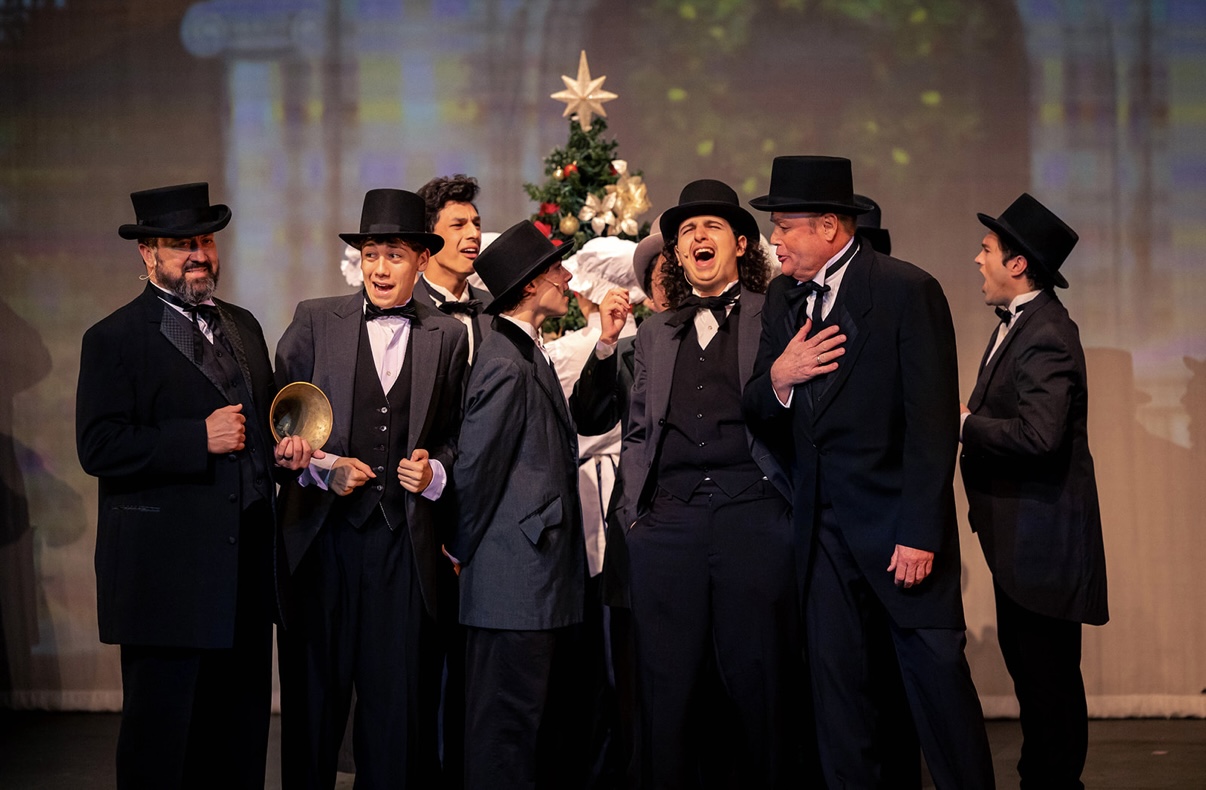
As an actor, I specialize in both theater and film, portraying characters that resonate with audiences on an emotional level. My work ranges from musical theater roles like Simba in The Lion King and Kristoff in Frozen: The Musical to complex characters in film projects such as Michael Warren in The Curse of Alice Dubel. Whether on stage or in front of the camera, my goal is to tell stories that inspire, entertain, and make people feel seen.
What sets me apart is my ability to connect deeply with every character I play. I’m proud of my versatility—whether I’m singing, acting, or stepping into a dramatic role, I strive to bring authenticity and emotional depth to my work. Another strength I bring is my perseverance; I’ve faced rejections, setbacks, and challenges, but my passion for the craft always keeps me moving forward.
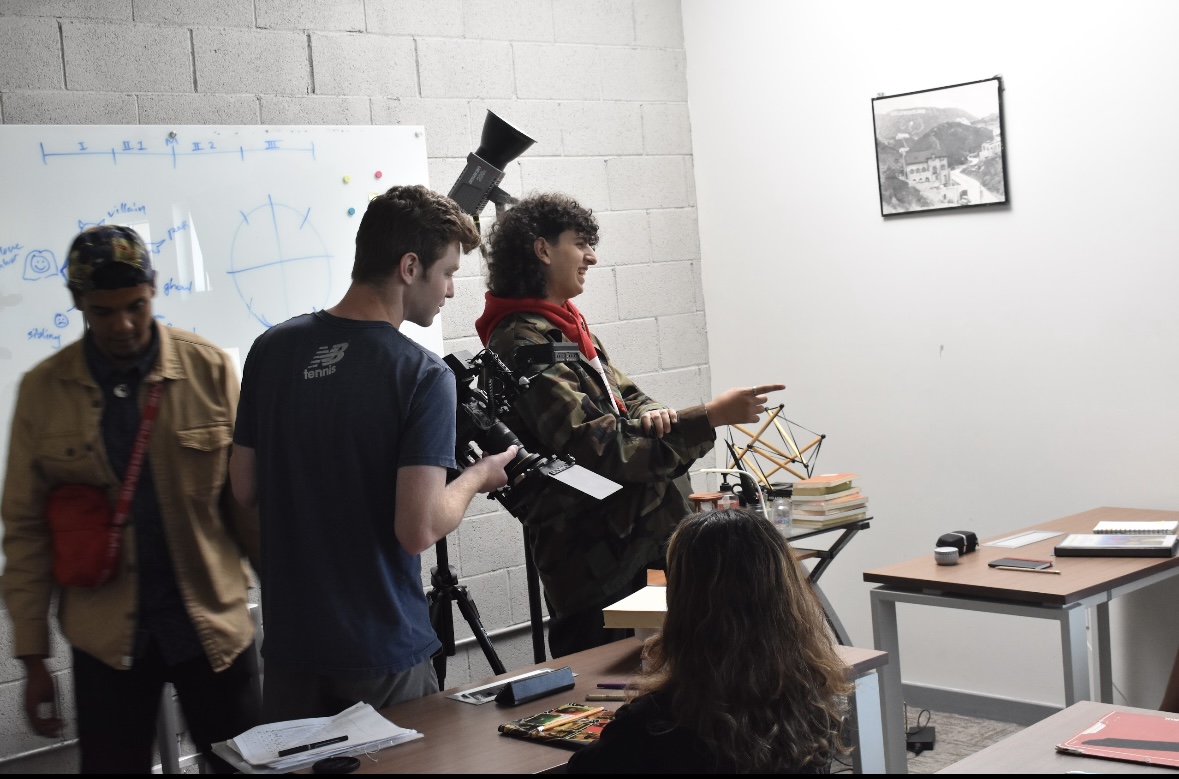
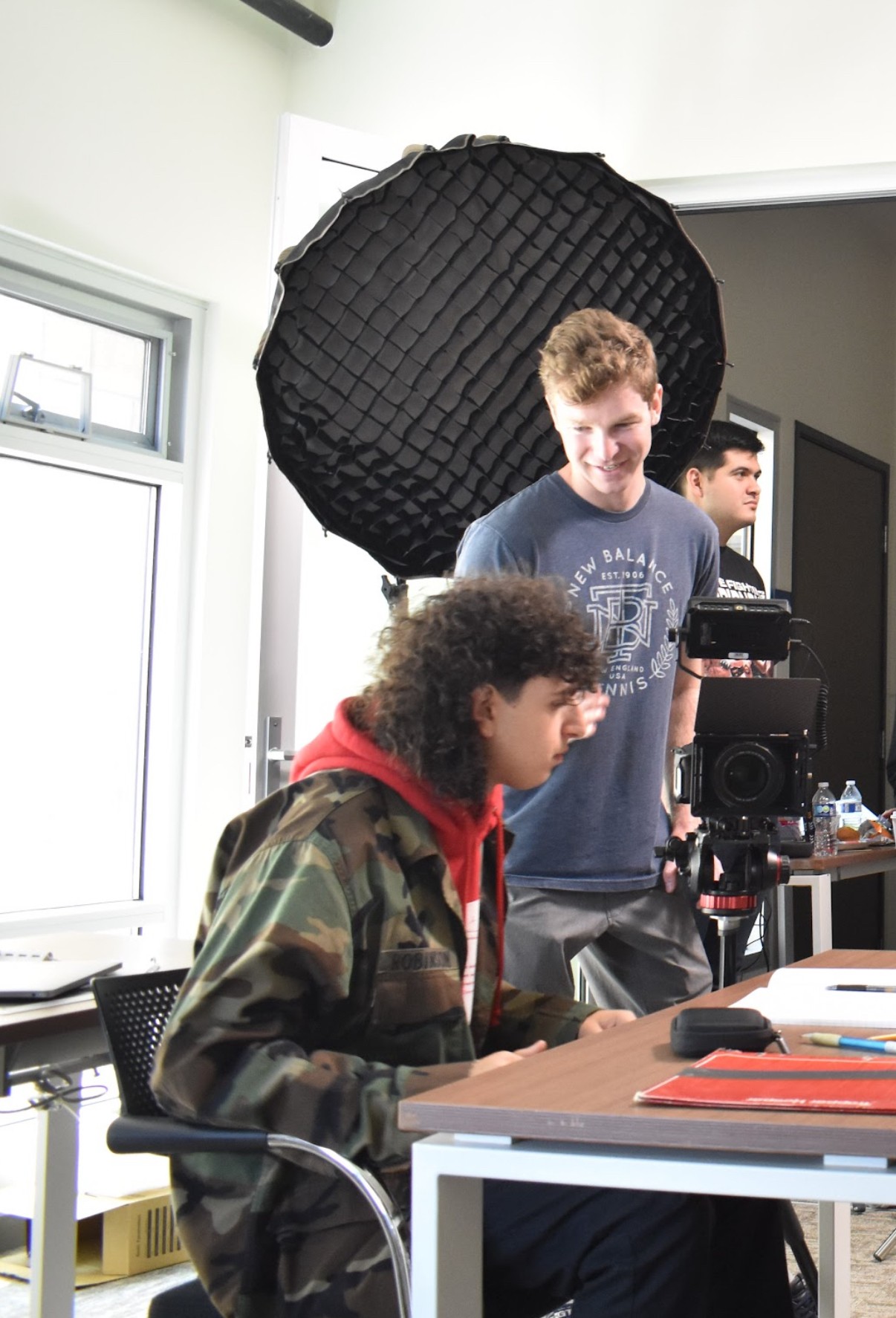
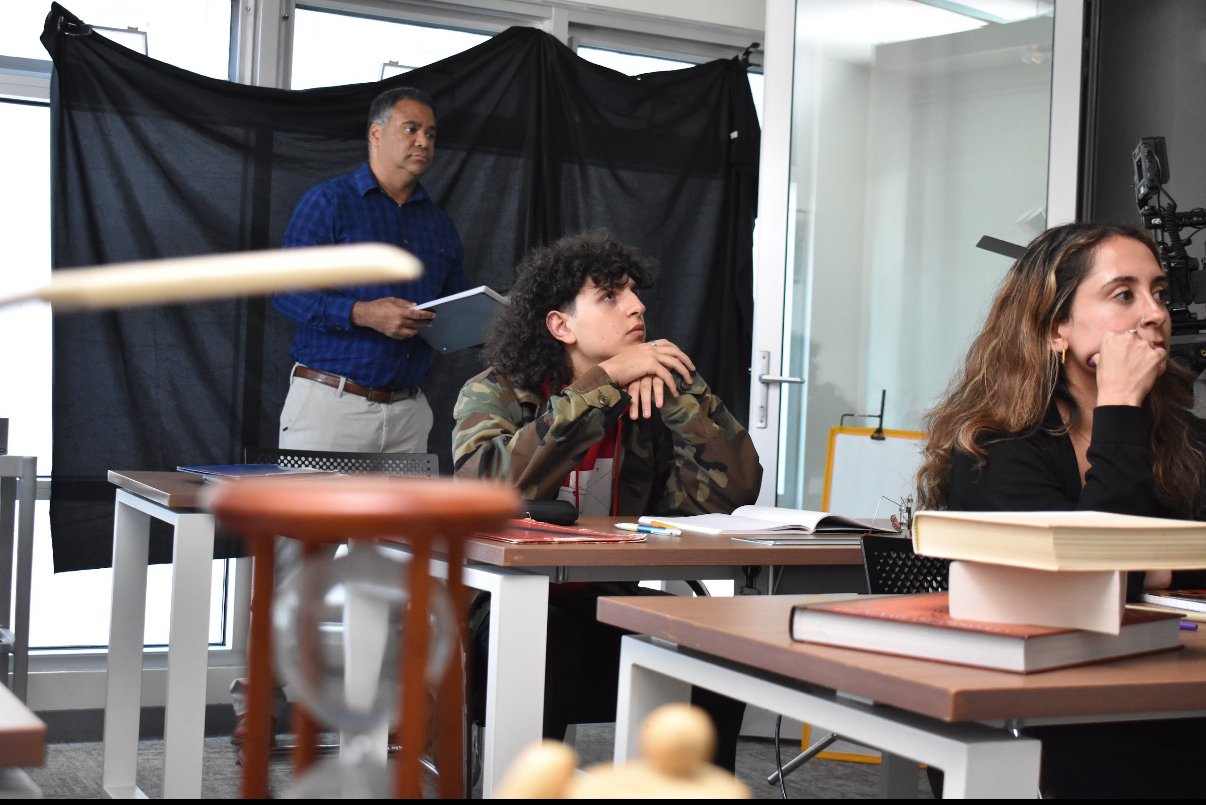
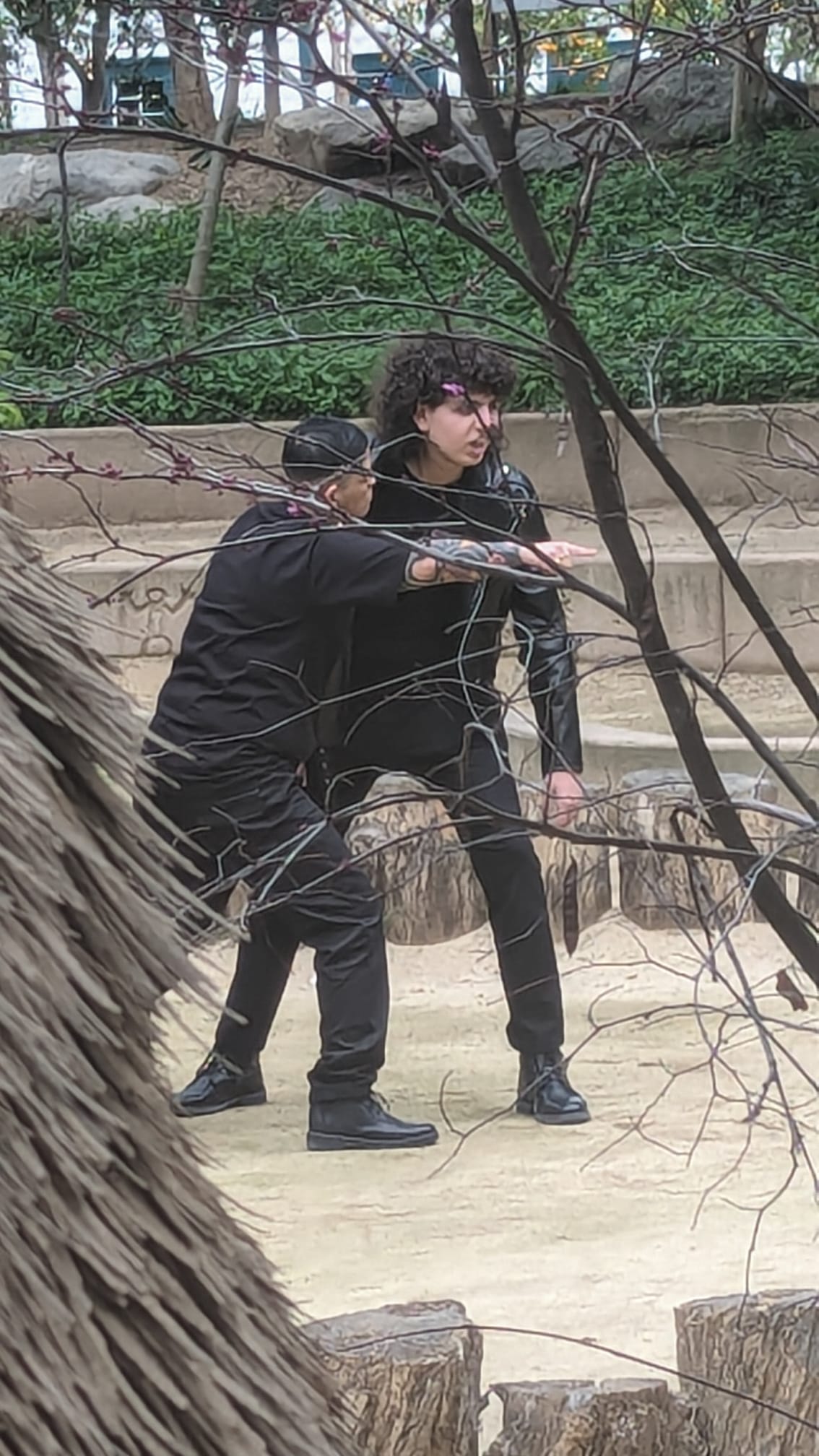
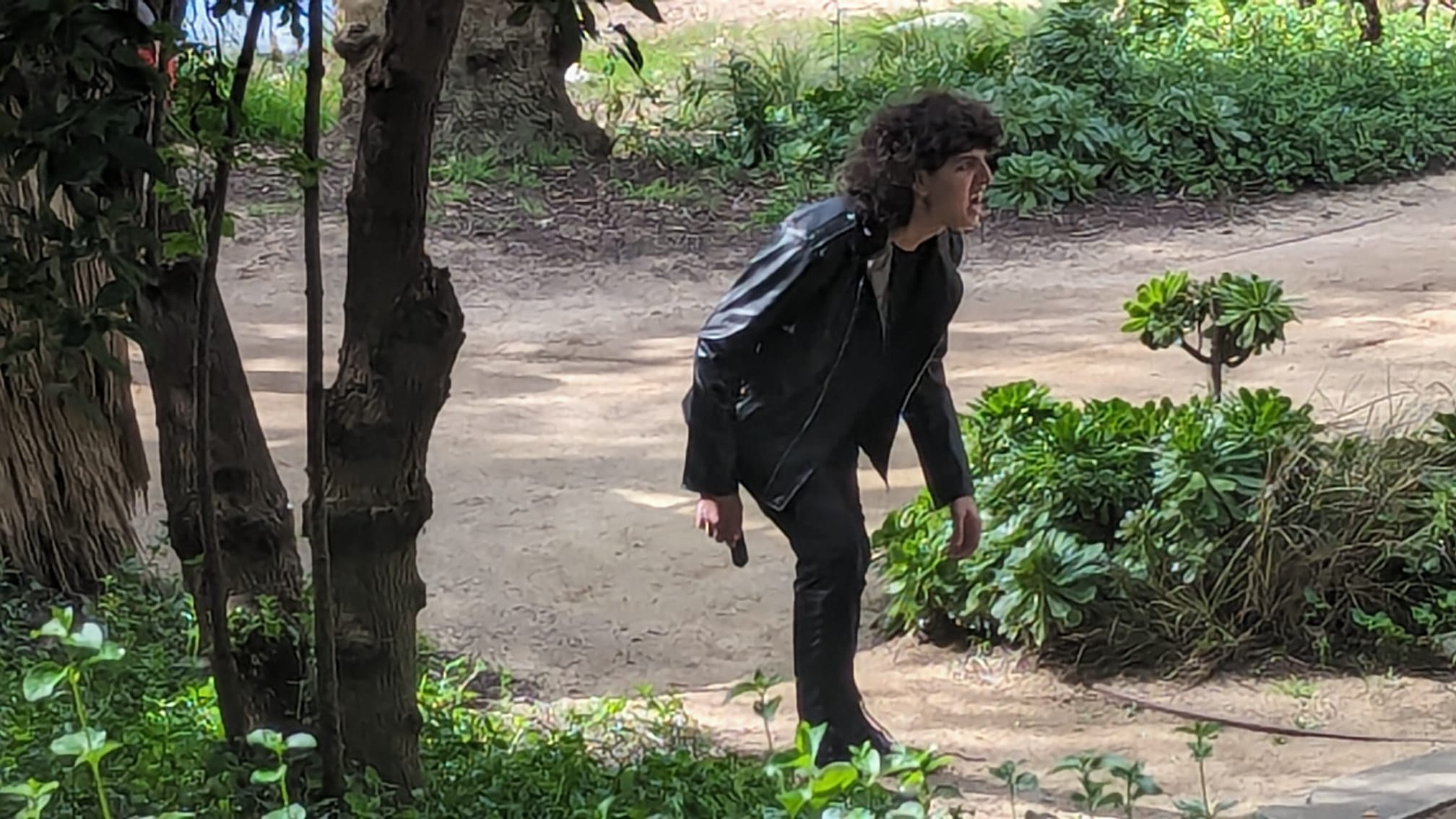
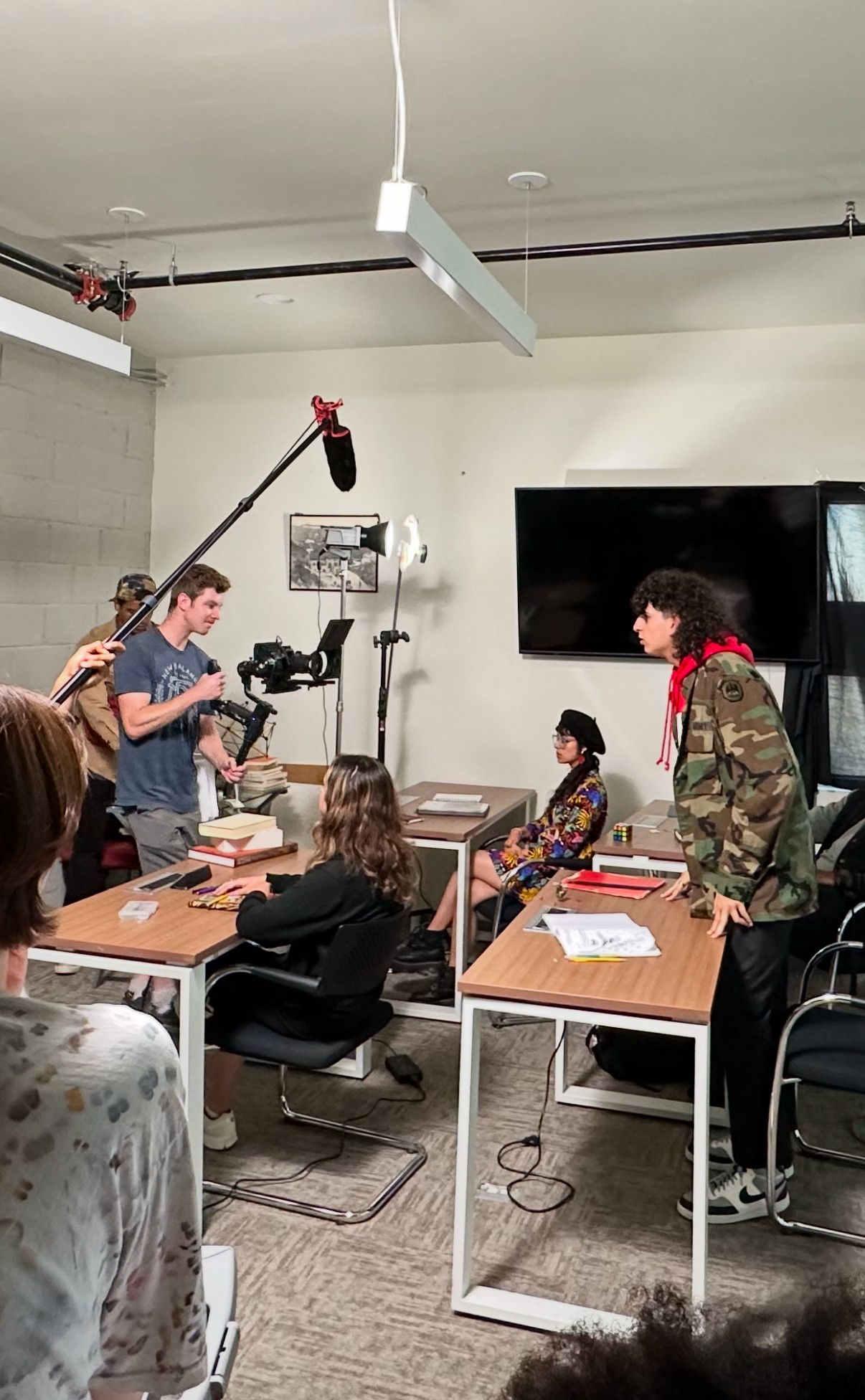
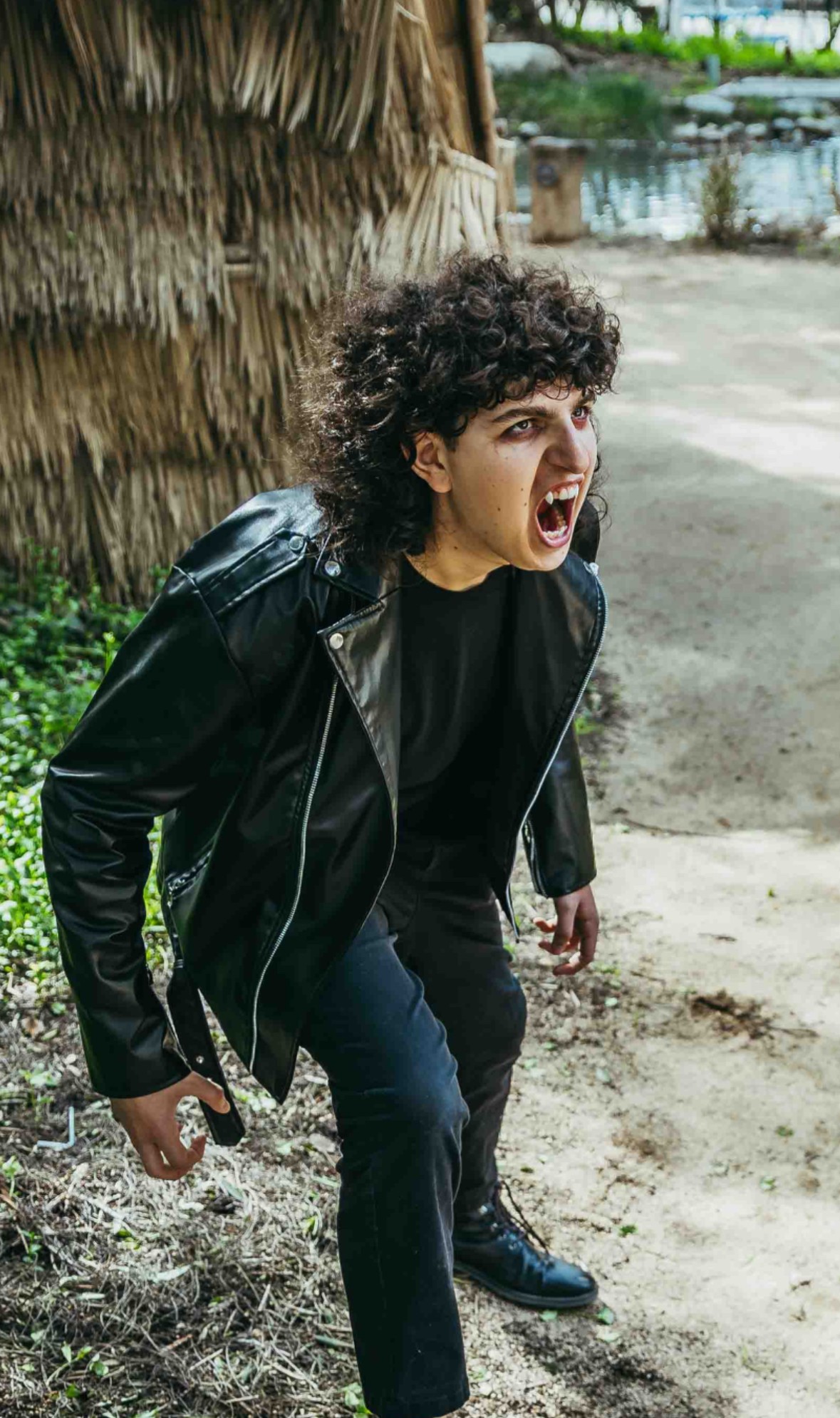
I’ve had the honor of performing at the Rose Center Theater, a milestone that allowed me to showcase my work in front of large, enthusiastic audiences. Additionally, I’ve been involved in productions where I’ve taken on diverse roles, such as Hades in Percy Jackson and the Lightning Thief: The Musical and George Gibbs in Our Town. My experience extends to film as well, where I’ve played Nikolas in The Book of Palms: A Vampire Story, directed by Justin Durden, and a student in What Is Art?, a short film by Jordan Lee.
I’m still growing as an actor, and every role I take is a chance to improve and learn more about my craft. My ultimate goal is to inspire others to pursue their own passions and to remind people that every story—just like every person—matters.
Can you share a story from your journey that illustrates your resilience?
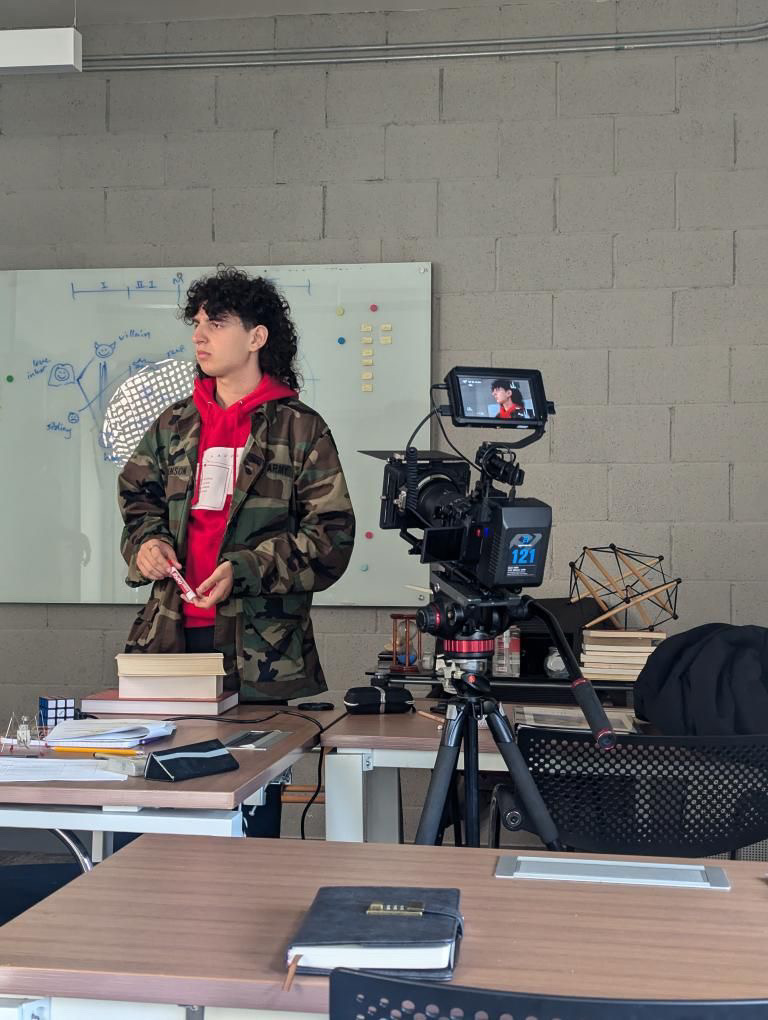
One story that stands out is when I was cast as Michael Warren in the feature film The Curse of Alice Dubel. It was one of my first major film roles, and I was incredibly excited, but the process came with its own set of challenges. There were moments on set when I doubted myself—wondering if I could deliver the level of performance the director expected. It was intimidating to work alongside more experienced actors, and I felt the pressure to prove myself.
Instead of letting the doubt consume me, I used it as motivation. I spent extra time preparing for my scenes, diving deep into the character and making sure I was ready for every take. I also reminded myself that I was chosen for a reason, and I had to trust in my abilities. When the filming wrapped, I realized how much I had grown—not just as an actor but as a person. I learned that resilience is about showing up, doing the work, and believing in yourself even when it’s hard.
That experience solidified my confidence and taught me to embrace challenges as opportunities to learn. It’s a mindset I carry with me in every project, no matter how big or small.
How can we best help foster a strong, supportive environment for artists and creatives?
To best support artists and a thriving creative ecosystem, society can take several key steps:
1. Invest in Arts Education: Providing access to arts education in schools is crucial. Many young people discover their passion for creativity in classrooms, and fostering that early on can lead to lifelong careers and contributions to the arts. More funding for theater programs, music classes, and visual arts can make a huge difference.
2. Create Accessible Opportunities: Society can support artists by making creative opportunities more accessible to all, regardless of socioeconomic background. Grants, scholarships, and subsidized training programs can help aspiring artists who might not otherwise afford to pursue their dreams.
3. Value Artists’ Work: One of the most impactful ways to support artists is to recognize the value of their work. This means fair pay for creative contributions, respect for intellectual property, and fostering an appreciation for the effort and skill that go into artistic pursuits.
4. Support Local Art Scenes: Communities can create spaces where artists can showcase their work, whether that’s through theaters, galleries, open mic nights, or film festivals. Supporting local artists directly by attending events, purchasing art, and spreading the word about their work is vital.
5. Build Community Partnerships: Governments, businesses, and schools can collaborate with artists to integrate creativity into public spaces and programs. This not only supports artists but also enriches communities through exposure to diverse voices and stories.
6. Champion Representation and Diversity: By ensuring that creatives from all backgrounds have a voice, society can foster a more inclusive ecosystem. Representation matters, and supporting diverse artists allows for richer storytelling and cultural exchange.
7. Encourage Mentorship and Collaboration: Programs that connect emerging artists with experienced mentors can provide invaluable guidance. Collaboration between artists from different disciplines can also spark innovation and growth within the creative community.
Ultimately, supporting a thriving creative ecosystem requires recognizing that art isn’t just entertainment—it’s a reflection of culture, a source of inspiration, and often a powerful tool for social change. Investing in the arts benefits everyone by enriching our world with stories, beauty, and new perspectives.
Contact Info:
- Website: https://www.imdb.com/name/nm15638200/?ref_=ext_shr_lnk
- Instagram: @not_giorgio