

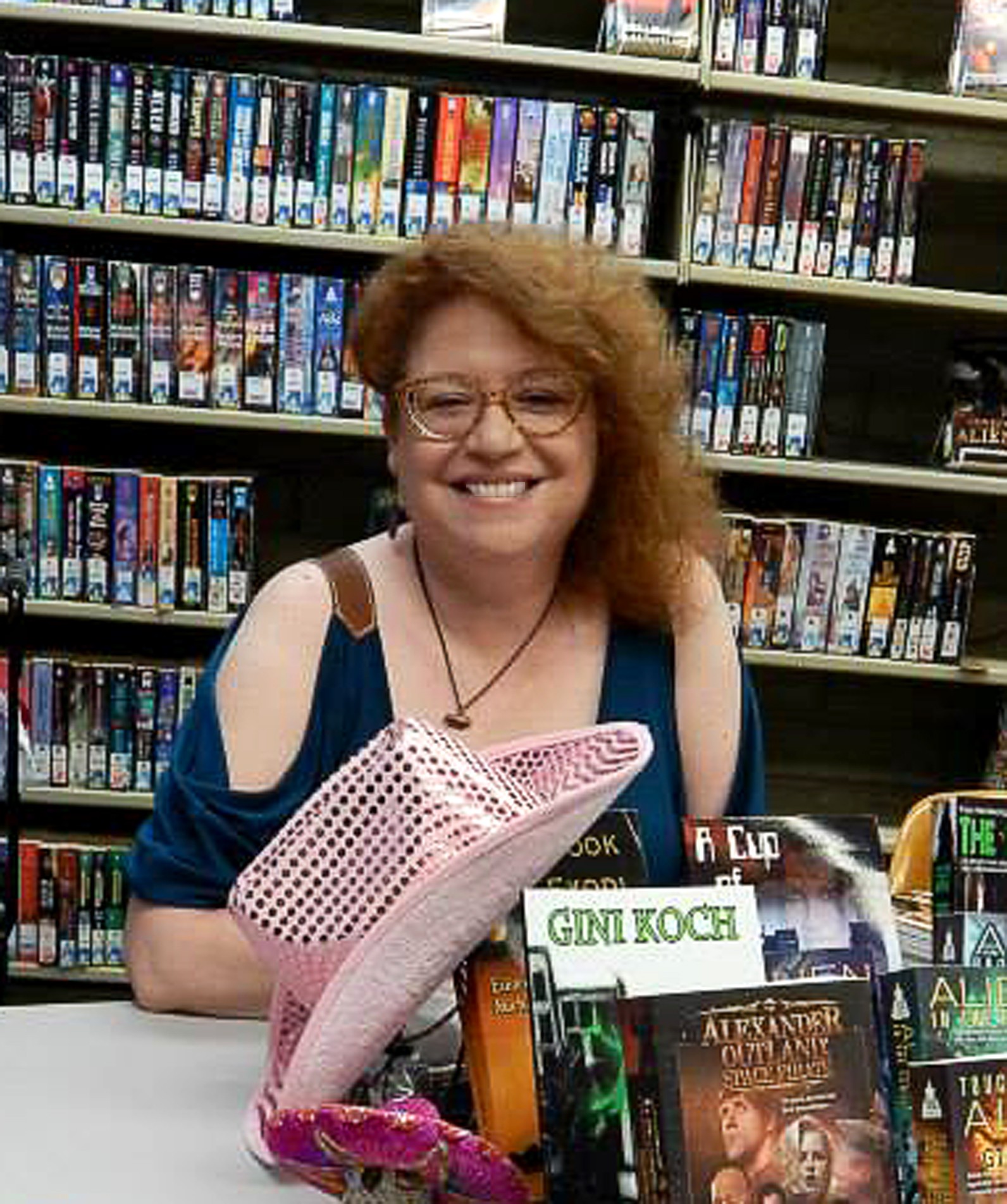

We caught up with the brilliant and insightful Gini Koch a few weeks ago and have shared our conversation below.
Alright, Gini thanks for taking the time to share your stories and insights with us today. Are you happier as a creative? Do you sometimes think about what it would be like to just have a regular job? Can you talk to us about how you think through these emotions?
I didn’t grow up thinking I’d be in the creative arts and I ended up arts adjacent, because my career prior to becoming a fulltime author was in marketing and advertising. I was in small to mid-sized agencies in Los Angeles and midway through my career I joined IBM. I loved marketing and I loved my jobs (well, most of them). I learned a tremendous amount at the agencies and in Corporate America. All of which made me a savvy businesswoman, meaning I understood that publishing was a business before I ever wrote anything that wasn’t for work.
Believe me, that made and makes me popular with agents and editors, because I understand that the business isn’t there to make my dreams come true — the business exists to make money. So rejections don’t bother me nearly as much as they could. They’re just saying my book or story isn’t one that fits what they want. No creative rejection has ever stung as much as not getting a job I’d applied for and really wanted. So I have a very business-like approach to creativity — when I’m writing, the creative side rules, but when I’m done, the business side takes over.
I love being an author. Keep in mind that I loved my career and loved the companies I worked for and the people I worked with. And yet, the worst day writing is still better than the best day working for someone else — and I had a lot of great days working for other people.
What I miss about a regular job is a steady paycheck — the arts are NOT steady. But being able to do what I want, when I want to, is a great blessing, and one I’m always grateful for. A reader telling me that my book/s meant the world to them is still a greater thrill than any raise or promotion ever was.
So, yes, I’m extremely happy as an author and I will never stop writing.
As always, we appreciate you sharing your insights and we’ve got a few more questions for you, but before we get to all of that can you take a minute to introduce yourself and give our readers some of your back background and context?
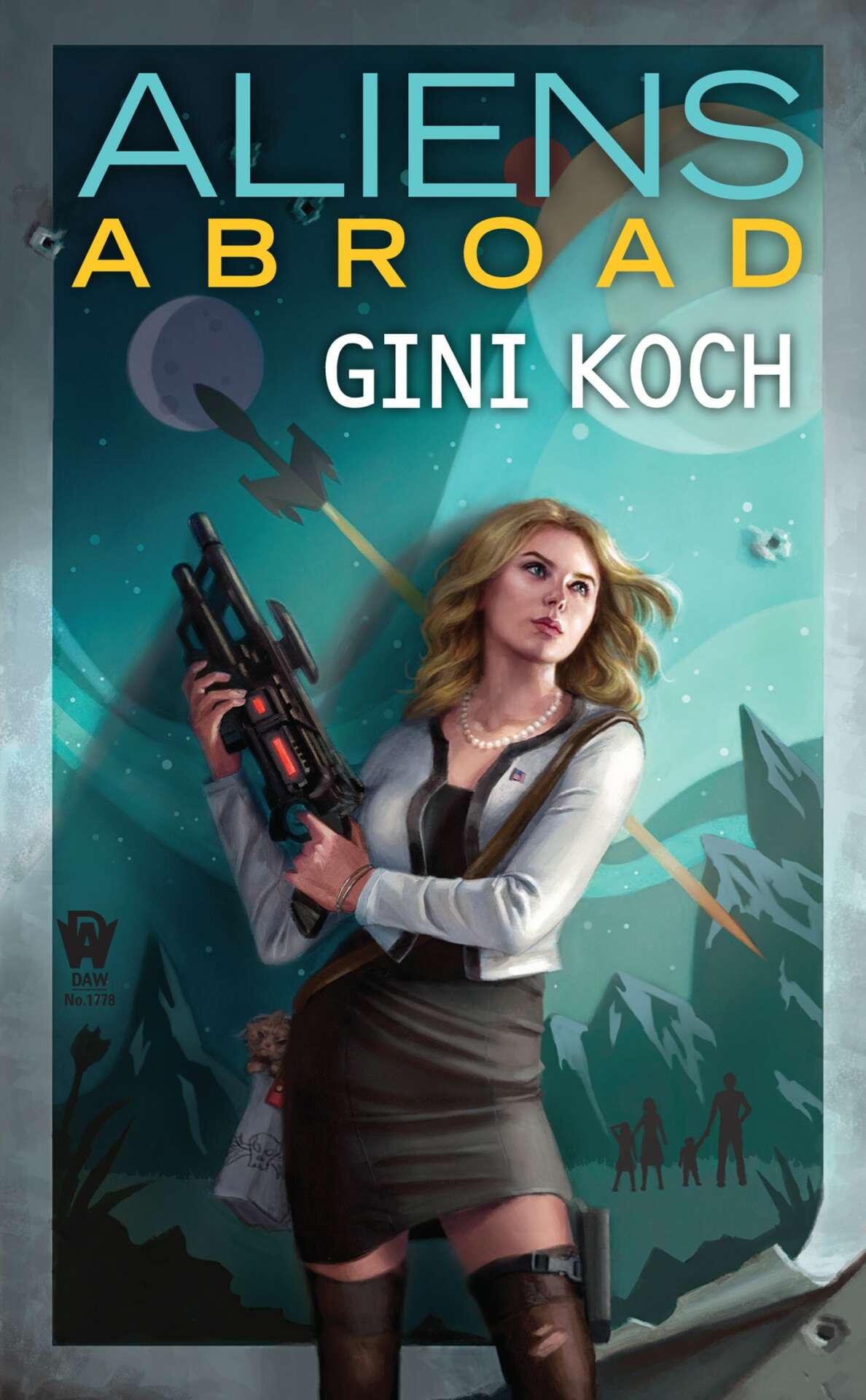
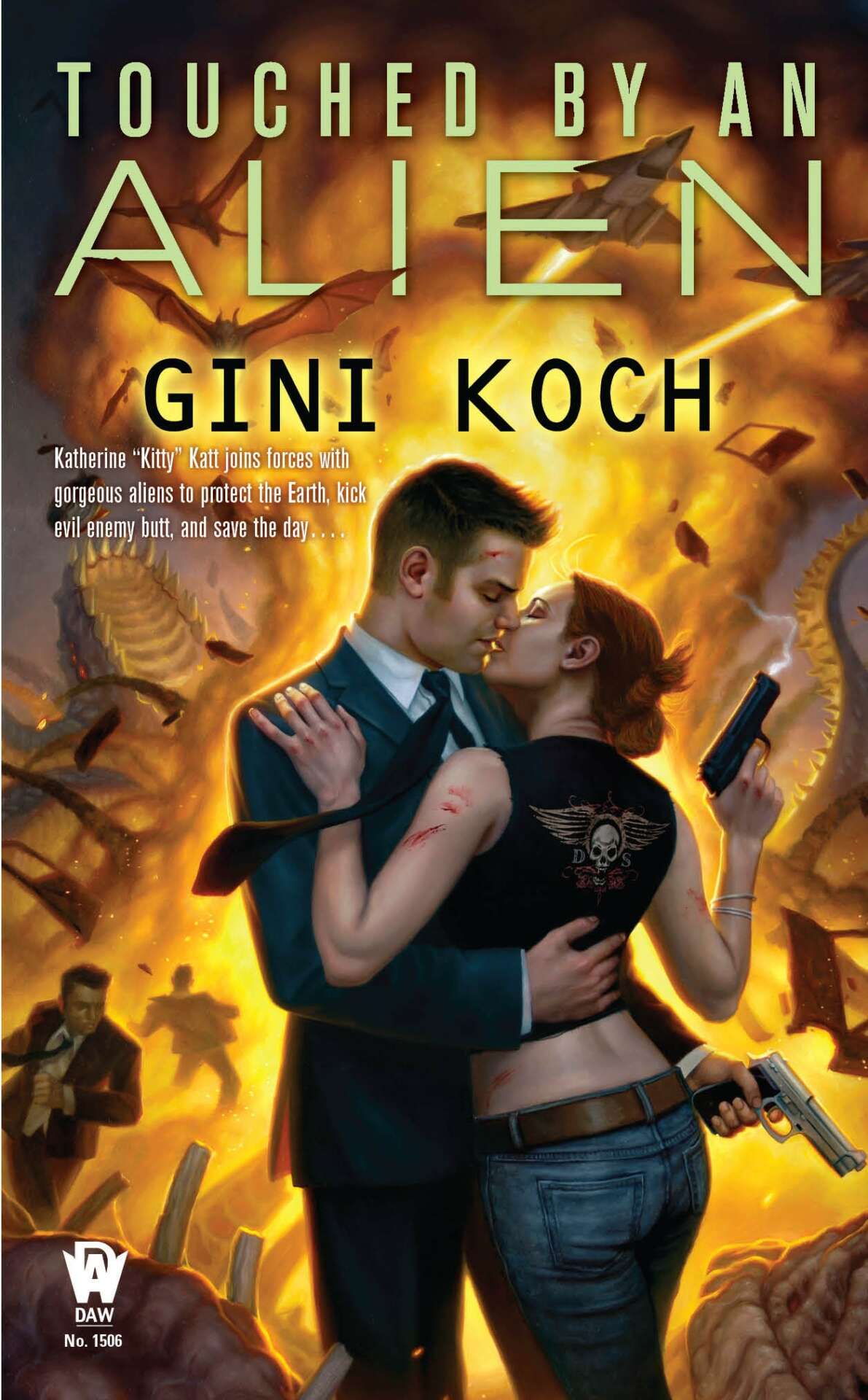
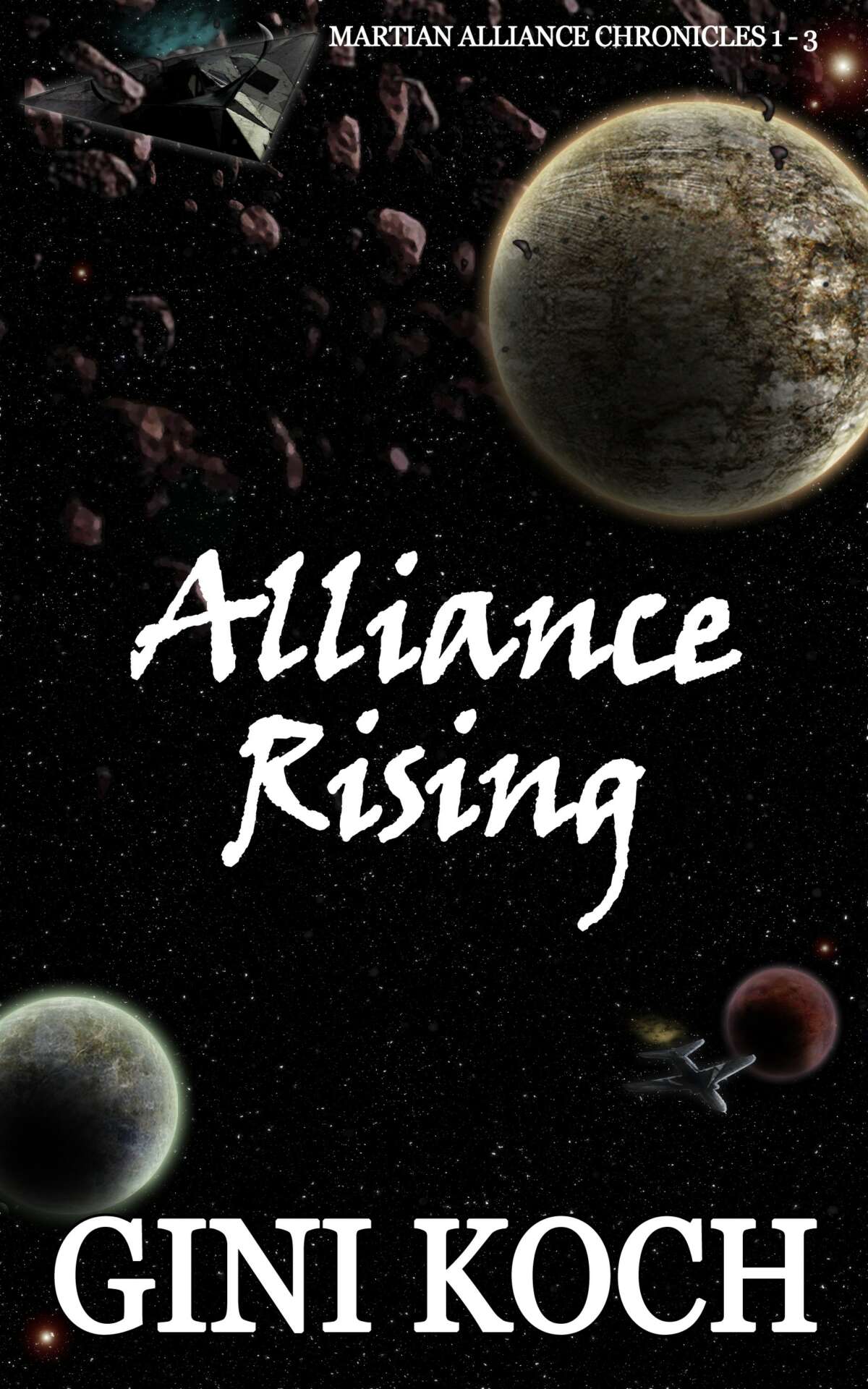
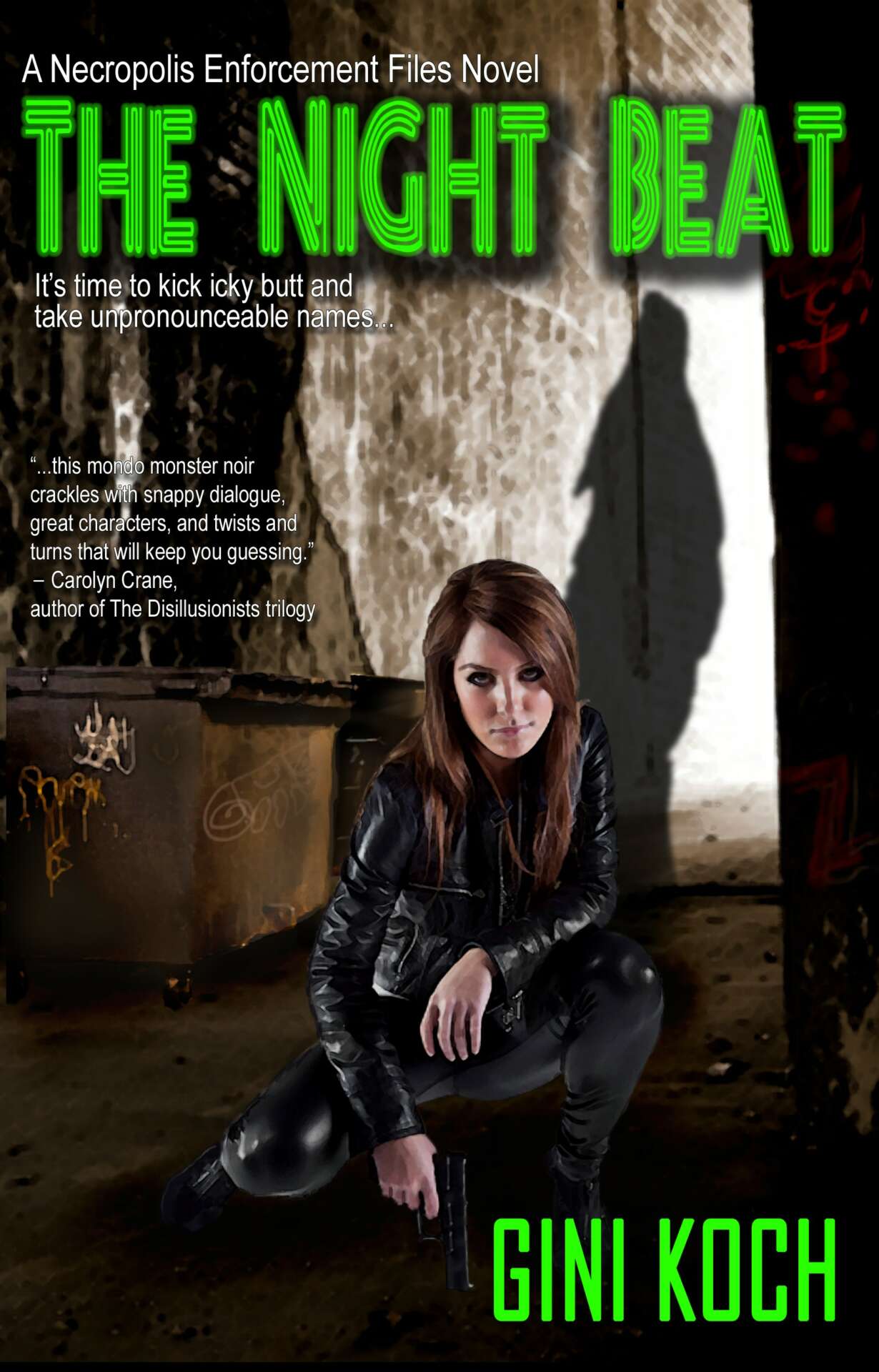
I write the fast, fresh, and funny Alien/Katherine “Kitty” Katt series for DAW Books, the Necropolis Enforcement Files series, the Martian Alliance Chronicles series, and I have a humor collection, Random Musings from the Funny Girl. Basically, I’m science fiction’s funny girl.
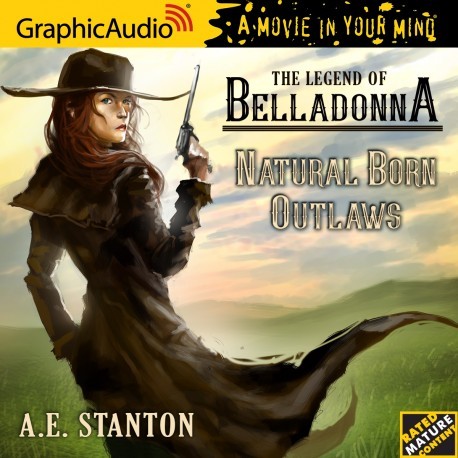
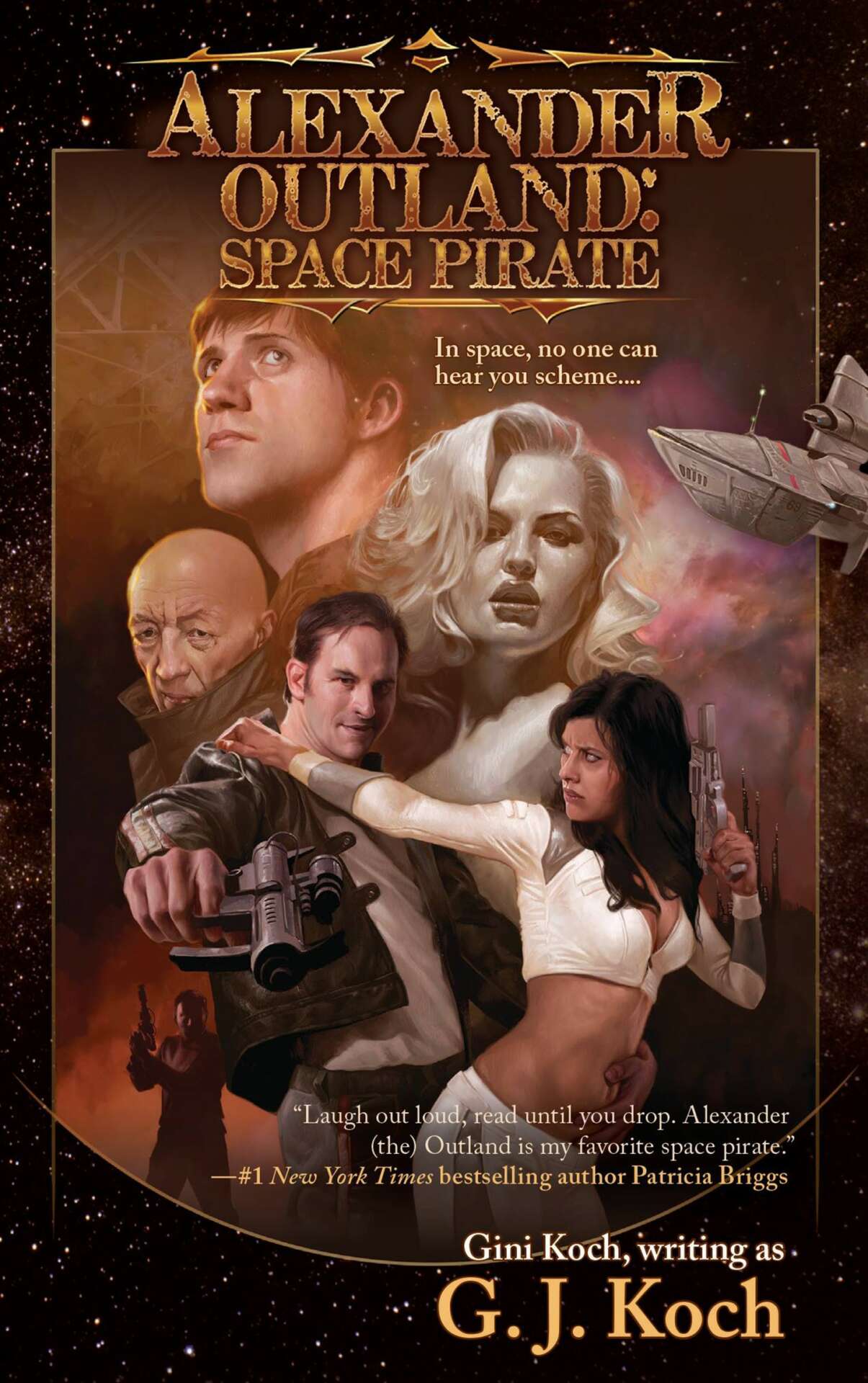
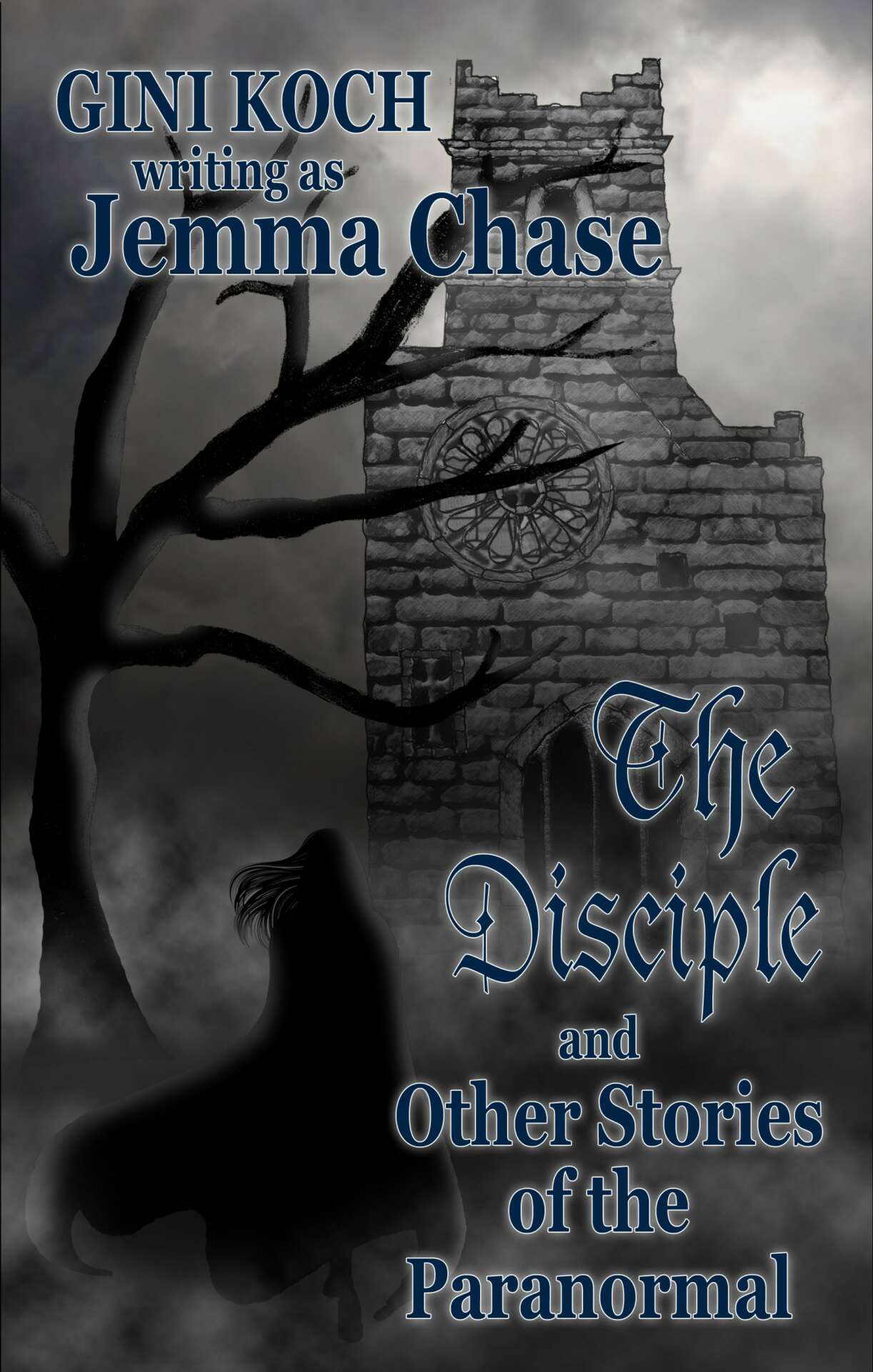
I’ve also made the most of multiple personality disorder by writing in every length and genre and under a variety of other pen names as well, including G.J. Koch (the Alexander Outland series), Anita Ensal, Jemma Chase, A.E. Stanton (the New West Series and the Legend of Belladonna series), and J.C. Koch, all with stories featured in excellent anthologies, available now and upcoming from publishers such as DAW Books, Baen Books, Zombies Need Brains, UFO Publishing, Abaddon Books, IDW Publishing, Titan Books, JorunalStone, CAEZIK SF & Fantasy, Founders House Publishing, Audio Publishing, Prime Books, Eposic, and Cold Fusion Media.
I started writing to shut up the voices in my head. That didn’t work, because my voices are quite noisy and demanding, but they keep me writing, so it’s all good.
What can society do to ensure an environment that’s helpful to artists and creatives?
Buy the art. Buy all the art. If you can’t buy the art, figure out how to legally rent the art (libraries, for example, are where the books are free). But DO NOT PIRATE the art.
The single worst thing happening to authors and artists today is the pirating of our work. We lose hundreds if not thousands of dollars, and for traditionally published authors pirates can decrease sales enough that the contracts are taken away. For every author, traditional, hybrid, or self published, pirates steal the bread from our mouths, literally and figuratively.
If you don’t pirate, great. However, if you know people who do and don’t call them on it, then you’re supporting their piracy. Your favorite artists won’t survive if they can’t make a living, and it’s unfair of you to expect that YOU get paid but that it’s okay to steal from the people providing your entertainment. If you see someone pirating, tell them to stop and alert the artist/s they’re stealing from.
Can you share a story from your journey that illustrates your resilience?
I can share two.
The first is early in my career, pre-agent. I’d sent out a humor piece to The New Yorker. It was returned with a nice “not for us.” I opened the envelope, read the rejection, and then said to my husband and daughter, “Now I’m in the same category as Robert Benchley, Dorothy Parker, Woody Allen, Steve Martin, Dave Barry, and David Sedaris.” They asked what I meant. My answer? “They’ve all been rejected by The New Yorker.” And then I sent that piece out to the next market on my list. That was the exact moment when my family realized I was serious about becoming a published author.
The next is a couple of years and a whole lot of rejections later. I’d sent a query to an agent for whom I thought this particular work was perfect, just perfect. I’d also sold a humorous short to an online ‘zine for a modest sum (but it was a sale, and my first, so that was awesome) a few weeks prior.
The mail arrived. In it were two particular things. One was the check for my humor sale, complete with a lovely note from the editor sharing how thrilled they were to have me as part of their contributor family. The other was a postcard rejection — the most impersonal of rejections, without my name on it, the thing the kid in the mailroom sends because your book is THAT bad as far as that agency is concerned — from the agency I thought would love my book. My husband is there, all thrilled with the check for a tiny sum — for a piece that literally took me 30 minutes to write and craft — while I’m staring at the rejection for a book I loved and labored over.
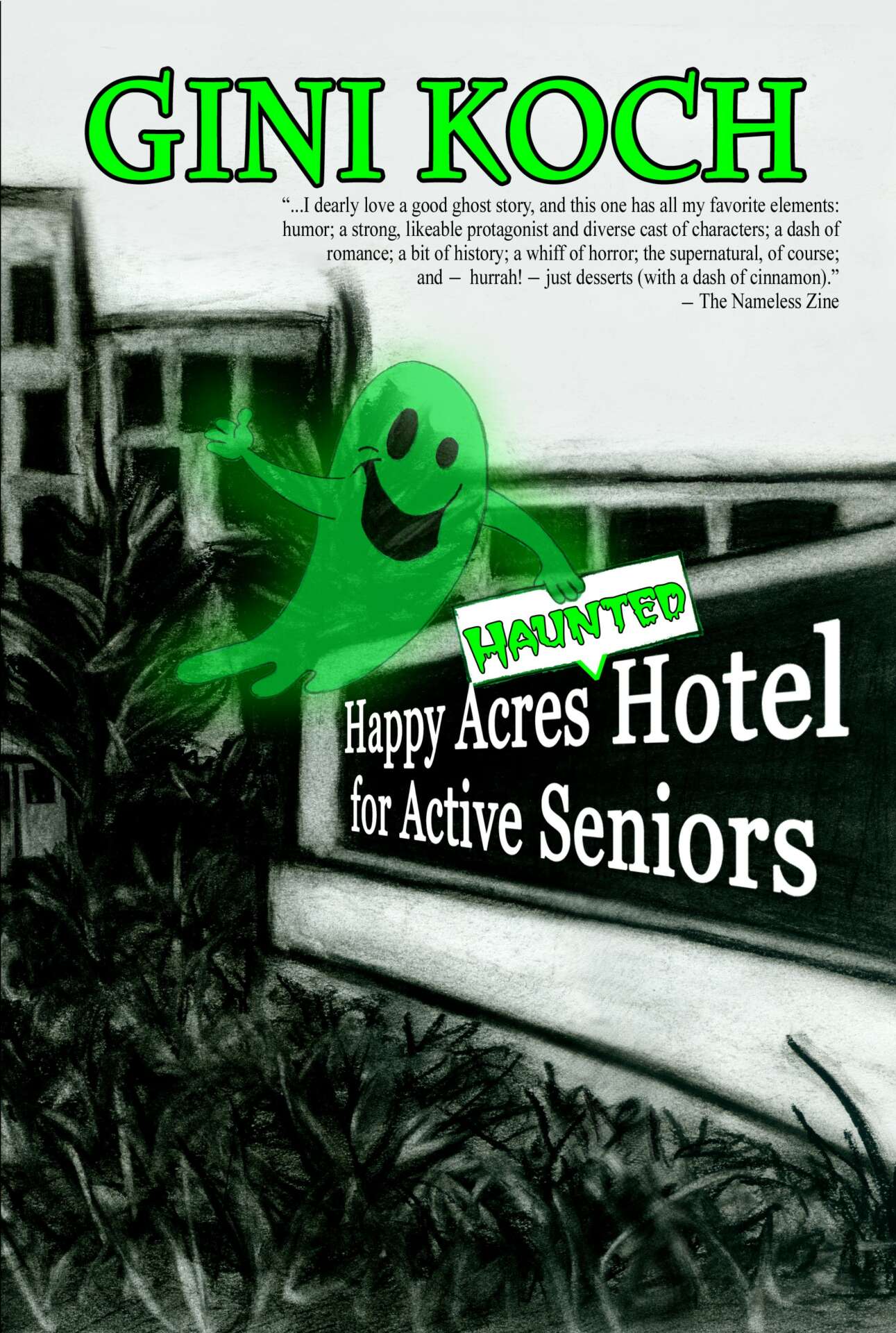
I burst into tears, ran into the bathroom, locked the door, and had a good, long cry. Then I went out and started writing, because that’s what you do — you cry and then you get on with it. I chose to work on what was supposed to be a dark, short, noir-ish horror story. Which, within a few pages, morphed into a snarky, funny, science fiction story with a lot of action, romance, and humor in it…Touched by an Alien, the first in my now quite long-running Alien series.
Would I have come up with the story without the rejection? Probably. But I wouldn’t have without that humor sale, because that was what told me that the thing that came easily to me — being funny — was worth money to someone, so when the story turned funny, I let it ride, because you can fix anything in post. And, as it turned out, being funny was worth money to many someones. So, even when things seem darkest, there’s always a ray of light somewhere, if you just never give up and never surrender.
Contact Info:
- Website: www.ginikoch.com
- Facebook: https://www.facebook.com/Gini.Koch/, https://www.facebook.com/GiniKochAuthor/
- Twitter: @GiniKoch
- Other: Pinterest: https://www.pinterest.com/ginikoch/