

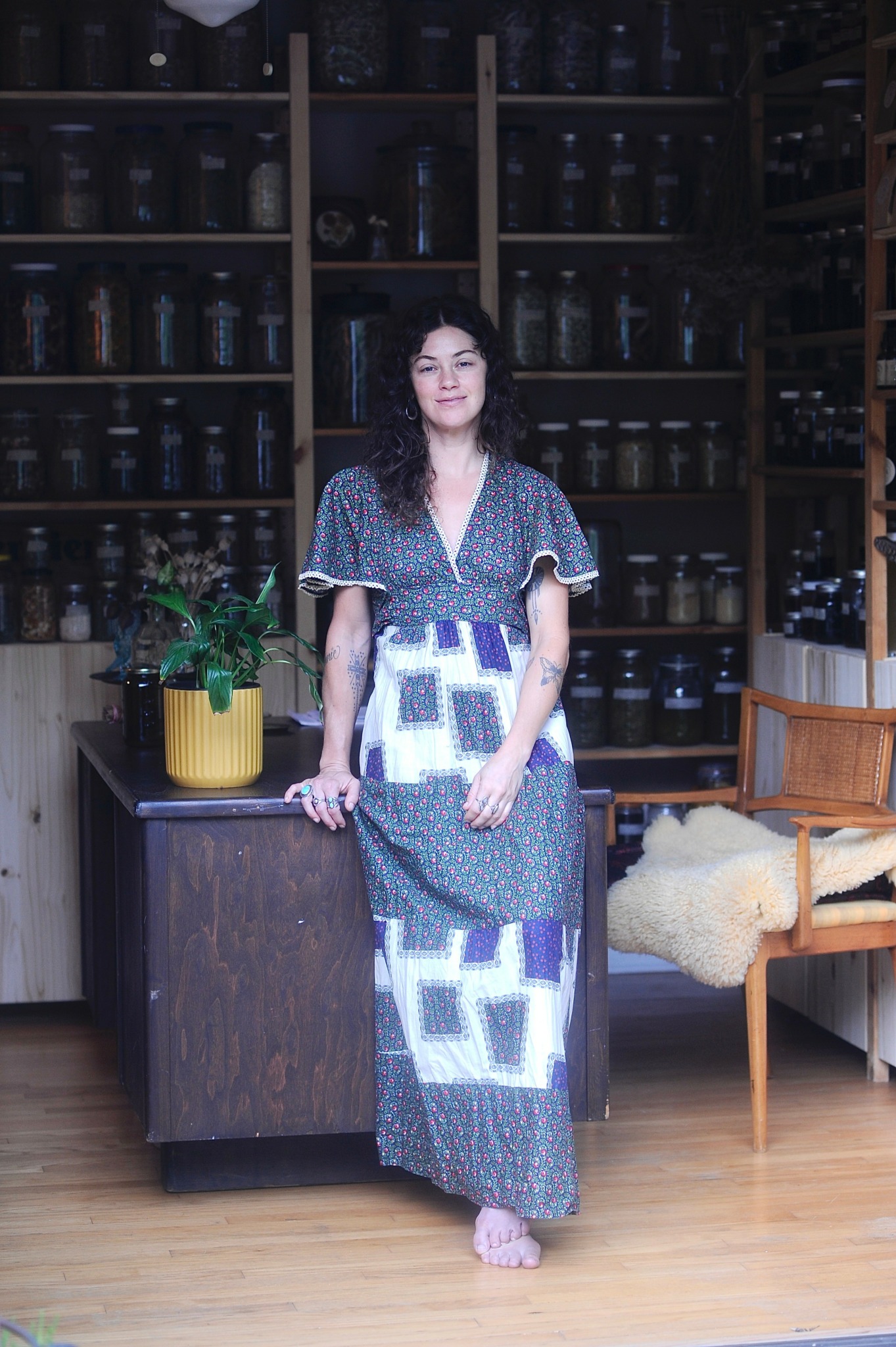

We recently connected with Gina Ross and have shared our conversation below.
Gina, thanks for taking the time to share your stories with us today How did you get your first job in the field that you practice in today?
I had just come back from studying permaculture in Tennessee and got laid off from my steady office job of 8 years. It seemed like the perfect time to dive head-first into this budding passion and course of study- I was eager to get a job working the land and getting my hands in the soil and, looking back, fortunate to have had a job loss push me to take a risk that would have felt very scary otherwise. I had a general understanding of landscaping, edible and medicinal gardening, herbal medicine, and community work but still very much needed training and mentorship–the practical side of learning a new skill.
Within a couple weeks of landing back in LA I found the account of my soon-to-be gardening mentor, Jeff, and reached out. I was awestruck by his account byline: ‘Gardener’ and felt a deep longing to one day call myself a gardener. I wrote him very honestly, sharing with him my goal and he kindly invited me to the property he worked on- a 7 acre private residence. We hit it off and I was invited back for a trial work day. All day I’d felt like I was living in the dream I’d envisioned and that solidified when the day ended and I was asked to be a part of the crew. I still have the very first paycheck I received with ‘Gardening’ inscribed on the ‘For’ line. I am still very grateful for that opportunity to learn with such a skilled gardener and the lessons I learned over those few years taught me much beyond working with plants. The importance of community and extending the web of like-minded people is crucial for wayfinding. Our network is mutually beneficial and in this way a perfect model of the reciprocity I practice when working with plants and medicine.

Gina, love having you share your insights with us. Before we ask you more questions, maybe you can take a moment to introduce yourself to our readers who might have missed our earlier conversations?
I came to herbalism in 2007 while working at a health food store. I became immersed in alternative healing through food, supplements, and herbal medicine and felt an immediate affinity for the plants, eager to learn their names and how to identify them and the power they held. At that time I was struggling with adrenal stress that had become a real obstacle for me. I went on a high-dose regimen of adaptogenic and nervine herbs and within a few months felt like I had returned to myself–it felt miraculous. The power of plant medicine opened me to the dynamic potential of healing through the chemistry and the wisdom of plants and fungi.
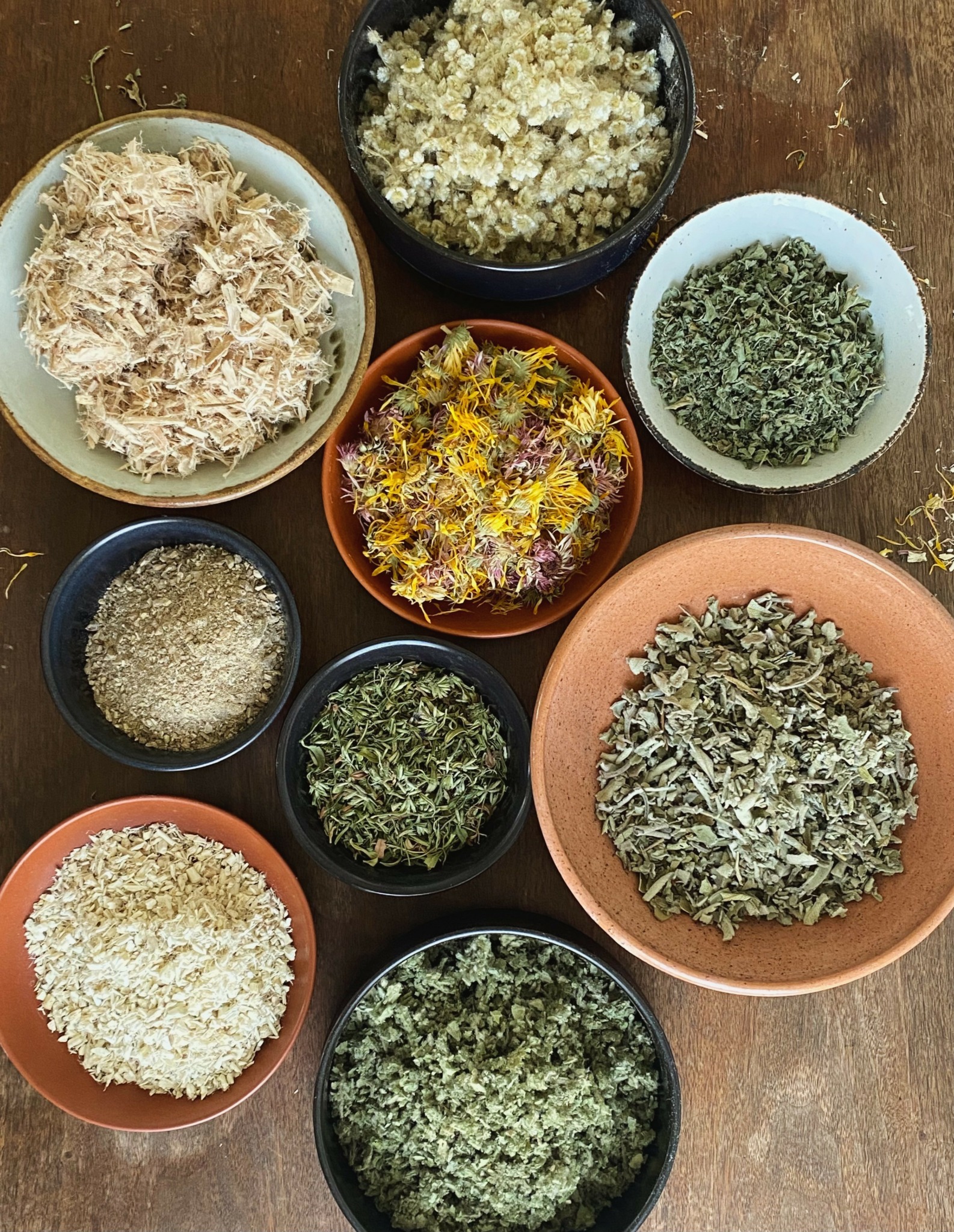
Sentient Kin Apothecary is earth-first and people-friendly. This is a multifaceted project focused on land tending, soil-building, food and medicine sovereignty, equity and communal resiliency. In my tiny urban garden I grow food for birds and insects alongside food and medicine for my family. Sentient Kin Apothecary is where the abundance is bottled and because the medicine is made with earth-first principles, it is small batch and seasonal, always holding the plants in esteem as keepers of their own wisdom and part of our family…they are our sentient kin.
I develop products around the intersection of herbs I grow and can forage in my community and what the people in my life need. I work with neighbors and neighboring lands to sustainably harvest local medicine. What I don’t grow is sourced from trusted companies. Part of food sovereignty is growing and having access to medicine and these issues are very much rooted in the discussion of privilege and who has access to land, which is why 5% of Sentient Kin Apothecary sales go towards the redistribution of land to Black and Indigenous farming initiatives.

What’s a lesson you had to unlearn and what’s the backstory?
Something I confront consistently is the myth of productivity- this obsession to perform and put out product/content/etc. The cornerstone of what I create comes from integrity and in order for me to be in integrity with myself, my values, the plants and land and my community, I cannot prioritize productivity at the expense of being aligned. The grip has loosened in the last years, for which I am grateful. I’m aiming for slow, steady, and intentional. I make handmade medicine from plants I grow, many from seed…so much of the process itself is medicinal. The process is teaching me about cycles and seasons and when I really listen, the message has nothing to do with exploitation, stress or performance. In the spirit of this reciprocity, I like the challenge of resisting and rejecting the myths I’ve been taught throughout my life.
We’d love to hear a story of resilience from your journey.
In 2019 my late partner was diagnosed with cancer. It was during the height of my unfolding passion for plant medicine and natural healing and I was occupying this space of feeling completely empowered and inspired by herbal medicine. Up until this point I had seen my own health radically change with the support of herbal medicine and had worked alongside others who were treating heavy diagnoses with great success. I approached his illness with research, ideas, and remedies for remission. During the two years he was sick, my knowledge and experience became irrelevant as we shifted focus, taking a Western medicine approach. Doctors warned against the integration of alternative medicine and I learned some very important lessons about control, bodily autonomy, and responsibility. I am still learning to trust herbal medicine again- understanding that a person’s path and a body’s choice to stop being here does not erase the potency of medicine, in any sense of the word. Healing is a much larger conversation involving numerous modalities and factors. The experience has offered expansion and education around some of these factors like psychological health, somatic work, mitochondrial health, and belief systems.
Contact Info:
- Website: https://www.sentientkinapothecary.com
- Instagram: @sentient.kin.apothecary


Image Credits
Kendra Smith, Kenny Anderson