

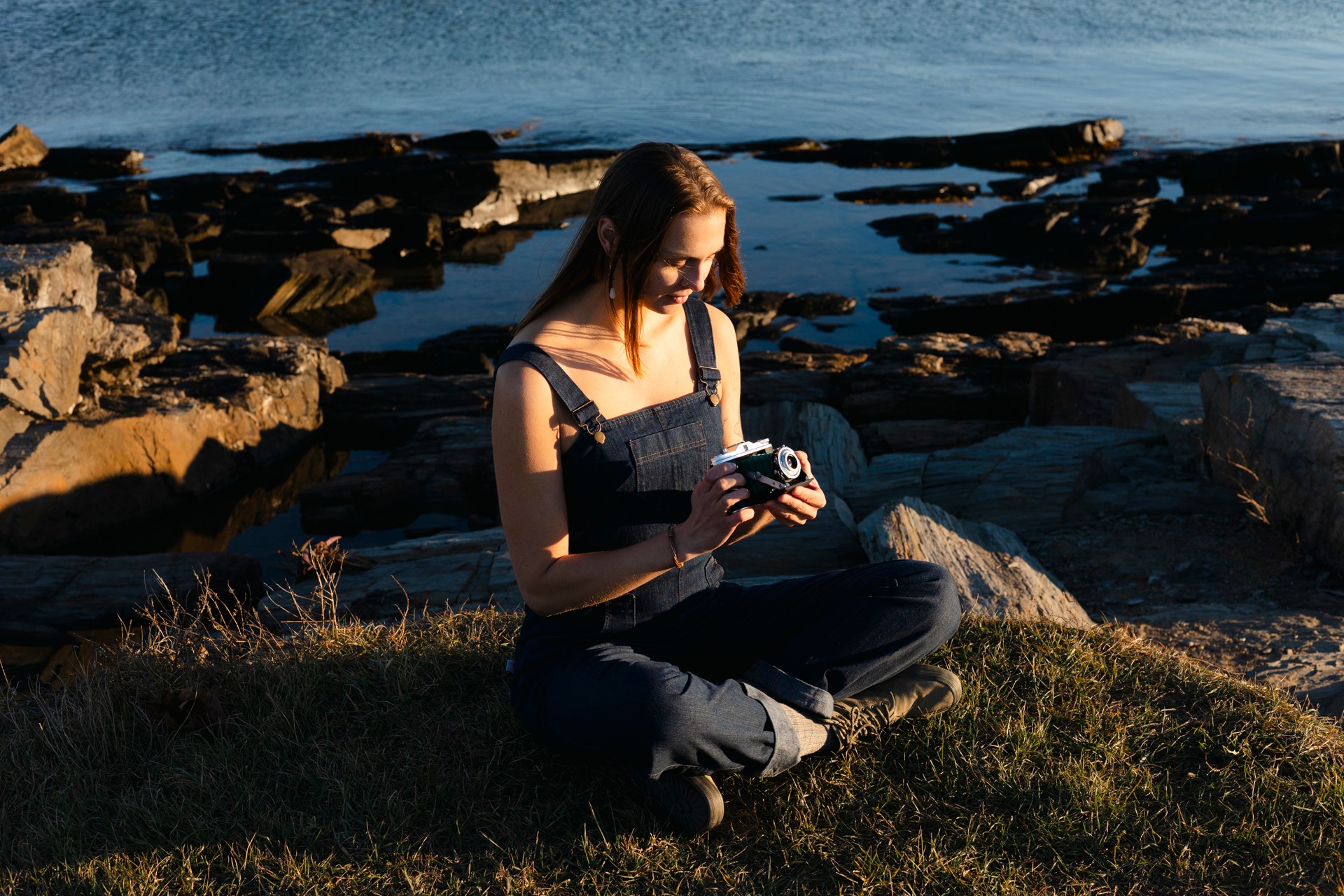

We’re excited to introduce you to the always interesting and insightful Gin Majka. We hope you’ll enjoy our conversation with Gin below.
Alright, Gin thanks for taking the time to share your stories and insights with us today. Can you talk to us about a project that’s meant a lot to you?
I’ve worked on many meaningful projects, but one that stands out is my first assignment for The New York Times. I photographed Sal, the daughter of Robert McCloskey—author of the classic children’s book Blueberries for Sal—as she read her father’s stories at a public library event, 20 years after his passing. It was a beautiful full-circle moment: Sal reading her father’s words to a room overflowing with Maine families.
I felt so fortunate to be co-photographing the assignment with Greta Rybus, a photographer I admire and have always looked up to. Having lived in Maine since I was a baby, I feel a deep love and devotion to this state and its communities. To help tell such a heartfelt, Maine-rooted story made the experience especially meaningful for me.
As always, we appreciate you sharing your insights and we’ve got a few more questions for you, but before we get to all of that can you take a minute to introduce yourself and give our readers some of your back background and context?
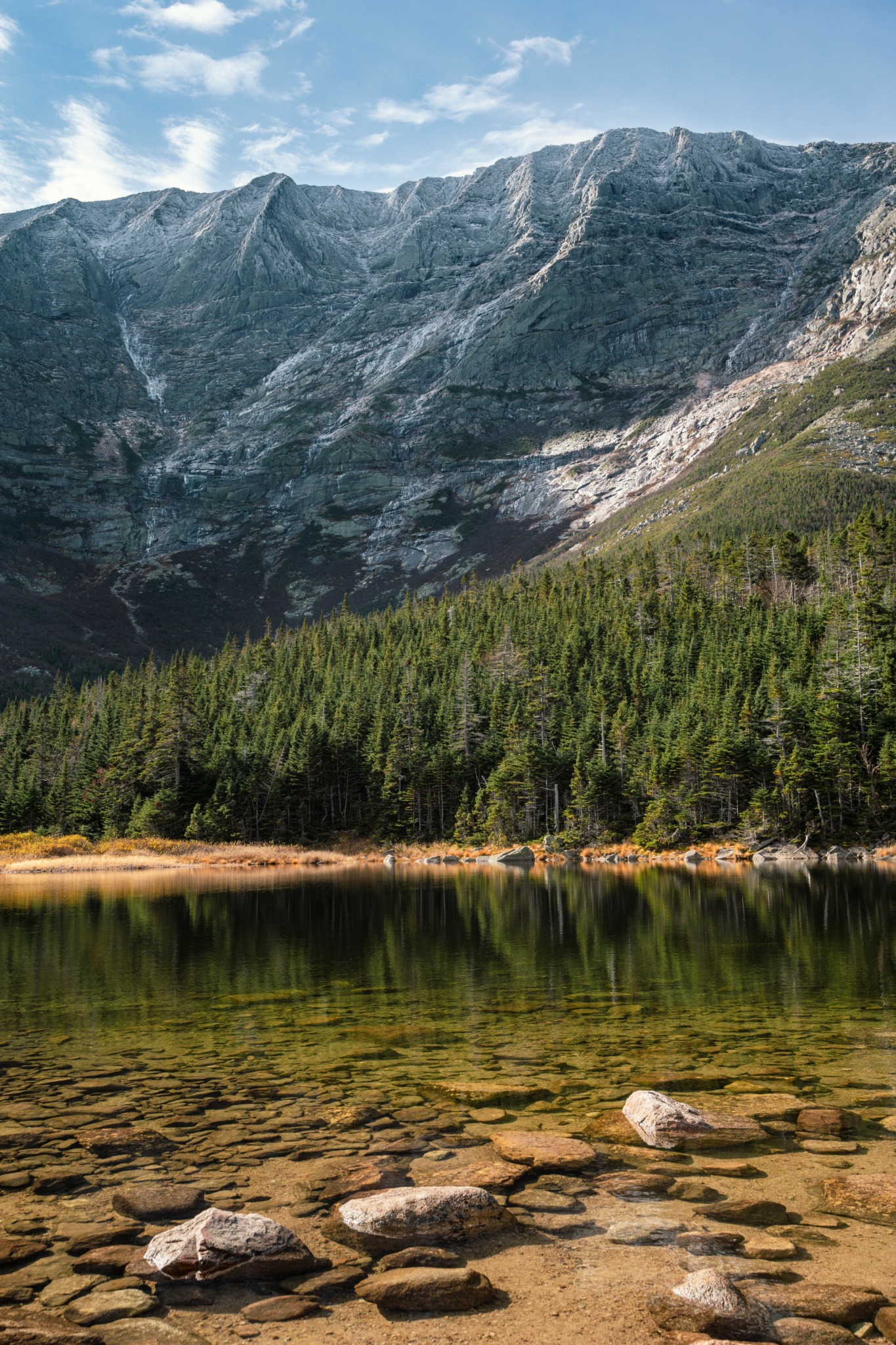
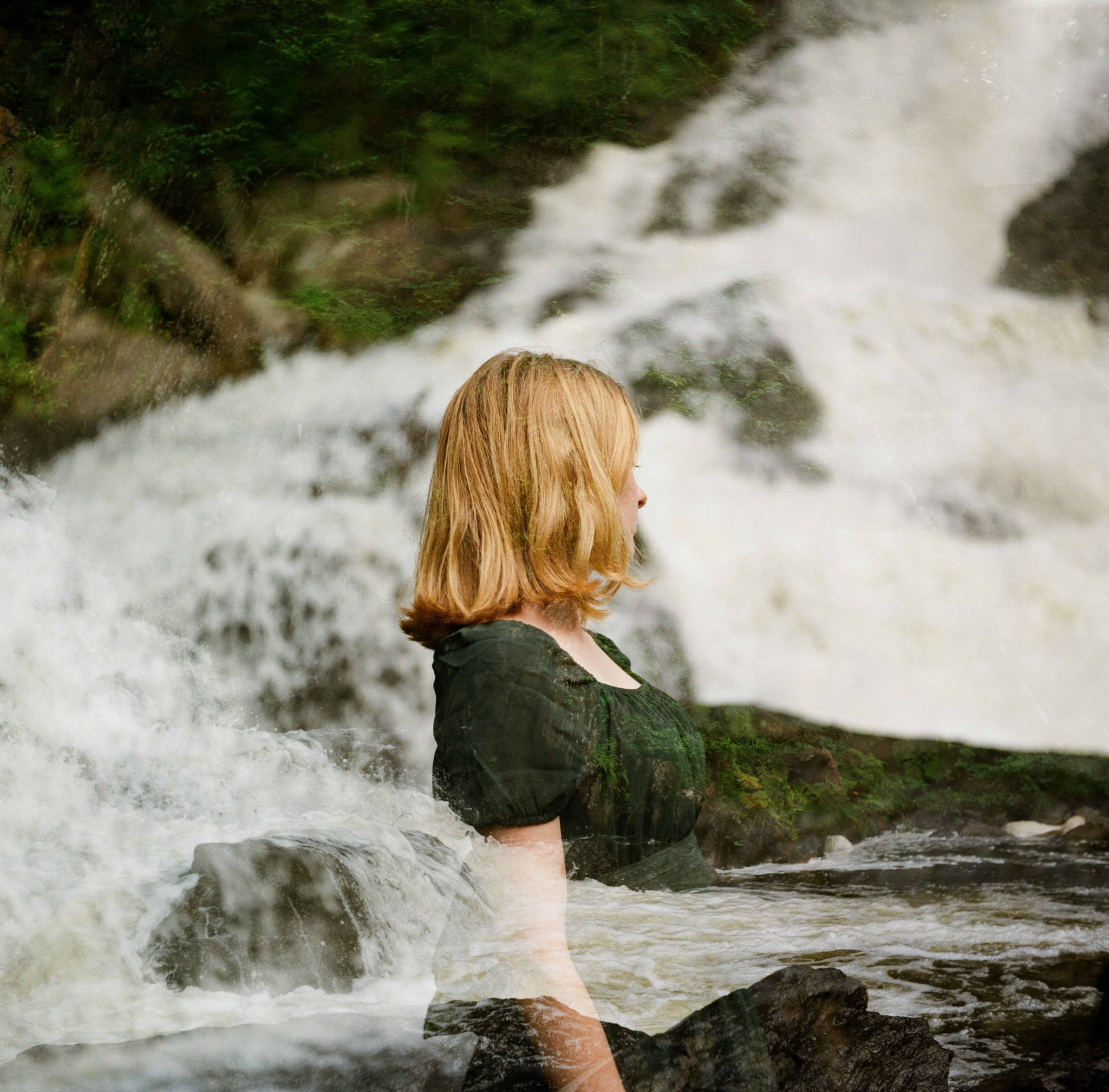
I’m Gin Majka, a Maine-based photographer and filmmaker with a deep love for nature and a strong commitment to sustainability. While I’ve been taking photos since I was a kid, my passion really took shape in high school when my dad gave me two vintage film cameras—a Kodak from the 1920s and a Pentax from the 1970s. I became obsessed with experimenting, especially with film, and over the years my style has evolved into something atmospheric, emotional, and rooted in the natural world.
My path into photography wasn’t linear. I spent years working with the National Park Service, earned a degree in Environmental Planning and Policy, and studied Nature-Based Tourism. Those experiences shaped how I see the world and gave me a strong foundation in conservation and storytelling. In 2023, I leaped into freelancing after nine months of preparation at Maine Media College.
Now, I work with mission-driven clients—ethical clothing brands, conservation nonprofits, and ecotourism groups—to create visuals that feel authentic and aligned with their values. I see photography as a powerful tool to build trust, spark emotion, and tell meaningful stories. I also take on editorial assignments and the occasional portrait session in nature, especially if it involves running barefoot through mud or jumping into a body of water (extra points for frozen lakes).
On the personal side, my fine art work explores experimental film techniques, connections to the earth, landscapes, and astrophotography.
What sets my work apart is the intention behind it. I’m not just creating pretty pictures—I’m working with people and organizations who are working toward a better world. I practice sustainability throughout my process, from minimizing production waste to offsetting my carbon footprint, and I spend part of the year living off-grid as a seasonal park ranger in the Maine Woods. This lifestyle keeps me grounded.
At the end of the day, I want people to feel something when they see my images—to feel connected, curious, and inspired to care about the world around them.


We often hear about learning lessons – but just as important is unlearning lessons. Have you ever had to unlearn a lesson?
A big lesson I’ve had to unlearn is that success as a freelancer—or a creative—means doing it full time. For a long time, I thought “making it” meant fully supporting myself through freelance photography alone. But this past year, I struggled with that. Pitching enough clients to sustain freelance work often meant spending days behind a laptop, sacrificing my time outdoors, my creative energy, and getting overly fixated on a screen instead of engaging with the tangible world.
Freelance photography is competitive and often scarce here in Maine, especially in winter. What I’ve realized is that success doesn’t have to follow one path. I missed the purpose I found doing outdoor work with the National Park Service. Now, I’m learning to balance meaningful freelance projects and the environmental work that grounds me, like working seasonally as a ranger.
I’m still figuring out the balance, but I know my happiness and creativity thrive when I honor both sides. I’m also deeply grateful for my friends and family who support me through the journey.


Is there mission driving your creative journey?
In my creative journey, my guiding goal is simple: I want to feel something when I make an image. If there’s no emotion or sensation when I look at it, it doesn’t feel complete. I’m always chasing that feeling. Whether I’m collaborating with a client to visually express their vision or creating fine art that reflects the inner workings of my mind, I aim to communicate something meaningful, visually and viscerally. And throughout it all, I’m constantly asking myself: how can I shoot this in the most environmentally responsible way possible?
Contact Info:
- Website: https://ginmajka.com
- Instagram: @cosmicgin
- Linkedin: https://www.linkedin.com/in/gin-majka-222580155/
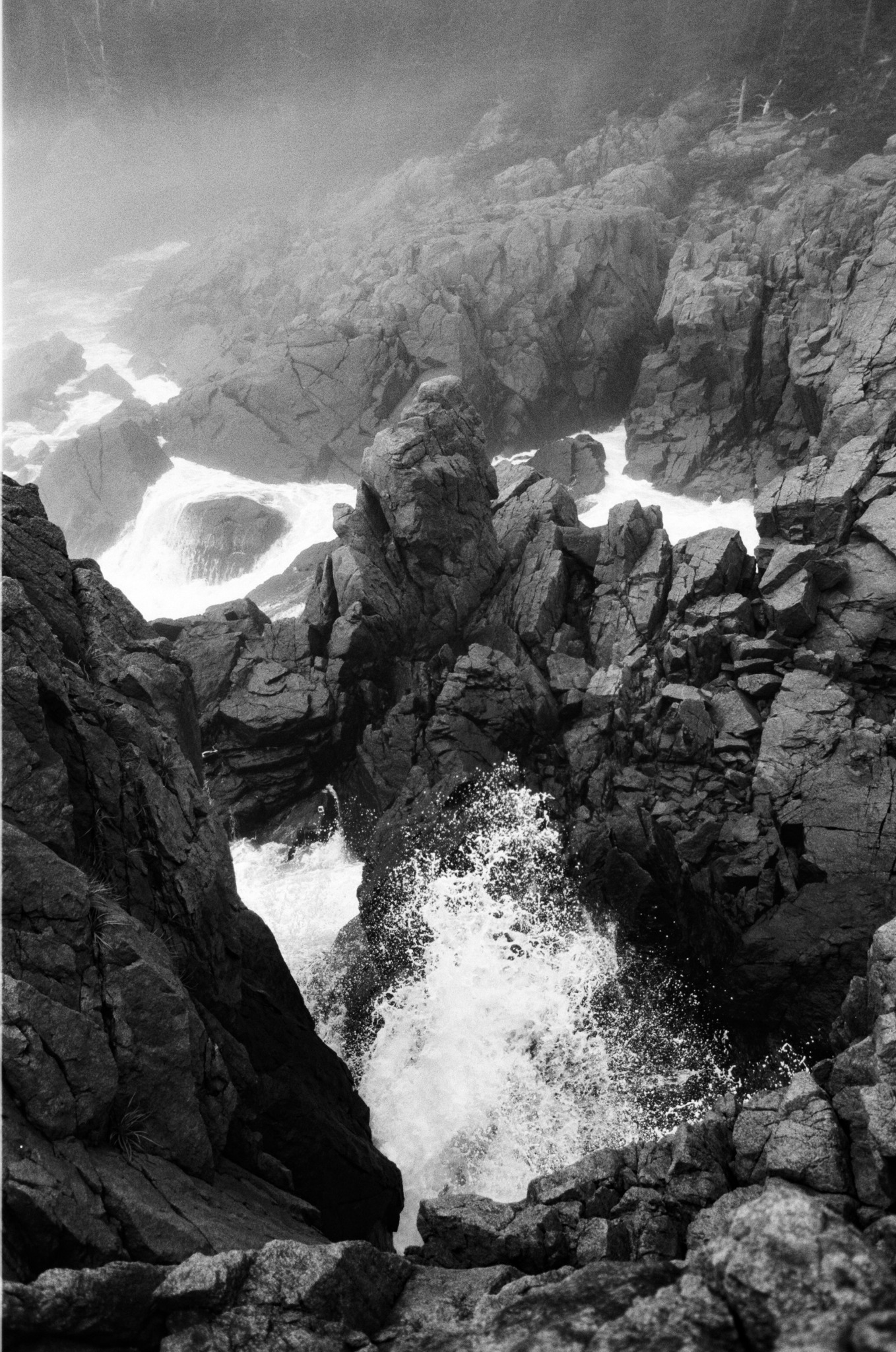
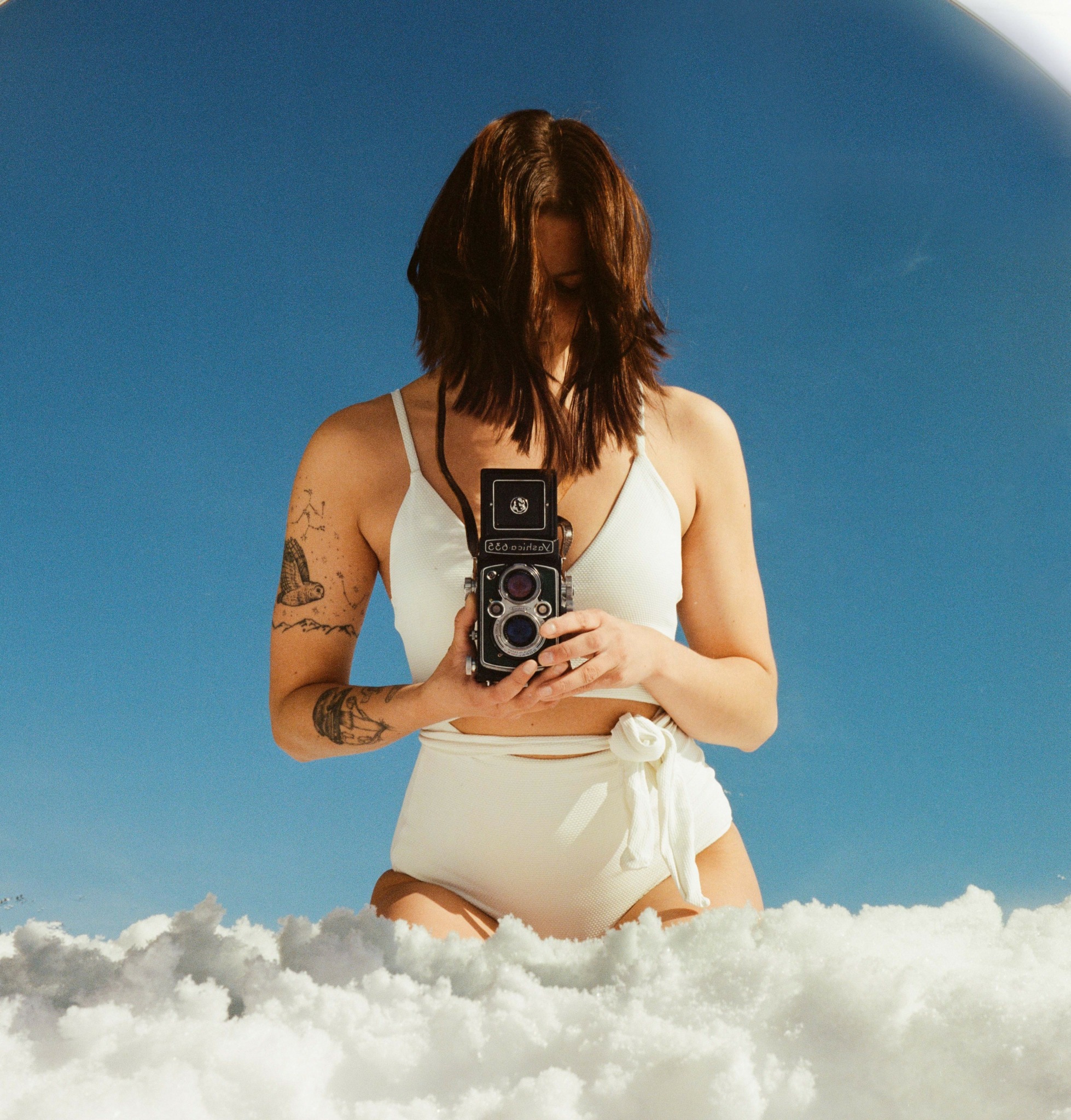
Image Credits
Evie Hansford