
We caught up with the brilliant and insightful Gigi Robinson a few weeks ago and have shared our conversation below.
Gigi, appreciate you joining us today. We’d love to have you retell us the story behind how you came up with the idea for your business, I think our audience would really enjoy hearing the backstory.
Hosts of Influence® didn’t start as a single idea. It started as a realization that what I was building could scale, and more importantly, that most creators had no access to that kind of thinking.
At the time, I was already running my personal brand, doing brand partnerships, speaking, and consulting. From the outside, it looked successful, but internally I could see how inconsistent it was. Income came in waves, opportunities were tied to platforms, and there was very little structure behind it. I kept thinking, this is not a business yet, this is momentum. And momentum is fragile.
Around that same time, I started my dogs account, @zekeandtrixie, completely for fun. There was no strategy. It was just something I enjoyed. But when that account started to grow and eventually monetize, it forced me to confront something bigger. I wasn’t just building one brand. I had accidentally built a repeatable system. I could take an idea, build an audience, create trust, and turn that into revenue across completely different verticals.
That was the turning point. It made me realize that what I was doing was not about content, it was about infrastructure.
What became really clear to me was that most creators were not lacking talent or opportunity. They were lacking professional development. No one was teaching them how to think like operators. How to negotiate. How to structure long-term deals. How to diversify income. How to build something that could scale beyond one platform or one viral moment.
That is where Hosts of Influence® came from. It is not just about helping creators grow. It is about helping them mature into business owners. The focus is on scale, sustainability, and ownership. I wanted to create a space where creators could learn the skills that are usually reserved for traditional industries but apply them to the creator economy in a way that actually works.
The logic behind it was very practical. If I could build multiple brands, across multiple audiences, with different revenue streams, then I could teach that system. Not as theory, but as something that has been tested in real time. Zeke and Trixie became proof that this was not niche or luck-based. It was transferable.
What excites me most is that we are entering a phase of the creator economy where growth alone is not enough. Scale requires structure. And creators who understand that shift, who invest in their own professional development, will be the ones who build lasting businesses instead of temporary visibility.
Hosts of Influence® exists to close that gap.
Gigi, before we move on to more of these sorts of questions, can you take some time to bring our readers up to speed on you and what you do?
I’m Gigi Robinson®, and I work at the intersection of the creator economy, business strategy, and personal storytelling. I originally got into this space out of necessity, not trend. While I was in college, I was dealing with chronic illness, including endometriosis and hypermobile EDS, and quickly realized that the traditional career path was not built for someone with unpredictable energy and health. At the same time, I was working in digital marketing, entertainment, and as a campus ambassador for multiple brands, which gave me early exposure to how content, partnerships, and distribution actually work. I started creating content as a way to build flexibility and opportunity on my own terms, and over time that turned into a career.
What makes my path different is that I never saw content as the end goal. I saw it as an entry point. As my platform grew, I began to understand how attention translates into revenue, partnerships, and long-term leverage. That led me to build multiple brands, including my personal platform and a pet influencer brand, Zeke and Trixie, which started as something fun and evolved into a monetized, multi-platform business. Through that process, I realized that what I was building was not just content, it was infrastructure.
That realization led me to found Hosts of Influence, which is a creator education and advisory platform focused on professional development for creators and founders. The core problem I solve is that many creators know how to grow an audience, but they do not know how to turn that attention into a sustainable business. There is a gap between visibility and ownership. I help close that gap by teaching creators how to think like operators. That includes everything from negotiating contracts and understanding usage rights to building systems, diversifying revenue streams, and structuring long-term partnerships.
What sets me apart is that everything I teach is grounded in lived experience. I am actively building and operating multiple brands at the same time that I am advising others. I am not speaking from theory or observation. I am testing these strategies in real time across different audiences and verticals. I also bring a perspective shaped by chronic illness, which forces me to prioritize sustainability, efficiency, and energy management in a way that many traditional business frameworks overlook.
What I am most proud of is the fact that I have built a career that is both flexible and scalable. I have generated hundreds of brand partnerships, worked with global companies, published a book with Penguin Random House, and built a business that allows me to support myself on my own terms. More importantly, I have been able to take what I have learned and help others do the same.
The main thing I want people to understand about my work is that I am not here to help people go viral. I am here to help them build something that lasts. The creator economy is evolving quickly, and the people who succeed long term will be the ones who treat their work like a business, not just a platform. That is the lens I bring to everything I do.
What do you think helped you build your reputation within your market?
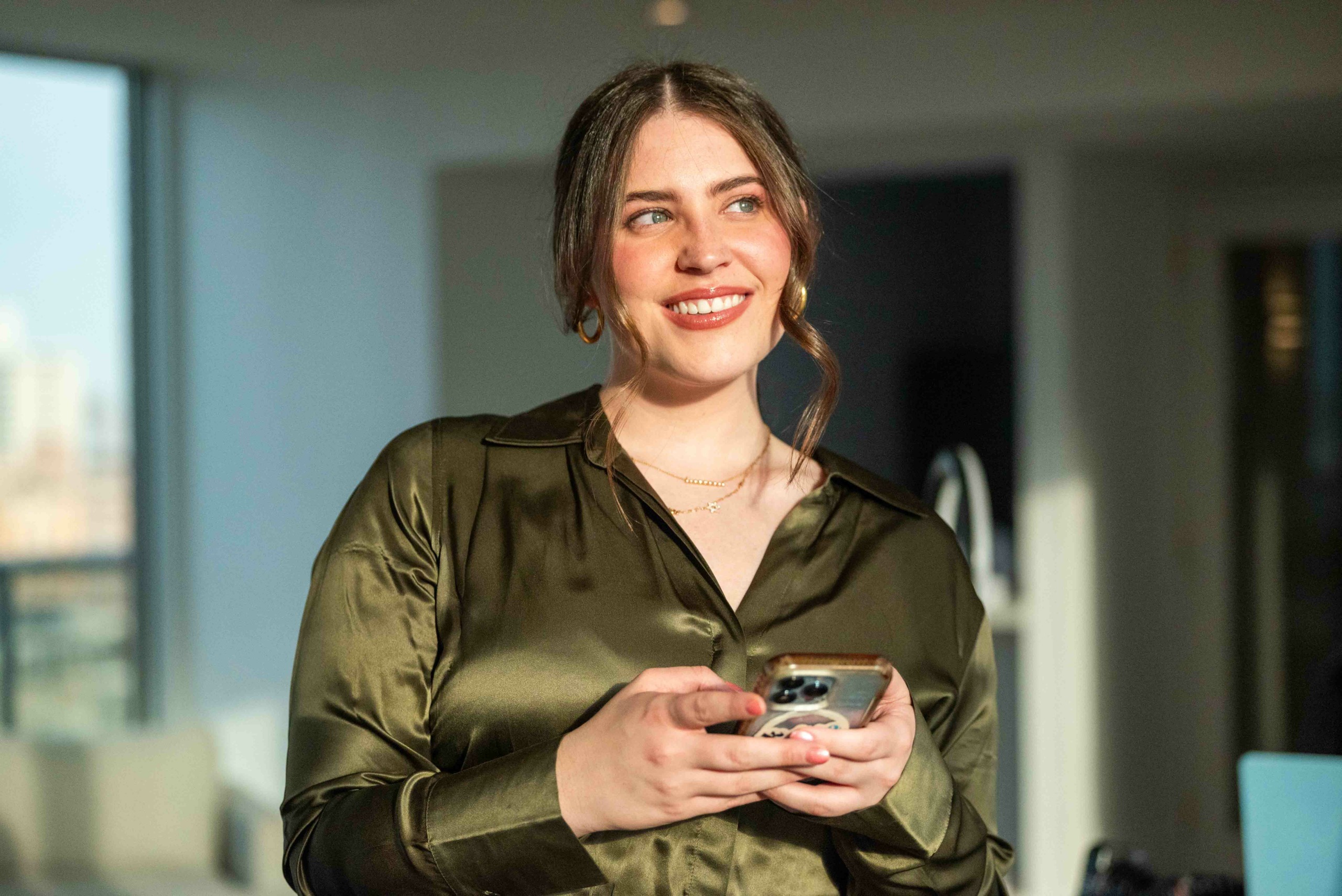
What helped me build my reputation wasn’t one big moment, it was how I showed up over time and the environment I was building in. I came into this as a Gen Z-er during COVID, which meant a lot of my early career was happening in isolation. There were no offices, no built-in networks, no casual opportunities to meet people. If I wanted connection, I had to go create it myself. So I became very intentional about building real relationships, reaching out, showing up online in a thoughtful way, and developing people skills in real time instead of waiting for them to happen naturally.
That experience shaped my mindset. I’ve always approached my work with a long-term lens instead of chasing quick wins, and I’ve focused on being clear and consistent rather than trying to impress people. I also genuinely care about connection. I don’t look at every interaction as something to extract from. I look at it as a chance to understand someone, support them, or build something together.
Collaboration has been a huge part of that. Especially coming up during COVID, I realized quickly that you cannot build in a vacuum. I’ve made a conscious effort to surround myself with people who are building in adjacent spaces and find ways to elevate each other. That could be sharing opportunities, co-creating, or simply amplifying someone else’s work. When you approach relationships from a place of expansion instead of extraction, people feel that. Over time, that builds trust, and trust is what turns into reputation.
Can you tell us about a time you’ve had to pivot?
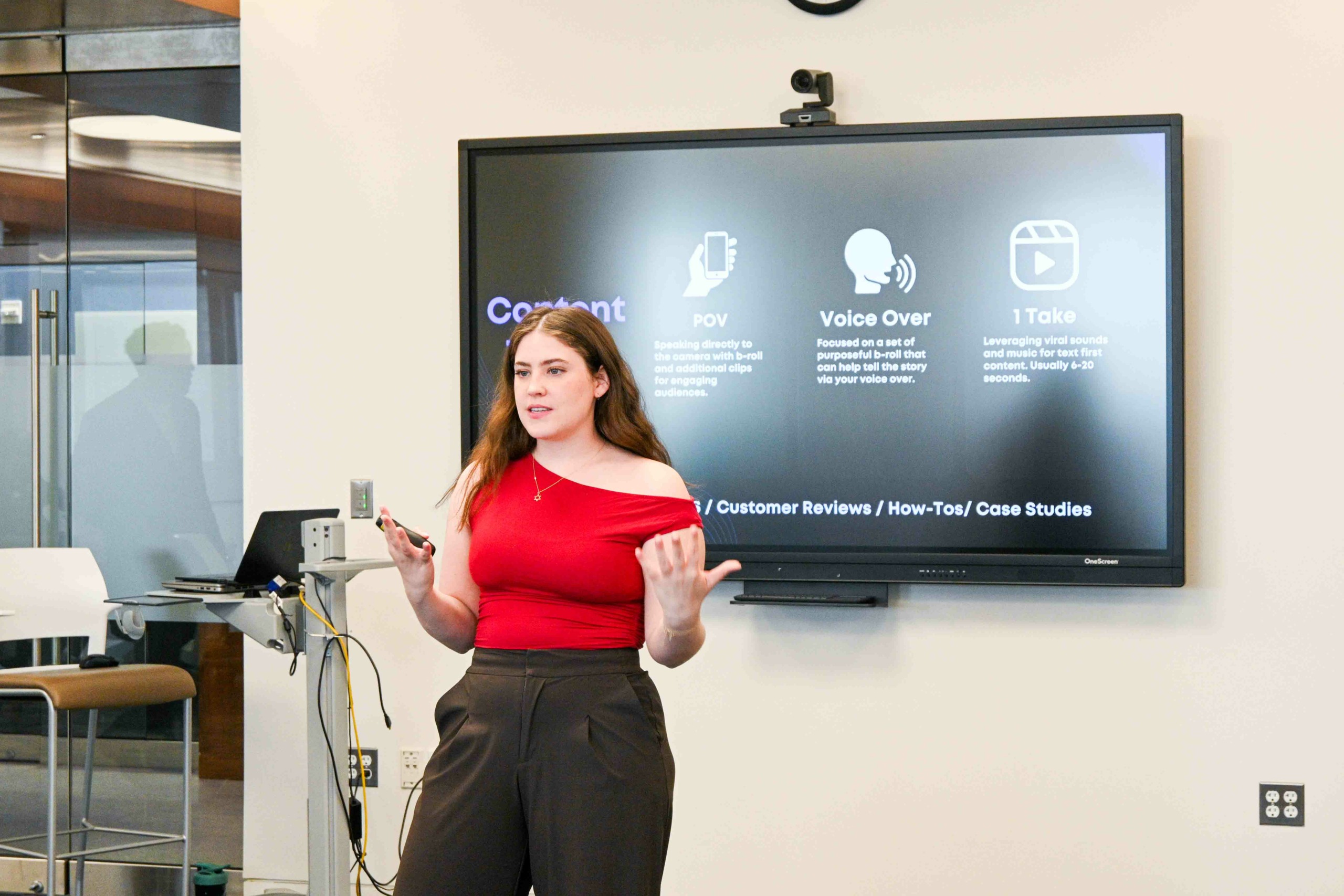
One of the biggest pivots in my career happened when I realized that what looked like growth was actually instability. I was doing well as a creator, landing brand deals, growing my audience, and getting opportunities, but everything was tied to output and timing. If I stopped posting or my health flared up, everything slowed down. That was a problem.
At that point, I had two options. I could keep doing what was working in the short term, or I could take a calculated risk and restructure how I was operating. I chose the second. I started focusing on ways to grow and scale beyond my personal output. That meant building Hosts of Influence, leaning into consulting, and treating my content like part of a larger system instead of the entire business.
It also forced me to become more decisive. I had to make calls about what to keep, what to cut, and where to invest my time. One of the biggest shifts was learning how to delegate. I had been doing everything myself, which worked until it didn’t. Bringing in support, whether that was interns or collaborators, allowed me to focus on strategy and growth instead of getting stuck in execution.
That pivot was not about abandoning what I had built. It was about building on top of it in a smarter way. It taught me that growth is not just about doing more. It is about structuring things so they can exist without you at every step.
Contact Info:
- Website: https://gigirobinson.com
- Instagram: https://instagram.com/itsgigirobinson
- Facebook: https://www.facebook.com/itsgigirobinson/
- Linkedin: https://linkedin.com/in/gigirobinson
- Youtube: https://youtube.com/c/itsgigirobinson