

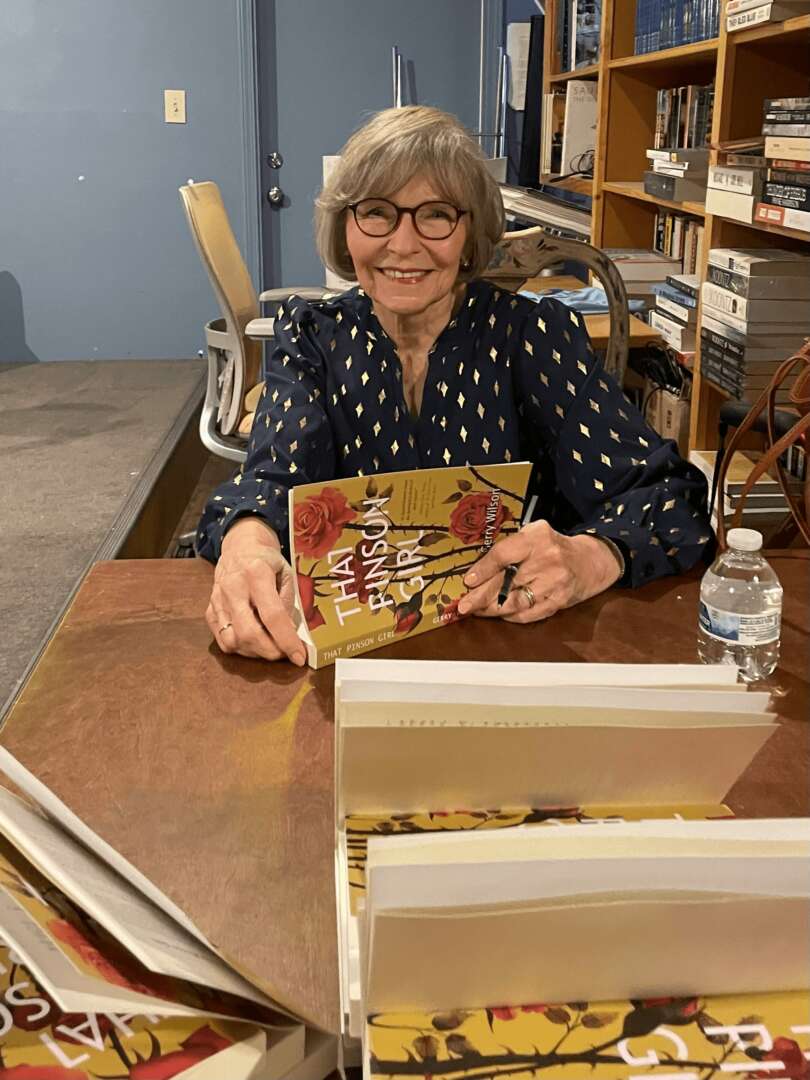

Alright – so today we’ve got the honor of introducing you to Gerry Wilson. We think you’ll enjoy our conversation, we’ve shared it below.
Gerry, looking forward to hearing all of your stories today. We’d love to hear about the things you feel your parents did right and how those things have impacted your career and life.
What did my parents do right?
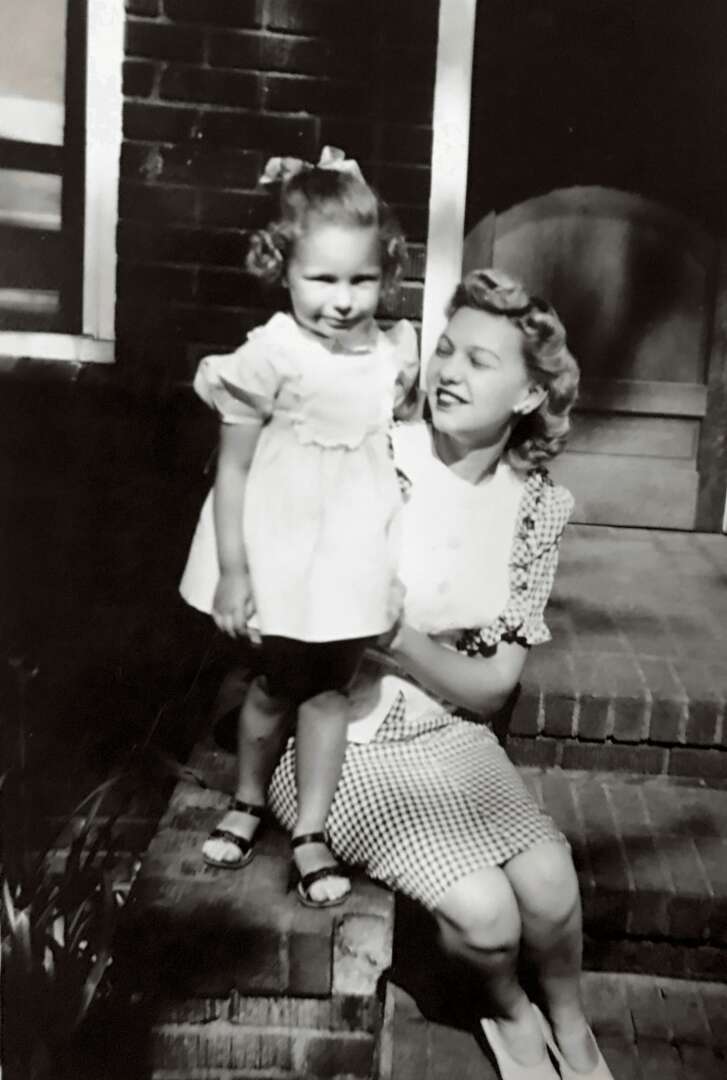
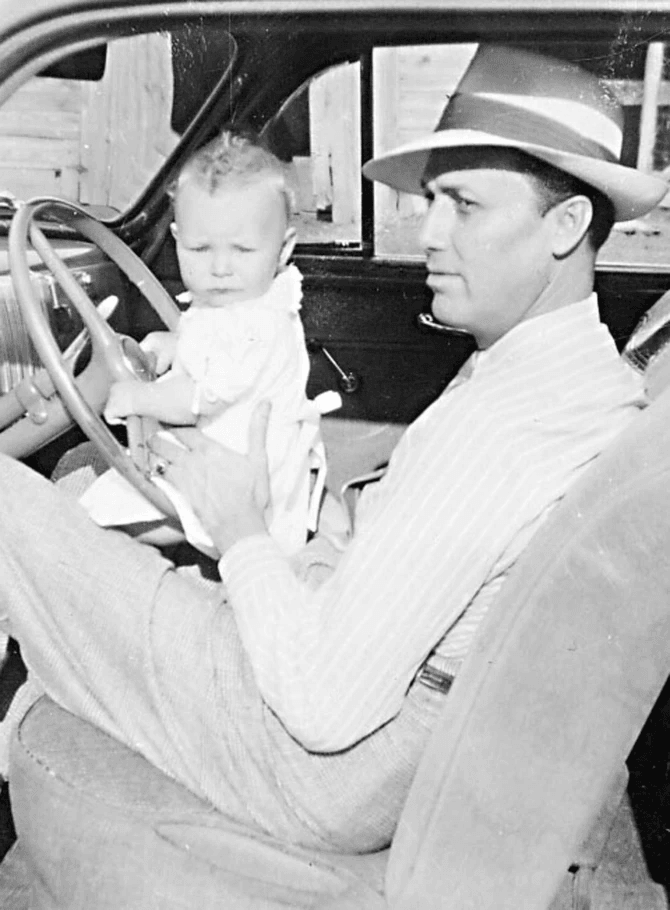
They modeled a great love story. My daddy was thirty-two and my mother eighteen when they married. Around the time Mother graduated from high school, he moved back to town and was working at a service station across the street from the house where my mother’s best friend lived. I’ve always liked to imagine Mother watching the handsome young man filling gas tanks and cleaning windshields across the street. I’ve wondered how long it took him to notice her too. But notice he did! I’ve often wondered if the marriage they modeled—a relationship that seemed almost magical—was an impossible model to follow.
They also loved me. My dad always told this story: someone once dared to ask why he and Mother never had more children, and his answer was that I was all in the world they ever wanted. I was forty before I fully realized the weighty expectations contained in that one sentence. From childhood I keenly felt their hopes, grounded in the things they wanted for me that they never had. If I take what my dad said at face value, it means they really did love me. A lot! Had I turned out differently—had I not become the high-achieving, “good” daughter they envisioned—I have no doubt they would have loved me still. But their disappointment would have been hard to bear—for them and for me.
My parents grew up poor. Neither of them went to college. Mother wanted to be a nurse, but her parents deemed nursing an unsuitable occupation for a young woman. Had she gone off to college or to nursing school, she wouldn’t have met and married my dad. Daddy was the youngest of eleven children, his father a “genteel-poor,” north Mississippi farmer. Always his mother’s favorite (so he claimed), he never went to the fields to work the way his older siblings did. He brought that same protective spirit to me.
I can’t leave out my maternal grandmother, who lived with us and is the inspiration for the main character in my novel, That Pinson Girl. Hers is one of the voices I heard repeatedly growing up: no matter how happy the turn of events, her attitude was always “Just you wait.” The other voice was my dad’s, who in the face of trouble or loss would say, “Things could always be worse.” I hear them still, those two opposing voices of pessimism and optimism. And when things go sour—as they inadvertently will (thanks, grandmother, for the reminder!)—I try to focus on my dad’s words. My parents instilled in me resilience, determination, and the necessity for hard work—all of which stand me in good stead when I’m facing the blank page!
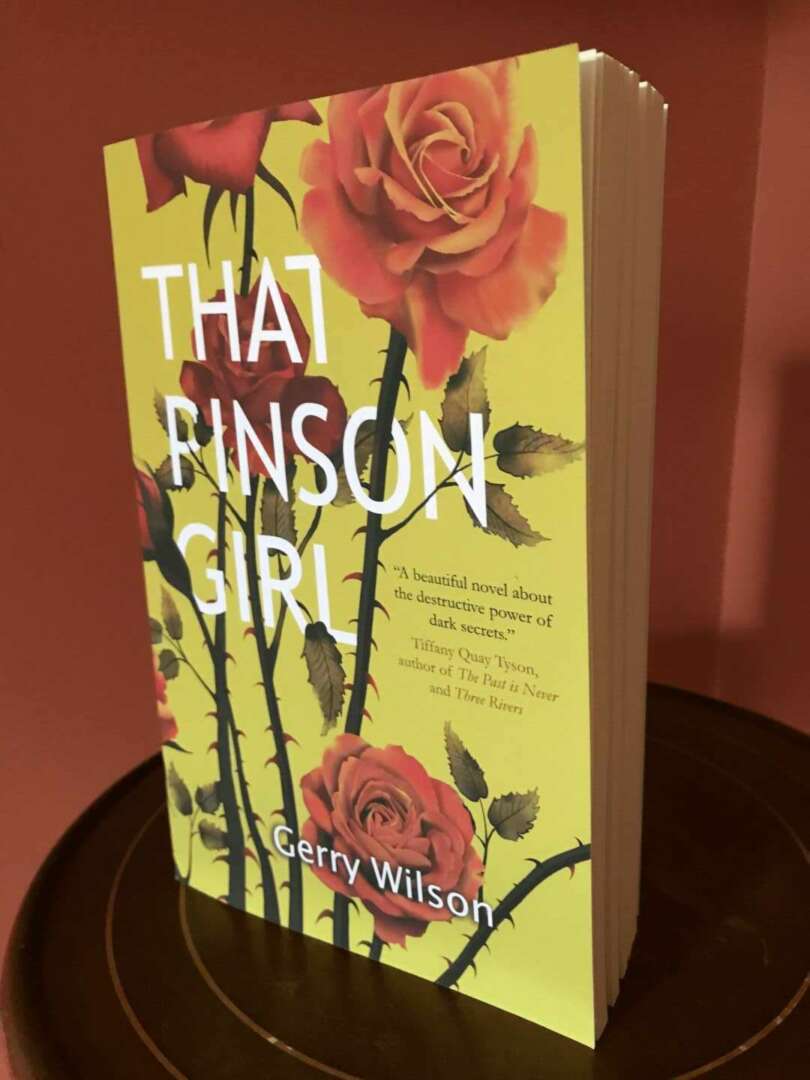
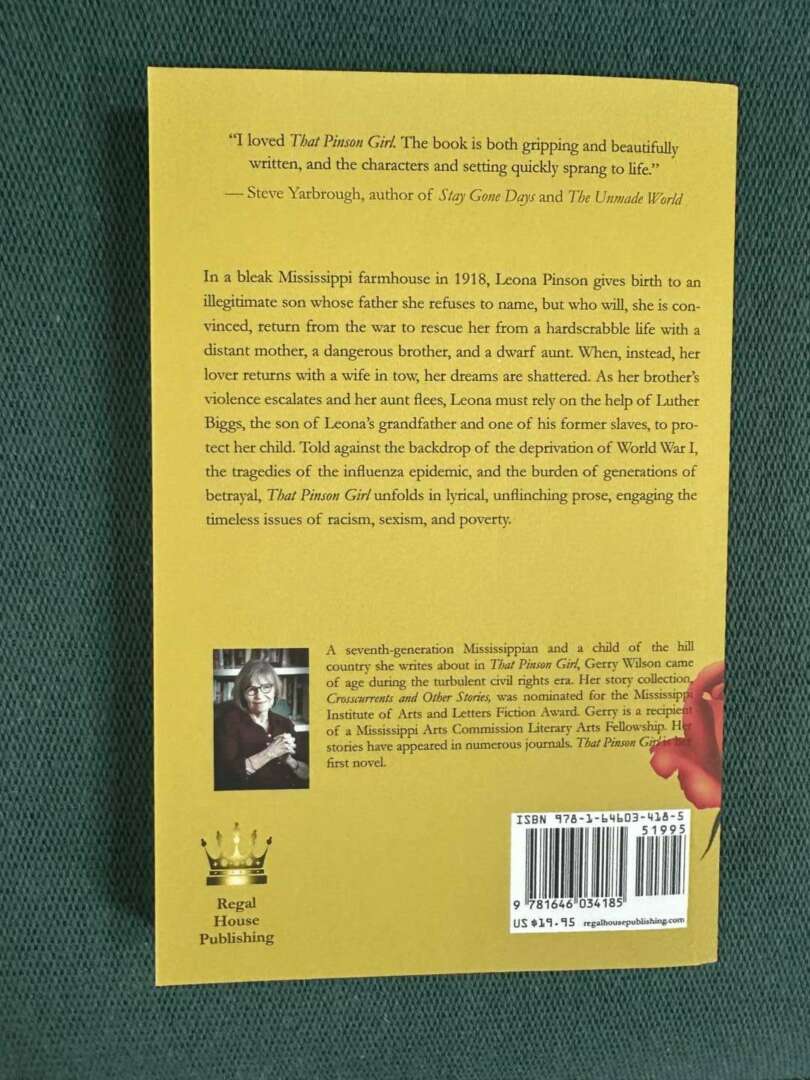
Great, appreciate you sharing that with us. Before we ask you to share more of your insights, can you take a moment to introduce yourself and how you got to where you are today to our readers.
I came to fiction writing in mid-life. I had scribbled my own “stories” in my books when I was little, and I wrote a mystery story when I was eight years old that my dad’s friend, a self-proclaimed mystery buff, pronounced good. But I settled in to write only what was required in school. I didn’t begin to write fiction until I started teaching creative writing to high school students. My “discovery” of the power of the short story came during a creative week for teachers one summer, not long after I’d started teaching. We workshop participants had to write a story, and when I read mine at the final gathering, people raved over it. Looking back (and re-reading that story!), I can’t help wondering if that audience wasn’t more taken with the woman from Mississippi who could string a few good sentences together—and who wore shoes!—than with the story itself. No matter; I was hooked on story-telling from that point on.
I published a few short stories over the years, and finally, a collection in 2015 (Crosscurrents and Other Stories, Press 53). The desire to write a novel nagged and intimidated me until my husband said something simple and wise: a novel is just a long story, he said, one that provides the freedom to develop it in ways the writer couldn’t possibly do within the limitations of the short story (although that’s a form I still dearly love).
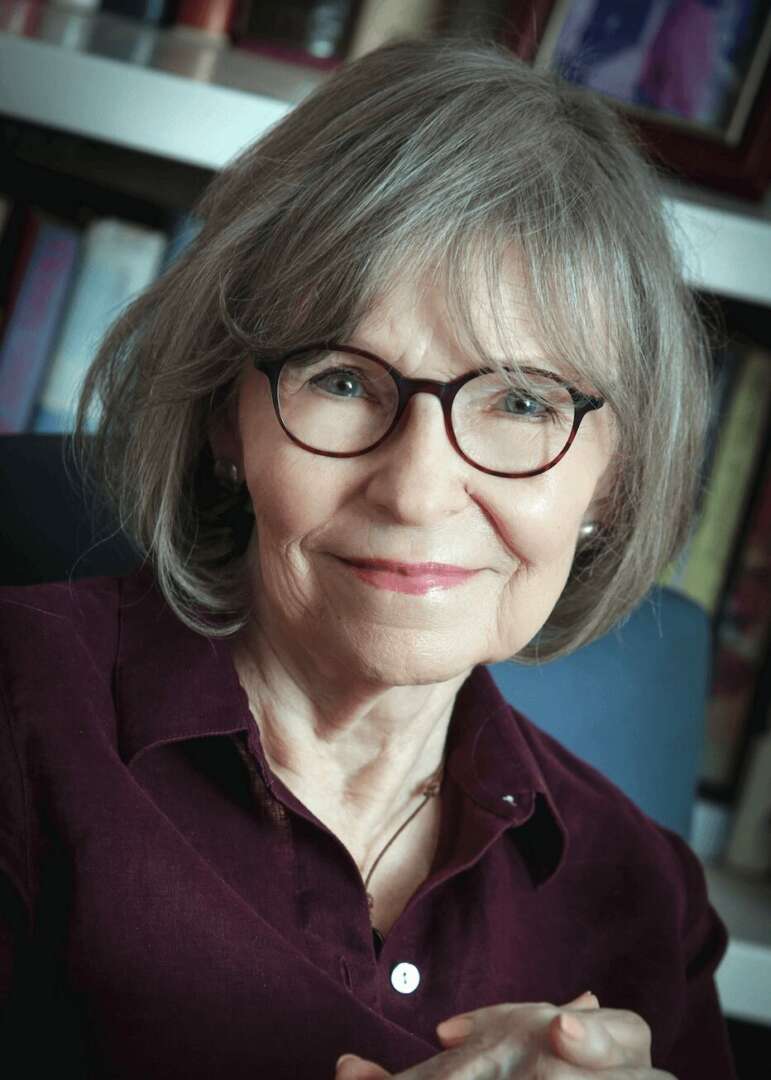
What sets me apart is also what I’m most proud of. At 82, I am what I like to call a “third act” author. To publish my first novel at this stage of my life has been totally fulfilling. I’ll confess that, when I first began to promote the novel, I avoided mentioning my age, fearing that it identified me as somehow “lesser than” younger authors. But I’m finding that, in spite of the disadvantages of age and the aches and pains that go with it, having lived a long life replete with disappointment and loss and betrayal—alongside much joy—is an advantage when it comes to finding and telling stories, especially about women and their resilience in the face of great odds.
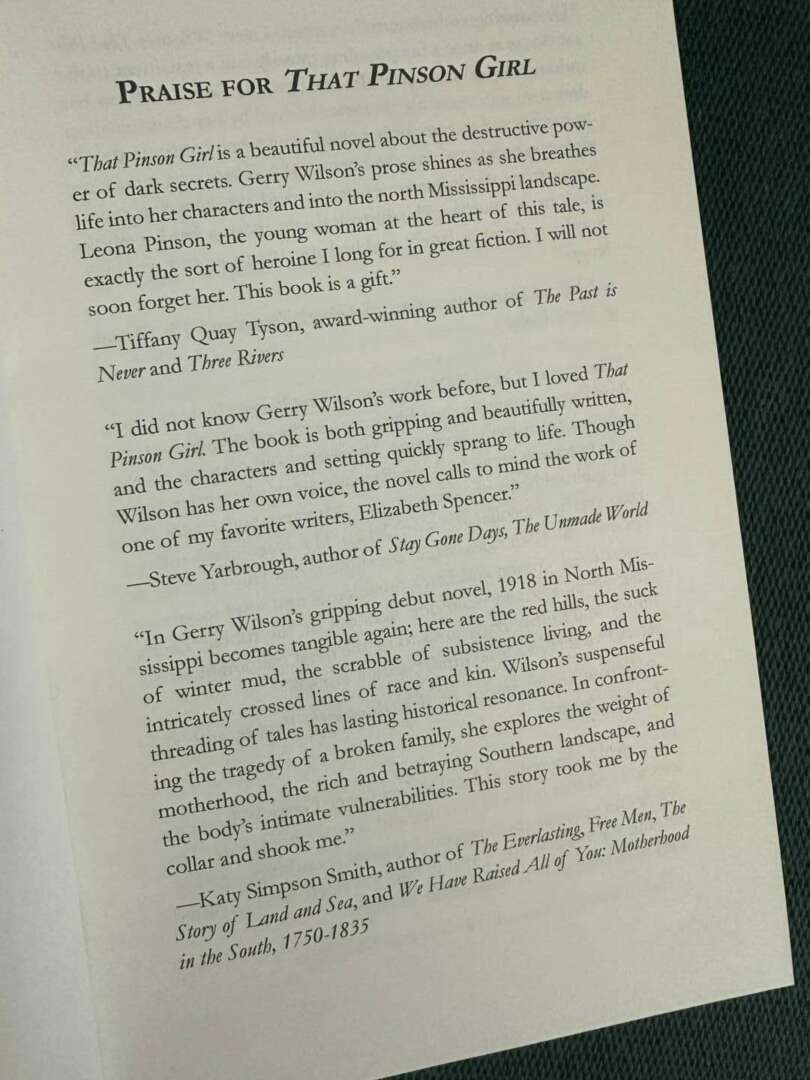
Can you tell us about a time you’ve had to pivot?
I will have to go very personal here: the greatest pivot of my life occurred with the breakup of my first marriage. My husband and I were very young when we married. He was in medical school, and my whole being revolved around him, around becoming a “good” wife and mother. (It was the early sixties. I was the product of a very paternalistic view of marriage and family.) When what our friends thought was a “perfect” marriage fell apart some fourteen years and four children later, I was devastated. I was a long time recovering my sense of who I was, not who I had been consigned to be. In order to “take care of myself,” I was forced to choose a path. I thought I would become a counselor; maybe I could help other women in similar situations. My (male) therapist advised against it. “You’re too old to enter that field,” he said. The sad thing is that I believed him. I was only forty. So I pivoted to teaching. I worked as a preschool teacher while I took education courses to get a license (required in those days). And then I pivoted again, and as a working, single mom, completed a Master’s degree in English. Sitting in those advanced classes with much younger students, I came to realize that I had an advantage: I was more savvy about life than most of them, an advantage that comes only with maturity and adversity. Teaching high school English and creative writing was the baby step on the journey to where I am now, nearly twenty years beyond retirement and finally finding a bit of success in the world of books.
We often hear about learning lessons – but just as important is unlearning lessons. Have you ever had to unlearn a lesson?
I had to unlearn that there’s an easy road to publishing. For a long time, I naively believed I could land an agent who would then land a “deal” with a publisher. I dreamed of the big novel, the big advance, the NY Times best seller list. (Really.) I tried for years to make it happen. And then, a few years ago, I connected with an agent—a big name, at that! I was so thrilled that he seemed taken with my novel that I overlooked the red flags. A contract wasn’t necessary, he said. He didn’t see the need for revision, but I knew—deep down—that the book needed work. He threw that novel “out there” wholesale to editors, to see if it would stick somewhere, and then he went silent. The relationship ended after six months (which required only an email since there was no contract). Obviously, I have to own that the book probably wasn’t ready, but I took that rejection so personally—I was so devastated—that I didn’t write for almost two years, perhaps the one thing I regret most in my writing life. It wasn’t until I was housebound during Covid that the novel that became That Pinson Girl nagged at me. Maybe it was the connection between the frightening pandemic we found ourselves in and the historical time period of the novel—World War I and the influenza epidemic—that drew me back to it; I had begun it ten years before. Or maybe it was a “time heals” kind of thing, and I was ready to take on the risky business of submission again. This time, I went a different route. I researched independent presses, especially those that had published books I admired. I dared to write to authors and ask questions. And That Pinson Girl landed with a very reputable, women-run press (maybe the thing I love best about Regal House Publishing). The rest, as they say, is history.
But it’s a history that isn’t finished. The lessons I had to unlearn were twofold: 1) romanticizing the publishing industry; and 2) not listening to my own best instincts. Not that I don’t solicit and take advice; I do, but I have learned to filter it, to step away and weigh what seems best for the work. Because, after all, it is mine!
Contact Info:
- Website: https://www.gerrygwilson.com
- Instagram: gerrywilson_writer
- Facebook: gerry.wilson.10
- Linkedin: gerry-wilson-27140914/
- Twitter: @gerrywil
- Other: Substack: https://gerrywilson.substack.com/
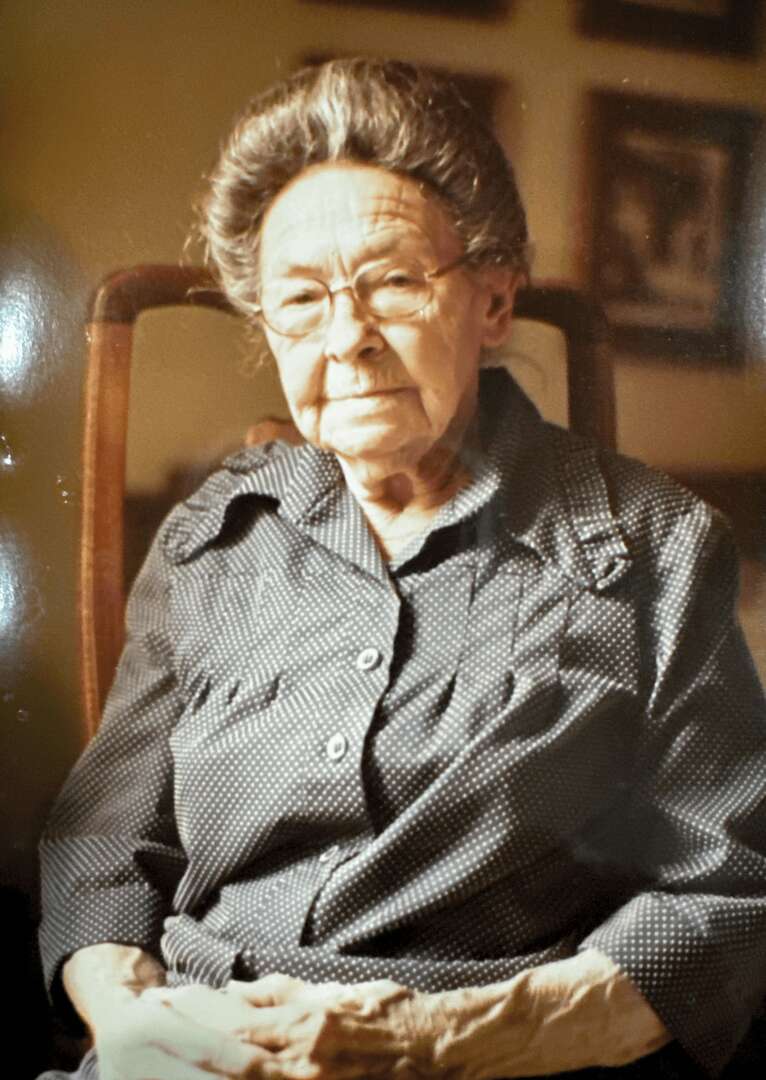
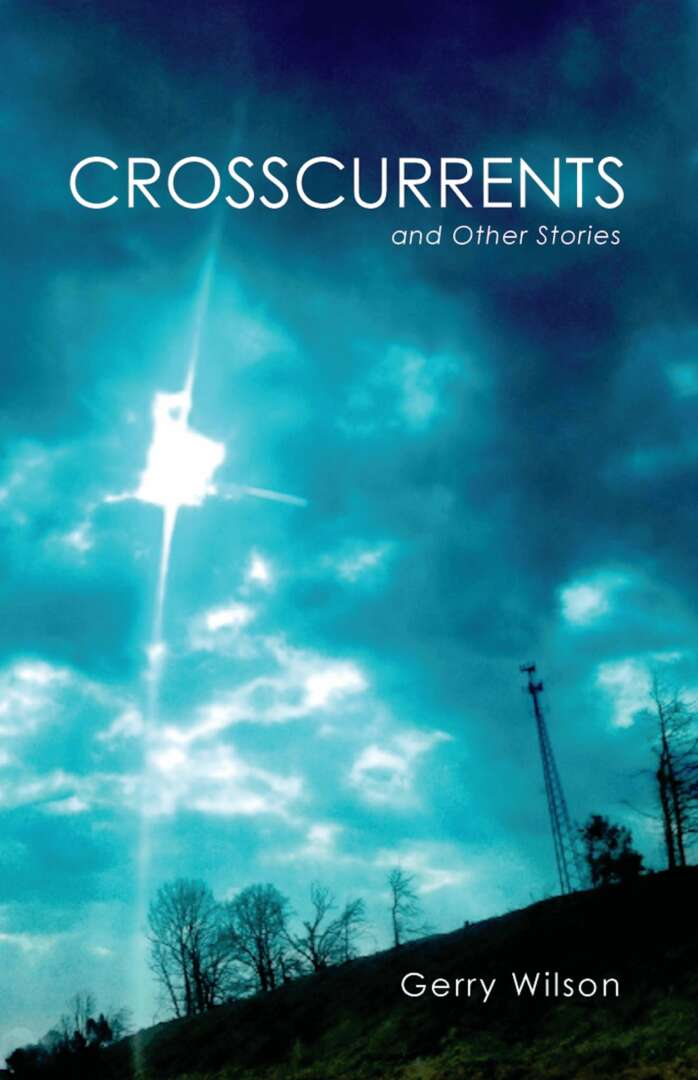
Image Credits
Author photo: Christina Cannon