

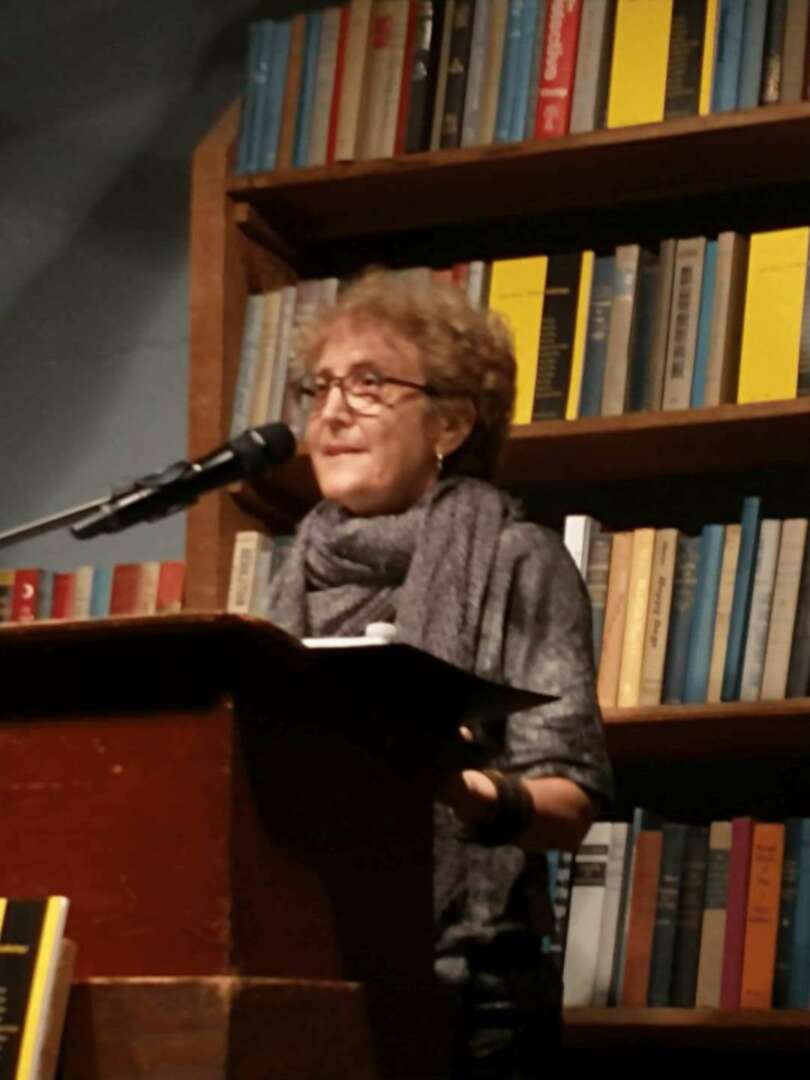

We’re excited to introduce you to the always interesting and insightful Geri Gale. We hope you’ll enjoy our conversation with Geri below.
Geri, looking forward to hearing all of your stories today. What’s been the most meaningful project you’ve worked on?
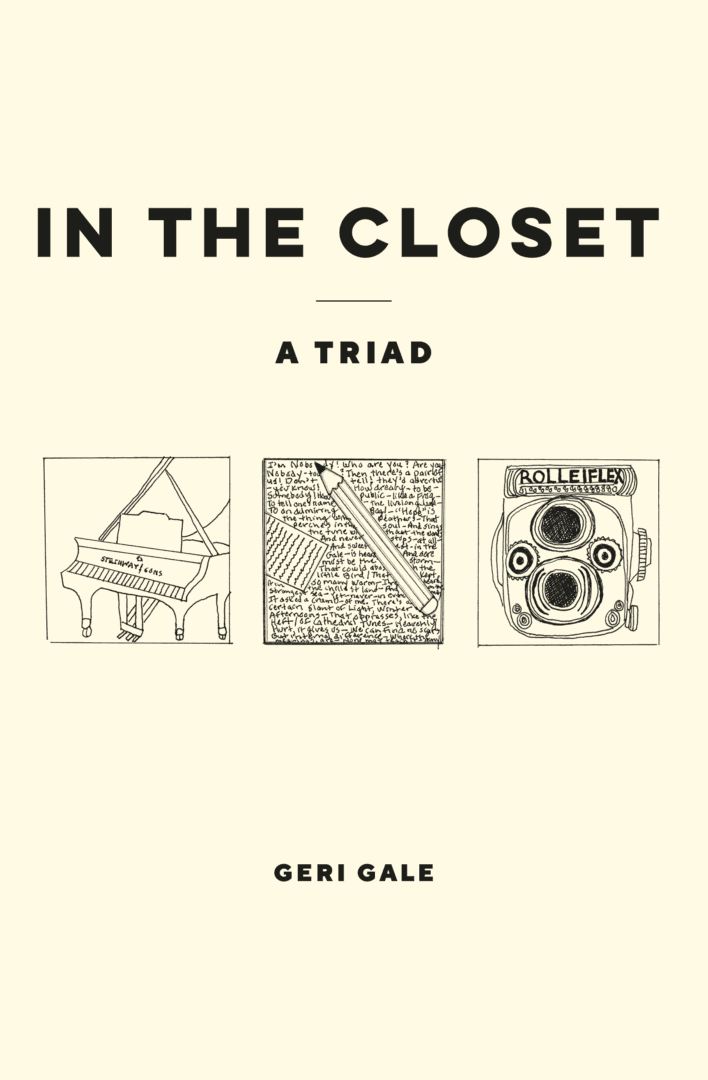
Writing my novel “In the Closet: A Triad” was a meaningful artistic endeavor. It took six years and was published in April 2022. I wanted to tell a story about the intergenerational trauma of a family mirrored alongside three iconic and influential artists. As a lesbian artist, I wanted to play with the metaphor of being in a closet—a place of hiding, a safe place of refuge, sometimes a womb, sometimes a coffin. And I found myself writing about these three themes: the mother, grandparents, abandonment. (S.’s mother abandons S. when she is ten years old at S.’s grandparents’ house.)
I think I’m the only person in the world who has paired Thelonious Monk with Emily Dickinson with Diane Arbus. I read everything I could about these genius-artists—many writers/biographers provided histories that I incorporated into my novel. I was introduced to the legendary jazz-pianist Thelonious Monk when I edited “The Measure of Monk” CD while working in the Creative Studio at Starbucks. Emily Dickinson was one of the few female poets we studied in high school. I learned about the powerful and strange work of Diane Arbus, when I was 17 and began my artistic journey as a B&W photographer. I was obsessed with their common thread—their art was unappreciated during their lifetimes.
“In the Closet” is a triad with three acts, but also the novel uses a hybrid approach to structure. S.’s family saga is intertwined with the artistic stories of Monk, Dickinson, and Arbus. S. finds refuge in the closet and riffs about life, death, love, and art as salvation among life’s ruins. The first act is musical, the second poetic, the third black-and-white.
After the publication of the novel, 60 people read the first Thelonious Monk section of the novel from their very own closets. Their readings are available on Instagram, and during the last video, jazz-pianist Shiyu Fang plays Thelonious Monk’s “’Round Midnight.”
The novel, designed by Joanna Price, won the following awards: American Fiction Award, LGBTQ+ Fiction Finalist; IAN Book of the Year, LGBTQ+ Fiction Finalist; A Notable 100 Book in the 2022 Shelf Unbound Best Indie Book; and Foreword Indies Book Award, LGBTQ+ Fiction Finalist.
In July 2021, I was hospitalized and almost died two times. Nine months later, I held in my hands a printed book of “In the Closet: A Triad.” The weight of this moment held great meaning.
Awesome – so before we get into the rest of our questions, can you briefly introduce yourself to our readers.
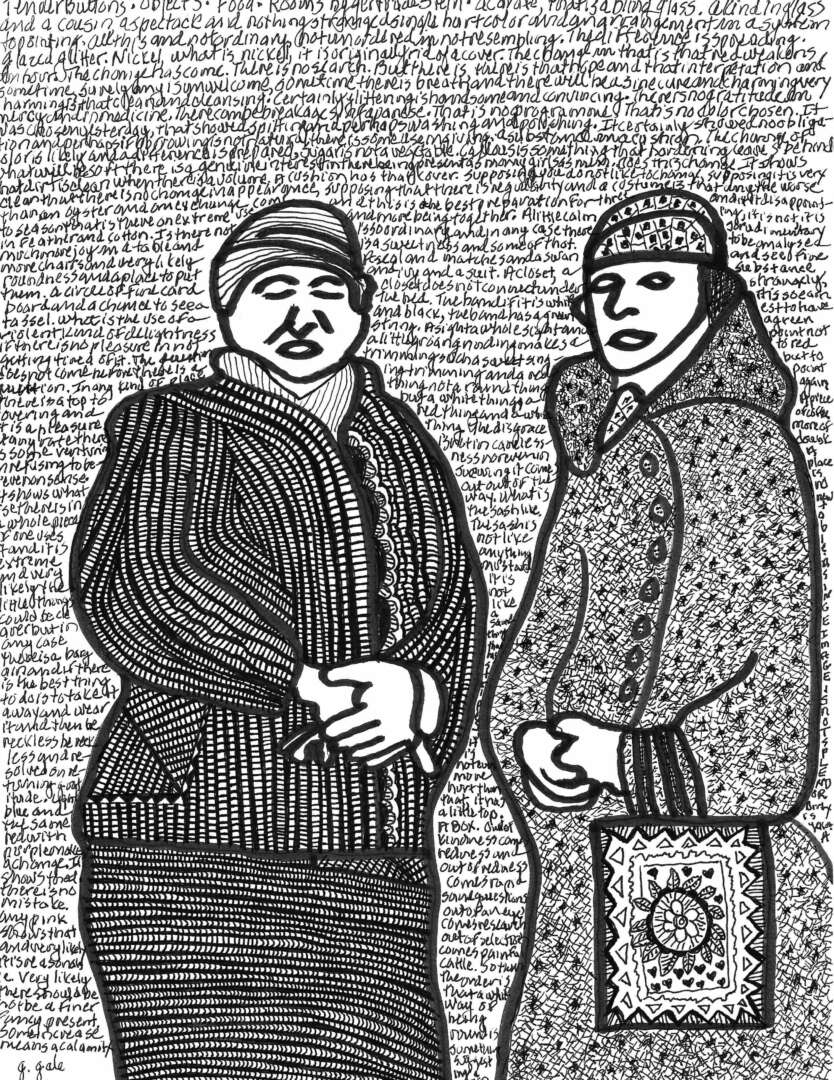
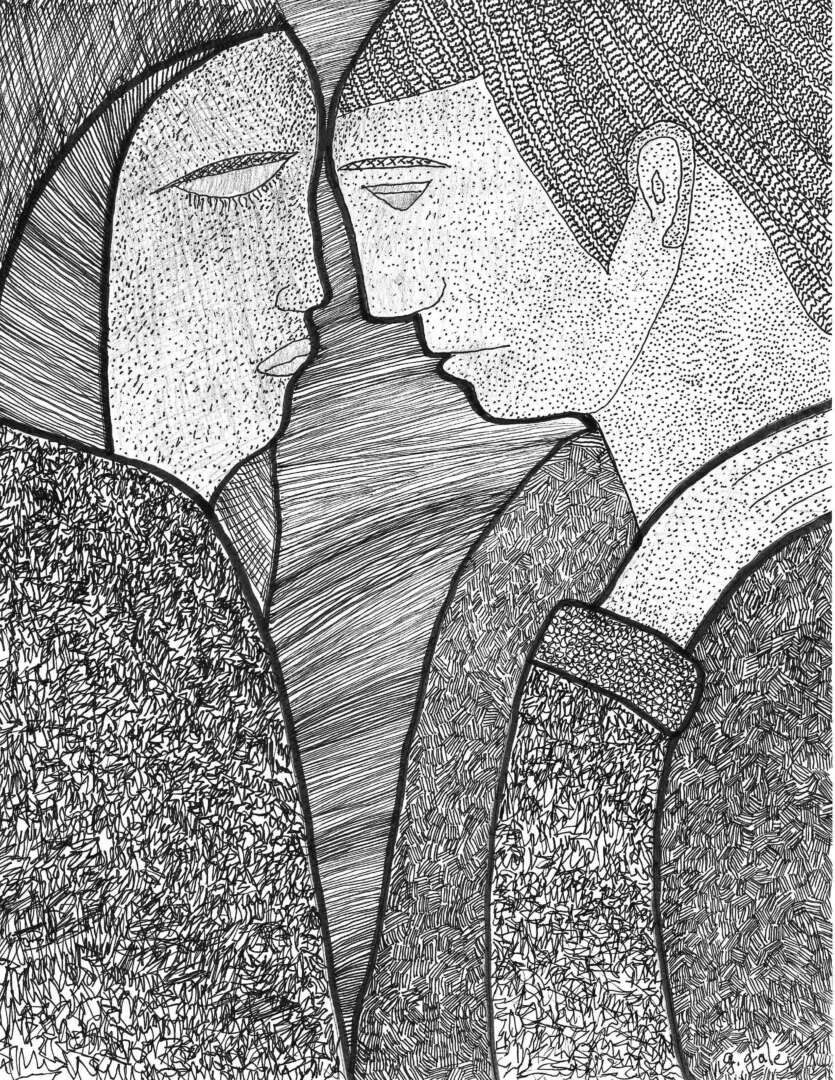
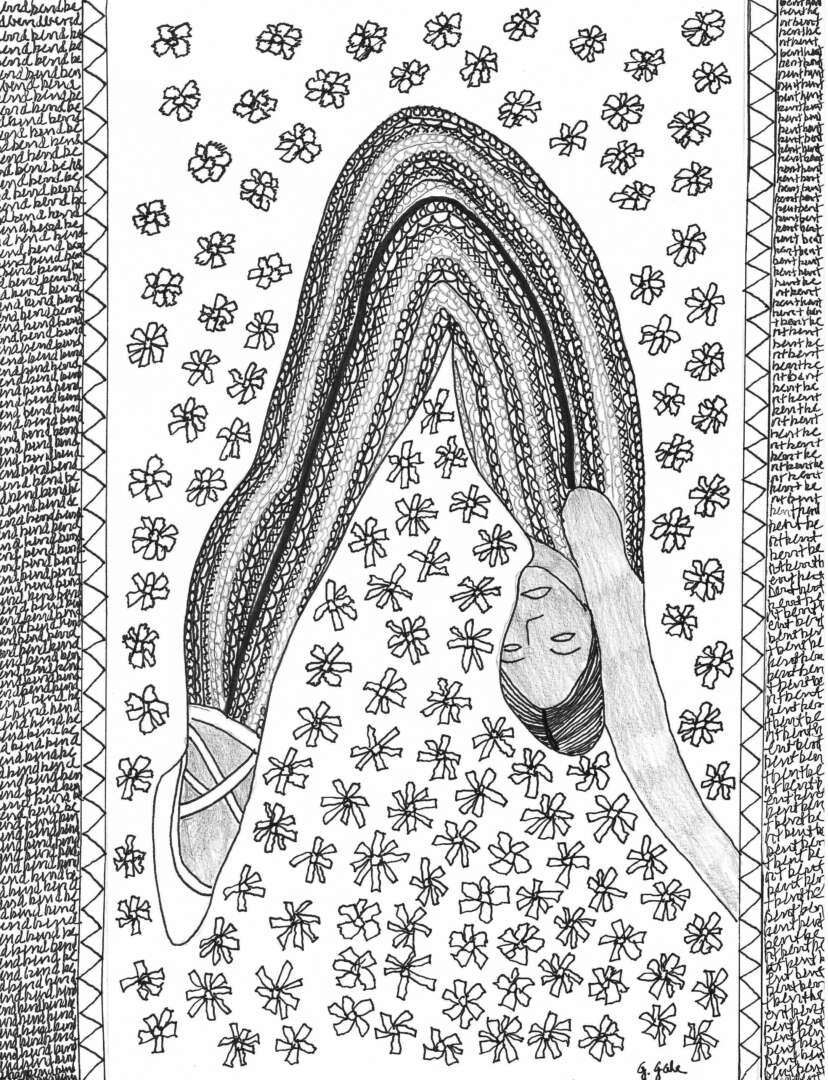
I consider myself to be a multi-hyphenated artist. There are many parts to my artmaking. I write words and draw images with the same pen. As a writer, I compose poetry, novels, essays, and memoir. My illustrations are black-ink drawings that sometimes include asemic visuals that are a wordless, nonmeaning, semantic way of writing.
Drawing is meditative and calming. Writing is heart-wrenching and harrowing.
I just finished my memoir “PK, Cancer & the Tragic Ruts of Time,” a Jewish and Japanese American lesbian love story of forty-five years. It consists of PK stories, breast cancer notes, and about 100 drawings. I’m compiling my poems into the collection “Those Things Those Memories.” I’m currently working on an epistolary novel composed of letters between a brother and sister after their parents died in a car crash.
I’m also a narrator. In my 20s, I was in an improvisational theatre company, and I’m a Moth StorySLAM winner who performed in the Moth Seattle Grand Slam. Recently I’ve posted narrations on TikTok—little dry-humor stories about little things, little thoughts, little worlds.
I’ve had many occupations that have influenced my self-expression. I was a pioneer woman in the trades, a journeywoman piledriver, and co-owned a greeting card/kitchen accessory company. For two decades, I’ve been an editor/proofreader in the Creative Group at Starbucks. This job not only helped pay my bills, but also offered me the experience of working around other creatives who inspired me. Editing—polishing other writers’ words—exercises my thinking brain different from my own writing brain. Proofreading is a puzzle that muscles my memory, which of course, brings me back to the mighty hyphen.
The multi-hyphenated artist is the multifaceted person. I’m not singular in my approach to creating art or viewing art or my identity. I used to photograph loneliness. When I turned 30, I threw away all my photographs. I have no regrets. I’ve never stopped expressing the loneliness theme, but through the years, I’ve given myself freedom to express in different forms. We tell myriad stories to each other in our multiple individualistic ways.
We’d love to hear a story of resilience from your journey.
Confession: I have a love/hate relationship with resilience. I’m hardworking, but it’s daunting. As a writer, I have spent endless time and efforts to find agents and publishers for my writing. I send out around 200 queries for a manuscript. I cannot seem to break open the door into the traditional-publishing world. I’ve been published in several literary magazines, and my books are award-winning in the indie-publishing world.
Even though I experience this rejection, nothing and no one can ever stop me from creating my art. Even though the traditional-publishing houses choose not to publish me, I have the self-respect and self-confidence in my work to continue making art. Oftentimes this is a difficult tightrope-walk of existence.
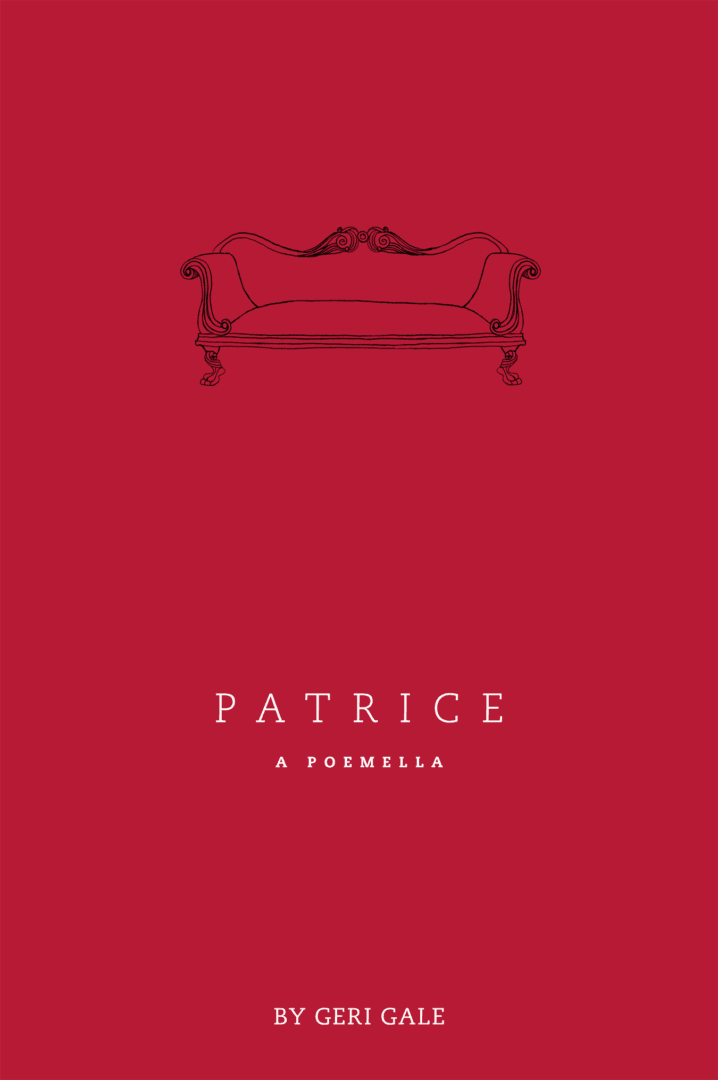
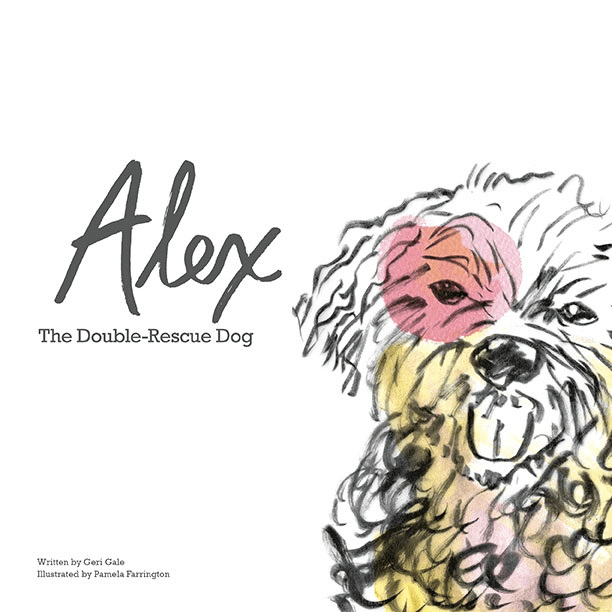
I bring this up here, because I’m a breast cancer survivor. After my surgery, chemo, and radiation treatments, I quickly self-published my novel: “Patrice: A Poemella.” And since then, self-published a children’s book and another novel.
My advice to all writers: Do the work. Love yourself. Know your work. Do not let anyone in the business, especially anyone in the commercial world of art, do not let them define your work, crack your self-worth, or diminish your resilience. At first, always attempt to work within the already-existing systems. But when that is not possible, when time is an issue, when biases keep you from entering their wrought-iron gates, then create your own ways of doing business. Self-preservation is resilience.
What do you find most rewarding about being a creative?
Escaping from the realities of life into the realm of imagination is the most liberating aspect of making art. Slowing down, finding that sweet spot of solitariness, and taking the time to create—these physical acts soothe the soul and bring meaning into my life.
Being an artist in a world that often undervalues art, is a commitment to a rebellious act. Discovering new ways of self-expression and experimenting with new forms push the artist to the edge of new horizons. Dwelling in a creative subconscious moment guides the artist into that numinous place between heaven and earth. Editing and revising artworks enhance the artist’s vision. Studying the work of others invigorates awareness and playfulness. Finding other artists to collaborate with, along with building a support group of other artists, is essential for survival. Seeking constructive feedback from those you trust enriches our work.
As a creative, you set on a quest to find your voice, which translates into finding identity, finding home, and finding meaning. You give yourself permission to explore themes. Being an artist opened closed doors and allowed me to delve into the interiority of woman. This exploration began when I started as a B&W photographer. I walked the streets shooting loneliness and returned to a darkroom for hours to develop film and print pictures. The exterior loneliness was my internal loneliness.
My writing continues to unearth interiority. The inside alongside the outside. The beauty, of course, is you do not set out on a theme, rather the theme comes to you via experience and time. You discover that a crow keeps appearing in your poems. You find yourself drawing androgynous couples in poses of love. You start writing prosepoems, because you identify as a hybridist. You create a new art form—the poemella (part poem and part novella). The futility and absurdity of war creep into your poems. You add the intersectionality of characters into your novel, because you live in a multicultural world. You attempt to decry antisemitism, racism, sexism, and homophobia. You age and title a poetry section in your poetry collection: “The Dying Breath.”
None of which is linear. None of which can be outlined in a mathematical equation. None of which is formulaic. The trajectory of being an artist is ever-evolving. The ability to make art, to make a product, to complete a project is satisfying. Not being attached to the challenges and the outcome is exhilarating. Life is difficult. Living the life of an artist is difficult. The act of creating is liberating. The beauty: Every day the committed artist unearths possibilities and confronts the impossible.
Contact Info:
- Website: https://www.gerigale.com
- Instagram: @gerigaleword
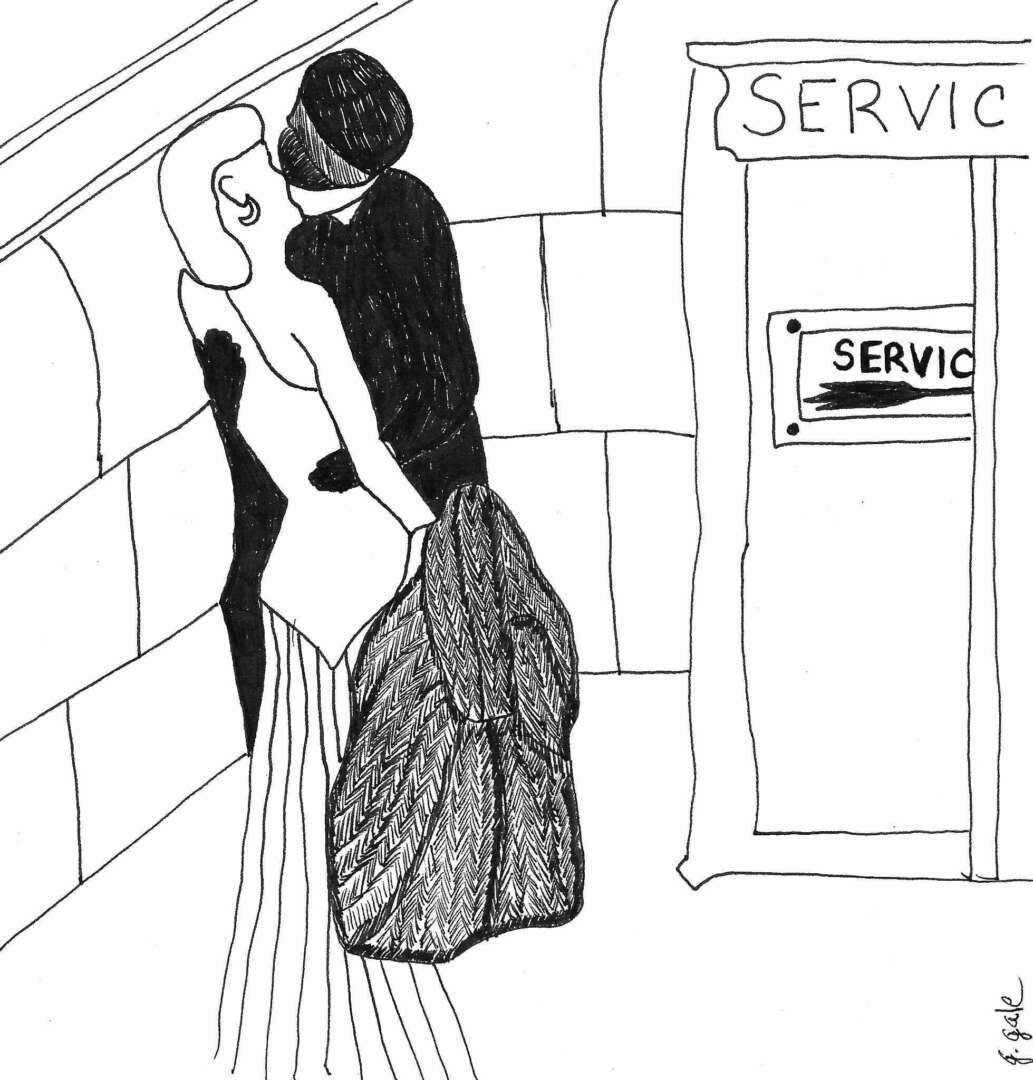
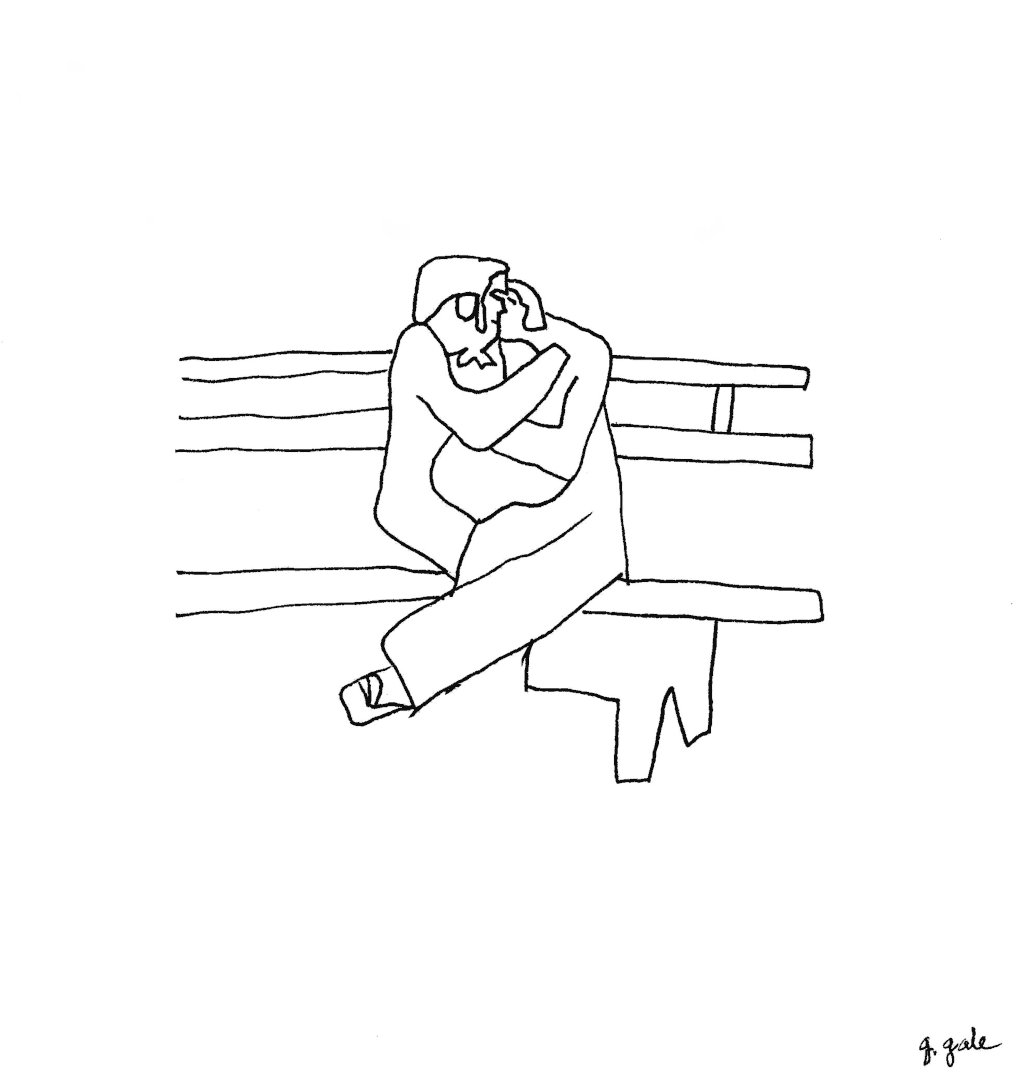
Image Credits
Cover Design for Patrice: A Poemella: Pamela Farrington
Cover Design for Alex: The Double-Rescue Dog: Pamela Farrington
Cover Design for In the Closet: A Triad: Joanna Price
Five Black-Ink Drawings: Geri Gale