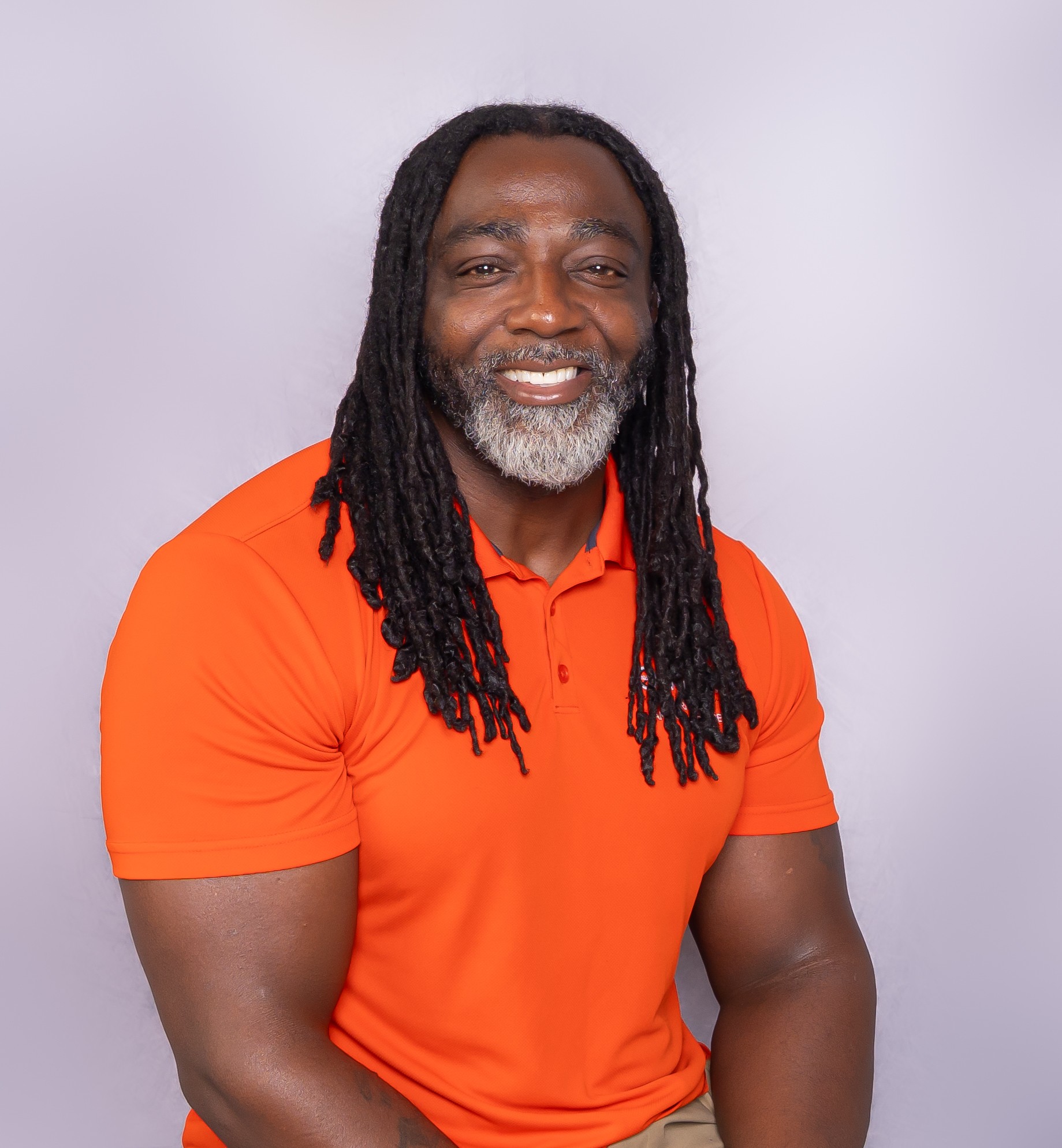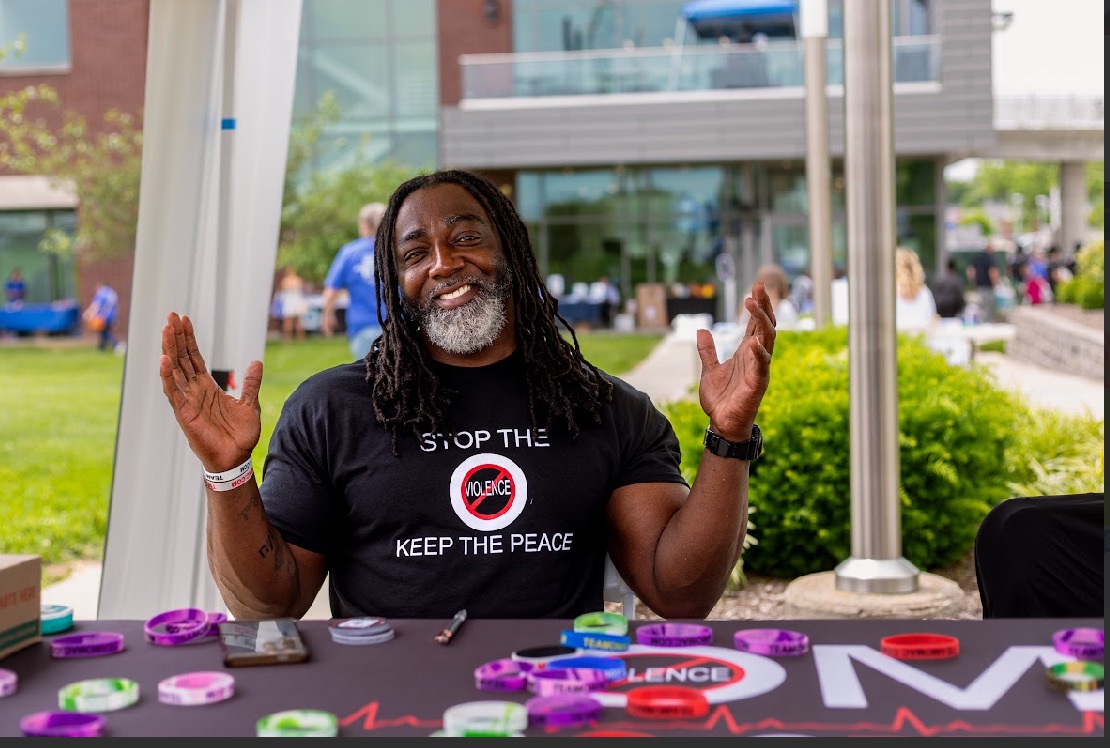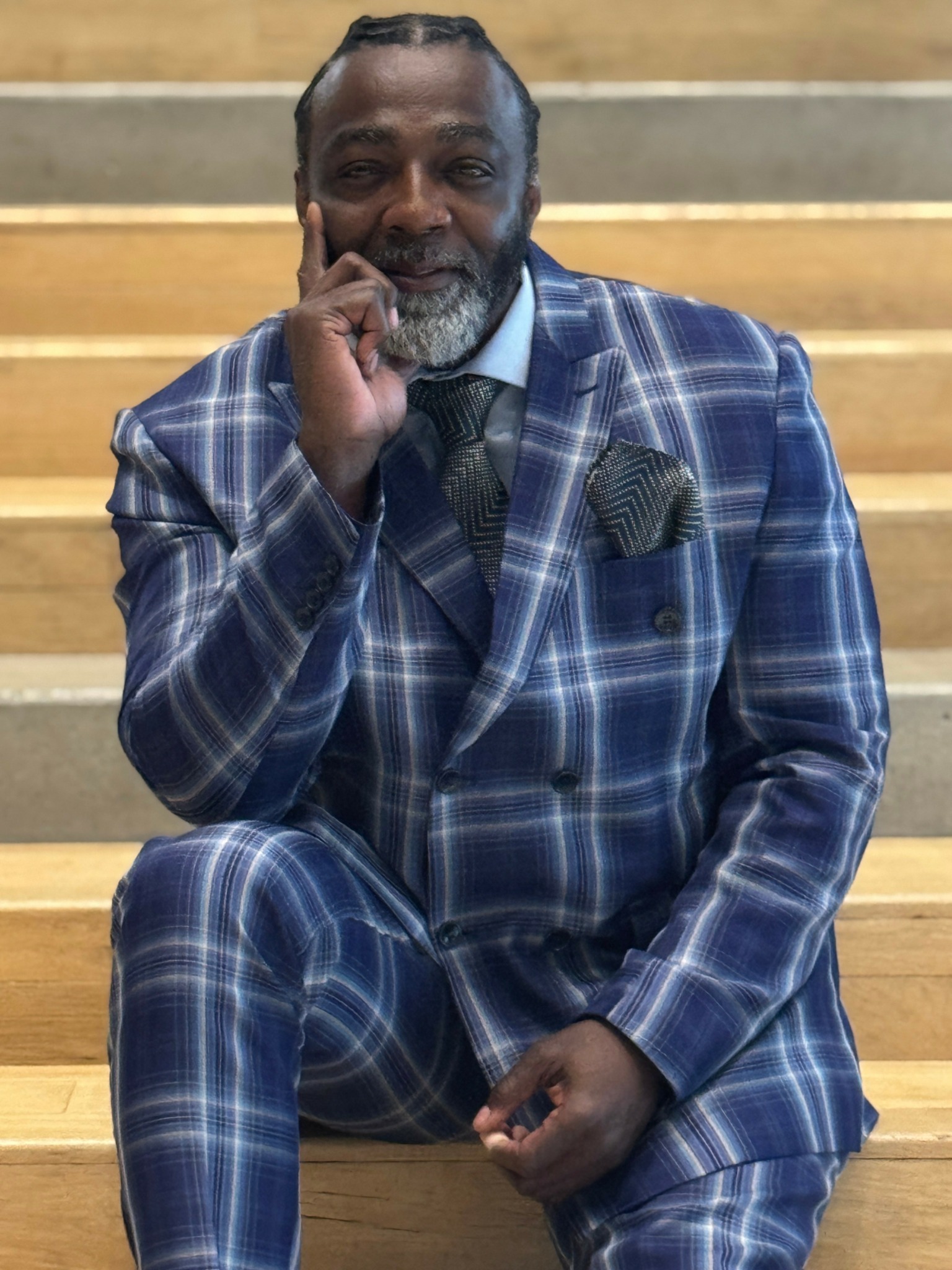

Alright – so today we’ve got the honor of introducing you to Gerald “GEO” Gibson. We think you’ll enjoy our conversation, we’ve shared it below.
Alright, Gerald “GEO” thanks for taking the time to share your stories and insights with us today. We’d love to have you retell us the story behind how you came up with the idea for your business, I think our audience would really enjoy hearing the backstory.
**How I Came Up with the Idea for My Nonprofit**
It was December 31, 1999—New Year’s Eve, the night before the world stepped into a new millennium. I was sitting in prison, serving a three-year sentence for the sales of drugs. At that time, the fear of Y2K was everywhere, and even behind prison walls, many of us were anxious about what the new year might bring.
That night, I remember walking into my cell and saying the realest prayer I had ever said in my life. I asked God to change me from the man I once was. As I paced the cell block afterward, I began to think deeply about my future—what my life could look like if I truly changed my focus. I realized that my past—the crimes, the poor choices, the pain—could actually become my purpose. I could use my story to help others avoid the same mistakes I made.
Around that same time, I was intrigued by Operation Desert Storm, and the word “operation” stuck with me. It represented mission, purpose, and discipline. That’s when the vision came to me—**OMAC: Operation Making A Change.** I wanted to build something that would help people transform their lives just as I hoped to transform mine.
In 2003, I walked out of prison determined to live out that vision. But the road to change wasn’t easy. I had a lot of healing to do and a lot of soul-searching. My life felt like a roller coaster—I was trying to rebuild but still facing the consequences of my past.
By 2007, I found myself standing before a judge once again, this time over unpaid child support. I was terrified that I might be sent back to prison. But that judge saw something in me that I couldn’t even see in myself at the time. She gave me 30 days to come back with a job and proof of payment toward my outstanding bill.
That following week, I walked into a school for a job interview. I was nervous and lacked confidence because of my background, but I was determined to try. To my surprise, I was given a chance—and hired as a lunch monitor. I was responsible for leading over 300 students every day, and it was there, in that school, that I found my true purpose for the first time.
I realized that I could connect with young people, guide them, and make a positive impact in their lives. My commitment didn’t go unnoticed—the school administration promoted me to Activities Director. The influence I had within the school began to spread beyond the walls and into the surrounding community.
Before long, other organizations reached out to me for opportunities in violence prevention, intervention, and case management. I began to see the bigger picture: **OMAC wasn’t just an idea anymore—it was becoming a movement.**
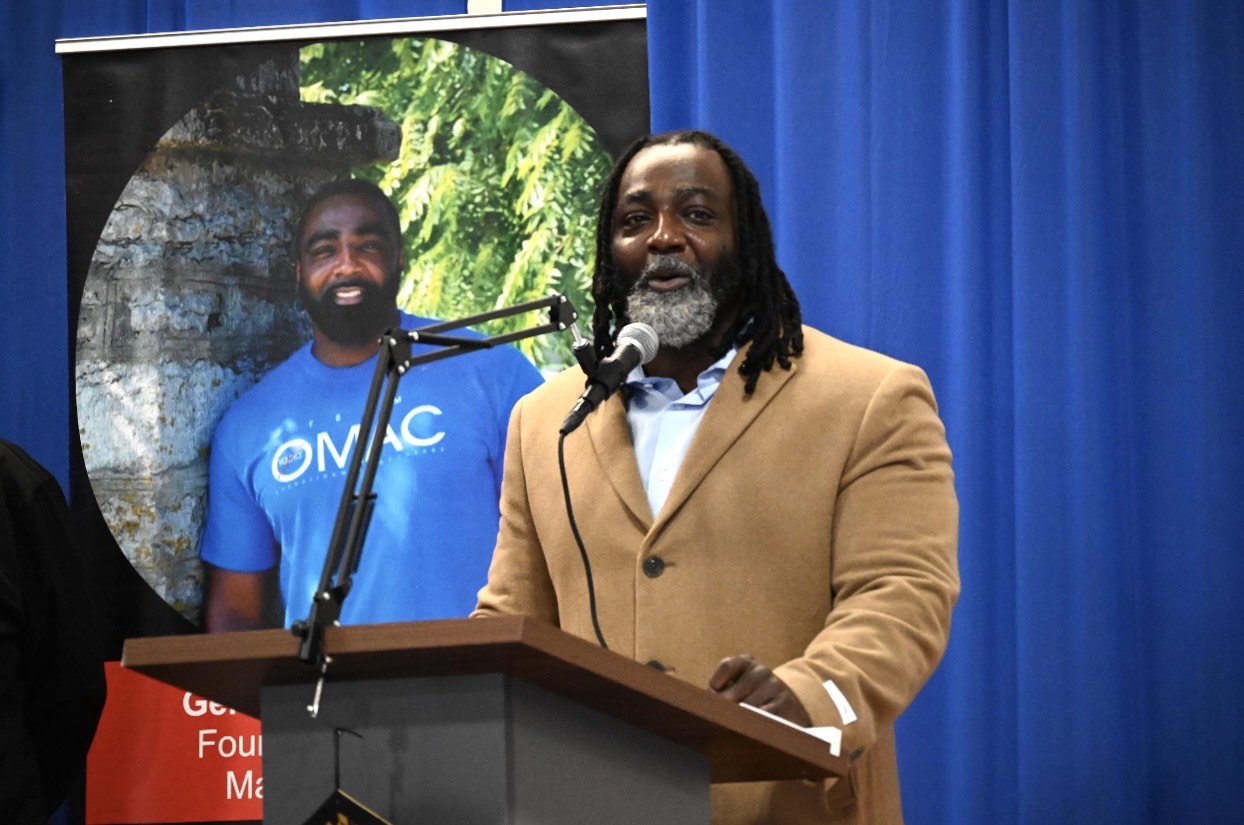
Gerald “GEO”, before we move on to more of these sorts of questions, can you take some time to bring our readers up to speed on you and what you do?
Meet Gerald Gibson: Founder of Operation Making A Change (OMAC)
I was born in Waukegan, Illinois, and for much of my early life, I struggled to find direction and support. Searching for identity and purpose, I turned to the streets, witnessing firsthand the hardships my family faced. When we moved to Wisconsin, I became even more deeply involved in street life — a path that ultimately led to self-destruction and despair.
Eventually, I reached a point where I knew I needed to take control of my life and make a change. That realization became the foundation for what would later grow into Operation Making A Change (OMAC) — a program focused on teaching self-worth, motivation, and encouragement to those who, like me, are seeking a better way forward.
I became the very first student of my own program. I lived through the lessons I now teach — learning about accountability, discipline, and the power of transformation. Over time, I witnessed firsthand how OMAC could create real, positive change in the lives of others.
Today, I work as a Community Program Coordinator and Motivational Speaker, sharing my story and guiding others toward success through mentorship, encouragement, and leading by example. In 2014, I was honored to receive the Golden Apple Award for my work in schools and the community — but more meaningful to me than any recognition is seeing how the changes I’ve made inspire others to transform their own lives.
About OMAC: Operation Making A Change
OMAC’s mission is simple yet powerful: to pave the way for success one child at a time by empowering them to build a better and brighter tomorrow.
The organization provides mentorship, coaching, and support to both teens and adults, helping them enhance self-awareness, build character, and break cycles of problem behavior. OMAC focuses on developing respect, discipline, and accountability — the same principles that helped change my own life.
Our 12-week mentorship program is structured in three phases, each designed to guide participants toward lasting, sustainable change. Programs can be customized to meet the needs of schools, community organizations, and institutions. Participants who complete all phases are celebrated in a graduation ceremony, where they receive a certificate of completion — a symbol of their growth and commitment to change.
What Sets OMAC Apart
What makes OMAC different is that it comes from lived experience. I understand what it feels like to lose direction — and what it takes to find it again. Every lesson, every workshop, and every conversation is rooted in authenticity and compassion. OMAC isn’t just a program — it’s a movement built on empathy, accountability, and transformation.
I’m most proud of how much OMAC has grown and the connections I’ve made with people from all walks of life who have helped elevate the organization to where it is today. I’m even more proud of the positive impact OMAC has had in communities across the world, and within my own family. The work we do has helped break generational cycles and prove that no matter your past, you can rise above negative circumstances and create a brighter future.
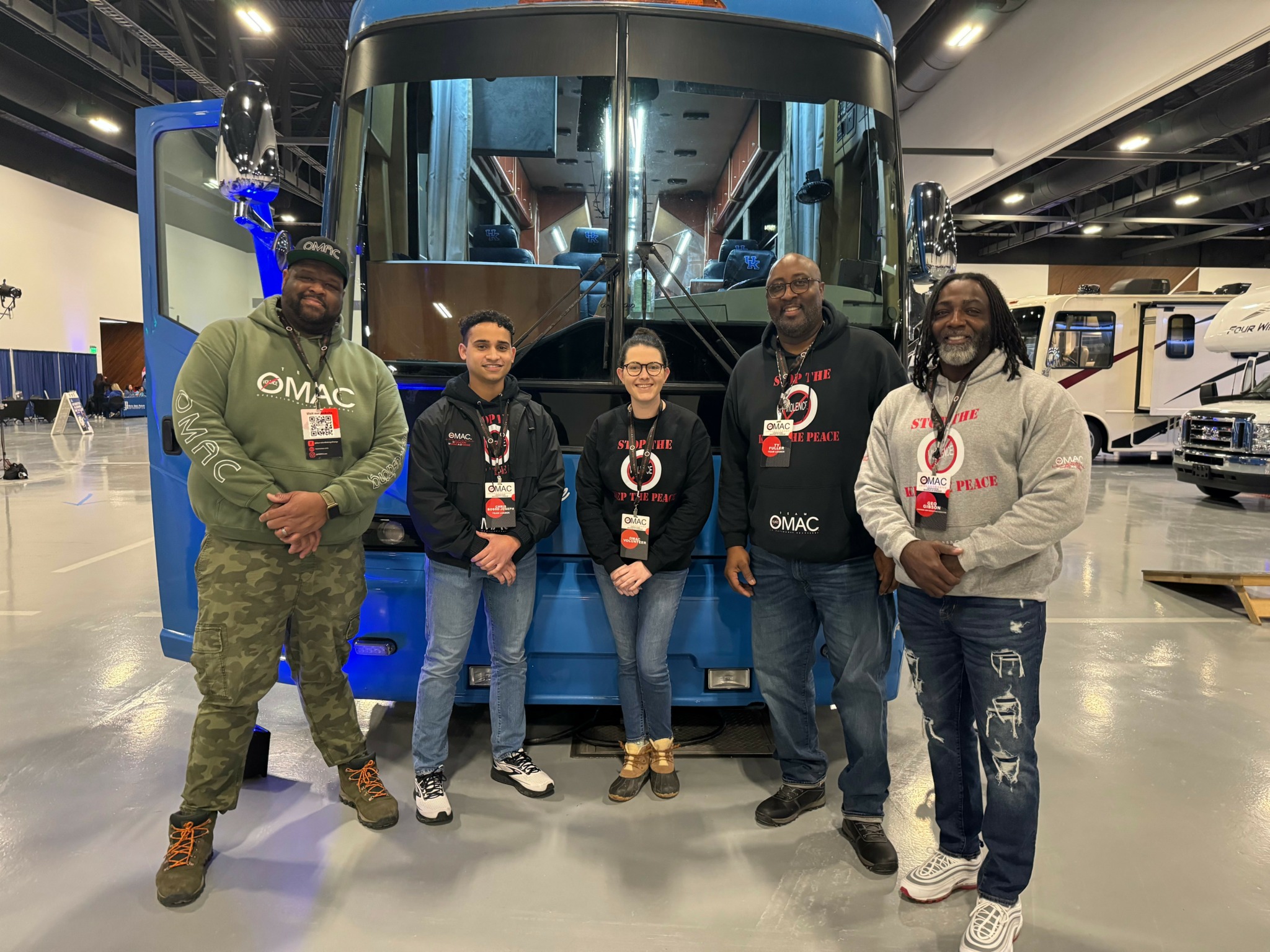
Have you ever had to pivot?
A Time I Had to Pivot
In 2010, I was living in Wisconsin and found myself at a major crossroads. At the time, I was working as a case manager for an agency serving young clients. My youngest daughter was five years old, and I was living with my mother, who I adored and loved seeing every day. Life felt comfortable — but deep down, I knew I was still surrounded by the memories and influences of my past. Staying there made it harder for me to continue growing into the man I wanted to become.
That summer, I made one of the hardest decisions of my life — to leave everything familiar behind and relocate to Lexington, Kentucky. I packed up and moved on July 4th, 2010 — a symbolic day for freedom and new beginnings.
Shortly after arriving, I received a phone call from a principal back home, offering me a position at a school where I had once worked. Part of me wanted to accept immediately; it felt safe, familiar, and aligned with the work I loved. But something within me told me to be still — to give myself a chance to truly plant roots and find stability in a new place. I realized I had never given myself that opportunity before.
With no immediate job in my field, I took a position at a Shell gas station. It was a humbling experience. At times, I felt frustrated and impatient because I wanted to jump right back into community work. But I decided to embrace where I was instead of rushing the process — and that decision changed everything.
One day, while working at the station, I met a police officer. We started talking about violence prevention and intervention, and he was intrigued by my background and passion for helping others. Not long after that, he connected me with a retired police captain who was leading gang prevention and intervention efforts in Kentucky.
That introduction turned into an incredible partnership. Working with the captain was not only rewarding professionally but personally — our relationship grew into a true father-and-son bond, something I had never experienced before.
Through that connection and the new network I built in Lexington, I eventually accepted a position at the County Attorney’s Office. That opportunity opened the door for OMAC — Operation Making A Change — to be planted and begin its journey toward becoming the program and movement it is today.
A short time later, I accepted a position with the Lexington-Fayette Urban County Government in the Social Services Department as a Substance Abuse and Violence Intervention Coordinator. After a year of serving in social services, I was offered an opportunity to join the Lexington Police Department as a Community Program Coordinator within the Community Services Unit — a role I proudly hold today.
Each of these experiences has played a vital role in shaping my mission and expanding the reach of OMAC. They’ve allowed me to bridge the gap between community and law enforcement and to continue helping individuals transform their lives through mentorship, accountability, and empowerment.
That moment of pivot — leaving behind comfort, humbling myself to start over, and trusting the process — became a defining chapter in my life. It reminded me that sometimes, the path to purpose doesn’t look like what we expect, but if we stay faithful and patient, it leads us exactly where we’re meant to be.
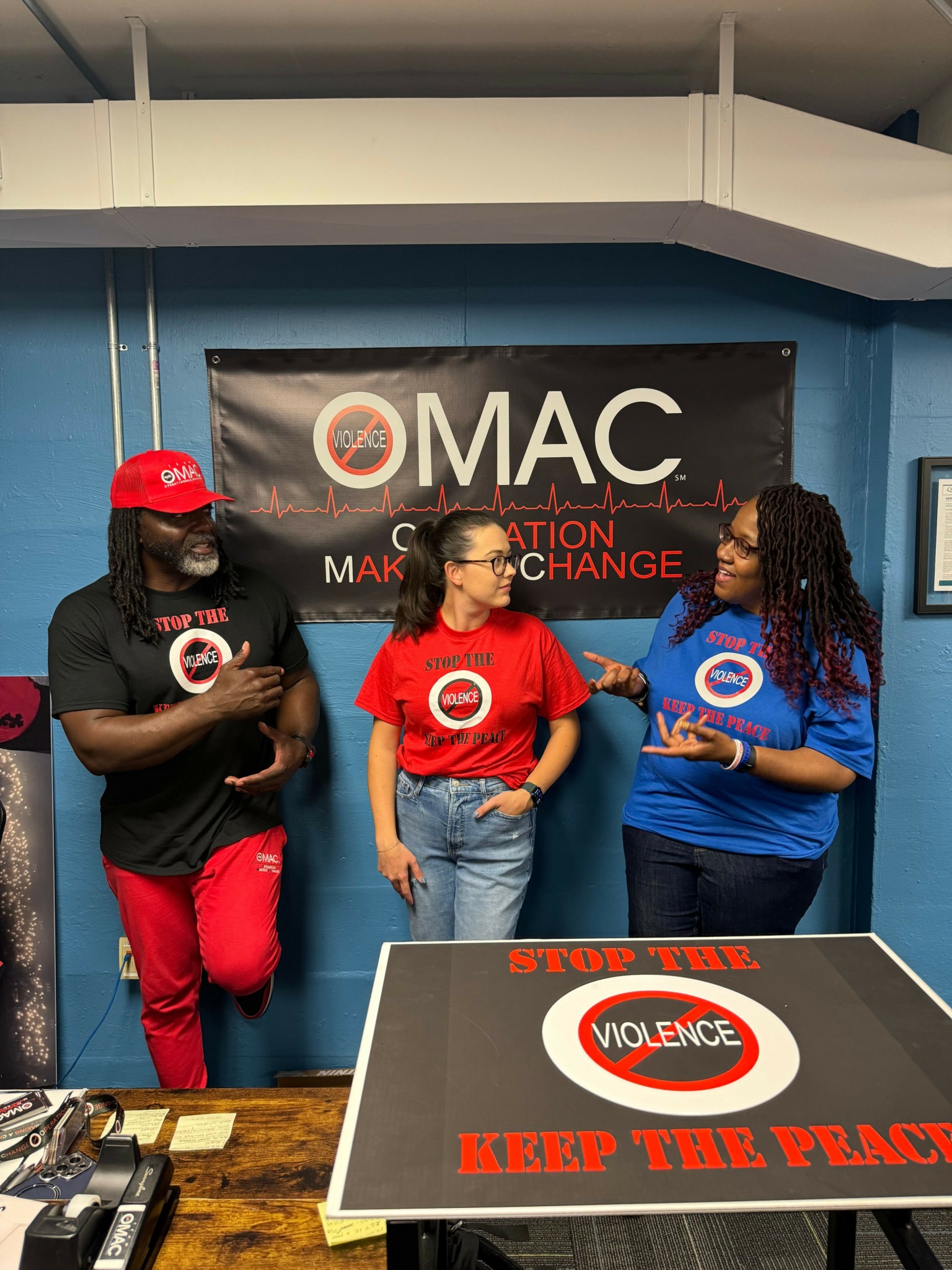
We’d love to hear a story of resilience from your journey.
My entire life has proven that I am resilient. From the moment I was born, I was dealt some tough cards that were hard to accept. Growing up in a home marked by violence, substance abuse, and poverty, I lacked the motivation to pursue something that truly had meaning. Instead, I medicated myself, turning to drugs and alcohol to escape my reality. I used excuses to justify why I couldn’t get ahead — blaming my circumstances, my upbringing, and everything around me.
For years, I let those excuses shape my life. There were times I thought about ending it all, thinking that maybe the pain would be over. But by the grace of God, He had other plans for me. I didn’t know it at the time, but I was still here for a reason.
It wasn’t until I looked in the mirror and realized that I was the problem — that I was the one standing in the way of my own success — that I finally made the decision to change. I had to stop blaming the world around me and take accountability for my own life.
Resilience is about more than just surviving; it’s about digging deep when everything around you seems like it’s falling apart. I found that strength through faith and by trusting myself, allowing others to help me along the way. I sought guidance, mentorship, and support from people who believed in me even when I didn’t believe in myself.
I am living proof that it’s not about how you start, but how you finish. Success doesn’t come easy, but if you go after it with everything you’ve got, trust yourself, and keep going despite the setbacks, you can achieve it.
My resilience became the foundation for OMAC — Operation Making A Change. Everything I went through, every mistake and lesson, has allowed me to connect with others who are struggling and show them that change is possible. The same strength that carried me through my darkest times now fuels my mission to help others rise above their challenges. Through mentorship, encouragement, and compassion, OMAC gives people the tools to rebuild their lives — just as I rebuilt mine.
Contact Info:
- Website: https://teamomac.com
- Instagram: @omacteam
- Facebook: Operation Making A Change
- Linkedin: Operation Making A Change