



We recently connected with George Horne and have shared our conversation below.
George, looking forward to hearing all of your stories today. What’s been the most meaningful project you’ve worked on?
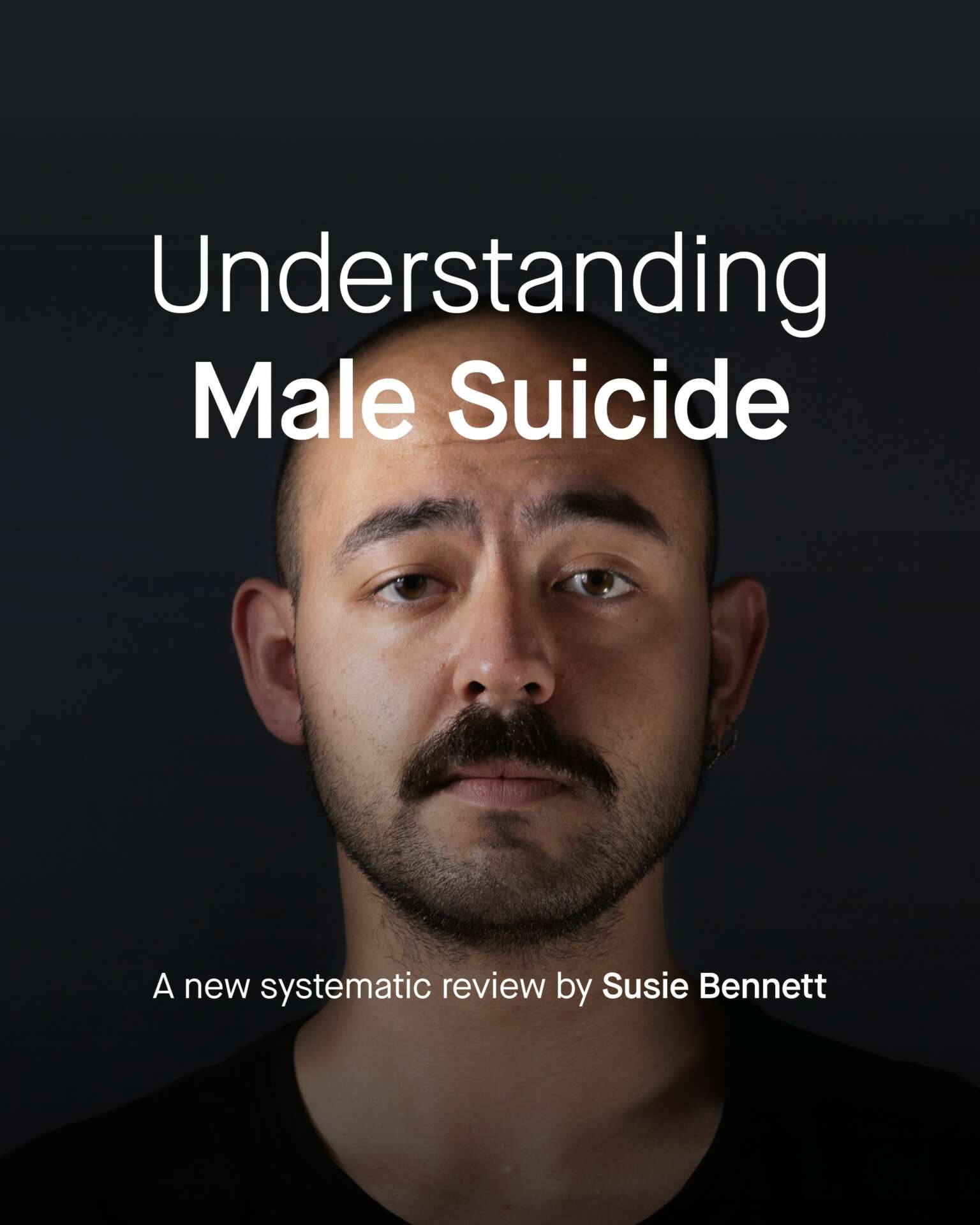
The most meaningful project I’ve done recently, was working on a Delphi study to better understand the important questions around male suicide.
Suicide claims the lives of 703,000 people each year, with about 75% of lives lost being male.
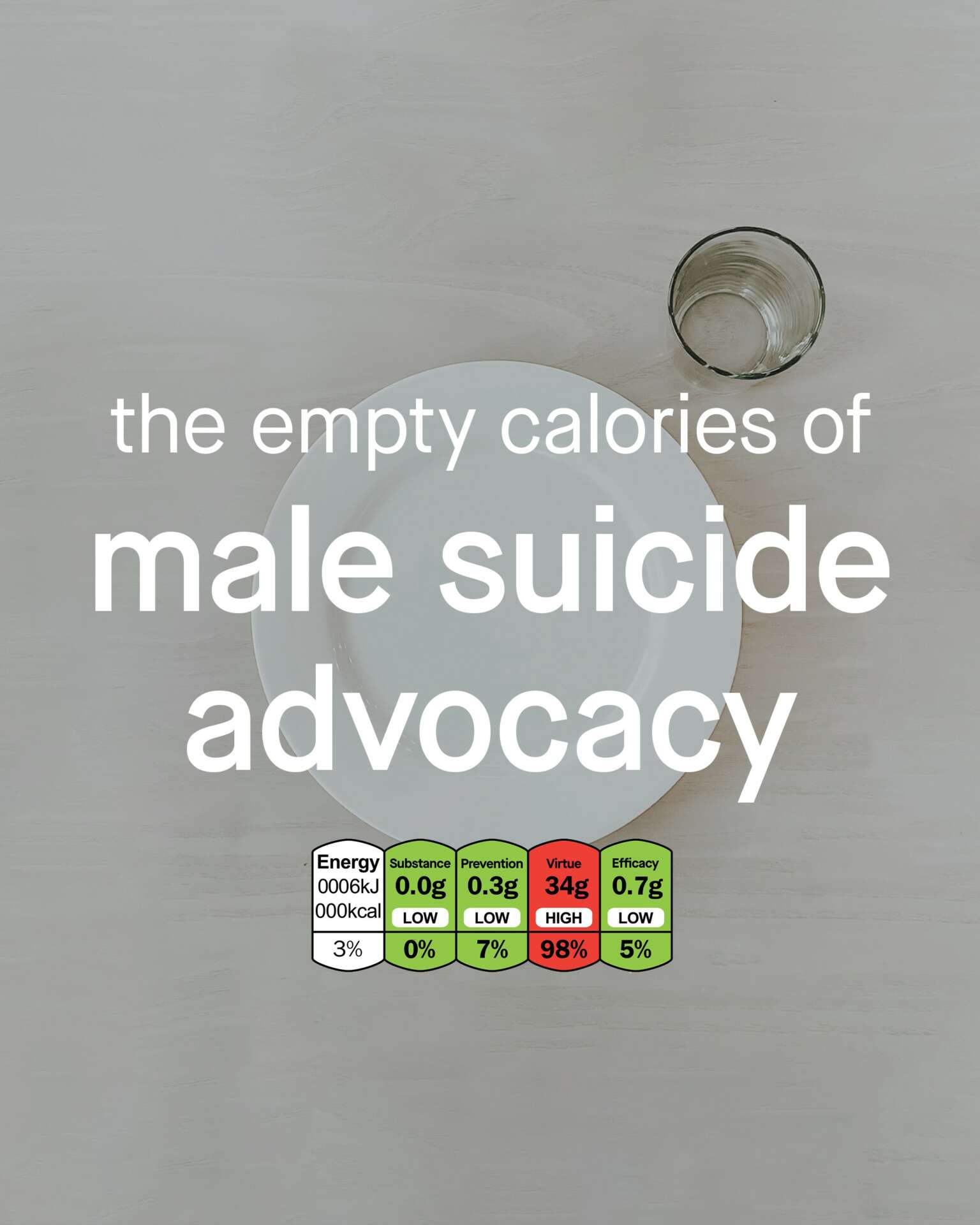
Despite being the number one cause of death for men under 50, it is still a largely misunderstood phenomenon, that is too often used as a prop within political gender wars to wrongly categorise suicidal men as victims of so-called ‘toxic masculinity’.
Working with a close friend, and male suicide researcher Susie Bennett, we asked thousands of men and boys, including many dealing with suicidal ideation: what are the research questions you want answered around male suicide?
From this study we have established a new agenda of male suicide research, that has uncovered the most important areas to be researched next.

Awesome – so before we get into the rest of our questions, can you briefly introduce yourself to our readers.
As a professional Creative Director by trade, I found that the area of men and boys advocacy was shrouded in shame, victim blaming, and a dearth of empathy for men and boys.
As a liberal man and a creative, with (thanks to COVID19) free time on my hands, I decided to create the inclusive, evidence based, and unapologetically compassionate content I had failed to see in the area of men and boys issues.
I now have a community of 60,000 followers, and regularly speak on podcasts and panels about men and boys, and mental health.


Learning and unlearning are both critical parts of growth – can you share a story of a time when you had to unlearn a lesson?
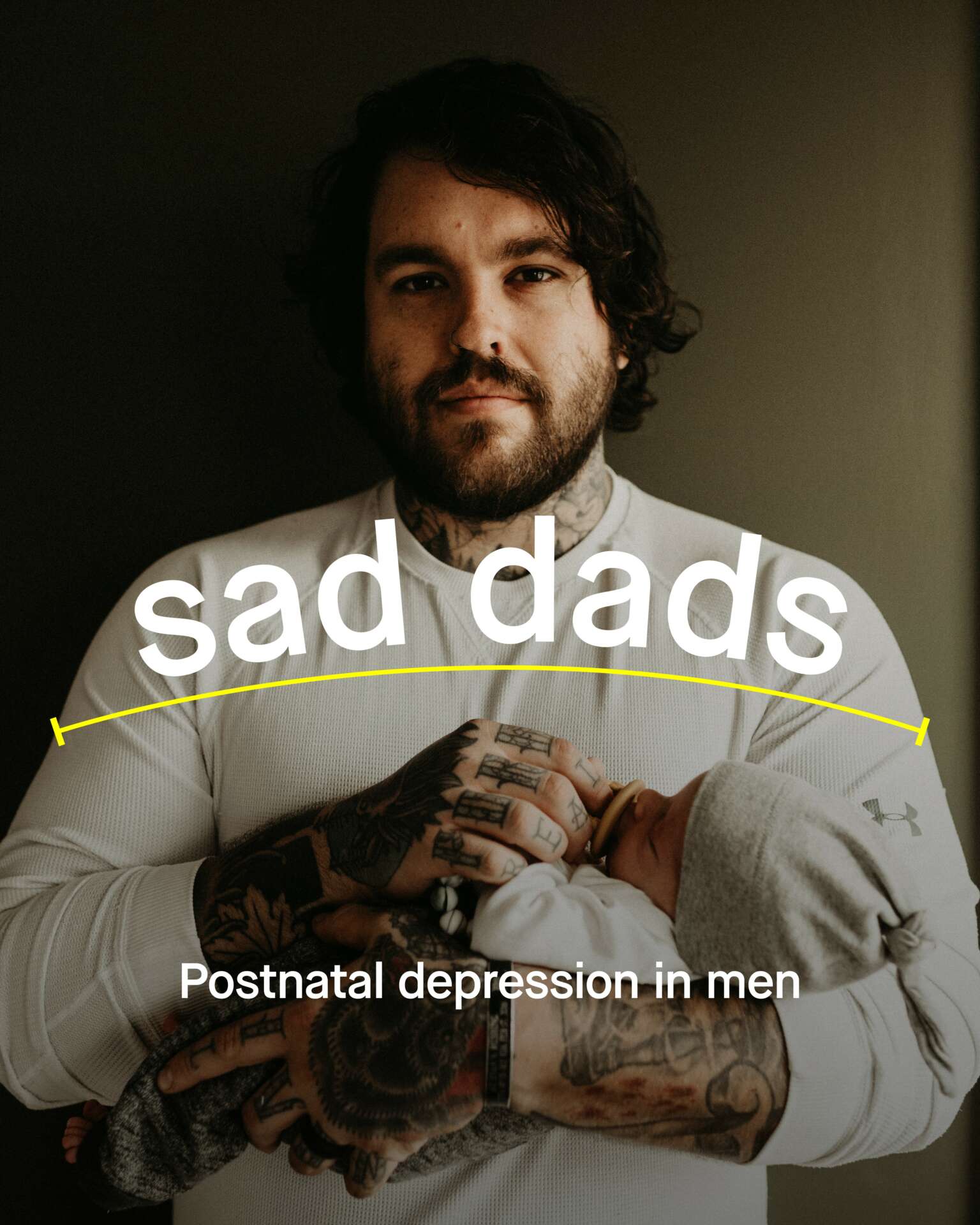
I had to unlearn many widely believed myths around men and boys, perhaps most of all the popular assumption that ‘men and boys issues don’t exist’.
Over the years at @thetinmen, I have found and spoken about countless serious, and systemic issues facing men and boys, and have worked hard to help educate those who follow me about what they are, and how we most solve them.
I speak often about domestic violence not being a gendered issue, and how men and boys are subject to domestic and sexual violence at alarmingly high numbers too, and over the years I have shared countless high quality sources of research to substantiate my claim.
I have learnt to see past the narrow tropes of ‘male privilege’ to reveal the many places where being a male is not an advantage at all; whether that be in the educational system, within healthcare, the criminal and family court system, or as a recipient of social support,
Let’s talk about resilience next – do you have a story you can share with us?
Unsurprisingly, talking about disadvantages faced by men and boys, especially on the left, will come with a lot of resistance and hostility.
At the beginning of my journey, I faced huge amounts of push back, anger, and aggression, but I always found ways to persevere and keep going.
That’s not to say I don’t listen to such criticisms against me, I do, and these words have been essential in me examining my own blind spots, and strengthening my content as a result.
Today the support is overwhelmingly supportive and positive, and my community a powerful place for discourse, I am glad I kept going and would encourage others in my position to do the same.
Contact Info:
- Instagram: instagram.com/thetinmen
- Facebook: https://www.facebook.com/thetinmenblog
- Linkedin: https://www.linkedin.com/company/thetinmen/
- Twitter: https://twitter.com/TheTinMenBlog