

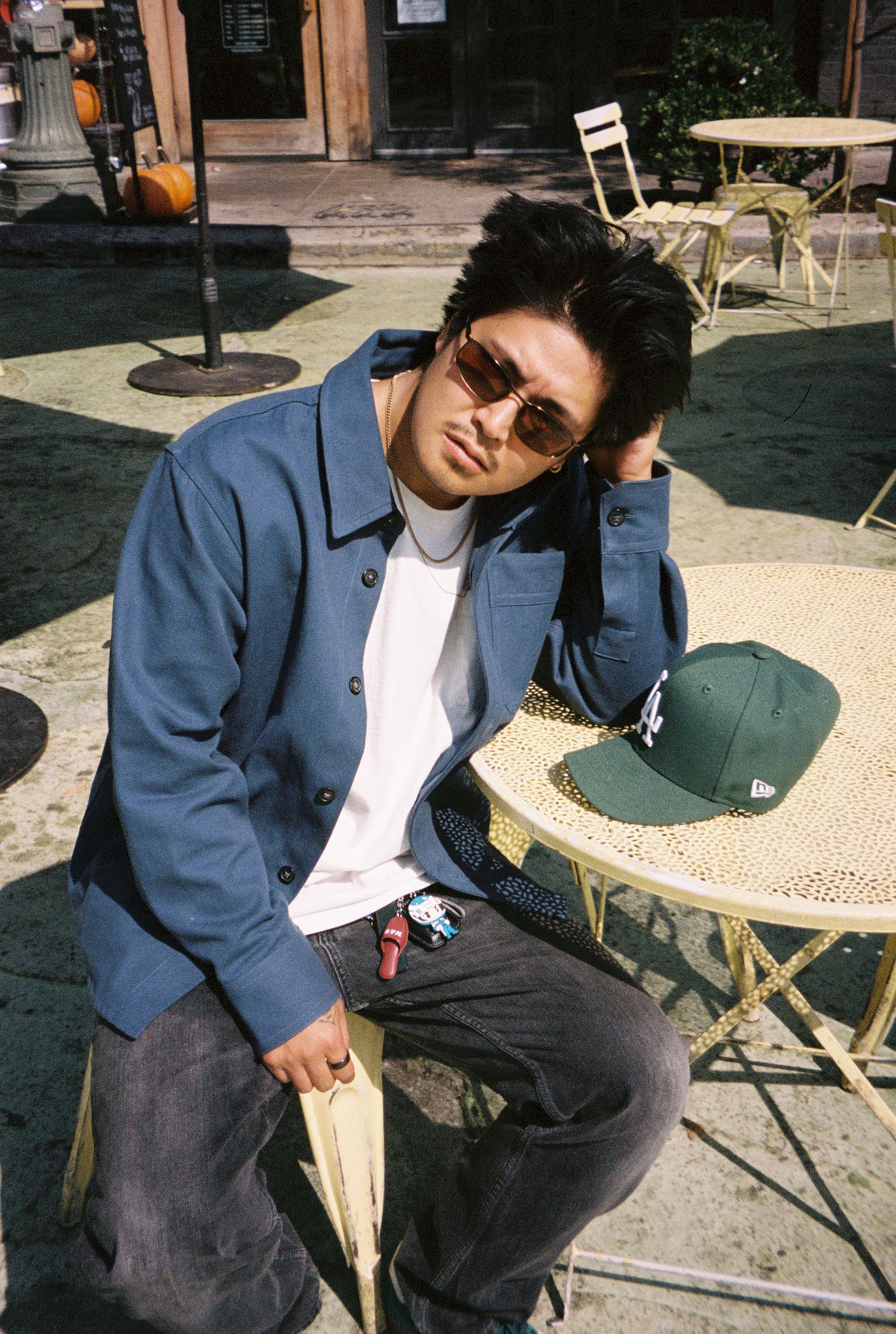

We caught up with the brilliant and insightful Genki Kawashima a few weeks ago and have shared our conversation below.
Genki, thanks for joining us, excited to have you contributing your stories and insights. Can you talk to us about how you learned to do what you do?
I learned by prying my way onto projects, staying curious, and a sprinkle of YouTube University. Living in Seattle, opportunities were limited, so I learned by shooting music videos for local rappers, creating free content for mom and pop shops, and PAing on random Amazon and Microsoft shoots.
I’d say most essential skills to have for me is to be stoic and versatile. Like one time a friend asked me to shoot his clothing brand but his budget only covered photos. Instead of just doing the bare minimum, I researched the space, borrowed lighting, props, and wardrobe from friends. I did everything I can to elevate the shoot. I guess what I’m trying to say is that every project has different goals, needs, and teams, so simply playing your role isn’t enough if you’re trying to grow. It’s that extra stuff that sets you apart. It doesn’t matter HOW you get it done—be a swiss army knife.
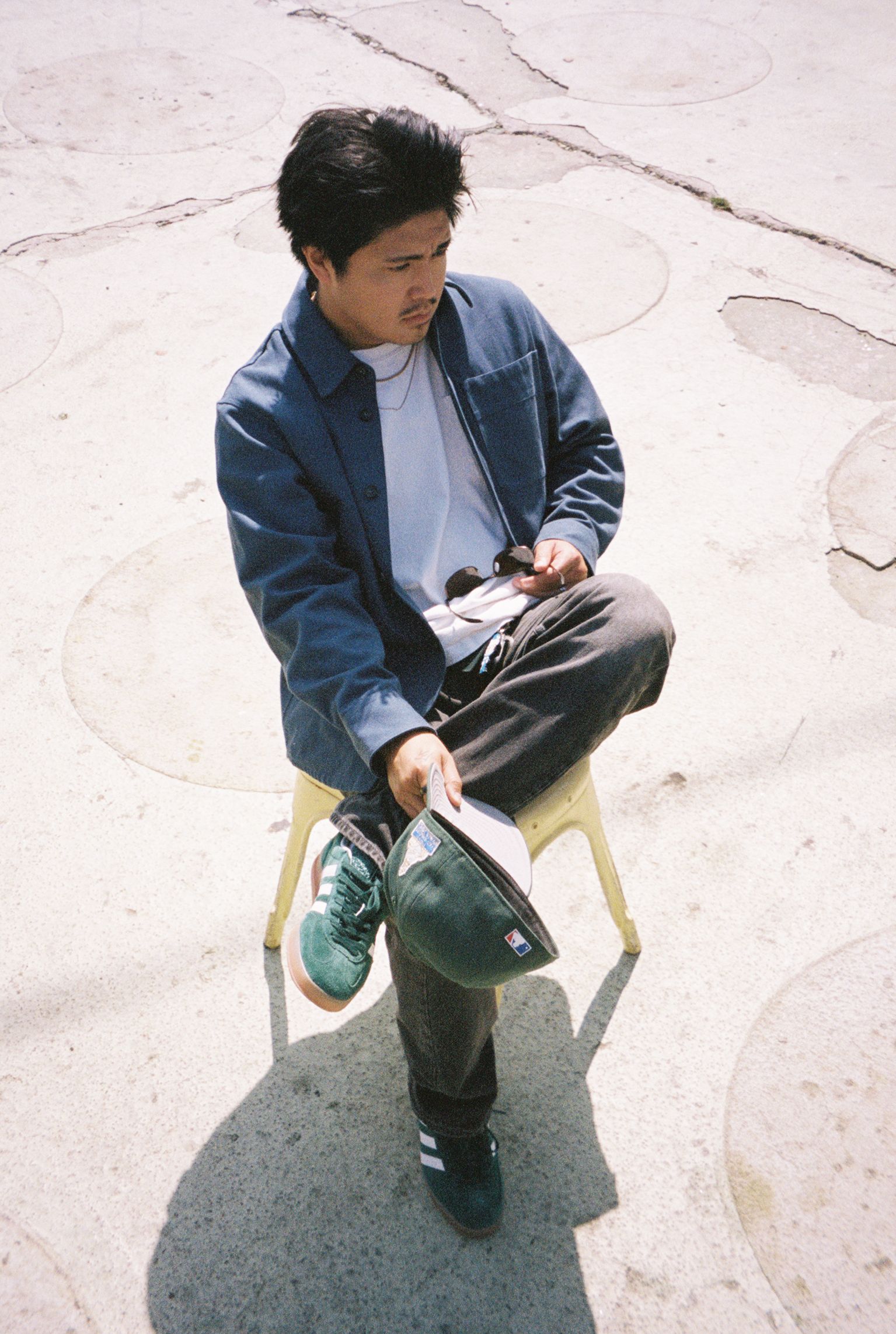
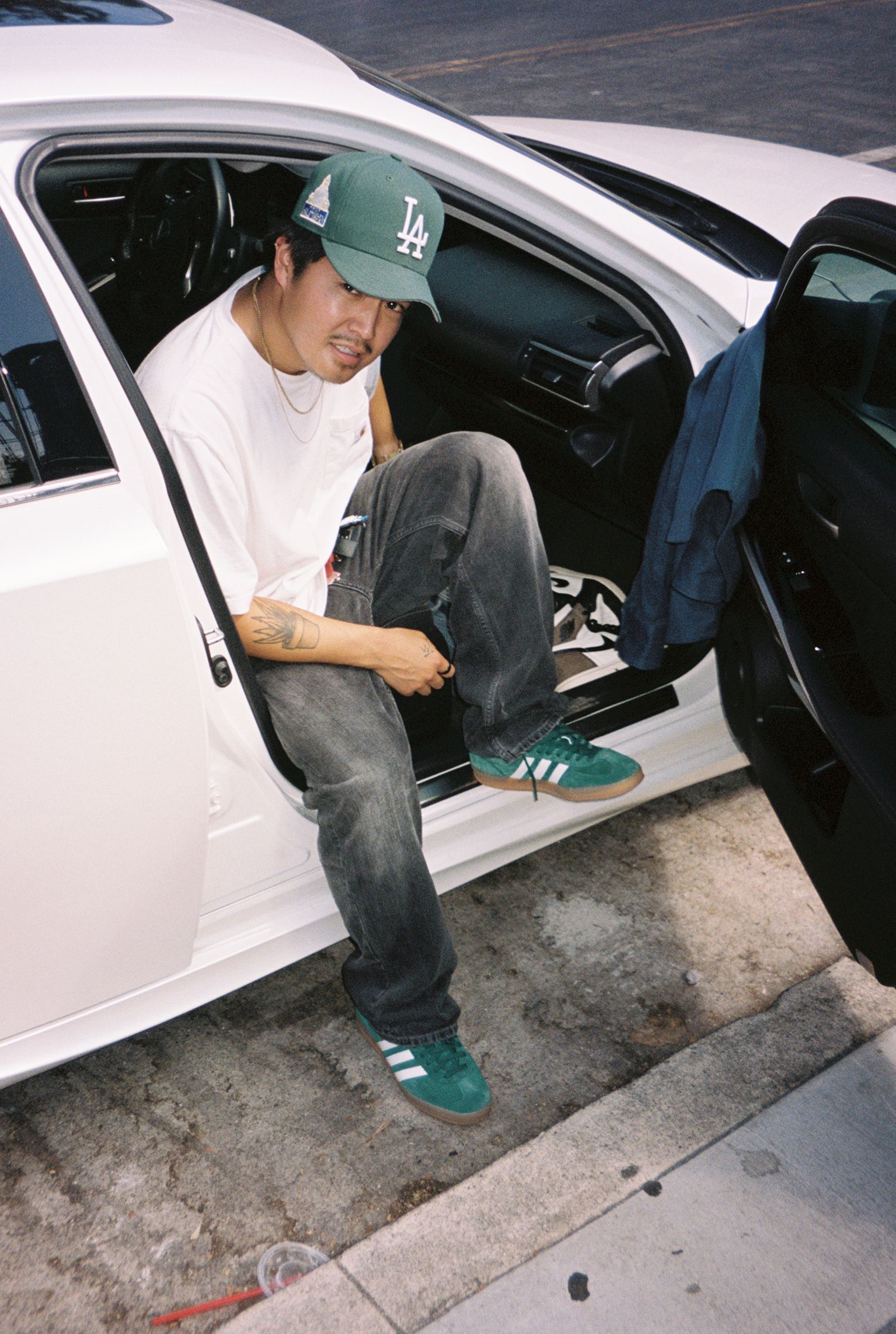
Genki, love having you share your insights with us. Before we ask you more questions, maybe you can take a moment to introduce yourself to our readers who might have missed our earlier conversations?
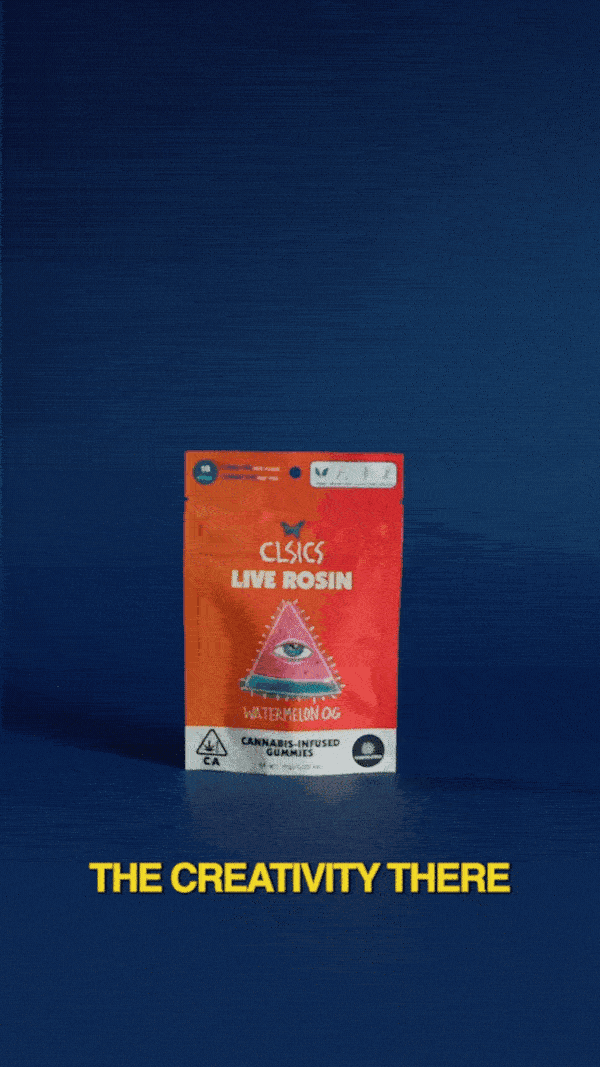
Like most creatives, it’s hard to put a single title on what I do. Over the years, I’ve worn countless hats—sometimes for the experience, sometimes because I didn’t have a choice. From 2012 to 2018, I worked on over 300 projects, taking on roles like producer, director, shooter, photographer, stylist, sound mixer, editor—you name it. I did everything from music videos and YouTube content to weddings, club recaps, and highlight reels for athletes.
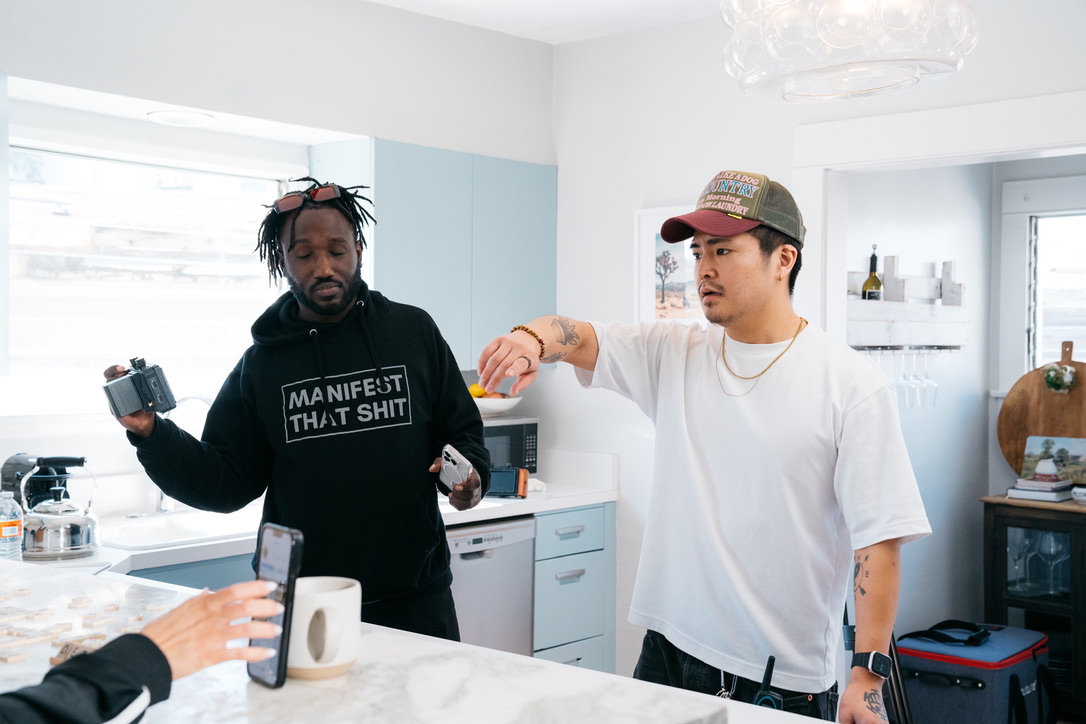
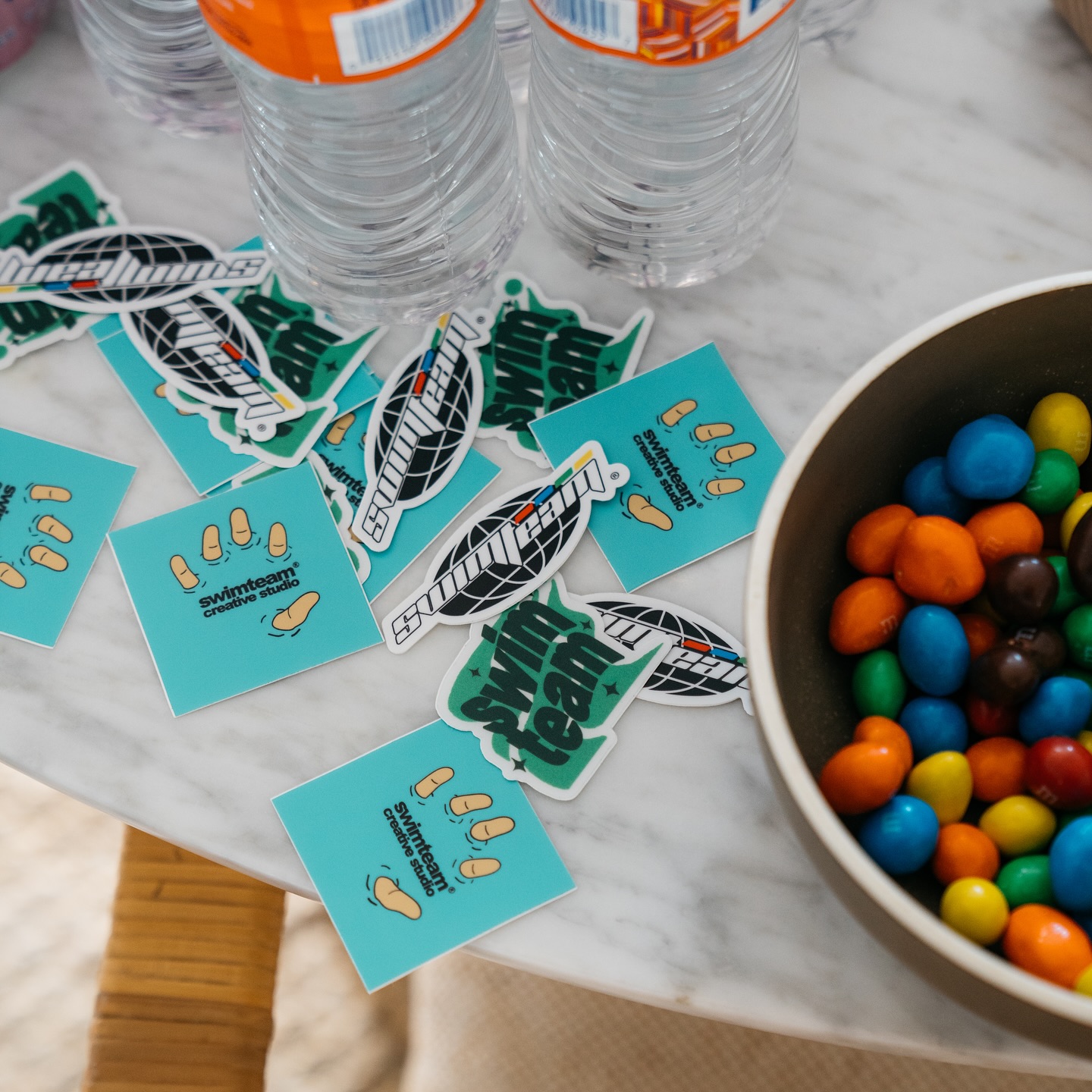
Those years of hands-on work gave me a deep understanding of how a production should flow. I wanted to create a fun, refreshing space where we could collaborate with brands while also working on our own internal passion projects. That’s why, in 2018, I started Swimteam, a creative studio where we hand a hand in everything. From short films and TV spots to event marketing, producing podcasts, and social campaigns. I couldn’t ask for a better team.
What’s a lesson you had to unlearn and what’s the backstory?
I used to believe that if you just worked hard, everything else would fall into place. But over time, I realized that hard work is kind of just the starting point—it’s expected. What helped me a lot was learning to constantly reflect on what I’m doing and staying curious. It’s not just about putting in the hours; it’s about getting creative with your own self and being open to change.
We’d love to hear a story of resilience from your journey.
I was around 12. “Shikata ga nai” is what my mother would tell my little brother and I as we waited in the welfare line waiting for our soap and shampoo. It’s a Japanese phrase for, “it can’t be helped”, a philosophy of embracing circumstances beyond our control. I grew up watching my single mom tirelessly finding ways to make ends meet. Balancing three different jobs and would still come home to put food on the table pretending like everything is fine. My journey has taught me that “Shikata ga nai” isn’t a passive surrender, but a mindset to navigate life’s challenges. I’m determined to channel my resilience into making sure that everything I build helps others along the way, just as I was inspired by my mother’s strength and perseverance.
Contact Info:
- Website: http://swim.house
- Instagram: http://instagram.com/jorjaspliff
- Linkedin: https://www.linkedin.com/in/genkikawashima/
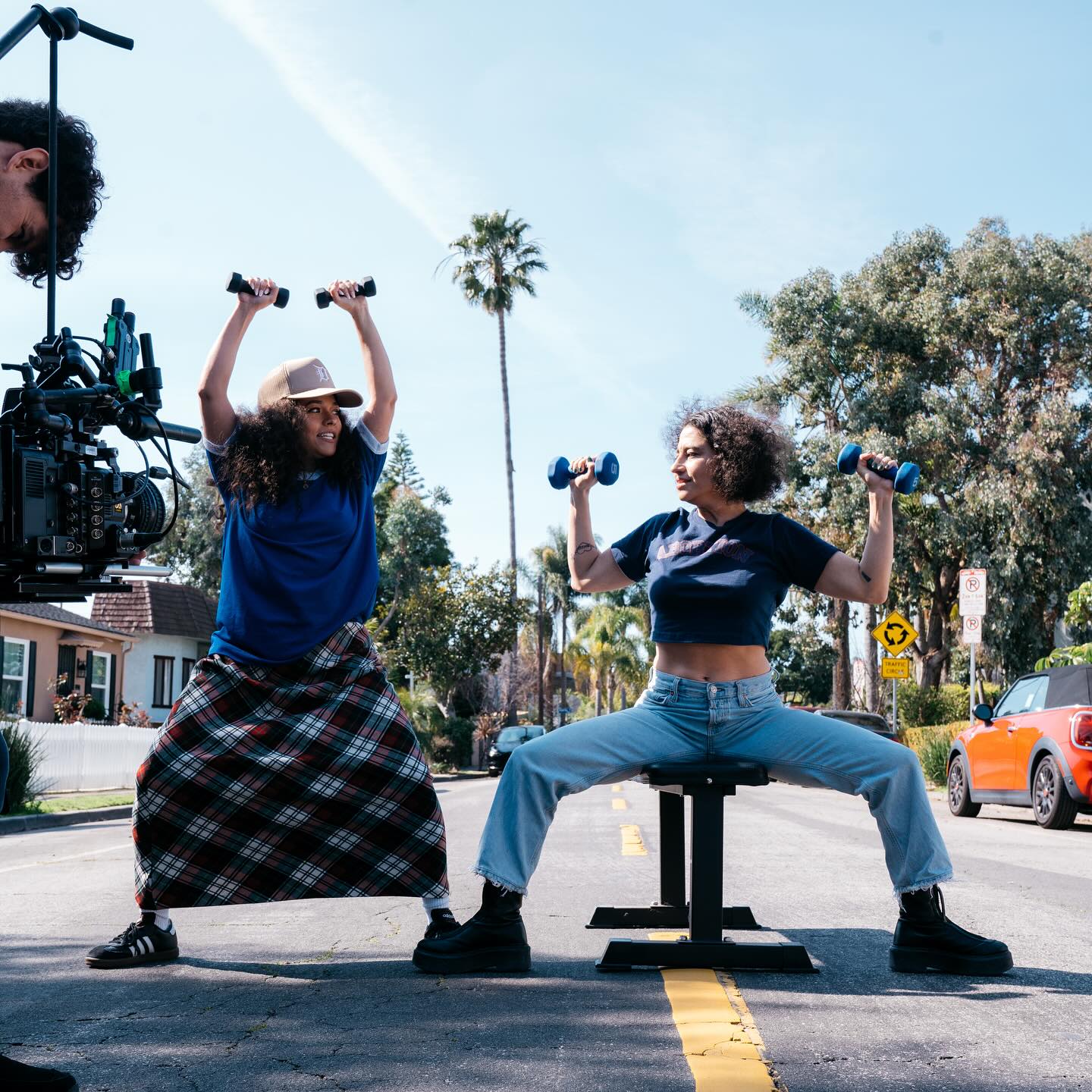
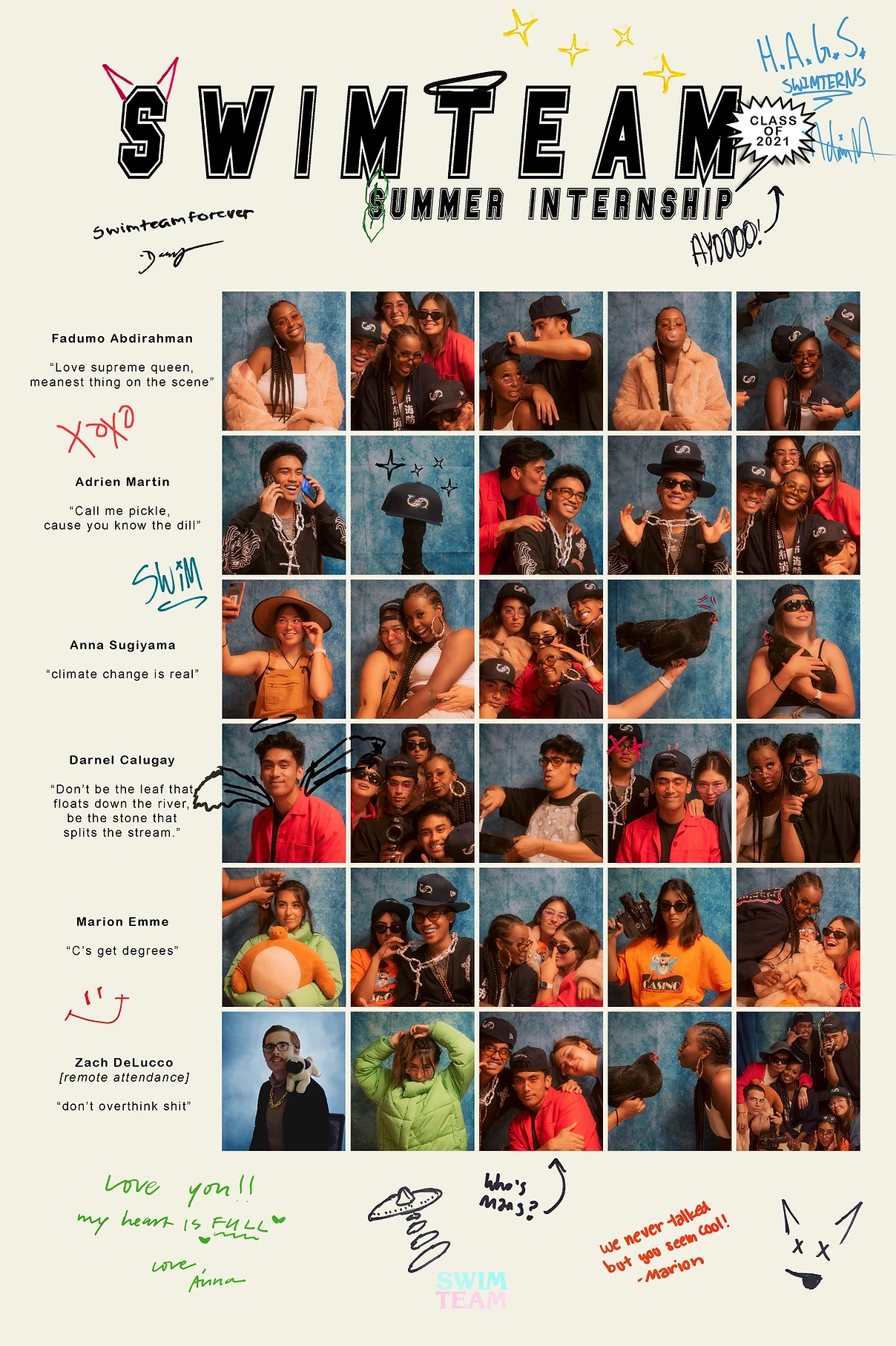

Image Credits
James Chrosniak