

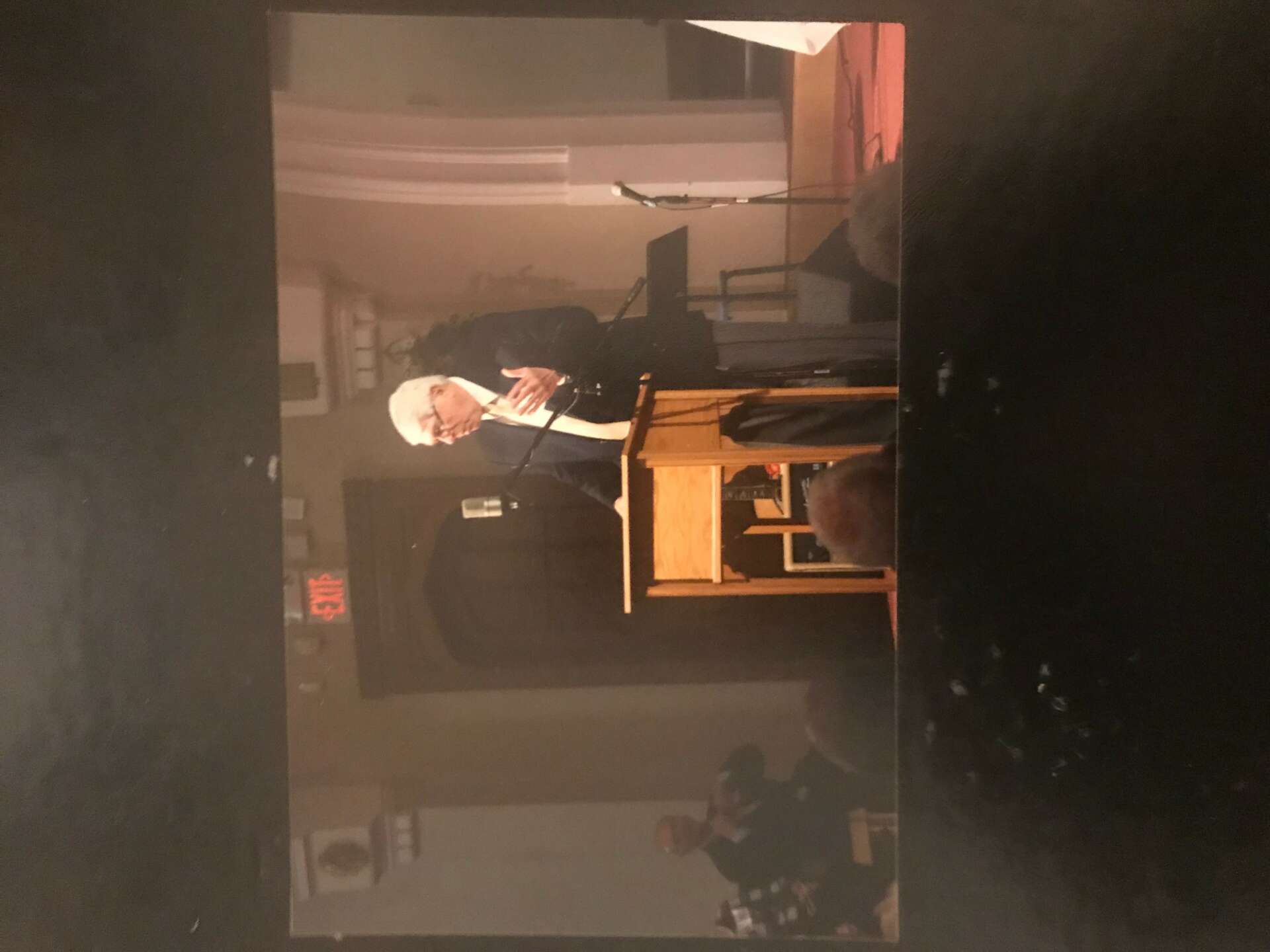

We recently connected with Gary Sweeten and have shared our conversation below.
Hi Gary, thanks for joining us today. We’d love to hear about how you went about setting up your own practice and if you have any advice for professionals who might be considering starting their own?
After practicing psychotherapy for several years I saw that many if not most of my clients would not needed to see a professional therapist if they had family, friends, and co-workers who knew how to care and listen deeply so together they could find how to live more effectively. A group of us formed a not for profit to equip individuals, families, and groups to use the knowledge and skills we knew would work to prevent the downward spiral of mood disorders and interpersonal dysfunction that too often led to seeking therapy. It was a wonderful decision. We can help dozens at a time attain the joy and relief my clients could only achieve after spending hundreds of dollars over a long period of time.
Young people entering a Counseling profession need to be able to teach the simple skills we use in therapy to groups to prevent mental, emotional, spiritual, and interpersonal crises. Learn how to use modern technology to multiply your impact. We can now equip people in many nations because we are able to use audio, video resources such as Zoom. Over 90% of all the trained counselors in the world are in Western Europe and America, we must be more efficient.
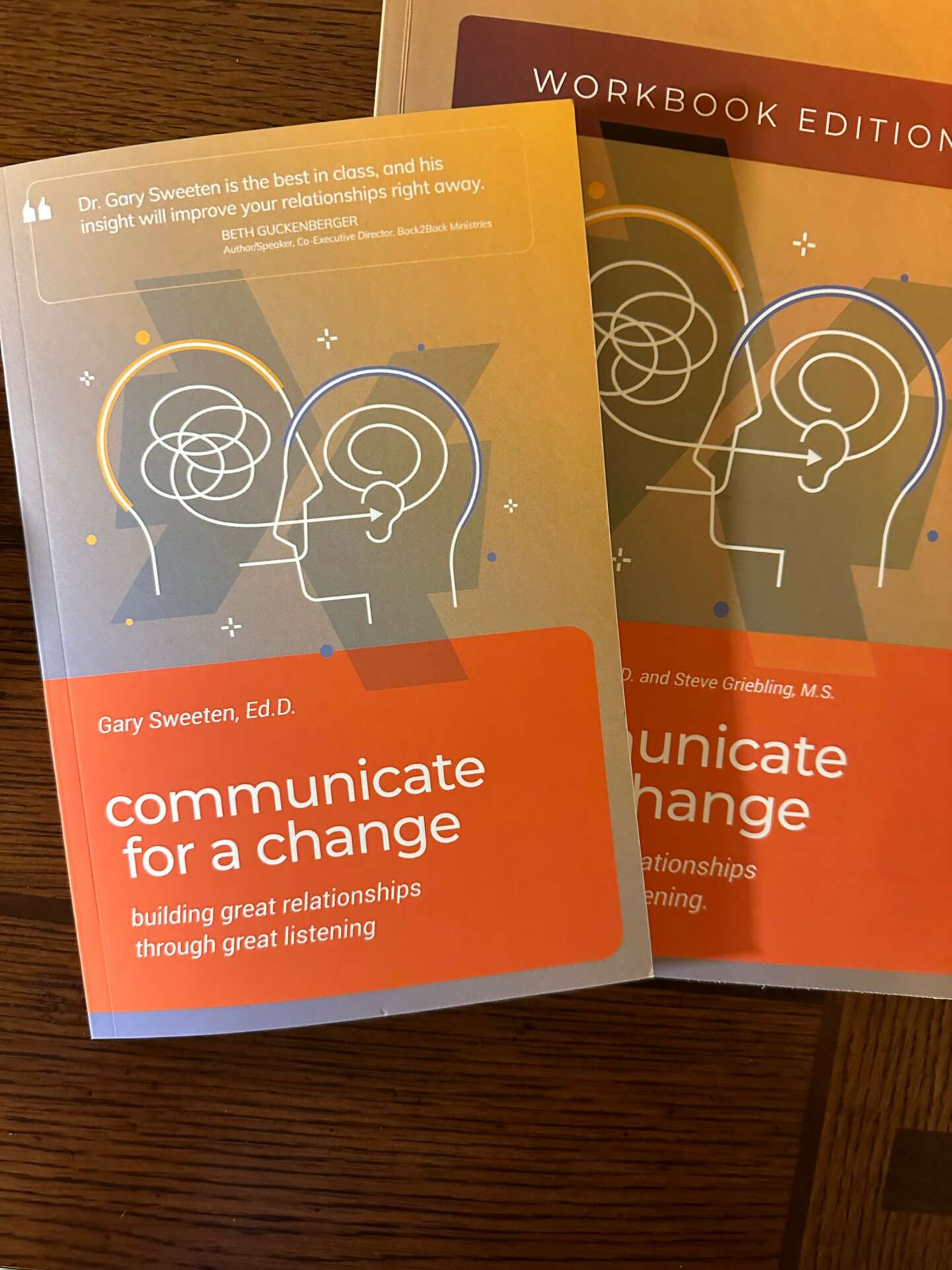
Gary, love having you share your insights with us. Before we ask you more questions, maybe you can take a moment to introduce yourself to our readers who might have missed our earlier conversations?
I was an elementary teacher for rural students and saw the need for training them and their parents the basics of uplifting relationships because their academic life was also at risk. One of my college teachers was a Counselor and I saw how she used her counseling insights to coach students. I was inspired to do the same. I saw many students struggle with managing their emotions and lifestyles that led them into addictions and failed marriages. I learned how to help troubled couples restore their marriages and decided to train groups of couples in my church to prevent toxic conflicts or heal afterward. In a doctoral dissertation I developed a systematic plan to equip pastors, parents, and interested couples to volunteer to replicate my model.
That model is now practiced in many nations and many languages. It’s success comes mainly from teaching ordinary people how to do extraordinary things for others and themselves. No advanced certification is needed. People with no degree and others with advanced degrees are active with us and love to be able to see people and families come alive with love and optimism. The classes are easily accessed and consist of video, reading, interactions, and real-life practices.
Can you share a story from your journey that illustrates your resilience?
During Perestroika after the USSR imploded in 1989, I was led to travel there to help the people heal from 70 years of abuse and trauma from Communism. I found an overwhelming number of drug addicts and damaged families. Miraculously I met a Psychiatrist who asked to visit my clinic in America, I sponsored her trip and stay for three months. After her visit and seeing my model of equipping Peer Friends sh asked if I could travel to trading her and a group of Christian volunteers how to help the families of addicts. With little resources and no knowledge of the culture, the small group helped me design a training program for them. Since that time that group has expanded to impact people all over the former USSR from Ukraine to Siberia. Even during the current war our teams are providing comfort, counseling, and addiction counseling to thousands of people. All this is still happening despite resistance from the government and harassment from the police.
We often hear about learning lessons – but just as important is unlearning lessons. Have you ever had to unlearn a lesson?
I had to change my mind about who can offer very helpful psychological assistance. My advanced educational training assumed that distressed persons and families needed to have specialized degrees and licenses and that is true only when a client has a very serious illness where safety is demanded. I changed my mind after reading the latest research on outcomes from both licensed and peer helpers. Well trained Peer Helpers are usually very successful at helping people achieve very good outcomes.
Current research data confirms I made the right decision.
In all key decisions we need to consult research and try to make well grounded decisions.