
Alright – so today we’ve got the honor of introducing you to Gary Rosenberg. We think you’ll enjoy our conversation, we’ve shared it below.
Gary, appreciate you joining us today. Let’s go back in time a bit – can you share a story of a time when you learned an important lesson during your education?
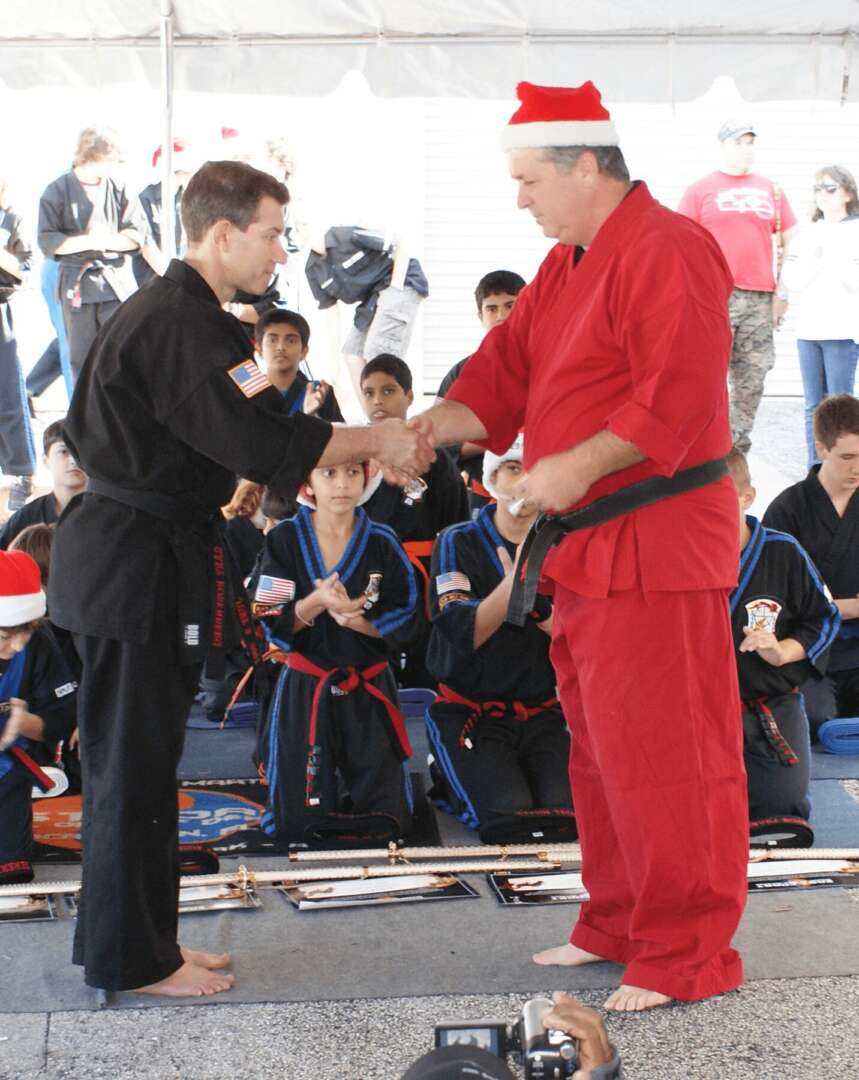
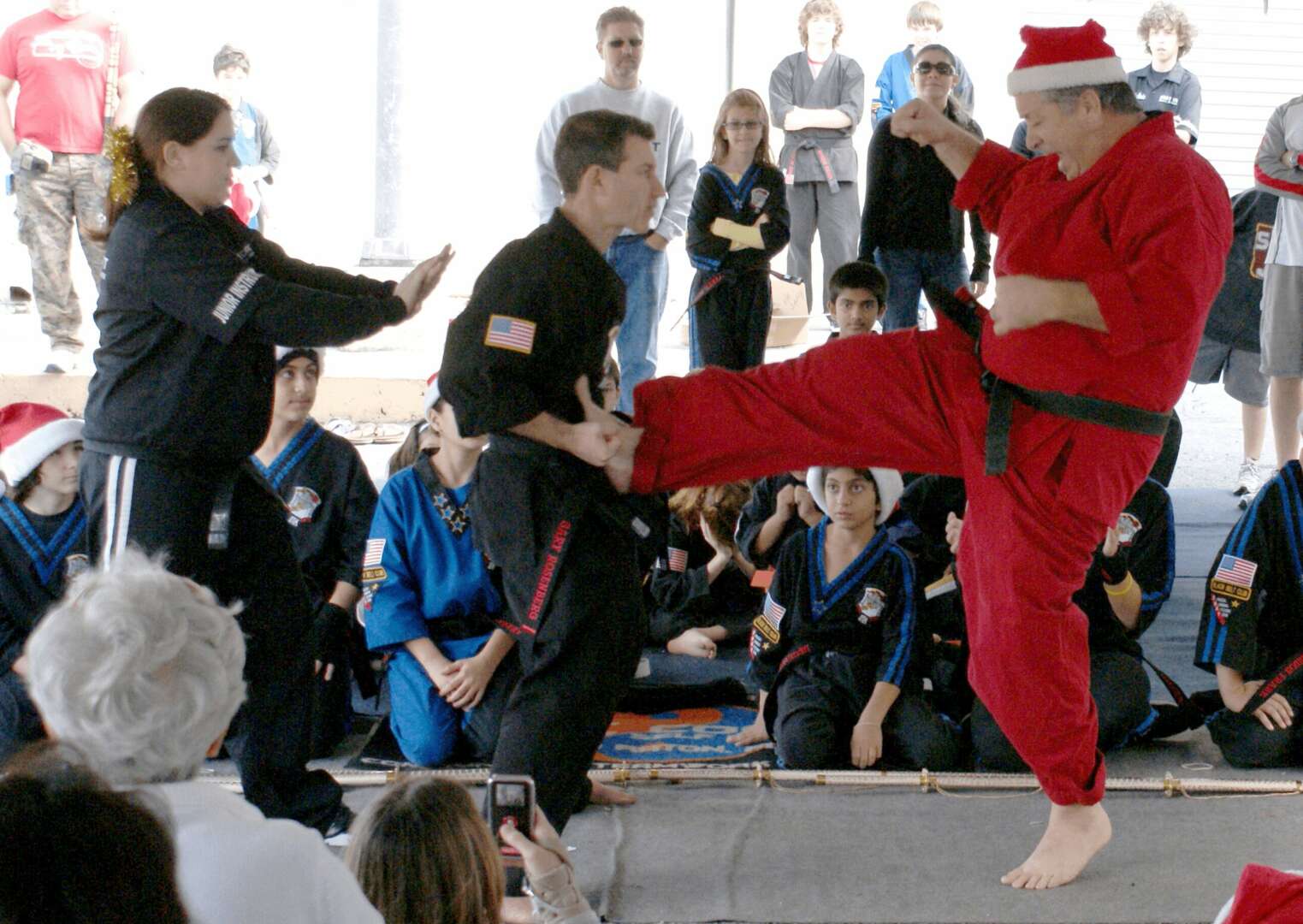
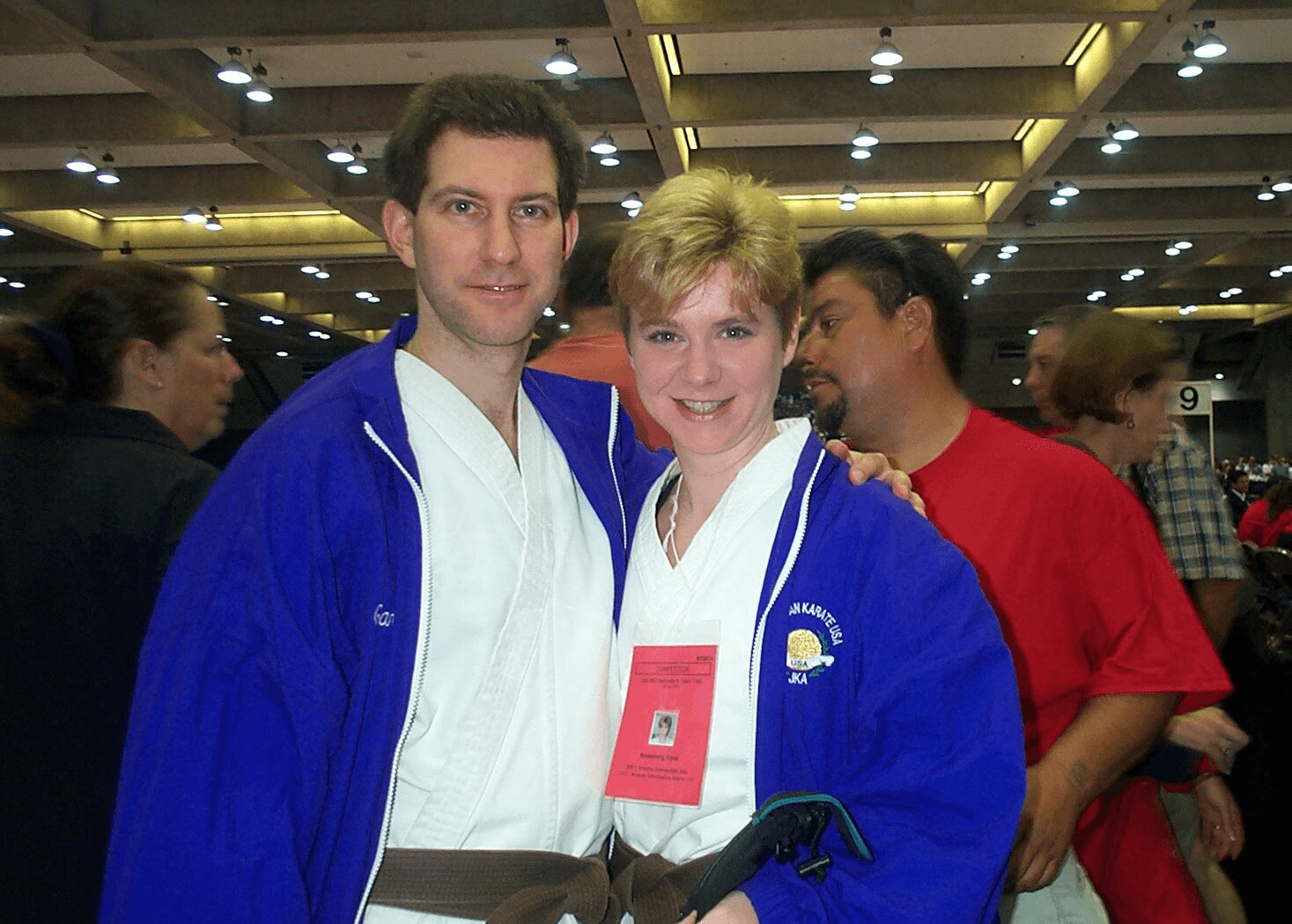
This relates to my martial arts training classes. Early in our training, the Sensei said we must learn to emulate the rule “Strong mind, strong body.” At the time, exhausted from the drills, I dismissed this statement as a cliche. However, as time went by and I progressed from belt to belt, watching my skill and confidence grow, I began to see that this simple, obvious adage meant so much more than its surface appearance. When I began teaching students as a brown belt and later as a black belt, I employed this maxim as well–letting the students know they might not get it right away, but when its importance hit them, it would be an eye-opener and their training level would hit a new intensity.
Gary, love having you share your insights with us. Before we ask you more questions, maybe you can take a moment to introduce yourself to our readers who might have missed our earlier conversations?
On the professional front, I’ve been working in book publishing for more than 40 years, starting well before the advent of personal computers in a small company in New York City that serviced the major textbook publishing companies. From there, I switched to trade book publishing for Avery Publishing, a forerunner in the alternative health books field. When Avery was purchased by a larger publisher in 1999, I began working from home as a private contractor to publishing companies. When we moved to Florida in 2003, that work soon expanded as the advent of self publishing became popular. As The Book Couple, my wife, Carol, and I provide editorial and graphic design services for publishers and self-published authors.
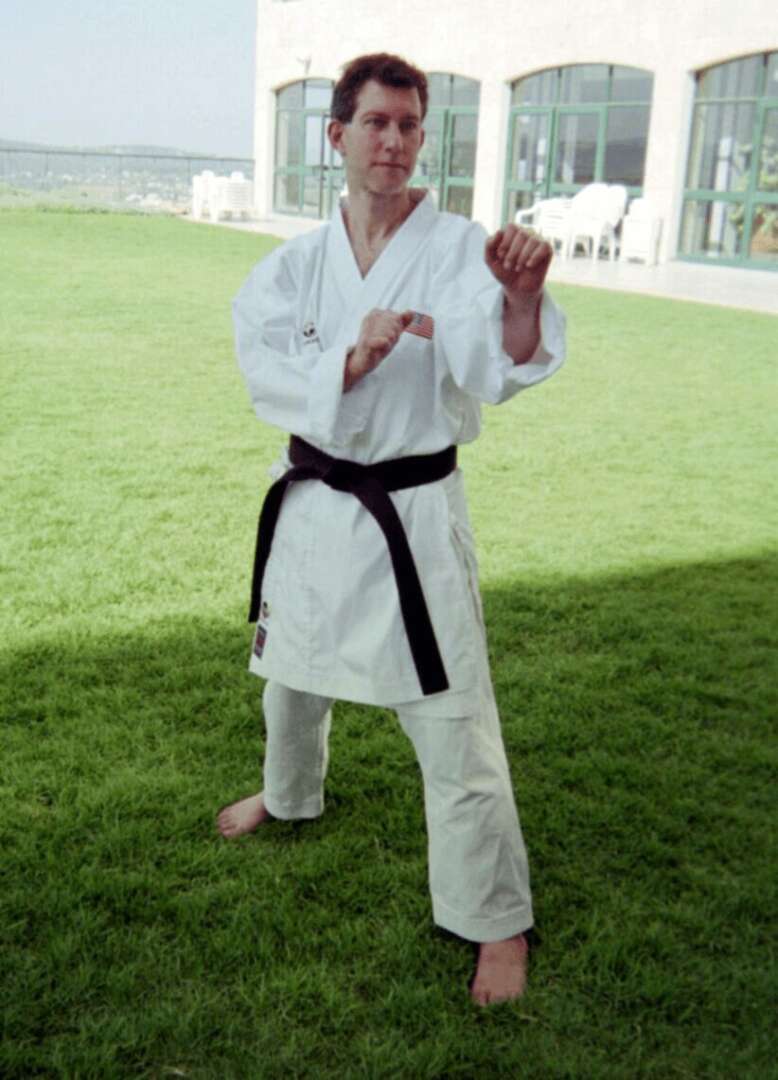
Personally, I have been practicing various martial arts disciplines since 1994, when I enrolled my son in Shotokan (traditional Japanese) karate. The training was rigorous and highly demanding, but it filled me with a sense of accomplishment and confidence. There was a sense of community that took participants from the training floor to competition to social interaction. Once I attained sufficient rank, I was able to begin instructing lower ranking students in basics, forms (kata), and sparring. I reached full lack belt status after 8 years and was poised to cover more classes at the dojo when my wife and I moved to Florida.
Not finding a traditional Shotokan dojo, we began training American Kenpo in a local school that was very involved in the community at large. We performed in numerous public schools and attracted a wide range of students. It took a lot of time and patience to “overcome” my more traditional roots and embrace the combat-based art of Kenpo. As an instructor, I worked with adults, teens, and children imparting my knowledge of Kenpo and my philosophy of martial arts in general. Around the time I achieved black belt ranking, my instructor began introducing Counterpoint Tactical System (CTS), another combat-centered martial system that included wrestling, ground fighting, boxing, and Filipino-based weapon techniques (sticks, knives, primarily).
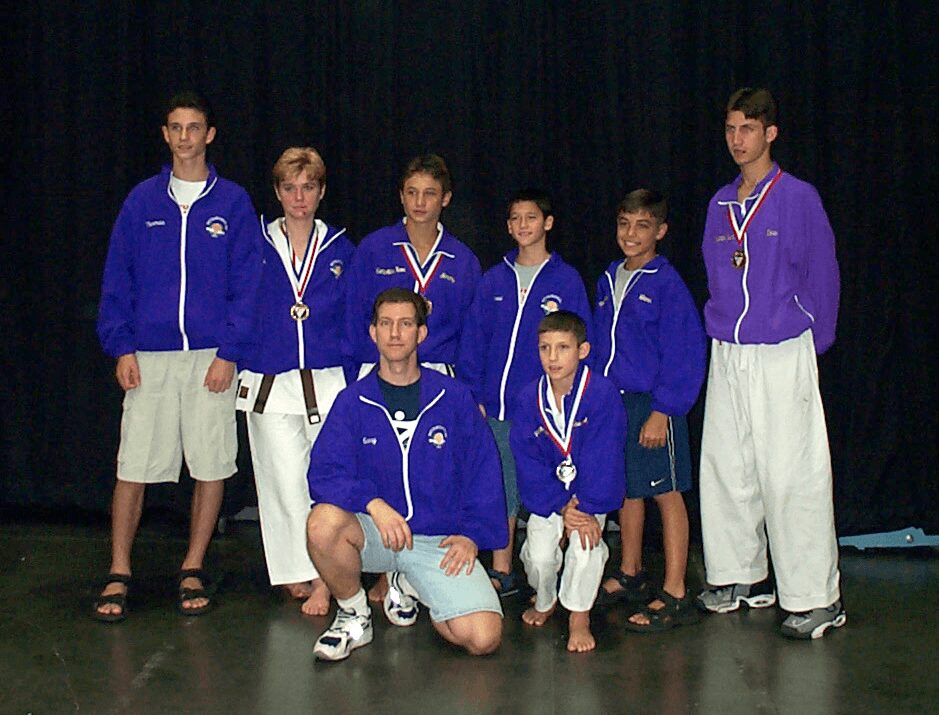
In 2005, I was invited by my first sensei to coach the U.S. Junior Karate team at the Maccabiah Games in Israel. The team spent three weeks touring the country, watching the competitions, and training every single day. This was one of the highlights of my karate career, and gave me the opportunity to work with kids in an exciting high-pressure situation.
I also joined a local gym shortly after moving to Florida and trained regularly until Covid. I earned certification in group fitness and kickboxing so I could serve as an instructor. Since the pandemic, I train regularly in my home gym.
Although I did not continue my CTS testing and ranking, I was introduced to a Shotokan instructor in the area, with whom I trained and taught classes on a regular basis until the advent of the Covid pandemic. During my time at his dojo, I earned second and third-degree black belt rank. Since that time, I have continued to train on my own, and also teach a number of children’s classes at local schools and camps.
The axiom “Strong mind, strong body” has remained my “mantra” over the years and I firmly believe my training has helped me stay strong, fit, and vibrant well into my sixties.
We often hear about learning lessons – but just as important is unlearning lessons. Have you ever had to unlearn a lesson?
After training in traditional Japanese karate for more than 8 years, Carol and I moved to Florida, where I was not able to track down a local Shotokan school. A few weeks later, we saw signs for a karate school right around the corner and we went to check it out. It was American Kenpo style but we really liked the instructor and his wife so we joined up. Unlike the highly stylized, traditional, and deeply rooted style of Shotokan, Kenpo is a fighting style that demands taller stances, bursts of speed, and counter-attacks. My history with martial arts had me in a low, structured postures that I had to completely unlearn to be successful in Kenpo. Very often, the instructor would come by and remind me to “relax.” In those first couple of years, I had to retrain myself to be loose and free-flowing in order to accomplish the techniques and forms proficiently. When I restarted my Shotokan training, I was still practicing Kenpo, but my experience at “letting go” allowed me to perform appropriately in each class.
We’d love to hear about how you met your business partner.
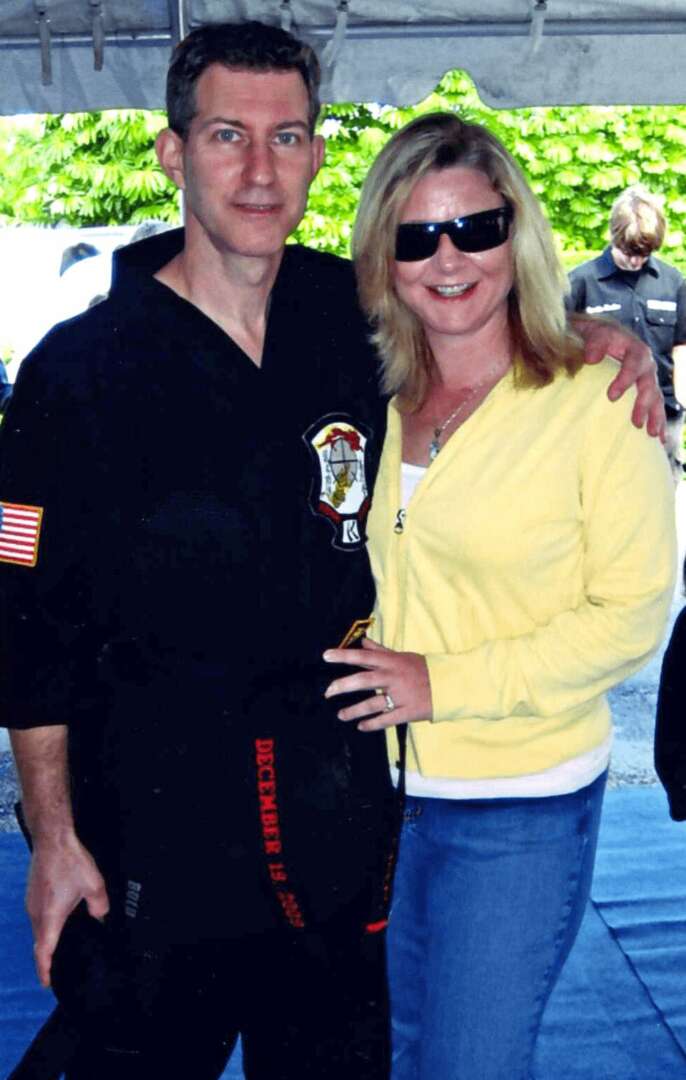
Well, back to The Book Couple, I guess. My partner in business, Carol, is also my wife and my best friend. We met on the Long Island Railroad in 1987 commuting home from NYC. At that time, I was separated from my first wife and living at my parents’ home with my 3-year-old son. I noticed Carol on the train platform and endeavored to sit next to her on the train when the doors opened. I had started a poem on the train home a few days prior so I polished it and finished it and added my phone number at the end. I offered the poem to her just as the doors opened for my stop, and I rushed off the train before she could respond. That night at dinner, she called me. Two days later, she handed me a poem she had written for me–it was a great match. We were married within the year, In 1998, we had the opportunity to work together in trade publishing, giving us the experience and background required to create The Book Couple a few years later. We’ve been working together ever since.
Contact Info:
- Website: https://www.thebookcouple.com
- Facebook: Gary A Rosenberg