

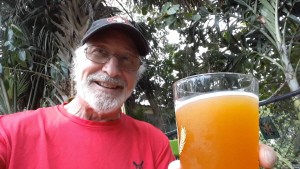

We caught up with the brilliant and insightful Gary Greenberg a few weeks ago and have shared our conversation below.
Alright, Gary thanks for taking the time to share your stories and insights with us today. Before we get into specifics, let’s talk about success more generally. What do you think it takes to be successful?
Success is a relative term. Often in the U.S., it seems to be measured in money. That’s the essence of capitalism. Money buys a lot of things, including power. That’s why the type of unbridled capitalism we are now experiencing has led to an income inequality that continues to mushroom as politicians get paid — through campaign contributions and other means — to enact laws that favor the wealthy. It’s really a sad state of affairs where more people have less opportunity to lead secure lives, owning their own homes and having reliable transportation, nutritious food and quality healthcare. Personally, I don’t measure success in terms of dollars but rather happiness and fulfillment. My job hasn’t made me financially rich, but I generally do what I like and get a lot of satisfaction in learning new things and sharing that knowledge with others. Creating something is immensely fulfilling and makes up for not having the biggest house, snazziest car and other material things. I also have good health (knock wood), a wonderful wife and son, friends and other intangibles that money can’t really buy — all of which I consider successes.
But no matter how you define success, I believe it takes having a passion for what you do, the drive to accomplish and the ability to see roadblocks as challenges to overcome rather than problems, or even worse, excuses for not achieving your goals. Success also takes persistence because most things in life that are worthwhile don’t come easily.


Gary, love having you share your insights with us. Before we ask you more questions, maybe you can take a moment to introduce yourself to our readers who might have missed our earlier conversations?
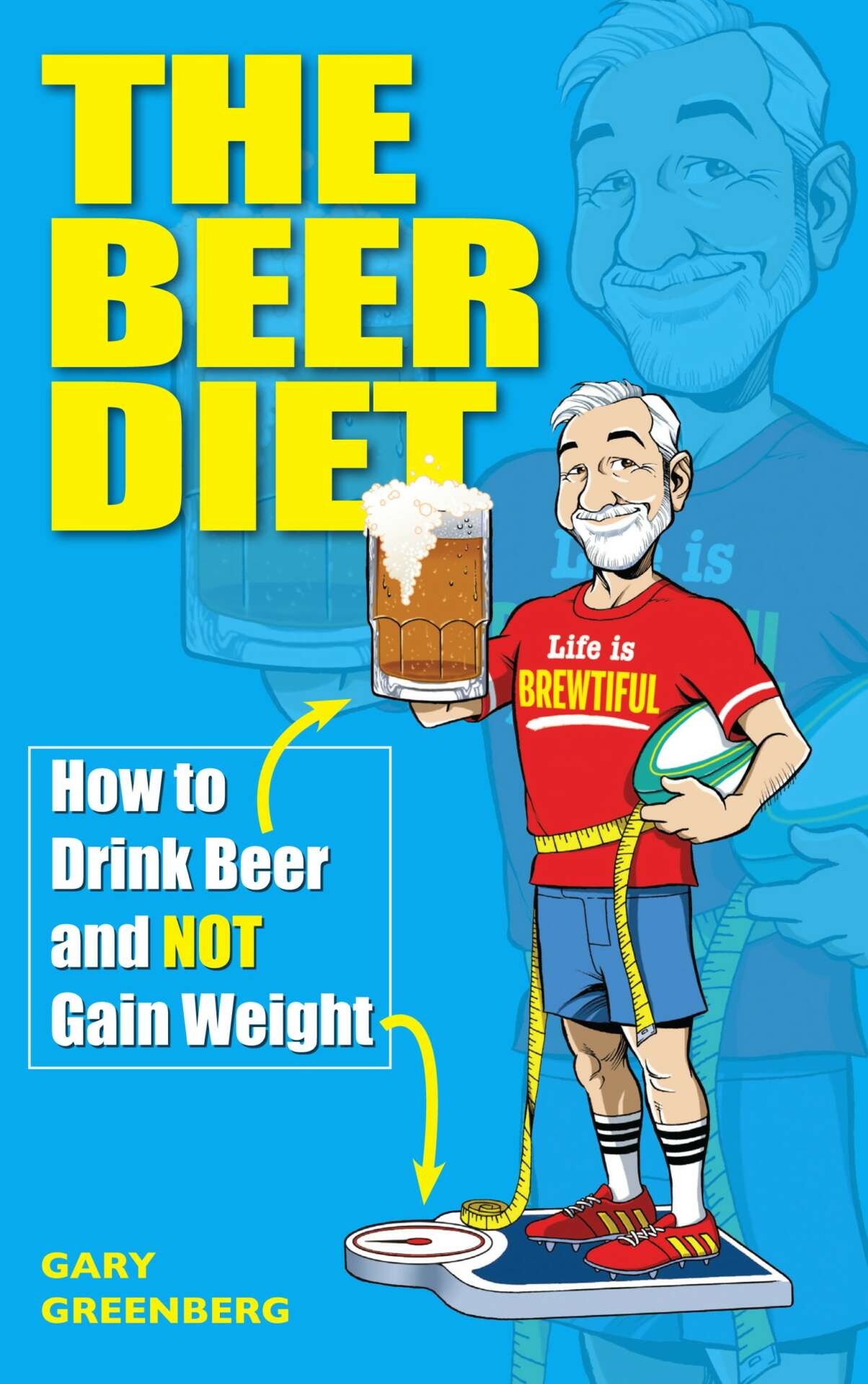
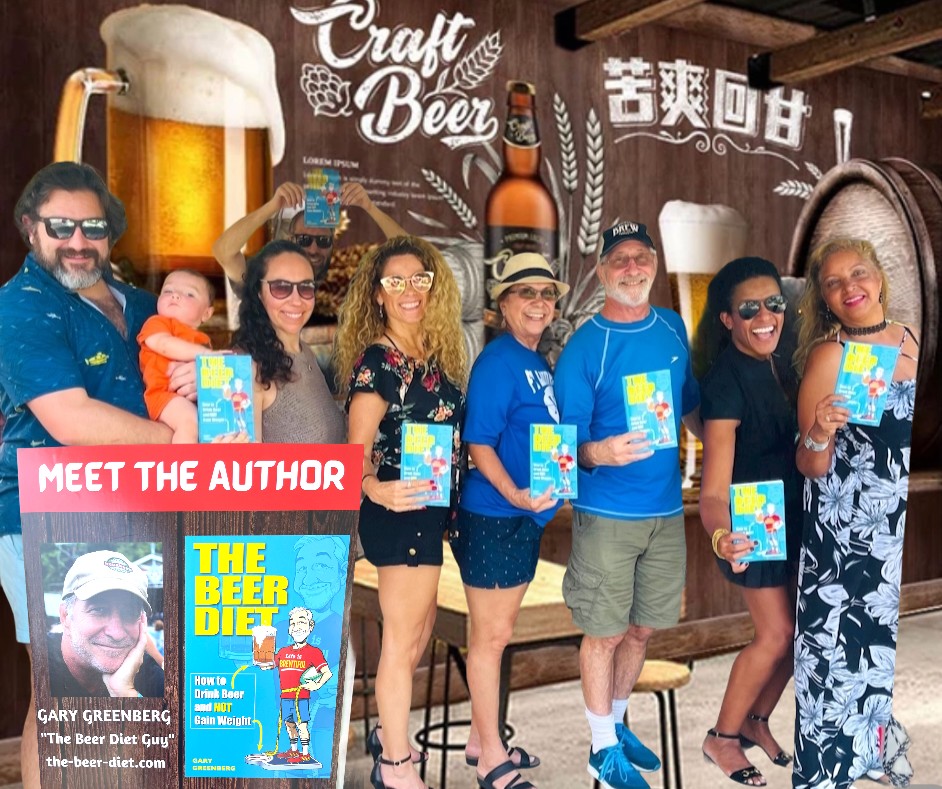
I’ve always had a knack for writing and eventually landed a job as a sports reporter for a local newspaper in California when I was 28. I’ve now been writing professionally for 40 years, mostly as a reporter, editor and freelancer, but I also write fiction, kids’ stories, memoir and various other things. Along the way, I’ve authored three books, the novel Dead Man’s Tale, and two health-related books, The Chelation Revolution, and The Beer Diet: How to Drink Beer and NOT Gain Weight. I also co-authored with former jewel thief William Steel the chilling true crime saga, Sex and the Serial Killer: My Bizarre Times with Robert Durst. So my expertise ranges from fine ales to serial killers, which is part of the fun of writing. I learn a lot about a variety of subjects, often from interviews with really smart, accomplished people. In all of my work, I strive to be accurate, knowledgeable and entertaining.
We’d love to hear a story of resilience from your journey.
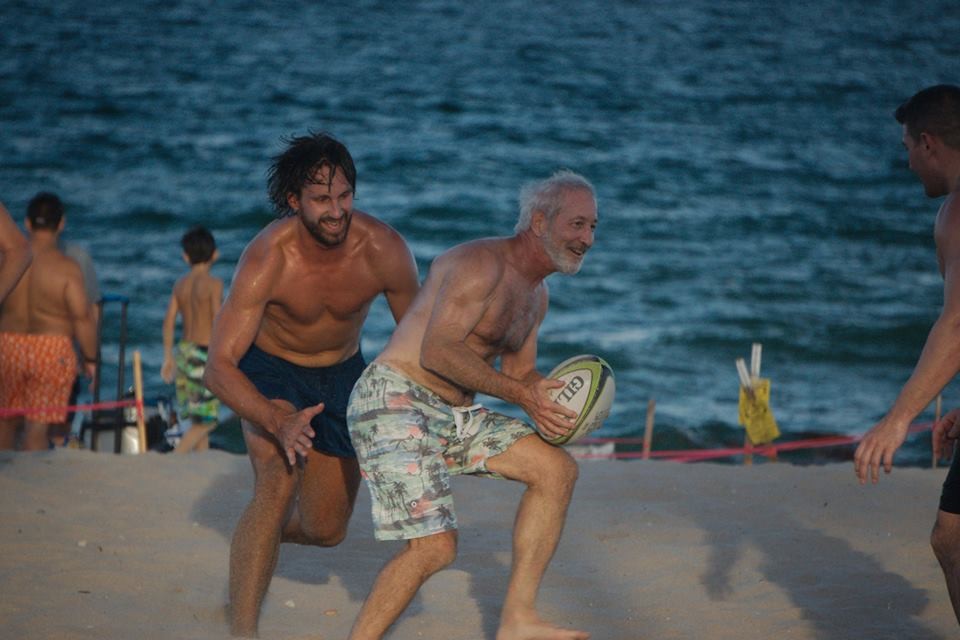
Life is really all about resilience because it is often tough and likely to throw you curves. I think I developed that quality when I was hit by a car at age 14. The impact broke my femur, which is the largest bone in the body. I spent ten weeks in traction, flat on a hospital bed, then five weeks in a body cast, another five weeks in a hip cast and several months of self-conducted rehab. It was a fairly miserable time, but I cherished the good things, such as I didn’t have to go to school for months and could watch all the TV I wanted. I also grew thankful that I knew I’d recover, when so many others — such my two hemophilic roommates — would never have the opportunity to lead normal lives. The discipline it took to rehab my severely atrophied leg — swimming a mile every day, slinging leg weights until my thigh burned in pain, sitting in a steam room stretching the connective tissue in my knee so I could bend it a little bit more each day — still serves me to this day in all facets of my life. As a writer, you need resilience. I could paper my walls with rejection letters from book publishers, literary agents and magazine editors, but I never let them dissuade me from trying again, and again, and again. I still don’t have the recognition I think I deserve, but I keep on writing, which in many ways is a reward in itself.

We often hear about learning lessons – but just as important is unlearning lessons. Have you ever had to unlearn a lesson?
I was once in a writing workshop conducted by John Knowles, who penned the classic novel A Separate Peace, which I think everyone in my generation had to read in eighth grade. He’d start every class by writing on the blackboard: “There are no rules to writing.” There are conventions that govern grammar to a large extent, but no steadfast rules, he’d explain. It was very liberating to realize that I could start a sentence with conjunction such as “but” or “and,” punctuate a phrase as a sentence and not get too hung up over a dangling participle. I think John’s statement transcends writing as there are really no rules to life, either. We think we have to behave in certain ways, but that’s not really the case. Some of the most interesting things happen outside the boundaries. The key is knowing that you are breaking the “rules,” and having a good reason for doing so.
Contact Info:
- Website: https://www.cosmiccafe.com/
- Instagram: @thebeerdietguy
- Facebook: https://www.facebook.com/thebeerdietguy
- Linkedin: https://www.linkedin.com/in/gary-greenberg-91258b3/
- Twitter: https://twitter.com/thebeerdietguy
- Youtube: https://www.youtube.com/channel/UCgtSDBbSuVvq2p7QTdleN7Q
Image Credits
Tom DiPace