
We were lucky to catch up with Gar Lasalle recently and have shared our conversation below.
Gar, looking forward to hearing all of your stories today. What was one of the most important lessons you learned in school? Why did that lesson stick with you?
Most important lesson(s)…at Cornell University Medical College I was fortunate to have two inspirational teachers, Drs. Elliot Hochstein (physical examination) and Benjamin Kean (tropical medicine and parasitology). Hochstein taught me that the key to being a great student and physician was less dependent on one’s “aptitude” than it was on one’s “attitude.” Kean, a great raconteur, taught me that incorporating a dramatic story taken from real life in one’s teaching helped students remember important esoterica.
At CalArts in a M.F.A. film/video grad program (completed after my medical internship) I was fortunate to have three brilliant artist mentors, Alexander MacKendrick (dramatic film and screenwriting), Jules Engel (animation and film graphics) and Terry Sanders (documentary). Sanders taught a course called “Survival” in which I heard from multiple different successful filmmakers about the many roads to success…all of which were stories with one common theme, i.e. “persistence.” MacKendrick insisted that inherently interesting content in one’s work was not enough…one had to apply innovative structure to make a film great. Engel taught me that an artist “needed to give oneself permission to play.”
Awesome – so before we get into the rest of our questions, can you briefly introduce yourself to our readers.
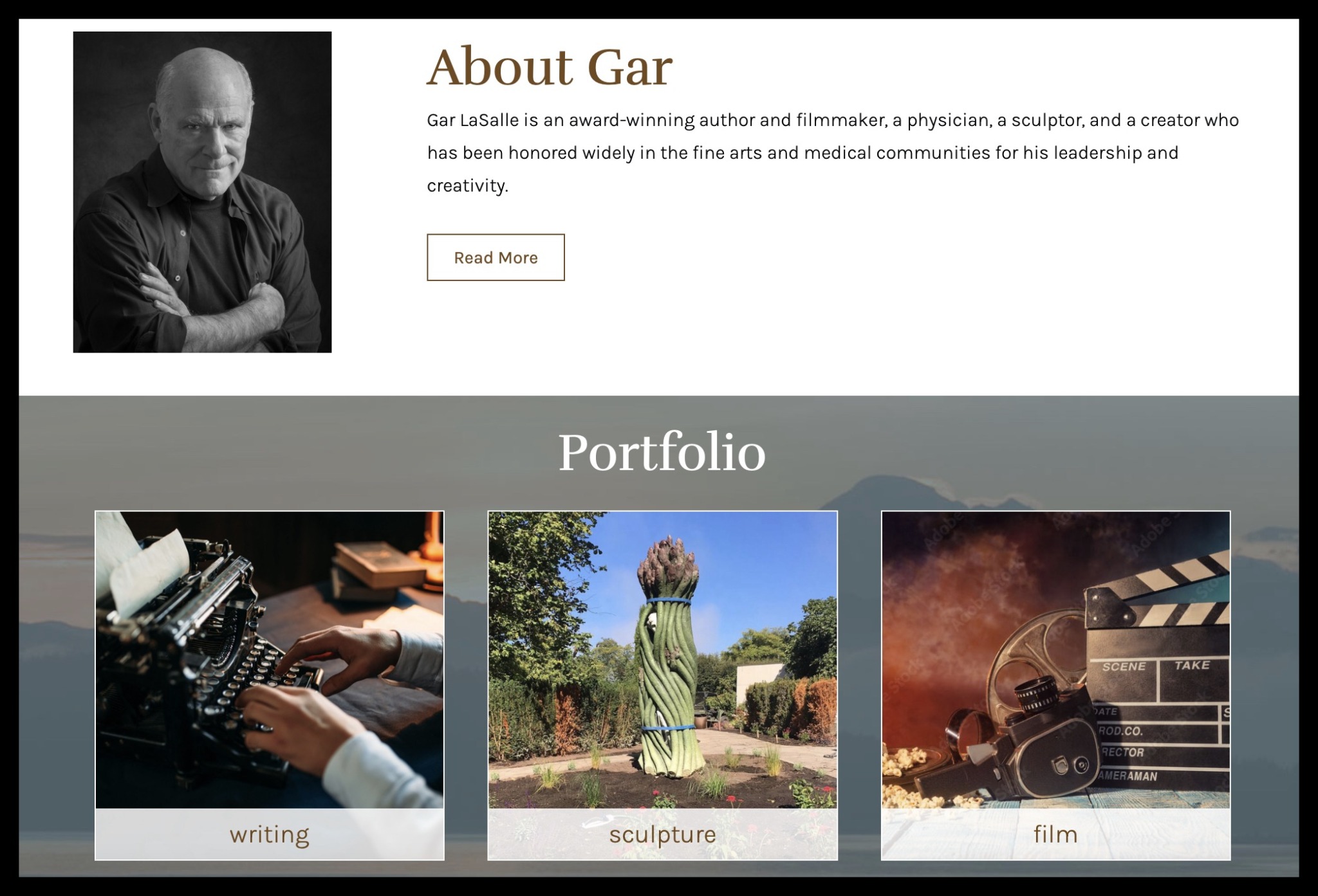
I am a physician, novelist, screen-writer, sculptor, educator, cook and lover of life.
As a physician, medical-administrator, chief medical officer and professor of medicine it has been my honor to act as a healer and mentor.
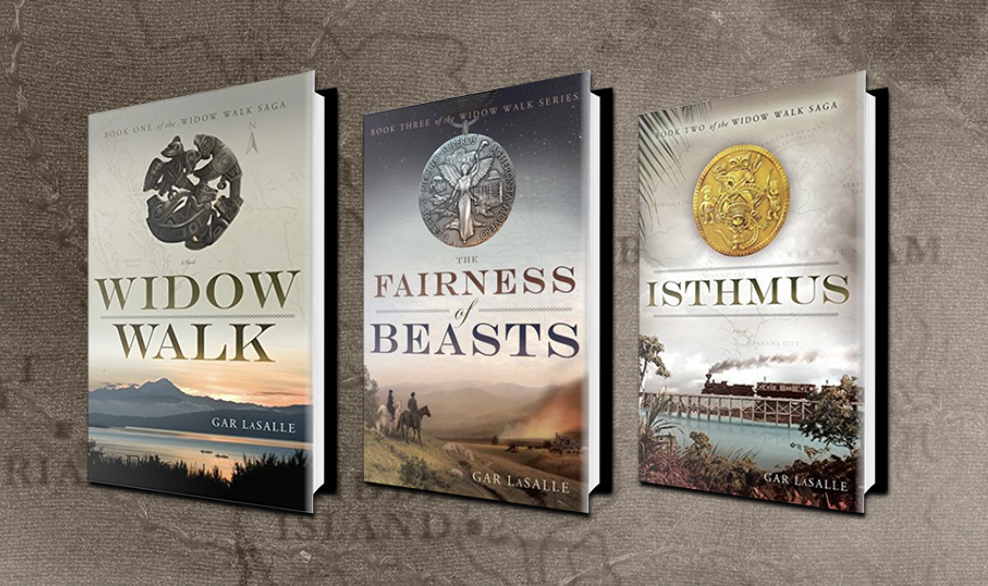
As a writer I have pursued historical subject matter that fascinates me.
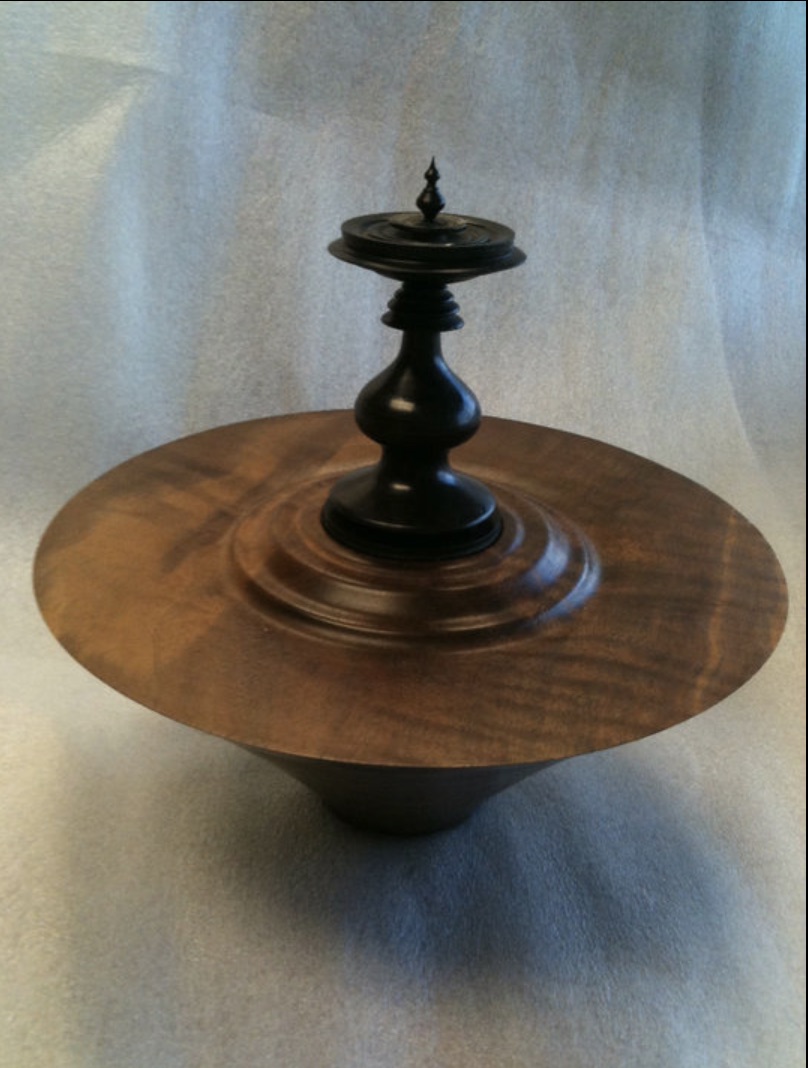
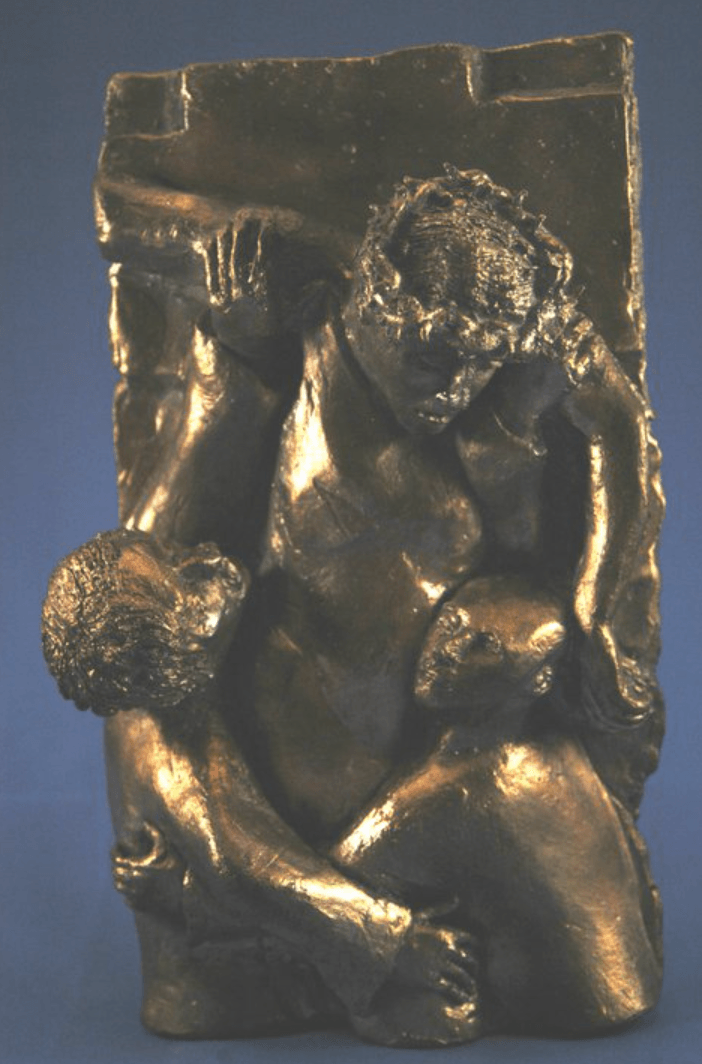
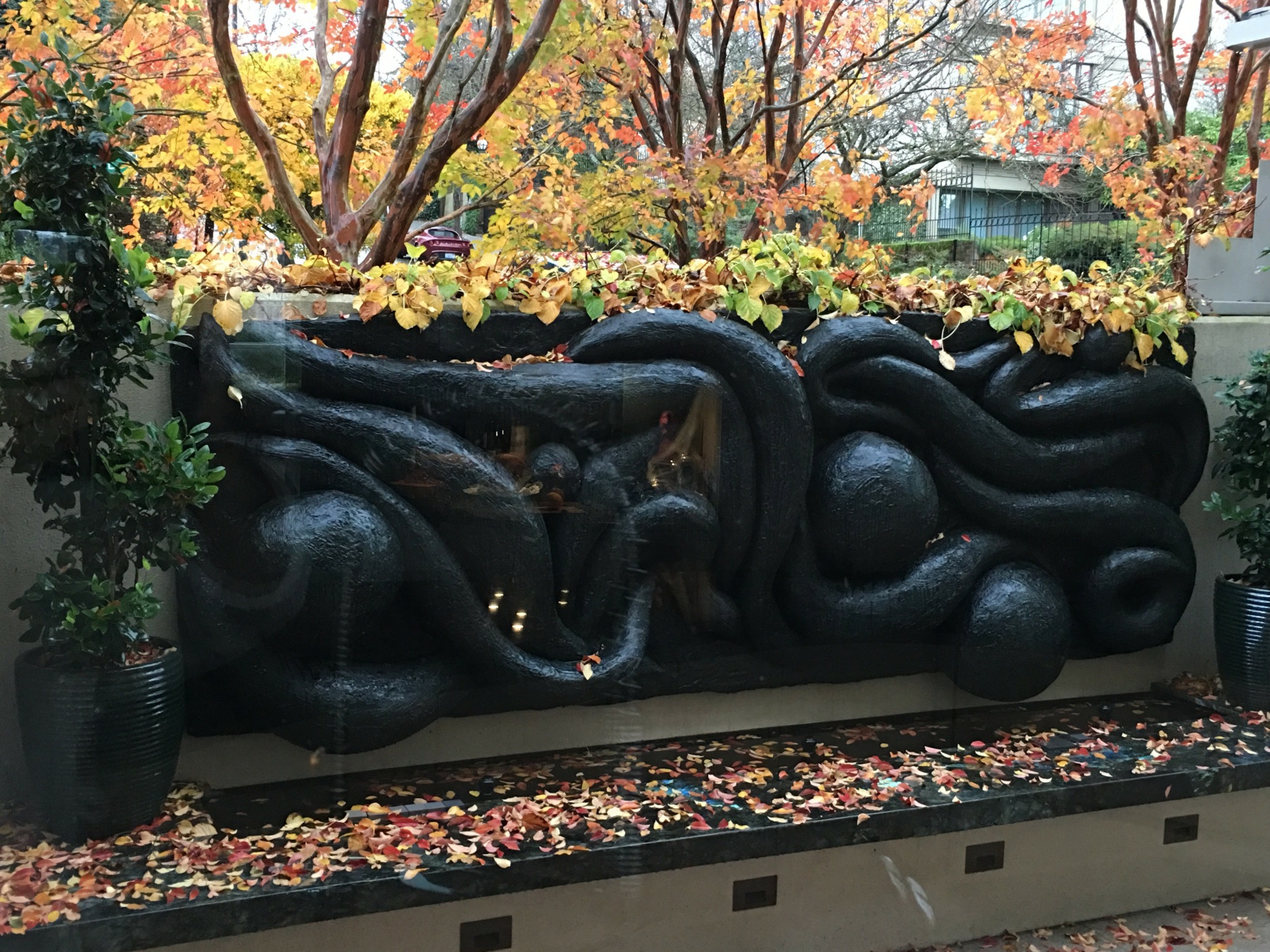
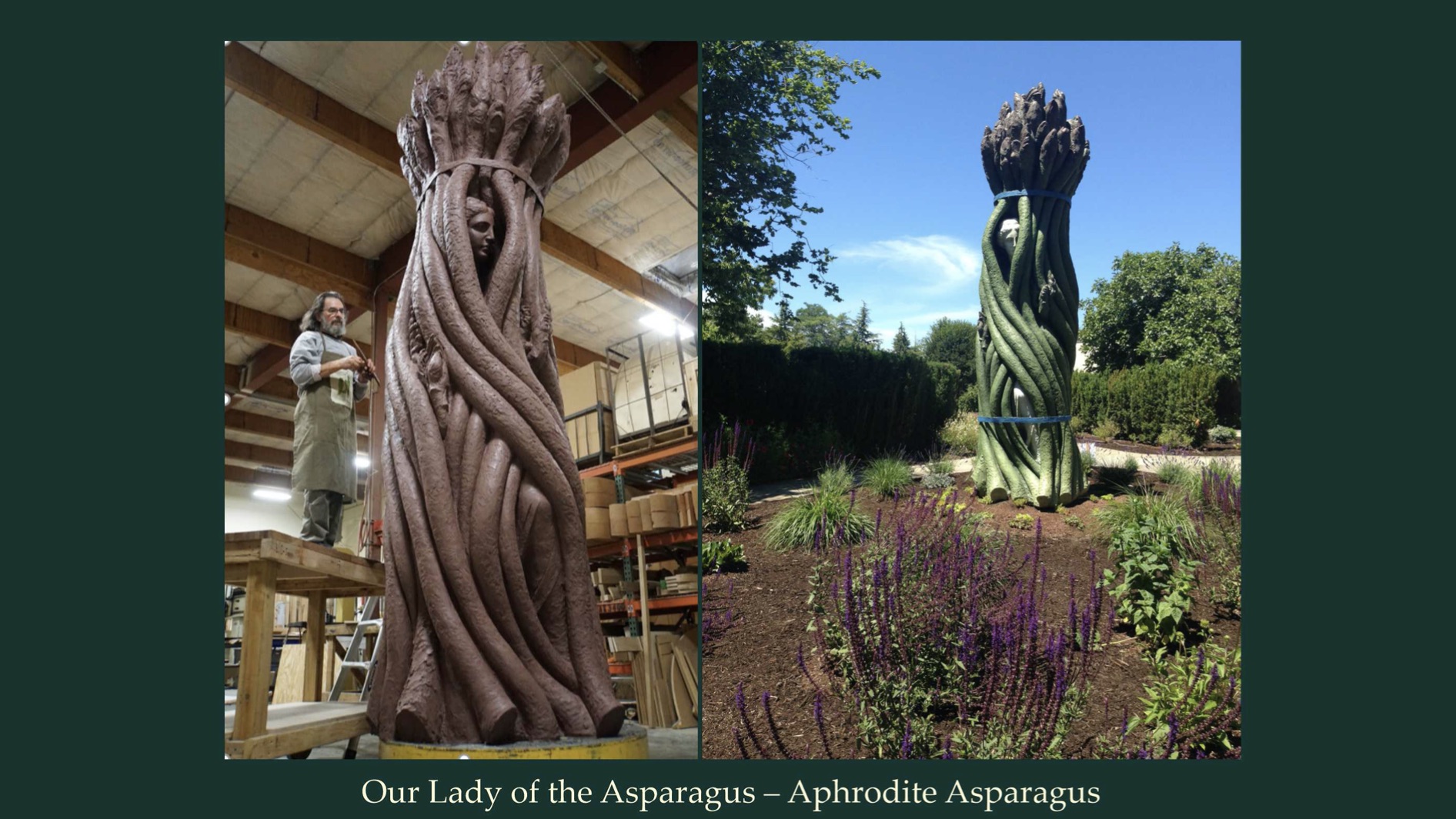
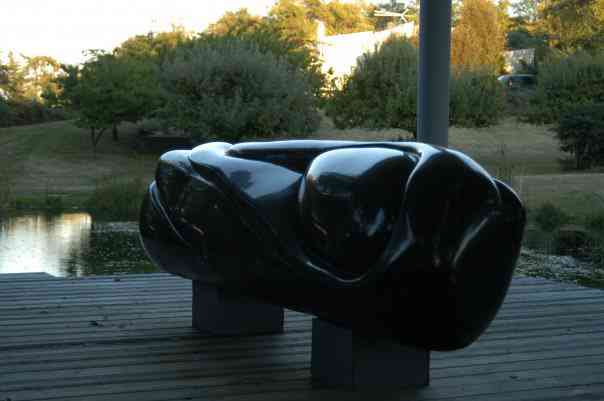
As a sculptor I have benefitted from associating with artists who complement my own work with their own expertise.
As a cook, I get to taste the food I love and prepare it as a gift to the people I love.
Can you tell us about a time you’ve had to pivot?
Years ago I realized that an ongoing personal internal conflict came from the dilemma of trying to please my father, who was a talented opera singer, and at the same time emulate him as a performer. The conflict was that he absolutely did not want me to suffer the vicissitudes of life that are experienced by anyone attempting to have a career in any of the arts. Instead, he wanted me to find the security and stability that more likely comes with achieving a profession like medicine or law.
In college, I tried to keep my options open, however. So I double-majored in biology/pre-med and theater/performing arts at Reed College. At graduation I came to my first career crossroad. This was 1969. Viet Nam and the draft was imminent. Understanding that if I accepted an acting/directing grad scholarship at Yale I had been offered, I likely might squander the opportunity to ever enter medical school in the future. So instead, I chose to accept a coveted appointment to Cornell University Medical College. To keep my right brain healthy, during those four years in Manhattan, in addition to my medical studies, I directed and acted in amateur plays and sculpted under the tutelage of a great sculptor, Bruno Lucchese.
Five years later, after completing a surgical internship in Los Angeles, I came to another career crossroad, i.e. whether to enter a six-year residency in plastic and reconstructive surgery at Stanford or enter the graduate program at California Institute of the Arts (CalArts) for a MFA in filmmaking. I chose the latter (to the great consternation of my family). There, I made documentary and animation films under the guidance of two great mentors, Alexander MacKendrick and Jules Engel. My CalArts thesis was a feature-length PBS program “Diary of a Moonlighter”, the first documentary about the new specialty of Emergency Medicine.
During those two years, while working in various Los Angeles ED’s, I fell in love with the specialty, so after graduation I completed an Emergency Medicine residency at UCLA, and then stayed on as faculty until moving back to Seattle where I started an emergency medicine staffing group (Northwest Emergency Physicians). In ’95 we did our first IPO and merged with several other similar groups to form TeamHealth, which is now the largest physician staffing management company in the world.
In 2001, TeamHealth asked me to assume the role of National Chief Medical Officer, a position I held until my retirement in 2015. In that role, I managed the medical education, medical director leadership training and risk management for the company’s 13,000 physicians. Using what I learned at CalArts, I made 13 “Patient Safety Fables” to teach our physicians and nurses about bedside manner, managing the violent patient, and a number of other important, not-often taught lessons. Upon retirement, TeamHealth named its annual leadership award in my honor. Until last year, using the lessons learned from my administrative career, I was privileged to teach classes in a course “Survival-The Business of Medicine” at NY Presbyterian-Columbia & Cornell’s combined Emergency Medicine residency.
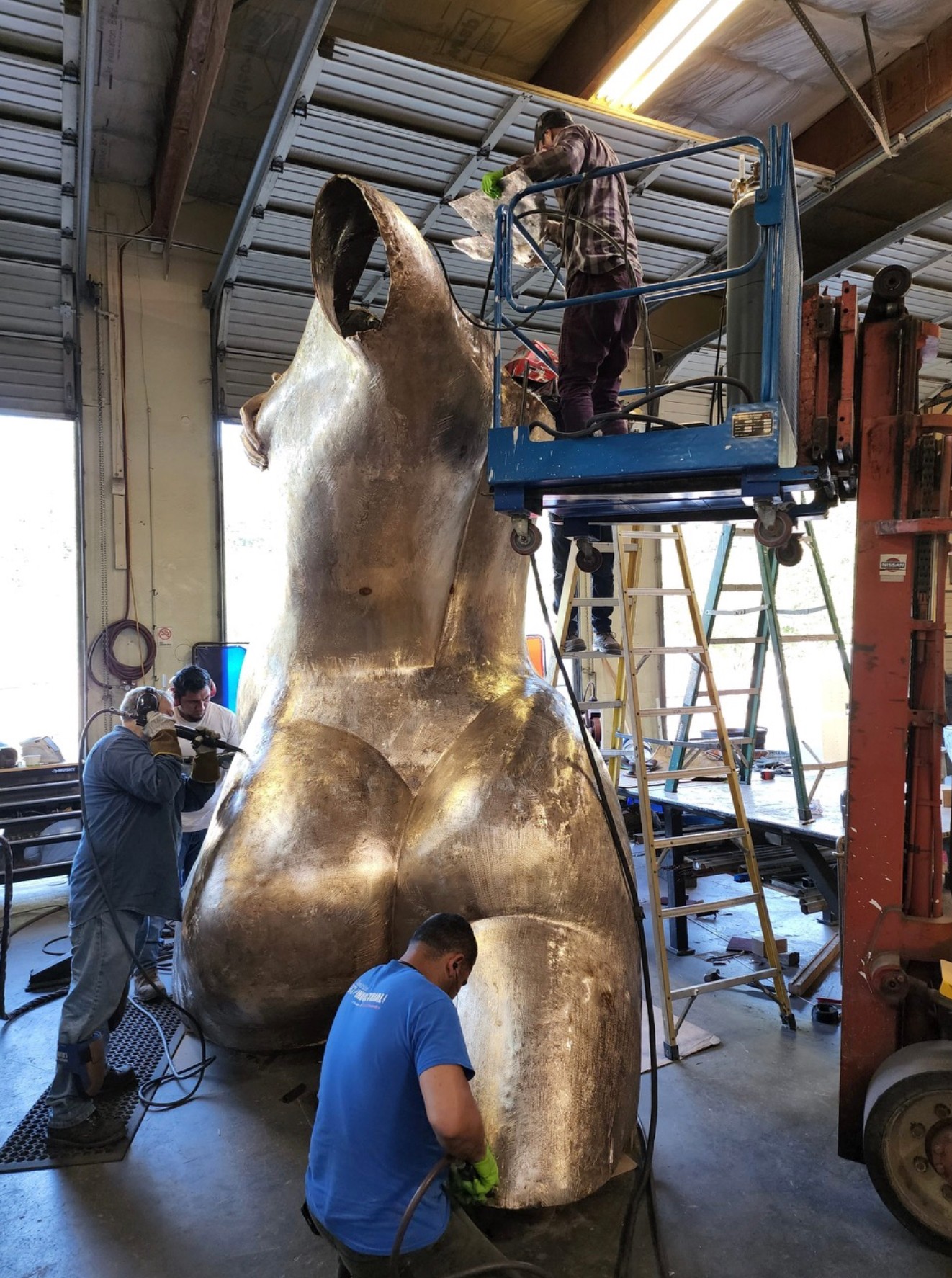
My writing career began in 2013 and I am currently completing my fifth historical fiction novel. I sculpt at a foundry in Seattle, Seattle Art & Industrial where I am privileged to work with several very talented sculptors.

Is there something you think non-creatives will struggle to understand about your journey as a creative?
I think finding peace with my own diverse career choices are the result of understanding the motivations I mentioned previously…i.e., finding a security in being a creative without having to sell out. For me, that has been provided by my having established a profitable career in another discipline while at the same time exercising my creative side. I thought that becoming a reconstructive plastic surgeon might allow me to do that, but came to realize that the majority of plastic surgeons do not have the opportunity to do reconstruction work and instead must pay their bills by catering to the immodest cosmetic needs of insecure people. Doing nose-jobs is boring. Instead I chose what I consider to be an honest medical career in which I could witness real-life drama and help people at the same time. Being an emergency medicine physician “informs” my other interests, especially writing. Being a medical educator allows me to perform and, hopefully inspire others.
With regard to both writing and sculpture…one of the best things I learned at CalArts was that I needed to give myself permission to play, make mistakes and learn from them. While I was there, Jules Engel did this beautiful, brilliant short-film animation masterpiece “Accident”, in which he took a simple drawing loop of a running dog, (a “Muybridge Loop”), and expanded a smudge in the drawings until that accident became an entirely different, abstract piece. That little gem is a perfect metaphor for accepting errors as starting points rather than as definitive end points.
Other lessons I learned:
-The vocabulary of one discipline can be creatively applied to another, seemingly disparate discipline.
– Understand the power of ambiguity.
– Don’t be a fool about it, but be wary of the seduction of security.
Contact Info:
- Website: https://www.garlasalle.com
- Facebook: Gar LaSalle
- Youtube: Gar LaSalle