


Alright – so today we’ve got the honor of introducing you to Gabriela Garcia D’Alta. We think you’ll enjoy our conversation, we’ve shared it below.
Alright, Gabriela thanks for taking the time to share your stories and insights with us today. What’s been the most meaningful project you’ve worked on?
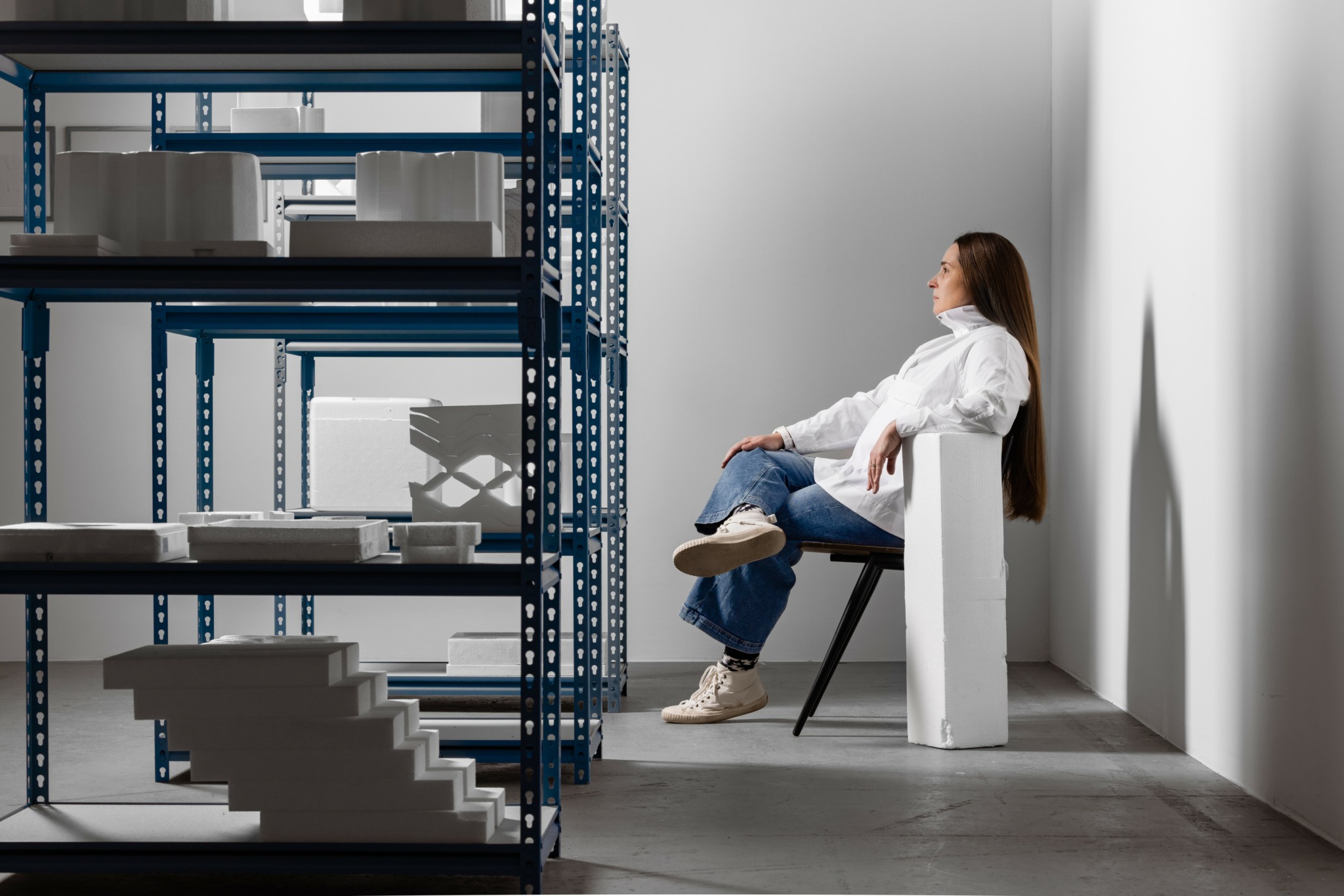
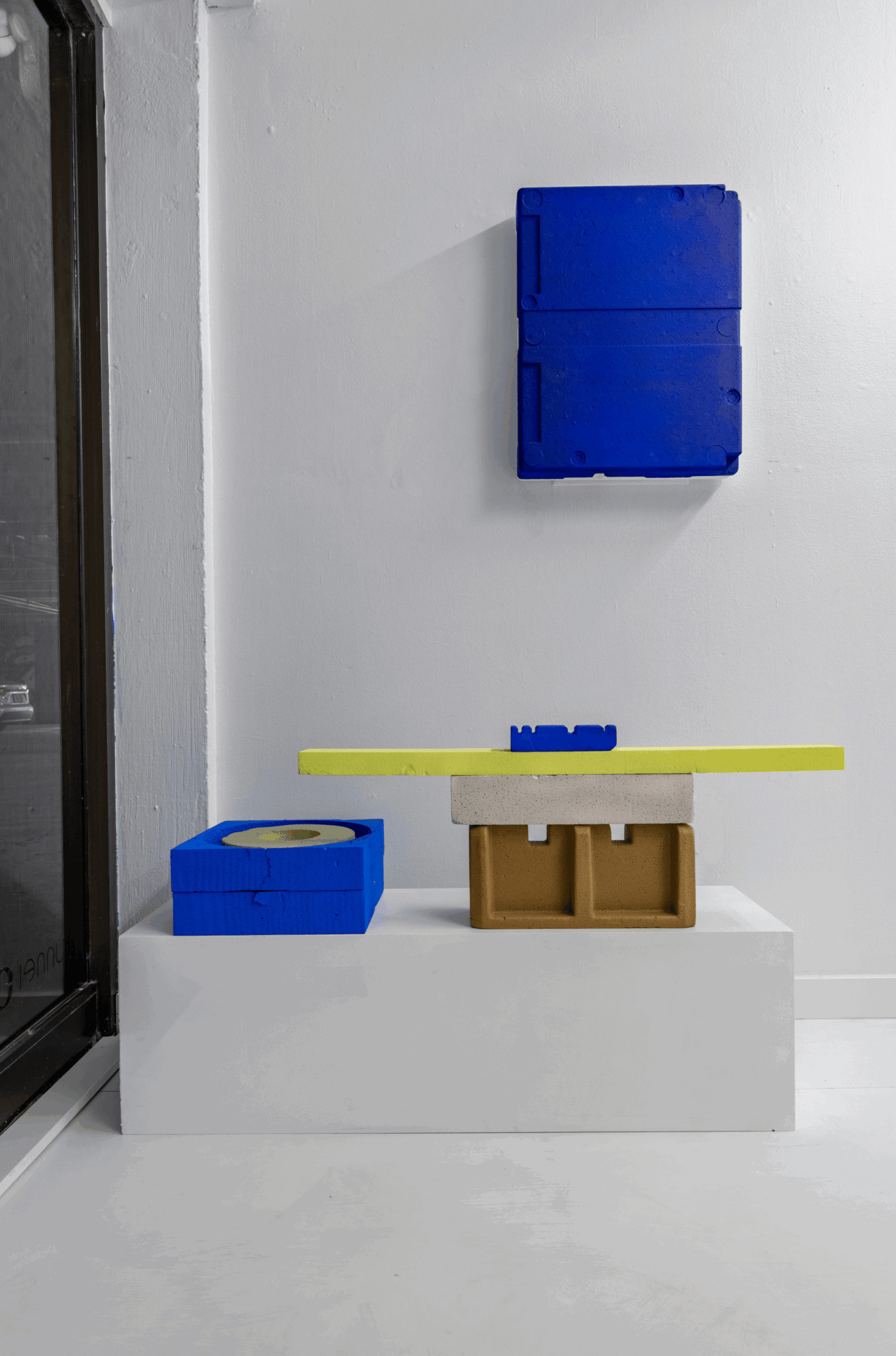
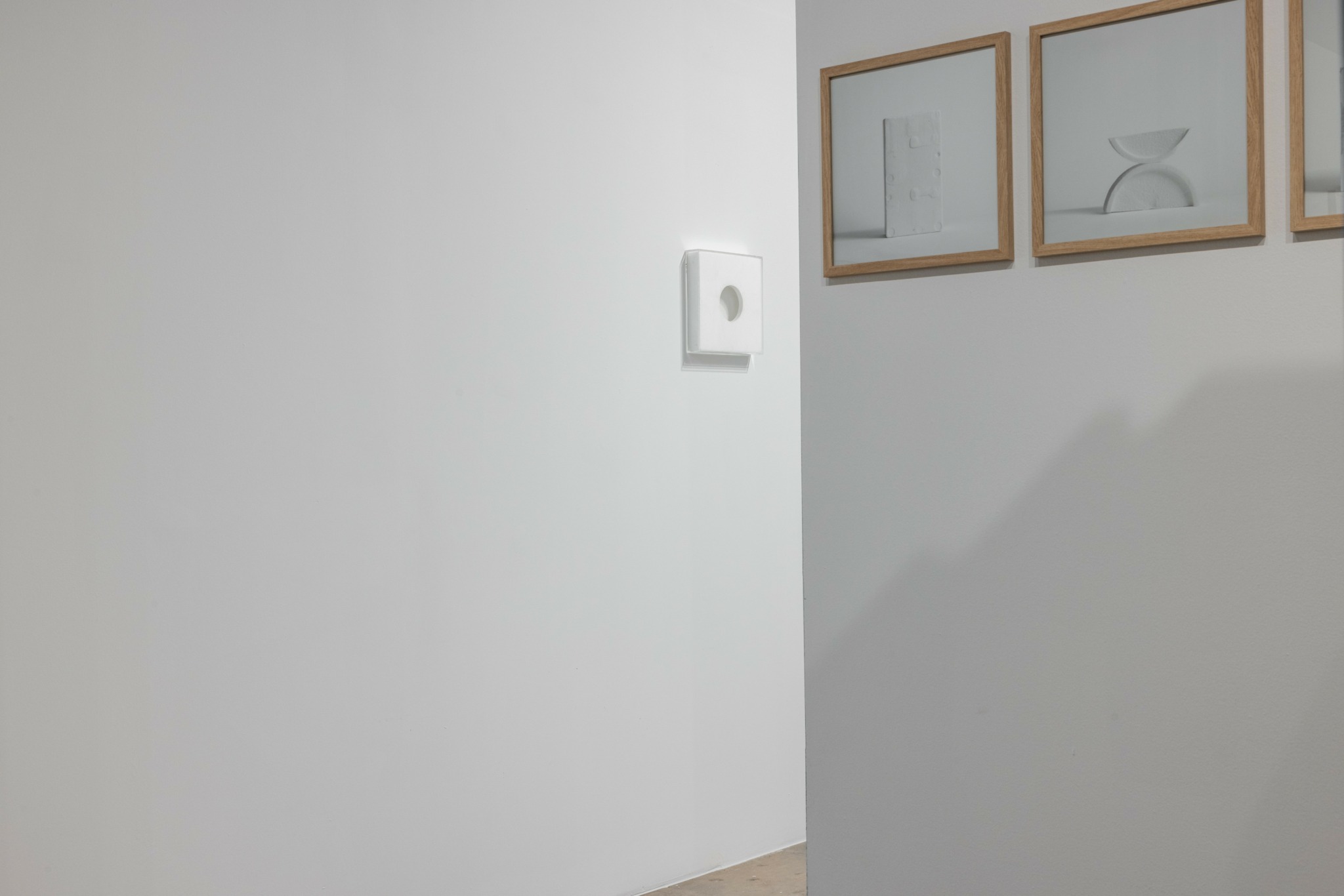
The most meaningful project I’ve worked on in my artistic career—aside from being a mom—is Disposability Disrupted. This decade-long exploration of polystyrene, commonly known as Styrofoam, has deeply shaped not only my creative practice but also how I understand the world around me. It began almost by accident: I was drawn to the overlooked beauty of discarded packaging materials, especially the molded forms of Styrofoam that once protected desired goods and were immediately thrown away after serving their purpose. I began collecting these pieces throughout Miami-Dade County, documenting them through photography, sculpture, installation, and conversations with members of my community. Over time, my studio transformed into an archive of more than 800 unique objects—contributed not only through my own efforts but also by friends, family, and neighbors who began bringing their discarded waste to me.
What makes this project so meaningful is how it bridges my dual training as both an architect and an artist. It has allowed me to explore materiality, spatial form, and visual storytelling through the lens of environmental urgency. In Miami-Dade County, polystyrene is not recycled—it goes directly to landfills. As the city continues to grow and consumption increases, Disposability Disrupted has evolved into both a call to action and a reflection on what we value versus what we discard. It invites viewers to reconsider their relationship with waste—not through guilt, but through an appreciation of form, time, and understanding. Working on this project has also made me deeply aware of how disposable our lives have become—not just in terms of materials, but also in how we spend our time, how we interact, and how easily things are used and forgotten. It’s about how each of us can do a little better, and how even the most fleeting materials can teach us something lasting about our culture, our environment, and ourselves.
As always, we appreciate you sharing your insights and we’ve got a few more questions for you, but before we get to all of that can you take a minute to introduce yourself and give our readers some of your back background and context?
I’m Gabriela García D’Alta, an artist, photographer, trained as an architect, Born in Boston and raised in Caracas, Venezuela, based in Miami. My creative practice spans sculpture, photography, installation, and design, and is grounded in a deep interest in materiality, memory, collecting, and the everyday, especially how we relate to objects that are often overlooked or discarded. I originally trained in architecture, which gave me a strong foundation in form and spatial thinking, but over time, I became more interested in the emotional and conceptual narratives embedded in materials and everyday artifacts. This shift led me into photography and installation art as more personal and reflective modes of expression.
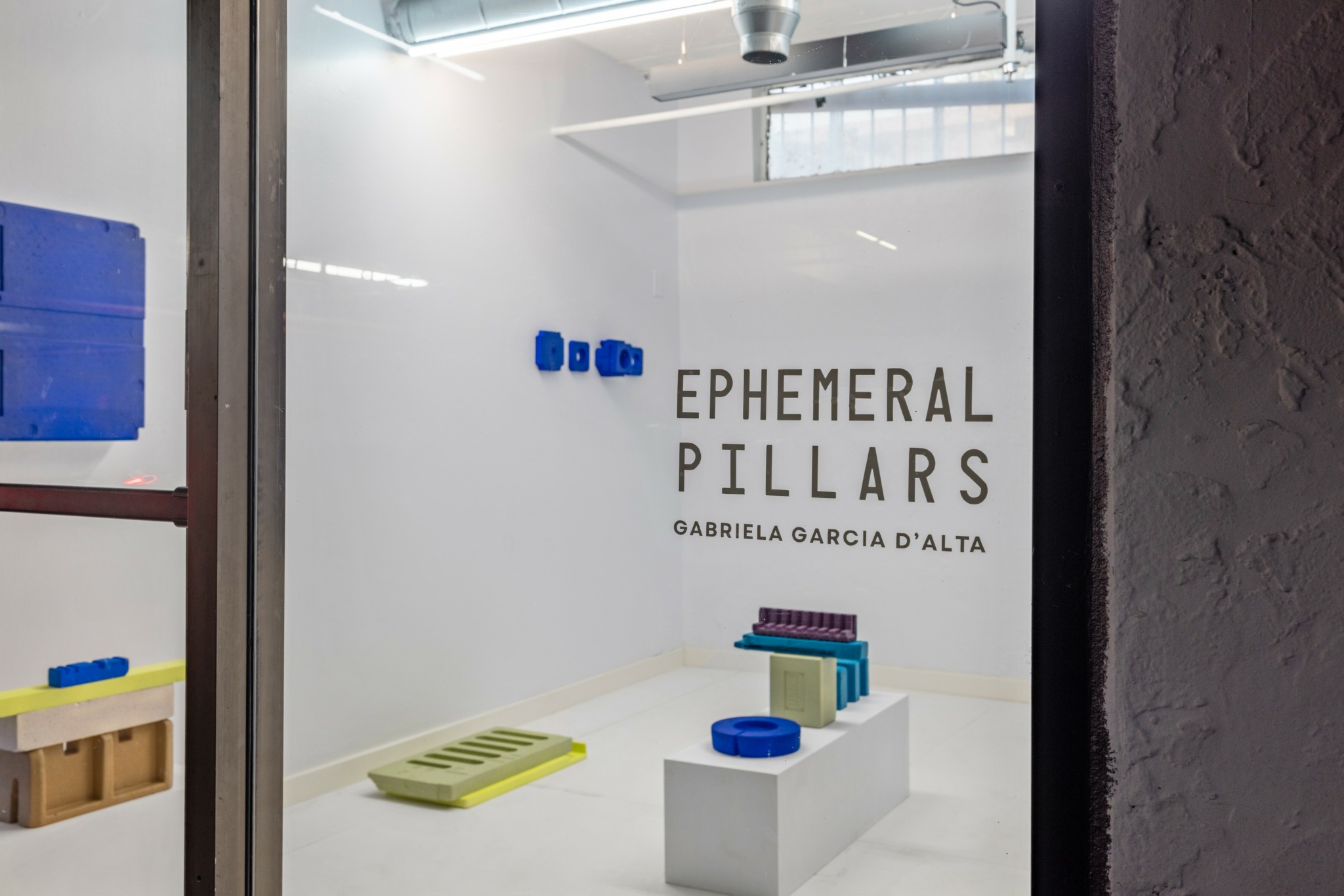
My work is research driven and evolves through long-term collecting. I create site-specific installations, conceptual sculptures, and photographic series—often rooted in found materials and everyday remnants. Disposability Disrupted, my ongoing twelve-year project, is an archive and sculptural installation exploring the environmental impact and overlooked aesthetics of polystyrene, or Styrofoam. My most recent exhibition, Ephemeral Pillars at TUNNEL, continues this exploration through fragile, memory-based forms that act as totems of our fast-paced, consumption-driven culture. Across my projects, I use ready-mades, repetition, and archival strategies—collecting everything from photographs to dryer lint—to highlight the quiet beauty and layered histories of what we throw away.
I approach each project not just as an artwork, but as an invitation to reflect: on value, on memory, and on our impact. I want my art to be a gentle interruption—asking people to notice what we usually ignore. I’m especially proud of how my work builds community—often involving friends, neighbors, and strangers who contribute objects and stories. Whether through exhibitions, books, or collaborations, my goal is to create meaningful encounters with art that spark dialogue, offer fresh perspectives, and ask us to reconsider what we discard—physically and culturally. I want people to know that my work is not only about sustainability, but also about time, care, and connection.
For you, what’s the most rewarding aspect of being a creative?
For me, the most rewarding aspect of being an artist is the ability to create moments of connection and reflection—both for myself and for others. Art gives me a space to process questions that don’t always have clear answers and to express ideas that go beyond words. There’s something incredibly fulfilling about taking ideas, materials, or objects that are usually ignored or thrown away and transforming them into something that invites attention, curiosity, and conversation.
I also find deep reward in the quiet exchanges that happen around the work—when someone shares a memory triggered by a piece, or tells me they’ve started noticing the textures of their everyday surroundings differently. Those moments remind me that art can shift how we see and value the world, even in small ways. Being an artist allows me to stay engaged with the world around me, to remain curious, and to continually look deeper at the things we usually pass by. That sense of discovery and reconnection—both internally and with others—is what keeps me going.
I truly believe that everyone is born a creative person. Over time, we often lose the ability to stay curious and open, but I think we should all nurture that instinct. Practicing curiosity—whether through art or in any other field—is one of the most powerful things we can do.
We’d love to hear a story of resilience from your journey.
Resilience in art means showing up every day—even when the outcome is uncertain. It’s about trusting your ideas enough to begin, while also being open to questioning them along the way. One example for me is Disposability Disrupted, a project that’s grown and evolved over twelve years. What started as a small act of collecting discarded materials turned into a much larger exploration of environmental impact, memory, and value. There were moments I wasn’t sure where it was going, but I kept working, letting the process guide me. Being an artist means committing to the long haul—showing up, staying curious, and allowing the work to change as you do.
Contact Info:
- Website: https://gabrielagcarciadalta.com
- Instagram: gabrielagarciadalta.com
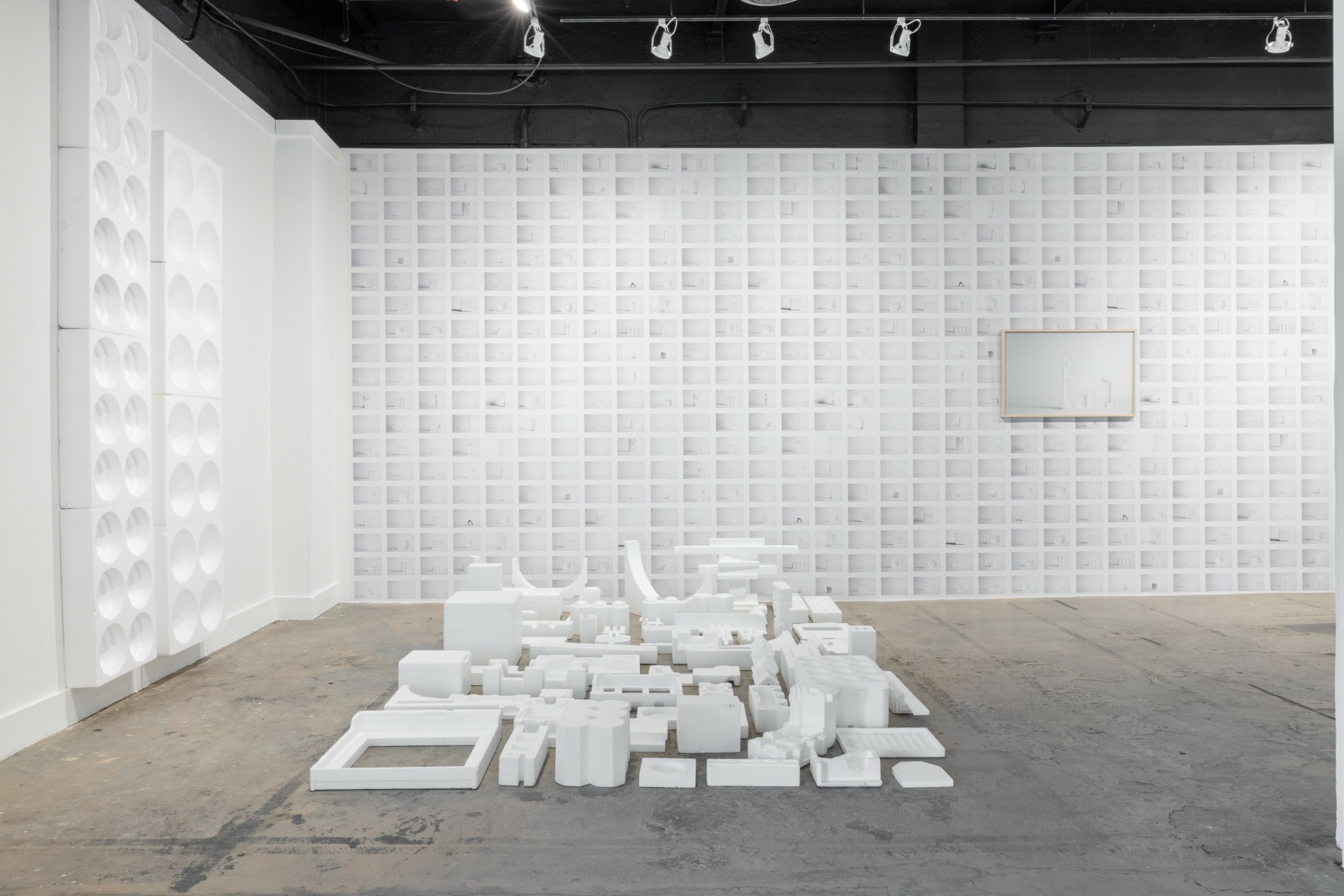
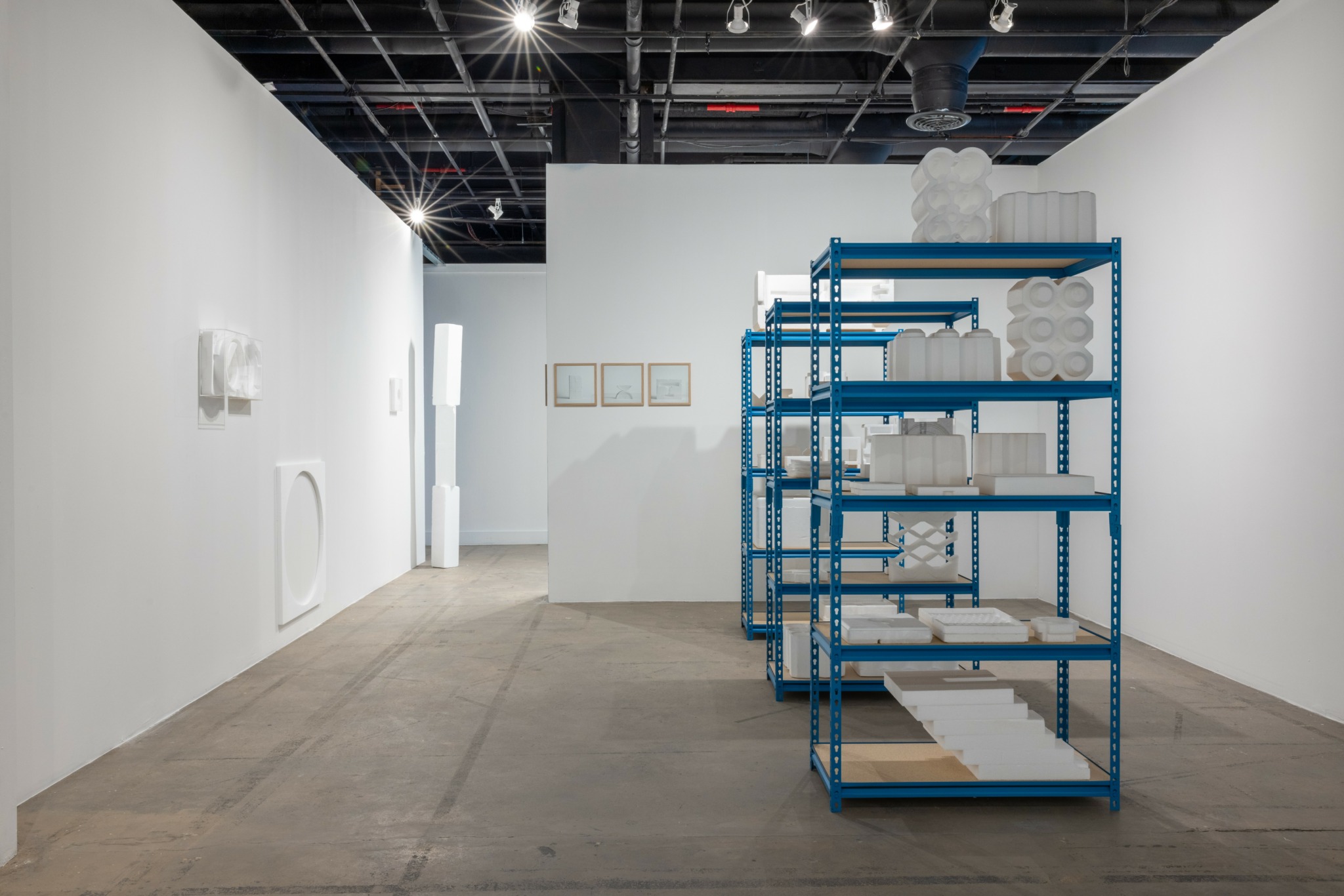
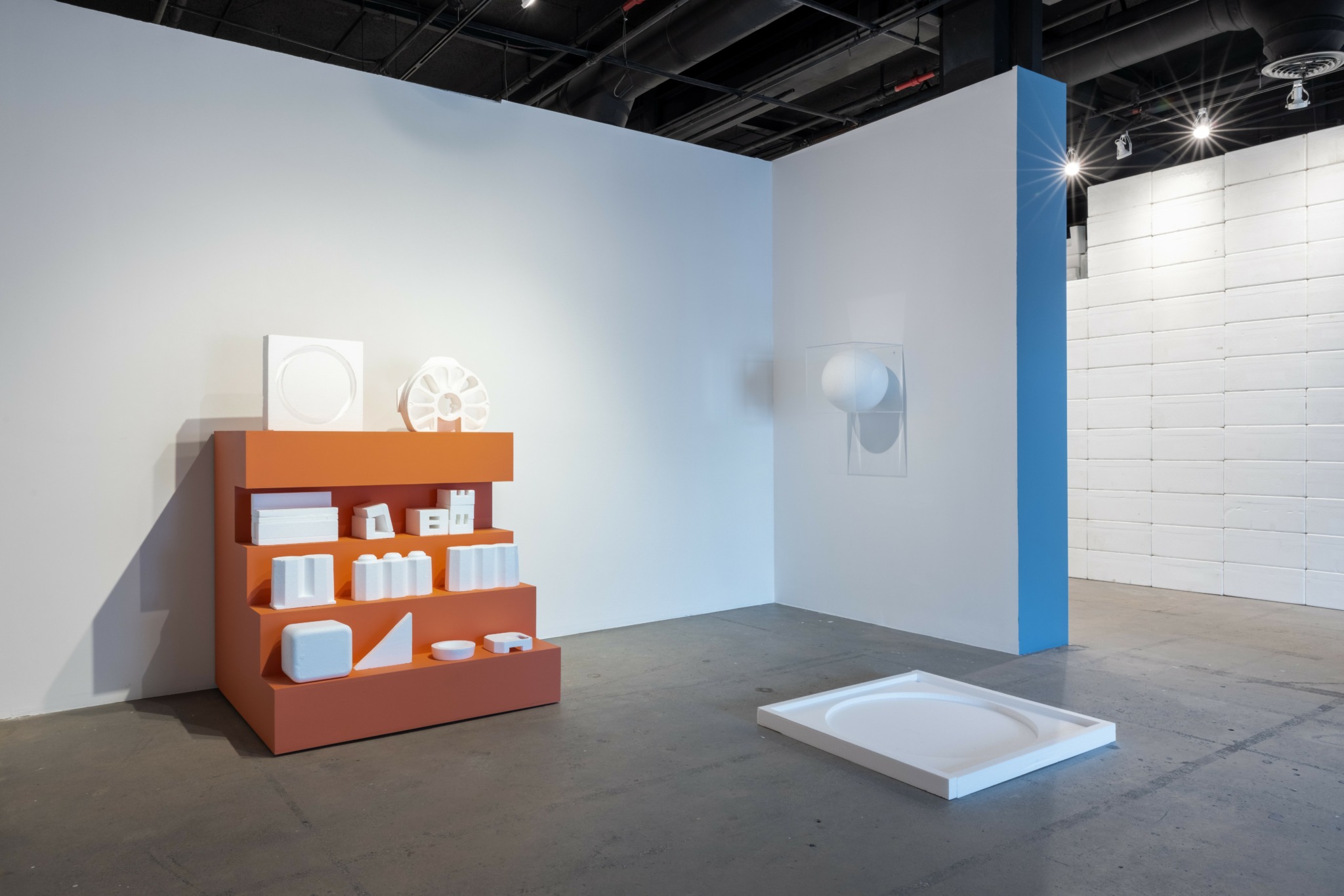
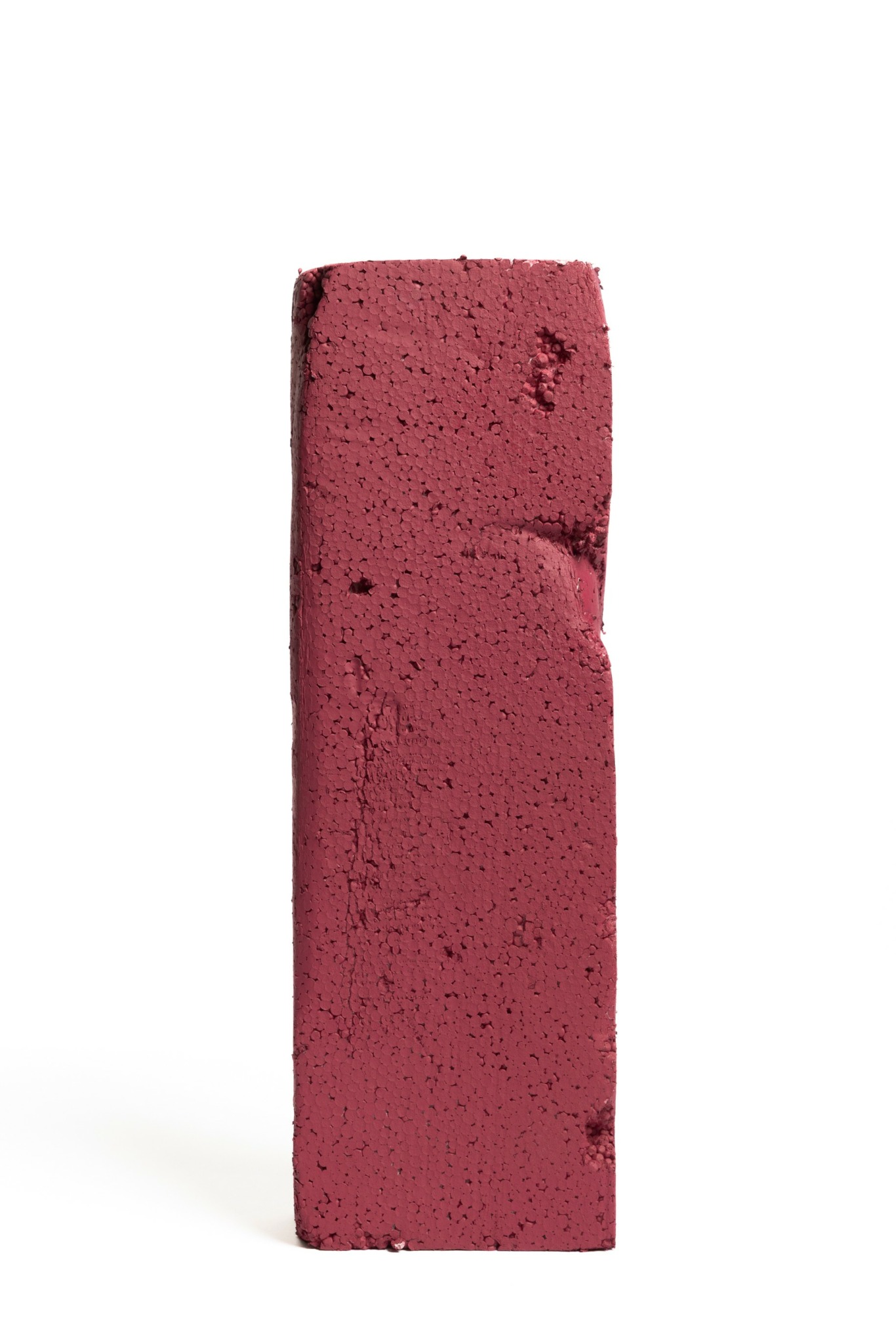
Image Credits
I certify that I have the right to use this image of my Portrait by photographer Pedro Wazzan