



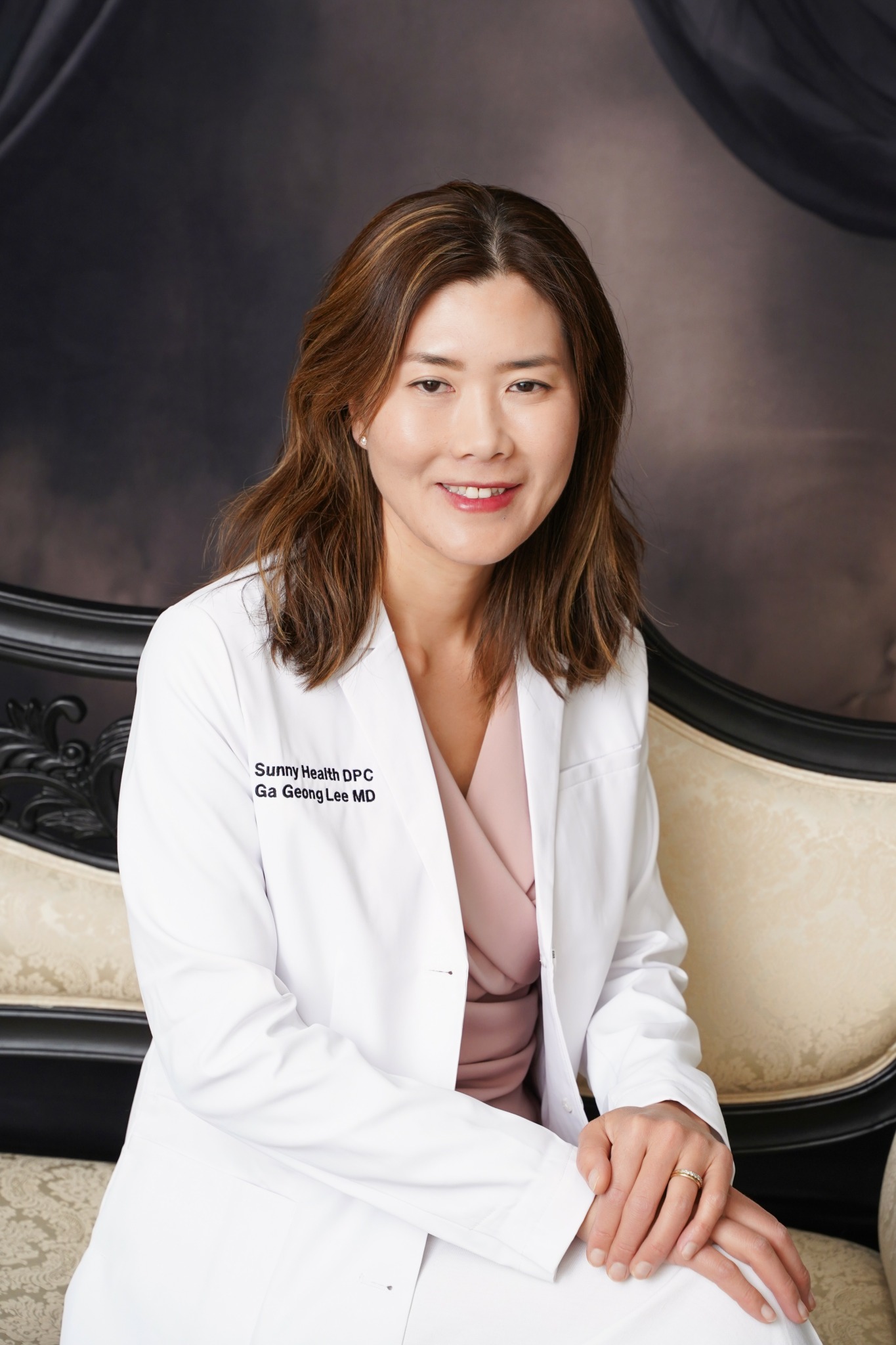
We caught up with the brilliant and insightful Ga Geong Lee a few weeks ago and have shared our conversation below.
Ga Geong , thanks for taking the time to share your stories with us today We’d love to hear the backstory of how you established your own practice.
I started Sunny Health DPC because I knew I could practice medicine in a way that was healthier for both my patients and myself. In the traditional model, I was expected to see 30+ patients in a 12-hour shift. It never felt fair to rush people who had sometimes waited months to see me, and it wasn’t fair to my family who barely saw me before bedtime. I had worked too hard to accept that as the final version of my career.
When I asked for part-time hours to create some balance, my medical director declined. That left me with three choices: find another job that would likely be the same, stay and continue burning out, or step away until I figured out a better way. Around that time, I attended a Direct Primary Care conference—and it felt like liberation. The idea that I could control my schedule, care for patients the right way, and build something of my own resonated deeply.
I decided to take small, intentional steps. No big loans. No huge risks. I built most of the practice myself—from the website to the logo. And slowly, Sunny Health DPC became a reality: a model where care is unrushed, accessible, and sustainable for both patients and the physician.

Great, appreciate you sharing that with us. Before we ask you to share more of your insights, can you take a moment to introduce yourself and how you got to where you are today to our readers.
We provide relationship-based primary care through a simple monthly membership—about $85 per month for unlimited visits, with no copays and no insurance billing. Patients receive consistent care with the same provider, longer appointments, and the ability to text or email for appropriate concerns when an in-person visit isn’t possible.
We are not an urgent care clinic, and we do not guarantee same-day appointments. Instead, we focus on timely, thoughtful care that maintains continuity and supports long-term health. We do our best to address concerns quickly, but always within a structure that keeps care organized, safe, and sustainable.
A core part of our mission is building a healthy community—for patients, providers, and staff. We believe good care requires an environment where clinicians and support staff can practice without burnout, without rushing, and with respect for their work–life balance. When providers are supported, patients receive better, more consistent care. This balance allows us to offer accessibility without sacrificing quality or the wellbeing of our team.
We serve as the quarterbacks of our patients’ healthcare, coordinating with specialists and ensuring that care plans are clear, connected, and well-managed. Our practice has grown one patient at a time, mostly through internal referrals, because people value the individualized attention and genuine human connection we offer.
As we continue to grow, our commitment remains the same: to provide high-quality, personalized primary care within a fair, sustainable system—one that respects patients, supports providers and staff, and maintains order and consistency in the level of care we deliver.
Putting training and knowledge aside, what else do you think really matters in terms of succeeding in your field?
Beyond training and clinical knowledge, I believe one of the most important qualities for succeeding in this field is the ability to adapt to change. Healthcare is constantly evolving—patient expectations, technology, business models, and clinical best practices all shift over time. To stay relevant and competitive, you have to be willing to recognize when change is beneficial and then actually implement it.
What I’ve noticed among some colleagues is that even when they openly acknowledge a change is good, they default back to old habits when making decisions. Personal preference matters, but it can’t override what’s best for growth, sustainability, or patient care. Being rigid often leads to stagnation.
Success requires the courage to step outside your comfort zone and challenge the identity you’ve built around “how you’ve always done things.” When you let go of old assumptions, you open yourself to opportunities that you may not have even recognized before—new ways of practicing, new models of care, and new ways of serving your community.
Adaptability isn’t just about embracing change; it’s about evolving your mindset, staying curious, and being willing to reinvent parts of yourself and your practice when it leads to better outcomes. In a field as dynamic as healthcare, that flexibility is often what separates those who struggle from those who thrive.

Can you open up about how you managed the initial funding?
When I started my practice, I knew I wanted to break away from the traditional model where I was expected to see 30+ patients in a 12-hour shift, rushing through visits while patients waited months to see me and my family barely saw me at all. I believed I could create a better, more humane version of medicine—but I also didn’t want to take on heavy financial risks or large loans to do it.
So I chose a practice model that I felt I could build without much financial strain. Because I didn’t bill insurance, I didn’t need to hire staff or outsource billing. I intentionally started small: subleasing a single room, working entirely on my own, creating my own website and logo, and simply figuring things out piece by piece.
I set a budget of $10,000 for the first six months, with a goal of breaking even by that time. My monthly rent was $1,000, and my only other major fixed cost was a few hundred dollars for my electronic health record system. Keeping overhead low was the smartest decision I made—it gave me breathing room. I wasn’t matching my previous physician paycheck, but I never viewed those early months as financial losses. Instead, I saw them as an investment in learning the operations and rhythms of my business from the inside out.
Because I had a slow, intentional start, I learned every detail of how my practice functioned. As the practice grew busier later on, that foundation helped me manage everything more efficiently and confidently—even independently when needed. The experience also helped me appreciate the success that eventually came, because I knew exactly what it took to build it.
The biggest lesson I learned is that not every medical practice needs to begin with a huge financial risk or debt. You can start small. Keep your overhead lean. Give yourself time to grow. Your website doesn’t have to be perfect, your systems don’t have to be flawless—launch, adjust, refine later. No one will know unless you put yourself out there.
And don’t be afraid to ask about subleasing. Cutting down the cost of a full independent lease is one of the easiest ways to reduce one of the largest overhead expenses. Do what you can without taking out loans. Build what you can manage. That’s how I started, and it made all the difference.
Contact Info:
- Website: https://www.sunnyhealthdpc.com
- Instagram: sunnyhealthdpc
- Facebook: Sunny Health DPC
- Linkedin: Ga Geong Lee
- Youtube: Sunny Health DPC
- Other: TikTok: Sunny Health DPC



Image Credits
none