
We recently connected with Freddie Streeter and have shared our conversation below.
Hi Freddie, thanks for joining us today. Alright, so you had your idea and then what happened? Can you walk us through the story of how you went from just an idea to executing on the idea
The journey to starting my own business came about in a way I never expected. I was transitioning out of the military, on terminal leave, and preparing to embark on a new career in IT. I had just wrapped up my education in Cisco Networking and earned my CCNP certification, so I was all set to dive into the tech world.
Then, out of the blue, I got a call from Clark Construction, a major player in the General Contracting field. Initially, I wasn’t even planning to answer the phone, but something nudged me to pick up. The person on the other end asked if I’d be interested in a Construction Management position on a test project. I hesitated at first, explaining that I had spent most of my life in construction, aside from my military service, and was now ready to explore computers. But when they mentioned the pay, I couldn’t help but reconsider.
That project turned out to be a pivotal moment—it was my introduction to Federal Contracting, as we were working on the first conventional/modular dorms being built at the time. At Clark, I served as a Project Manager under the East Coast Senior PM, and it was during this experience that the idea hit me: “Why not start a Veteran-Owned company?”
And that’s how it all began. From that moment on, my path was clear, and the rest, as they say, is history.
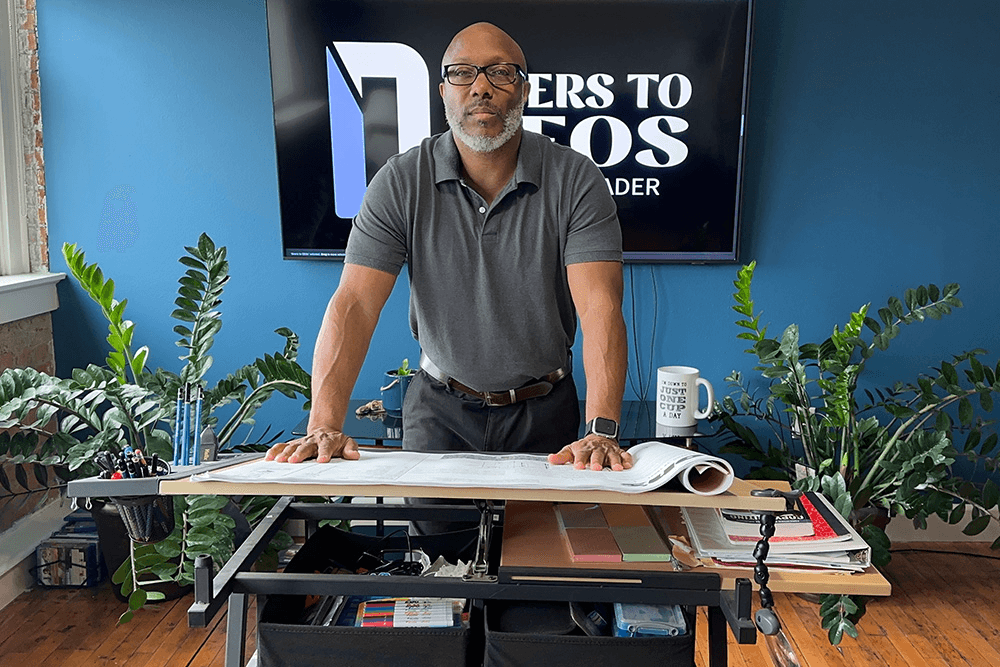
Freddie, before we move on to more of these sorts of questions, can you take some time to bring our readers up to speed on you and what you do?
I’m someone who strongly believes in the power of helping others succeed. Throughout my career, I’ve been fortunate enough to work with some of the largest companies in the construction industry, which has given me access to incredible mentors and a deep understanding of advanced project management systems.
Over the years, I noticed that many small subcontractors struggled with the same challenges during the construction lifecycle—issues related to systems, processes, management, and cost control. These challenges often led to their downfall, despite their best efforts. When I founded my own company, I did so with a dual purpose: to improve my family’s position and to help others build stronger, more resilient businesses that could better support their own families.
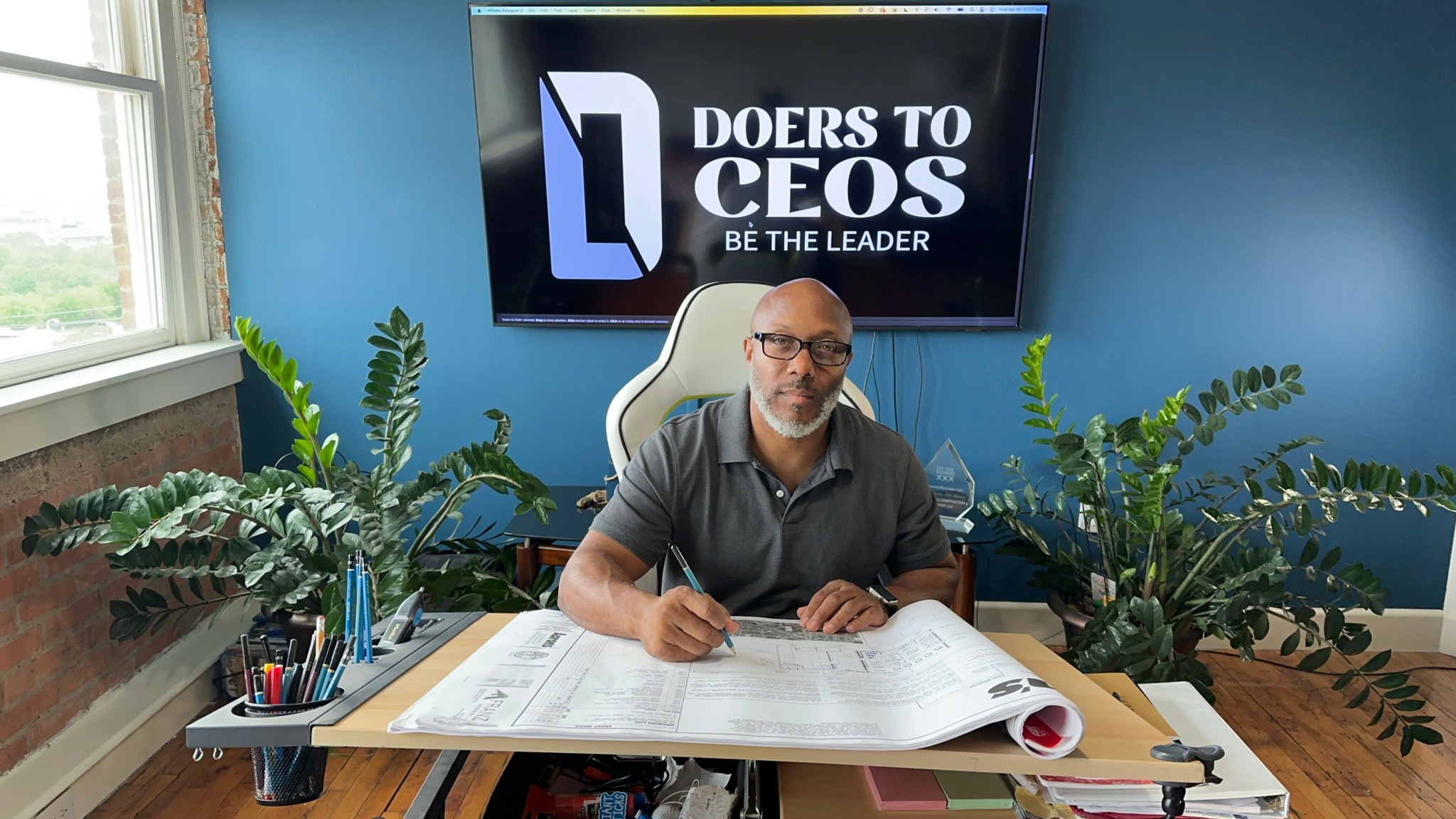
Before I won my first contract, I spent nearly a year and a half working with small subcontractors, helping them develop better systems and manage their projects more effectively. This experience eventually led to the creation of “Doers to CEOs,” a program I designed specifically for small, minority-owned prime contractors. The program, which is set to fully launch in late October, cuts through the high-level theory and focuses on real-world application and execution. It’s about giving these contractors the practical tools and knowledge they need to build better businesses and achieve lasting success.
We’d love to hear a story of resilience from your journey.
Starting and growing a construction company is a challenging endeavor for anyone, given the industry’s high demands for resources and cash flow. For minorities, these challenges can be even more daunting—not just due to race or discrimination, though those factors certainly play a role, but also because of a lack of financial education and project management experience.
In my early days, I faced significant obstacles, particularly in securing bonding and financing. This is a common challenge for new contractors, many of whom spend years stuck on smaller projects, unable to break through these barriers. I spent a lot of time studying why so many contractors struggled with bonding and realized that the core issues stemmed from a lack of understanding of cost control, project management, and financial exposure from an insurance perspective.
Armed with this knowledge, I developed a three-level strategy to overcome these hurdles. First, I proposed to large general contractors that I would use their existing staff on projects, serving as the Project Executive while they continued to employ their Project Manager. This approach assured bonding and banking partners that they were backing a familiar, experienced team, minimizing their risk. Second, we targeted projects in the $5-11 million range, allowing my new company to manage a $1.5-2 million portion effectively. Third, I insisted that my company be the prime contractor on these contracts.
This strategy enabled me to secure bonding for $30 million in projects, accumulate nearly a million dollars in the bank, and train two Project Managers and one Project Coordinator—all within just two years. Remarkably, I accomplished all of this without a bonding program or using my own money for training or project mobilization.

What do you think helped you build your reputation within your market?
Building a reputation in the federal construction market, especially as a minority contractor in an industry where minorities are underrepresented, is no easy feat. In this field, you’re constantly under scrutiny—every project, every decision is watched closely. However, I’ve always believed that the best way to silence doubts is through performance. From the beginning of my career, I’ve been committed to excellence in project management, ensuring that every project I touch is well-managed, on time, and within budget. This commitment to quality became the cornerstone of my reputation.
When I transitioned from working for large general contractors to becoming an owner, I made this my number one rule: every member of my team had to embody the same commitment to excellence. I understood that our work was not just about completing projects, but about building trust and credibility in a market where the stakes are incredibly high. This meant investing in training, creating robust systems for cost control and project management, and fostering a culture where attention to detail was paramount.
Moreover, I didn’t just focus on the technical aspects; I also made sure we were solving real problems for our clients—whether it was helping them navigate the complexities of federal contracting or providing the level of service that gave them peace of mind. This approach not only helped us stand out but also solidified our reputation as a company that could be relied upon to deliver, regardless of the project’s size or complexity.
Over time, this reputation for reliability and excellence in project execution has become our greatest asset. It’s what allows us to secure large contracts, build strong relationships with our bonding and banking partners, and, most importantly, deliver value to our clients. I’m proud of what we’ve accomplished, and it all stems from that unwavering commitment to quality that I instilled in the company from day one.
Contact Info:
- Website: https://vpvsllc.com/
- Linkedin: https://www.linkedin.com/in/freddie-streeter-lion-14311b7/