

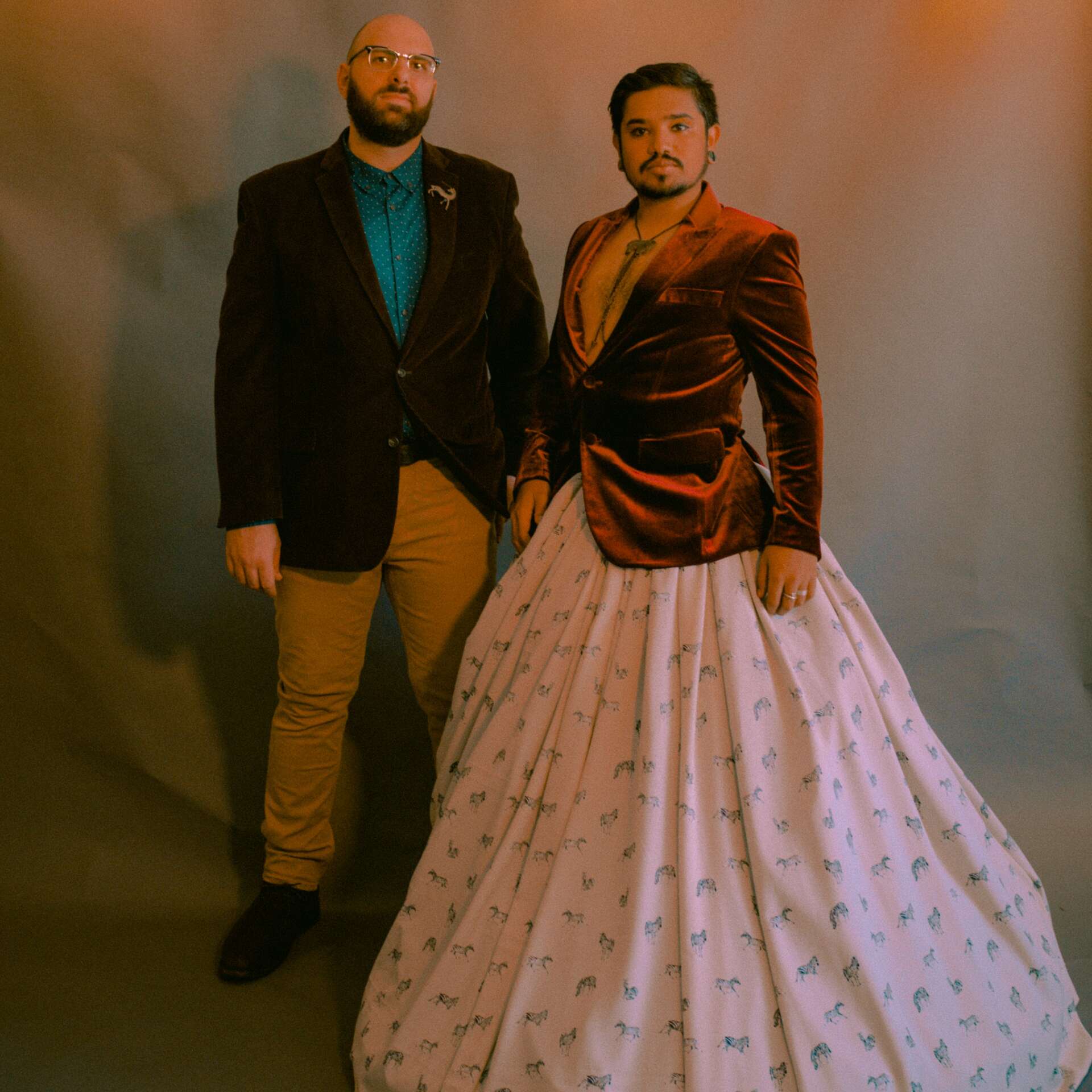

We were lucky to catch up with Frankie DeRosa recently and have shared our conversation below.
Hi Frankie, thanks for joining us today. How did you learn to do what you do? Knowing what you know now, what could you have done to speed up your learning process? What skills do you think were most essential? What obstacles stood in the way of learning more?
I tend to have a natural curiosity for a lot of what this world has to offer so I usually go into things blindly but hungry to learn. I like to remember my first time playing saxophone in grade school. learning about the reed and where the notes on the staff were and how to properly find them on the instrument but I mainly remember exploring the instrument free of music and felt like id discovered magic in real life. There’s no way to speed up learning music, it’s such a personal experience with the craft that it takes people different times to master. I do think it gets easier the more you do it and it grows with you as you navigate life. My music now is vastly different than the music I was creating 10 years ago and I hope we grow bounds 10 years from now. Obstacles like the state of our mental health to the ability to create day to day affects the end result, but thats the name of the game as artists.
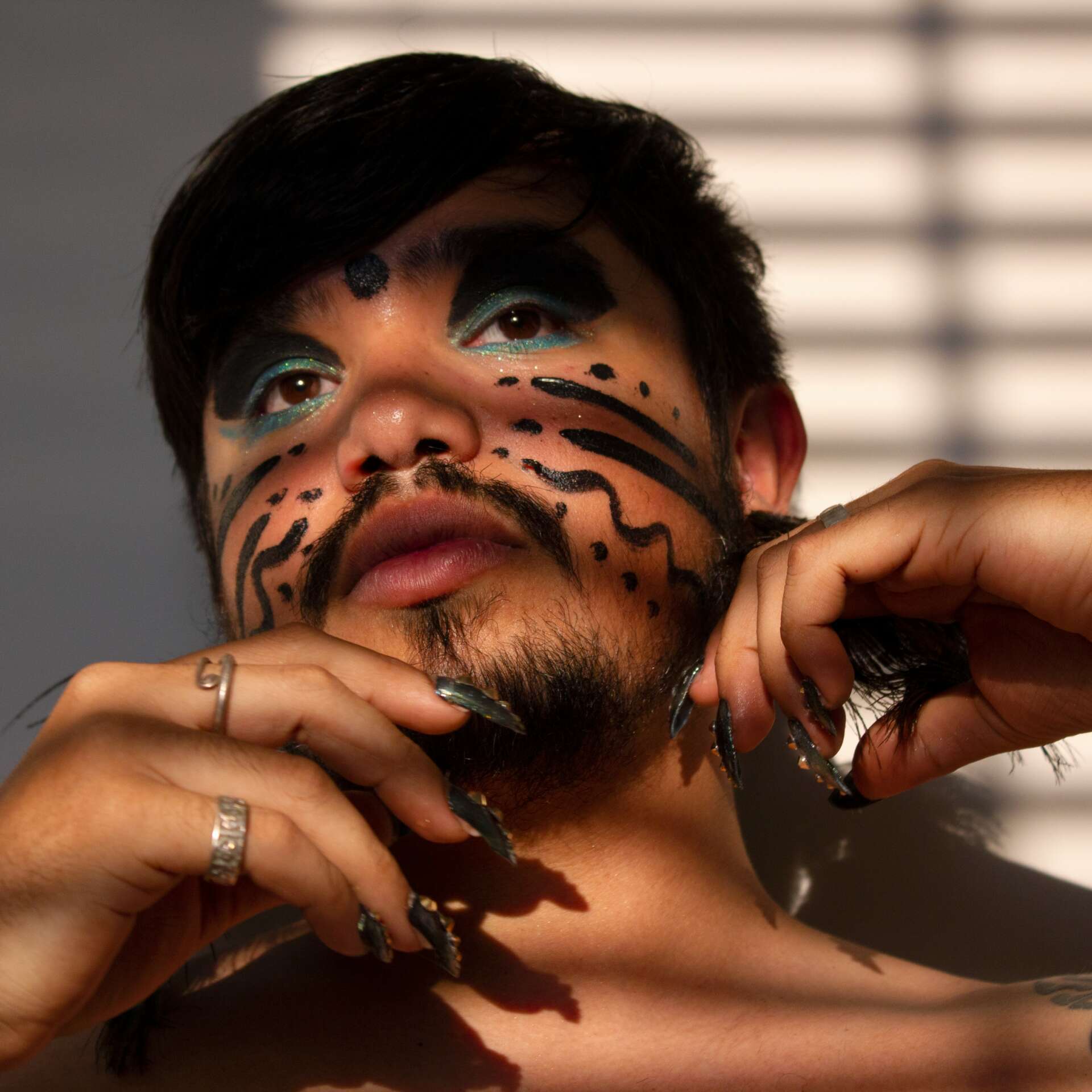
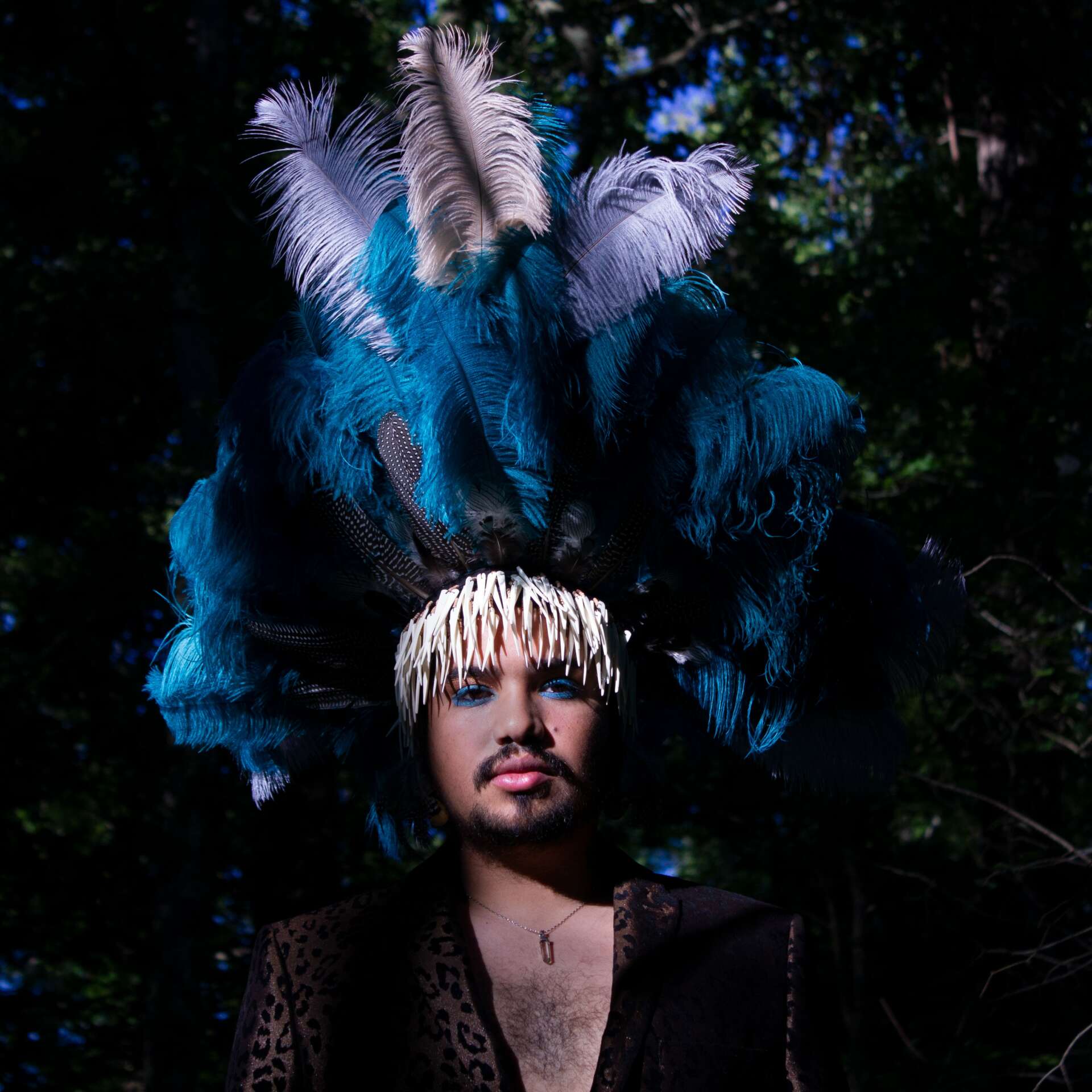
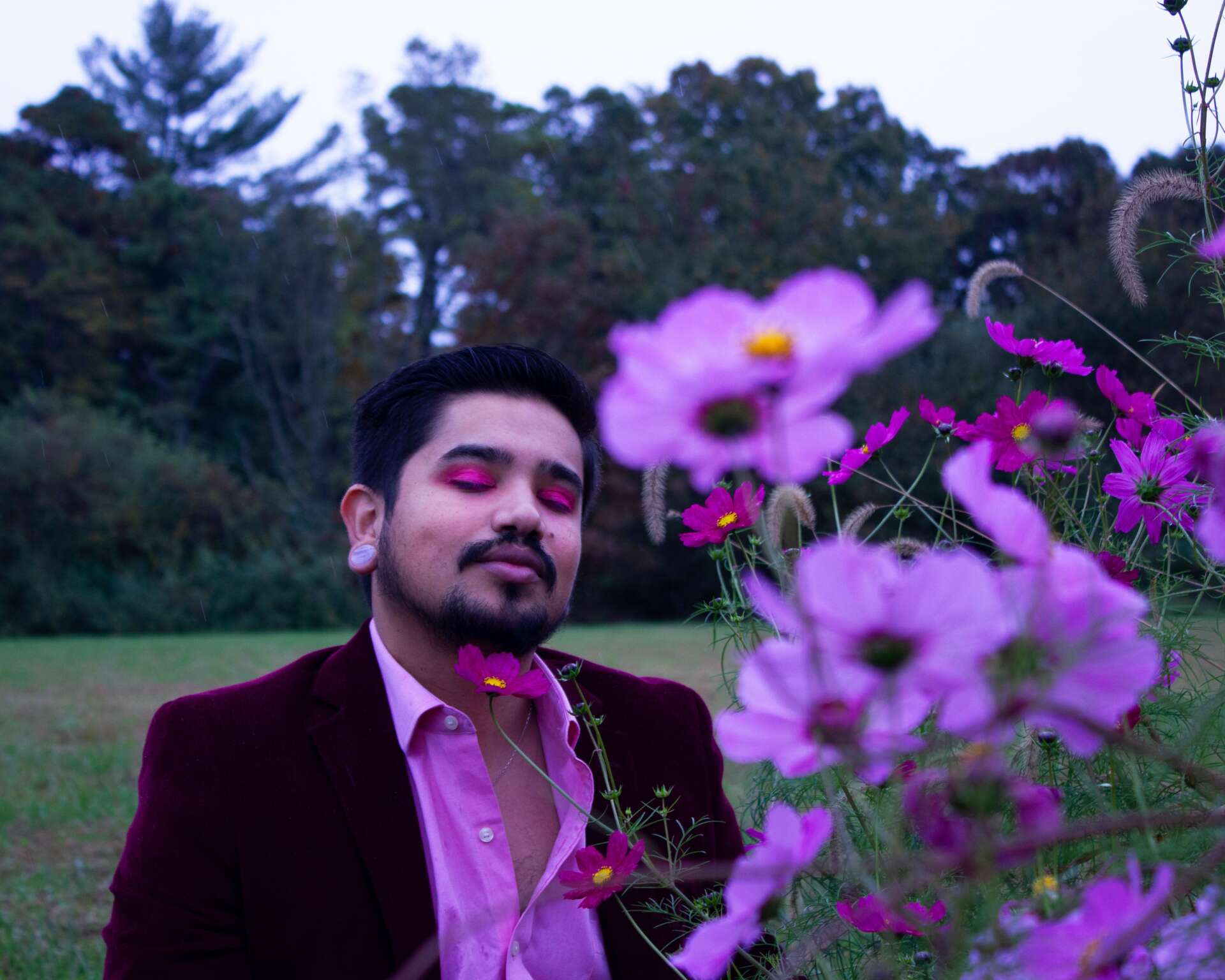
Frankie, before we move on to more of these sorts of questions, can you take some time to bring our readers up to speed on you and what you do?
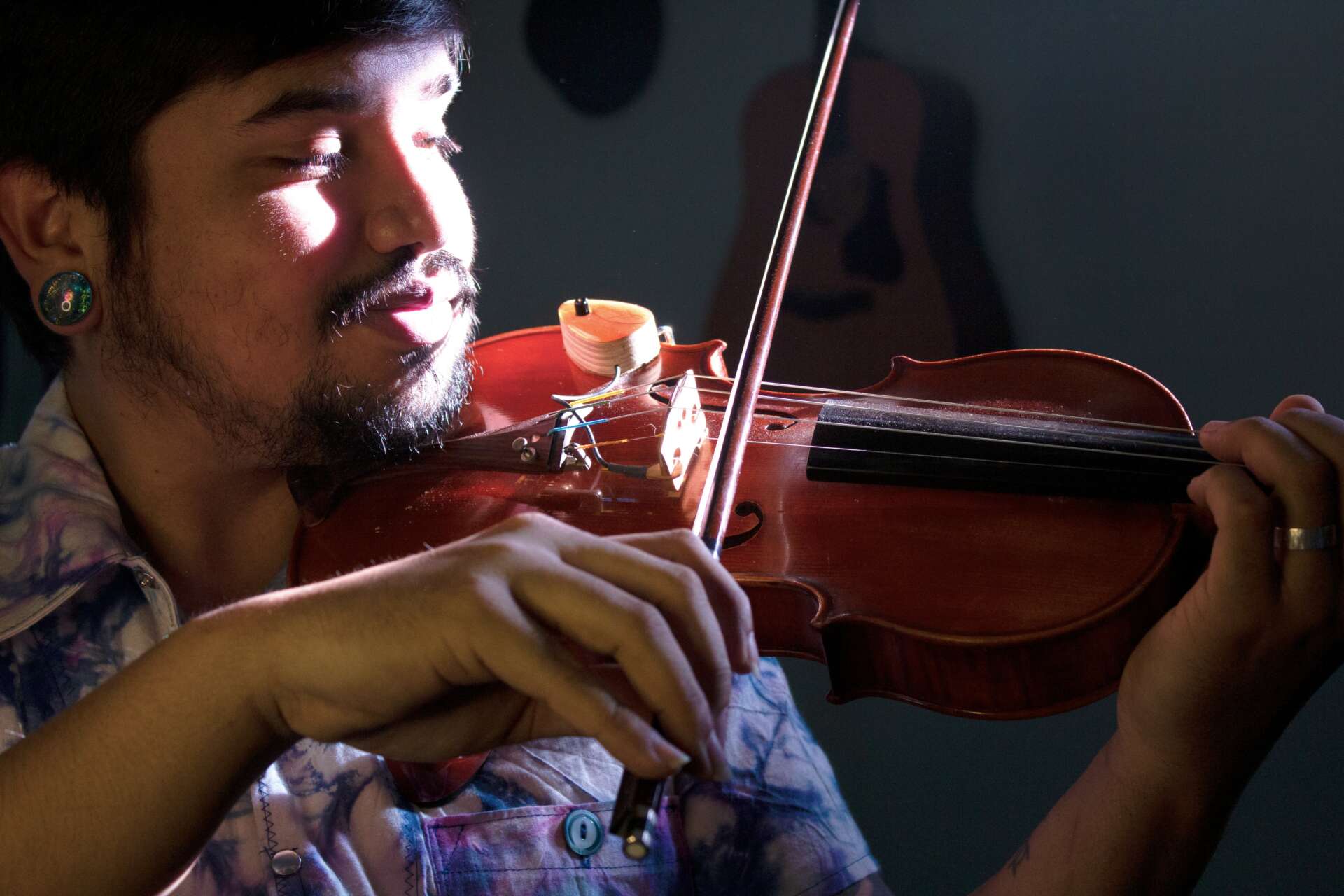
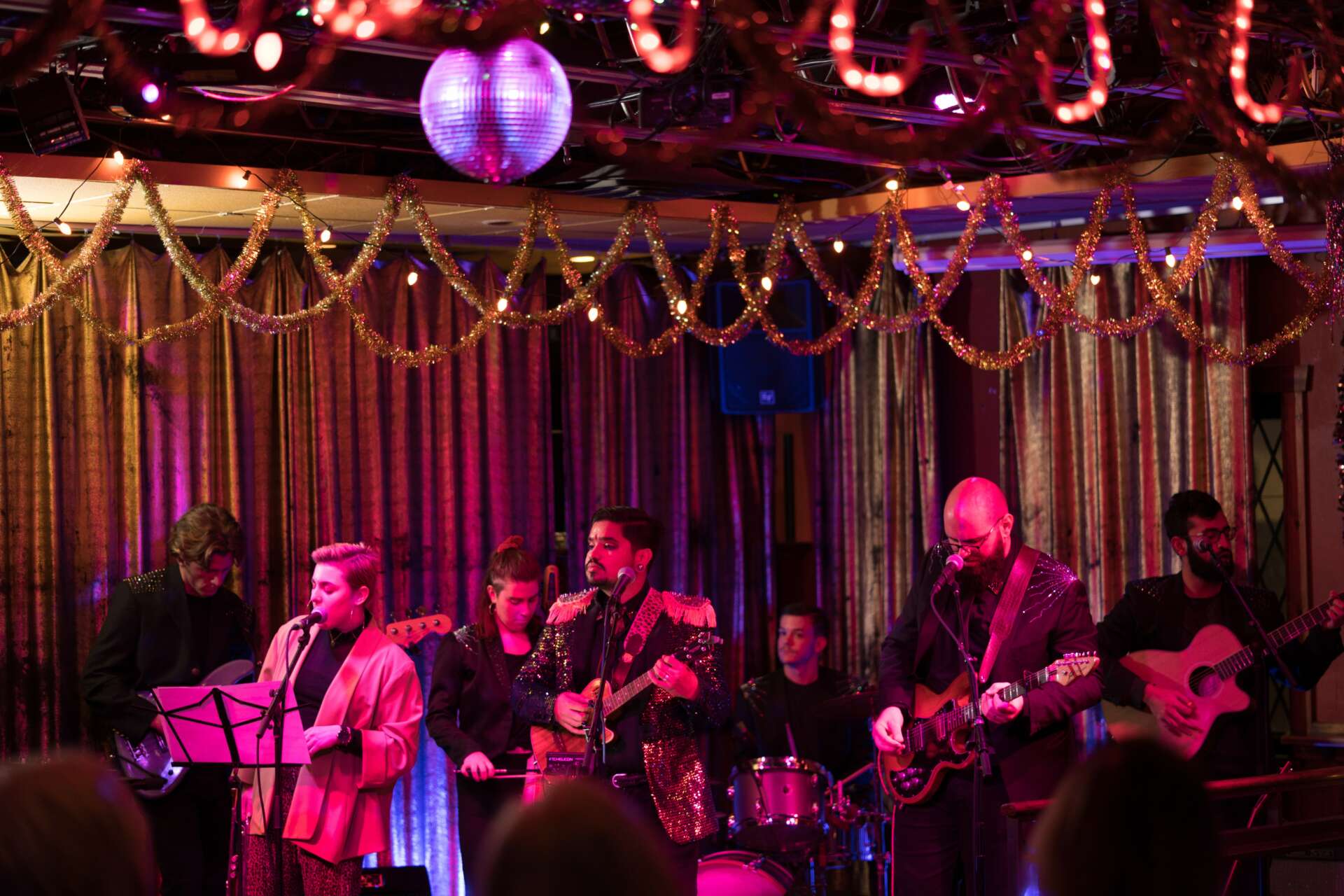
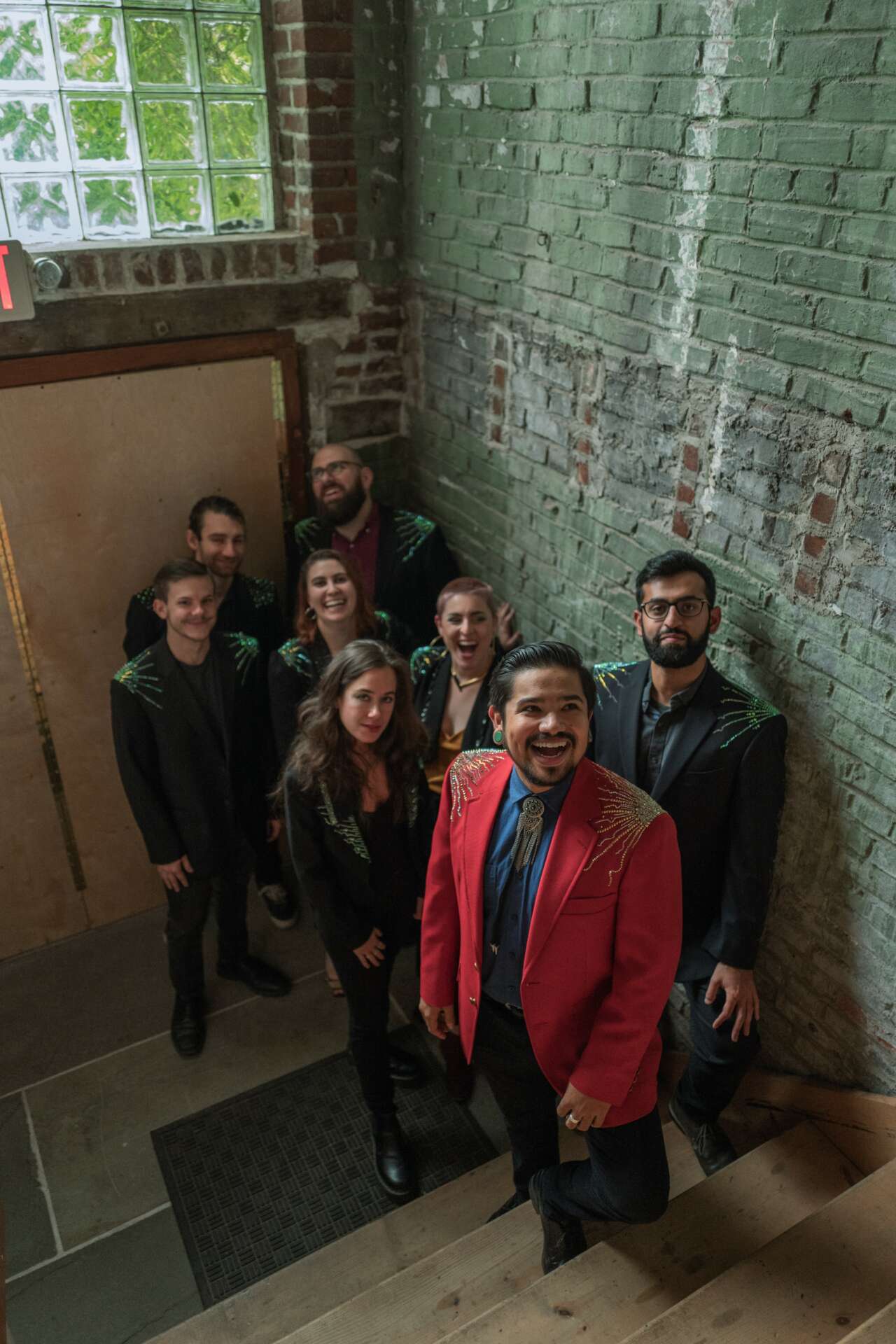
From a musical standpoint, of course ThebandIvory is the primary focus for my creative energy where I can write songs and, along with my husband Robbie, have creative control of the the final product. But we also love to collaborate on many other kinds of projects, whether it is composing and recording a score for visual media or adding orchestrations and arrangements to other artists’ music. Between the two of us we can play a very wide variety of instruments and that gives us a lot of sounds and textures to work with to be able to add creatively and constructively to both musical and visual projects.
I started creating fashion to try to elevate the look of the band, and then to find a space to explore my non-binary side in clothes that were made for my body. We had so much free time in the first year of the Pandemic that I was able to spend a lot of time creating a variety of clothes for myself.
Our album, Anthropocene, was a major project for us and one that we’re extremely proud of. We’ve grown a lot since then but we really were able to emphasize our strengths and showcase the sounds, as well as visuals, that encompass our look, sound and brand.
How can we best help foster a strong, supportive environment for artists and creatives?
The best way to support an artist can be from as simple as liking or subscribing to their socials all the way to buying merch directly from them. Post-pandemic musicians have to hustle more especially in the touring climate where inflation has really taken any profit margins bands had. For smaller unsigned bands its become almost impossible to tour without taking a huge loss. A lot of people don’t know that one Spotify stream pays the artist around 1/3 of a penny. Showing up and supporting them by actually buying their music, t-shirts, whatever is the most direct way to support artists and help to bring back an ecosystem where artists can thrive.
What do you think is the goal or mission that drives your creative journey?
Fighting for ThebandIvory’s existence is a driving force behind the project. Indigenous queer POC need more representation in diverse spaces. We are queer people making music that isn’t “traditionally” queer, in a traditionally white, straight space. Seeing artists of all backgrounds and genders occupying these venues and becoming visible to the world is the utopian future I’d like to see.
Contact Info:
- Website: https://thebandivory.bandcamp.com/
- Instagram: instragram.com/thebandivory
- Other: https://linktr.ee/thebandivory
Image Credits
Bob Sweeney, Brad Allen, Robbie Simmons