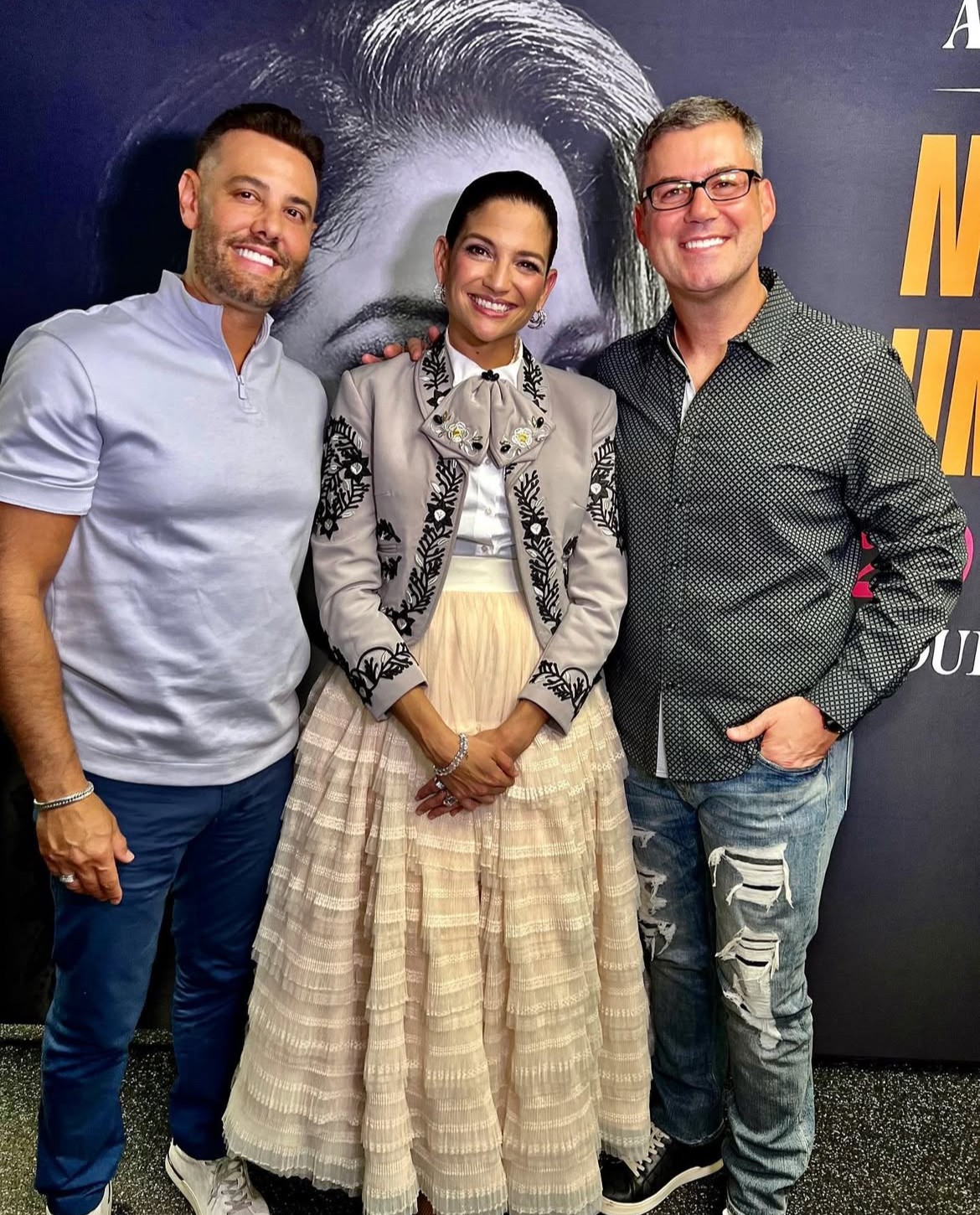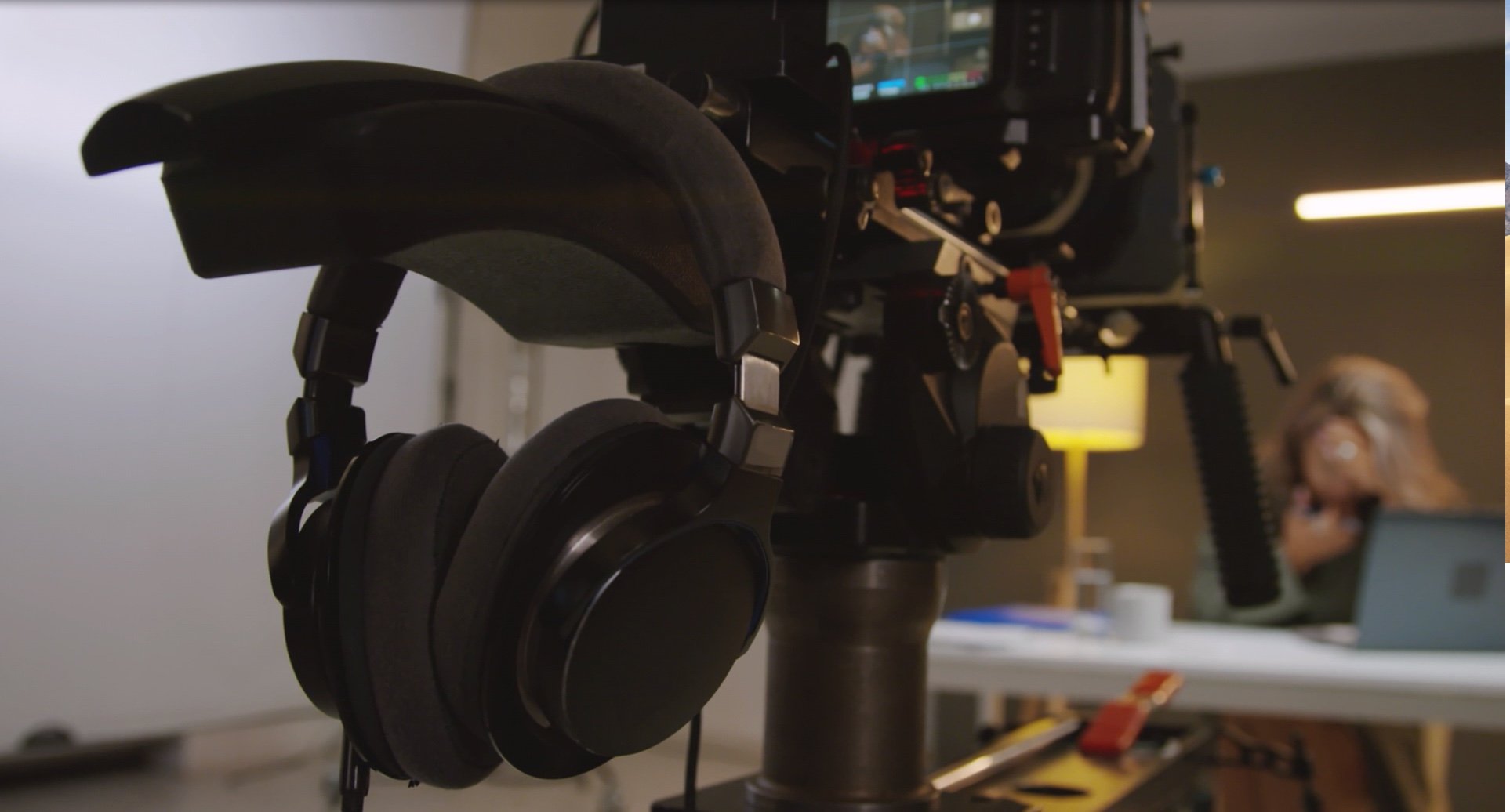

We recently connected with Frank Belmont and have shared our conversation below.
Frank, thanks for joining us, excited to have you contributing your stories and insights. Looking back, do you think you started your business at the right time? Do you wish you had started sooner or later
I wish I had started Bormont Entertainment much sooner. For years, I was deep in corporate America, working with some of the biggest beauty brands in the world. I was hesitant to walk away from all the perks that come with that life—great pay, stock options, company cars, top-tier benefits. It’s hard to leave that kind of security behind.
But life had other plans, and I found myself at a crossroads that required a drastic career move. I never imagined shifting careers, let alone doing so in my mid-forties.
It hasn’t been easy, entrepreneurship is not for the faint of heart. But it’s been the most eye-opening, transformative experience of my life. It’s challenged me, pushed me, and shown me what I’m truly capable of when I bet on myself.
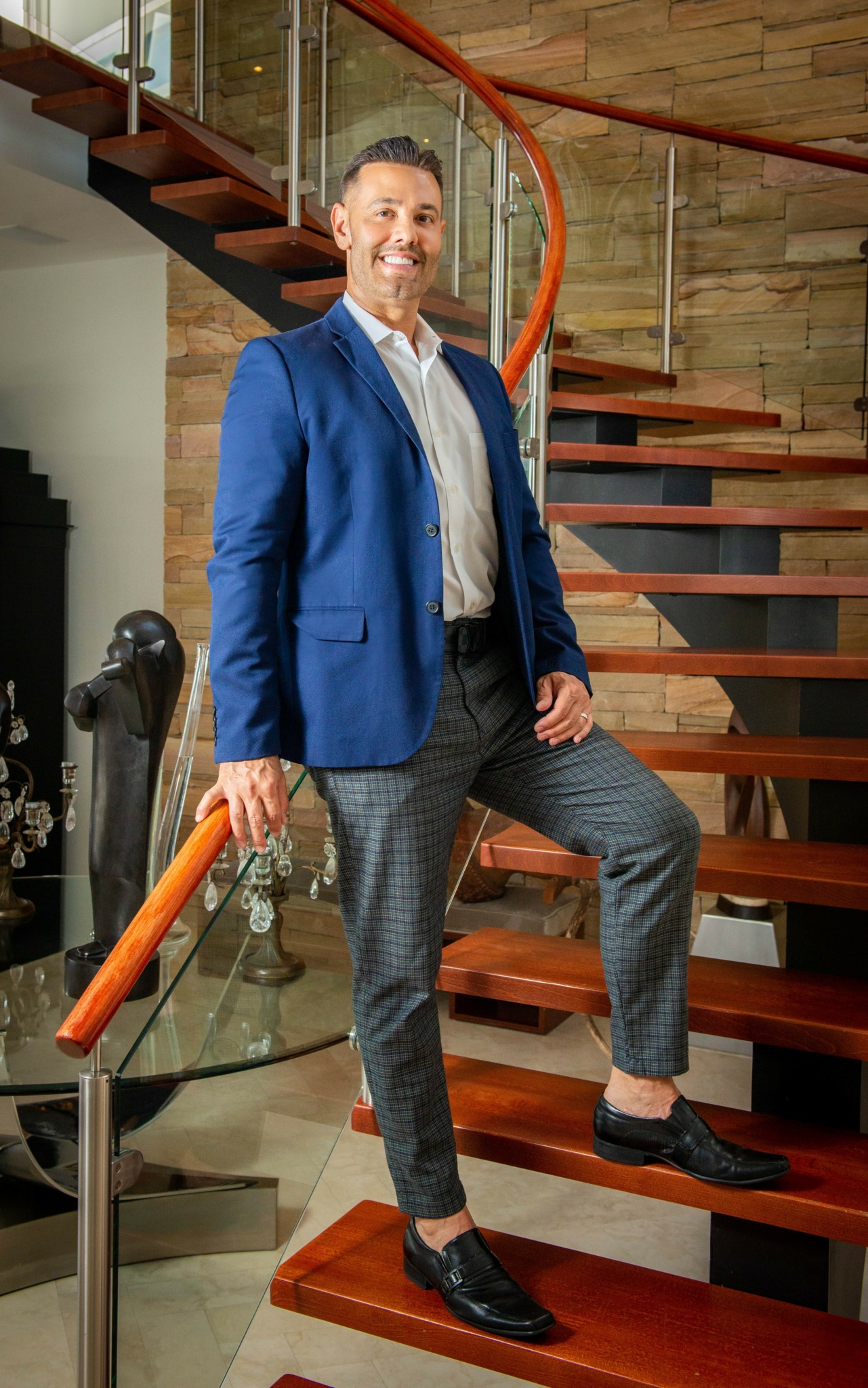
Great, appreciate you sharing that with us. Before we ask you to share more of your insights, can you take a moment to introduce yourself and how you got to where you are today to our readers.
My partner and I founded Bormont Entertainment after noticing a significant underrepresentation of Hispanic voices in mainstream media. Our aim was to amplify Latino voices and stories in the entertainment industry and be the liaison between Spanish-language television and general market media.
As we grew, we recognized that many individuals, regardless of their background, faced challenges breaking into the entertainment world. This led us to broaden our mission: to support anyone striving to find their footing in this competitive field.
At Bormont Entertainment, we have 4 main pillars to our business model. Showrunning, Development, Talent Management and Media Branding. Some of these pillars have expanded to include other niche services like; mentoring programs and on-camera training.
What sets us apart is our commitment to personalized, human-centric support. We understand that each client’s journey is unique, and we tailor our approach to meet their specific needs and aspirations.
I’m most proud of the impact we’ve made in helping individuals realize their potential and achieve their dreams. Witnessing our clients’ growth and success reaffirms our mission and fuels our dedication to fostering inclusivity and excellence in the entertainment industry.
Any advice for growing your clientele? What’s been most effective for you?
Honestly, it’s been word of mouth and relationships—hands down. The entertainment and branding world is still very much built on trust, and I’ve always believed in showing up with integrity, following through, and doing great work. When people have a good experience with you, they tell others. That organic growth has been more powerful than any ad campaign.
That said, I also make it a priority to really listen. Whether I’m working with talent or a brand, I take the time to understand what they actually need—not just what they think they should be doing based on trends. That level of attention and personalization goes a long way. People remember when you treat their goals like your own.
And of course, staying active on social media, attending industry events, and keeping up with the evolving landscape helps us stay top of mind. But at the end of the day, referrals and relationships have been the foundation of our growth.
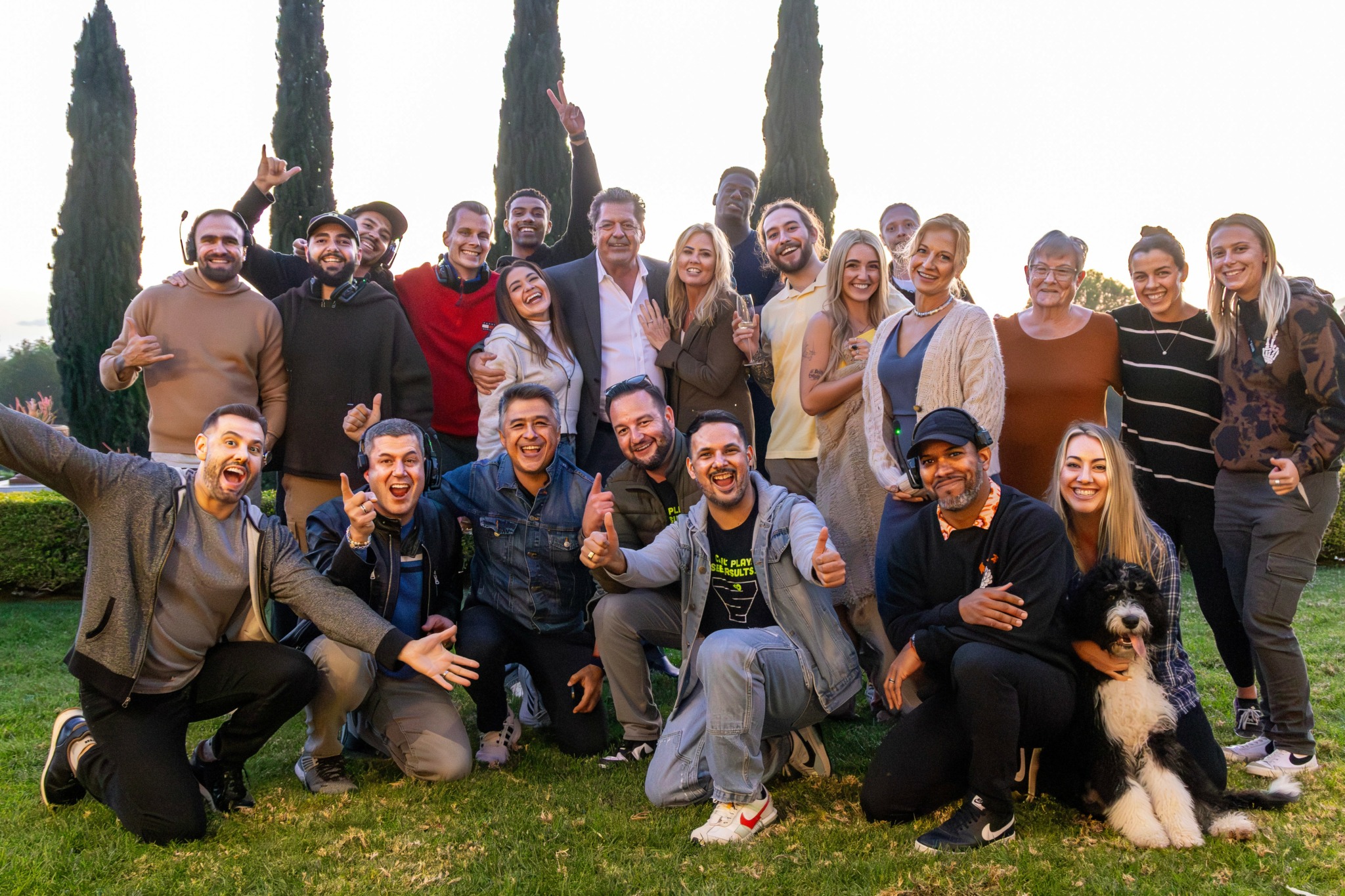
How do you keep your team’s morale high?
For me, it comes down to three things: communication, trust, and purpose. I’ve learned that people don’t just want to *do* the work; they want to understand *why* it matters. When your team feels connected to the bigger picture, it’s a lot easier to keep morale high, even during stressful seasons.
I also believe in creating a culture where people feel seen and heard. That doesn’t mean you have to have all the answers, but it does mean creating space for real conversations, celebrating wins (big or small), and being transparent when things shift. People can handle change, as long as you’re honest with them.
Lastly, I try to lead with empathy. Everyone’s balancing something behind the scenes, and sometimes the best thing you can do as a leader is to just ask, “How can I support you?” Morale isn’t about pizza parties, it’s about building real relationships and showing up consistently for your team.
Contact Info: