

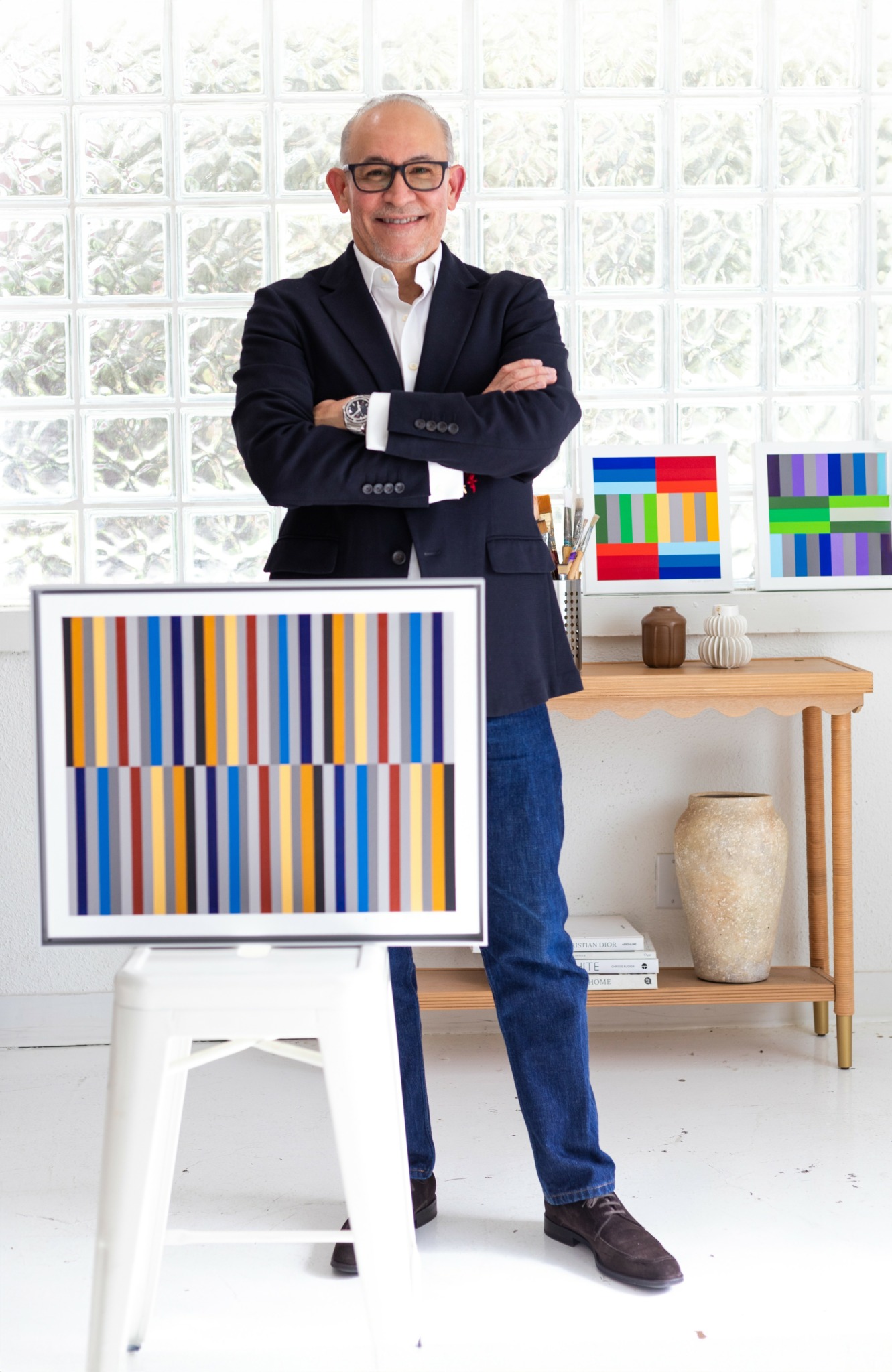

We’re excited to introduce you to the always interesting and insightful Francisco. We hope you’ll enjoy our conversation with Francisco below.
Francisco, thanks for taking the time to share your stories with us today Do you wish you had waited to pursue your creative career or do you wish you had started sooner?
I actually started my painting career in my late 40s, which some might consider a bit late to dive into the art world, but honestly, I believe it was the perfect timing for me. Before that, I had a long career as an engineer — a field that taught me structure, precision, and how to approach problems creatively but systematically. All those years of experience gave me a unique foundation that I now bring into my art.
When I look back, I realize that if I had started painting earlier, I might not have had the same patience, focus, or mindset I have now. In my younger years, I was still figuring out who I was, what I wanted, and how to balance creativity with real life. By the time I started painting seriously, I had lived enough, worked enough, and experienced enough to really know what I wanted to say through my work.
Engineering gave me a way of thinking that translates beautifully into the creative process — I see composition, structure, and color in almost mathematical terms, yet I approach them with emotion and intuition. It’s a blend that feels very natural to me.
There’s a special joy in being both an engineer and an artist and being able to pursue both careers. In living between logic and imagination. Engineering challenges my mind to work with precision, while painting frees my spirit to create without limits. Each world fuels the other — structure gives form to beauty, and art brings emotion to structure.
So, do I wish I had started sooner? Not at all. I think everything that came before — all the professional challenges, the lessons, the personal growth — prepared me for this moment. I started when I was ready, both technically and emotionally. And that, for me, made all the difference.
Awesome – so before we get into the rest of our questions, can you briefly introduce yourself to our readers.
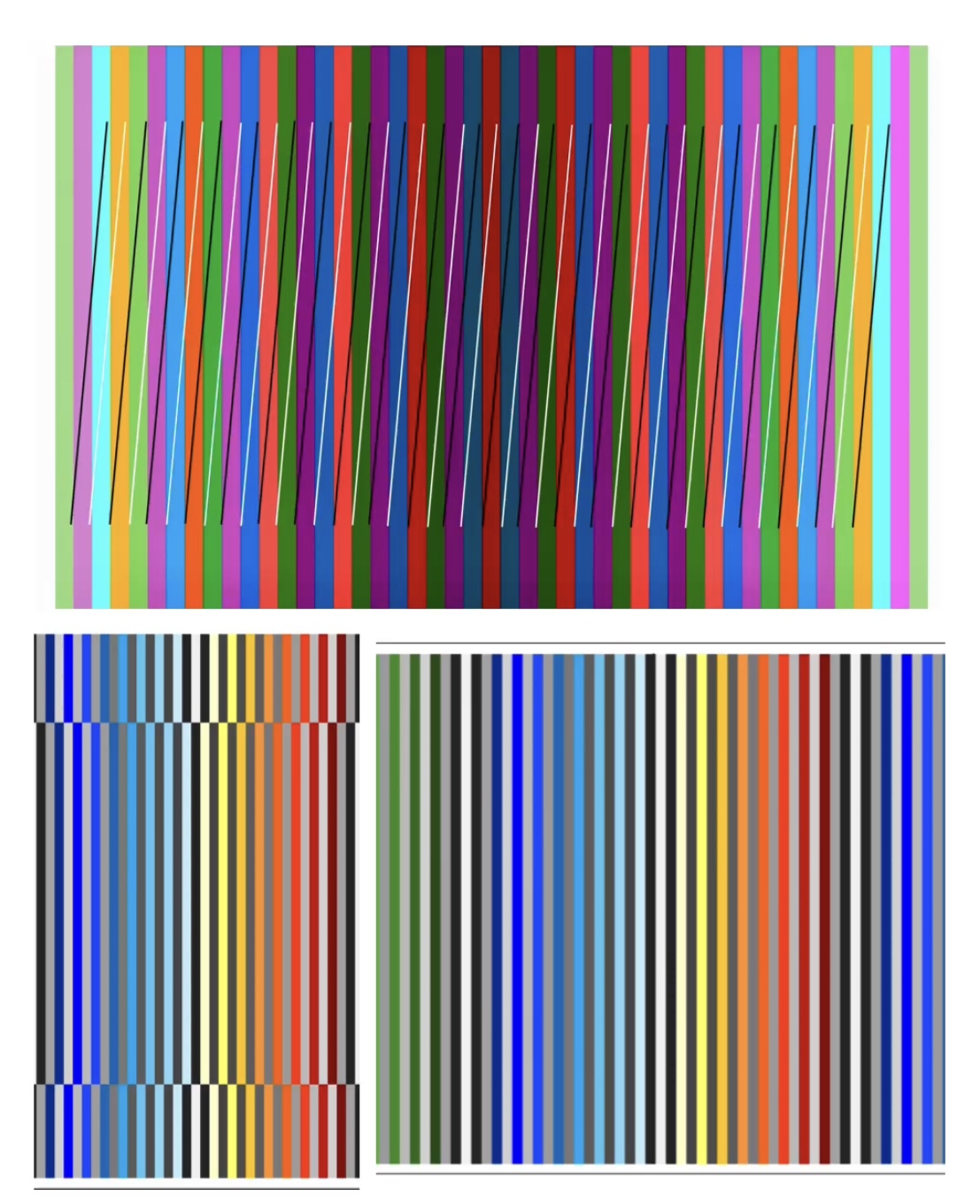
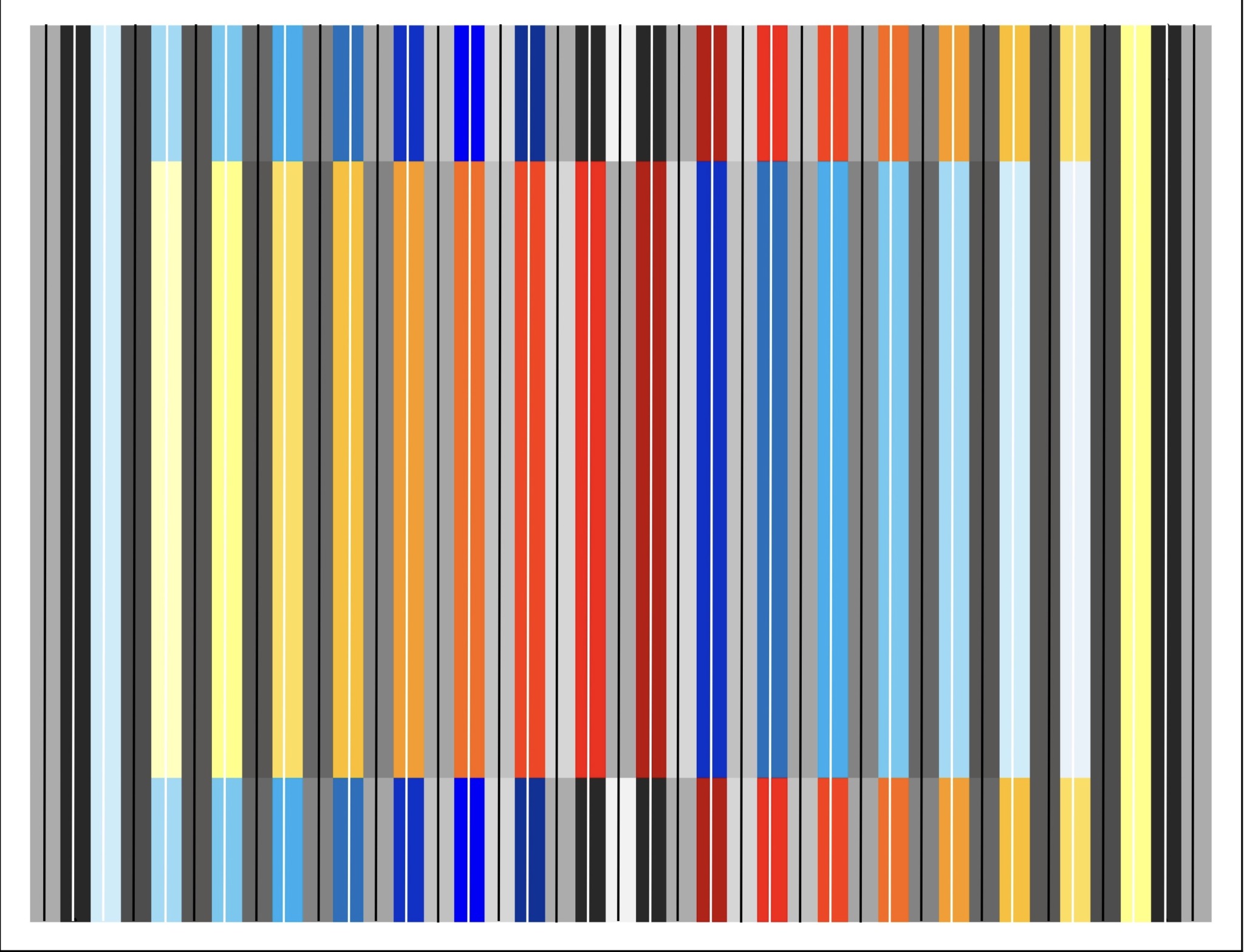
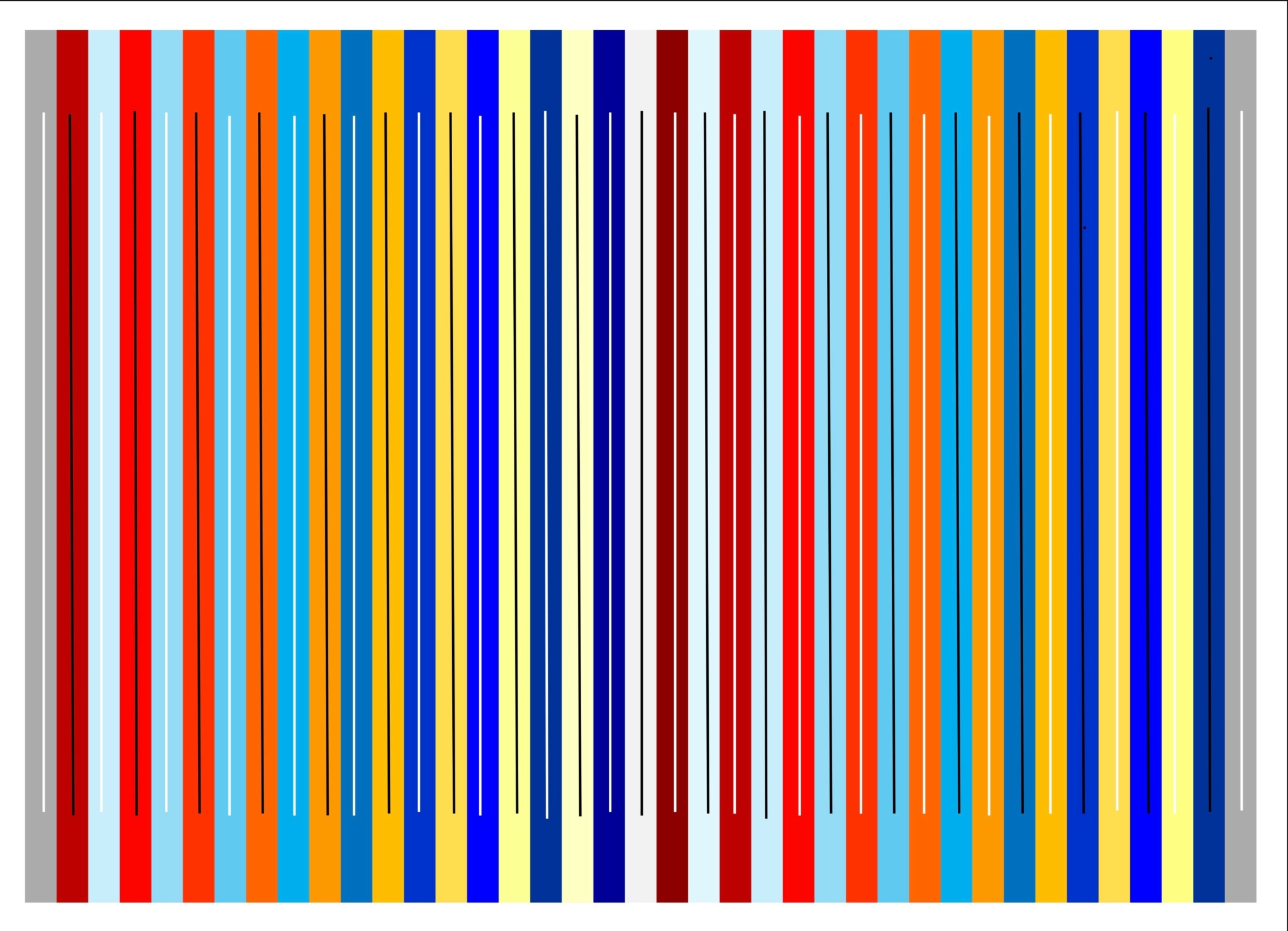
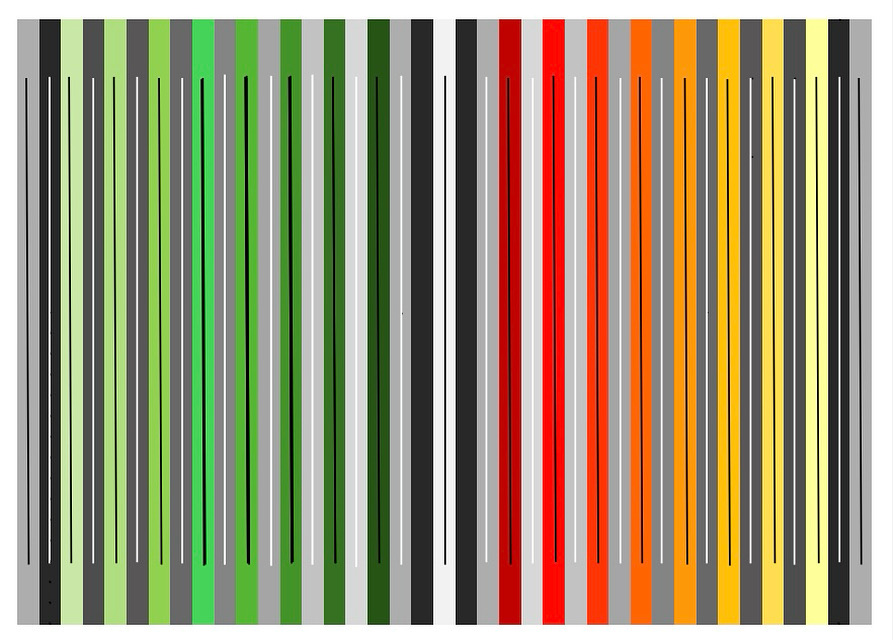
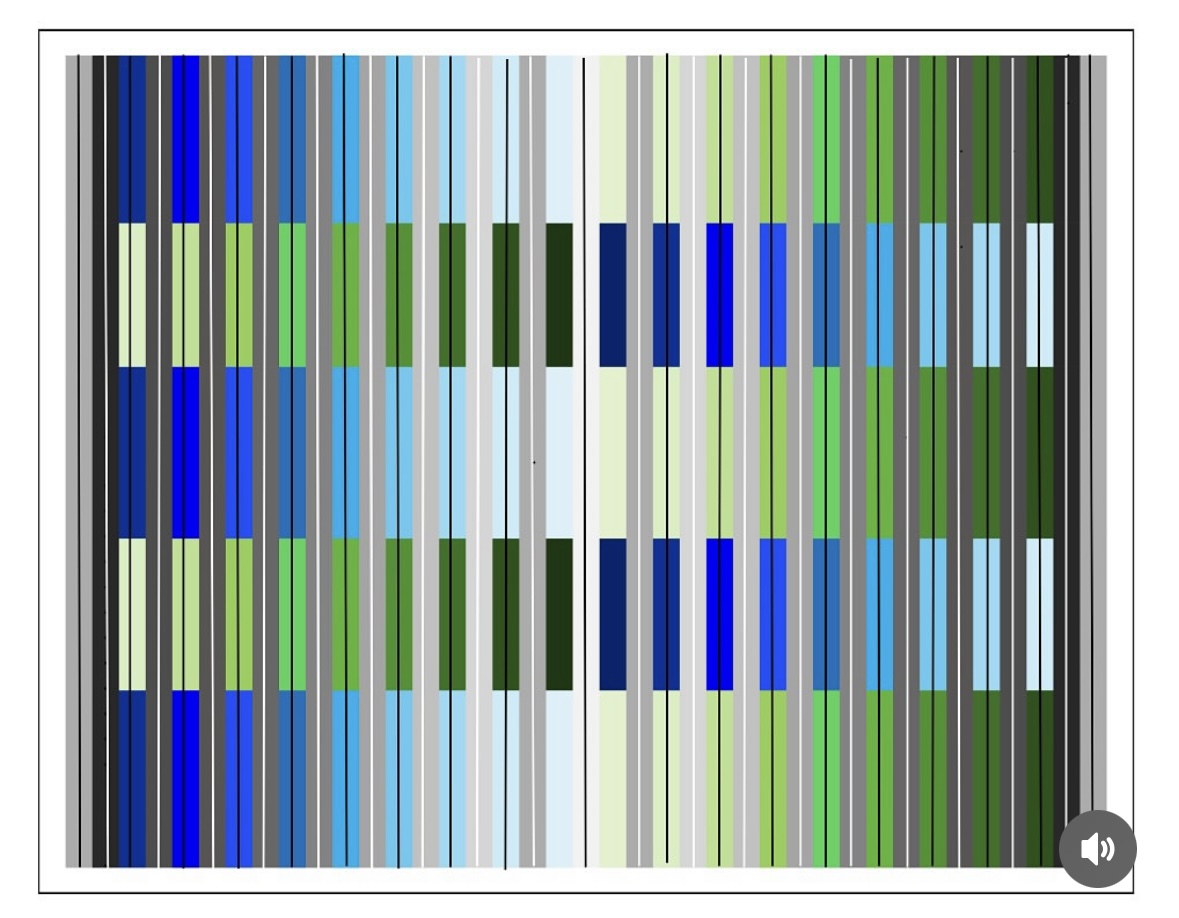
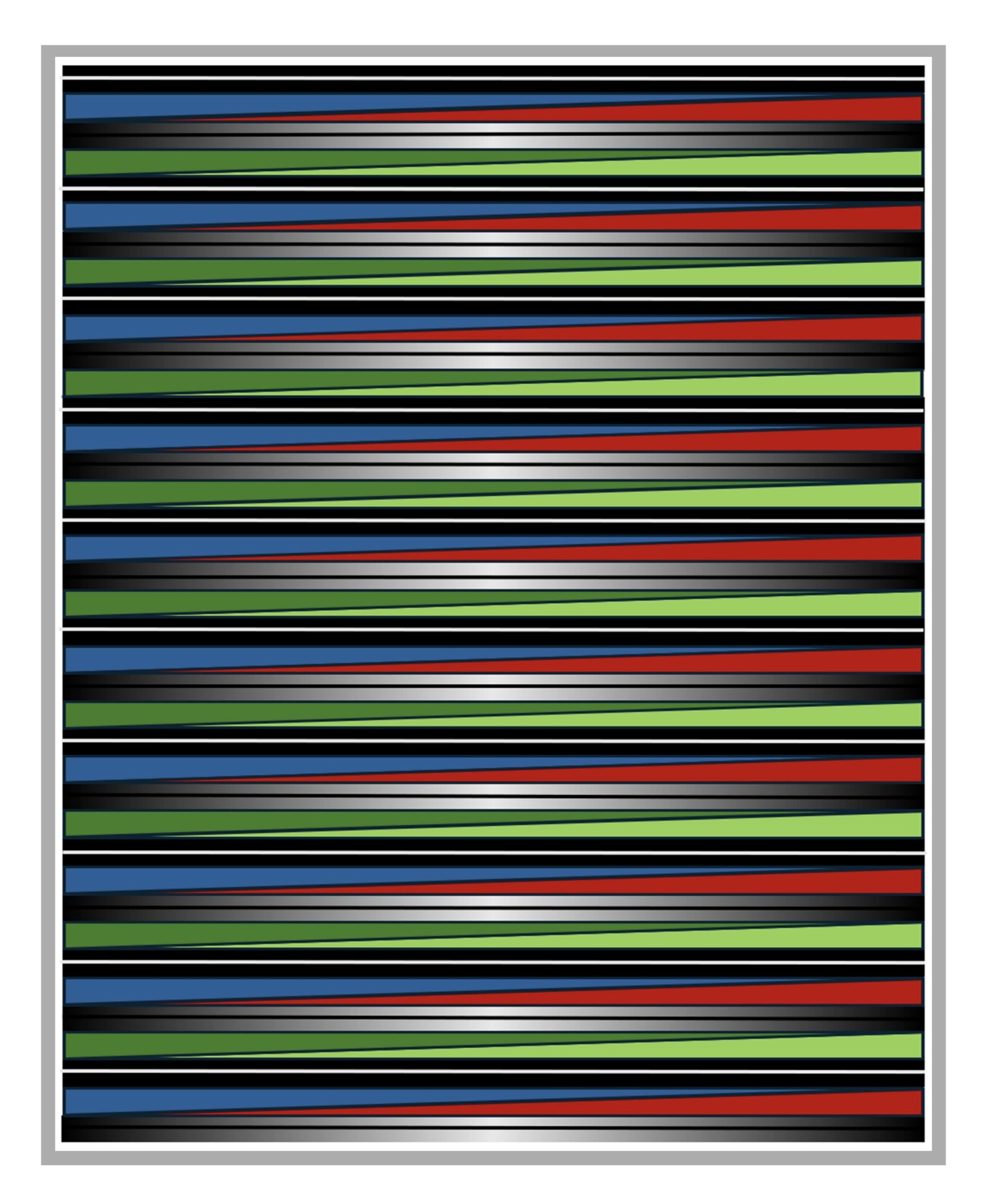
I’m a mixed media artist who has developed a unique approach to geometric abstraction — a style that blends structure with emotion, precision with movement. My work sits at the intersection of hard-edge painting and kinetic art. I create acrylic paintings on stretched canvas where lines, forms, and colors interact to evoke a subtle yet captivating sense of motion. Through color vibration, light, and shadow, I aim to engage the viewer in a visual dialogue that shifts as they move — almost as if the painting itself were alive.
My background is actually in engineering, and that experience plays a big role in how I approach art. I bring a very analytical eye to composition and balance, but also a deep curiosity for how geometry and perception can create emotion. Over time, I’ve developed a personal visual language — one that explores rhythm, symmetry, and transformation, while still leaving space for spontaneity and play.
What sets my work apart is this fusion of technical precision with artistic intuition. I’m fascinated by the way color can transform space and mood, and how the slightest shift in tone or angle can change the entire energy of a piece. My paintings are not just static objects; they are experiences that invite contemplation, offering new perspectives depending on where the viewer stands or how the light falls.
I’m most proud of having built this second career later in life — after decades in engineering — and being able to merge both worlds into something that feels authentically mine. My goal as an artist is to inspire curiosity, connection, and reflection through the visual language of geometry and color.
For anyone discovering my work for the first time, I want them to know that each piece is carefully crafted to go beyond form — to make you pause, look closer, and feel something move within you.
What’s the most rewarding aspect of being a creative in your experience?
For me, the most rewarding aspect of being an artist is the sense of legacy it allows me to create — something meaningful that will outlive me and continue to inspire others. Art gives me the chance to leave a piece of myself behind, not just for my children, but for anyone who might see my story and realize it’s never too late to start over or follow a passion. I began my artistic journey later in life, and I want people to see that as a message of hope — that reinvention is always possible, no matter your age or background.
There’s also something profoundly fulfilling about the act of creating itself. When I’m painting, I feel connected to something larger — to beauty, to emotion, to the simple joy of bringing color and form into existence. Art has the power to enrich the soul, both for the creator and for those who experience it. Knowing that my work can touch someone’s spirit, even for a moment, is incredibly humbling and deeply satisfying.
At the end of the day, that’s what drives me — the possibility of inspiring others, spreading beauty, and leaving behind a positive mark through creativity and perseverance.
Learning and unlearning are both critical parts of growth – can you share a story of a time when you had to unlearn a lesson?
A big lesson I had to unlearn was the idea that you have to know exactly what kind of artist you are from the very beginning. When I first started painting, I thought I needed to define my style right away — to fit into a certain artistic category or to create work that others would immediately understand or appreciate. I began with abstract painting, but something always felt incomplete. The process was enjoyable, but the results didn’t fully resonate with me; I felt like I hadn’t yet found my true voice.
It wasn’t until I started incorporating geometric elements — lines, shapes, and structured forms — that everything began to make sense. Suddenly, my work reflected both my creative side and my background in engineering. That balance between order and emotion, precision and freedom, became my language. It taught me that finding your artistic identity takes time, experimentation, and a lot of patience.
The real growth happens when you allow yourself to try, fail, and try again. Repetition, consistency, and self-commitment are what build both skill and confidence. You can’t rush the process — you discover your direction by doing, by exploring, and by listening to your inner voice.
So if there’s a message in my journey, it’s this: believe in yourself, keep experimenting, and trust that through passion and persistence, you will eventually find your own way.
Contact Info:
- Website: https://www.chescofineart.com
- Instagram: @paintingsbychesco
- Linkedin: http://linkedin.com/in/franciscohernandezurdaneta
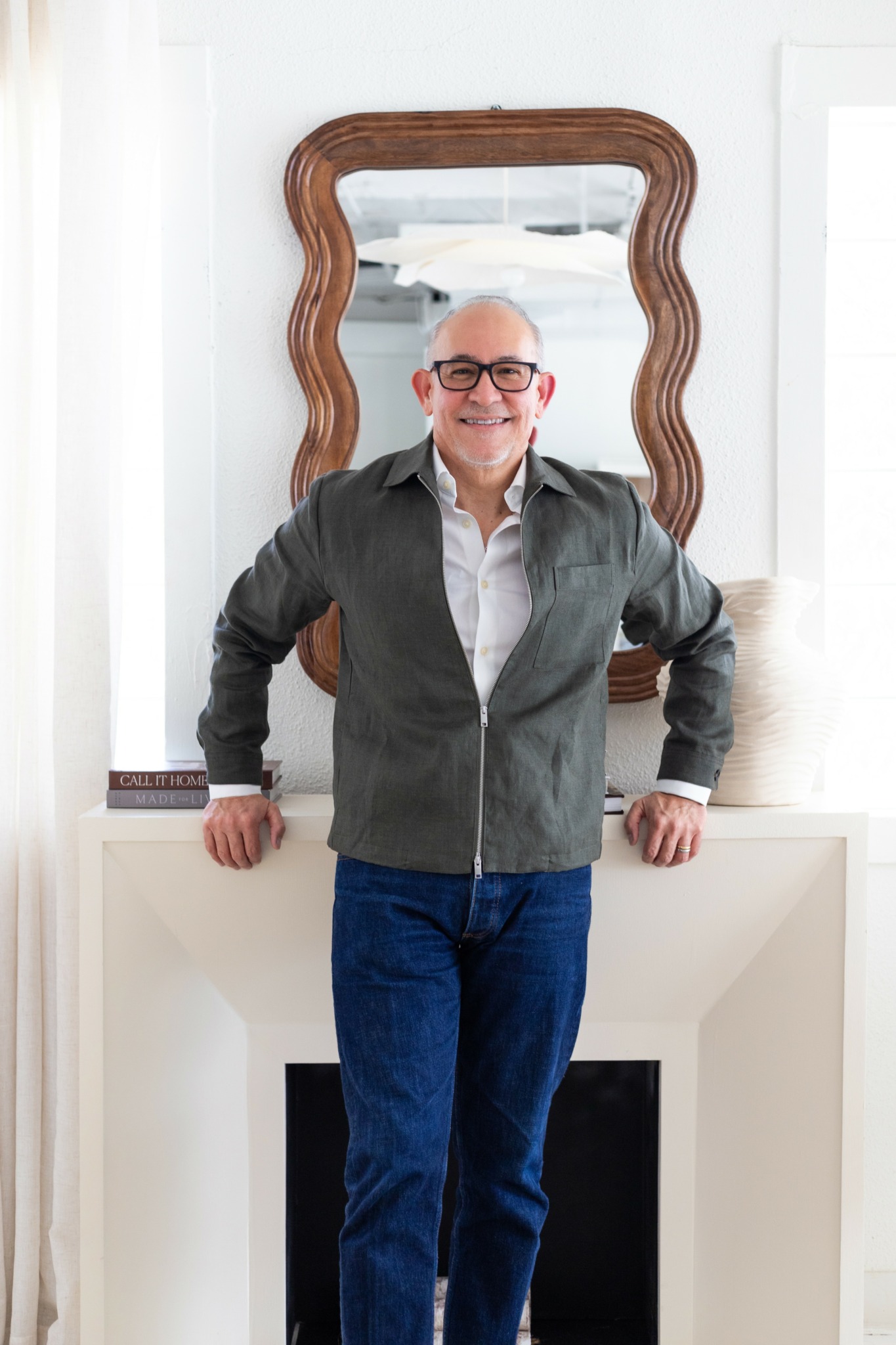
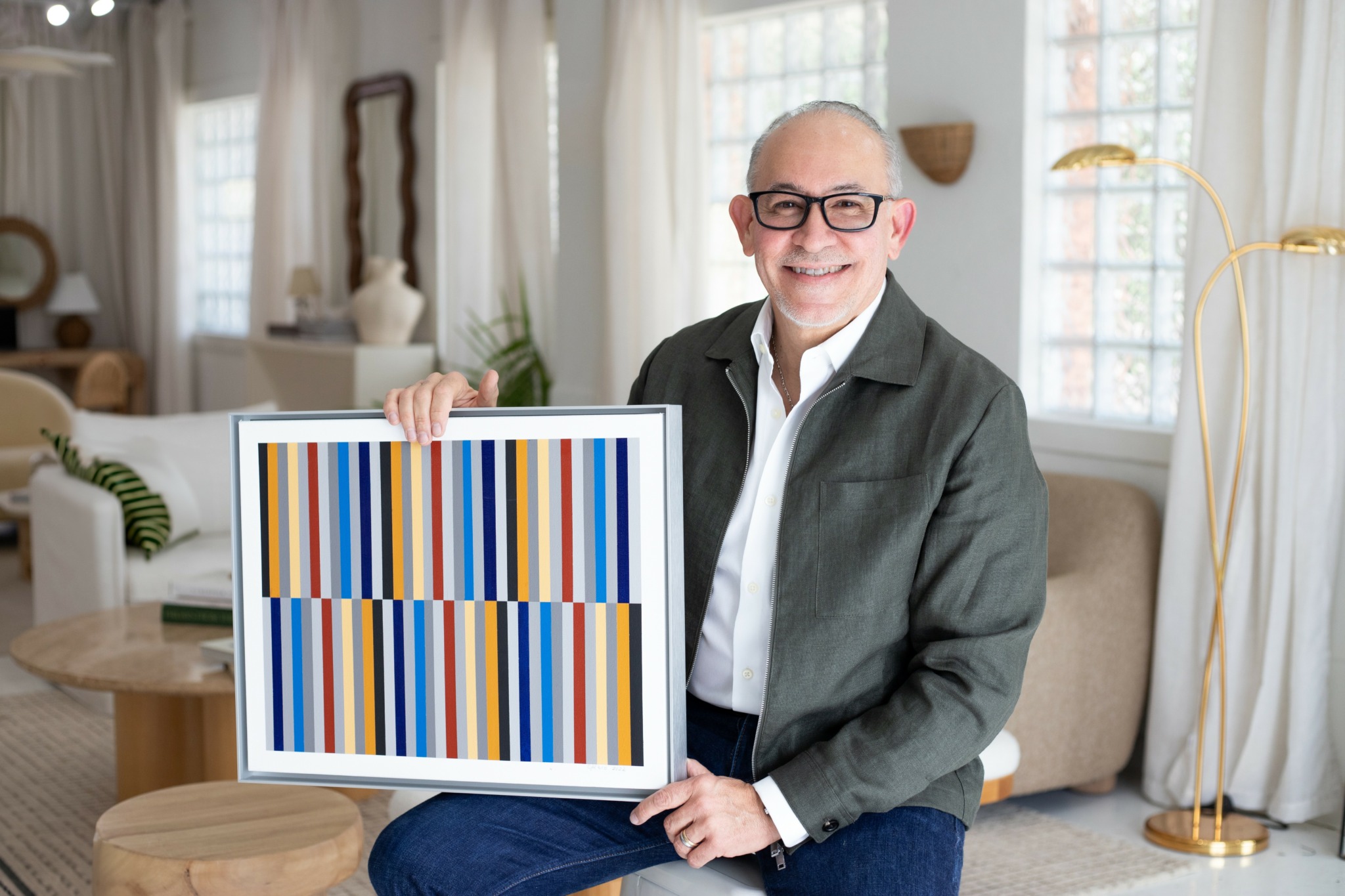
Image Credits
Betty & Luis Photo