

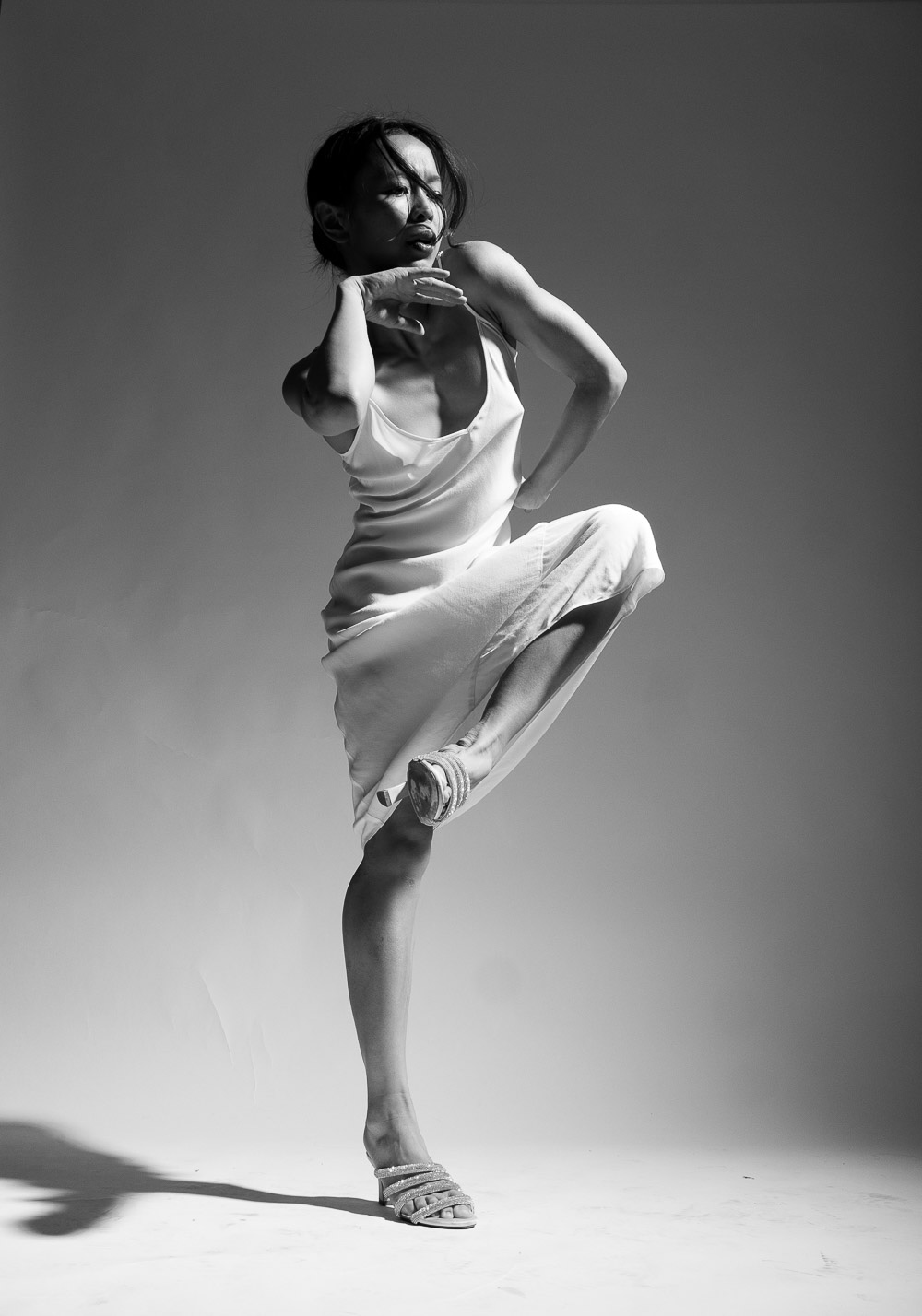

We’re excited to introduce you to the always interesting and insightful Frances Samson. We hope you’ll enjoy our conversation with Frances below.
Frances, appreciate you joining us today. It’s always helpful to hear about times when someone’s had to take a risk – how did they think through the decision, why did they take the risk, and what ended up happening. We’d love to hear about a risk you’ve taken.
At 19, just after my first year of university in Toronto, I was given the opportunity of a lifetime. I was personally invited to audition for the world-renowned Limón Dance Company. I jumped on a Greyhound bus, walked into the audition, and walked out as one of the youngest members in its 70-year history. That leap is what brought me to New York.
In 2023, after eight seasons with the company, I took a risk and left the place that had become my second home to pursue a freelance career. New York is fiercely competitive, but deeply rewarding. After over a decade specializing in one movement language, my goal became to broaden my range and develop true chameleon-like versatility. I wanted to explore new spaces, see how different directors create, learn what each artist contributes, and work with active, living choreographers. I’m discovering who I am outside the shadow of a single choreographer, navigating life outside a structured repertory company, and finding ways to contribute to the choreographic process rather than embodying steps that already exist.
Beyond the movement itself, I’m learning to be sensitive to the needs of each room, knowing when to contribute, when to listen, and how different directors shape their environments. It is fascinating and sometimes uncomfortable to notice how I shift emotionally, socially, and even physically between genres and processes. At times my Limón training enriches the work, and other times I have to quiet old habits to embrace completely new approaches. It can be challenging, but it is also eye-opening, humbling, and I believe an essential part of my growth.
I am also learning that not every space is meant for me. To perform with vulnerability, I need to ensure my artistic values align with those I work with, in both the management of the space and the direction of the work. I can adapt, but I cannot change who I am.
As a freelancer, each project feels more meaningful. You live the full cycle: finding the job, meeting new people, building connection, performing, and then facing the inevitable goodbyes. Even in a city where paths cross often, schedules shift and sometimes that project is both the first and last time that particular group will be together. Those connections, brief as they may be, shape the work I do and the artist I continue to become.
Over the past two years, I have been fortunate to originate roles in works by award-winning directors Twyla Tharp, Baye & Asa, Jamar Roberts, Hélène Simoneau, Jody Sperling, Stephanie Martinez, and Brian Golden, and to perform in restagings with Mark Morris, Madeline Hollander, and the Merce Cunningham Trust.
Great, appreciate you sharing that with us. Before we ask you to share more of your insights, can you take a moment to introduce yourself and how you got to where you are today to our readers.
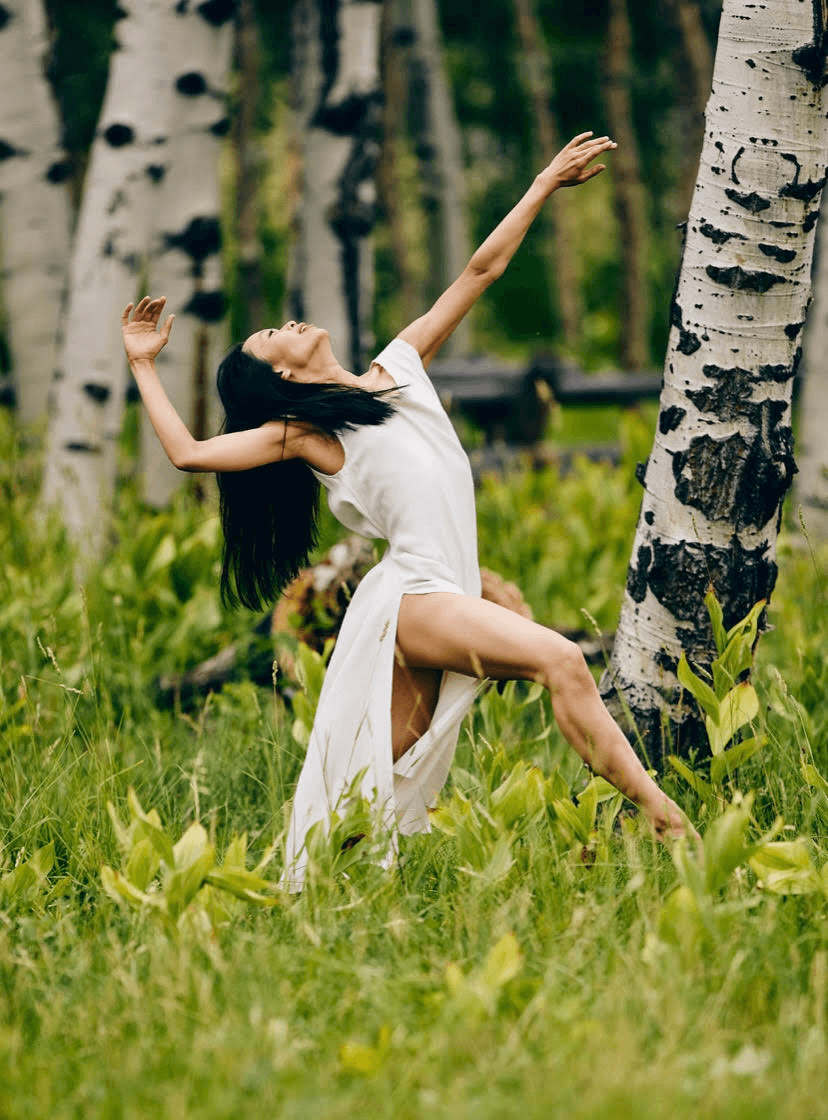
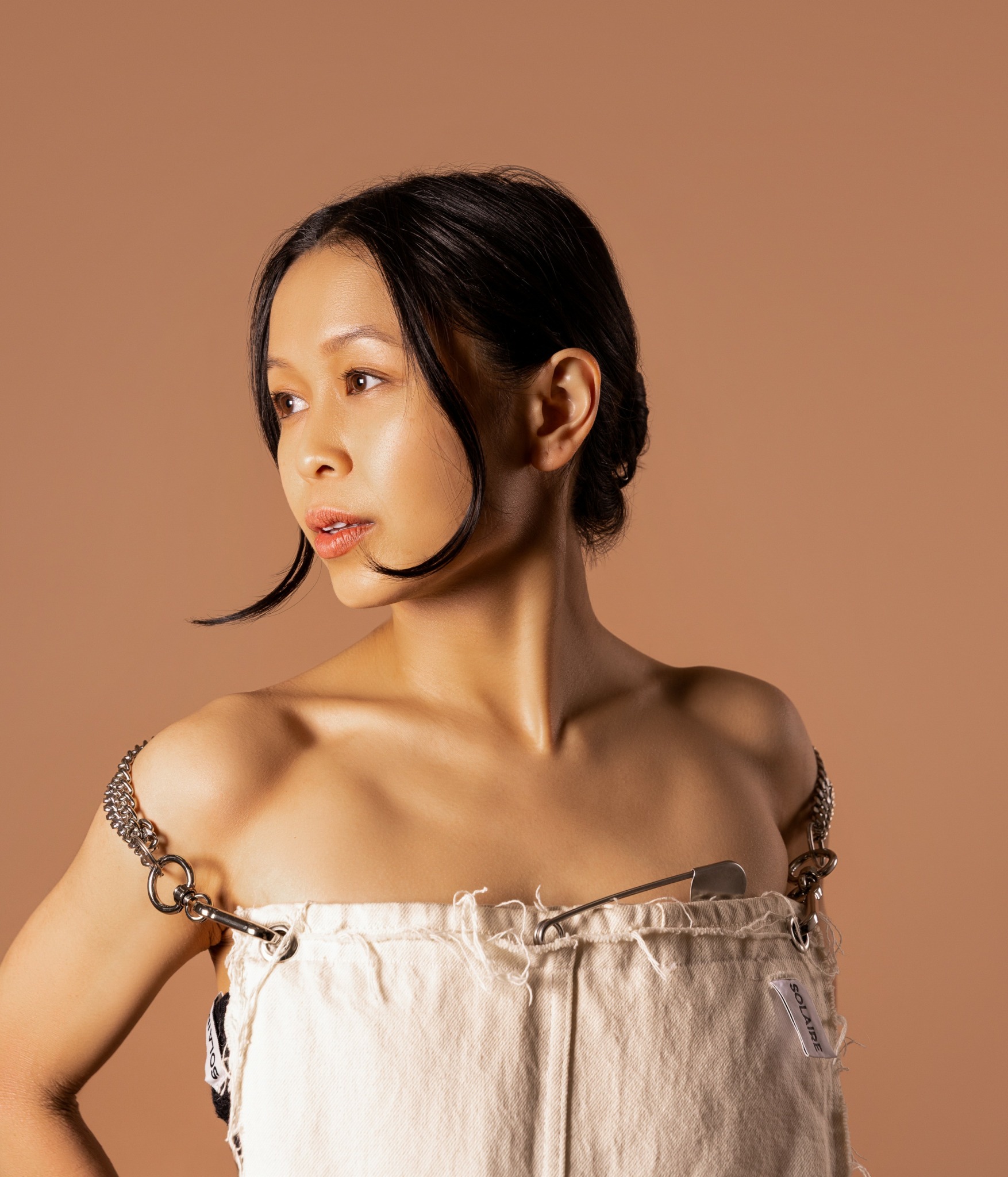
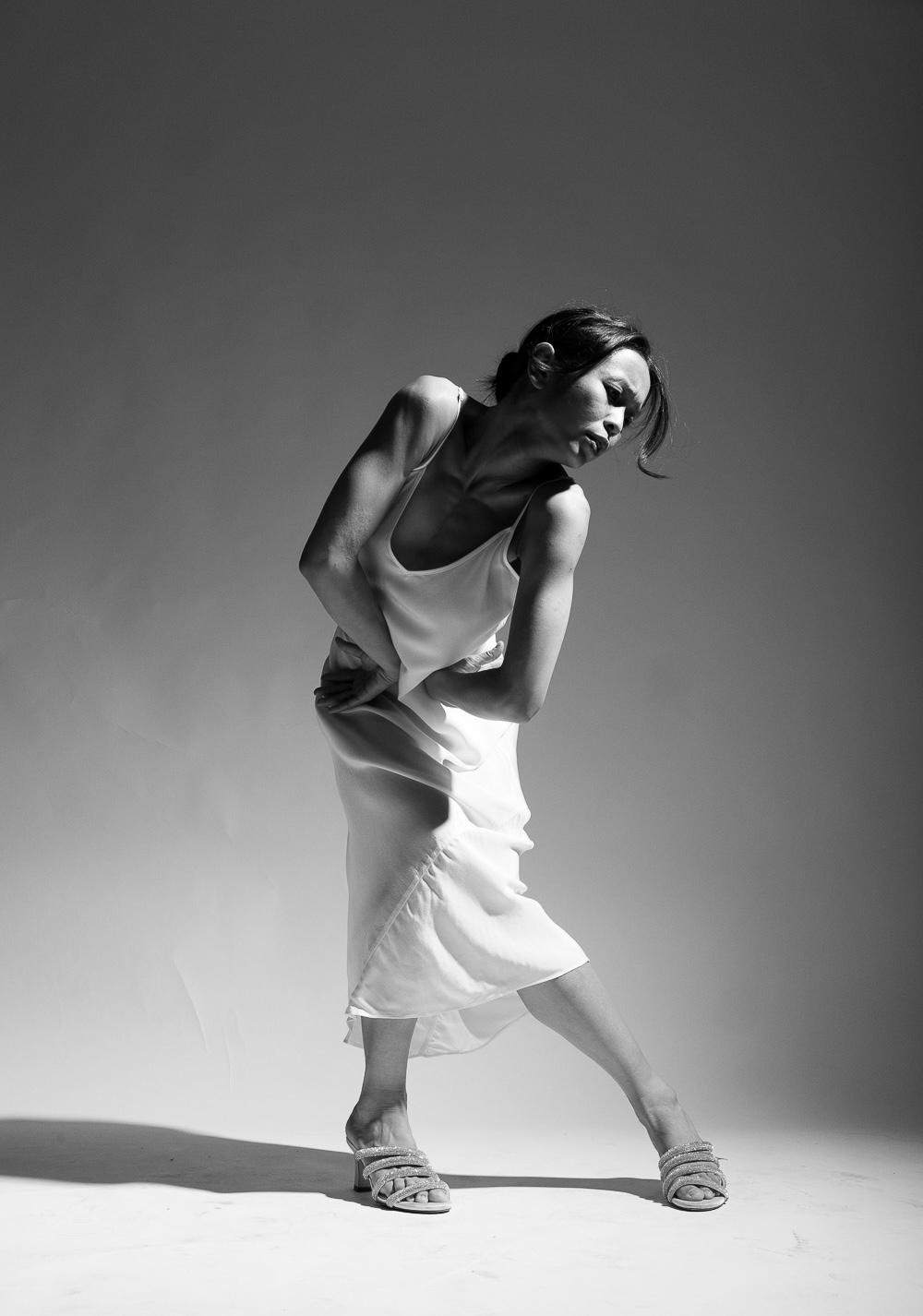
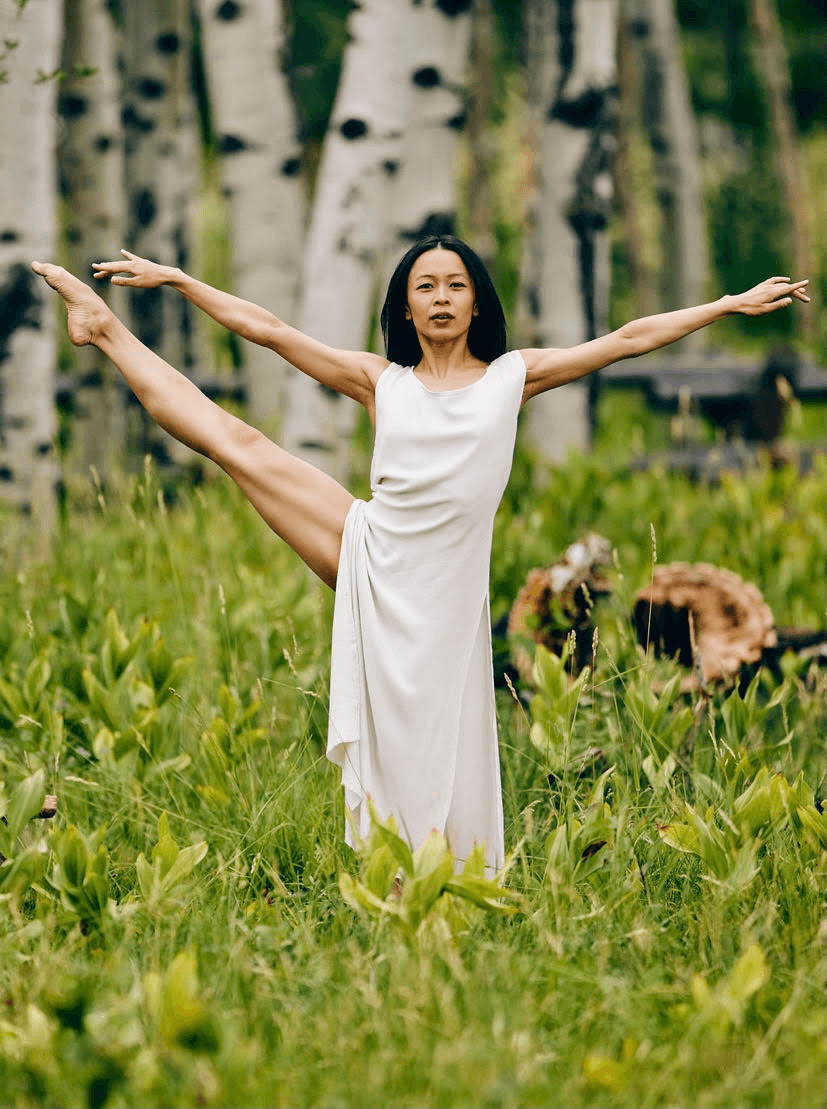
My name is Frances Lorraine Samson, and I am a New York–based freelance dancer, teacher, and repetiteur. My performance practice spans ballet, classical modern, postmodern, and contemporary work. I’m drawn to movement that is full-bodied, grounded, and athletic, using gravity and momentum to expand my physical range. Curiosity, adaptability, and a willingness to take risks fuel my work.
As a teacher and repetiteur, I aim to expand dancers’ awareness of time, space, and music, break habitual patterns, and offer new approaches that support movement potential and career longevity. I specialize in the Limón movement style, shaped by more than a decade of experience and a strong lineage of teachers. I am proud of my clarity and adaptability as an educator. I work with dancers of all ages and levels, from young students to university dancers, professionals, and adults, and I strive to remain approachable to all. I communicate clearly, problem-solve efficiently, and can be brutally honest when needed.
I love witnessing the body take risks and problem-solve in real time because it often reveals possibilities it didn’t know it had.
Bio:
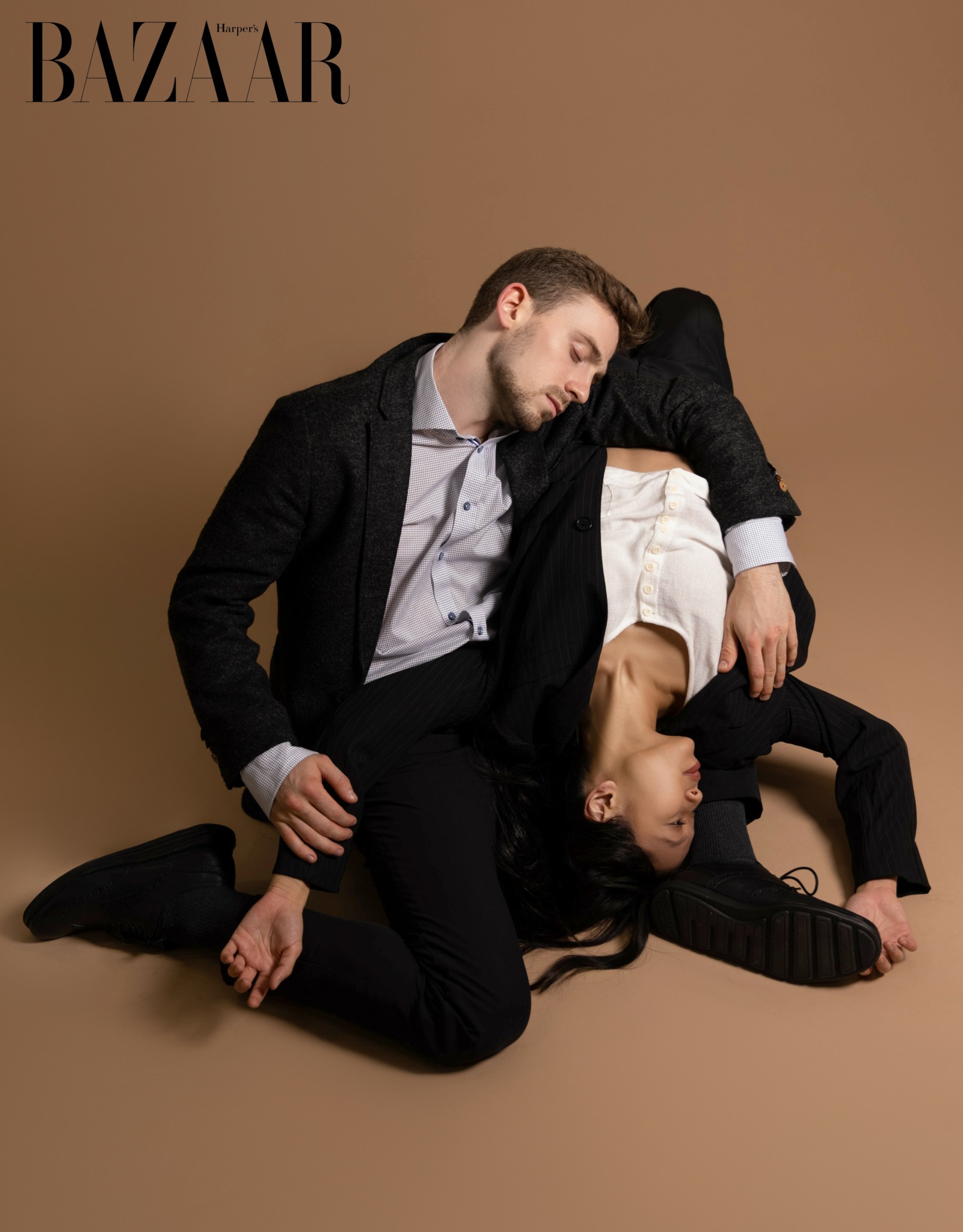
Hailed by The Boston Globe as “absorbing, steadfast, and compelling,” Frances Lorraine Samson is a New York based artist originally from Toronto, Canada. She has been featured by the Canadian Broadcasting Corporation (CBC), TEDx, and Harper’s Bazaar, and has worked with renowned institutions such as The Juilliard School, SUNY Purchase College, and the Danish National Academy of Music. Frances was a principal dancer with the Limón Dance Company from 2017-2023 and is currently on faculty for the Limón Institute and the 92NY. She has originated roles in works by Twyla Tharp, Jamar Roberts, Raúl Tamez, and Francesca Harper, and has worked with award-winning artists, Aszure Barton, Mark Morris, and Madeline Hollander. Frances is the 2023 recipient of the Clive Barnes Award for Dance and is an unarmed actor combatant certified by The Society of American Fight Directors. She currently performs for Hélène Simoneau Danse and Baye & Asa.
What’s the most rewarding aspect of being a creative in your experience?
In New York, the most rewarding part of being a dance artist is the sense of community and belonging. Connections can be lifelong friendships or simply the people you share space with or admire from afar.
Working as a dancer allows you to form authentic connections quickly. Whether leading as a choreographer or collaborating in the studio as a dancer, creating new work requires vulnerability, commitment, and risk-taking towards a shared goal. The projects I find most rewarding are defined by the people involved, and these collaborations often produce the strongest, most relatable work.
When we tour, we carry this community to other cities, creating cultural exchanges that are priceless and unforgettable.
How can we best help foster a strong, supportive environment for artists and creatives?
Particularly in the United States, the first step is recognizing the essential role of art in society and how deeply it informs our daily lives. We need to be open to art and to different experiences, celebrating creativity, individuality, and the value of diverse voices, cultures, and perspectives. Beyond this, support can take practical forms such as donating to arts organizations of all sizes, attending performances and events, participating in classes, and advocating for arts education.
Contact Info:
- Instagram: frances_samson
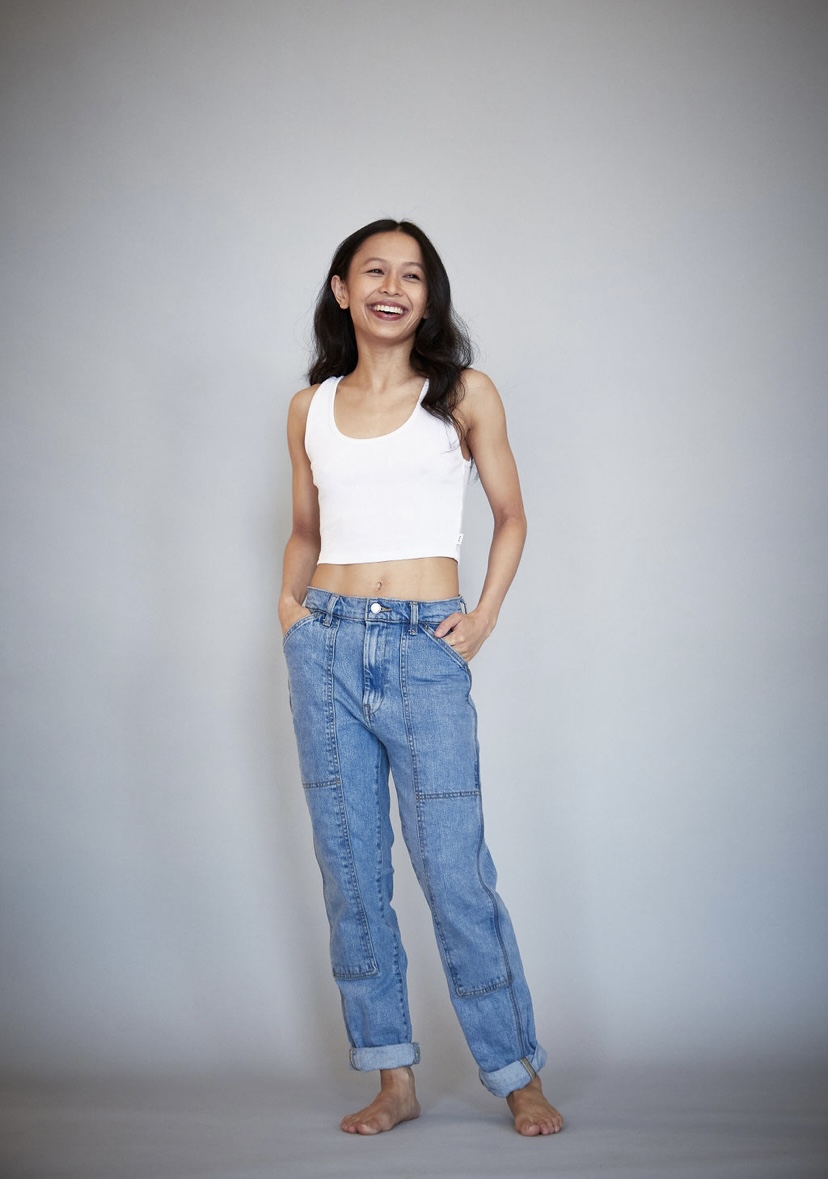
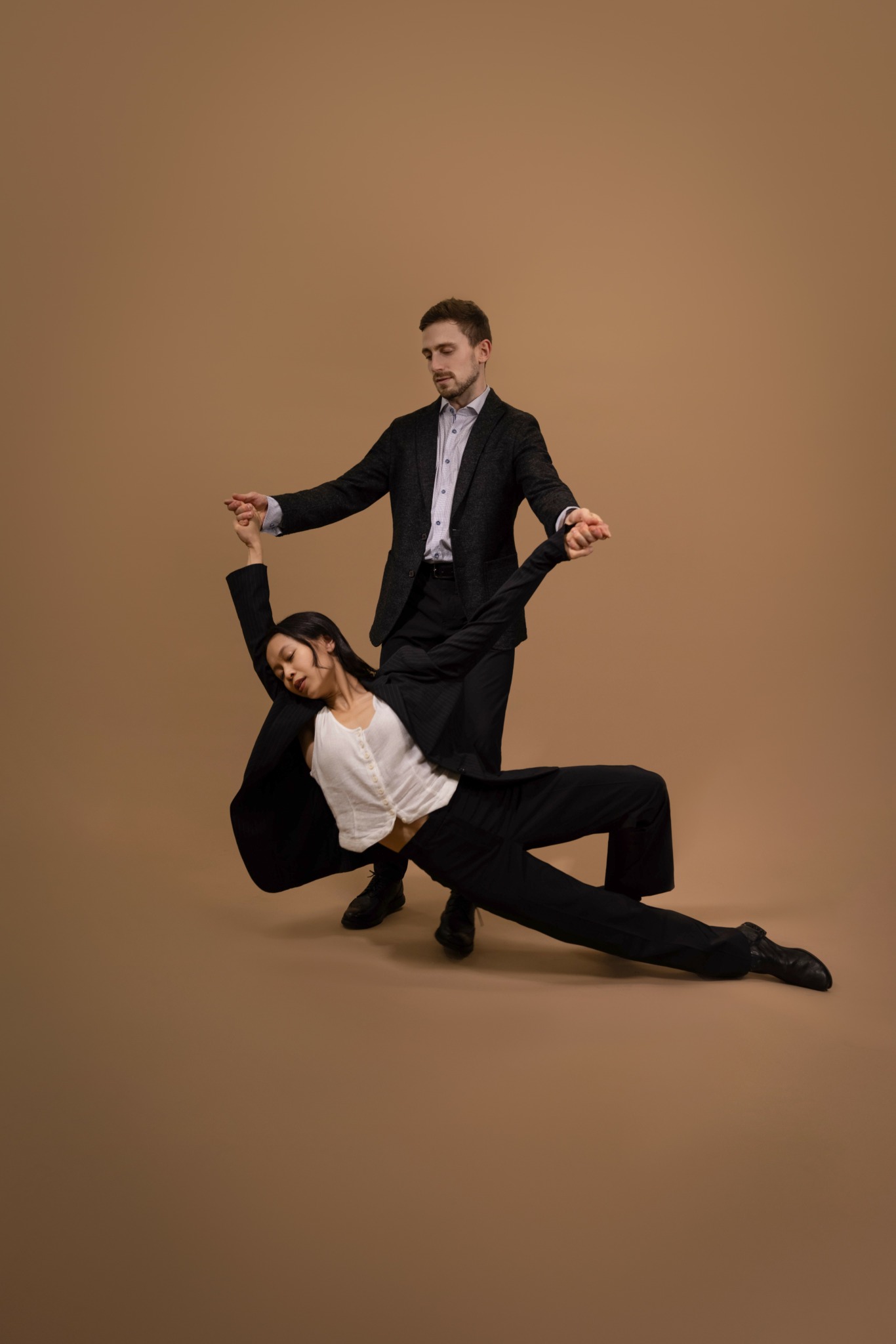
Image Credits
Outdoor Images (2): Kelly Puleio
Black and White (2): Theik Smith
Tan Background (3): Jennifer Katzman
Grey/White Background (2): Mariah Gravelin