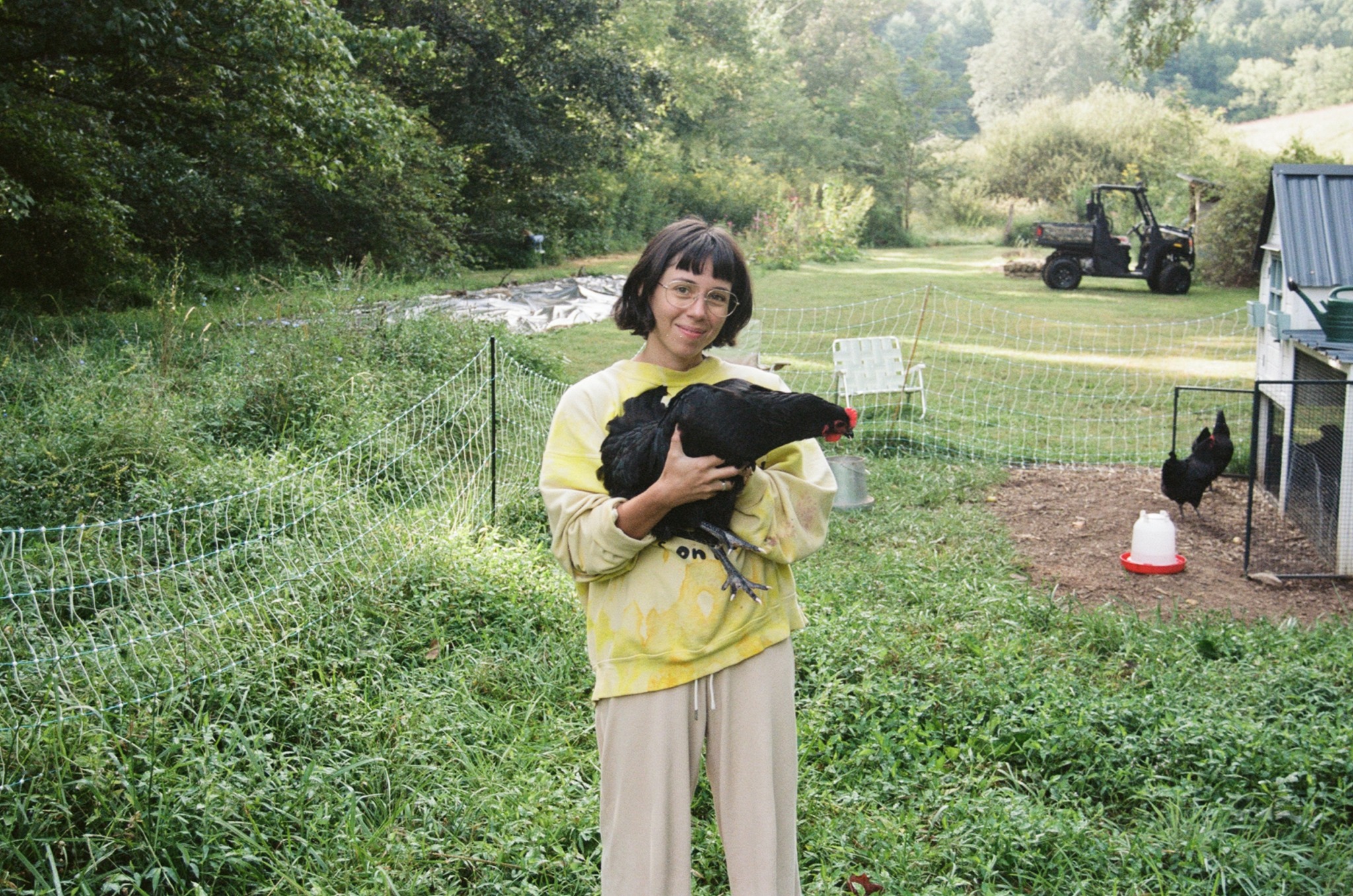

We caught up with the brilliant and insightful Forrest Uden a few weeks ago and have shared our conversation below.
Alright, Forrest thanks for taking the time to share your stories and insights with us today. Coming up with the idea is so exciting, but then comes the hard part – executing. Too often the media ignores the execution part and goes from idea to success, skipping over the nitty, gritty details of executing in the early days. We think that’s a disservice both to the entrepreneurs who built something amazing as well as the public who isn’t getting a realistic picture of what it takes to succeed. So, we’d really appreciate if you could open up about your execution story – how did you go from idea to execution?
It’s hard to say when the idea for a farm really started. There were notes and shades of it in my life that took root in high school. I started a community garden through the sustainability club, volunteered on nearby homesteads, studied permaculture in undergrad, and years later, met my husband on a farm. Not all dreams and plans need to be seeds that we’ve been watering for an extended time, but I find it interesting how we can trace the things that matter to us.
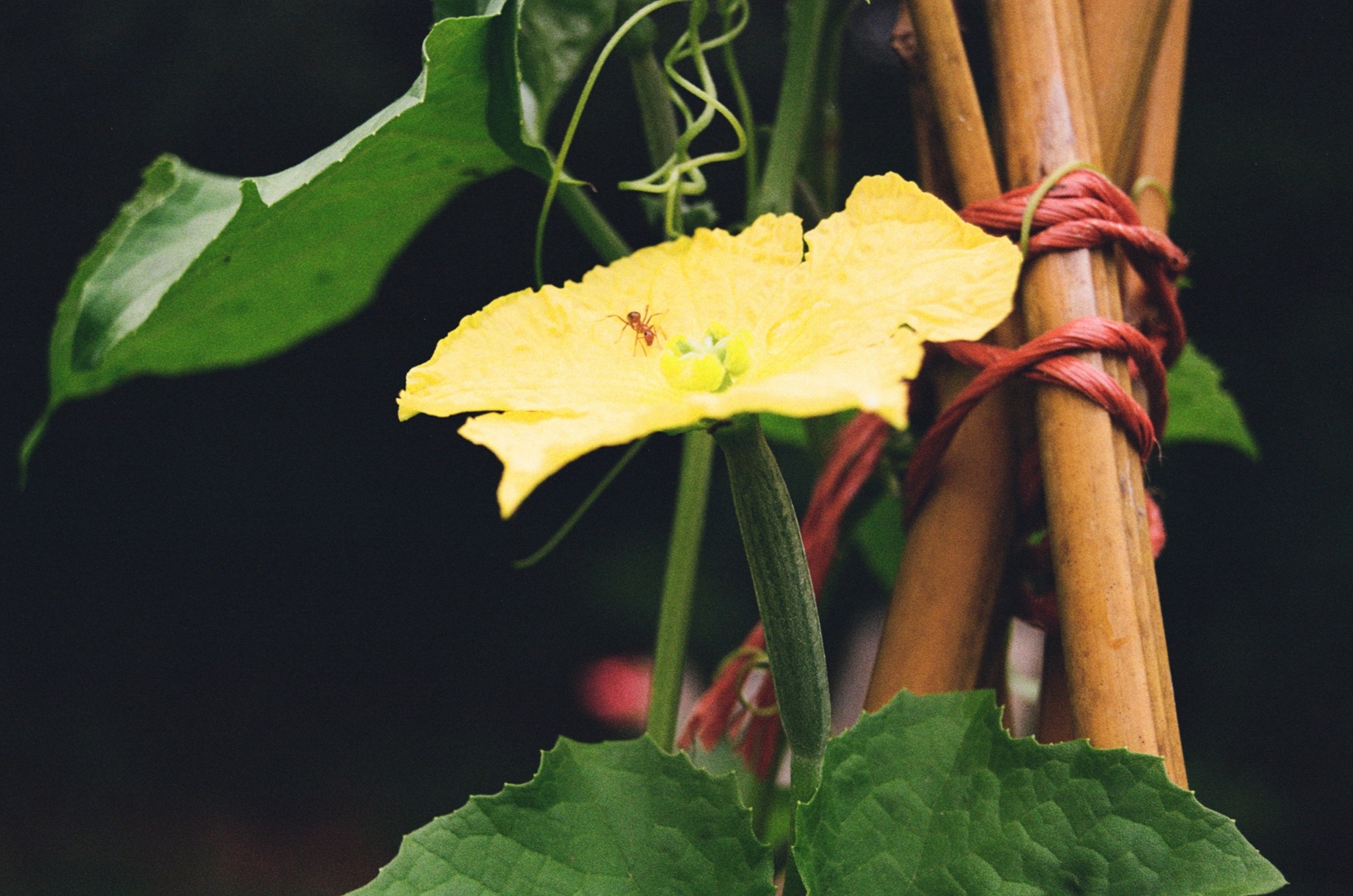
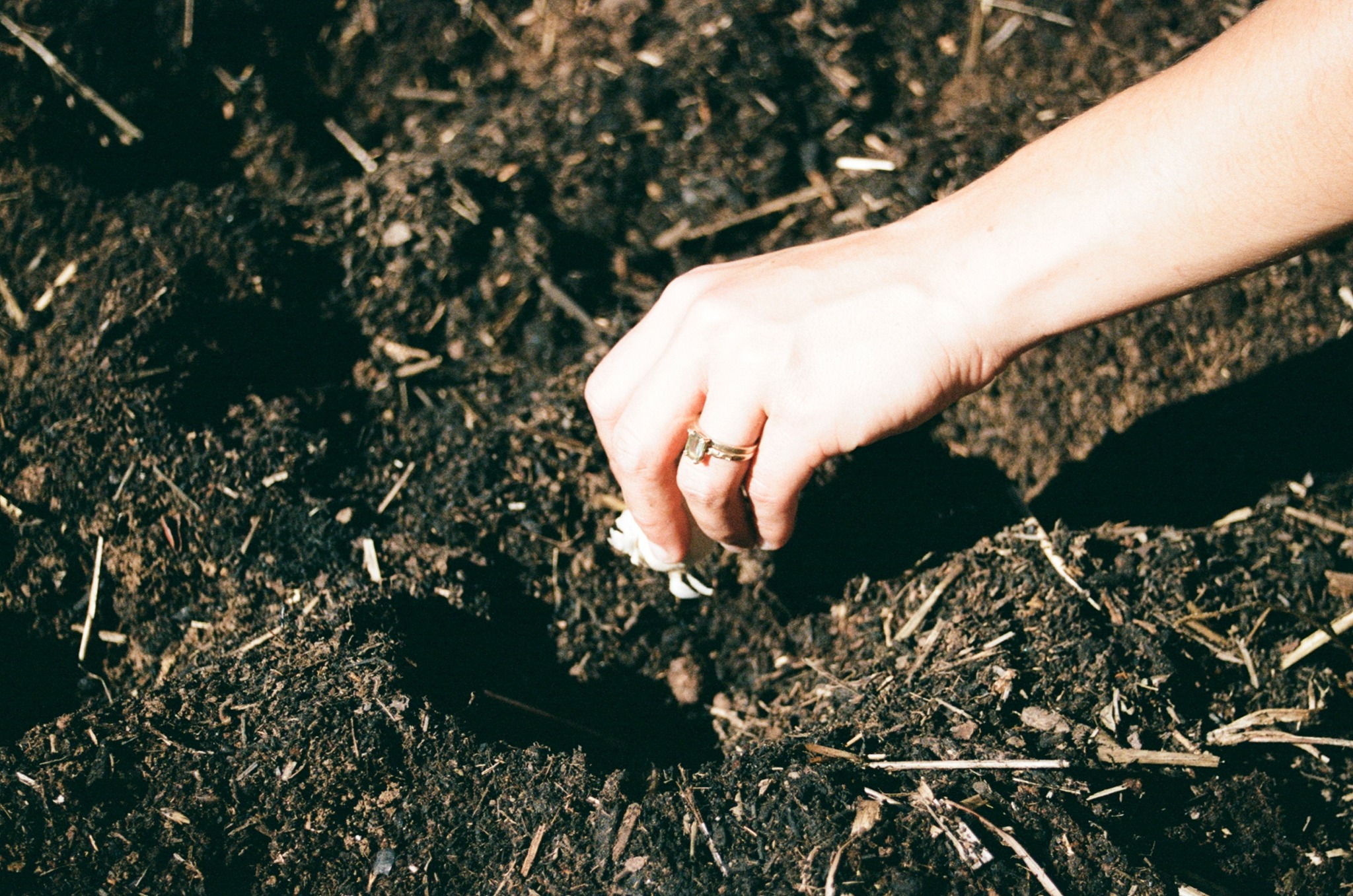
I’m still in the process of building the business. Building a farm is heavily reliant upon infrastructure – garden beds, reliable water, proper food storage, a means to extend the seasons. There’s also a very steep learning curve that comes only from getting one’s hands in the soil. Regardless of one’s experience with gardening and growing food, each climate, each parcel of land offers its own unique challenges. It takes time to learn where the sun sits at different points in the year, how water flows through the ground.
There are a good deal of startup costs involved too. I still work full time in my corporate job as an analytics engineer, and I’ve approached the farm with patience. I’d rather take longer to build something that feels sustainable than dive head first into it and potentially burnout in the first few years or fully deplete my savings. We also use my husband’s income from dry stone walling to cover farm costs. Each person’s approach is their own, and despite all the great advice out there, it has to feel sustainable to you. Three years into building the farm, we’ve finally had our first sales. It’s not enough to fully fund the business yet, but we can get there in time.
We track when we plant what plants and how much and how much gets harvested and when, and we count how many eggs my chickens lay each day, and we track all expenses and income. That’s helped us get clear on what’s working, where money is flowing, and what investments are worth our time. It’s why we expanded our chick flock this year, so we can lean into more consistent egg production.
Our customer base has been mostly friends, and I think building community or a customer base is an underrated piece of building a business. We’ve leaned on local business classes, non profits that help local farmers, and all the free resources that are remarkably available to new business owners. Take in all that you can, learn what you don’t know, and lean on others that have done what you hope to do is my best advice.

Forrest , love having you share your insights with us. Before we ask you more questions, maybe you can take a moment to introduce yourself to our readers who might have missed our earlier conversations?
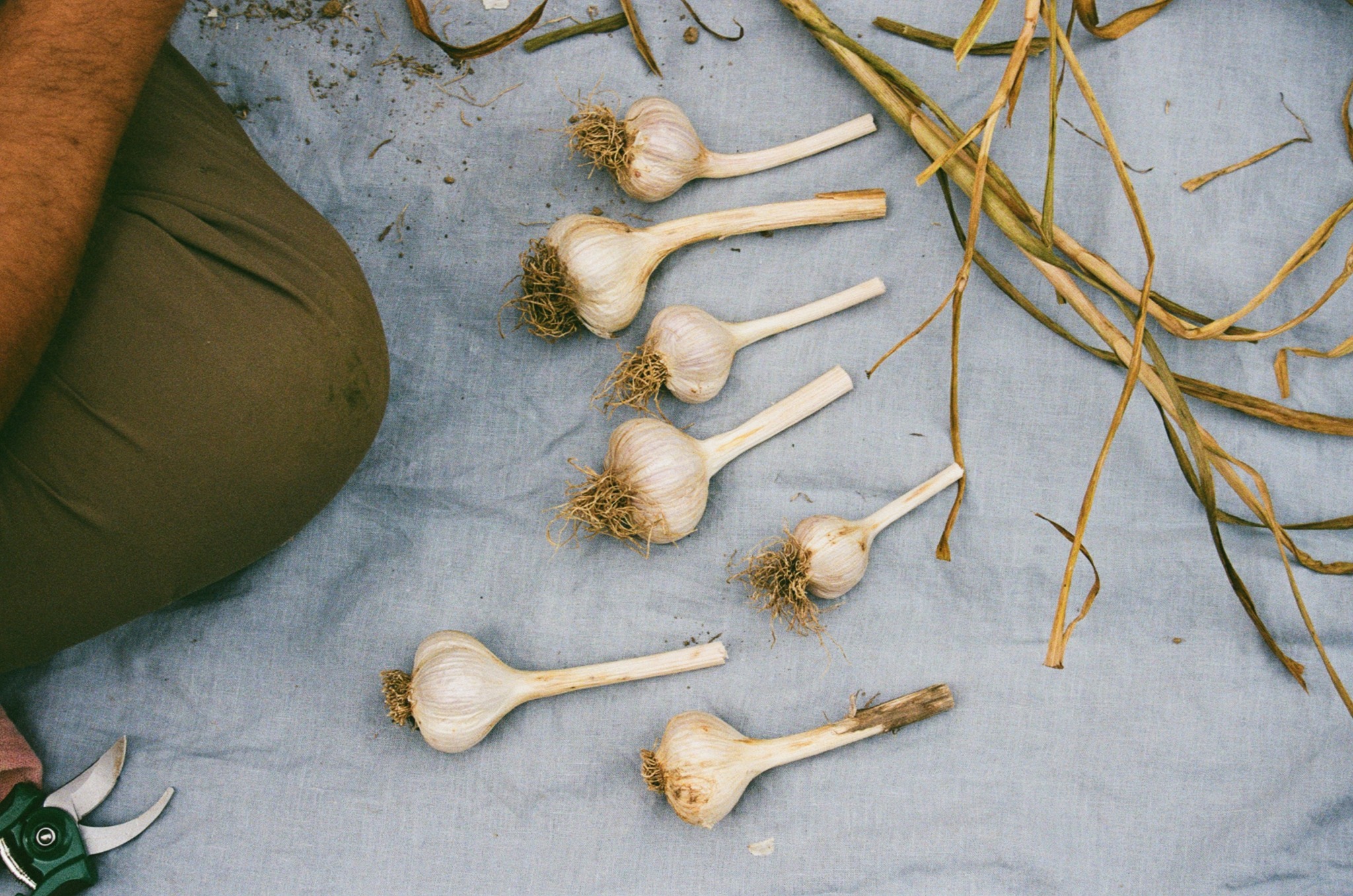
I started a small farm business with my husband that’s based on our 11 acres. We started without infrastructure – no running water, power, etc. The land was pastured and used for raising cattle in the past. We’ve come a long way in the three years here. Now, we sell eggs, vegetables (mostly garlic at this point), and hope to offer classes, start a small film festival here, offer artist residencies, and also offer dry stone walling services.
We rooted our business in what we value – organic food, regenerative systems, sustainability, our love of the arts and film, and our commitment to preserving a heritage craft (dry stone walling). We’re very focused at this point – garlic, eggs, dry stone walling, and I think honing in on what we do well and offering a quality product to customers has helped us stand out so far.
If you visit our land, you’ll see dry stone structures, and they stand out not only in their beauty and function but in the fact that they will outlast us. We’re building something similar in the systems we set up and food we grow. We have plans to build a land trust and ensure that a portion of our land will be protected and conserved. While our eggs and our produce may not be all that unique in our area, providing a competitive price and supplying our intimate community with food has proven to be a reliable trade.
Dry stone walling is a dying craft, and my husband has devoted over a decade of his life to this art. He’s studied throughout the country and in England to train his skill, acquire international accreditation, and showcase to his clients that his ability is rooted in a deep commitment to his craft. I think the deeper you can grow roots into what you’re doing, what you love, the stronger it becomes and the more it can extend out and find those wanting what you have to offer.
Outside of this, I’m a writer and photographer and document some of our progress in my Substack – Nascent Focus. Life is short, and I have no interest in trying to cram myself into only one box.
Can you talk to us about how you funded your business?
We’ve mostly been self funded which means we’ve been lucky to have a significant savings and have watched it quickly shrink. Still, I am a firm believer in being smart with the money you have – this has meant that we’ve kept our savings in a high yield savings account so it can grow interest as it sits there, it means we’ve made decisions more slowly so we feel confident in how we’re spending our funds, and it means getting really good at tracking how much we spend and what we spend it on. A lot of the money we’ve made from my husband’s dry stone walling work (which is a branch of our business) has gone back into funding our business. Right now, we’re not seeing a lot of profit, but we’re at least able to infuse our business with capital to build out its foundations without going into debt or looking into loans. There are small grants available to farmers, but it largely requires some form of income, so we’re working toward taking advantage of those opportunities. I’ve been surprised how many opportunities and options there are, and it’s just been a matter of assessing what we need in the moment, understanding how we need to grow, and gauging our comfortability with how we want to manage our finances.

We’d love to hear a story of resilience from your journey.
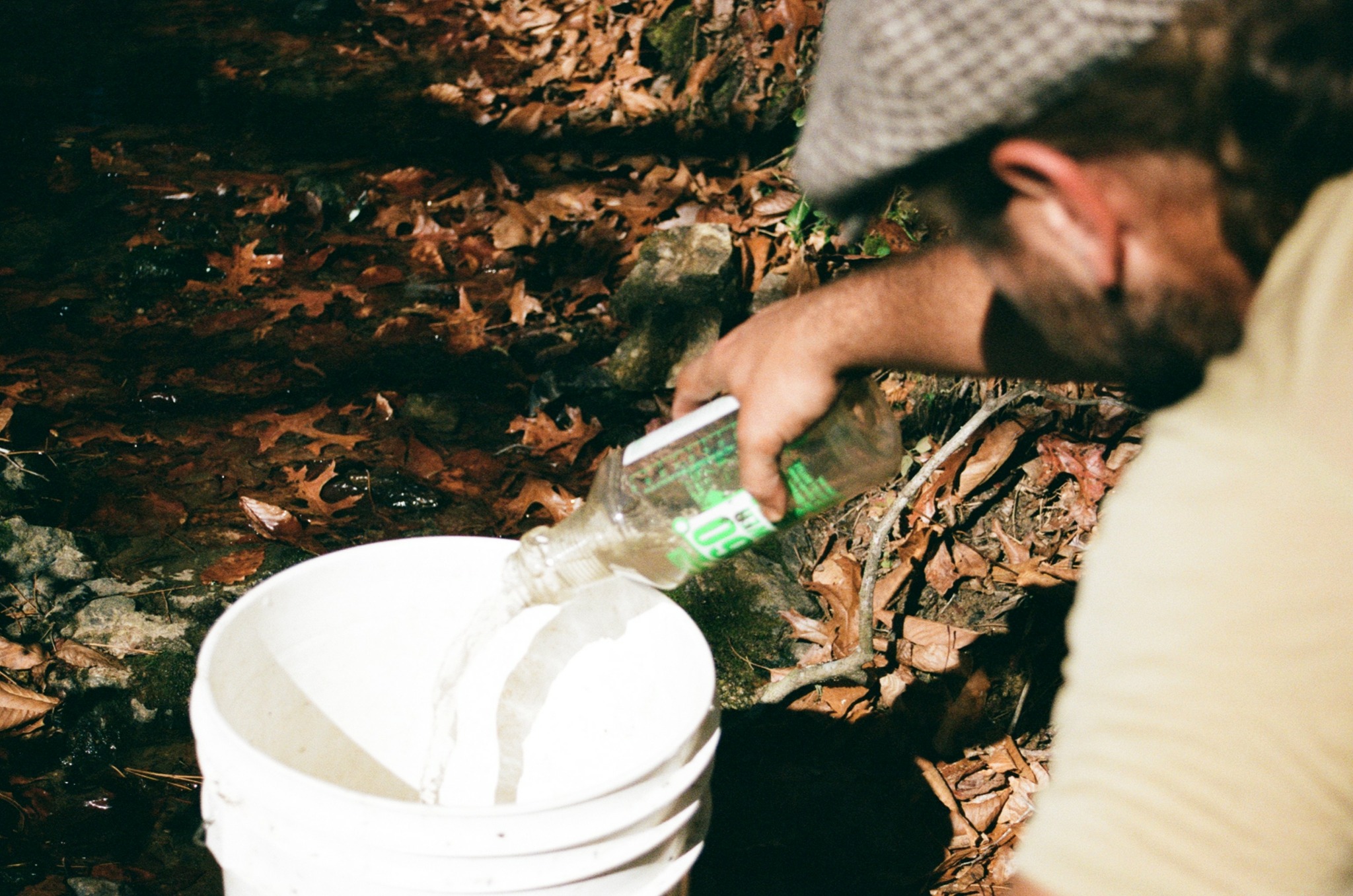
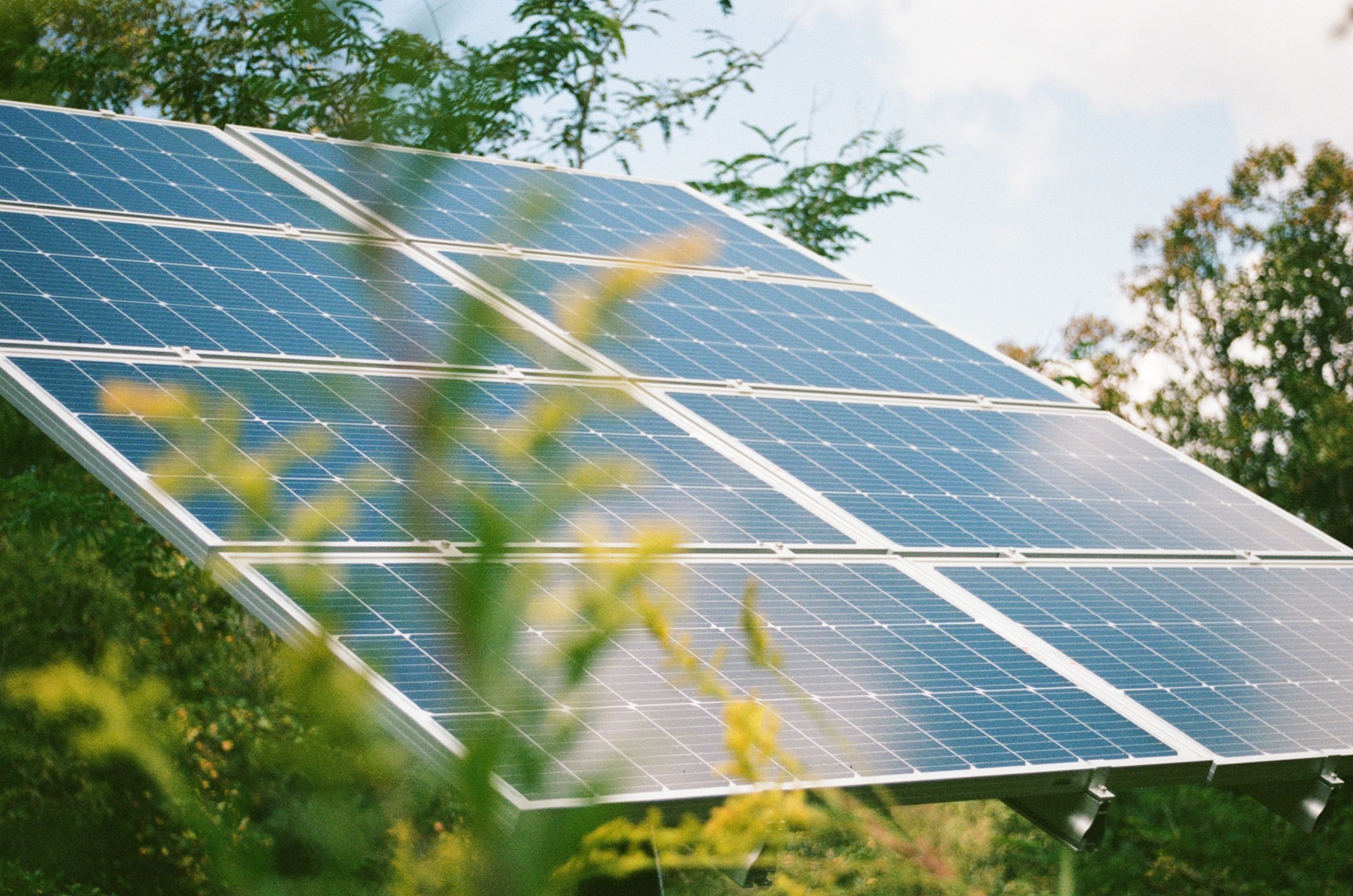
Building a farm from nothing is a lesson in resilience. We had to manage crops without running water, we had to navigate the aftermath of a catastrophic hurricane, and as a farmer, you are always confronted with the unpredictable conditions of climate change. If you want to be resilient in your business, I think you need to build resilient systems. For us, that application is more literal. It means growing food that’s more drought tolerant. It meant building a solar powered well, so we could access water without power. It’s meant having a compost toilet, growing our own compost, making our own fertilizer with weeds and grass clippings, and the list goes on. It’s not a perfect system, but if you pay attention to weak points, you can learn how to strength them.
Contact Info: