

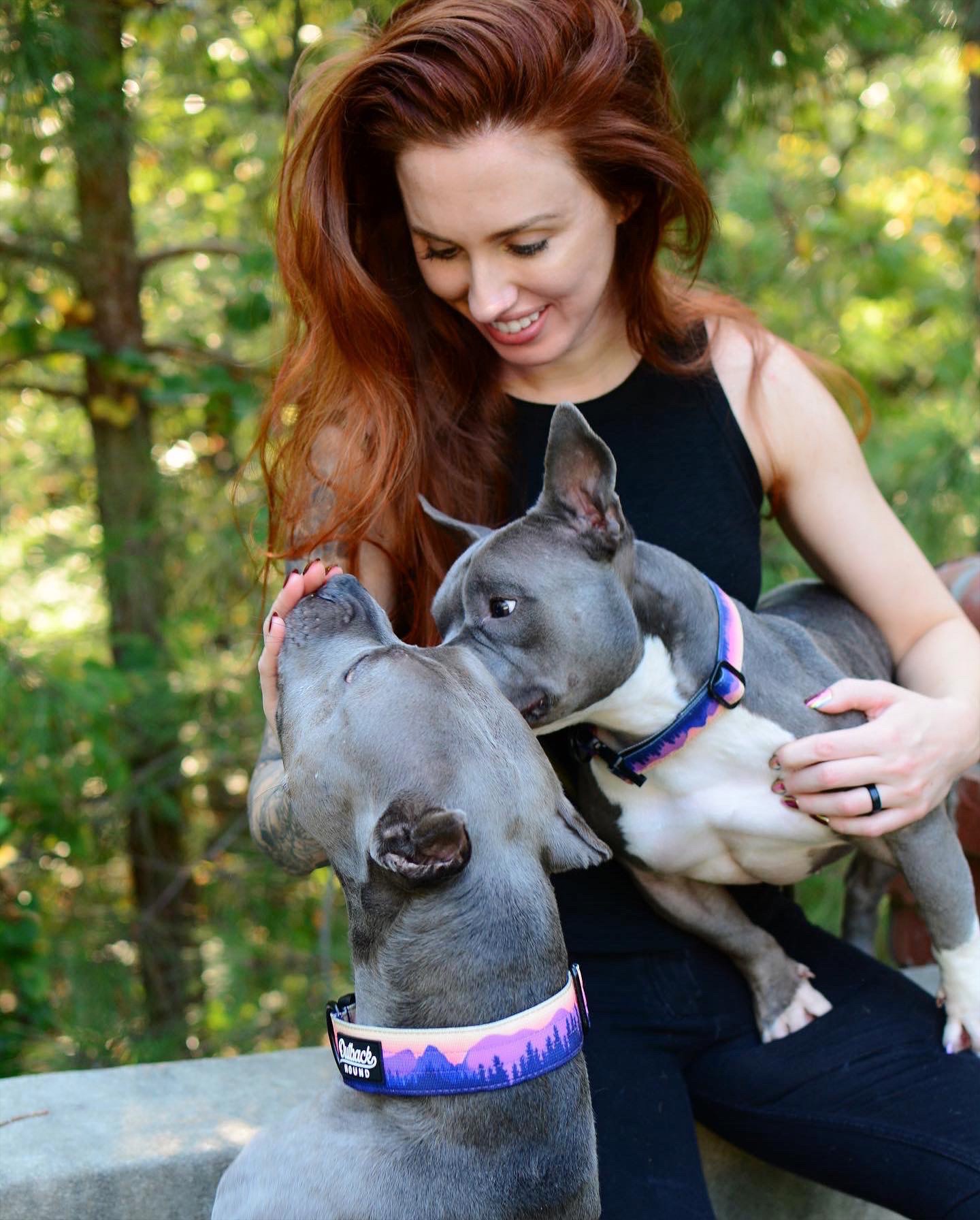

We recently connected with Fontana Palmer and have shared our conversation below.
Alright, Fontana thanks for taking the time to share your stories and insights with us today. Let’s start with the story of your mission. What should we know?
I adopted my first pit bull, and the first dog I ever owned by myself, in February 2011 while attending college outside of Denver, CO. This was during the 30-year pit bull ban that was just recently overturned in 2020. At the time, shelters were transporting pit bulls out of the city & state as fast as they could, and vets were giving written letters to anyone who owned a dog that could be passed off as another (unbanned) breed. I adopted my dog Ammo after he was returned 3 times for being “too much dog” and “untrainable”. He was a handsome devil, he still is at 13 years young, and that’s a helpful trait when you’re a fairly out of control dog. Ammo’s originally name was Chalice, and he was confiscated at a year old from a suspected dog fighting property. He never showed any human aggression, just an intense level of excitement. Because he was friendly, the shelter’s veterinary had signed off on his breed being a Catahoula Leopard Dog mix. I carried that paper everywhere with me for the 3 years we lived in Denver, because (later proved by a breed test) Ammo didn’t have a drop of Catahoula blood in him, and anyone who saw him knew it. Ammo is still to this day the most challenging dog I’ve ever had, but he also sparked my love of the breed.
Fontana, love having you share your insights with us. Before we ask you more questions, maybe you can take a moment to introduce yourself to our readers who might have missed our earlier conversations?
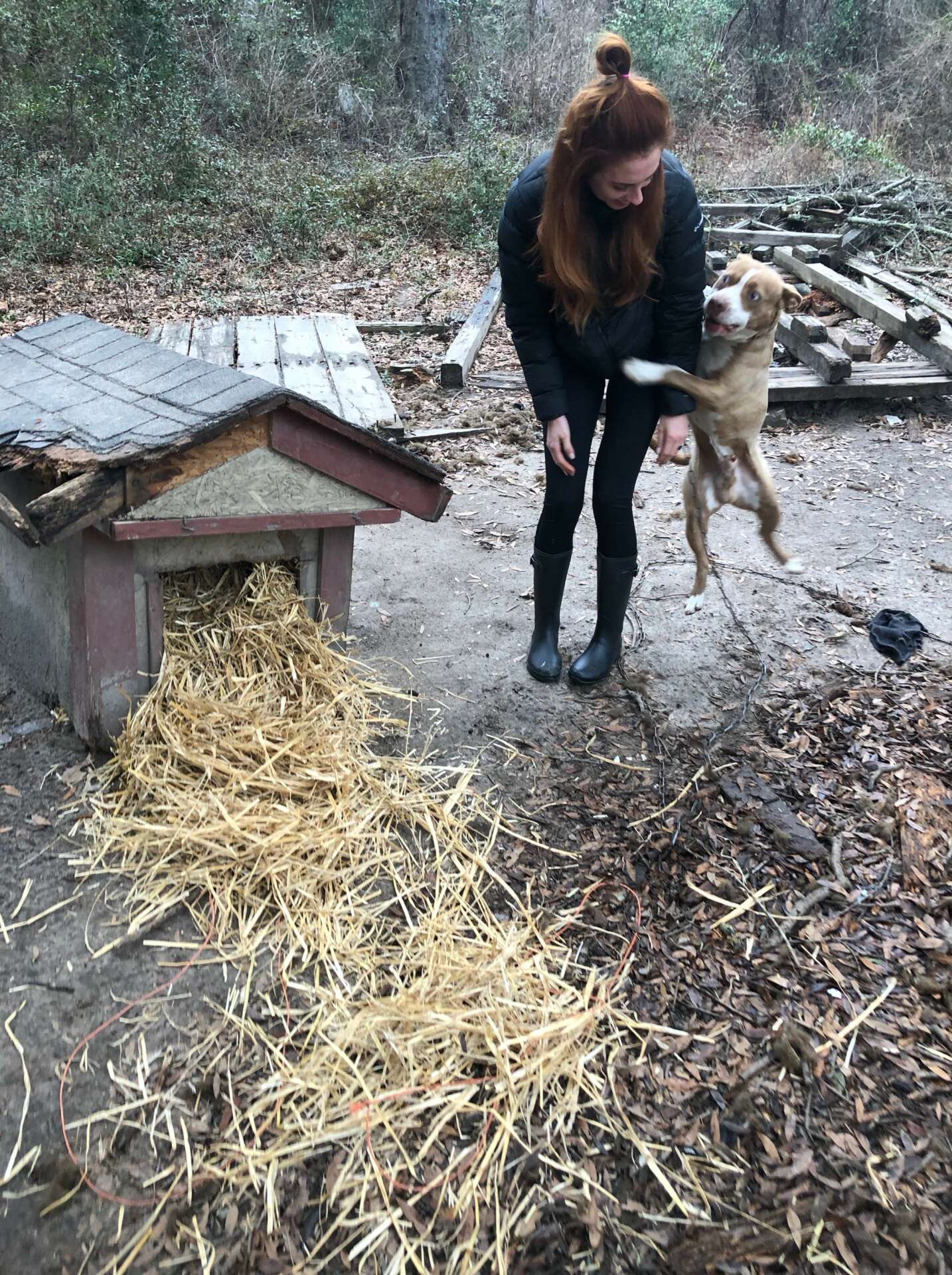
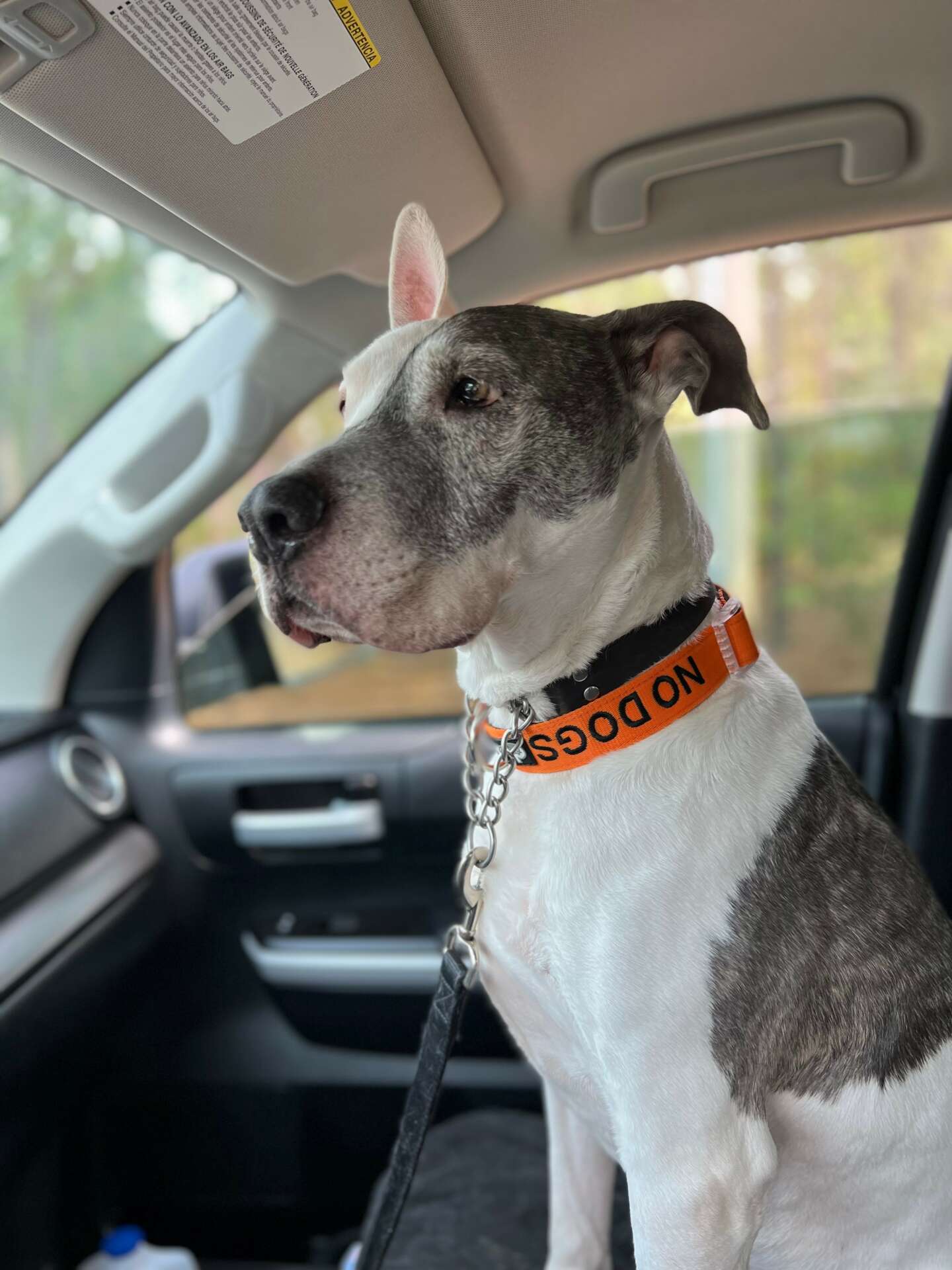
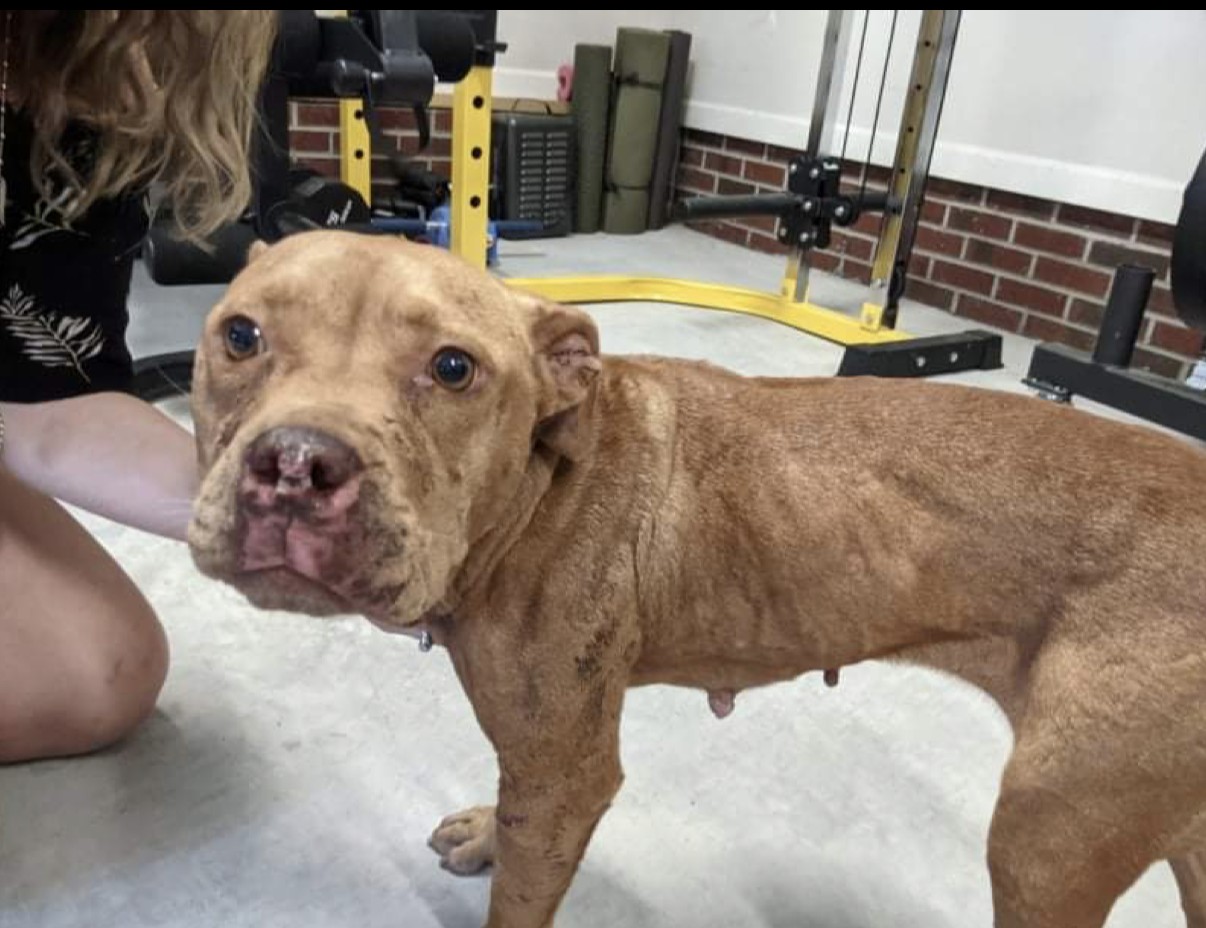
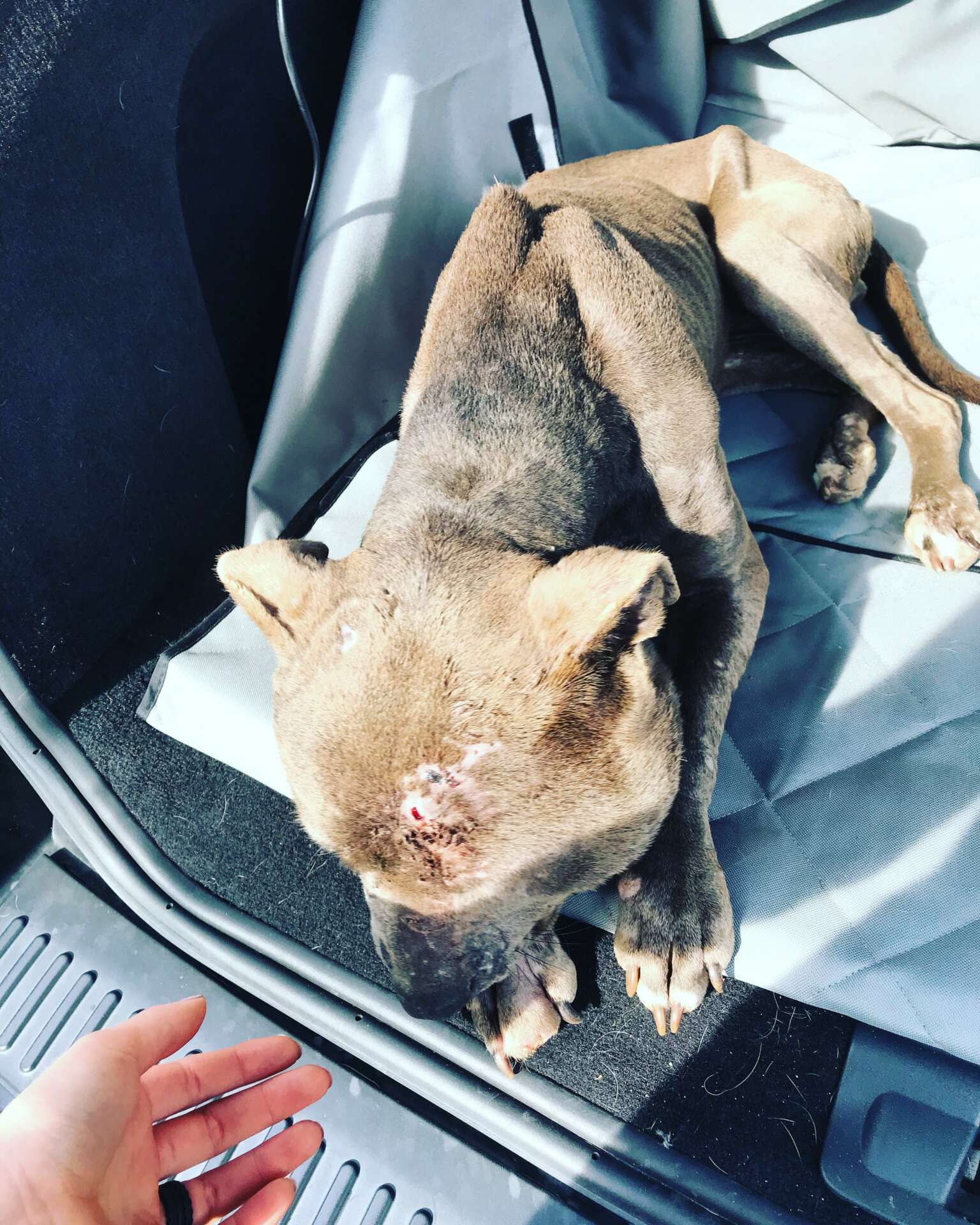
In 2016 I was Active Duty in the US Air Force, living in Georgia with my husband, and our 2 dogs. We had just bought our house in Macon, GA and after about the 4th stray dog we found and vetted, we realized we couldn’t keep funding this “habit” I had developed of picking up dogs. I also recognized that I couldn’t save every dog, but there was vital resources missing from my community. In Georgia, and in North Carolina where we are stationed now, it is legal to keep your dog tethered outside as long as they have access to adequate shelter, food and clean water. I can confidently say that those requirements are loosely written at best, and the resources to enforce those minimalistic animal cruelty laws were severely lacking. I limited most of my intake during the first year or so to dogs in immediate danger (gravely injured and/or in severe weather and extremely emaciated). I direct a lot of effort in the winter months to distributing straw, more adequate shelter, vaccines and food. I also distribute food, beds and supplies to veterans who need assistance with their animals. In terms of volume, we don’t have a lot of dogs compared to most rescues. The vast majority of dogs we take are pit bulls and a high percentage of that have medical or behavioral issues that need time and funding to address. Pit bulls are not only a misunderstood breed with a negative reputation, but they are powerful and like any powerful animal have the ability to do harm. I take their rehabilitation and preparing them for a forever home very seriously, and feel I have an obligation to adopt out dogs that are the most positive representation of their breed.
How about pivoting – can you share the story of a time you’ve had to pivot?
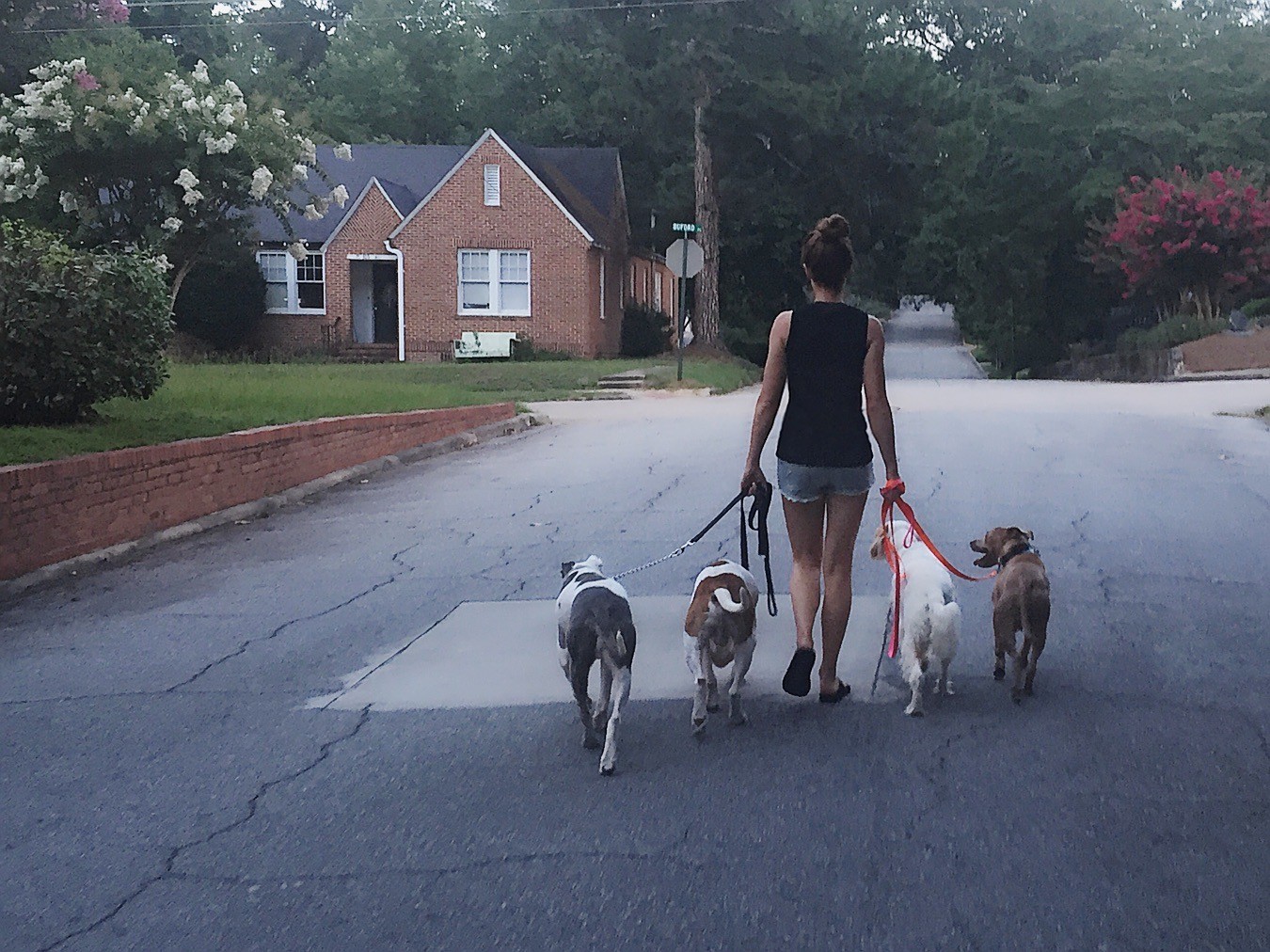
In 2019, I had a choice to make. My husband was being moved to Ft. Bragg in North Carolina, and I was still active duty Air Force with no openings for my job at or near Ft. Bragg. The other issue? We had 8 pit bulls. No landlord, myself included, would rent to someone sight unseen with 8 dogs, let alone large powerful ones. So, we knew we could never rent again if I was going to continue to rescue, and I also came to the realization it would be very unlikely that for the next 14 years of my career I would be PCS’d to places where we could buy a homestead that was conducive to rescue. Well, I picked the dogs. I transferred to the Air Force Reserves where I wouldn’t be moved, and eventually obtained a fully remote position within the Air Force so I could reasonably balance my career and my passion. All of the dog’s who aren’t in foster homes reside with us in our home with no danger of having to be displaced.
Do you have any insights you can share related to maintaining high team morale?
Because our rescue is foster-based; it’s extremely important to take care of the fosters that take care of our dogs. We don’t have a facility/kennel because I don’t believe you can get an accurate of a dog’s true personality or habits (i.e. dog/cat/kid friendly, crate trained, potty trained, leash manners, obedience and any potential issues that need extra training or time to remedy). I supply all of the supplies needed for our fosters including kennels, food, bowls, leash, collar, toys, beds etc. I also personally introduce each new dog to the foster home, and point out any potential issues or give extra supplies as needed. I’m always available or any questions or emergencies, and check in with my fosters on a regular basis. Not everyone will reach out if they’re becoming overwhelmed, so it’s important to keep that line of communication open. Setting a foster up for success not only improves the experience for the dog, but it increases foster loyalty. A lot of rescues need fosters, but we’ve built a reputation for being flexible, supportive, open and honest about any known issues a dog has before they get to a home. The trust factor is invaluable in any successful operation, and it’s vital to our mission of saving as many animals as we can.
Contact Info:
- Instagram: https://www.instagram.com/rogueactivedutyanimalrescue/
- Facebook: https://www.facebook.com/rogueactivedutyanimalrescue
- Other: https://linktr.ee/rogueactivedutyanimalrescue?fbclid=PAAaaOepeMr7W2xu5GYPNs7zceTN9pnZPKzDy5kWPLkLyndiBWTaZGAxjGT1Y