

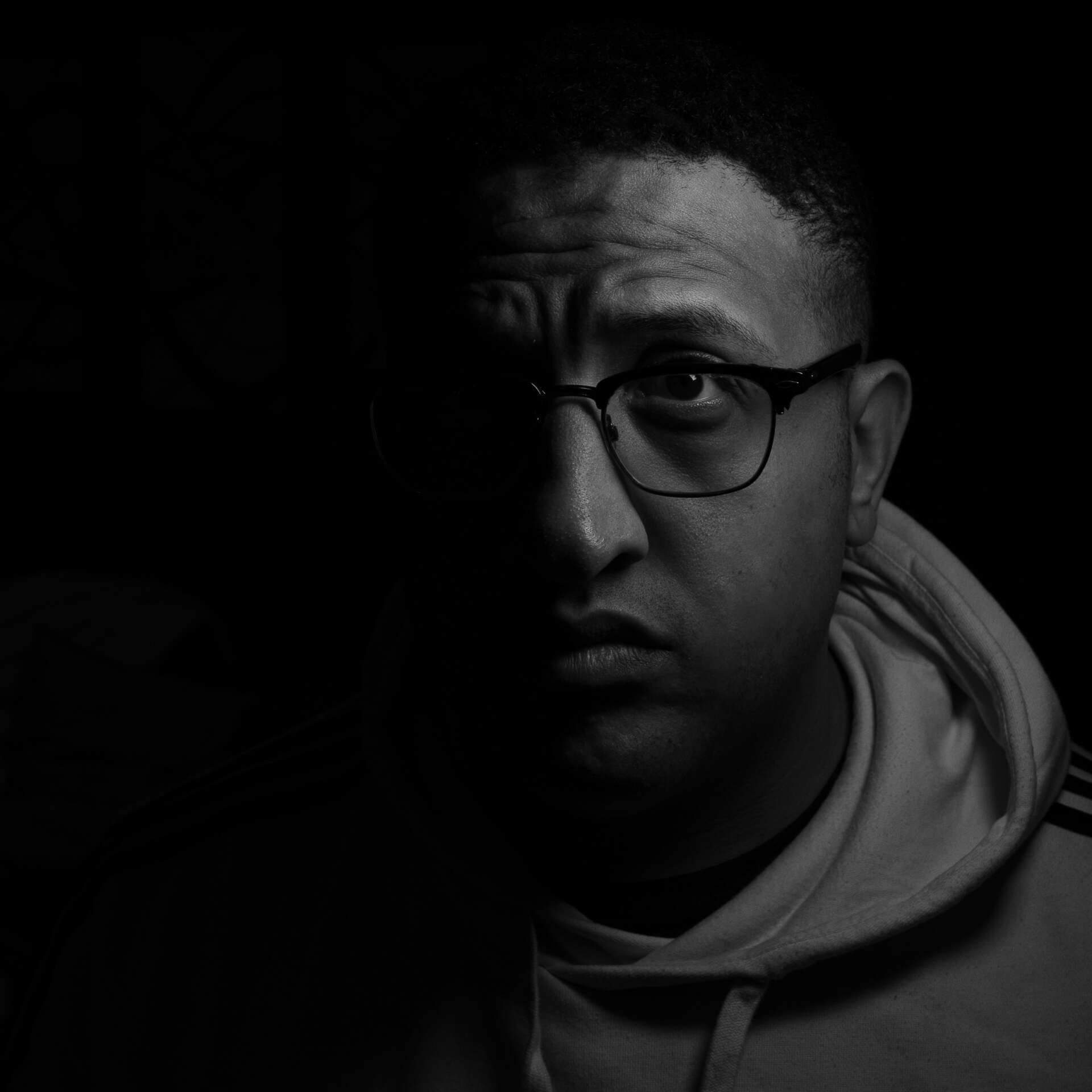

We recently connected with Floice Kemp and have shared our conversation below.
Floice, thanks for joining us, excited to have you contributing your stories and insights. How did you learn to do what you do? Knowing what you know now, what could you have done to speed up your learning process? What skills do you think were most essential? What obstacles stood in the way of learning more?
So how did I get here? Tons of YouTube. Next question. Really the process of learning your craft can be daunting when you already think you’re the best. The learning process never ends, and here’s how I would recommend conquering it if I could do it again:
1) Find a way to practice your craft every day. Some creative styles are obviously more difficult to practice daily than others, then you need to find a way to practice it as often as possible.
2) Absorb as much content as possible and apply it. When I started, I knew little nothing about dynamic symmetry, color theory and the inverse square law. Now I begin to talk about photography and people look at me weird. That’s when you know you’re on the right track.
3) Define your own style. Being part of an artform, what do you contribute, and are you comfortable defending your weird take on ‘art’?
4) Find a mentor. Heads up, this process means you are going to put in extra hours (probably for free) or being a glorified assistant, but the knowledge you will gain from a mentor is worth every second.
6) Get comfortable with charging your service. Whatever your service is, there comes a point where you must start charging. If not, then your gas tank is empty practicing an expensive hobby. Rehearse talking about your rate because the first time you meet resistance it’s going to take all your energy not to go belly up and provide free services.
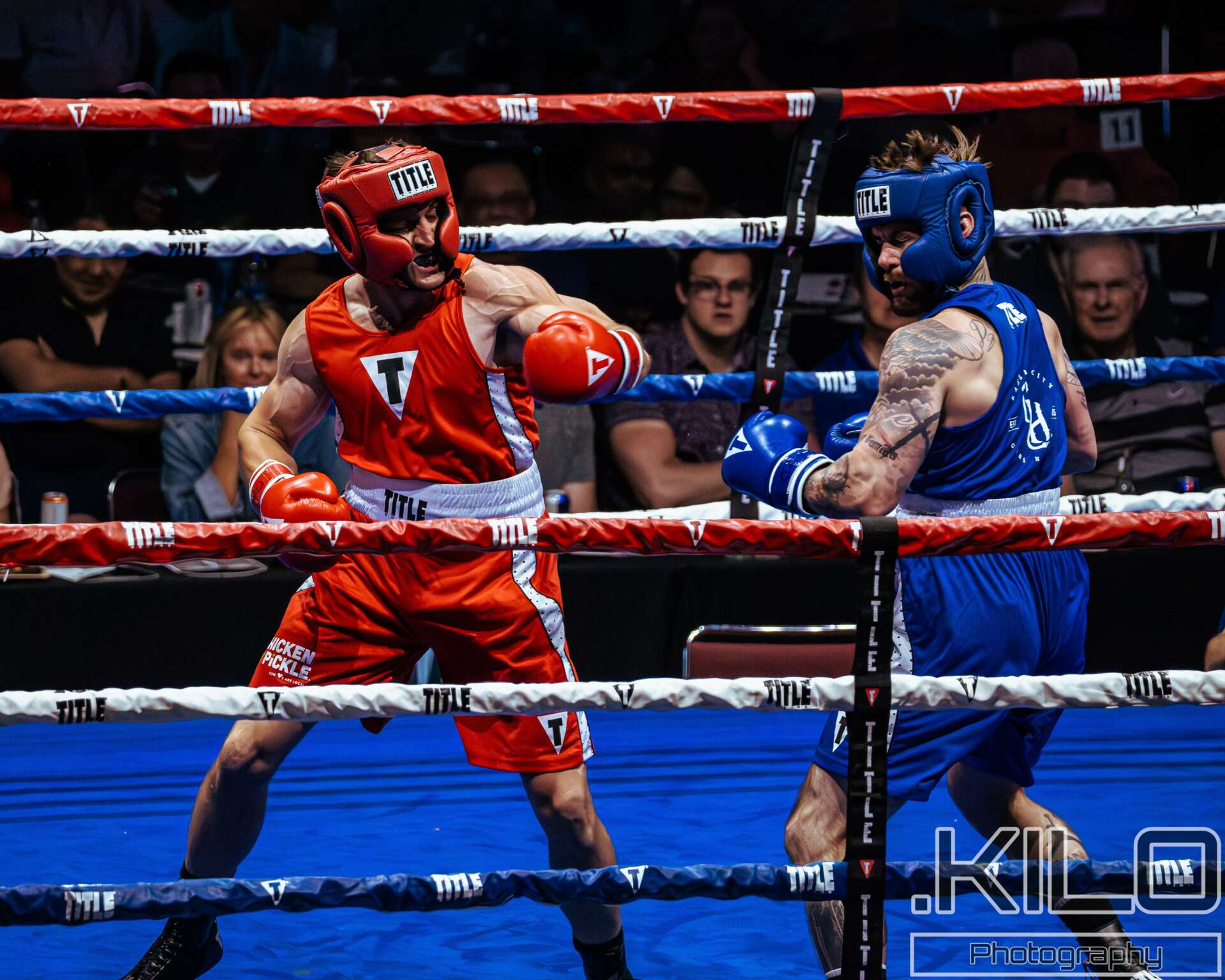
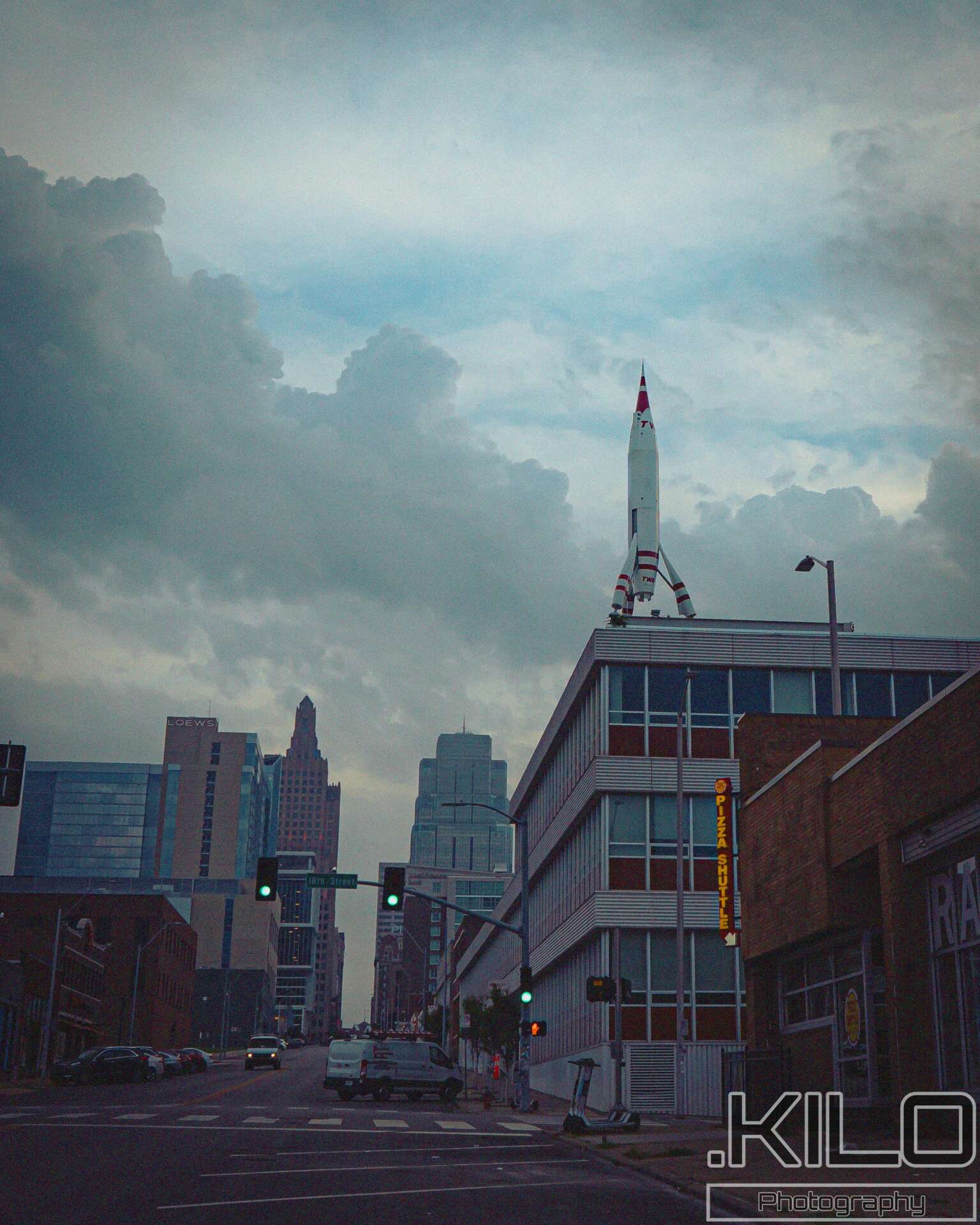
Great, appreciate you sharing that with us. Before we ask you to share more of your insights, can you take a moment to introduce yourself and how you got to where you are today to our readers.
I’ve definitely taken the long way with my photography journey. There was a period in my life where I told myself to stop taking photos so I could truly “live in the moment” instead of reaching for my camera phone. Yes, I know I am a fool. Then a boss of mine “voluntold” me to manage a public affairs program. What do I know about public affairs? Nothing, but with a five-thousand-dollar kit, I was enabled to figure it out. What resulted was a year of content creating and storytelling on a level that no one expected. When I passed the torch to the next willing participant, I felt a growing void in my life. I needed to get behind a camera again. I scraped the money together to buy a Sony A7 III from a friend of mine and hit the ground running.
Now what? Am I a professional photographer just because I have an expensive camera? No. Were people lining up to take photos with the kid? No. Jumping into a saturated market, how do you find a way to set yourself apart? I regret to inform you that its long nights, free services and even paying to get into events. With no brand recognition and starting from the ground up, you are going to have plenty of humbling moments.

How about pivoting – can you share the story of a time you’ve had to pivot?
This is more of a broad response, but I think the message is important.
Burnout is real and it will tank more than your business. Outside of owning my own photography company, I still have a regular 9 to 5 and a growing family. Quickly I realized that 24 hours is not enough time to do everything you need to do to be successful. There have been many times where I had to stop and check myself to make sure I didn’t run myself into the ground, and when I started to drown my wife was able to keep me afloat. Here’s a few reality checks:
1) Your physical and mental health is important. You need to plan breaks, or one will be planned for you.
2) Your partner and family will always be there for you, and you need to make sure you are there for them. Make it to football games, birthdays, and outings. Brag about how you’re crushing it professionally.
3) Remember why you are doing this. If going through the grind is no longer fun, maybe you need to take a break and reassess.

Has your business ever had a near-death moment? Would you mind sharing the story?
Most of my revenue comes from single or multi day contracts. A hard lesson learned when I started to do photography professionally: the camera does not come out of the bag until the contract is signed. I picked up a single day contract for a big business that reserved a stadium for an event. Leading up to the event, I attempted to engage with the company’s contracting officer with little to no effect. Getting the run around like “oh they’ll call you back within the hour” or “they sent the contract, check your spam box”. The night before the event, I barely slept. Do I not show up and risk my reputation as a new business or show up and risk not being paid for work completed? Another photographer and I covered the 13-hour event, and we were both waiting for the final contact to come across. Event concluded and we all went our separate ways. I prepared the photos but still did not have a way to deliver it to the client and close out the contract. I attempted to reach out to the customer for multiple days after the event, and on the third day the contracting officer finally picked up. They did threaten me with a cease and desist, but we were finally able to deconflict the issue with the contract. In short, they double booked the photographer and paid the other photographer for the contract. After some more back and forth (and already planning on going above and beyond for the customer) we finally were able to agree on deliverables and payment for the contract.
Lesson learned and I won’t let that happen again.
Contact Info:
- Instagram: https://www.instagram.com/pointkilophotography/
- Facebook: https://www.facebook.com/profile.php?id=100090101756685
- Linkedin: https://www.linkedin.com/in/floice-kemp-2a289b89/
Image Credits
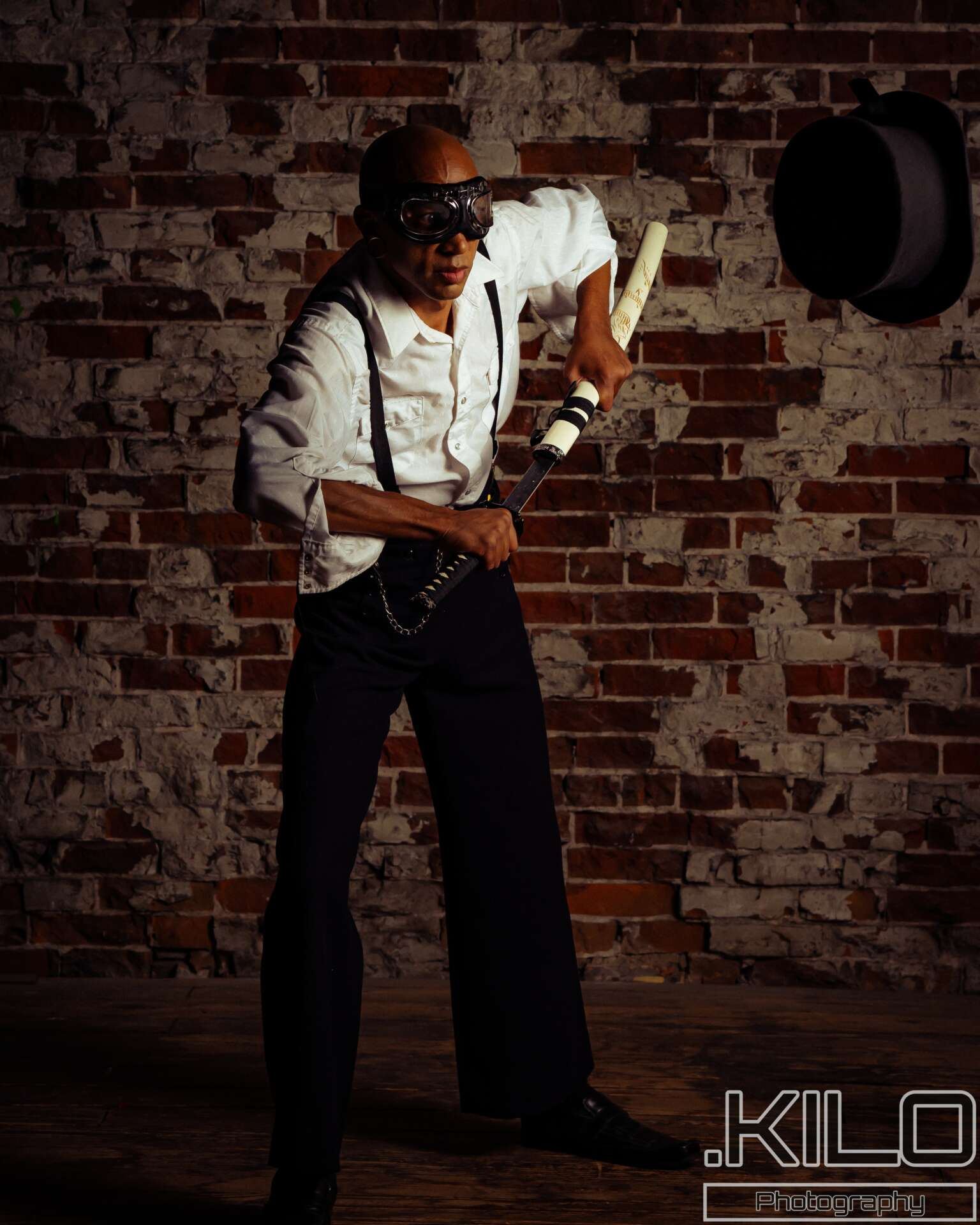
All photos were captured by me: Floice ‘Kilo’ Kemp at Point Kilo Photography, LLC.