



We recently connected with Faustinus Deraet and have shared our conversation below.
Faustinus, looking forward to hearing all of your stories today. When did you first know you wanted to pursue a creative/artistic path professionally?
While working for IBM I realized there was something missing and decided to to go back to school and study photography. A few years later I became a full time photographer. Photography was not only a way to earn some money or a visual medium of expression, it was also about expressing my feelings and learning about my self. People say “A picture is worth thousand words”, to me, it’s also worth a thousand feelings and a thousand memories.
Photography became part of my life.

Faustinus, love having you share your insights with us. Before we ask you more questions, maybe you can take a moment to introduce yourself to our readers who might have missed our earlier conversations?
I consider myself a fine art photographer. I was born in Antwerp, Belgium, grew up in Mexico City, and later moved to Austin. After a few years of doing commercial photography, I began to engage with photography as a form of expression. During that process, I discovered a plastic medium format camera called “HOLGA,” which became my signature. My work has been exhibited in several galleries, included in museums, and I have published two books.
When digital photography emerged, I rejected it for a long time. A few years later, I embraced digital photography and discovered the digital toy camera effect, which reminded me of the HOLGA. Nowadays, my images retain that vignetting style reminiscent of the HOLGA, but without the imperfections or light leaks associated with the plastic toy camera.
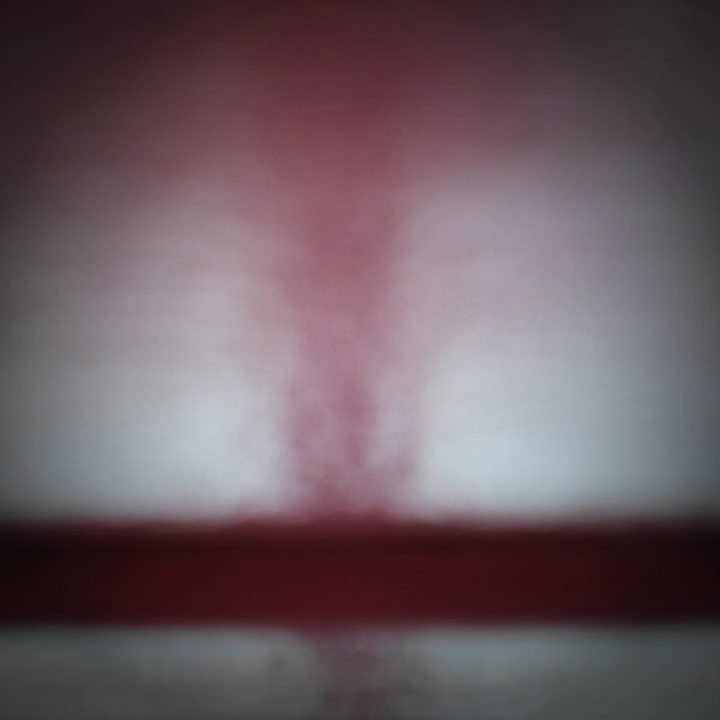
After more than 25 years of photographing, I still feel passionate every time I click the shutter of my camera, and I am thrilled by the outcome. This is particularly evident in my recent body of work, “Psychological Landscapes Photographed,”
Can you share a story from your journey that illustrates your resilience?
My series “Psychological Landscapes Photographed” will be an example.
Every time I see these images, I feel an indescribable sensation. These photos are the result of a difficult period in my life. To cope with it, I sought comfort in my photography. It was almost like therapy—I would talk to myself, pick up the camera, and start searching and creating. The result is what I call a “Psychological Landscape”; it is a visual representation of my mind and emotions, aimed at healing my mood.
Each image carries a sense of nostalgia and timelessness, reminding me of the habits I used to have and the inner solitude I once experienced. This period of struggle has become a new chapter in my career as an artist and as a person. It’s clear to me that photographing and creating art heals.

What’s the most rewarding aspect of being a creative in your experience?
As a photographer, I have the privilege of sharing my vision through my work. It’s an honor to exhibit in galleries, museums, and being part of private collections, as well as to display my art in public spaces.
As a teaching artist, I cherish the opportunity to inspire elementary school students with the seeds of photography. The process of teaching and learning from the next generation of photographers is incredibly rewarding.
Contact Info:
- Website: https://www.faustinusderaet.com
- Instagram: @faustinus
- Facebook: photography by faustinus
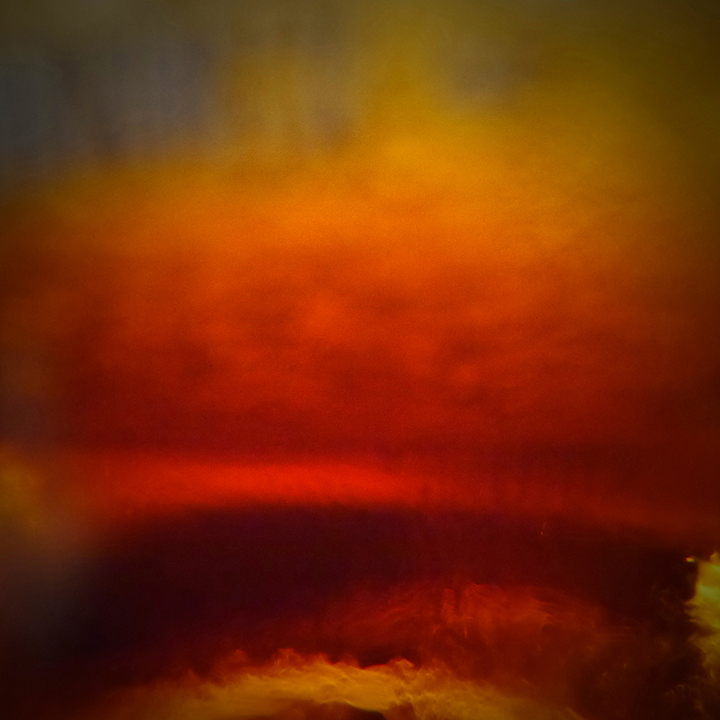

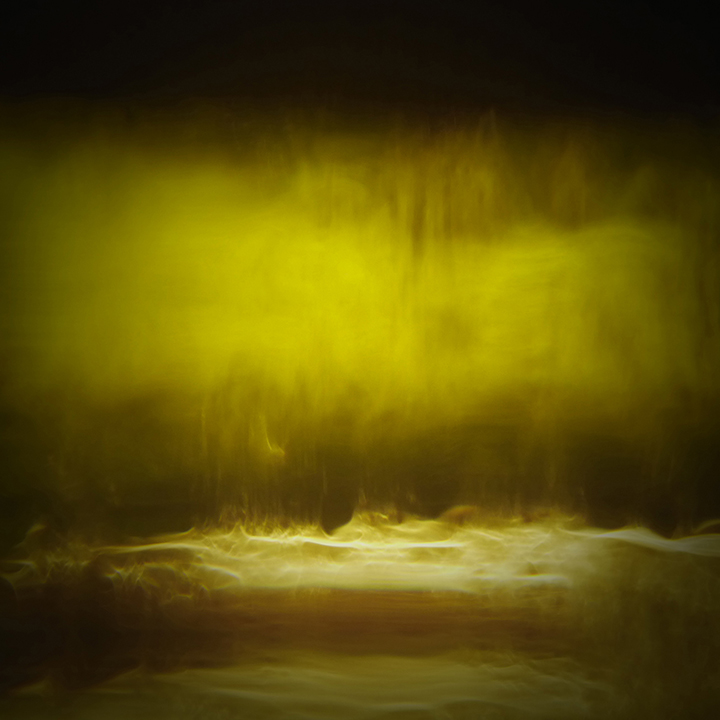
Image Credits
©Faustinus Deraet