



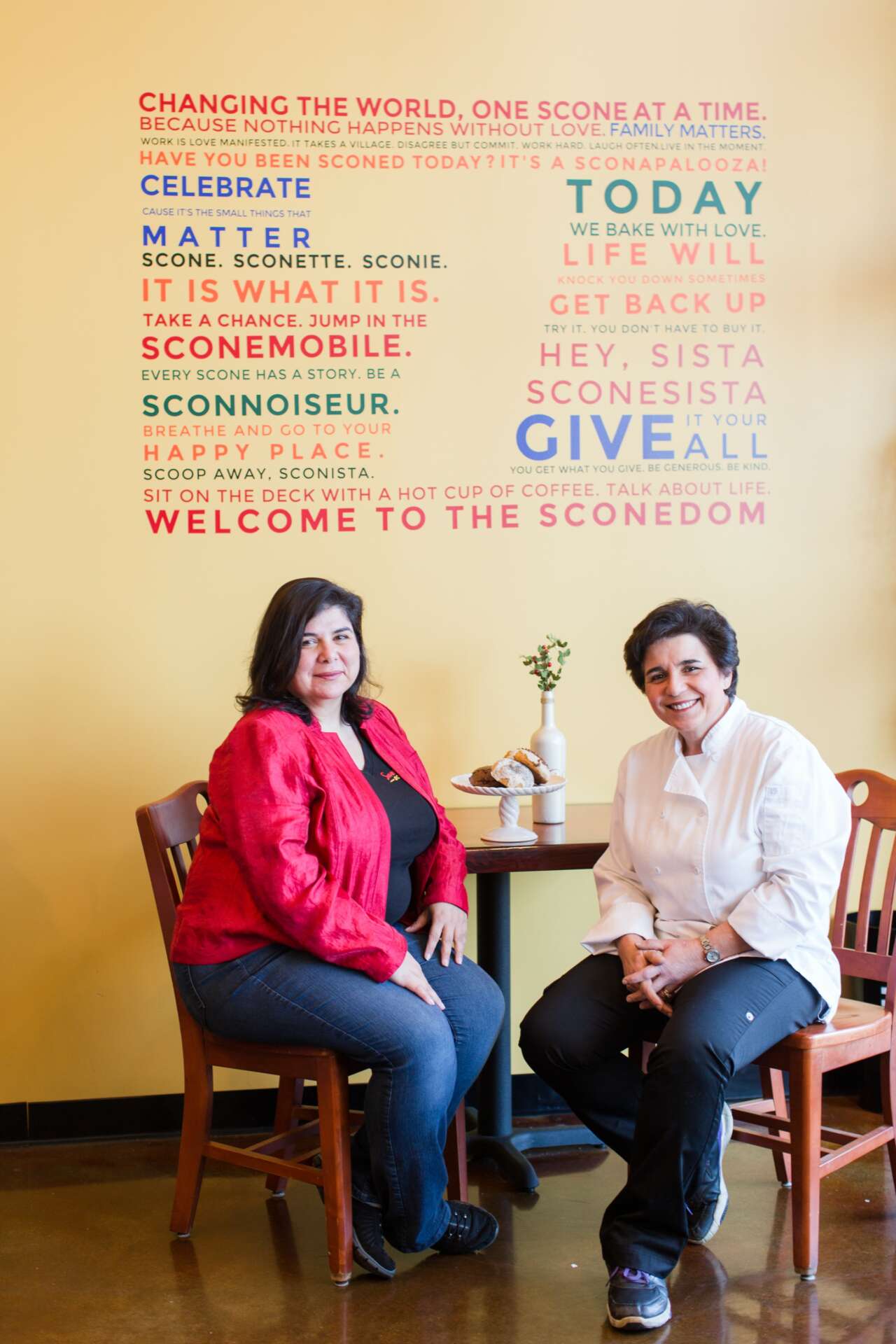
We’re excited to introduce you to the always interesting and insightful Farrah Haidar and Hala Yassine. We hope you’ll enjoy our conversation with Farrah below.
Farrah and Hala, thanks for taking the time to share your stories with us today How did you scale up? What were the strategies, tactics, meaningful moments, twists/turns, obstacles, mistakes along the way? The world needs to hear more realistic, actionable stories about this critical part of the business building journey. Tell us your scaling up story – bring us along so we can understand what it was like making the decisions you had, implementing the strategies/tactics etc.
We often say, “Behind every overnight success is a ten-year in the making story no wants to hear.” Where we are today is the results of several pivotal moments, each building on each other, each a choice to say yes and rise to a challenge.
We started off as a small bakery producing around 1,000-1,500 scones per week, mostly for farmers markets and our small retail location. But, we had big dreams and always saw our market as nationwide. We had a website shipping our scones before we had even opened up our first location. As the cafe grew, so did our shipping.
In 2018, we got our first major opportunity – to be featured on QVC. It was a big step. We would have to produce, stock, package and freeze 25,000 scones, all within 4 days. We could have said no. We could have said we were too small. Instead, we said, we can figure this out. First, we looked at our process. How could we prepare enough of the basic mix to then add the additional flavorings, all while baking and packaging the remaining scones? Where would we store them? We broke down our process to manageable bits and, like an elaborate game of musical chairs, kept moving scones through the process. A fellow, more established baker allowed us to store the extra scones in her freezer. The process look great on paper but then we had to put it to the test. The first day we implemented the new process, Hala worked from 12 am till 11 pm – a 23-hour day. The next day, she worked a 18 hour day. Yes, she did that on 3 hours of sleep. Each day, we got more efficient, worked out the kinks. Family flew in to help. Friends brought their kids and stayed with us for hours. We couldn’t have done it without them. Four days later, the scones were baked, packaged, and on their way to a frozen storage facility where they would be picked and packed after our QVC airing.
After a few runs on QVC, we decided to no longer be featured. As enticing as the opportunity sounded, we still did everything by hand which meant our production cost didn’t make the margins viable. It was a hard decision to step back but the right one. Revenue without profitability doesn’t make sense. However, what we gained in terms of insight into our process was invaluable. Nothing that came after that would have been possible if we hadn’t figure out how to make our small infrastructure scale. Our shipping continued to grow and we continued to push knowing that we could scale production (to a certain point) if we had to.
The next opportunity presented itself as a setback. Like all food businesses, COVID was incredibly challenging. The first few days of COVID, we lost thousands of dollars of catering and retail business. We had no idea what would come next and all predictions were gloomy. But, we quickly realized our shipping arm was an asset. People across the country were looking for food gifts to send. Due to our previous experience with QVC, we had the packaging, products, and infrastructure to make shipping easy and affordable. We kept the cafe operational but trained our cafe employees to help with shipping and focused more resources on marketing our e-commerce arm. What we lost in retail and catering sales, we made up online. It allowed us to keep staff employed and the cafe afloat.
Almost a year into COVID, we dedicated a good amount of time and resources into public relations, shifting away from online advertising a bit. Most businesses were now doing some version of online shipping or delivery. So, we were constantly fighting (and paying for) limited ad inventory. We knew that we had a product people loved. We knew we could take more traffic. Now, it was a matter of getting the word out. By the end of 2020, we were featured in Good Housekeeping which led to a spot on Good Morning America. To be honest, we underestimated just how big of an opportunity Good Morning America was. See, we had been featured in publications before and seen a nice little blip in sales but nothing earth shattering. We thought Good Morning America would be the same. We were wrong.
The feature aired on December 9th, 2020. We sold our entire holiday capacity (weeks of production) within an hour. We didn’t even make it to airing on the West Coast. Looking back, we should have had a way to capture customer information that came after our capacity sold out. We didn’t and it was a lost opportunity. So, if you’re running a business out there, have a plan for selling out and how you are going to capture those customers to get back to them. Everyone is concerned about the sale. That’s a one-time opportunity. Customer information is gold.
That holiday season would be one of our most challenging. We stretched our infrastructure and employees to the limit, during a global pandemic that required we stagger shifts, use masks, and take other precautions like quarantining exposed employees. Also, on a personal note, our mother went into a coma right around the airing. She lived half way across the world and we would take 4 am FaceTime calls with family, hoping for good news, then working 12 hour shifts to get packages out. One of the biggest challenges of being a business owner is knowing that the buck stops with you, no matter what is going on personally. There is a high personal cost to pay always. Between the pandemic and the good fortune of Good Morning America, we never got to visit our mother. She passed in April 2021.
The past two years we have been capitalizing on the lessons, notoriety and infrastructure those three events gave us. We added more wholesale accounts across the country, expanded our relationship with Goldbelly, and now offer our scones through Tovala, the popular smart oven. Our next stop? Grocery chains and all the challenges and opportunities that will offer.
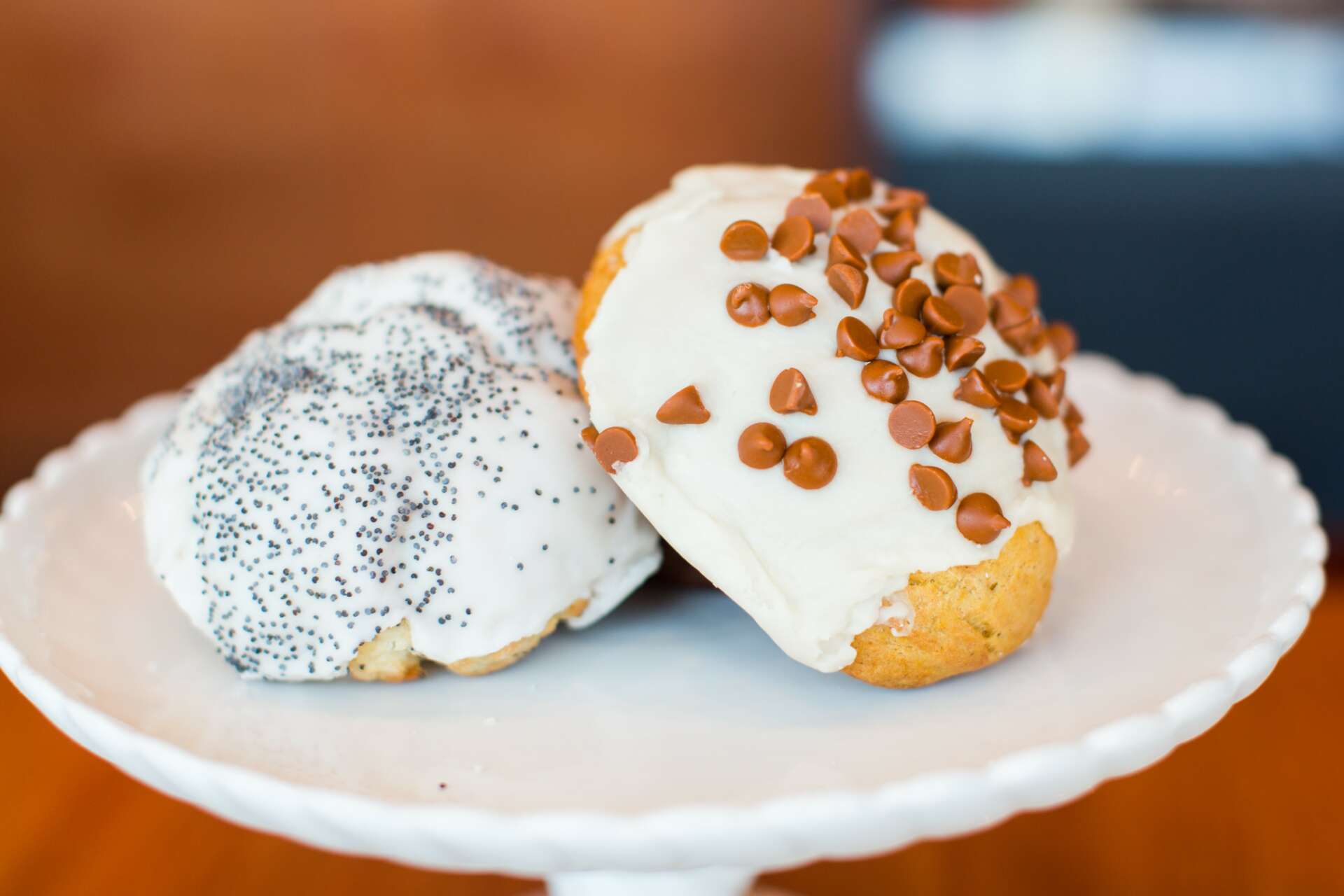
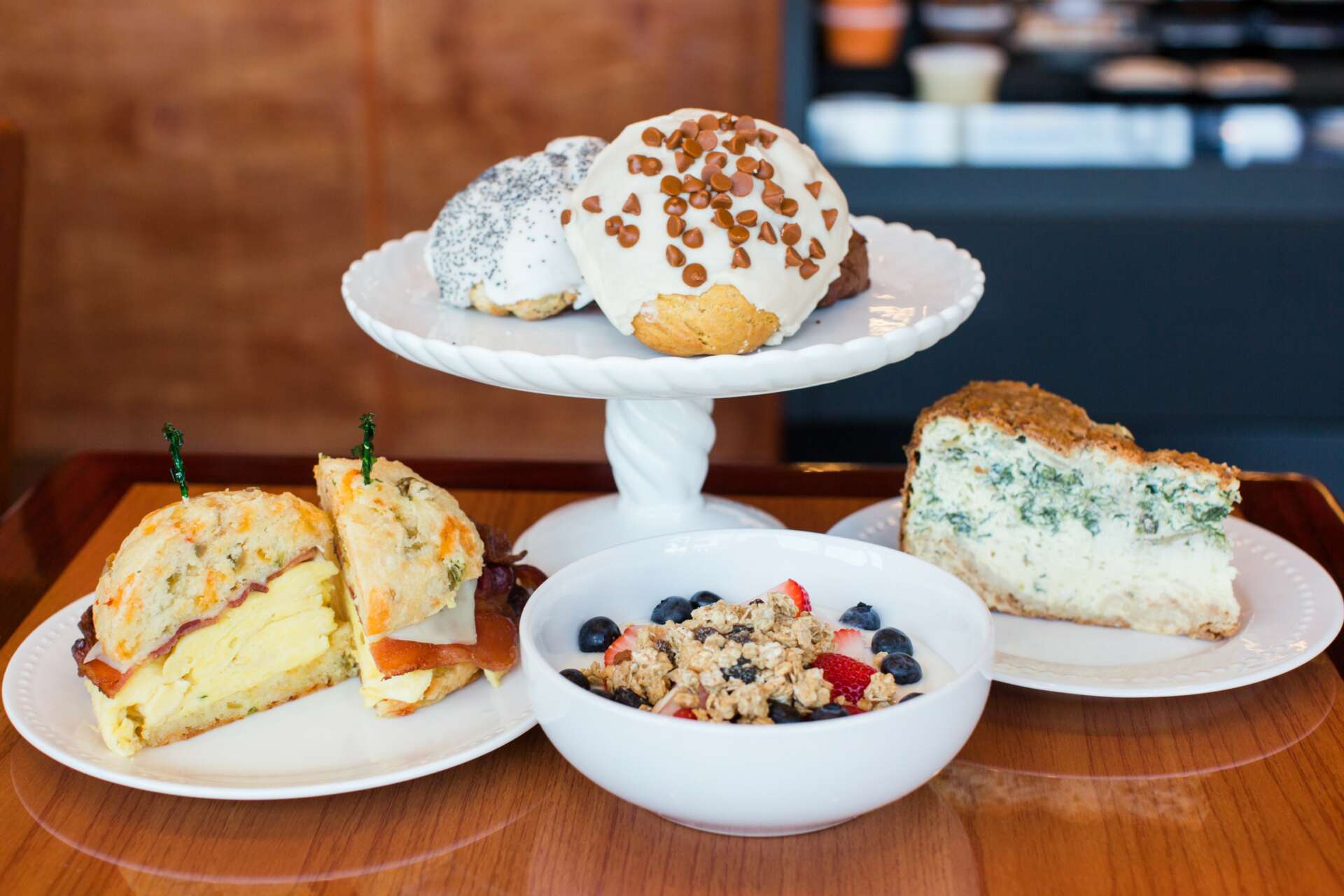
As always, we appreciate you sharing your insights and we’ve got a few more questions for you, but before we get to all of that can you take a minute to introduce yourself and give our readers some of your back background and context?
Seven Sisters is the brainchild of middle sister Hala, the stay-at-home Mom and former professional chef who along the way also managed to pick up an ‘oh by the way’ PHD in Psychology. Yes, we know, it’s complicated. Growing up in a family of seven opinionated, stubborn, loving sisters and two wonderful brothers meant that nothing was ever simple. But, there was one thing we could all agree on – good food. Meals were where everyone talked, shared and reached across the table to say “I care”.
Hala started baking her scones when her family needed a nutritious, flavorful breakfast option. First, it was a classic scone – cranberry orange. Then, her sisters got a hold of it. And, as always, the sisters had requests. “Can’t you make an apple caramel?” “No, a chocolate scone that would be great.” “I hate sweet – what about savory scones?”
Let’s just say – when the sisters start, they go on for a while.
Soon, Hala was creating all these different flavors. And stocking her freezer so that anyone could grab and go. Orders came in from friends and family. She was giving them away as gifts. The next step was selling at farmer’s markets. She went from one market to six in a year and quickly outgrew being in a shared kitchen. That led to our first cafe in Johns Creek, GA, now known as Seven Sisters Kitchen. We ship our scones nationwide through our e-commerce arm, Seven Sisters Scones.
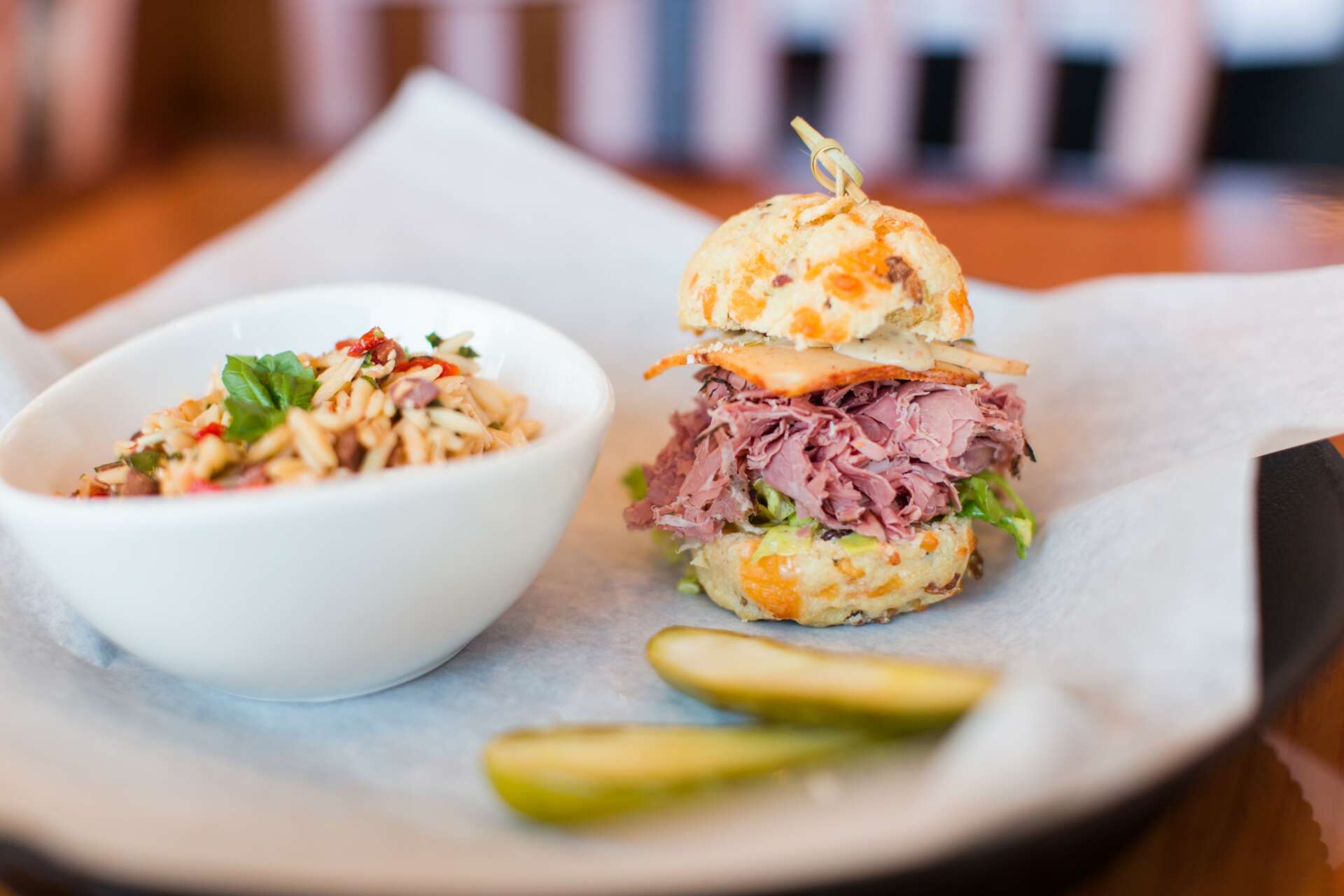
How’d you think through whether to sell directly on your own site or through a platform like Amazon, Etsy, Cratejoy, etc.
We chose to build our own site and sell on it for a couple of reasons. First, we deal with a perishable product that is produced within 24 hours shipping. This means that we have very specific guidelines around ordering our product and how we need to receive information. Third party vendor sites are usually not build to accommodate those specific needs. Also, the fees those sites charge are significant. The food business has slim margins and, if you don’t want to price yourself out of the market, you need to eliminate as many costs as possible. So, we had to do it on our own. Having said that, we have partnered with a few sites where we were able to have control over pricing, fees, and ordering guidelines. Third party providers can be very useful when they are a good fit for your product.
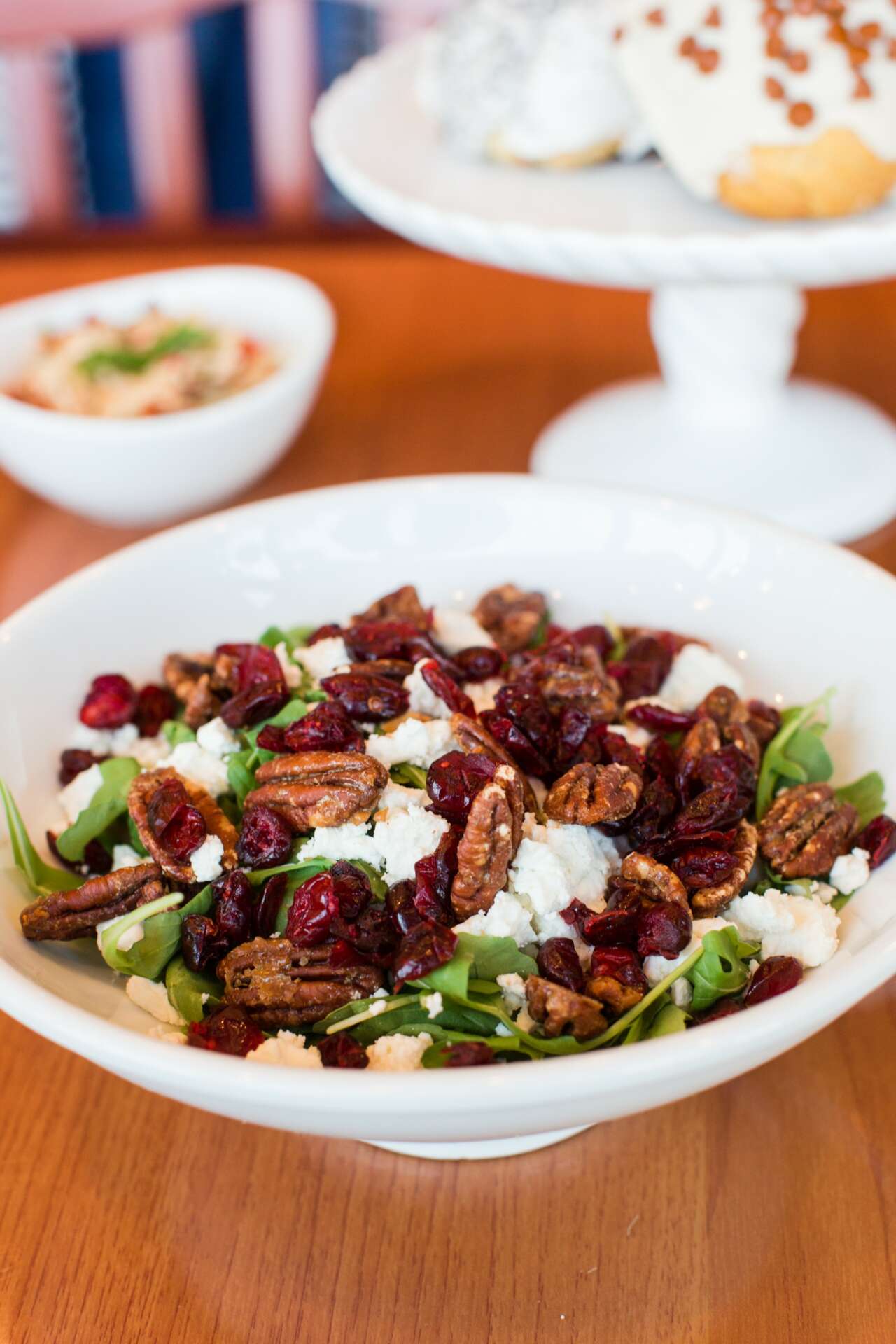
Any advice for managing a team?
It’s simple really. First, do not expect your employees to be as invested as you are. It is your business. For them, it is a job. You have to inspire their loyalty. The way to do that is to treat them well. Set aside time to know your employees, be prepared to train them often, and work around limitations they may have due to life obligations. That means you are going to have to bear additional burdens sometimes. A good employee is worth it. Also, we have found that employees who know we care, do better in their jobs.
Second, be choosy. It’s ok to wait for the right employee to come along because an employee who is the wrong fit can be disastrous to morale. Being short staffed is better than having one employee dragging the others down.
Contact Info:
- Website: www.sevensistersscones.com and www.7skitchen.com
- Instagram: seven_sisters_kitchen or seven_sisters_scones
- Facebook: SevSistersKitchen or sevensistersscones
Image Credits
Abby Breaux Photography