
We recently connected with Faith Robinson-Hughes and have shared our conversation below.
Faith, thanks for taking the time to share your stories with us today Are you happier as a creative? Do you sometimes think about what it would be like to just have a regular job? Can you talk to us about how you think through these emotions?
The thought usually comes up in social gatherings with family or friends. People will go around and ask each other what they’re doing with their lives, and eventually the conversation loops back to me. I tell them I recently graduated with my Bachelor’s degree, and their eyes light up. “Congratulations! What did you major in?” I brace myself for the unfavorable reaction I know is coming. I tell them, “I majored in film and television with a minor in English writing.”
Silence.
They give an awkward smile and ask me, “What do you even do with a degree like that?” I explain to them all of the things someone can do with my degree, and how versatile it can be when it’s used intentionally. Usually, halfway through my explanation, people start to check out. After conversations like these, I often find myself wondering what it would be like to not get this reaction. I wonder what it would feel like for others to understand my degree and the value that artists bring to society.
The stigma many people hold about art not being a “real” career can sometimes lead a young person like me, who is still figuring out my identity, to second-guess my professional choices. Over time, I have come to realize that there are pros and cons to every path. If you pick a “risky” career that you’re passionate about, like mine, you’ll have to answer to judgment from others. If you choose a “safe” career that doesn’t fulfill you, you’ll constantly wonder, “What if I followed my dream?” I now know that I would rather be happy doing something I love than be angry with myself because I abandoned my dreams for a socially acceptable career. If I don’t succeed or I decide to make a pivot, I am confident that the skills and experiences I have gained will continue to serve me across many other paths.
Awesome – so before we get into the rest of our questions, can you briefly introduce yourself to our readers.
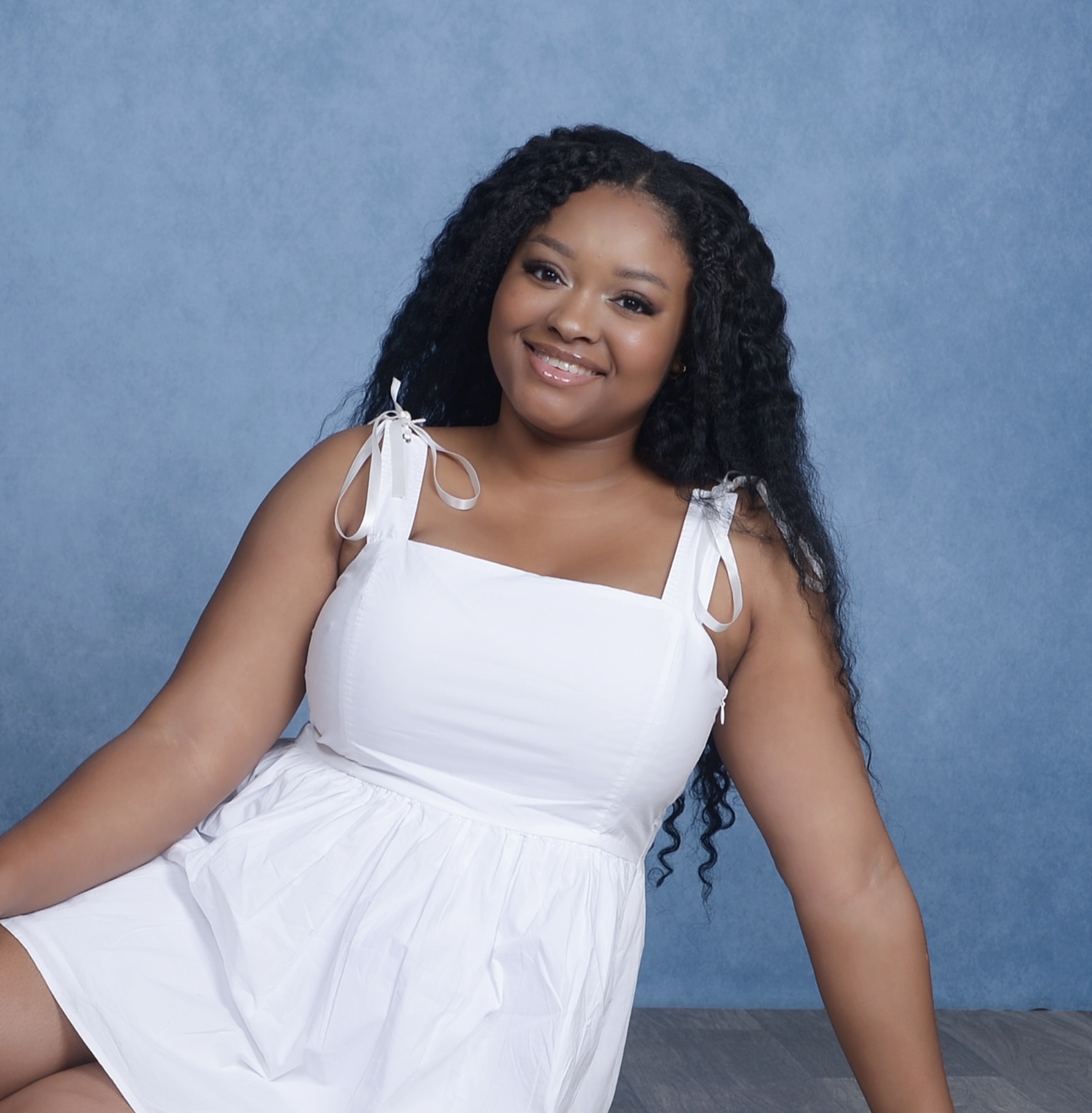
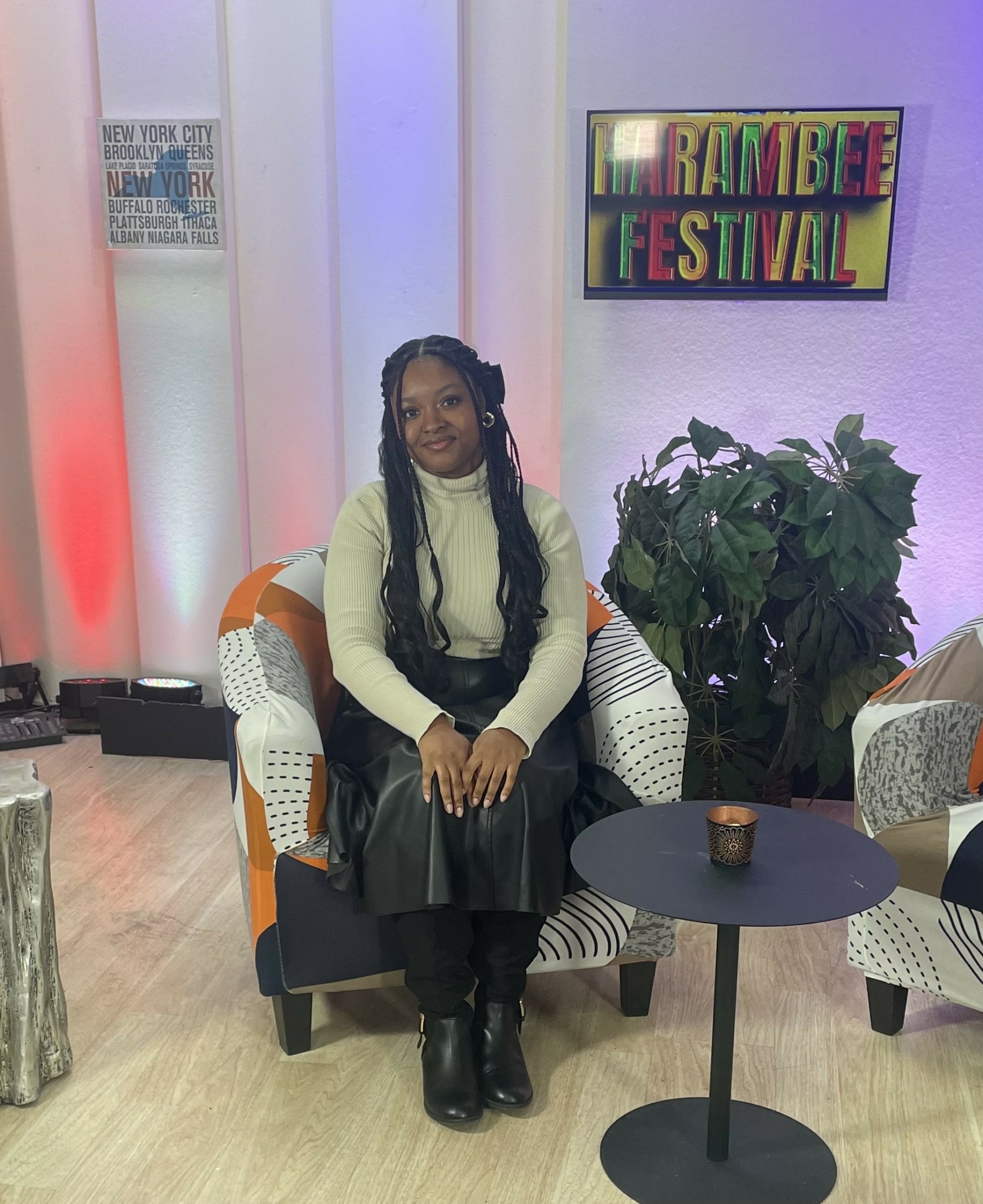
My name is Faith Robinson-Hughes, and I am currently a freelance filmmaker and writer based in NJ/NYC. My creative journey began in elementary school when I won awards for performing original written pieces in speech competitions. I had always been fascinated with the movies and shows I watched as a kid, so I set my sights on seeing my own stories on the big screen. That passion led me to take screenwriting and production classes in the seventh grade and later pursue my Bachelor’s in Film and Television once I reached college.
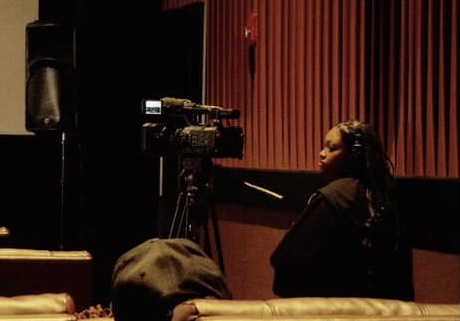
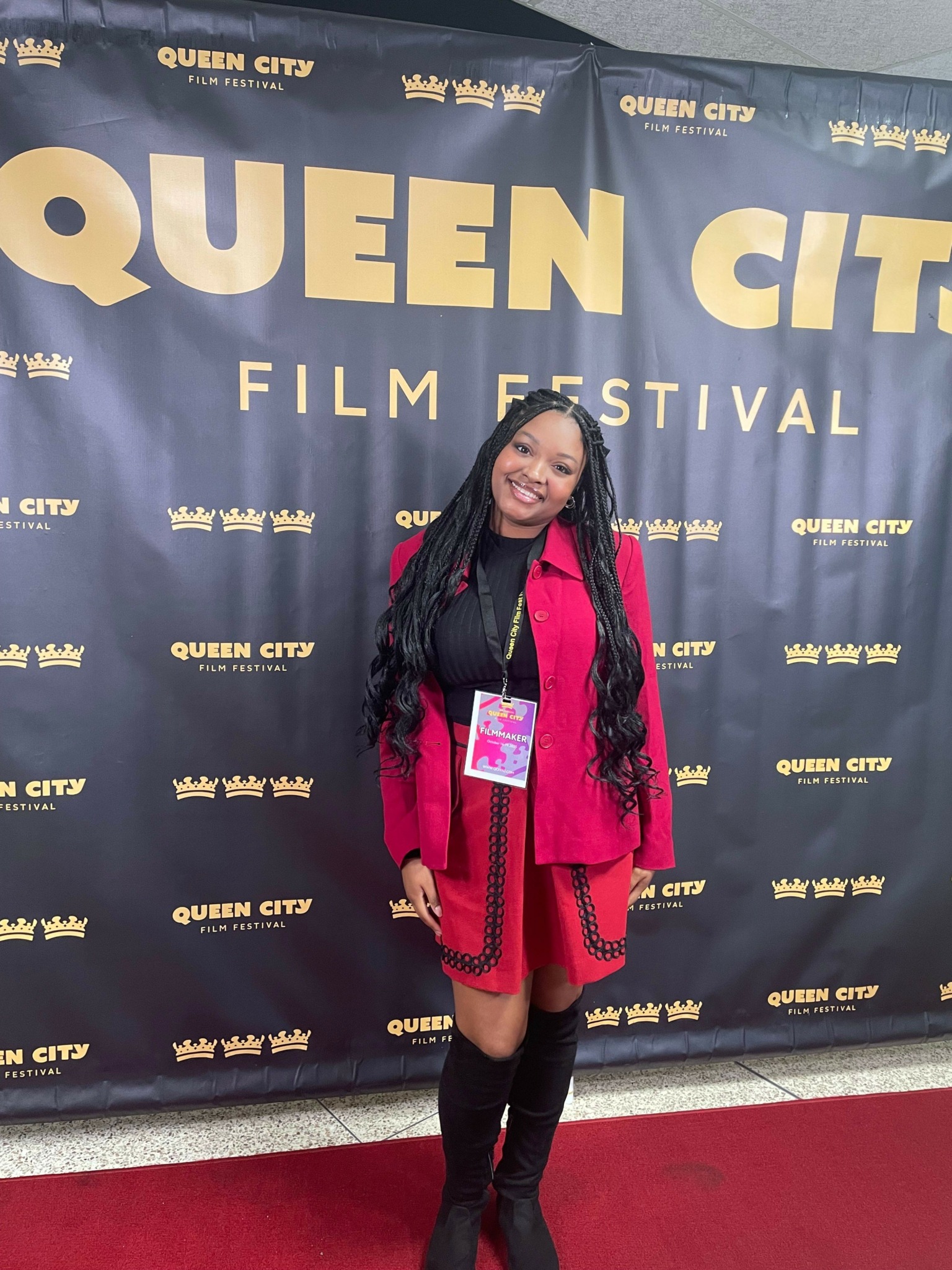
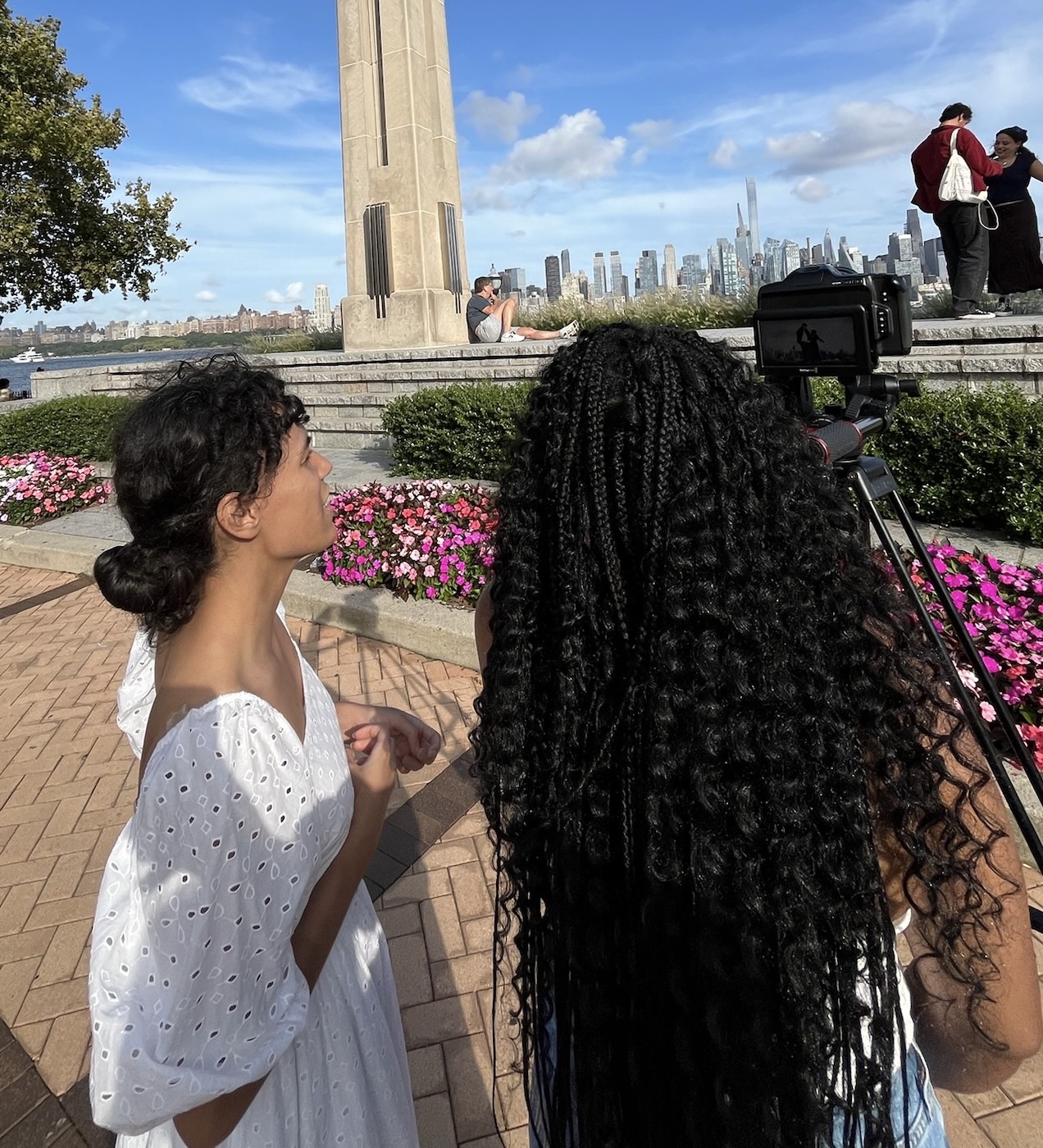
Since then, I have worked in a variety of production roles, including director, director of photography, cinematographer, editor, production assistant, and screenwriter for short films, music videos, and promotional content for organizations. The first film I ever worked on as a director of photography, “Niña Linda”, went on to enjoy a successful film festival run and earned several nominations and awards. I have also worked as an additional production assistant for a major television show and as a production assistant for indie films since graduating in May 2025.
In addition to my film work, I have published several articles on entertainment-related topics and industry trends, which can be found through Zhive Media’s online publication and Rider University’s Perspective Z platform. Writing has allowed me to expand my storytelling beyond the screen and explore new ways to connect with audiences.
When working on my own personal projects, centering my truth and using it to bridge communities has always been a driving force behind my work. I’m drawn to trying new things, thinking beyond convention, and daring to tell stories that rarely get the spotlight. Art has the power to reveal who we are and who we can become. I don’t just want to create art for the sake of doing it; I dare people to feel, to think, and imagine a world beyond what they’ve been told to expect.
In your view, what can society to do to best support artists, creatives and a thriving creative ecosystem?
I believe the first step toward creating a safer society for artists is challenging the notion that art isn’t a valuable or legitimate profession. I have encountered too many people who assume creative work isn’t an essential part of daily life. Unfortunately, we don’t consider the architects who design our homes and public spaces. We often overlook the authors who document important historical events or our journalists who inform us of cultural and political shifts. We forget about the graphic and web designers who build the digital platforms we rely on every day, or the countless online tools shaped by creative professionals. We rarely acknowledge the photographers and filmmakers who capture important political events, operate the cameras for our news networks, and produce the visual content responsible for shaping our culture.
Not enough people recognize the tremendous impact art has had on the trajectory of human history. I believe that it’s important for people to know the cultural and political influences that art had during important periods, such as the Revolutionary War, the French Revolution, the Civil Rights Movement, and many more pivotal moments.
I am hopeful that a broader acknowledgement of art’s importance and its vital function in our society will help create more accessible opportunities for artists to pursue their craft while being able to financially sustain themselves.
We often hear about learning lessons – but just as important is unlearning lessons. Have you ever had to unlearn a lesson?
Stop waiting for permission to do things.
I’ve often found my abilities underestimated, and that has sometimes led to the assumption that I am incapable of performing at the level required for a certain role despite having the proper qualifications. Breaking into the film industry as a young adult can make it especially challenging to be taken seriously. There is a common misconception that someone my age isn’t committed or experienced enough, and it can be tempting to seek the approval of industry veterans to validate your place. Many young creatives fall into the trap of waiting for someone already established to decide they’re worth giving a chance. While this does happen sometimes, and there are opportunities for young people to break in, I find relying solely on this method to be extremely limiting. It places your future in someone else’s hands, a reality that never sat well with me.
I know my motivation for being in this industry is my love for storytelling, and I will always continue to pursue that passion until I can’t any longer. I came to the realization shortly after graduating from college that I will always write and find a way to produce a film, regardless of whether a major name is backing me or not.
Working on the short film “Niña Linda” in the summer of 2024 reinforced this lesson. We were all still film students pursuing our undergraduate degree, and had no idea where this film would end up once it was finished. At the beginning stages, we had briefly discussed a premiere screening that was expected to be small and intimate, but quickly turned into a packed screening room. One film festival became several, and we soon found ourselves connecting with industry professionals who not only appreciated our work but believed in our potential. After that experience, I learned that there are opportunities available when one invests in themselves.
Contact Info:
- Instagram: https://www.instagram.com/_faithinfilm_/
- Linkedin: https://www.linkedin.com/in/faithrobinsonhughes