
We caught up with the brilliant and insightful Fabio Arber a few weeks ago and have shared our conversation below.
Alright, Fabio thanks for taking the time to share your stories and insights with us today. Have you been able to earn a full-time living from your creative work? If so, can you walk us through your journey and how you made it happen? Was it like that from day one? If not, what were some of the major steps and milestones and do you think you could have sped up the process somehow knowing what you know now?
I’ve been fortunate to build a full-time career from my creative pursuits in the arts. After starting at the University of Miami focusing on Art, I shifted gears to pursue a Bachelor of Fine Arts Degree in Film and Television.
Since January 1984, I’ve been deeply involved in the film and television industry, taking on diverse roles that have shaped my journey. One of my first jobs was as a Production Assistant on the groundbreaking NBC series, “Miami Vice, where I was promoted to location manager early into the second season. I loved that the producers recognized my hard work and promoted me because of it.
Throughout my career, whether managing locations, overseeing films and TV series, or licensing my art for shows like Apple TV’s “Bad Monkey” premiering in August 2024, creativity and ongoing learning have been essential to my journey.
I love learning about new technology to use in creating digital art (without AI). Using various apps, some that having been updated in years, is an enjoyable process in digital art creation.
New Tech, or more accessible, affordable tech helping film and TV production can aid in making fantasy or futuristic worlds more “realistic.” The Unreal Engine has become an invaluable tool for producers, production designers, and directors. Originally developed as a gaming engine, it now offers much more. With Unreal Engine, you can visualize your concepts, experiment with different camera angles, effects, and more, all from your laptop. For someone like me, who needs to estimate costs accurately, it helps to see where we can be highly creative while staying closer to estimated budgeted costs. Shows like HBO’s “The Last of Us” use it effectively. More and more artisans in this field are emerging.
My career trajectory wasn’t linear. It involved evolving through various roles and seizing opportunities as they arose. After fourteen years in location management, I found my niche as a line producer and production supervisor, where mastering budgets and problem-solving became an art form in itself. Each project phase, from initial development to final delivery, presents unique challenges that I approach with creativity and strategic insight.
I also consult with directors, producers, and writers, assisting them in shaping their projects for investor presentations. This includes script evaluation, detailed breakdowns, and budgeting to strengthen their pitches. Licensing my art for Apple’s upcoming series “Bad Monkey,” premiering in August 2024, marks a significant milestone, utilizing my digital art skills in a new and exciting way that I hope will lead to further opportunities in art licensing for productions.
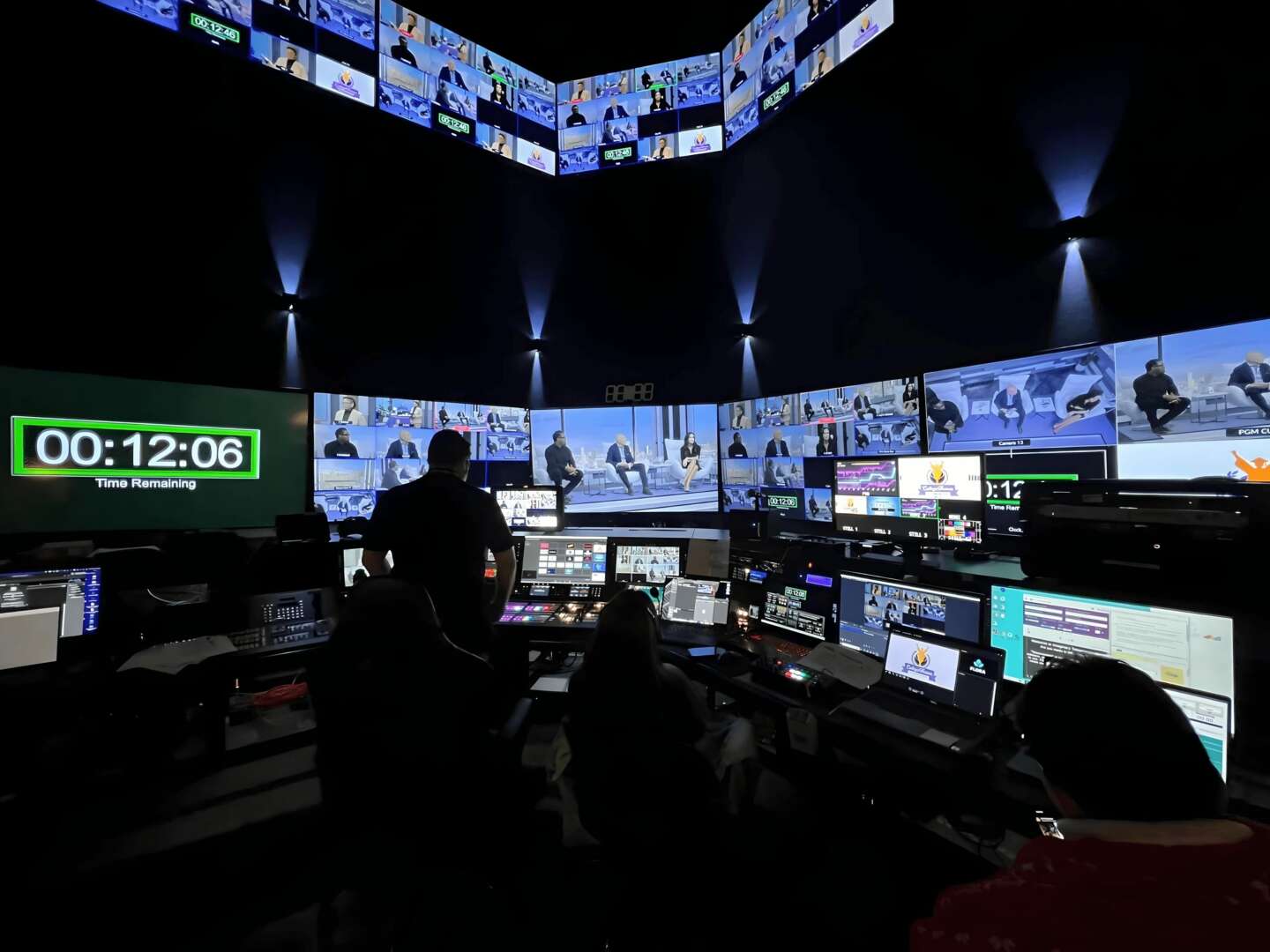
I recognize that staying ahead of technological advancements and continually honing my skills could have accelerated my career growth. Embracing new technologies and industry trends has been essential, often opening doors to fresh opportunities and enhancing creative outcomes. For instance, my last project was line producing Season 11 of “Entrepreneur’s Elevator Pitch,” produced by Brandstar Studios in partnership with Entrepreneur Media, which incorporates the use of a Brandstar’s Virtual studio. New technology is something I want to learn about. We are currently prepping Season 12 of the show for streaming later this year. Season 11 premieres weekly starting June 26, 2024 on Entrepreneur’s website and their YouTube channel.
In summary, it’s been a rewarding journey where creativity, problem-solving, and collaborative effort converge to create memorable experiences both on-screen and behind the scenes. I can still watch an episode of Miami Vice and remember what I was doing during a particular scene.
Great, appreciate you sharing that with us. Before we ask you to share more of your insights, can you take a moment to introduce yourself and how you got to where you are today to our readers.
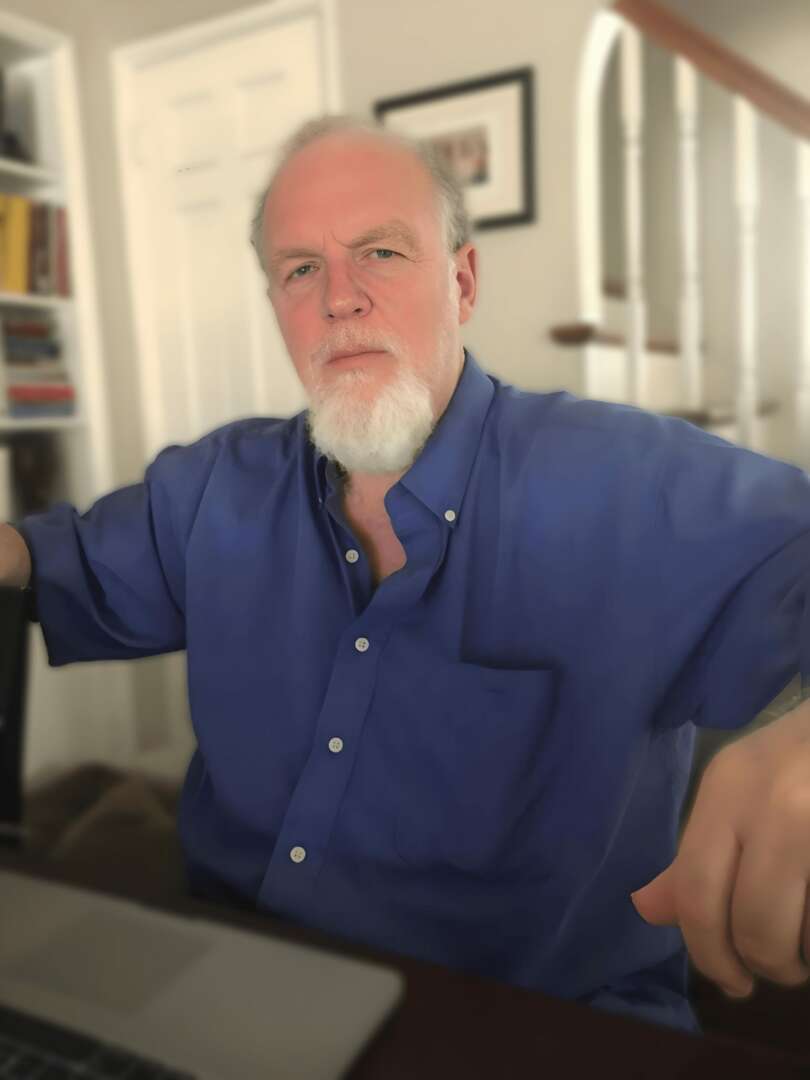
I was born in Havana, Cuba. We left the country a few years after Castro came to power and settled in Brooklyn, NY. My parents loved art, so we visited the world-class museums in the New York Area. My favorite museum is the Museum of Natural History on the Upper West Side. We would take photos of the exhibits and I would draw them. I loved drawing comics in grade school, creating super-heroes with friends.
Spanish was my first language, but I had to learn English quickly in grade school. The two Kindergarten Teachers sat me next to a Spanish-speaking friend, who translated for me what the teachers were saying. I picked up English quickly with a strong Brooklyn accent. It also helped that both my parents spoke English, which they had learned in Cuba.
I attended Stuyvesant High School in NYC, at the time known for being one of the best public schools in the country for its focus on math and science. However, my passion for drawing and painting persisted, since I started sketching at 5. Upon entering the University of Miami, I enrolled in both film and art classes. It quickly became clear that my true passion lay in film and television production, leading me to pursue a Bachelor of Fine Arts in Film and Television with a minor in photography.
My senior project, “Killer Art,” showcased my imagination in storytelling. I wrote a 100 page screenplay exploring the unconventional intersection of art and suspense. It’s a story about an Artist that arrives via the ocean using a tire as a raft to an Art Centric beach town community and creates mobiles and sculptures that uncontrollably attack town residents. I wrote it when I was immersed in the emergence of South Beach as a unique and integral part of the Miami landscape. I enjoyed fleshing out the idea more than the process of writing, with production designer and artist, Giorgio Sferra, and Producer/Editor, Gaston Santiso. I realized I wanted to produce in this business.
Fresh out of college, I gained invaluable experience across various sectors of the industry, from commercials to independent films. This journey culminated in a production assistant position on the NBC Series, Miami Vice, where I was promoted to the Location Department in Season 2. I worked on every episode except for the original two-hour movie. I went on to work as a location manager on series and films such as the “Perez Family,” with Marisa Tomei and Angelica Huston, and CSI: Miami.
Eventually, I became a Production Supervisor, Unit Production Manager and line producer on scripted and unscripted series such as the Jerry Bruckheimer produced, “Confessions of a Shopaholic,” and the South Florida portion of the pilot for FX’s “Justified.” My first foray into “unscripted” was the groundbreaking TLC Series, “Miami Ink.” I thought I’d do just 10 episodes and ended line producing over 80. I found I enjoyed the spontaneous, fluid and challenging pulse of producing an unscripted series, where story beats could change on a dime.
My jobs have taken me all around the United States, Puerto Rico, Dominican Republic, Cayman Islands and the Bahamas to name a few. When I travel for jobs, I look at them as paid working vacations, since I get to explore places I’ve never been to or like going back to. One of my favorites was filming inside a working Steel Mill on the outskirts of Cleveland for a Budweiser UK commercial.
Throughout my career, I’ve embraced the role of a problem-solver, strategist and catalyst, thriving on the complexities inherent in production. I think that is where my true creativity lies. I specialize in consulting emerging directors, producers and writers, helping to develop their projects for investor pitches, offering comprehensive script analysis, meticulous breakdowns, and budgeting expertise and creation. Additionally, I enjoy streamlining operations for production companies. I can oversee multiple projects in different stages of production, making sure they have the tool and crew needed to get the job done.
My approach combines creative integrity with strategic thinking, navigating the changing entertainment landscape with dedication and innovation. Currently, I am involved in a production that heavily uses virtual screen technology.
What’s the most rewarding aspect of being a creative in your experience?
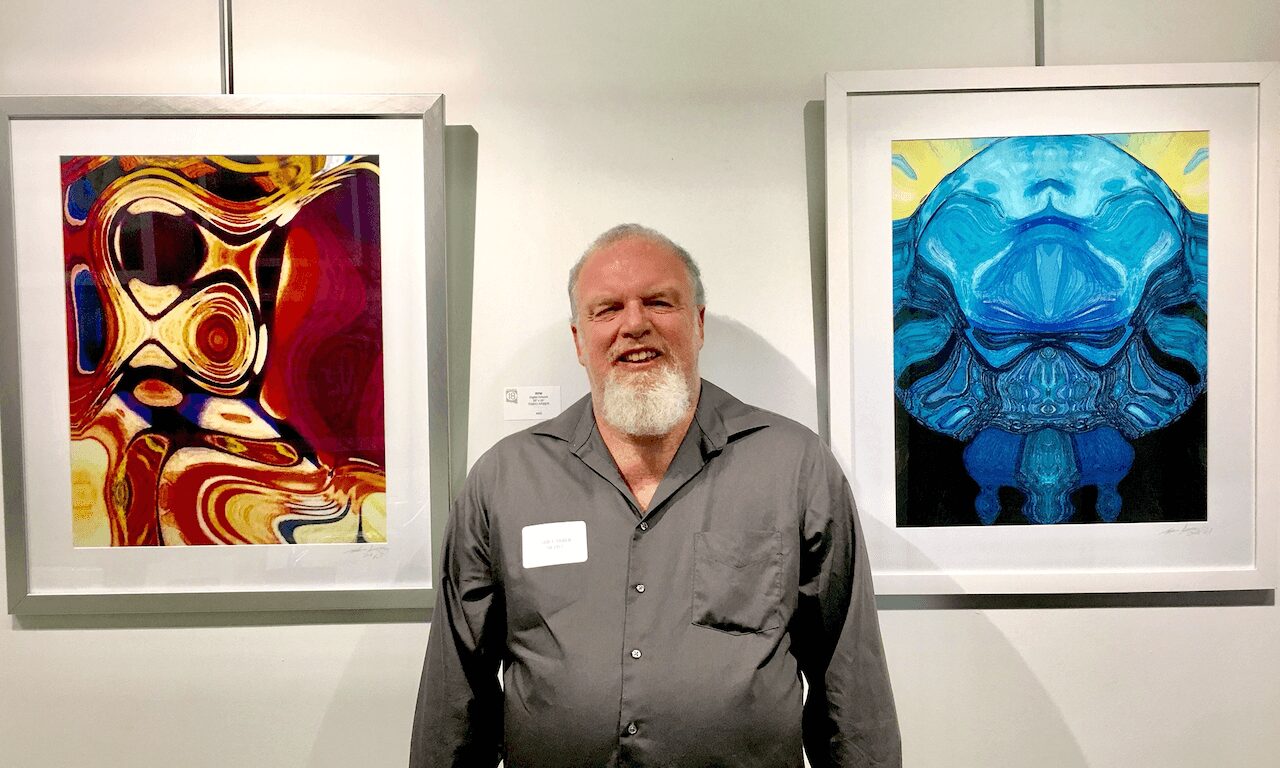
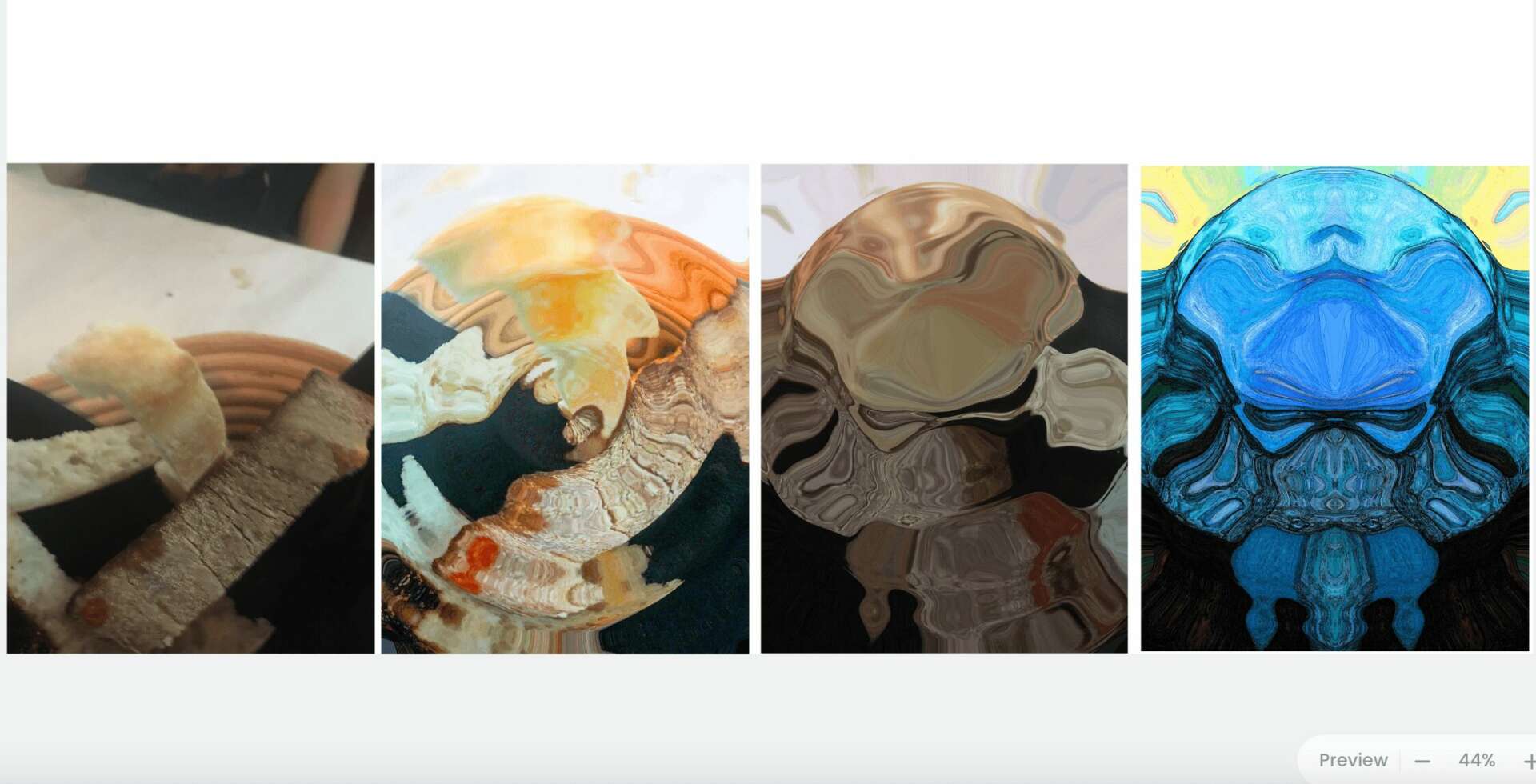
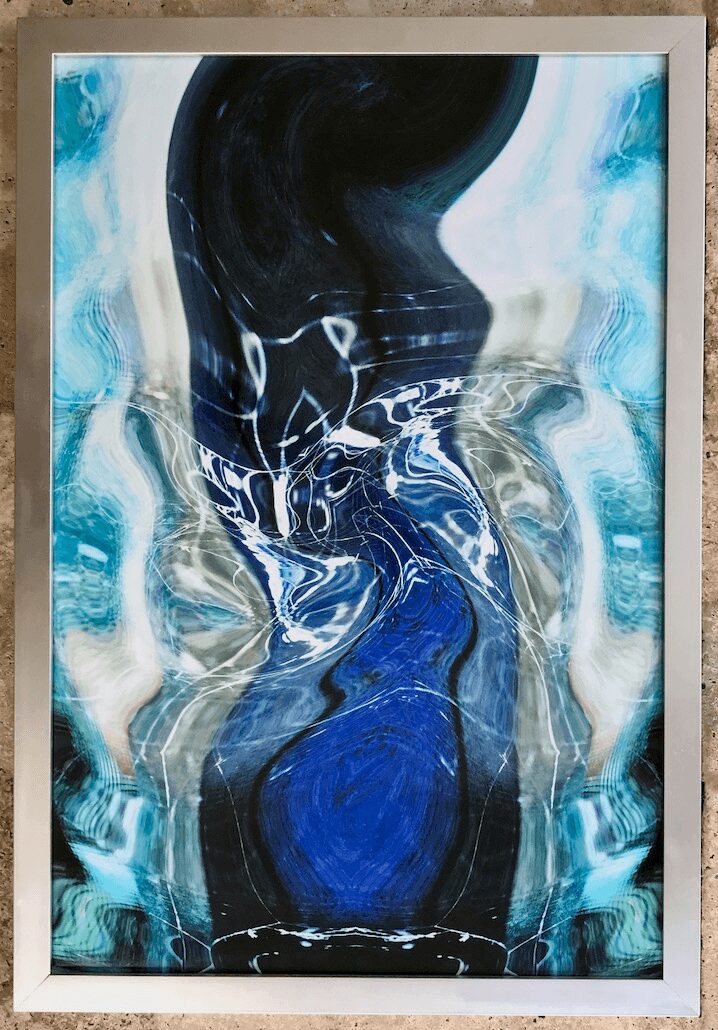
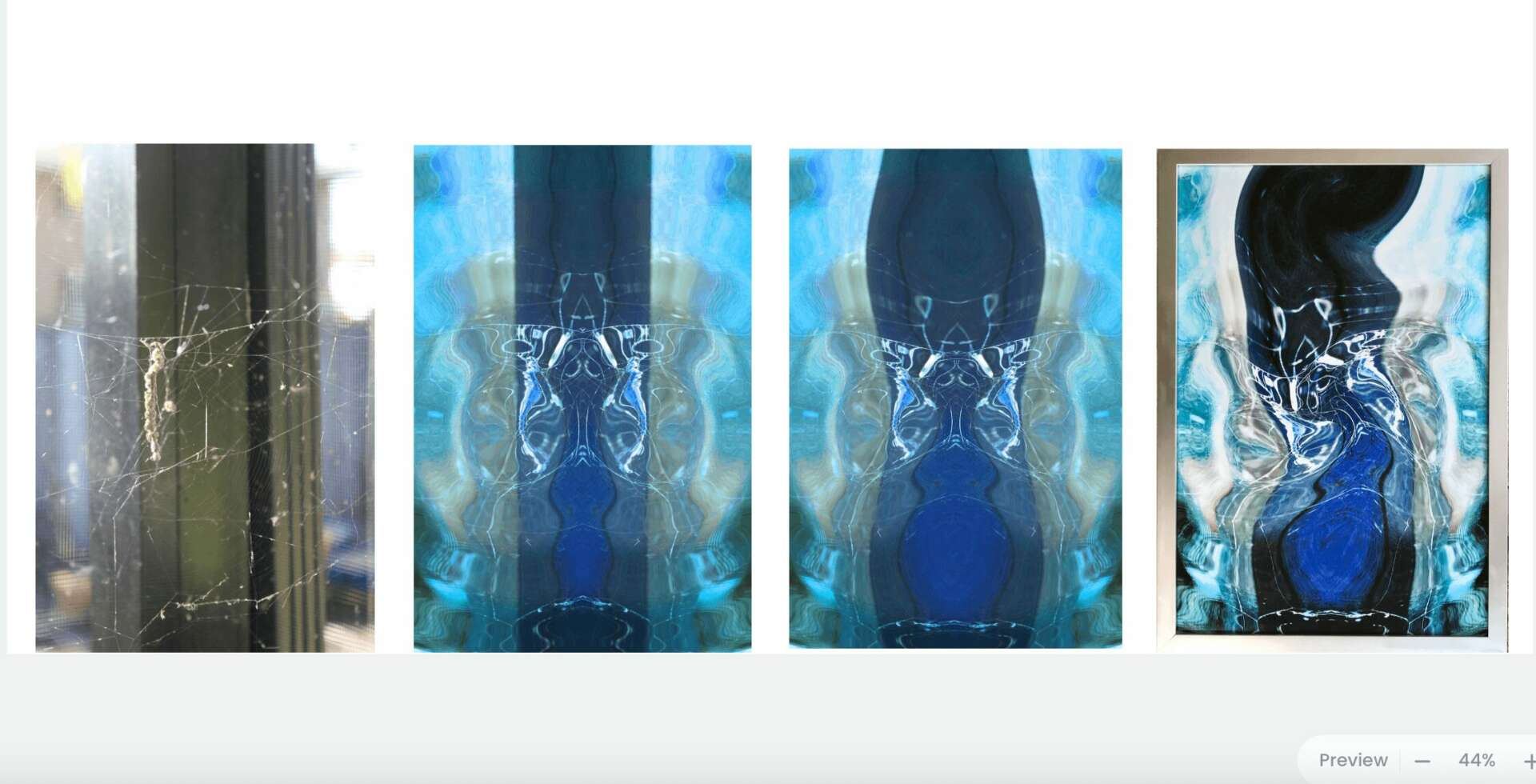
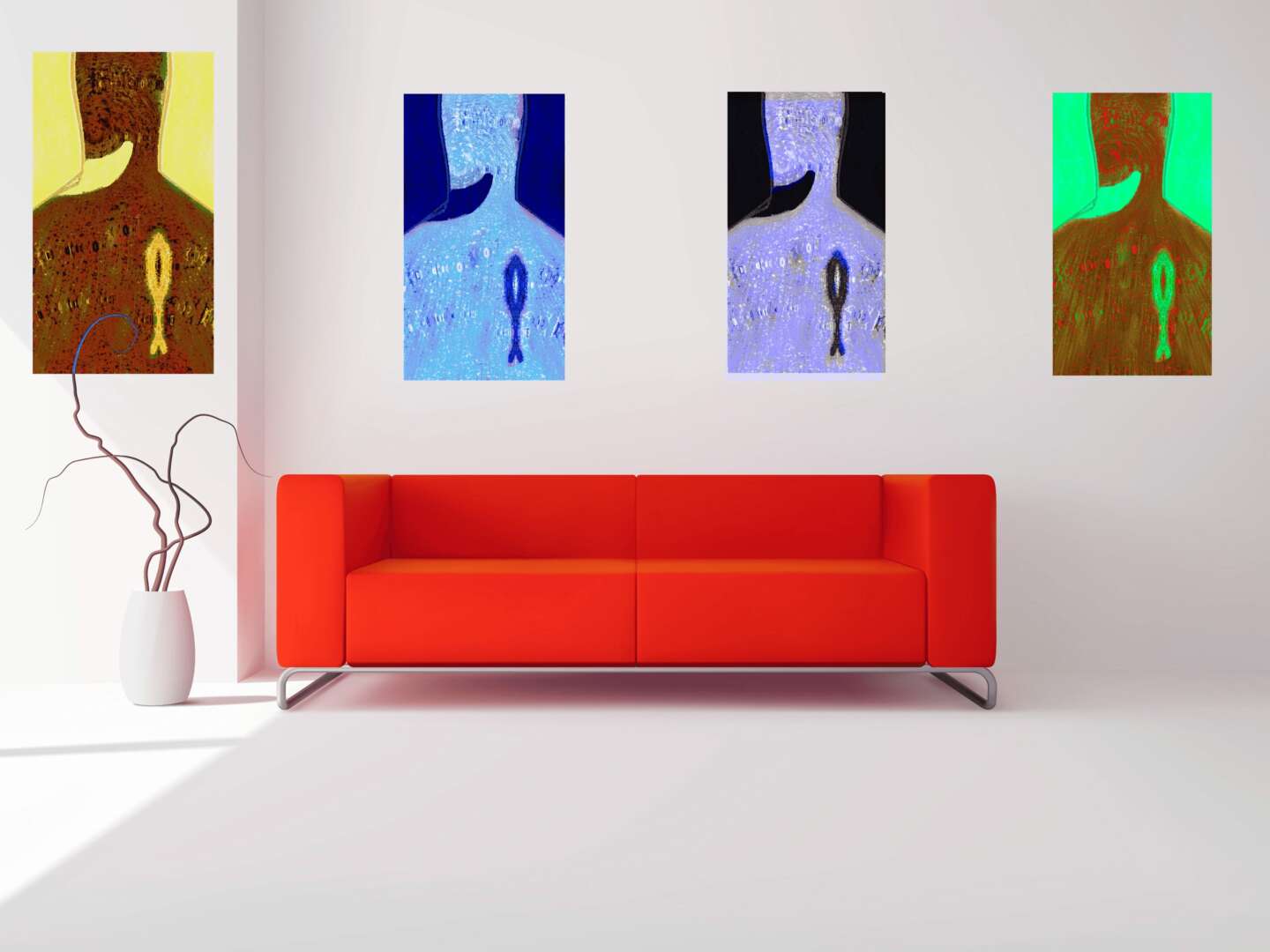
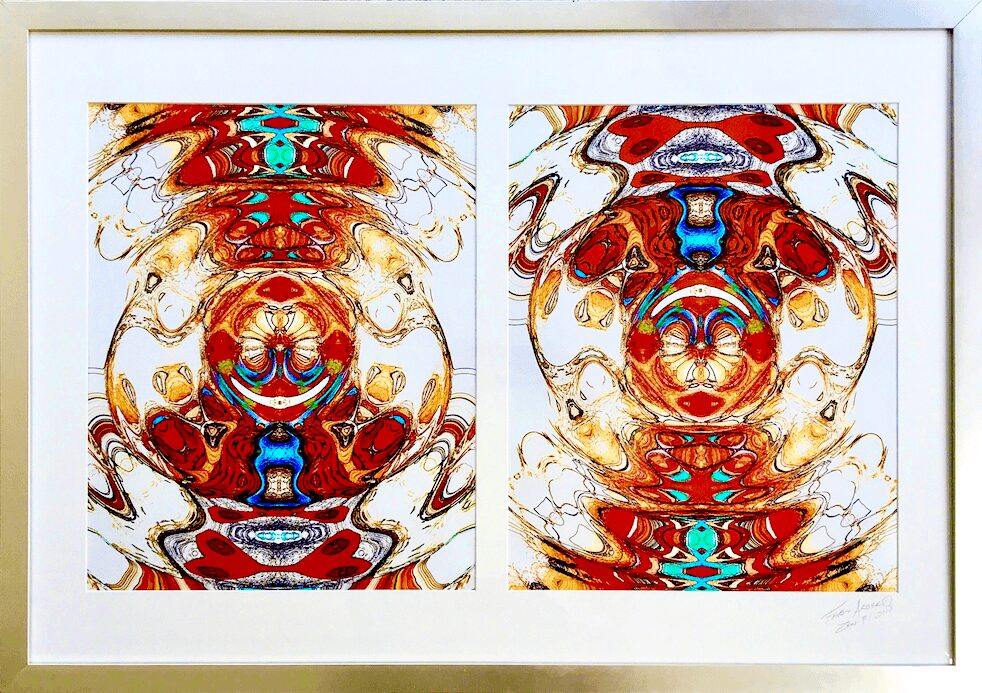
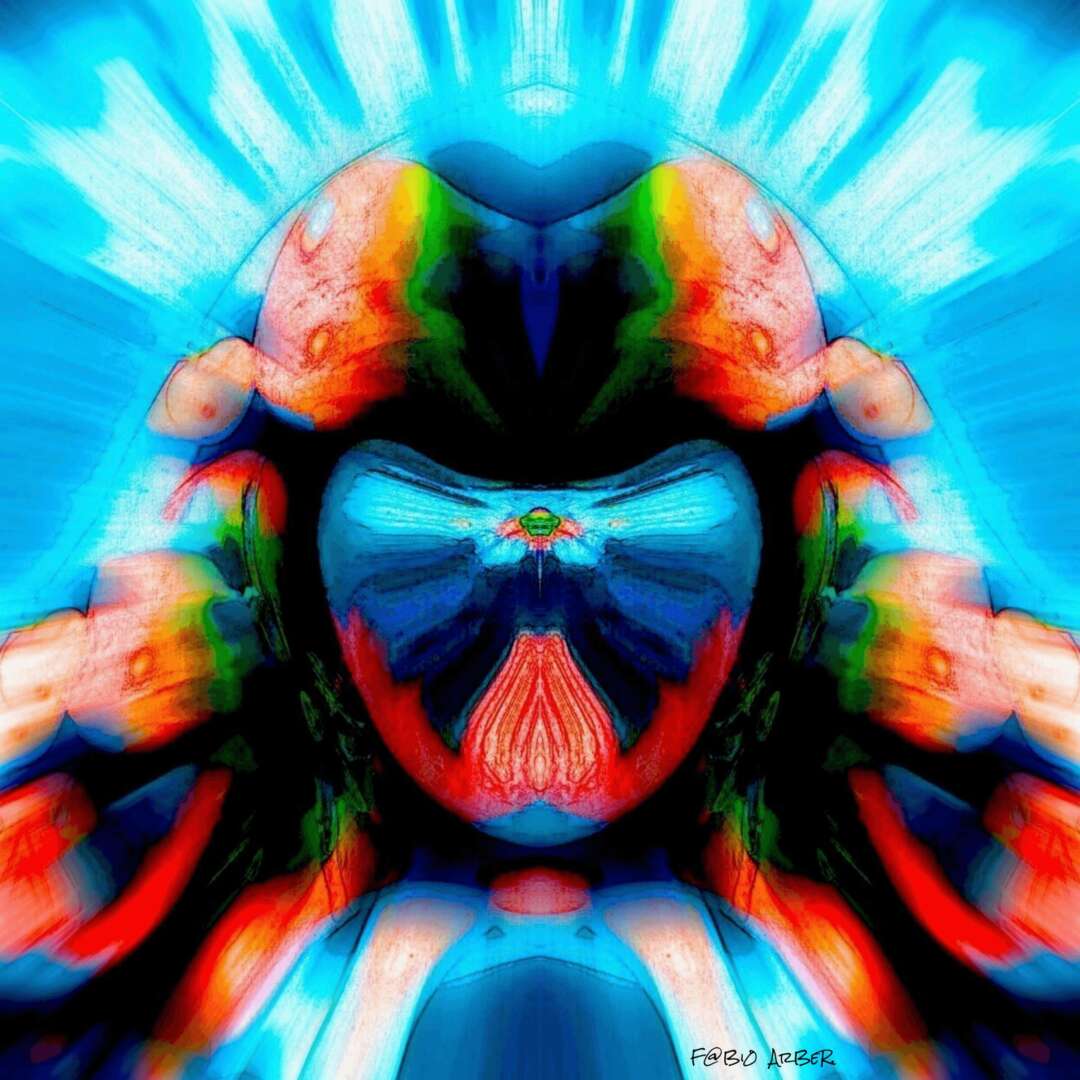
The most rewarding aspect of being an artist or creative is twofold for me. When I draw with a pencil, I have complete control. However, when I create digital art, which are either figurative digital abstracts portraits, or Neo-surreal environments, I use various apps to manipulate my original photo. The photos can be of anything that I have taken throughout the years. I choose the apps, and merge with the technology to guide the creative process, leading to unique and unexpected results. Eventually, I have to decide when the piece is finished. I also photograph my wife Jill Lefkowitz’s figurative abstract paintings and use the same fluid and spontaneous process to create new digital artworks from her work.
I’m very selective on what I post and decide is part of my portfolio. I don’t do fractals. And, I want to be perfectly clear about this. My digital artwork is not created with AI; I don’t use tools like DALL-E or MidJourney, though I find AI art platforms fascinating and enjoy experimenting with them. I have created AI images that I’ve used for possible T-Shirts, Mugs, notebooks, and other products.
In film and television production, the collaborative process is incredibly rewarding. It involves working closely with others, relying on and trusting collaborators to ensure success. While you might say I’m collaborating with technology in digital art, in film and TV, the collaboration is deeply human, involving empathy, emotion, intellect, and creativity. When I supervise a project lead and collaborate with a team of creative professionals who are passionate about their craft. Each cast, crew and staff member contributes to the formulation of the finish film, series, or commercials.
Are there any books, videos, essays or other resources that have significantly impacted your management and entrepreneurial thinking and philosophy?
As a young child, I often found myself wanting to enter the movies I was watching, especially films that combined animation with live actors like “Mary Poppins” and “Winnie the Pooh.” These films left a lasting impression on me. Since rewatching them was rare—limited to occasional TV broadcasts or theater showings—my imagination would run wild with ideas after watching them. This also happened while watching Saturday morning children’s shows.
The 1932 book “Film as Art” by Rudolf Arnheim, a renowned film theorist and psychologist, greatly influenced my understanding of film while I was at the University of Miami. Arnheim argued that film is a true art form with unique expressive capabilities. He believed that films shouldn’t just replicate reality but should transform it through artistic expression, emphasizing the filmmaker’s creative use of visual and temporal elements to convey meaning and emotion. I do the same with my digital art. However, when I’m on a roll, I think that every digital painting I create from a photo will turn out great, but that’s not just the case.
Arnheim also believed that limitations encourage artists to engage in creative problem-solving. When faced with constraints, artists must find innovative ways to achieve their goals, often leading to more original and impactful work. This resonates with my own experiences working with tight budgets.
For example, on “Dr. Miami” for WEtv, the network wanted to use the Time Slice technique popularized by “The Matrix” to show Dr. Miami’s process with each patient. This uses multiple cameras to give the impression of time slowing down or stopping. Given our budget constraints, I suggested filming the patient on a rotating platform with one camera and adjusting the speed during post-production. This solution achieved the desired effect affordably.
Currently, we can pretty much create any visuals we want. The advent of Virtual Screens in studio has been a game changer. I’m currently line producing a series for Entrepreneur Media and Brandstar Studios, called “Entrepreneur Elevator Pitch.” The Virtual Screen gives an added dimension in studio.
The creativity in Video Art Direction for Virtual Screens is limitless. The only restriction is budget. As cutting edge technology becomes more cost-effective, new tech emerges that pushes the envelope of creativity, reproducing historical periods in earth’s history as well as alien worlds left to the imagination.
Contact Info:
- Instagram: @arberday_photoart
- Facebook: https://www.facebook.com/fabio.arber.3/
- Linkedin: https://www.linkedin.com/in/fabioarber/
- Other: https://www.imdb.com/name/nm0033360/