


We were lucky to catch up with F. C. Zuke recently and have shared our conversation below.
F. C., thanks for taking the time to share your stories with us today Can you talk to us about how you learned to do what you do?
I have a Bachelor’s Degree in Music Composition and a Master of Fine Arts in Expanded Media. I have always had a tentacular approach to my own education, reaching into formal and informal sources of information and grabbing onto whatever ideas I could find. Many of my skills are technological, and I have found the Internet to be a really amazing educational source for learning new programs and technologies. I always tell my own students that if you want to learn technologies, just spend some time on YouTube and you can learn almost any sort of video editing or audio production program that you wish. I have found formal education to be more useful for understanding the conceptual significance of my work and exchanging ideas with others.
As always, we appreciate you sharing your insights and we’ve got a few more questions for you, but before we get to all of that can you take a minute to introduce yourself and give our readers some of your back background and context?
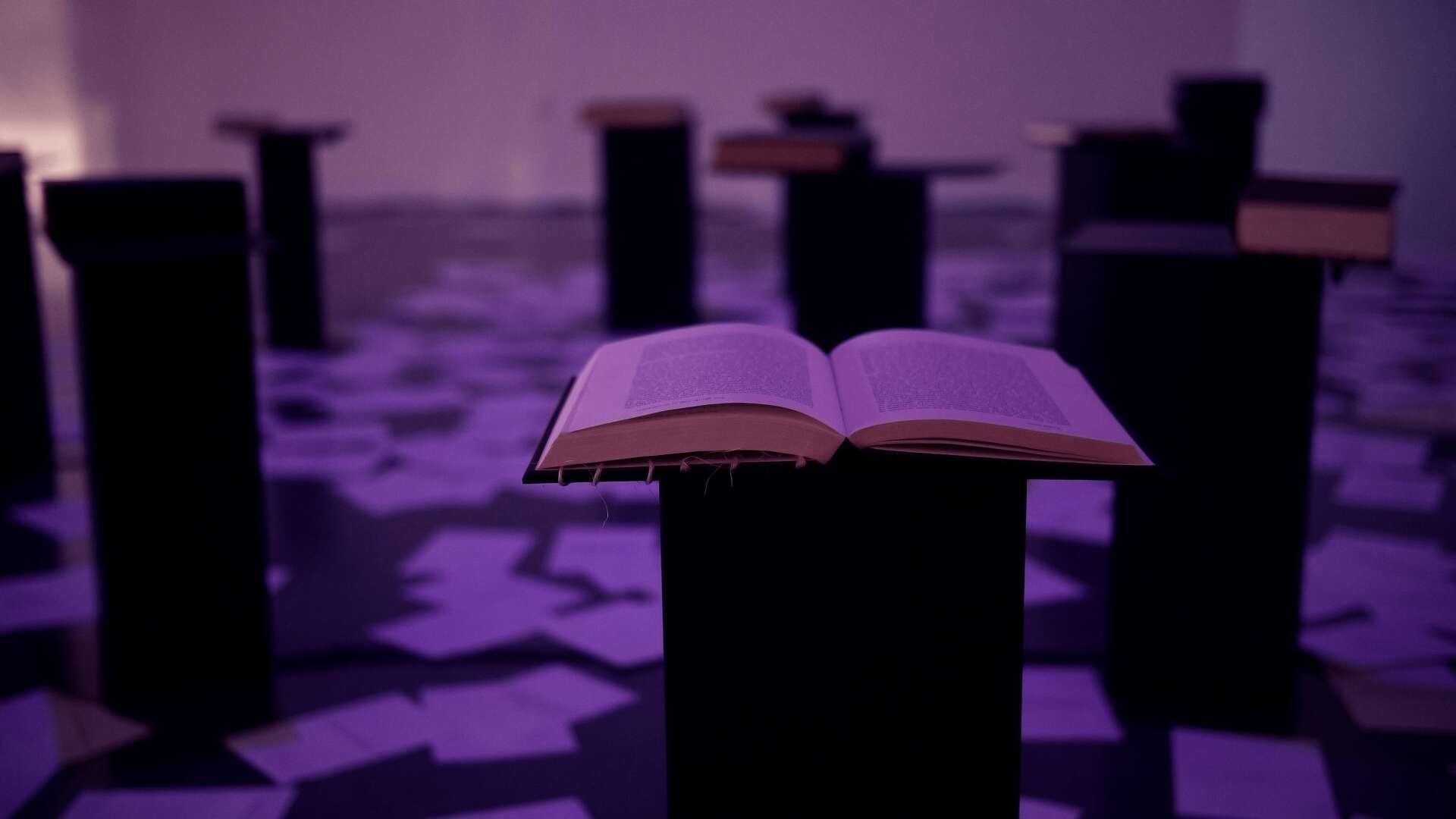
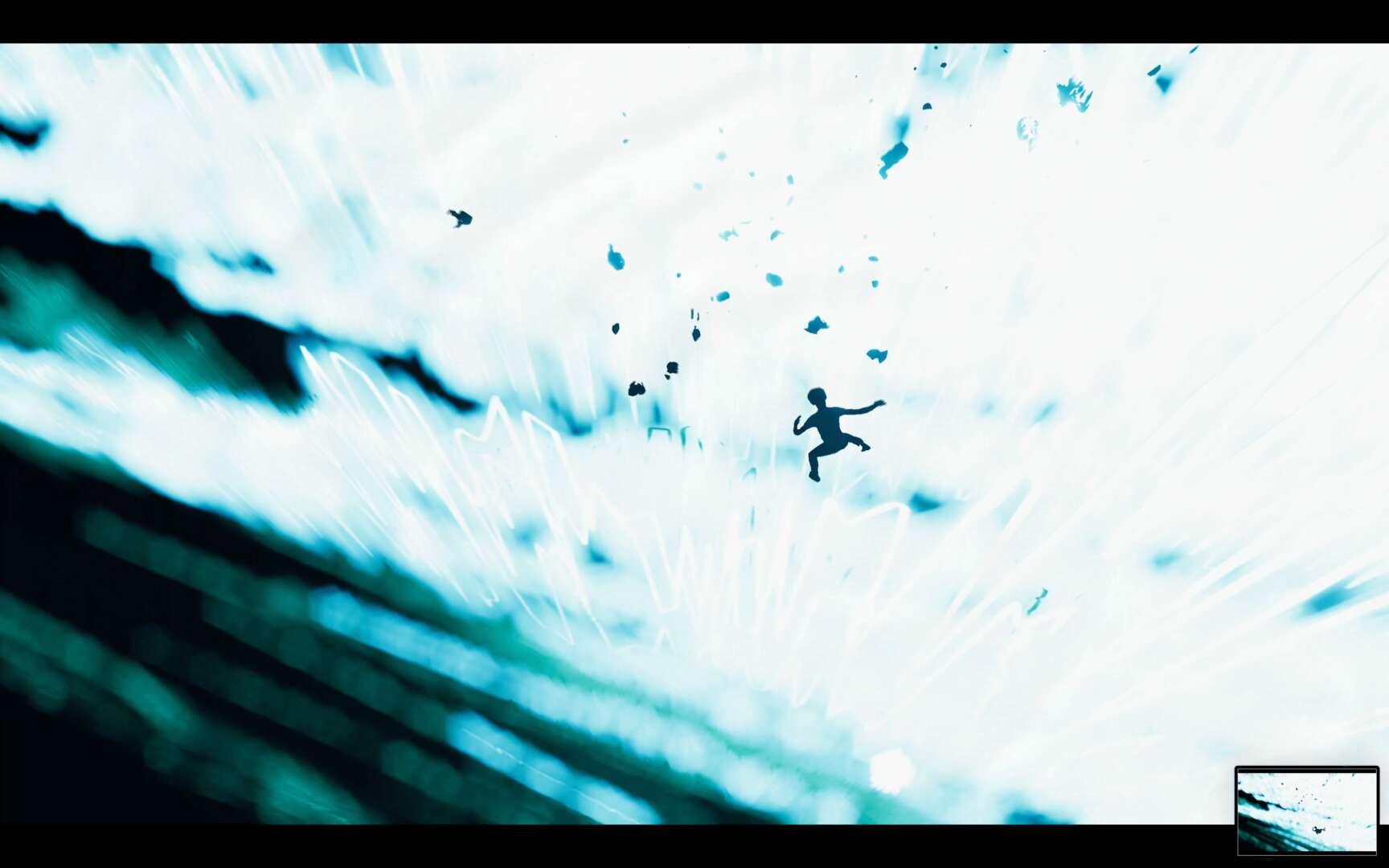
I am an artist and musician who creates audiovisual and interactive artworks that investigate how beliefs are acquired, transmitted, and performed in society. I have collaborated with filmmakers, choreographers, musicians, scholars, and other artists to produce video works, performances, and short films. My ability to straddle both music and the visual art worlds is something that I have found to be a unique characteristic and gives me a different insight into each of those areas. I grew up on a small family farm in the Midwest, which is quite a different space from the ones I regularly inhabit now. I really pride myself on interacting with different spaces and people that might be seen as disparate. I am also currently a professor at the University of Mississippi and I teach courses that explore video, sound, digital imaging, installation, performance, creative coding, and interactive media.
Is there a particular goal or mission driving your creative journey?
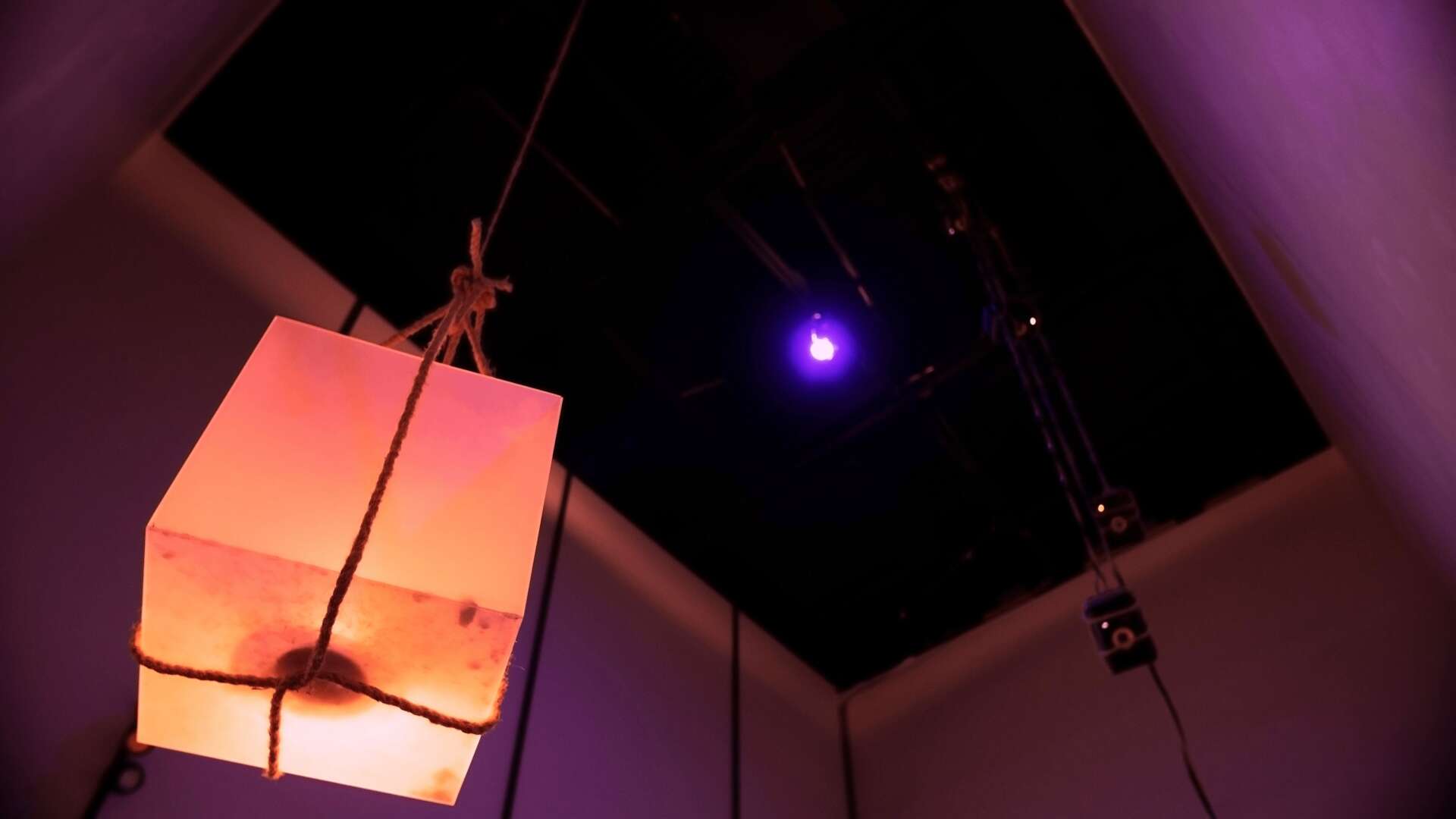
I think ideas are incredibly important, and I think the pathway that we take to arriving at our beliefs are equally significant. Many of my projects invite audiences to consider systematic belief systems and to question how beliefs are acquired and transmitted in society.
What can society do to ensure an environment that’s helpful to artists and creatives?
I think society has to look beyond investing in art and culture to simply make a profit. Artists are cultural producers who challenge and push society or propose new pathways for the future. That act in itself should be considered valuable, even if it doesn’t generate capital for the investors. Catering creative decisions to the dollar is one of the most limiting aspects of pop culture. I would urge more people to support small-scale art centers, performance venues, art house cinemas, etc.
Contact Info:
- Website: https://www.fczuke.com
- Instagram: fczuke
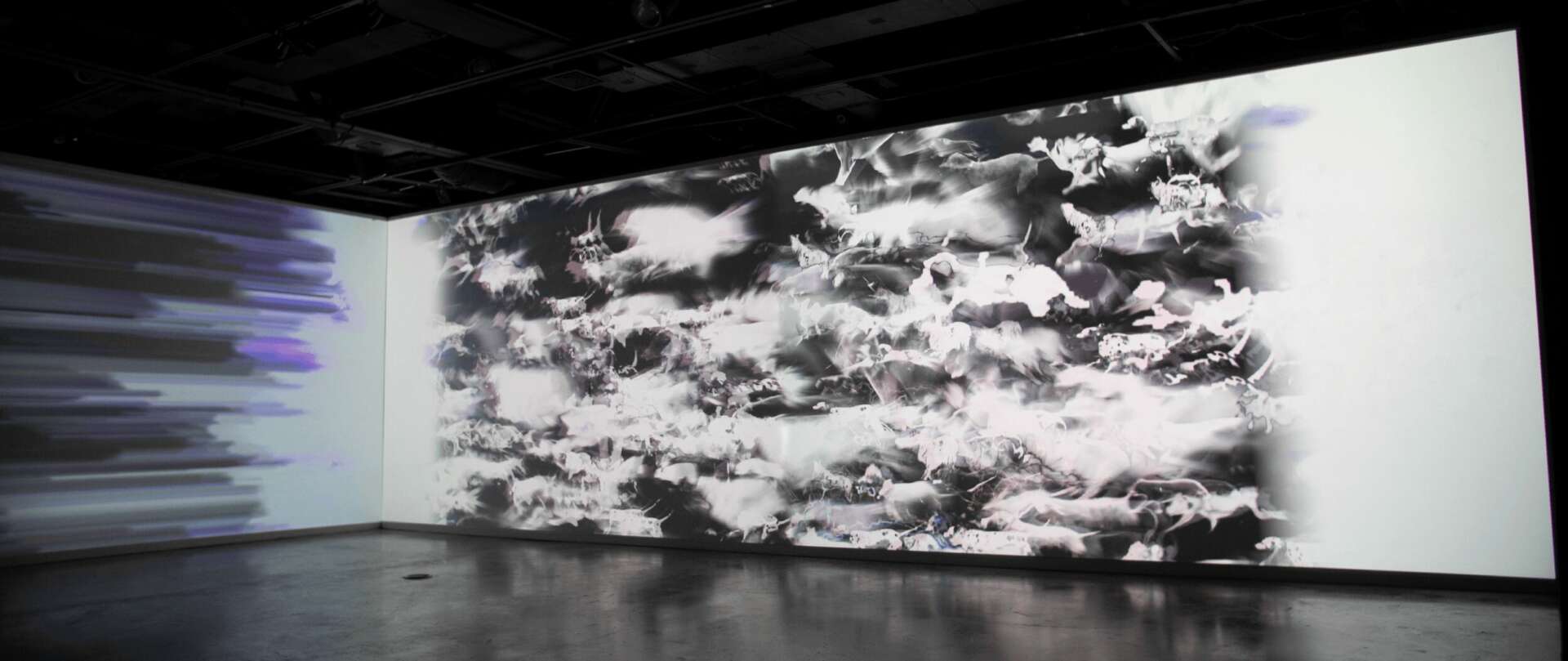
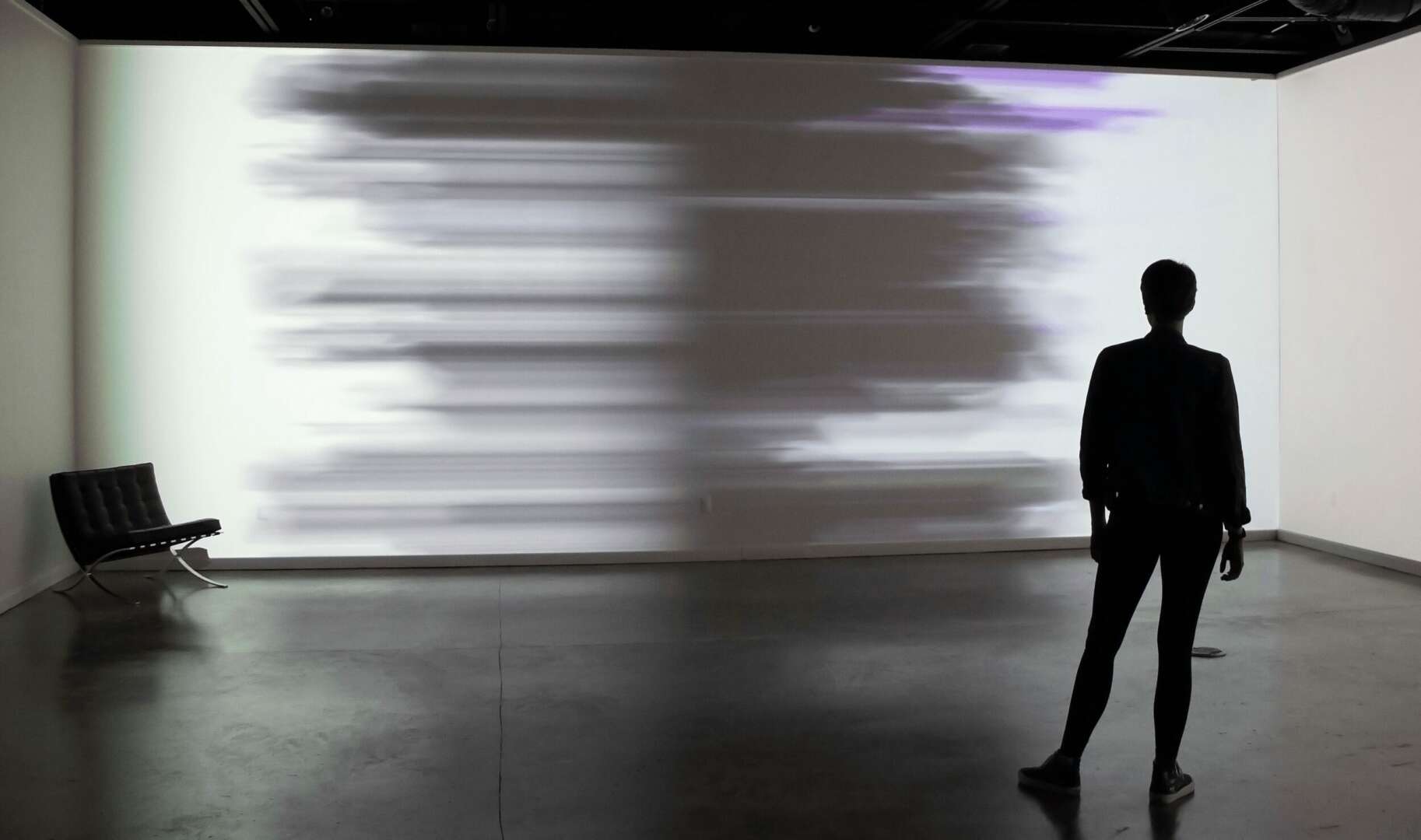
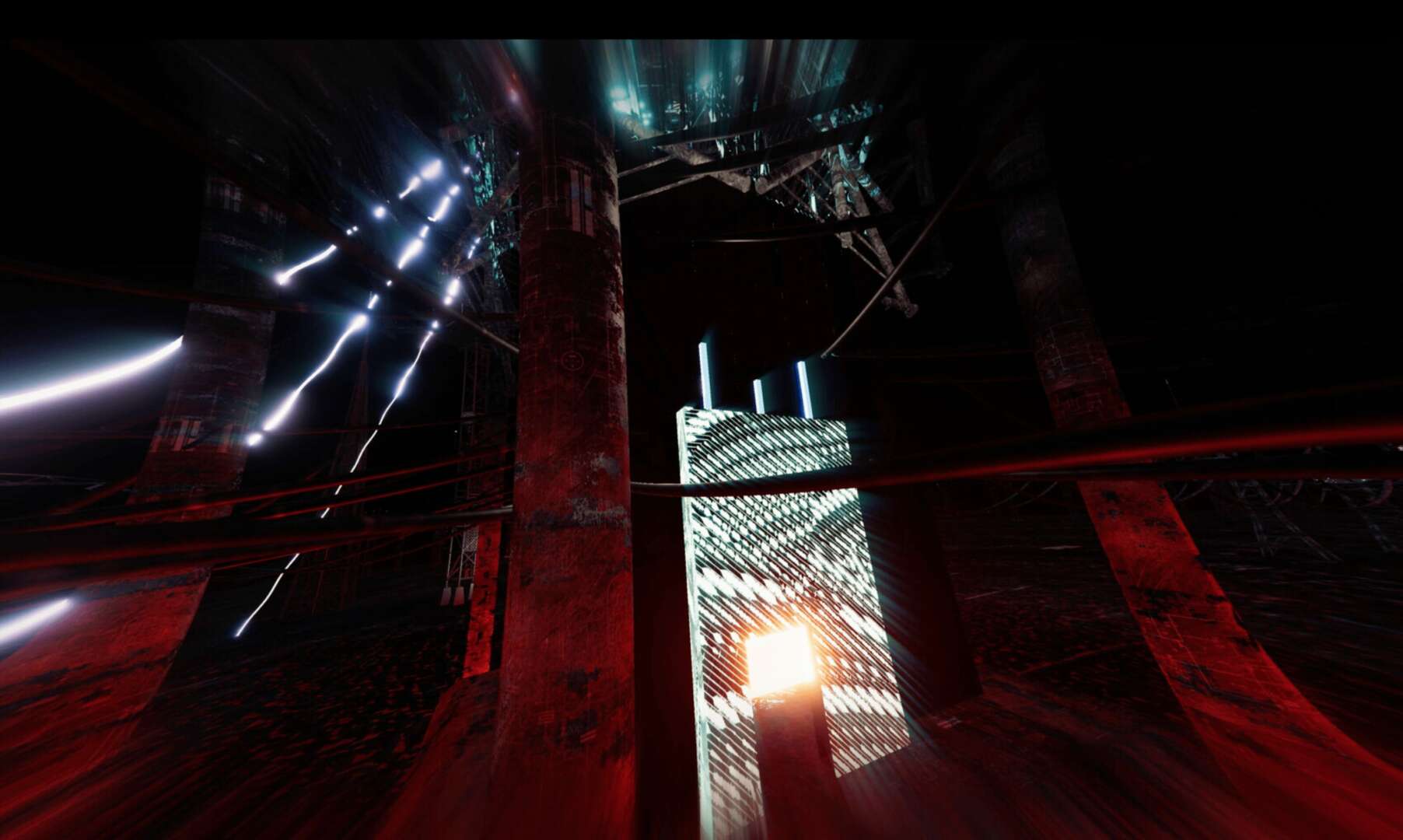
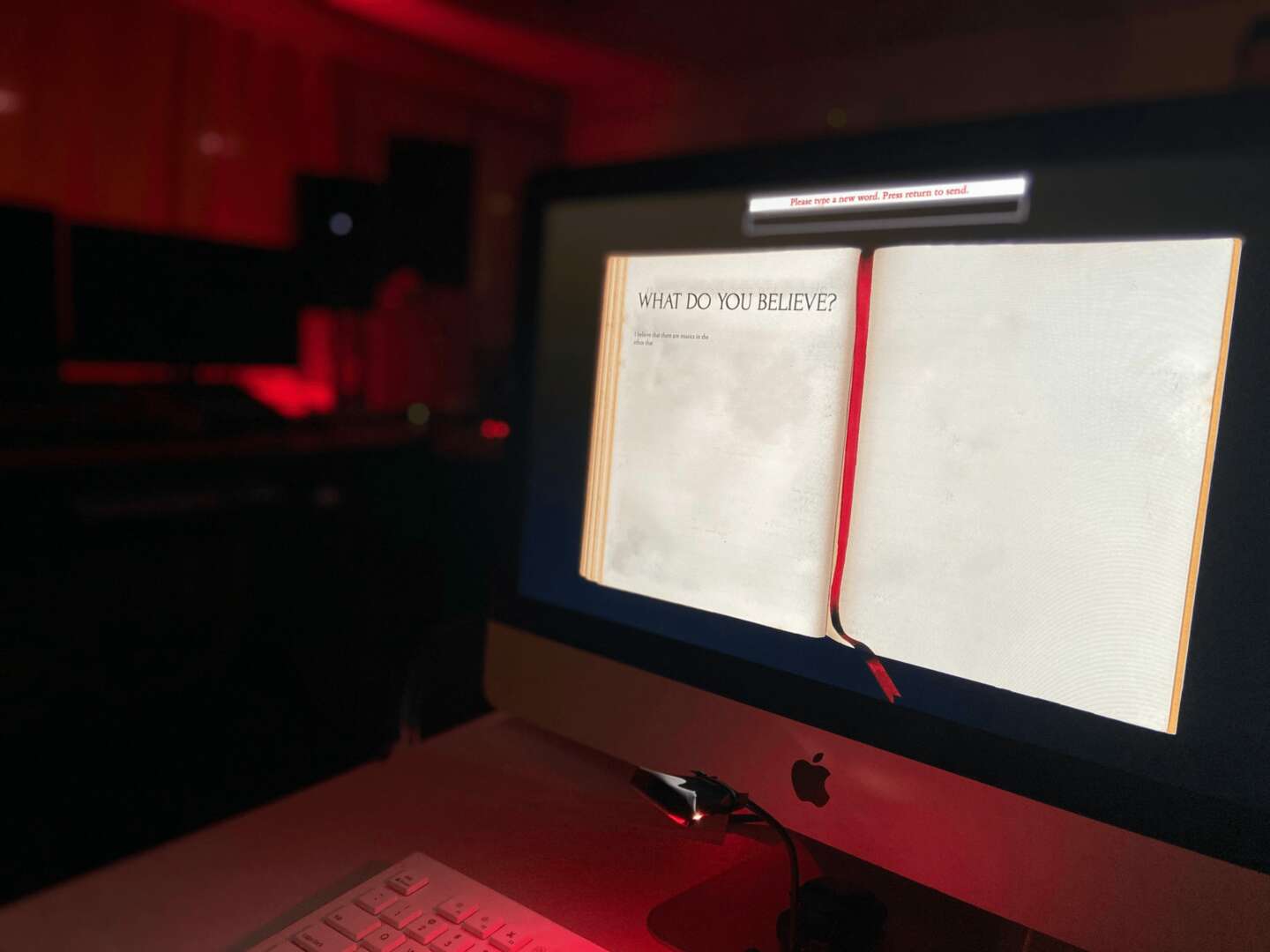
Image Credits
N/A