

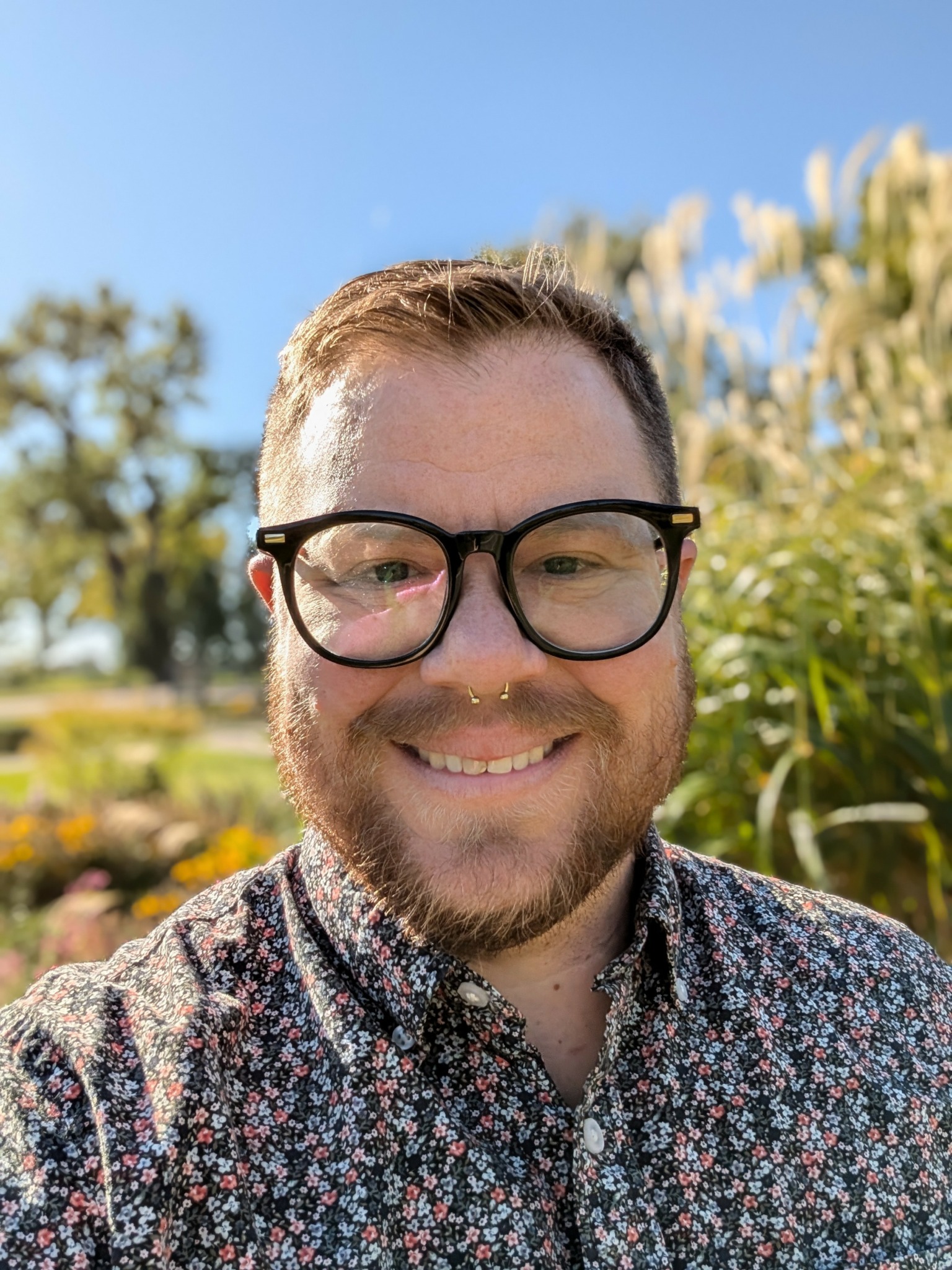

We’re excited to introduce you to the always interesting and insightful Everett Dietzler. We hope you’ll enjoy our conversation with Everett below.
Everett, thanks for taking the time to share your stories with us today How’s you first get into your field – what was your first job in this field?
I knew that I wanted to work specifically with the LGBTQ+ community when I was searching for my practicum site during grad school. It was a whirlwind of a semester with classes, working full time and participating in the outdoor experientials required for my program, keeping me beyond busy. I didn’t realize that there was a limited number of positions available at the organization I was applying to, so I had to search for other organizations that were serving the LGBTQ+ community in a flurry. The clock was ticking and I was really starting to feel the anxiety of having to find a site that didn’t support working with my communities. That’s when I came across iAmClinic. Their mission and values deeply aligned with mine and I crossed my fingers that they would have room for a practicum student. I called them up and asked if they were taking on practicum students for the upcoming semester and to my surprise, they were! It was such a warm and welcoming environment from the very beginning, that I immediately starting thinking about staying on for my internship.
During that period, iAmClinic became a second home to me. The amount of support I felt was not only unprecedented for a work environment, but for other areas of my life too. My supervisors not only helped me navigate difficult client moments, but they helped me navigate challenging life moments as well. They also celebrated me. My supervisors showed up to my capstone presentation and my graduation. When they asked me if I wanted to stay on after graduation, the answer was a resounding, yes. At a time in my career when imposter syndrome was the status quo, my supervisors empowered me to believe in myself by believing enough to take a chance on me. I have been here for almost three years now and I could not be more grateful to have found iAmClinic so serendipitously.
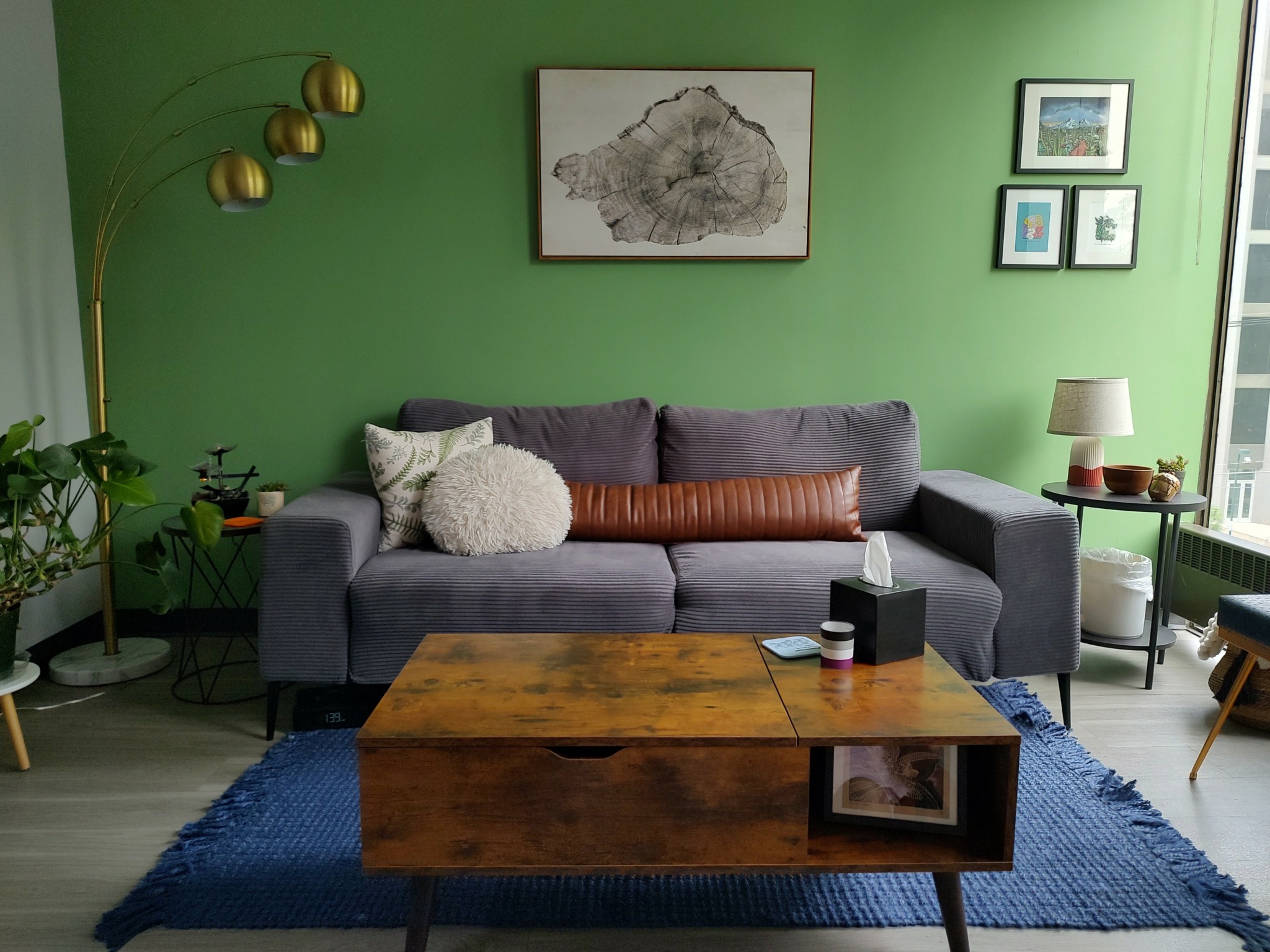
Everett, before we move on to more of these sorts of questions, can you take some time to bring our readers up to speed on you and what you do?
I have experienced a lot of loss and relational trauma in my life. My dad left when I was very young and my mom was mentally unwell, struggling with addiction and suicide attempts. We had a very tumultuous and enmeshed relationship, but I sought to better understand her as well as myself. In undergrad I took a lot of psychology classes and realized that my mom had undiagnosed Borderline Personality Disorder. This gave me a new way of understanding her that helped me start to create some healthy boundaries for myself. I became very passionate about becoming a mental health provider and started to look at graduate schools, specifically so I could work with the LGBTQ+ community.
The semester before I graduated, my sister passed away from a heroin overdose. I was absolutely devastated but somehow pushed myself through to graduation. And then I collapsed. I struggled with panic attacks and severe depression following her death and put off following my dreams of becoming a therapist. Two years after my sister died, my mom completed suicide. I was lost, fractured, struggling to find any sense of grounding. I worked with an amazing therapist named Tina, who helped me regulate my nervous system and develop compassion for myself for the first time. There was so much grief inside of me, I had no idea what to do with it at all or how to make myself whole. Around this time a friend invited me on a trip to the Upper Peninsula of Michigan and for the first time I felt like there was space for my grief. I returned year after year, deepening my connection with nature, immersing myself in the wilderness that held me, reflected myself back to me and showed me that there is so much beauty to live for in this world.
After I moved to Colorado, I was introduced to the healing power of psychedelics. There was still so much grief buried deep inside of me that I was finally able to move. I was finally starting to feel some freedom from my sorrow. It was a liberation that I had only caught glimpses of before my first mushroom journey. I became an avid believer in the healing capacity of psychedelic medicines. When I learned about Naropa’s Transpersonal Wilderness Therapy program, I knew that every experience in my life had brought me to that exact moment. Here were all of the things (therapy, nature, psychedelics) that I believed so passionately could transform people’s lives because they so profoundly transformed mine. I knew very clearly that it was my calling to pursue this field, to help give others the tools to grow and heal.
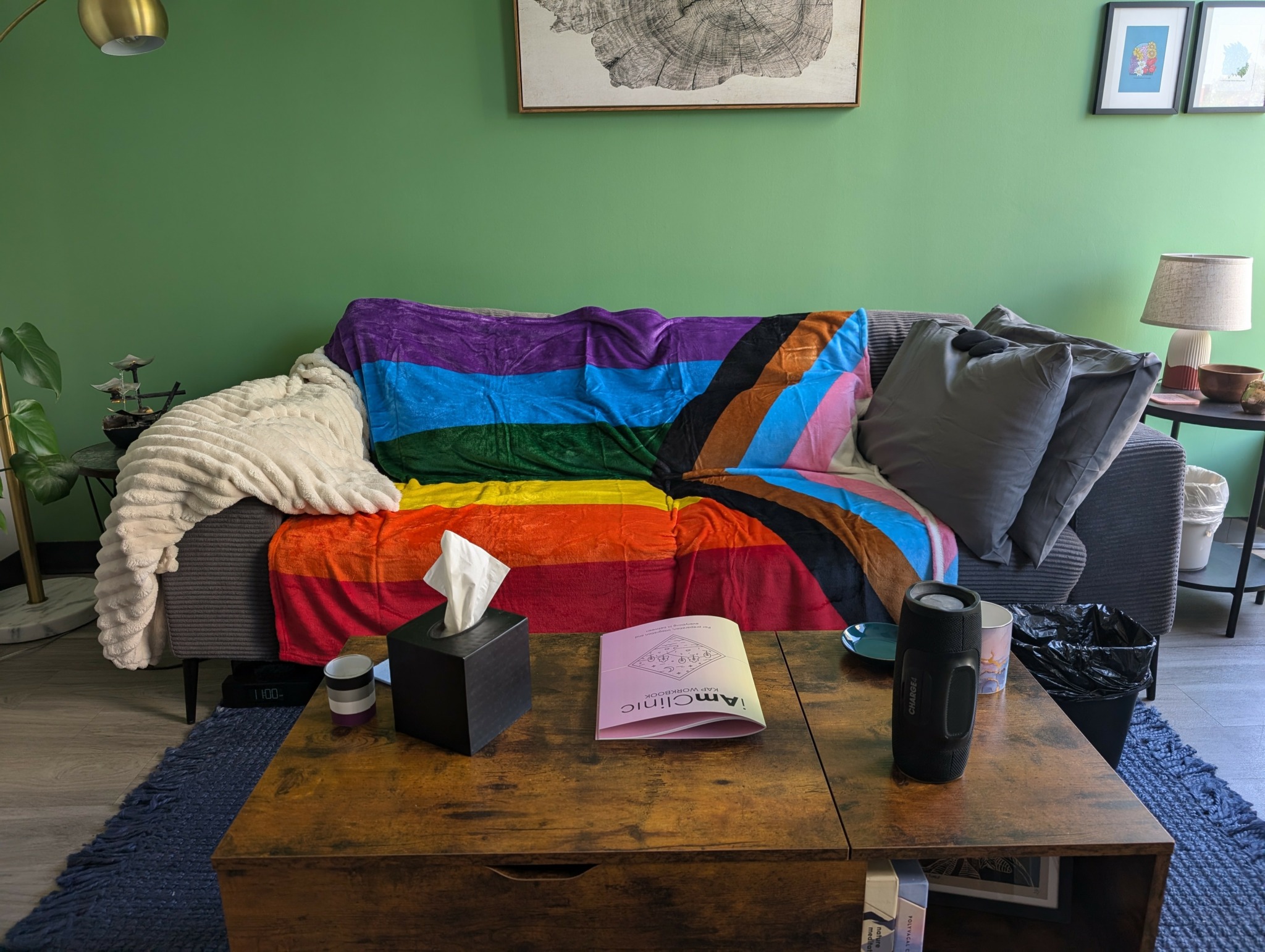
The psychedelic assisted therapy training at the Integrative Psychiatry Institute (IPI) has opened so many amazing doors for me. I developed the Ketamine Assisted Psychotherapy (KAP) program at iAmClinic and have recently started offering this service to my clients. Our program stands out because we offer personalized support to our clients every step of the way, from preparation to integration. Our clinicians are trauma informed and acutely aware of the struggles that are specific to the LGBTQ+ community. Our population is historically misunderstood and understudied by main stream psychology and this program aims to address that head on. I have developed a workbook that helps support clients throughout their journey from the very first intake session all the way through integration. We will be offering groups in the near future designed to foster a deeper sense of community connection and will offer ongoing integration circles that emphasize the queer and trans experience.
In November, I will be heading to Oregon to complete my experiential training for psilocybin. I hope to be one of the first clinicians to get licensed in Colorado next year to provide this service. I am beyond excited to offer this life changing medicine to the LGBTQ+ community as a queer and transgender clinician. I understand the importance of being seen by someone who’s identities reflect your own. I am incredibly proud of the program I have built at iAmClinic and hope to integrate psilocybin services into it next year!
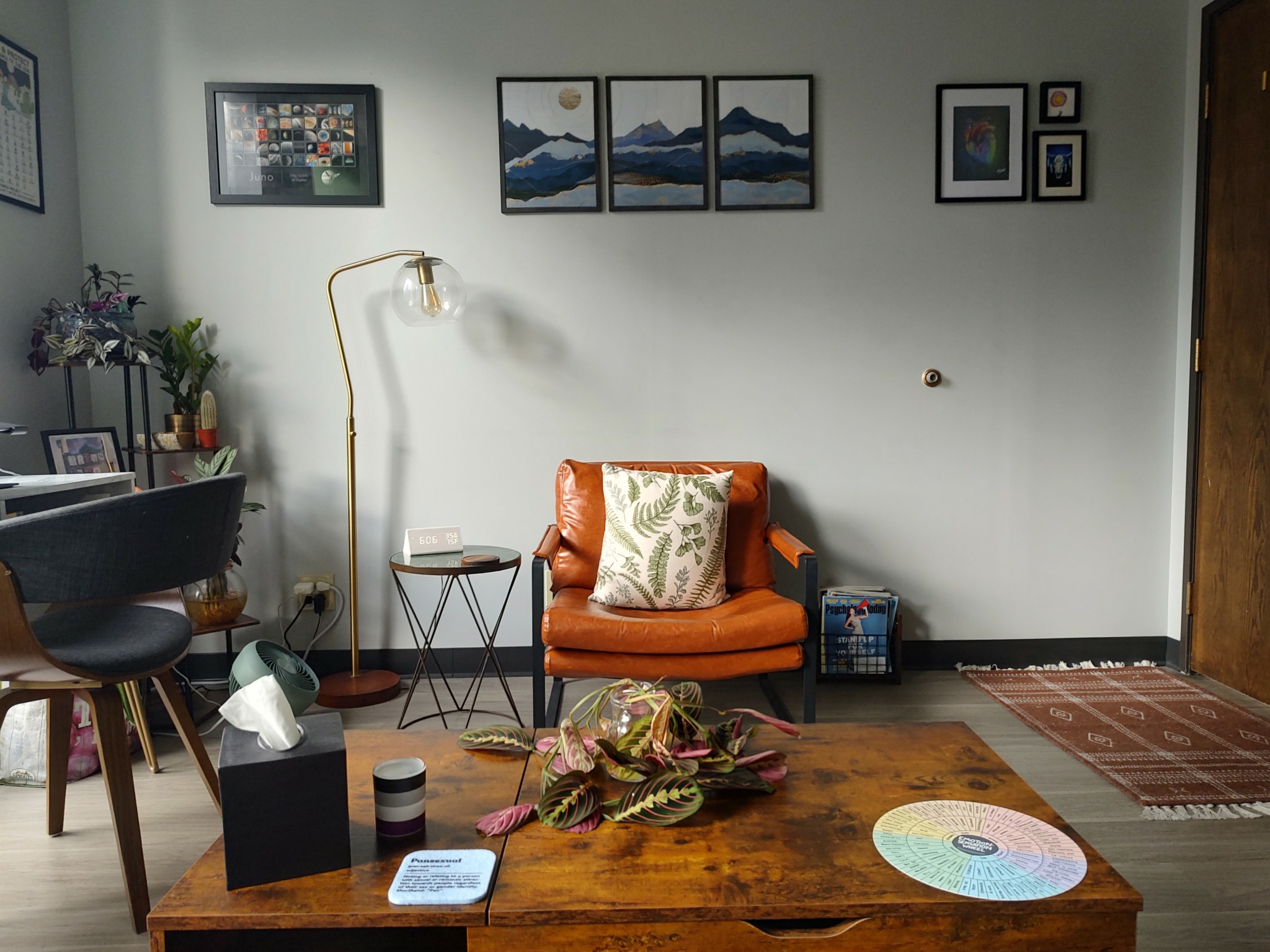
If you could go back in time, do you think you would have chosen a different profession or specialty?
One hundred percent. I feel like I am one of the fortunate few in life who knows what gifts I bring to my work and to my communities. I have a lot of gratitude for this understanding and continue to build on the knowledge I have and my education in my day to day. I am passionate about this work and see so many opportunities in the future for sharing that through working with clients, leading trainings, and one day writing a book. Psychedelic Assisted Therapy is going to completely change how we approach working with clients over the years to come. I am excited for this to be my focus and to have an opportunity to help bring much needed healing and relief to those who are suffering or struggling.
Putting training and knowledge aside, what else do you think really matters in terms of succeeding in your field?
One of the things I love the most about this field is the ongoing educational opportunities. Every training I take and book I read gives me more tools to provide my clients with. And yet, there are some things that are necessary to succeeding as a therapist that you just can’t learn in a text book. The first is presence. We have to be able to show up for our clients in a meaningful way, without being distracted or dysregulated. This is a practice that takes cultivation and is the essence of mindfulness. The second is active listening. This is a skill that is developed as we learn to be curious about what others have to say. We are not waiting for our chance to speak, or holding onto a thought we want to express, we are just listening and getting to know their story. The third is compassion. This is a skill we learn to hone through presence and active listening. If we can separate from our own beliefs and emotions long enough and really get curious about someone else’s experience, we can show up for almost anyone with compassion.
Contact Info:
- Website: https://iamclinic.org
- Linkedin: https://www.linkedin.com/in/everett-dietzler-ma-lpcc-220201158/
- Other: https://www.psychologytoday.com/profile/1055080
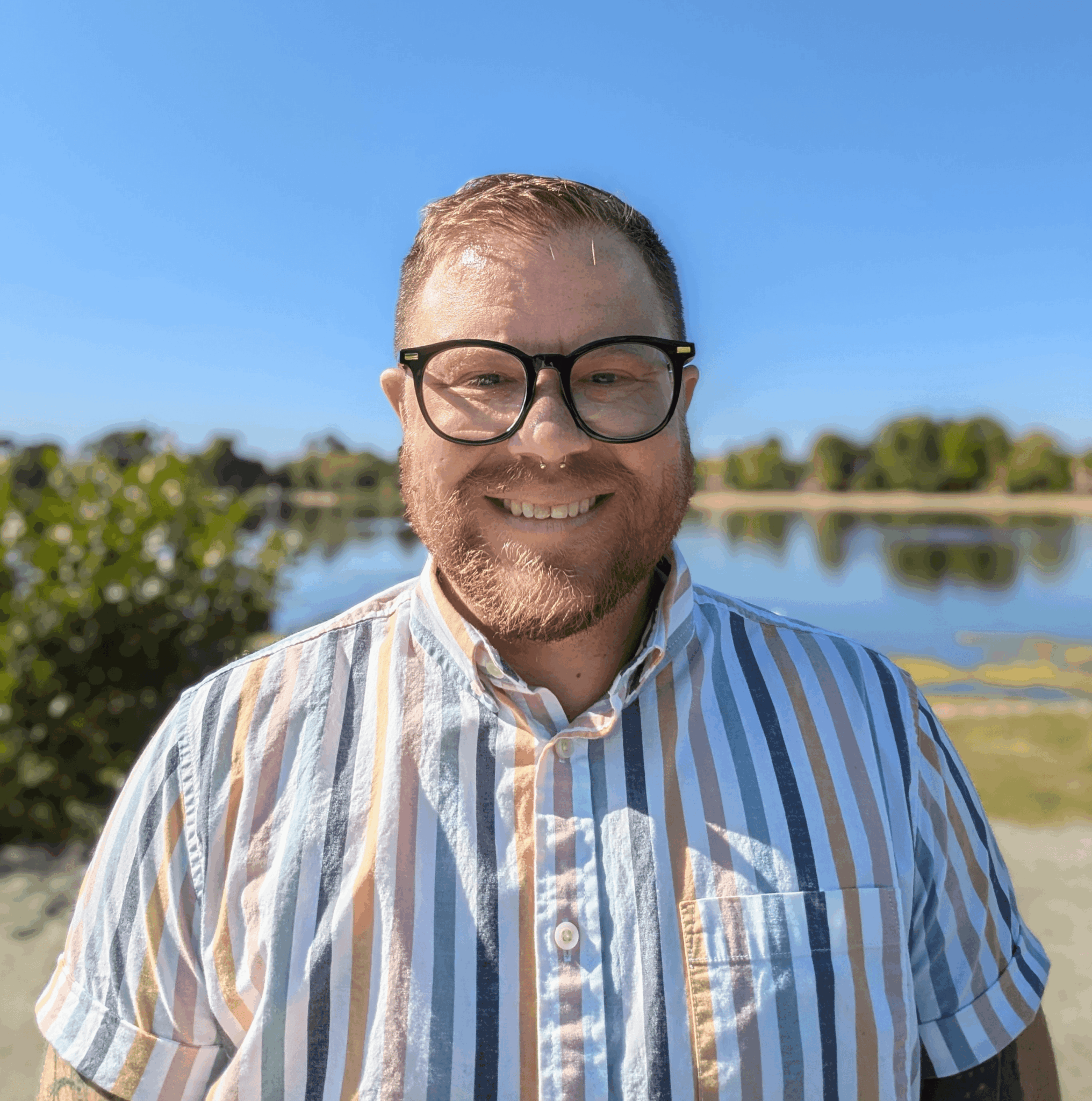
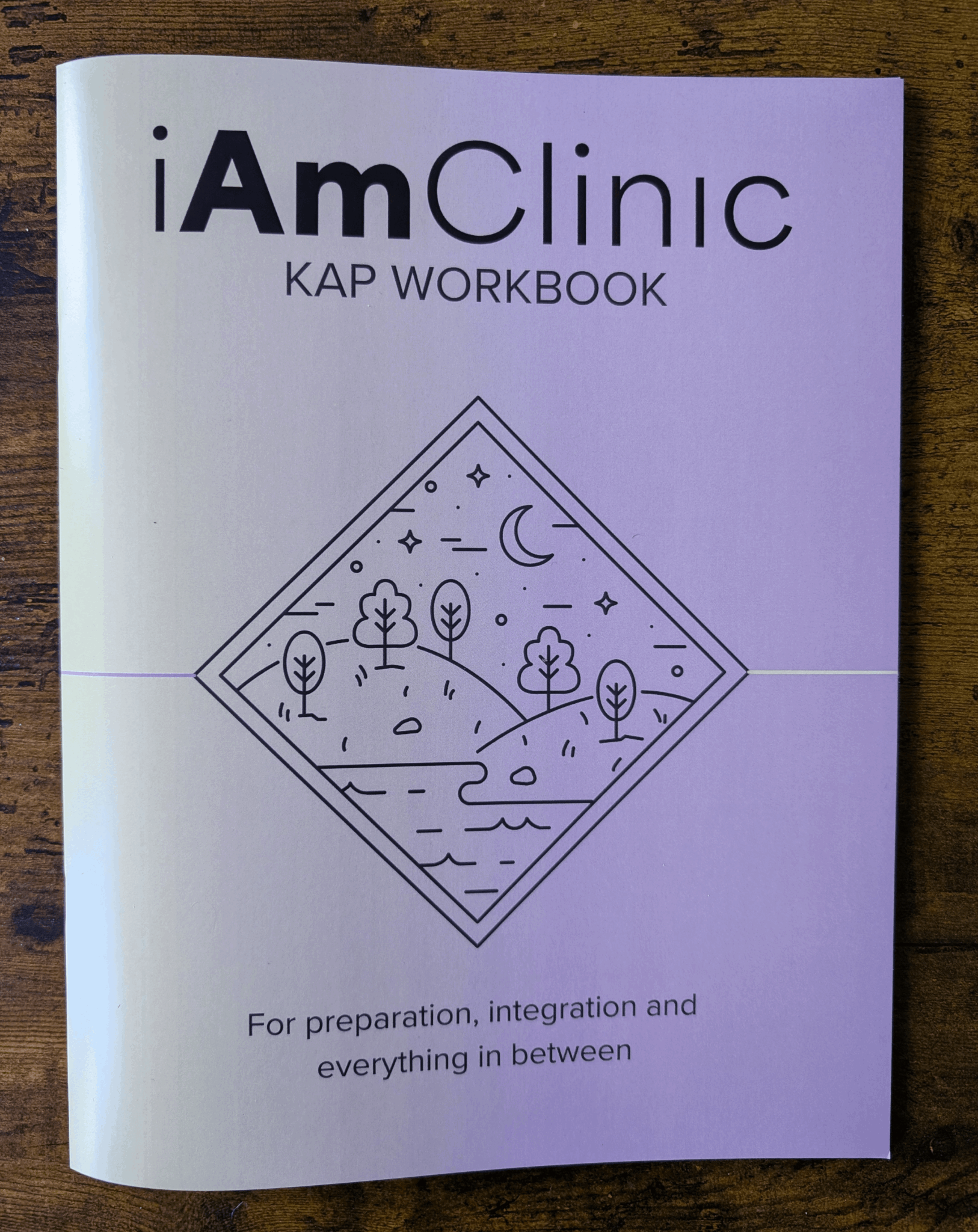
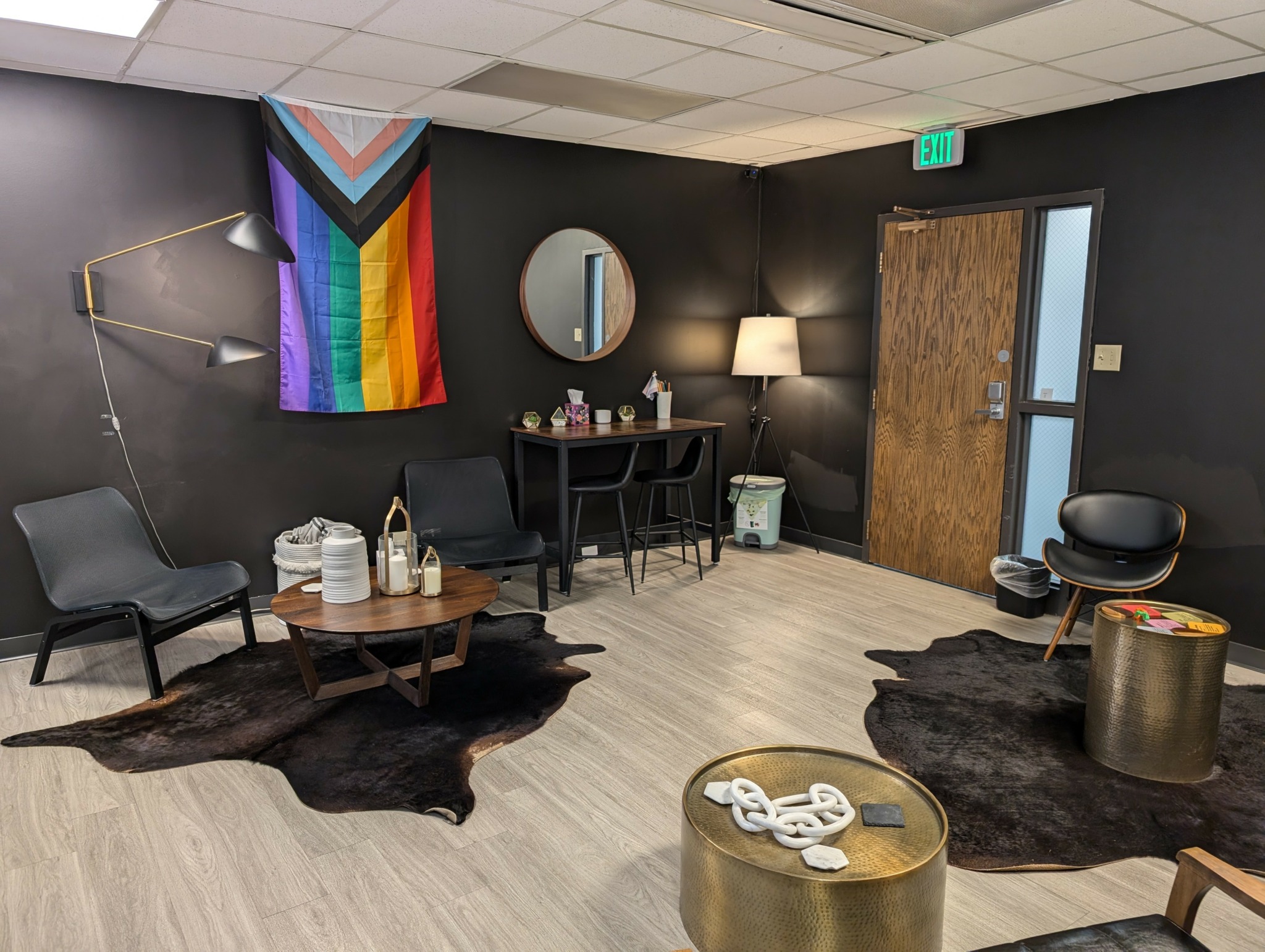
Image Credits
Everett Dietzler