

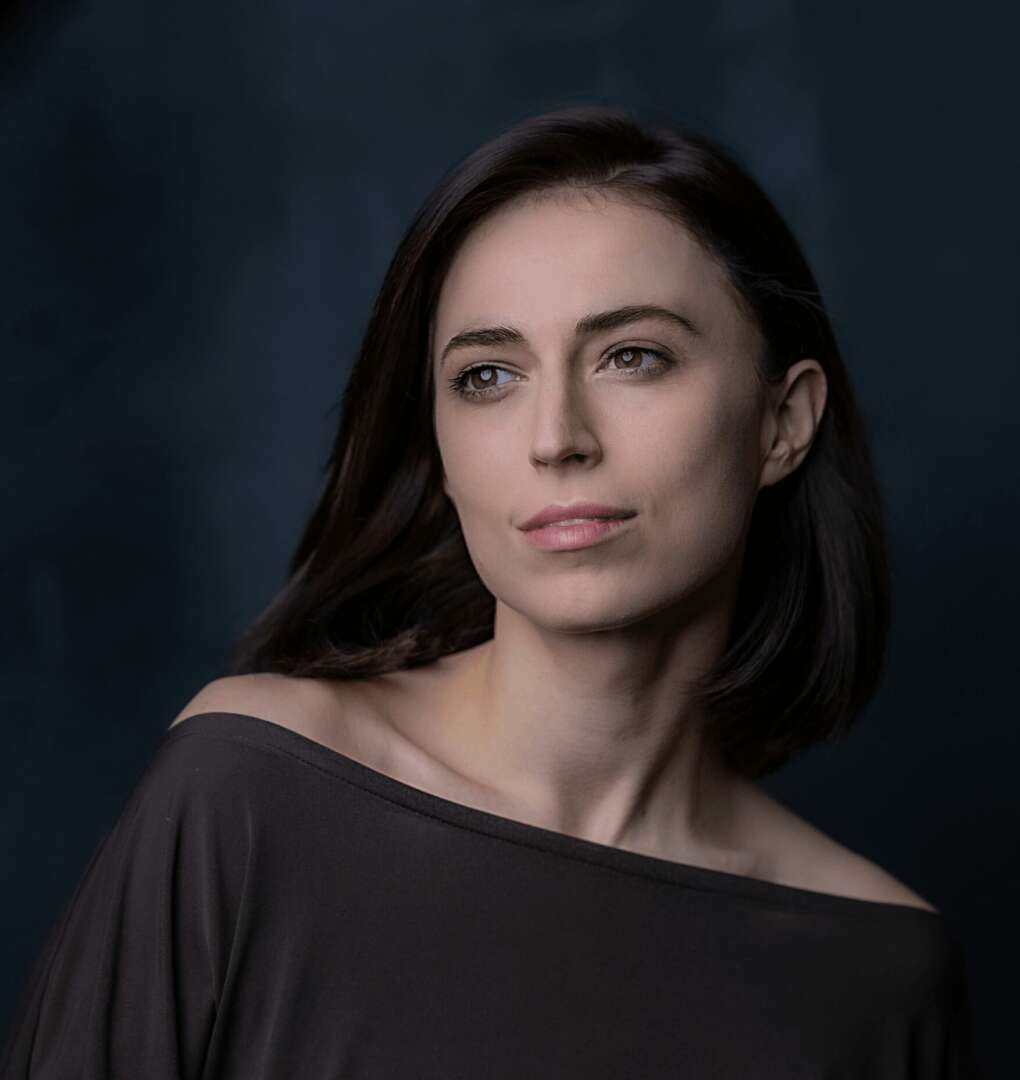

We caught up with the brilliant and insightful Eva-Marie Kung a few weeks ago and have shared our conversation below.
Eva-Marie, thanks for joining us, excited to have you contributing your stories and insights. I’m sure there have been days where the challenges of being an artist or creative force you to think about what it would be like to just have a regular job. When’s the last time you felt that way? Did you have any insights from the experience?
I think all artists are faced with this question on a yearly if not monthly basis: whether it be through watching those around us take traditional stepping stones (be it professional or personal) that we are so far removed from, the stress of total lack of financial security, or simply the impression that we aren’t making any progress or impact in our respective fields, there will be nagging doubts throughout your career.
As soon as I hit my 30s I was taken aback at the changes professionally and at the content I was bombarded with on the internet. Women can feel a much louder ticking clock in the acting industry, regarding our appearances and the societal pressure regarding family building etc. It’s therefore natural to panic, wondering if having a solid base, routine and savings might at least leave that option open later on.
There is a certain snobbery that many artists have regarding those in “normal jobs” that I dislike as it implies that it somehow takes greater courage or nobility to take on the art route rather than a traditional placement. Don’t get me wrong: I’m very aware of how distressingly unfair and yet wonderfully magical this career can be and am proud to be in it, but I also have deep respect for those who chose more stable work for whatever reason they did. Creativity is not a trait that belongs solely to artistic fields and should be celebrated in any career.
I was however also aware that a normal job wouldn’t necessarily cure the pressures I felt. Despite the income and the routine, many people I know in non-artistic careers feel just as much stress, uncertainty and disappointment as I did every day.
The only careers I had ever considered other than acting growing up were not B plans, but rather all other A plans: film director, doctor, ballet dancer, nature show presenter… some might still be possible but at the end of the day I always felt most at home on a film set or backstage in a theatre. Starting from scratch is far more intimidating than the devil you know and love, so might as well keep on the course of action I’ve already gambled on. Acting has always felt the most natural thing to do for me, so until I grow sick of it my place is here in its world.
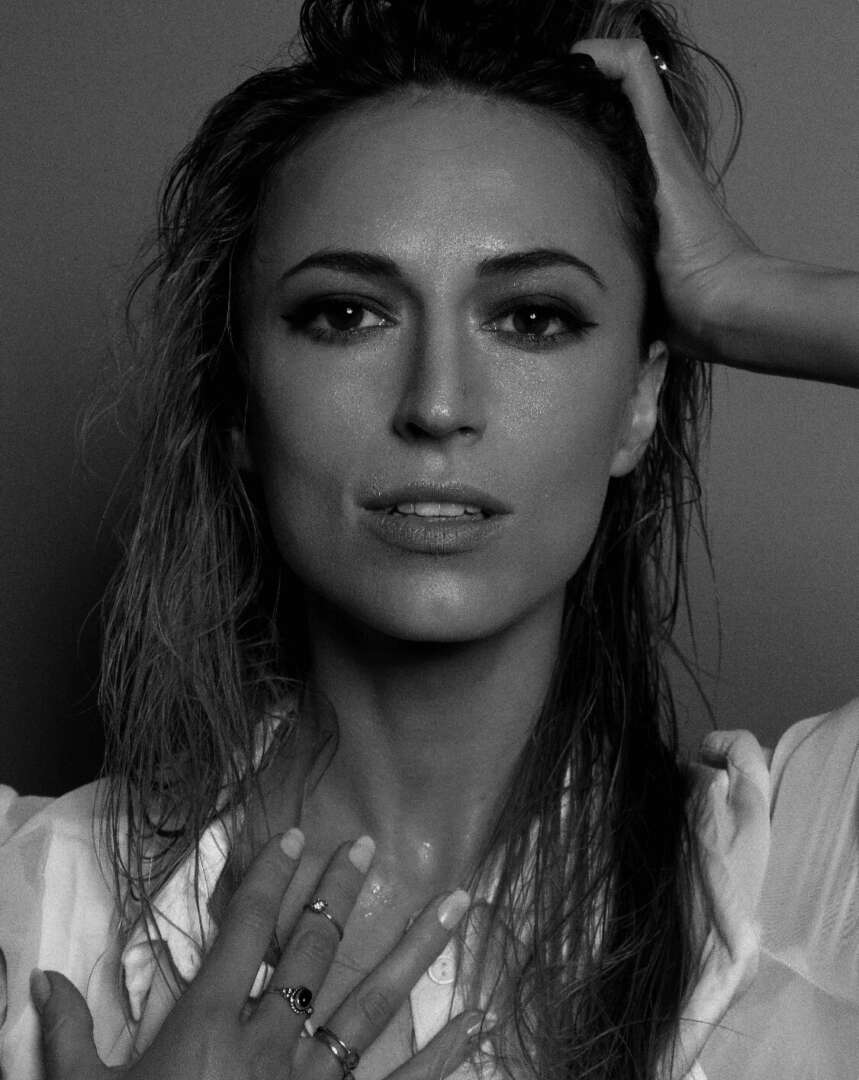
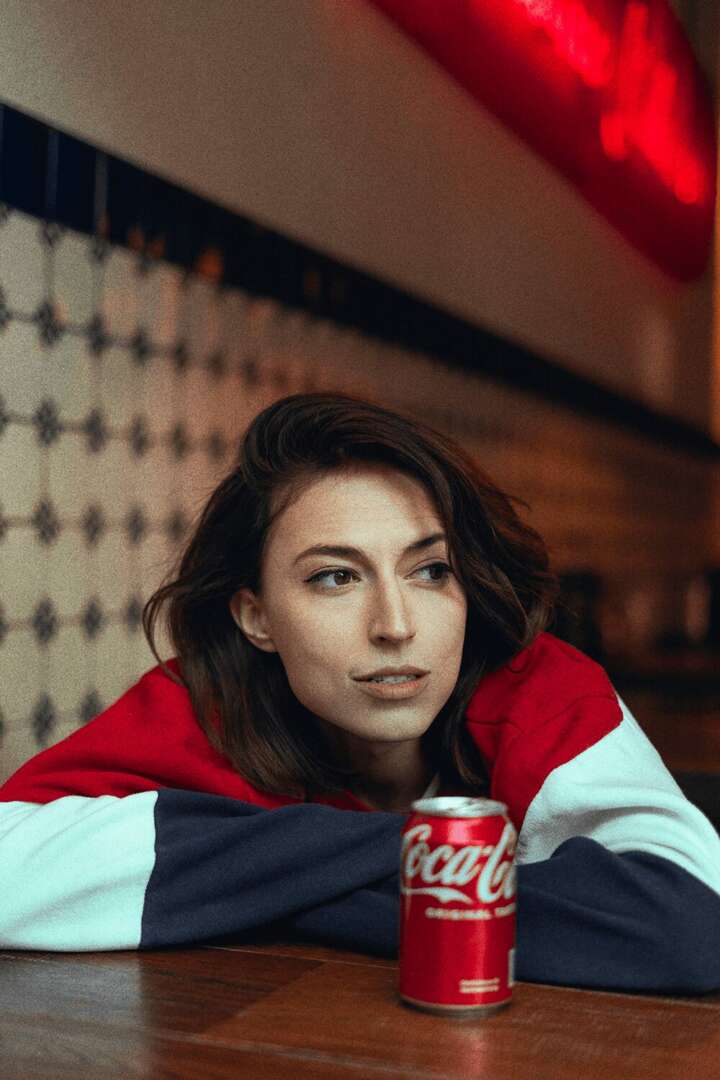
Awesome – so before we get into the rest of our questions, can you briefly introduce yourself to our readers.
I was fortunate to have been raised with some excellent films in the house, ranging from Hitchcock and Kurasawa to Rogers & Hammerstein and Disney classics. Growing up speaking French in a state school in Switzerland gave me a great introduction to Cahiers du Cinema auteurs and beautiful foreign films. I wanted to be an actor very early in life but parental concerns about the industry (understandable) along with a need for a fully-fledged education meant I only did amateur dramatics at first. I then started going to London over the summer for courses at RADA and RCSSD. Despite wanting desperately to go straight into drama school, I followed the advice from my family and a teacher at RADA, and first completed a Bachelor of Science at UCL before returning to RCSSD for my Master’s.
I don’t know if I should have started earlier or if this was the right path: I often wonder how differently things would have been had I gone straight to drama school rather than getting a degree in Zoology first, but that’s how it happened. I certainly don’t regret having learned so much about the world and topics outside of the arts. Although some opportunities may have taken much longer to come around, the experiences I had in University and the study accumulated from my course proved to be useful life lessons and knowledge that I often apply to my work.
Looking back at my teens and early twenties there was a lot of chaotic energy pent up inside me: I didn’t quite know how to channel it so perhaps it’s lucky that I didn’t start working as often back then. I did manage to get small parts here and there, which was actually a great way to learn. We often forget that people who do exceptionally well immediately never get a safe space to make mistakes and grow in, so I certainly am glad that much of my work from that time will never see the light of day and yet taught me so much.
I’d say my “brand”, or more specifically my casting, has changed a lot over the years. Where at first I got a lot of ‘glamour’ roles and non-speaking party girl, now I find myself reading for wonderfully intelligent, and darker, parts. I’d like to think I’m a kind-hearted person, but (perhaps due to my interest in medical science and psychology), I do have the ability to sympathise with less likeable characters. It’s also far more fun to play someone whose views you might disagree with, or who even scares you a little, and someone’s gotta do it. It may be a little hard at times, as we all care what people think of us to a certain degree, but the story comes first: I’m happy to provide the work to create any human being who serves the script as it was intended. If it’s entertaining to an audience along the way, then even better!
What’s a lesson you had to unlearn and what’s the backstory?
I was brought up to believe that hard work, concentration, and practice would always lead towards reward. I certainly found as much to be true in school as well as in my piano studies. As long as I put the hours in, practised and kept at it, the improvement and progress were always rewarded somehow.
All these efforts certainly come into play in my industry as much as any other but it took me a long time to realise that, unlike many other careers, it’s not a meritocracy. The selection of who ‘makes it’ and who doesn’t can seem arbitrary, unpredictable and at times even frustrating. Talent can come into it, as does practice, but in no way does that guarantee reward let alone work. You rarely get feedback, and even if you did it could be extremely subjective: what lost you one role might just get you the next one. It’s hard to know what to work on and practice because just about anything might come into play without warning. The truth of the matter is that there are just too many factors in play, and it’s usually things completely out of our control. I had years of feeling dispirited and, most of all, very confused: I didn’t understand what I could change or improve and so I kept trying to morph into what I thought they wanted to see. Not only do you drive yourself crazy doing this, but you also risk missing out on the things meant for you in the process.
An actor can transform in unbelievable ways, but at our core, we are all specific flavours or interpretations of the same character. That essence is your greatest strength. Once I started understanding what I was bringing to the table, through my own experiences and tastes, things started opening up. Ultimately I still work, practice and always aim to improve as much as possible, but I gained self-respect (and hopefully the respect of my peers) by now staying true to who I am as a human being regardless. I believe it allows for a more genuine conversation and partnership on new projects, and a more authentic and interesting performance.
Merit and talent might not be the key to recognition in my industry but I believe endurance and reputation play a big part. Keeping a good work ethic and genuine relationships with my coworkers has always led me to good things.
For you, what’s the most rewarding aspect of being a creative?
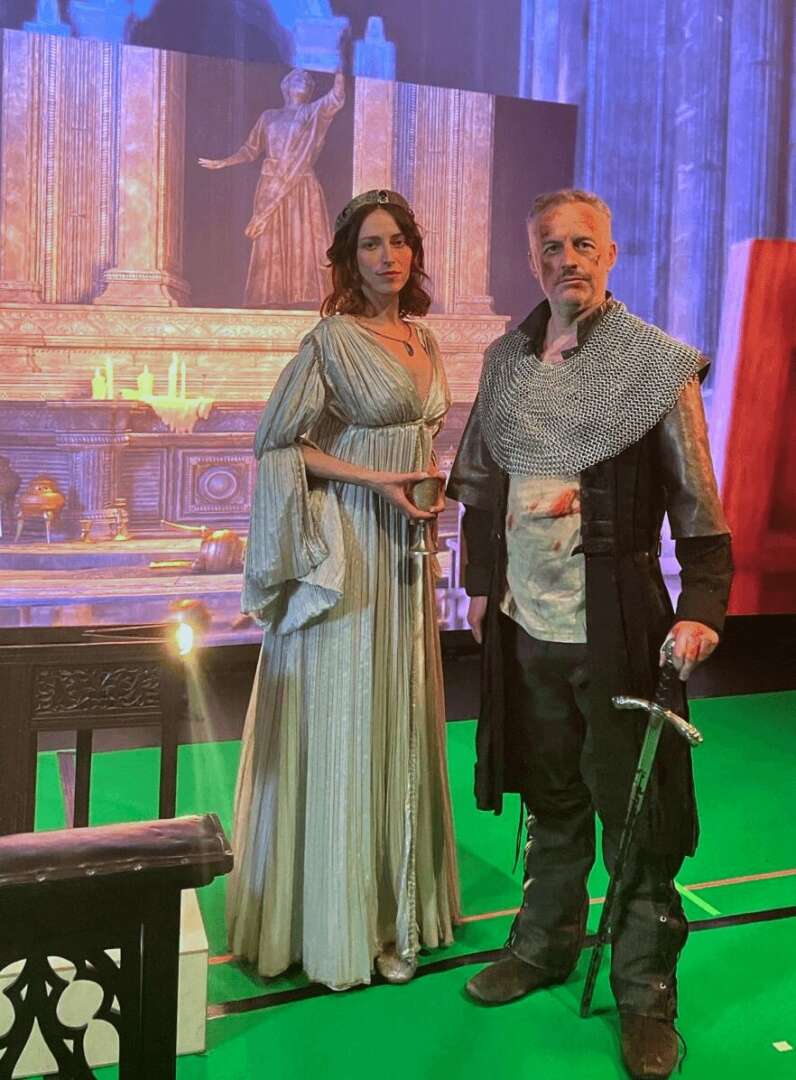
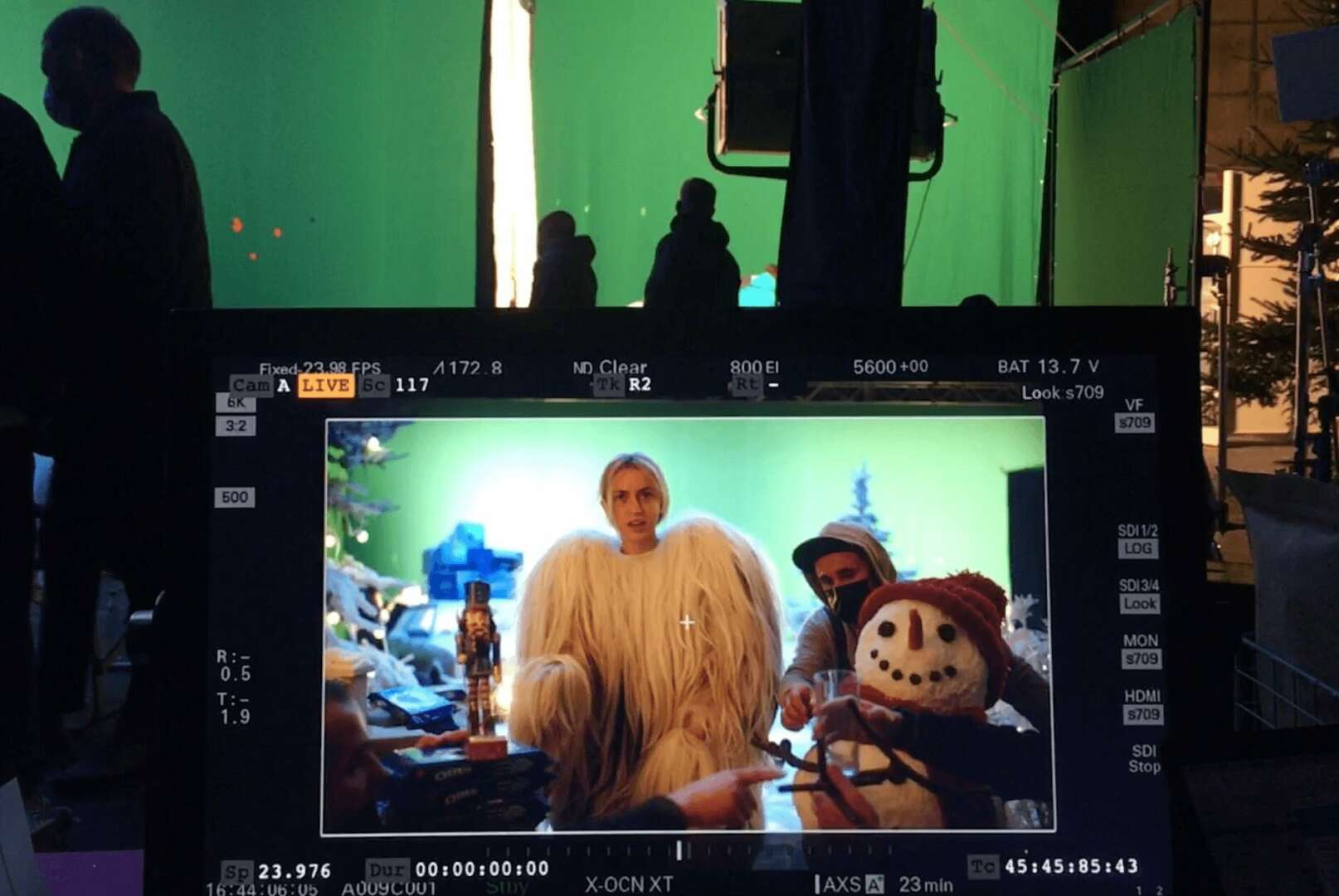
Living in between worlds. Sounds cheesy, but I do believe that there is a liberating strangeness in this job. It’s a constant contradiction, between the rough realities of the industry and the imaginary worlds it surrounds. Whether a film set or a stage, you’re in several places at once: In the literal space, surrounded by props, hidden cables, brazen lights and crew members hiding behind set pieces. In the space in your mind, the managing of your lines, the timing of your beats, the repetition and blocking of the scene, the unexpected emotions and the microphone hidden in your lapel. And finally, in a world wholly suspended in the audience’s or camera’s eye, the imaginary world itself, the character’s tragedies and joys, the suspense, the story.
To be able to feel all those things at once and know that you’re suspending belief and taking people on a journey with yourself as a vehicle is a pretty incredible feeling. It’s rare to get to do your job as an actor and not all roles are always pleasant or even rewarding. That space within spaces is such a magically intangible place that it makes most of the industry struggles worthwhile. It’s no coincidence it’s called a play, for at its root that is precisely what it is: playing. And that’s just about the most natural and wonderful activity for humans to engage in.
Contact Info:
- Website: https://evamariekng.wixsite.com/eva-mariekung/film
- Instagram: https://www.instagram.com/evawava111
- Linkedin: https://www.imdb.com/name/nm5699612/
- Other: My poetry book: https://www.amazon.co.uk/visible-Muse-Collected-Poems-Love/dp/B0CVXVZRRV
Image Credits
Robbo_Visuals, Shootmejaz, Tom Trevatt, Alastair Batchelor, Infinity Focus Photography