

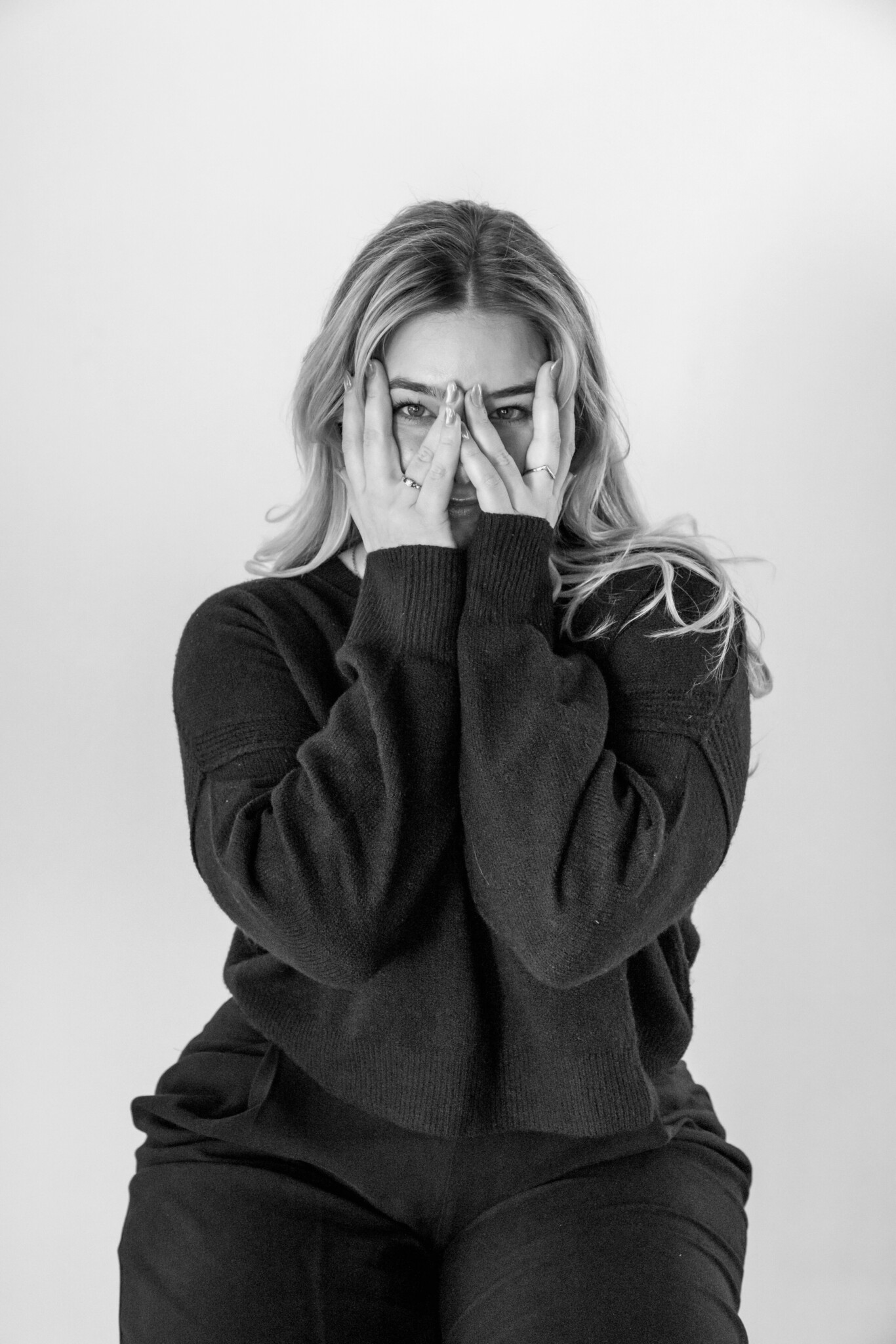

Alright – so today we’ve got the honor of introducing you to Eva Kolb. We think you’ll enjoy our conversation, we’ve shared it below.
Eva, appreciate you joining us today. Earning a full time living from one’s creative career can be incredibly difficult. Have you been able to do so and if so, can you share some of the key parts of your journey and any important advice or lessons that might help creatives who haven’t been able to yet?
I have had an incredible opportunity to make a full-time living from my creative work. I am fortunate to work at an agency called SGK where I have been working at for about 2.5 years.
I’ve always been an artist. From the moment I could pick up a pencil, I was drawing anything and everything. I spent most of my childhood filling sketchbook after sketchbook with characters, figure drawings, and random things that inspired me on the internet. As I got older, though, I got more and more nervous as a creative person. Everyone always talks about starving artists and their lack of success in such a competitive market. I was even told that artists aren’t famous until they die. It occurred to me that if I wanted to be successful, I would need to find a way to do art full time and figure out how to get paid for it. I distinctly remember my mother sitting me down and telling me that if I wanted to do art full time, I would need to do research on what it was exactly I wanted to do with that skill. My mother was always my number one supporter, but as social media grew and as I got closer to college, decisions had to be made. No one ever talked to me about design. I didn’t know what it meant, what it was, where to find it, how to do it. I remember looking up “creative jobs that pay well” on Google and finding the role “Creative Director” as a top paying creative position—I just ended up following the path on how to get there. Even still, when I got into college, I struggled to understand what the role of a designer really was. I didn’t even know how to use Photoshop or Illustrator until my sophomore year and honestly I wasn’t even good at either of them until my senior year of college. Even still, I fell in love with design. The paper, the textures, the glyphs, the many adobe shortcuts — it consumed my mind. The longer I designed, the more I realized how competitive the field is. The hardest part of that was that there were so many of my classmates and so many people online that were so much more talented than I was. I found out much later that people in my class had already been using adobe photoshop, illustrator, indesign, and XD for many years more than I had been using them. In turn, I was so scared of becoming the “starving artist” that come the first month of my senior year of college, I began applying to jobs prior to graduating. Rejection after rejection, email after email, I was terrified that I would have this bachelors degree without any prospect of finding a creative position. In total I applied to around 125 different jobs. I worked and worked to put myself out there. I called, emailed, and applied to every agency in the Maryland, DC, and Virginia area that I possibly could. Even jobs that I knew I would hate. I would stay up until 3AM refining my resume, curating my portfolio, and my LinkedIn profile to try and become as perfect of a candidate as I could. Although I had an internship, I found that many agencies didn’t want to take a chance on a freshly graduated college student. It was incredibly humbling. I came across SGK during this long process on LinkedIn. I instantly wanted to work there. Their work was so polished and so elite that I wrote down in a notebook several times “I will get the job at SGK.” after my first interview. I found out I got the job the month after I graduated. When I got the email, I broke down in tears and called my mom to let her know I had landed the position. It was truly a dream come true. I have been with SGK for about 2.5 years now and I love working here as much as I did when I started. I know I have much to learn still, but working for such an accomplished company so early in my career has me feeling incredibly grateful every single day. I have learned so much that I don’t think I would’ve learned as well anywhere else. I have worked very hard to continue to learn and absorb as many experiences as I can here and I feel fortunate to do so. I really feel that design is different in the real world than how it is taught in college and I also feel like not enough people know this kind of job exists. I think there are so many jobs under the creative umbrella that many people could pursue that aren’t talked about. I wish that there had been more opportunities when I was younger to be taught how to use digital art software and what creative agencies are like so that I could’ve had a little more of a head start, but honestly, I am pretty happy with where I am now.
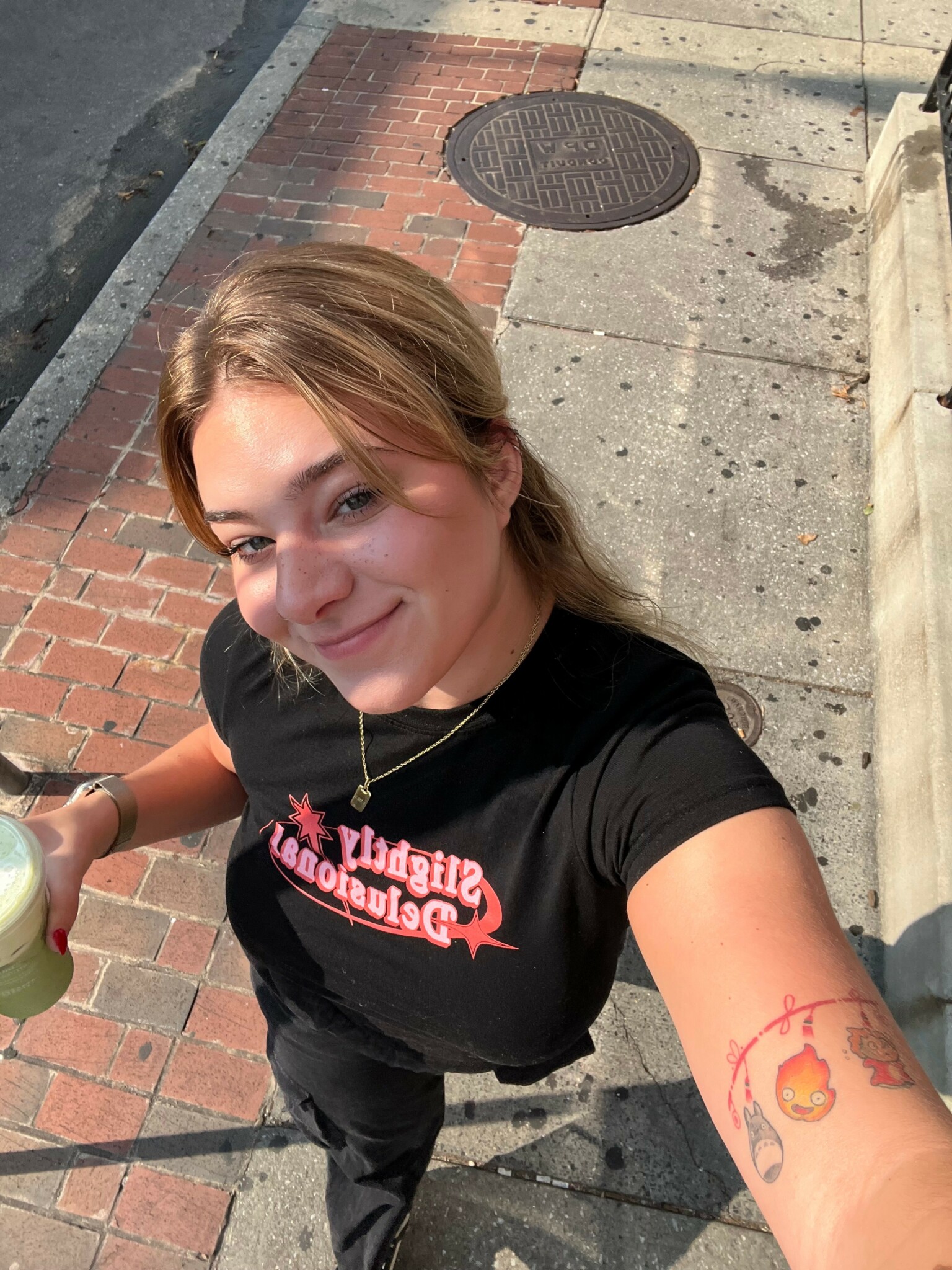
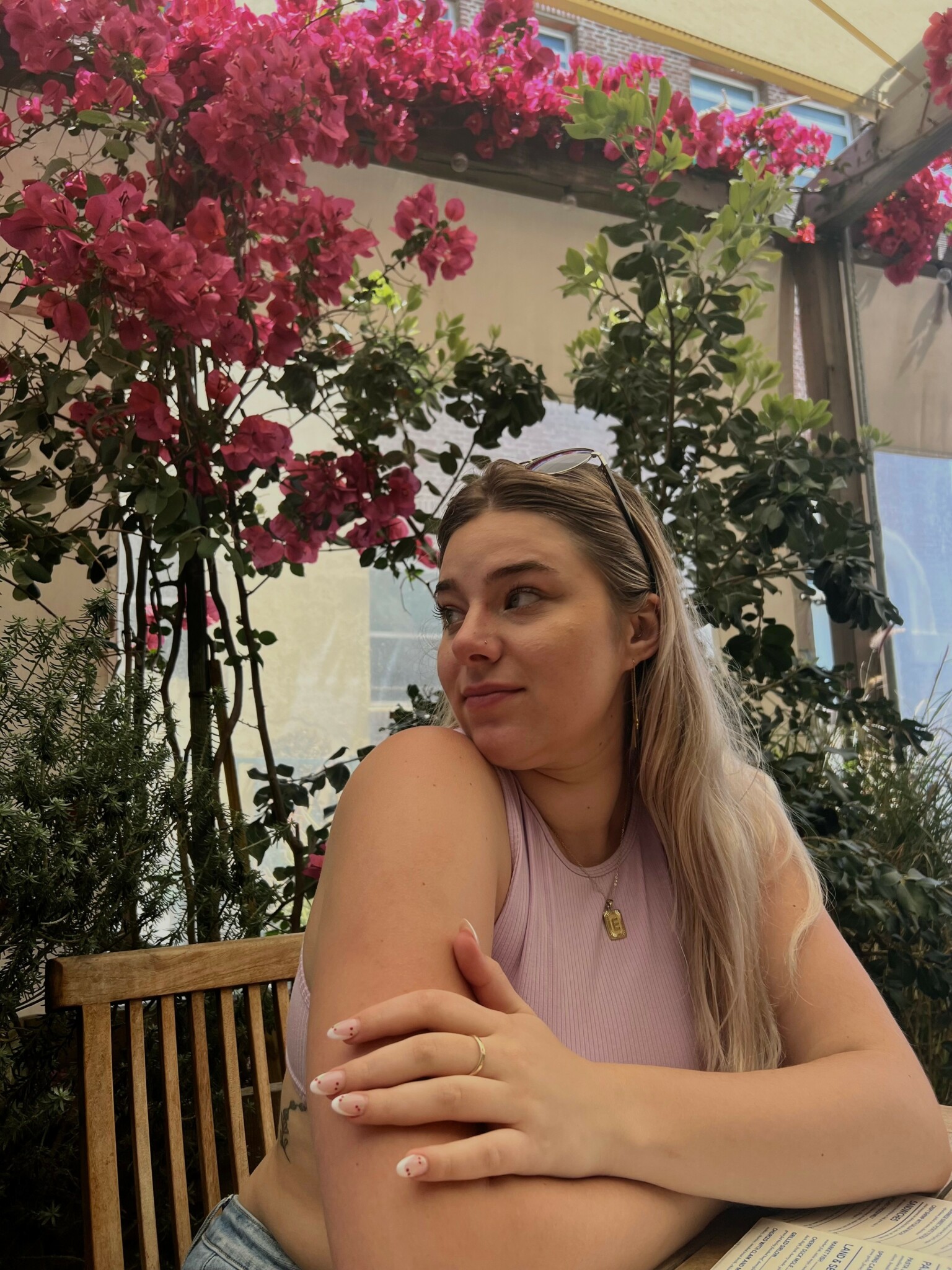
Eva, love having you share your insights with us. Before we ask you more questions, maybe you can take a moment to introduce yourself to our readers who might have missed our earlier conversations?
Something that is fascinating to me is that art is a vast landscape that frequently intertwines with itself. I found that my skills were developed by studying great painters, drawing or painting different forms, and learning the balance of color, composition, and shape. These skills in turn were able to be used in my career as a designer. I may not have started to build my hard skills as a designer until later in college, but I sure knew how to create. Later, I learned the meaning of a designers job and what role they’re meant to play in terms of graphic compositions and branding collateral, and I have blended my fine art skills with the hard skills that I continuously learn being a graphic designer. There’s a favorite quote of mine that says “Design is thinking made visual”, because in reality graphic designers are just the geniuses who solve creative problems with creative solutions.
Within SGK, we provide a variety of different services which has provided me with a variety of experiences and has begun to develop a hefty portfolio for me. From brand creation to brand experience, digital or physical, retail or online commerce, graphic designers at SGK are problem solvers for a variety of creative issues someone might face.
At only 24, I have worked on projects with a client set I have always dreamed about. I am very proud of myself for the success I have already achieved and the brands I have gotten to work with for my first job out of college. Even when I don’t get to work on some of the projects that come through our agency, the fact that I know who touched that work or the fact that I have gotten to see early rounds of that work come through is very inspiring for me. I have already led some creative projects and I have several opportunities to provide constructive perspectives on projects throughout the company. I have been specifically asked to work on projects throughout SGK and because of that, I have met some incredible people I get work every day with.
I am proud that I am able to provide an energy to the workplace that is fun and unique. In general, I feel for many Gen Z professionals, that we are considered lazy or that we have had a lot of things that are just handed to us or that we don’t take our jobs seriously. I believe Gen Z professionals are the quite opposite. I have worked day in and day out to do well in my position and also to provide the best I can to an agency that I believe deserves my best. I love being able to connect my coworkers and organization to a younger audience that is pushing for new and improved ways to see brands on and offline.
I adore working with an agency that focuses so much on brand experience. Consumer considerations and curating a space that caters to them is such an incredible skill when done correctly. And although SGK provides many services for our clients, creating memorable experiences is by far my favorite thing to do. I am fortunate to work alongside many veterans who know the ins and outs of the business and I feel like the longer I collaborate with them, the more I want to learn, and the more I DO learn. I am fortunate to be a fast learner—and thankfully so because this field is incredibly fast paced. At the start of my position, I was so overwhelmed with the speed and the volume of work. What many people don’t know or talk about is how quickly everything moves in the agency world. Once a brief is laid out, it is nonstop afterwards. It can be an easy way to get overstimulated, but I have found it is better to try and keep as calm as possible. Although my workflow has become much faster than it used to be, I have been learning that faster isn’t always better. Being able to slow down is a skill too, and honestly, one that I find is much harder to learn. When there are constant emails flooding your inbox and messages spamming your notifications, it can be super challenging to sit back and view something objectively. As I continue to work along teammates that trust me and that I feel like I can confide in, finding that calm place is a lot easier to get to. I feel like having a great team is just as important as enjoying the work you do because if your teammates aren’t able to support you, I have found that atmosphere can become very difficult to continue to work in.
Growing up, I was very pessimistic—definitely a glass half empty kind of person. Now, as I get older, I feel like I am pushing myself more to see the world in a more positive light. My mom used to say to me that “we cannot control others, but we can control how we react to others.” and I have learned how to apply that to my job as well. Being a creative person is incredibly fulfilling, but also terrifying. As an artist, you can begin to develop such an attachment to your work, especially when you have poured your heart and time into it. When I went through critiques in high school and college, I had mixed feelings about how other people viewed or spoke about my work. Occasionally, I would love critique because I would see it as a way to improve and learn from others, but if I was more attached to the work, I would find the critique hurtful and sometimes as a jab at my own character or ability as an artist. It can be really hard to not absorb someone else’s critique as a negative comment about you and your character or skill, and I think that isn’t talked about enough when people talk about creative positions. Design and art can be incredibly subjective and I remember, because of that, my first few months as a professional had a lot of growing pains. Jumping from being a young creative with little to no constructive criticism to a professional, full-time artist can be very challenging. Even though I felt that I was talented, I knew that I was the youngest and least experienced in the group. With inexperience comes mistakes — but with mistakes comes learning lessons. Instead of dragging myself down, I have learned to lift myself up more and take revisions or critiques with a smile, because it only means that my next designs will be better than the previous. In reality, all we want is to feel like we have done a good job and that we have learned something, and because of that it is always great to never be the most experienced in the room.
I’ve also found that the more I walk in and try to make others feel good, the better I felt about myself and my art too. Each morning, no matter how hard it is, I try to walk into the office with a smile on my face and a pep in my step. I try to accept work and revisions positively and willingly. In turn, I feel that I have become someone that other people look forward to seeing. I even look forward to going into the office because I love to see my coworkers and I want to put a smile on their face. The older I get, the more I realize the power of a true compliment and the power of being a kind person. I consistently try to compliment at least one person each day. I find that when I make other people feel good, I feel good, and then my work looks really good. I try to never underestimate the power of confidence and good intentions. Both of those can go a long way. Considering imposter syndrome has become increasingly prevalent throughout the years and has become better recognized, I’ve found that by taking on a more positive attitude and making others around you feel positive too, you can begin to realize that you’re where you are for a reason. Even if there are some people who don’t react to kindness well, you will more often than not find someone that will be deeply moved by your positive disposition and your willingness to do right by them.
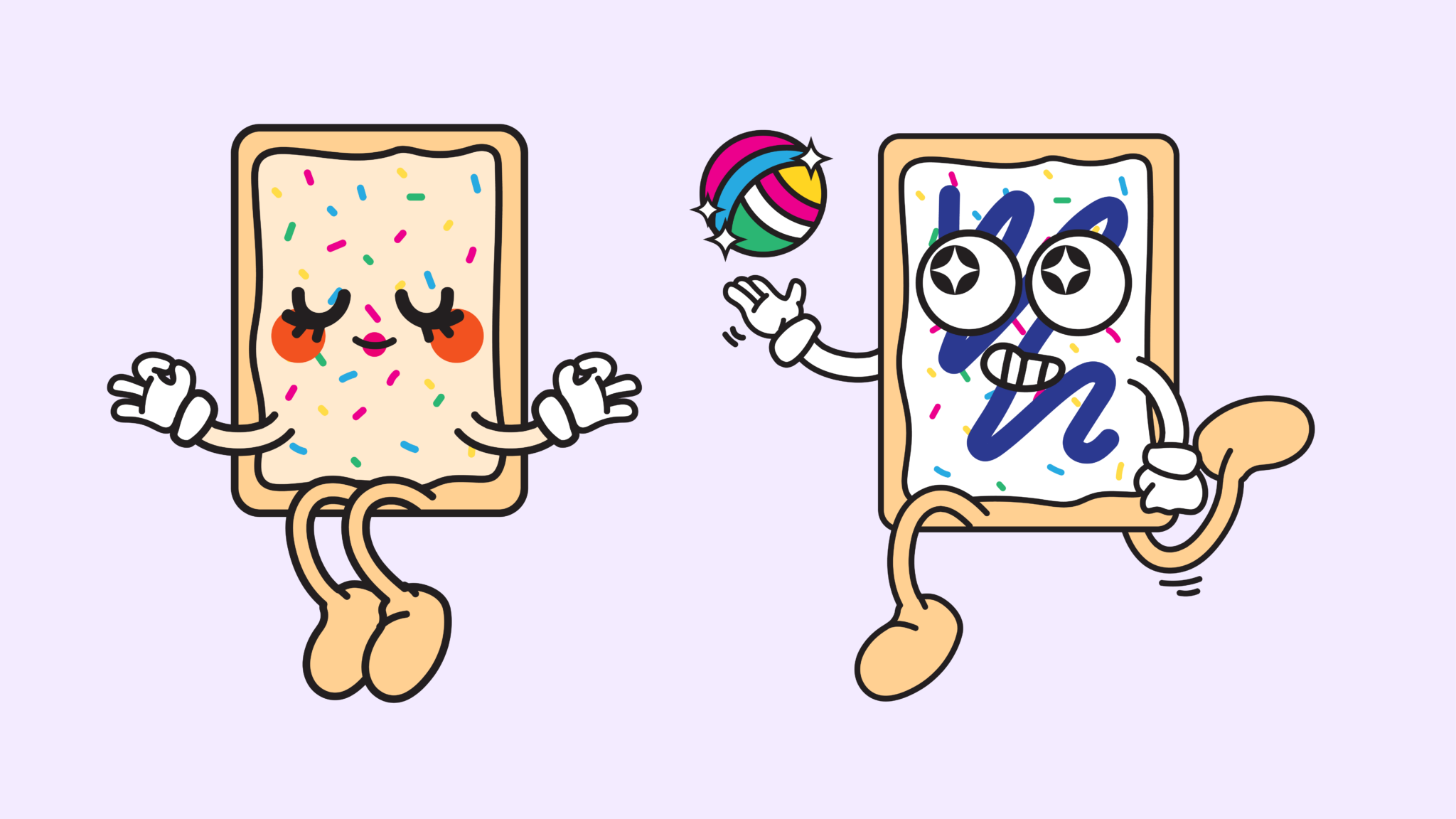
Any resources you can share with us that might be helpful to other creatives?
I wish that other artists / creatives knew the value in doing things that aren’t traditionally creative. Being able to go outside and go for a walk, talking with other creatives, reading a book, going to museums, are all free resources that I think many of us take for granted. This past summer, I initiated a series of one on one meetings with several people throughout my company to ask a variety of questions about design and being a professional creative, of which I asked a simple question: “how do you stay creative when being a full-time creative?” Many of the people I asked this question found it the hardest to answer. The reality is, it looks different for everyone, but all in all, they weren’t traditionally “creative” activities. Some people told me they liked to play with their dog, or go walk in their local park, or scroll through social media until something inspired them; none of which were answers I expected. When I was in college, I felt like I was programmed to believe that I could just push through artists block. That blocks lasted a long time and gradually fizzled away. For me, this was never really the case. I felt so alone, working every day as a creative and subsequently not feeling creative at all. Loving my job, but hating everything I made. I never even thought to just sit back and be present with myself as a solution. I think as a whole, society insists that to become a great artist you have to study textbooks, paint or draw from studies, watch videos online on how to be better, and inevitably produce as much content as you can. It kind of takes the joy out of the passion. I found the more I produced and treated myself like a machine, the less and less I liked my work. It is an incredible privilege to be able to walk outside and breathe in fresh air or to wave at a neighbor or talk with a friend. Sometimes it’s the resources that we don’t recognize that become the most influential.

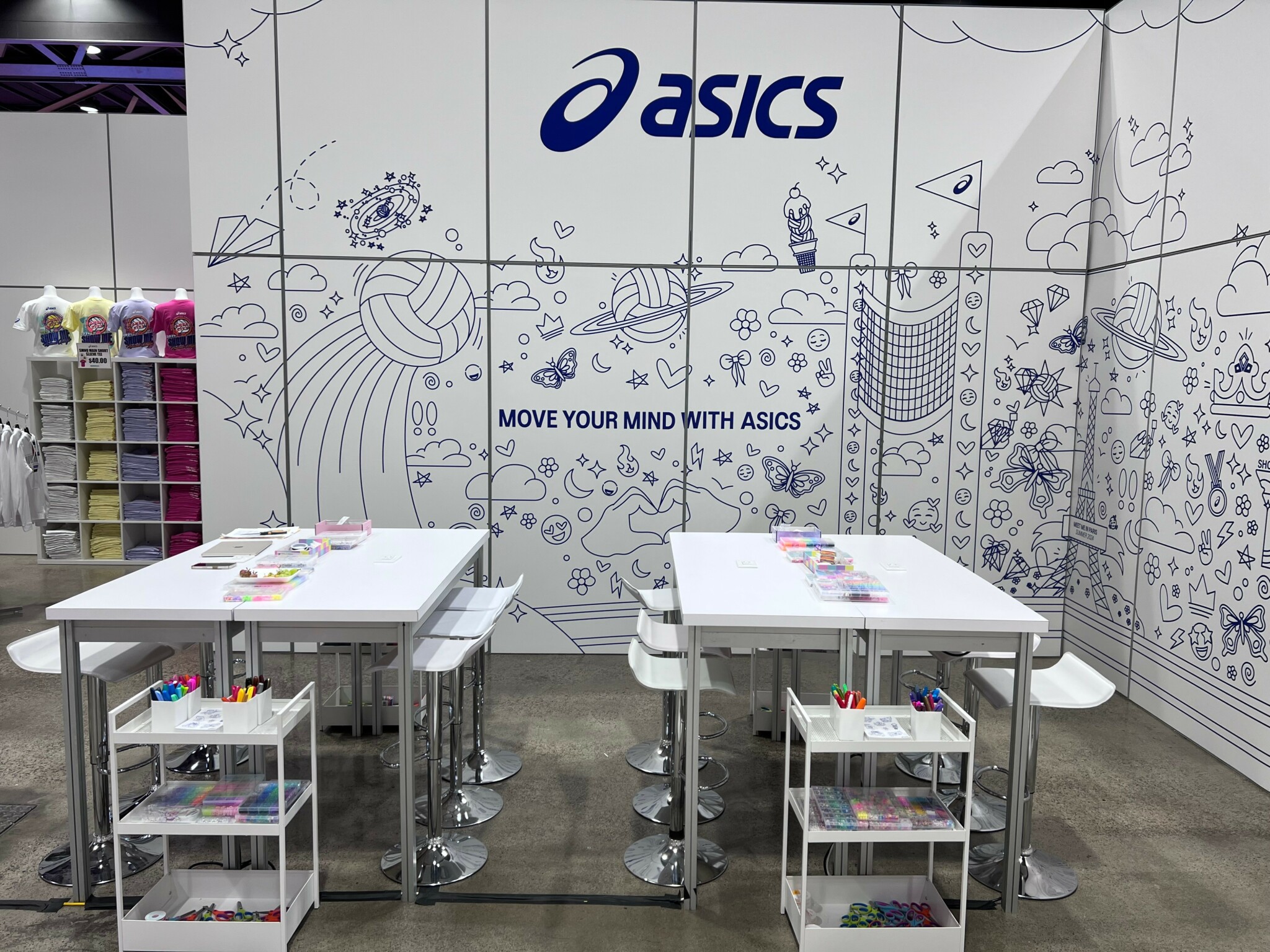
What’s the most rewarding aspect of being a creative in your experience?
Recently, I’ve helped my friends with creating flyers and album covers, some logos, and even had the time for a personal poster series. For me, I find my projects to be the most rewarding when I get to see how other people react to them. I have been fortunate enough to have had many projects that have helped my friends and family. There is something incredibly healing to be able to provide a service that not many other people can provide. Financially, it helps when your friends and family trust you enough to pay you for a service. Emotionally, there is nothing better than seeing people you love and respect adore your work and seeing how much it has helped them.
Contact Info:
- Website: https://www.evakathryndesign.com/
- Instagram: @midnightmoonowl
- Linkedin: https://www.linkedin.com/in/evakathryndesign/
- Other: https://sgkinc.com/en/
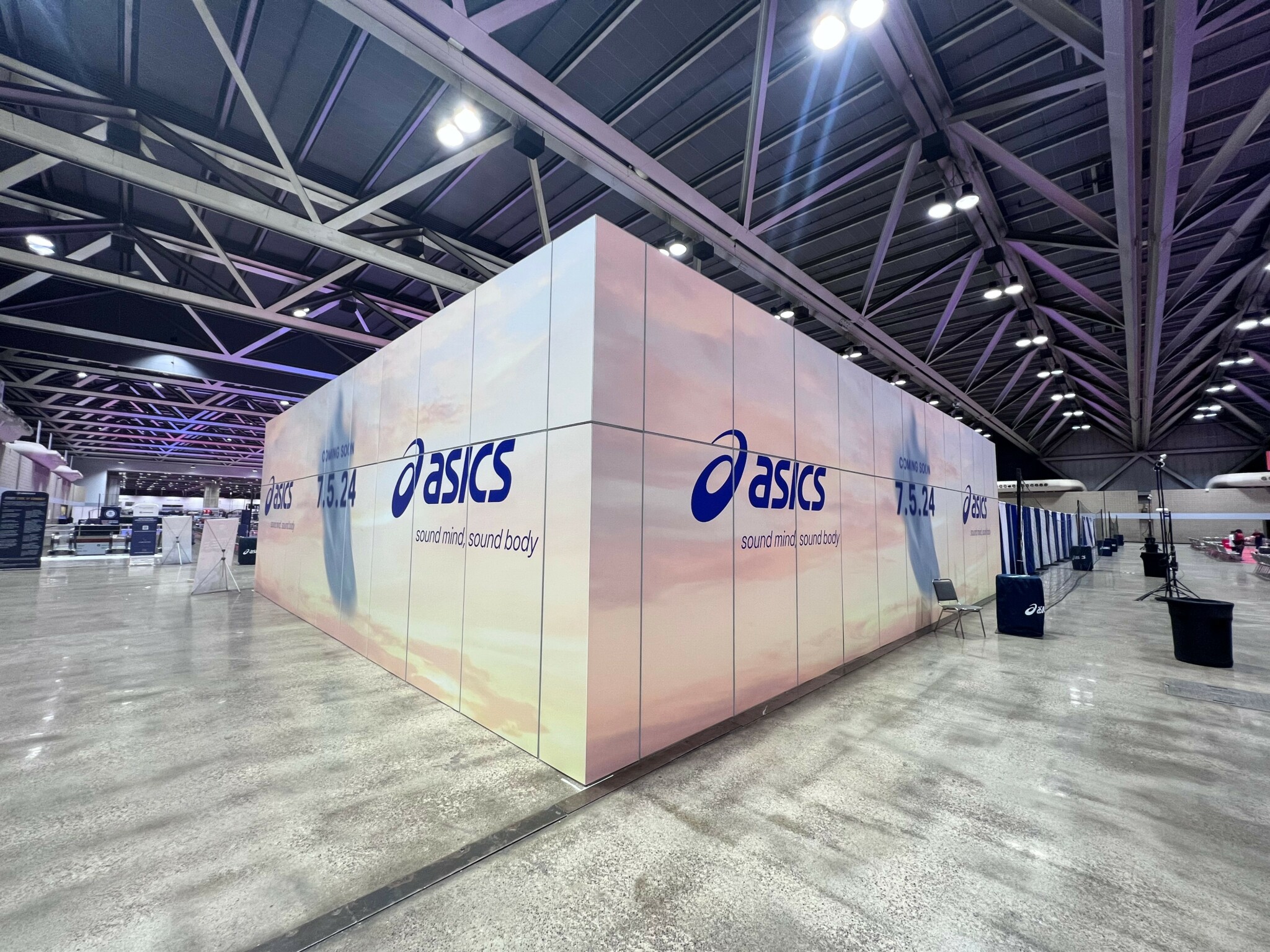
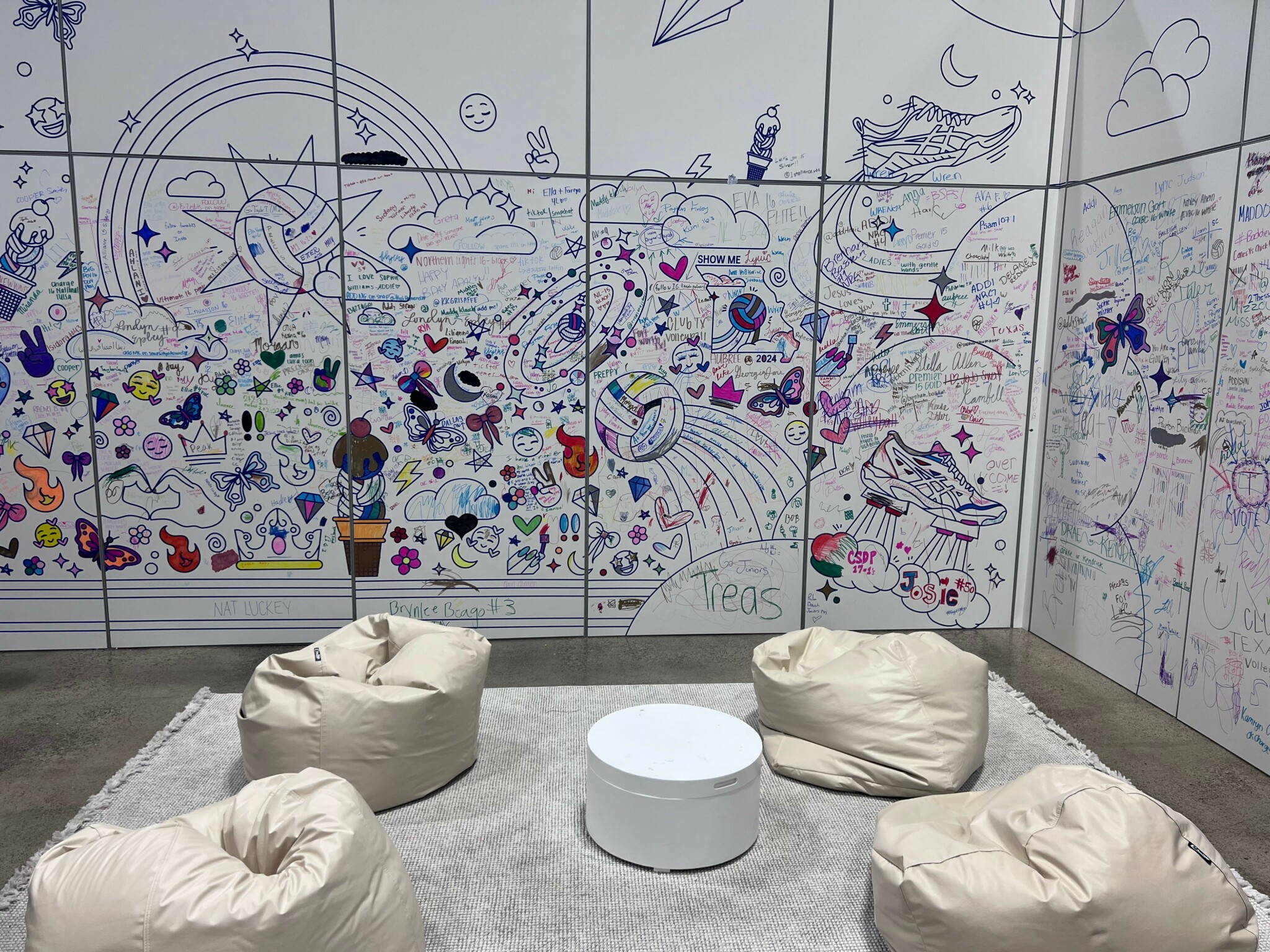
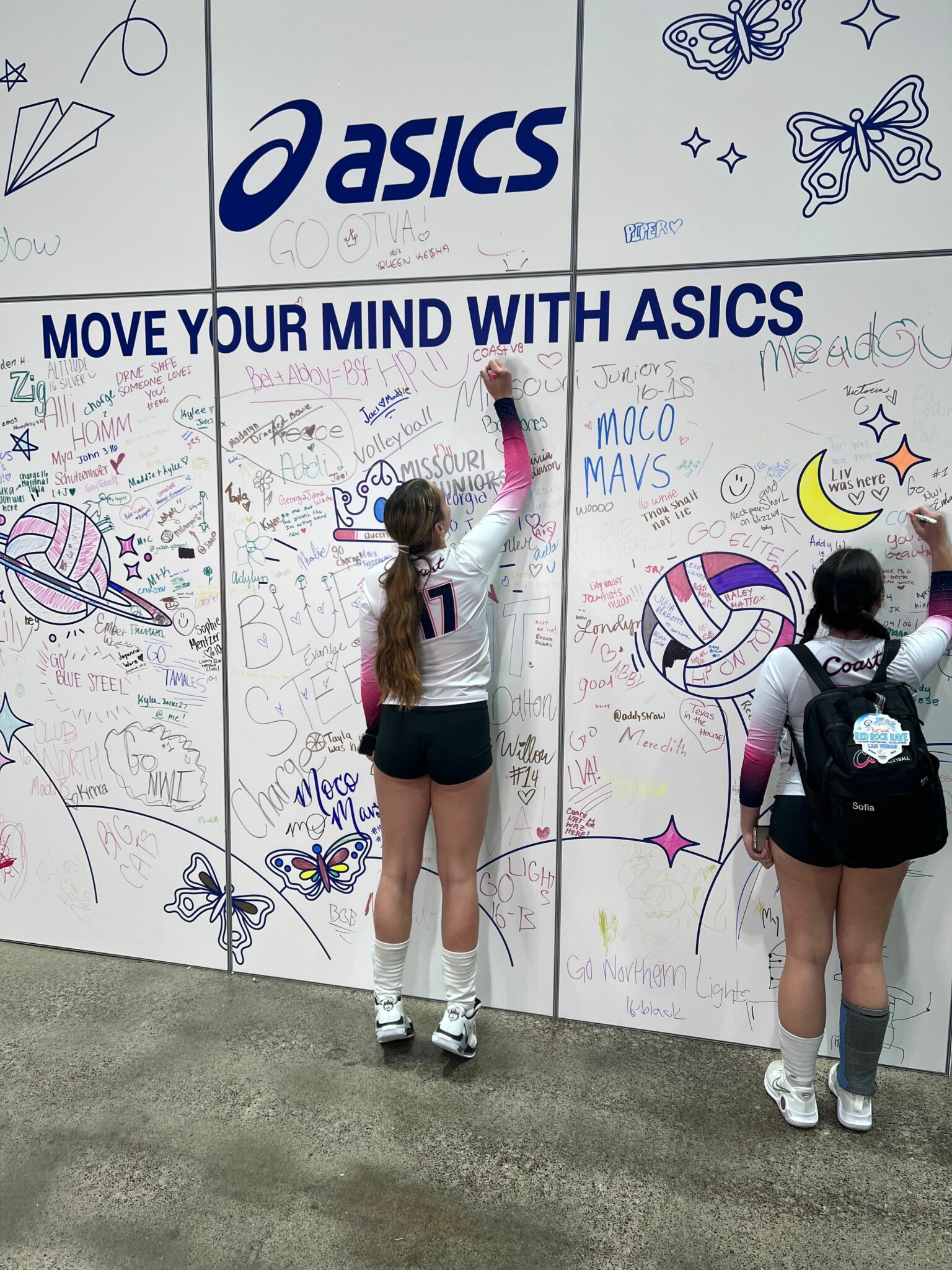
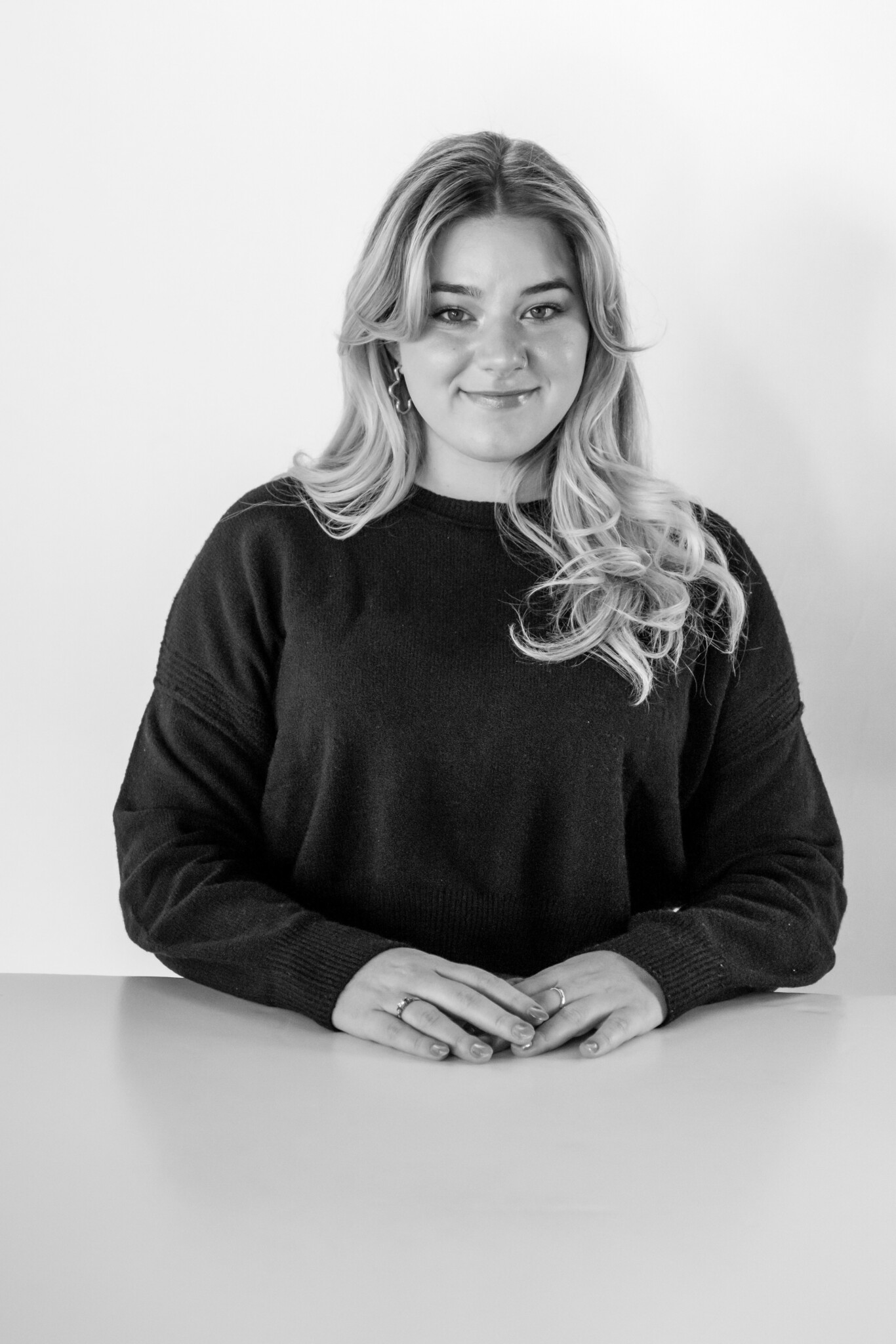

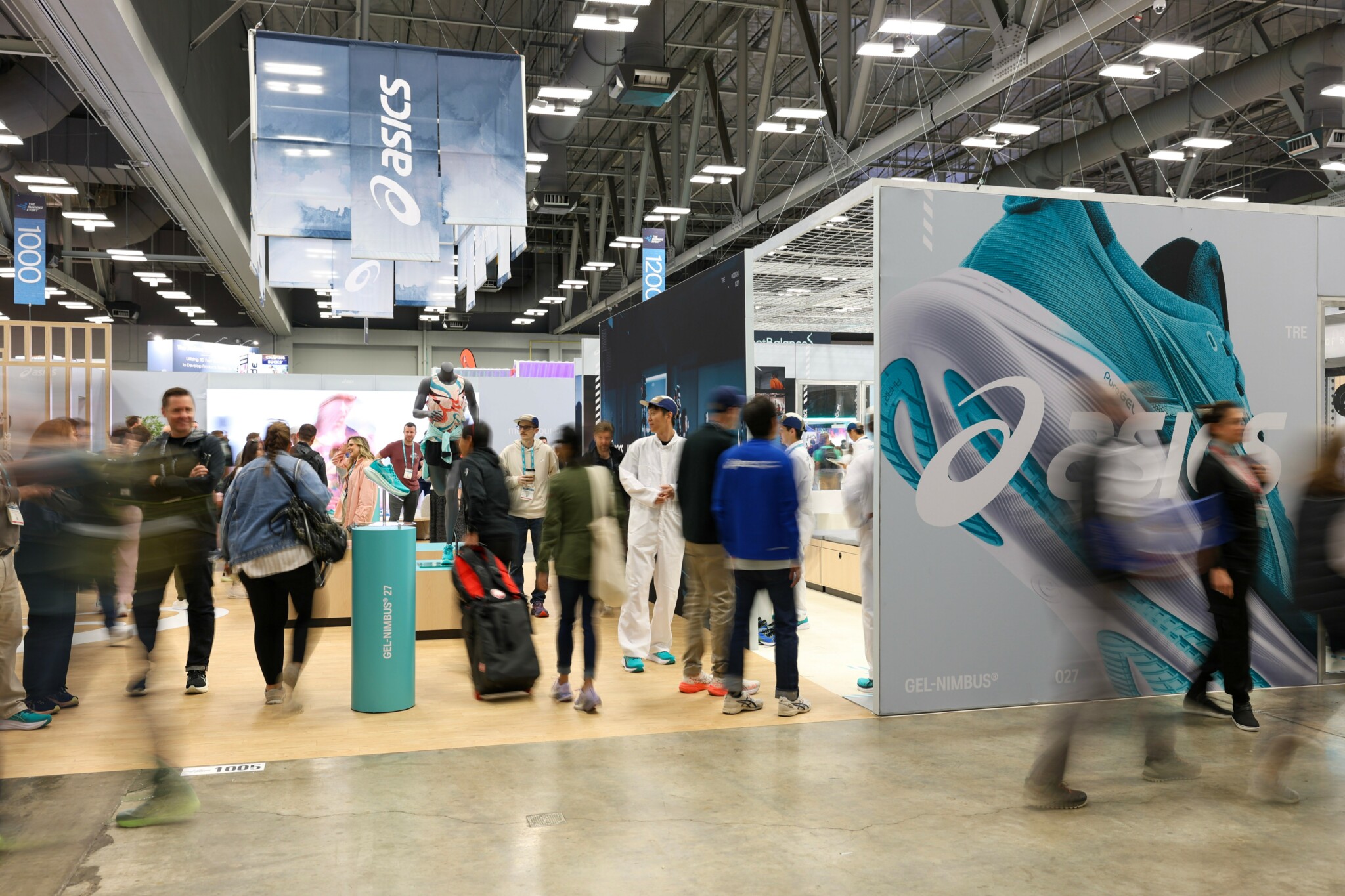
Image Credits
Eva Kathryn Design
Headshots : Matt Ryb Pictures (https://www.mattryb.com/)
ASICS The Running Event Booth 2024: Chase Fleming Creative (https://www.chaseflemingcreative.com/)