

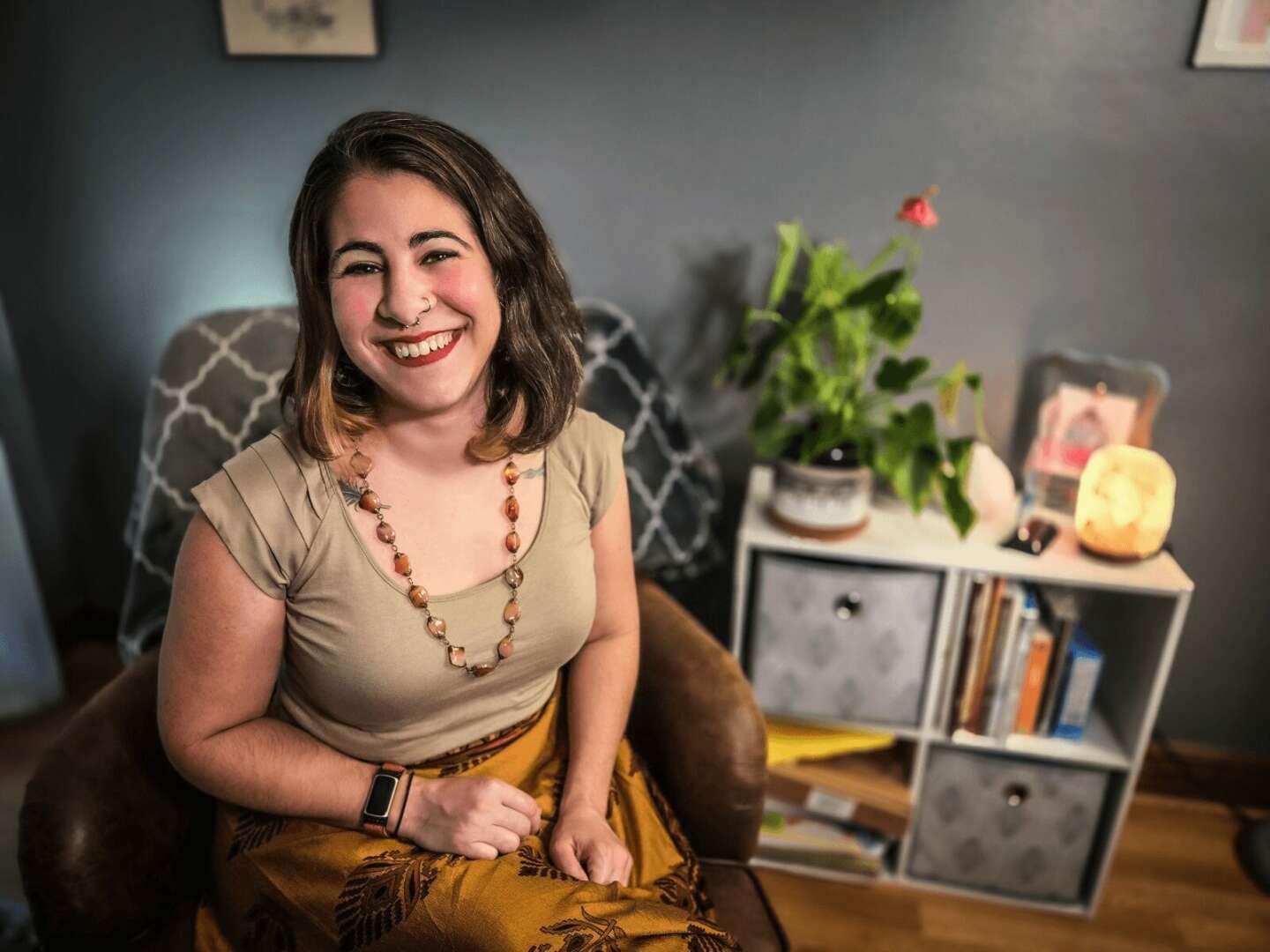

We were lucky to catch up with Eva Fiallos-Díaz recently and have shared our conversation below.
Alright, Eva thanks for taking the time to share your stories and insights with us today. We’d love to hear the story behind how you got your first job in field that you currently practice in.
During my undergraduate career I was majoring in Psychology but had a variety of other interests that I was pursuing through my coursework. I was feeling unsure about what direction to head after graduation. Academically, I also loved sociology, gender studies, and family and child sciences. Culturally, I had a strong inclination toward social justice, history, language, and immigration. A classmate and I saw an advertisement for our local Rape Crisis Center’s (RCC) Sexual Assault Nurse Examiner (SANE) Advocate volunteer program and we decided to sign up to complete our 40-hour training the following summer. The agency was dual certified as a Domestic Violence Center and RCC in the state of Florida, which meant it supported a variety of different services. This provided me with the opportunity to sample medical advocacy, working with families in a residential setting, learning about legal remedies for victims of crime (including immigration remedies), crisis intervention, facilitating support groups, and many other things. In other words, volunteering there changed the trajectory of my career. I applied to Florida State University’s (FSU) College of Social Work (clinical track) and later completed my first internship at the same agency. I remember my mentor at the time joking that I must be a glutton for pain for coming back for a second round of training. [laughs] The truth is that as a person with lived experiences of violence I felt like I had found how I wanted to channel my calling to heal. Knowing that the movement had its beginnings in grassroots organizing by survivors of domestic and sexual violence was inspiring. I was hired during that internship as a crisis helpline and emergency shelter advocate. I went on to have several different roles at the agency on my journey to becoming a therapist.
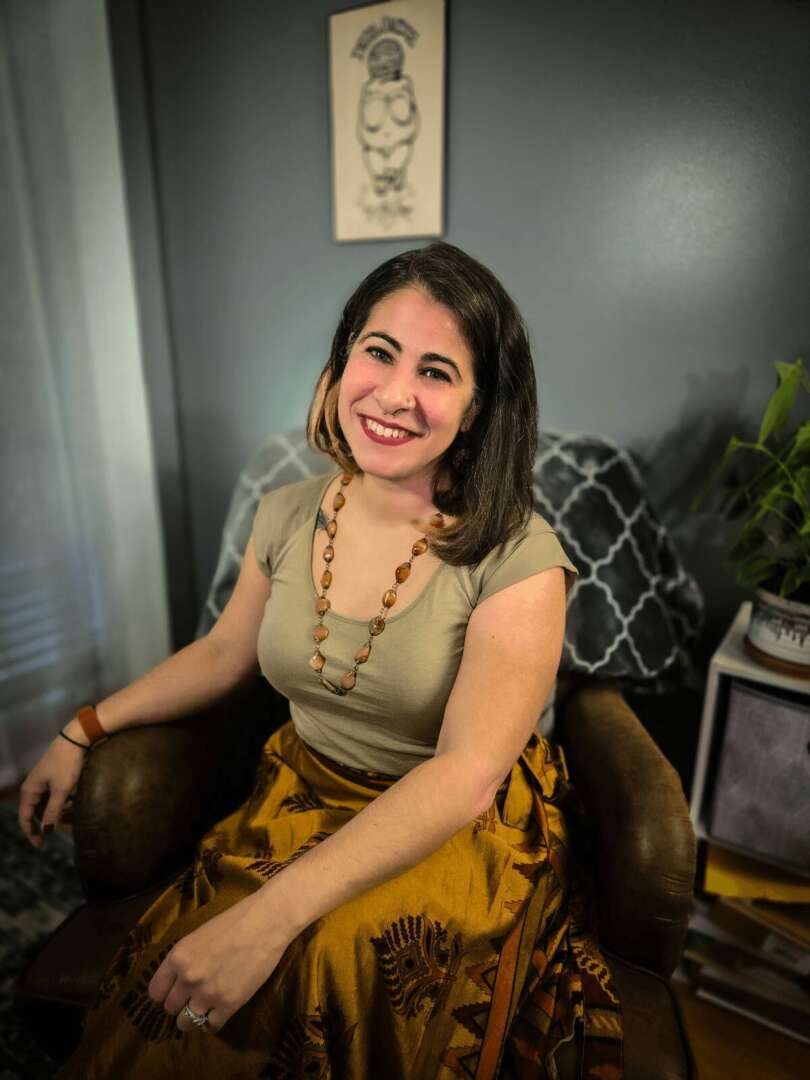
Awesome – so before we get into the rest of our questions, can you briefly introduce yourself to our readers.
I talked some about how I found my way into the sexual and domestic violence movement and mentioned that culture was an important part of how I grounded into the work. I am a multicultural immigrant. Though unpacking all of what that means could add hours to this interview, in a nutshell I am the daughter of parents impacted by political violence in other countries. My father was born in La Habana, Cuba and my mother was born in Lugo-Galicia, España (Spain). Our family came to the United States in the late 80s and I was mainly raised surrounded by my beautiful Caribbean community in Miami, Florida.
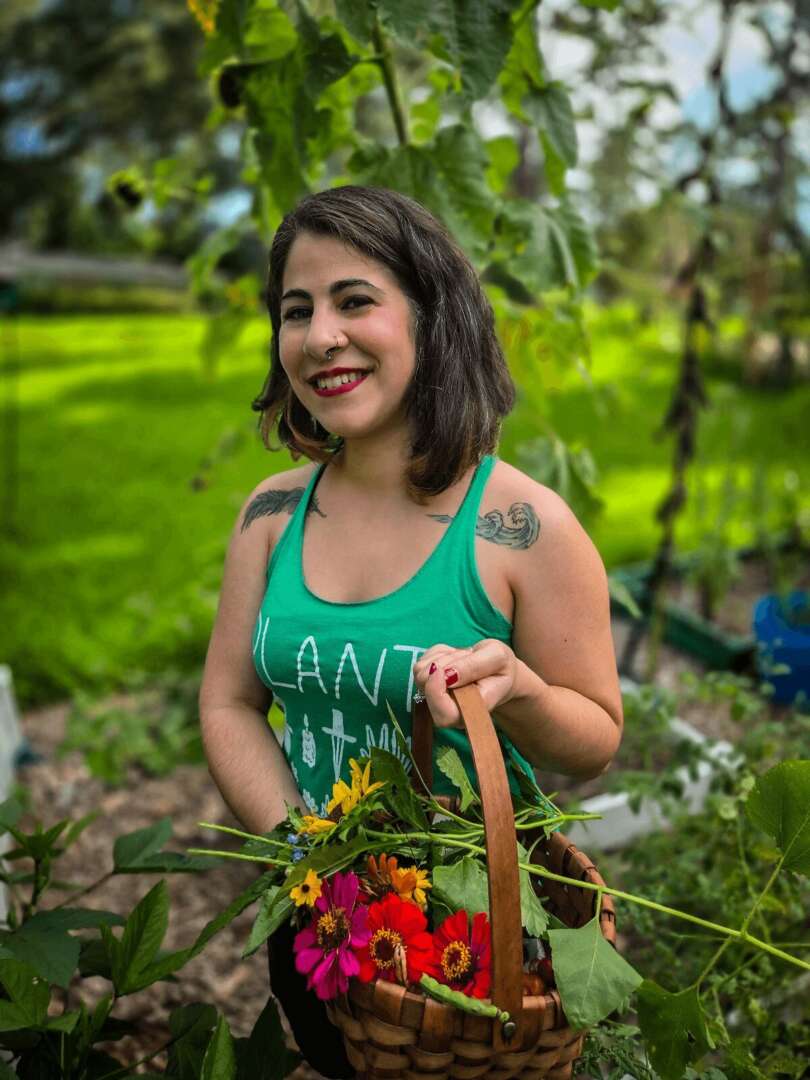
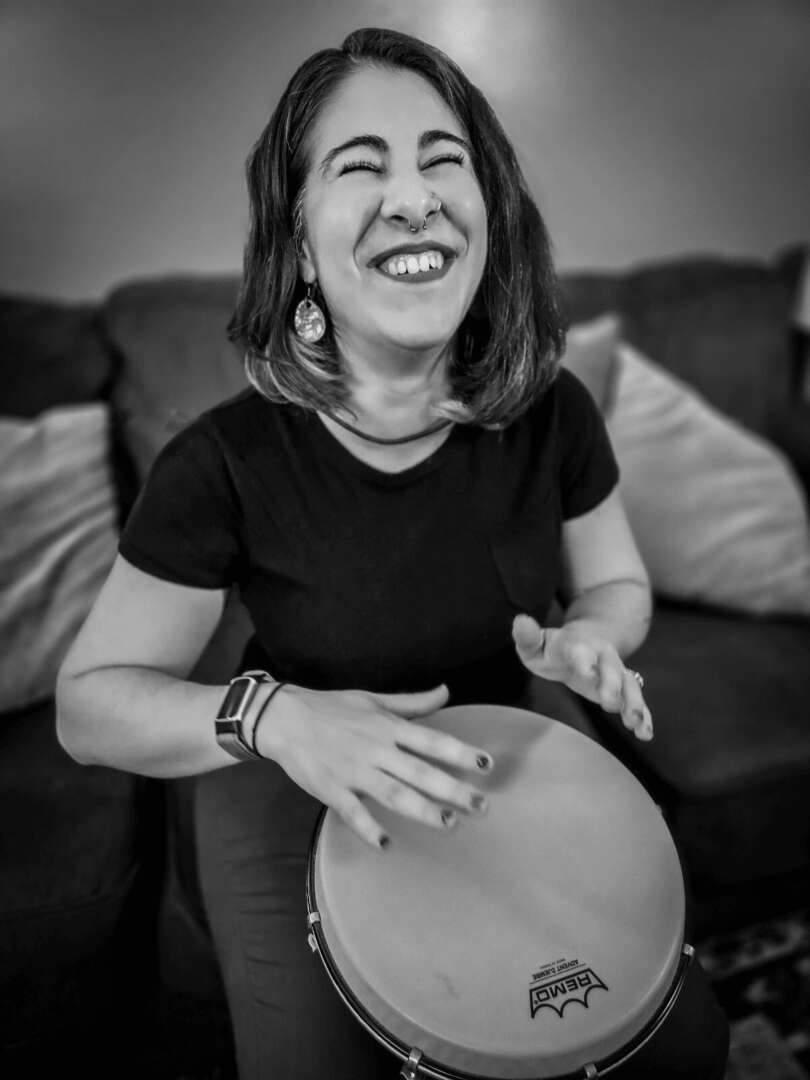
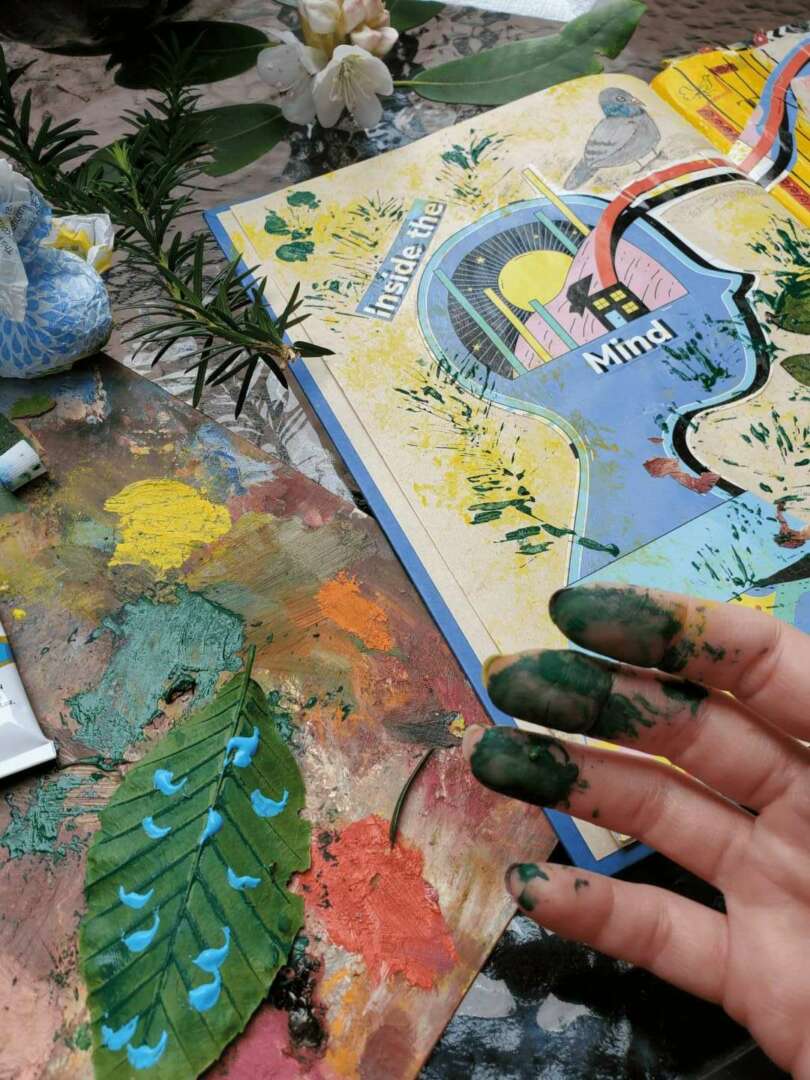
My cultural heritage deeply impacts how I think about mental health, systemic issues, and healing. Some of the most notable ways is understanding the role of expression, connection, movement, and land. This is what led me to become involved with groups like A Window Between Worlds and ArteSana which support the use of art in trauma healing. It is also what inspired me to get trained in EMDR by the Institute for Creative Mindfulness. Healing with bilateral stimulation is a part of our ancestral ways, no matter your background. We used it when we danced, drummed, foraged for wild edible foods and plant medicine. So bringing some of these practices into my healing is something I am really proud of because it honors the wisdom of not just my own ancestors but those who cared for this land too. Especially herbalism, which is something that I extend beyond my daytime job. I practice it with my family and with community. During the first year of the pandemic, I felt particularly called to herbalism-based mutual aid. So we formed a small group and partnered with local community gardens to expand our learning and share it in the outdoors and through the creation of content, including zines.
After working in direct service with the dual domestic and sexual violence center, I went on to work as a counselor for a school that served adolescent girls. Later, I took a break from direct service to expand other skills by working at the macro-level (academia and state level work). I taught college courses for Embry Riddle Aeronautical University and FSU’s College of Social Work. I also provided training, technical assistance, and created materials and guides focused on improving services for underserved rural communities and other systemically marginalized groups. My favorite project involved the creation of a comic book that sexual assault advocates could utilize as an outreach and counseling tool. I wrote the scripts for the book in both English and Spanish and had the pleasure of working with a Tallahassee-based cartoonist who created the art.
Going into private practice is my most recent evolution. It is such an honor to be able to more personally witness and co-create healing spaces with each of my clients. As a dedicated learner, I feel lucky to say I am still stretching and growing. In the Fall, when the weather is more pleasant, I hope to start offering ecotherapy sessions to existing clients. Arraizando, the name of my practice, means multiple things. Straightforwardly, it means “to root” or ground. When broken down it also sounds like “by root, I walk” in my first language, Spanish. It’s meant to tap into and elicit what it means to be a part of an interconnected web, like the very mycelial networks that we now know allow trees to communicate with each other across expansive terrain. I don’t think it is a coincidence that those networks mirror how the human brain functions. Ecotherapy seeks to reconnect individuals with the natural world and paired with breathing and mindfulness can help with a variety of mental and physical health challenges.
Economic accessibility is also something I think a lot about since there are many clients for whom private pay rates are not possible. I have an affinity for support groups and these provide a more financially feasible option and way to build new connections and community. If there’s enough community interest a colleague and I are dreaming up a somatic support group based on Resmaa Menakem’s book, My Grandmother’s Hands.

Have you ever had to pivot?
Yes! This is sort of a blend of pivoting in both career and life that I think adds a really human element to the false dichotomy of healer vs person healing. In the earlier question I mentioned that for a time I pivoted away from direct service work to macro-level work. This deepens that. My partner and I made the decision to wait to have children until we were both done with our master’s degrees. We both worked and went to school and adding children to the mix was outside our capacities during that time. Trying to conceive our first daughter made me more acutely aware of ways I was not doing well with my stress management and health. I began addressing those through movement and dietary changes. We had our first child early in our careers and, though we managed, we did not have a lot of support. I was working late several weekdays and with a newborn the unpredictability of the crisis driven environment made it necessary to find a position that supported a more regular schedule. The arrival of our second daughter really put into sharp focus that while the nonprofit work I did was meaningful, the cost of two children in childcare nullified what I was making. I also could not have anticipated the toll motherhood would take on my body or the ways motherhood would challenge me. Where I had been able to ignore a lot of my needs, doing so now meant not being able to be the kind of parent I wanted to be. I started seeing a therapist, worked steadily toward my goal of licensure, and took a break from direct service. This allowed to to better hone my skills as an educator and to address some of my own unhealed wounds.
Have any books or other resources had a big impact on you?
It may sound a bit antithetical with terms like entrepreneurial thinking but there are three books that immediately come to mind. 1) Braiding Sweetgrass: Indigenous Wisdom, Scientific Knowledge, and the Teachings of Plants by Robin Wall Kimmerer; 2)Emergent Strategy: Shaping Change, Changing Worlds by adrienne maree brown; and 3)Turn This World Inside Out: The Emergence of Nurturance Culture by Naava Smolash. I read all of these with beloved communities and they deeply validated, resonated, and bolstered my concepts of reciprocity, collective care, accountability, and transformation. Remedies for life.
Contact Info:
- Website: https://arraizandohealing.com/
- Instagram: https://www.instagram.com/arraizandohealingllc/
- Linkedin: https://linkedin.com/in/eva-fiallos-diaz-9534b33
- Other: https://www.psychologytoday.com/us/therapists/arraizando-healing-llc-tallahassee-fl/1229077https://weedsanddeeds.com/
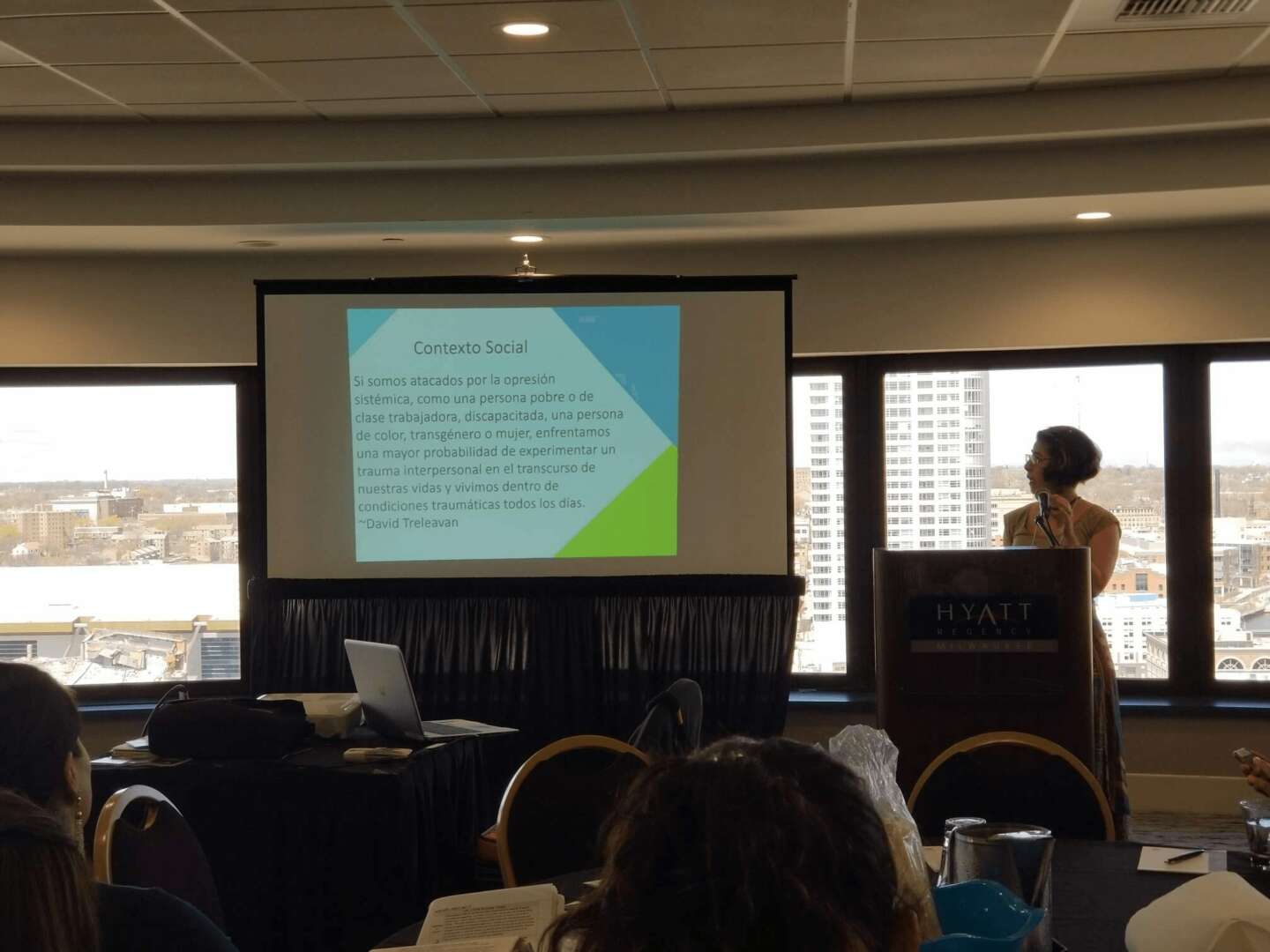
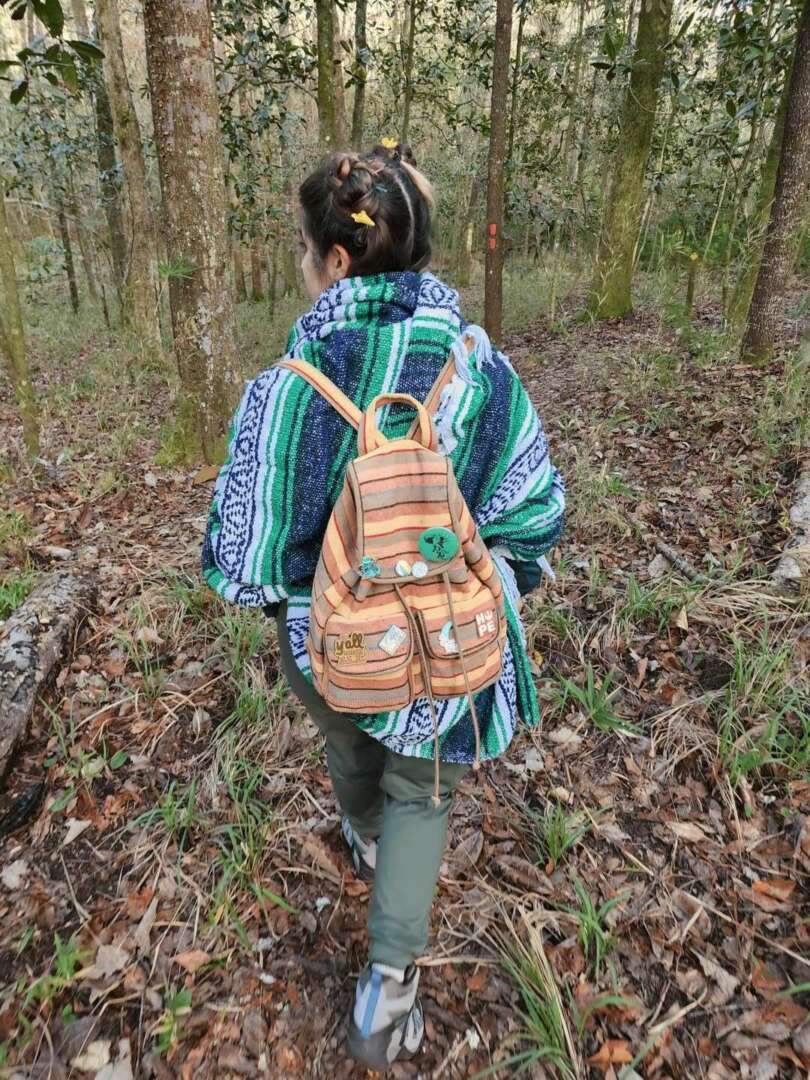
Image Credits
J. Paco Fiallos