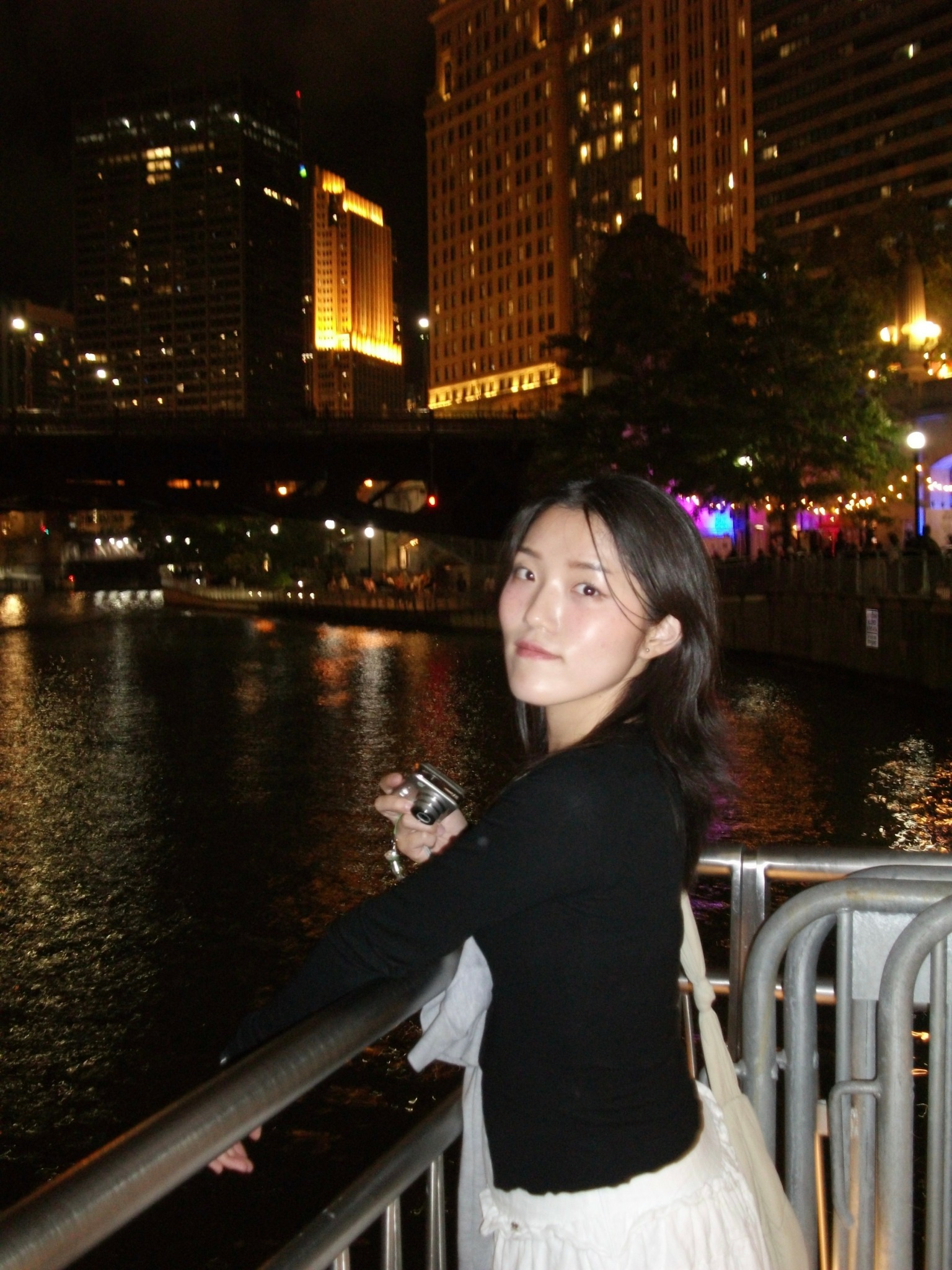

We’re excited to introduce you to the always interesting and insightful Eunseo Ryu. We hope you’ll enjoy our conversation with Eunseo below.
Alright, Eunseo thanks for taking the time to share your stories and insights with us today. We’d love to hear about a project that you’ve worked on that’s meant a lot to you.
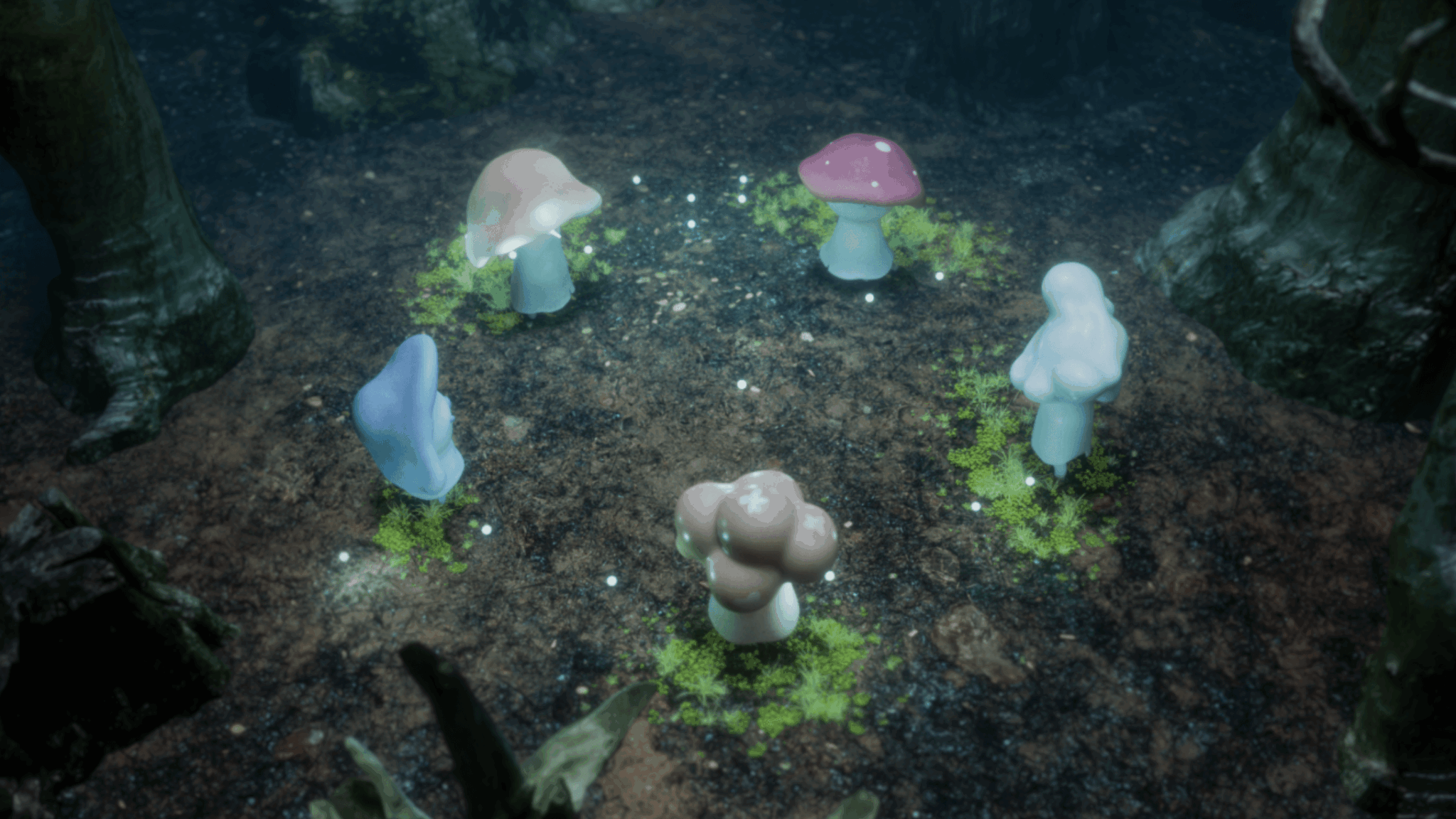
The most meaningful project I’ve worked on would have to be Fungal Fantasia. It’s a group project I created with a friend for school, and it holds significant value not just because it’s a key portfolio piece, but because of the challenges we faced and the lessons we learned along the way. Fungal Fantasia is a 3D animated short based on an original story we developed, featuring ‘mushroom spirits’ as the main characters. Since it was an original concept, we had to model and rig the characters ourselves—skills we were completely unfamiliar with at the time.
We were given just 14 weeks to complete the project, so we initially brought in a friend with experience in 3D modeling and rigging to help. Things seemed to be going smoothly until, early in the project, our friend’s computer crashed, and she had to step away. With limited time and no prior experience, my teammate and I had to dive into learning the entire process of modeling and rigging from scratch.
It was an incredibly difficult process, but we persevered and completed the project. In the end, because we were involved in every step of creating the characters, we became deeply attached to them—they’re like our ‘mushroom babies.’ This experience taught us resilience and problem-solving, and it’s why Fungal Fantasia is the most meaningful project I’ve worked on. It was a tough journey, but the growth and sense of accomplishment made it all worthwhile.
Eunseo, love having you share your insights with us. Before we ask you more questions, maybe you can take a moment to introduce yourself to our readers who might have missed our earlier conversations?
My journey into the world of motion design began in high school when I enrolled in a program called the Media Arts Program (MAP). This four-year program blended traditional English and social studies courses with media-related projects, allowing me to explore animation, graphic design, video production, and illustration using a variety of software. It was during this time that I discovered my passion for media arts, realizing that I enjoyed it even more than traditional art.
While I initially gravitated towards traditional illustration, my curiosity led me to the Motion track within the Illustration department at ArtCenter College of Design. I was captivated by the way motion graphics brought life and movement to visuals, telling stories through animation. It was a revelation to me that this was how so many of the commercials I admired on screen were created. Before long, I knew I wanted to pursue a career as a motion designer.
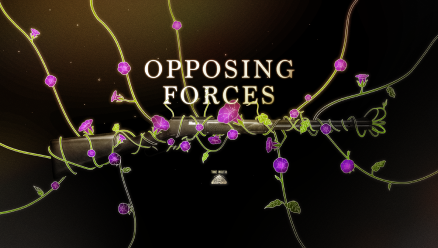
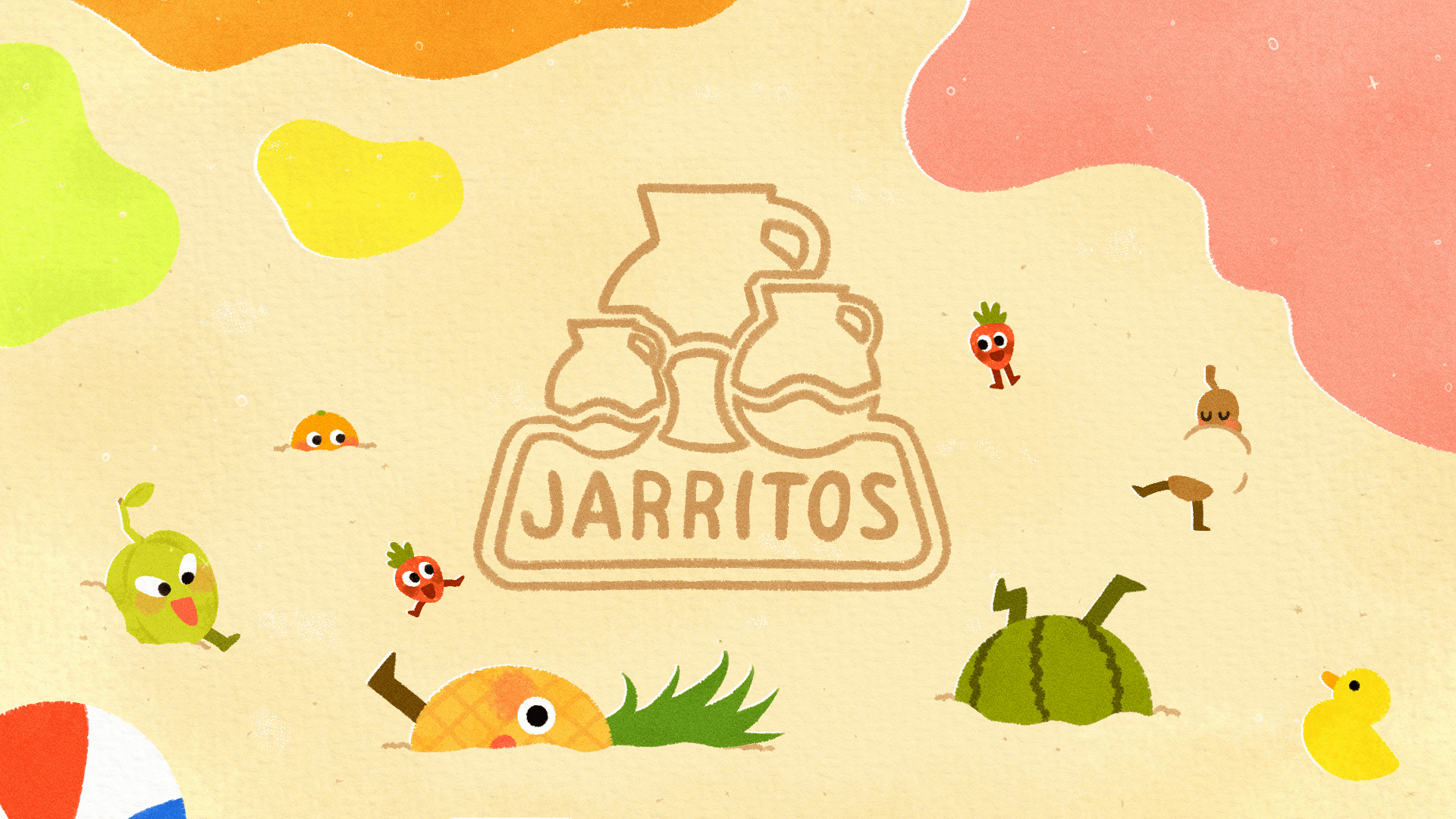
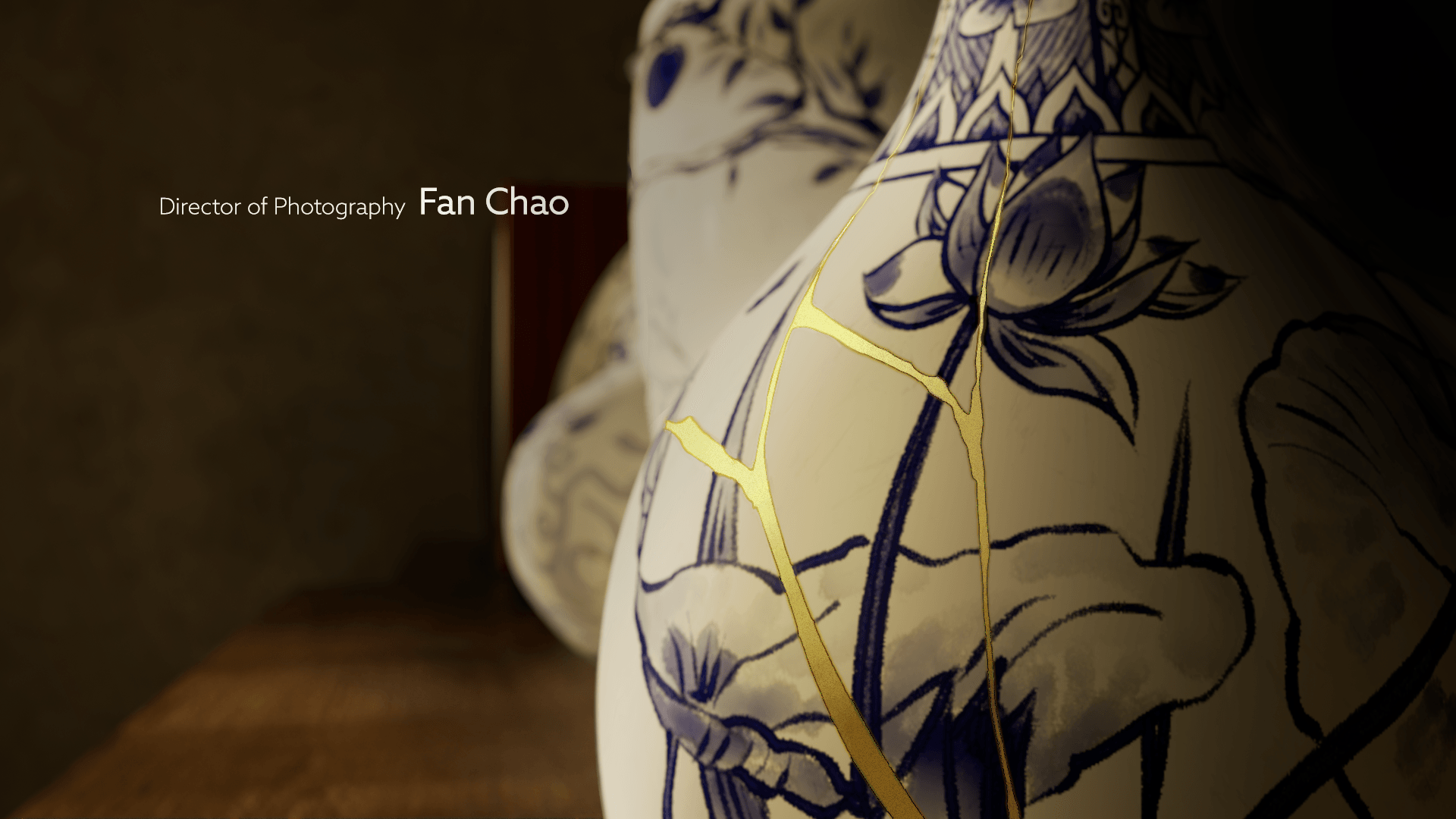
Today, as both a motion designer and illustrator, my focus spans branding, commercials, and title sequences. My work aims to tell the stories of everyday life, highlighting the small, often overlooked details that make our world special. I draw inspiration from the beauty in the mundane—whether it’s flowers in bloom, a charming local café, or even a funny dad joke. Through my work, I hope to encourage people to pause and appreciate the simple yet precious elements that fill their lives.
What’s a lesson you had to unlearn and what’s the backstory?
Before college, I considered myself a ‘lazy perfectionist.’ I was never satisfied with my work unless it looked visually perfect, no matter how much time I spent on it. On the positive side, this meant I had the drive to keep working until I was happy with the result. But on the downside, if I thought a piece looked ‘ugly,’ I was too afraid to show it to anyone. I avoided feedback and critique, which is a huge weakness for any creative. By staying in my own bubble, I couldn’t see what was working or what needed improvement in my art, which ultimately held back my growth.
What made this mindset even more limiting was that I couldn’t recognize what was special about my work. It wasn’t until I started sharing my work with peers that I learned what my unique strengths were as a creative. Opening up to feedback allowed me to grow and understand my own artistic voice. As a result, I had to unlearn my habit of being a ‘lazy perfectionist.’
Is there something you think non-creatives will struggle to understand about your journey as a creative?
I think non-creatives might struggle to understand how challenging it can be for creatives to decide which feedback to take in and which to set aside. Feedback is an inevitable part of the creative process, and it comes in all forms. For example, one person might love the colors I used, while someone else might strongly dislike them. It’s impossible to act on both opinions, so we have to make tough decisions about what to keep and what to let go.
I remember when I was a new student in college, feeling overwhelmed by the sheer amount of feedback I was getting from my professors and peers. I had been unhappy with my work before, but even after incorporating everyone’s suggestions, I still wasn’t satisfied. That’s when I realized that I needed to focus on what I wanted to take away from others’ feedback and stay true to my own vision. This balancing act is something that’s hard to fully understand unless you’ve experienced it firsthand.
Contact Info:
- Website: https://eunseoryu.info/
- Instagram: @eryu_art
- Linkedin: https://www.linkedin.com/in/eunseo-ryu/