

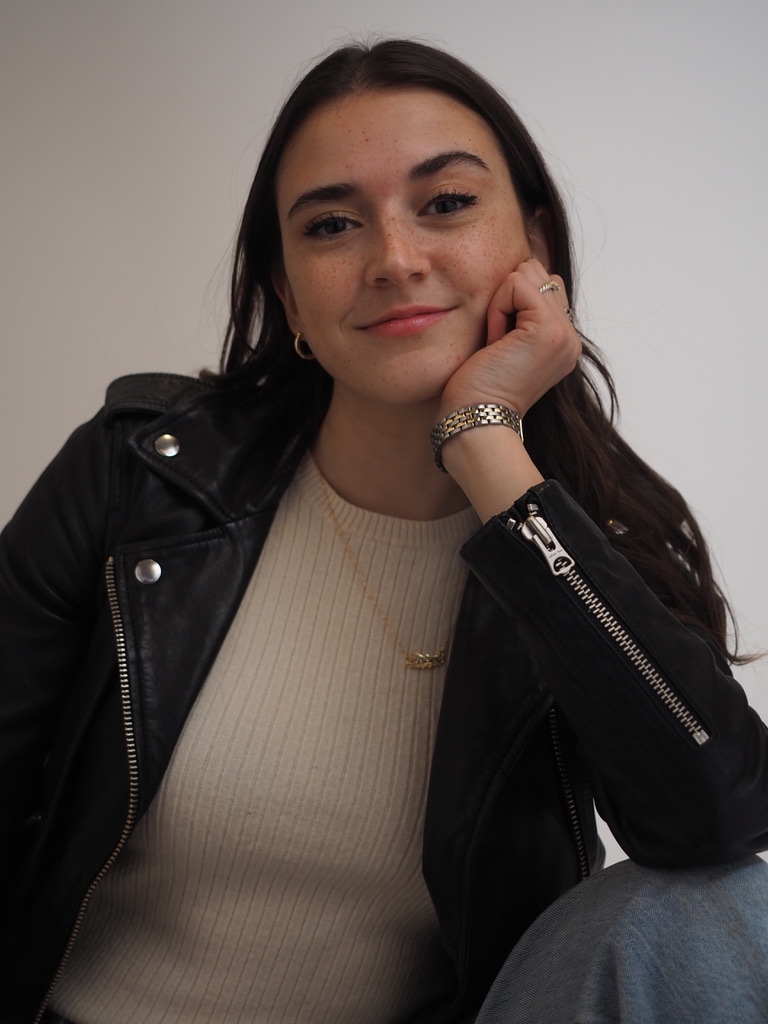

Alright – so today we’ve got the honor of introducing you to Etta Harshaw. We think you’ll enjoy our conversation, we’ve shared it below.
Etta, thanks for joining us, excited to have you contributing your stories and insights. Who is your hero and why? What lessons have you learned from them and how have they influenced your journey?
My mother, Jane Henry, is my hero. She founded and runs a small business restoring antiques, Jane Henry Studios. Like her mother before her, a painter — who painted until the day she died — she is an extremely hard worker. I never doubted I could run my own gallery, Harsh Collective, because I watched my mom do it all my life. She is a true jack-of-all-trades in a male-dominated and heavily physical field. She’s taught me that I can do anything I set my mind to if I’m willing to work hard enough, and, like her, I always am.
Through her work, I learned about the importance of objects themselves and supporting their stories. Watching her care for antiques and hearing the stories of what they represent to people, I have grown up with the very same care and understanding for art and artists. Now, as I operate Harsh Collective, I work every day to understand and facilitate the connection of artists and their work. In a way, artworks feel animate to me; they tell narratives that are imbued with so much care and meaning; they give and receive. Nothing drives great work like passion, and I have my mother to thank for knowing what grit looks like.

Awesome – so before we get into the rest of our questions, can you briefly introduce yourself to our readers.
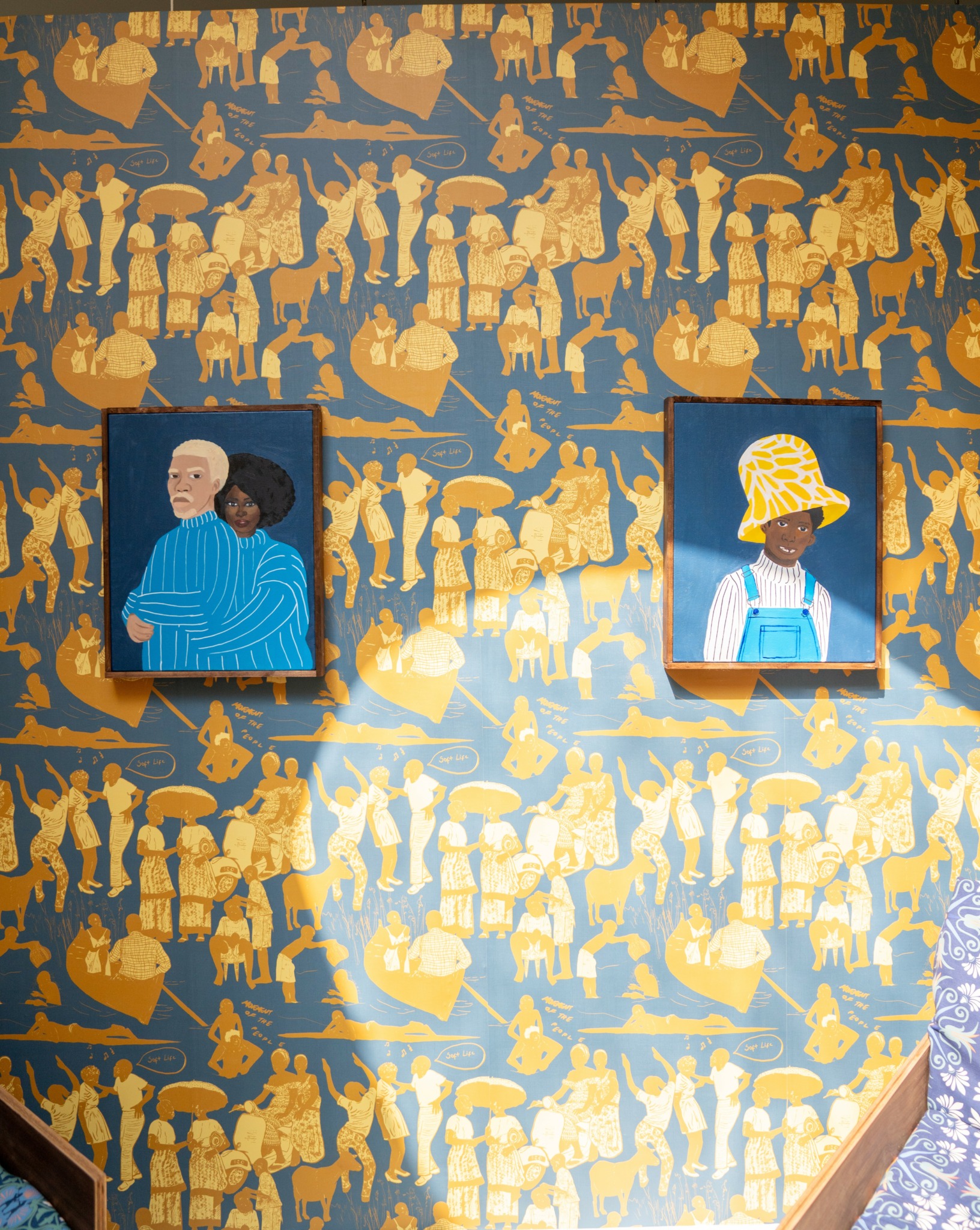
Growing up in a family of artists, I cultivated an appreciation and keen eye for fine art from a young age. My grandparents were both artists in New York City, advocating for the support of Soho Artist In Residence laws in the 1970s. Following the sale of my grandparents’ New York City property, I was bequeathed a once-in-a-lifetime opportunity—to utilize these funds to continue my grandparents’ vision of supporting emerging artists in the city.
Cutting my teeth in the gallery and design space, I began discussing the goal of reimagining the contemporary gallery. I actualized this dream by taking business courses in my senior year of college, and I developed a business plan using my concept for projects in my classes. After graduating, I founded Harsh Collective to support artists’ voices in New York and provide a cultural hub and platform for contemporary artists to share their unique vision with art admirers and collectors of all levels.
I’m most proud of the profound growth and learning I’ve experienced through founding Harsh Collective. In building the gallery, I’ve gained valuable insights into the intricacies of the art world, the creative process, and the diverse needs of artists, while also developing my skills as a curator, art enthusiast, advocate, and businesswoman. I take the greatest pride in how hands-on I am with every aspect of the gallery and the genuine passion I have for both the artists we work with and the mission of the gallery itself. My goal is for collectors and artists to see that dedication and feel the drive I have to continue advancing both their careers and the gallery’s vision.

What do you think helped you build your reputation within your market?
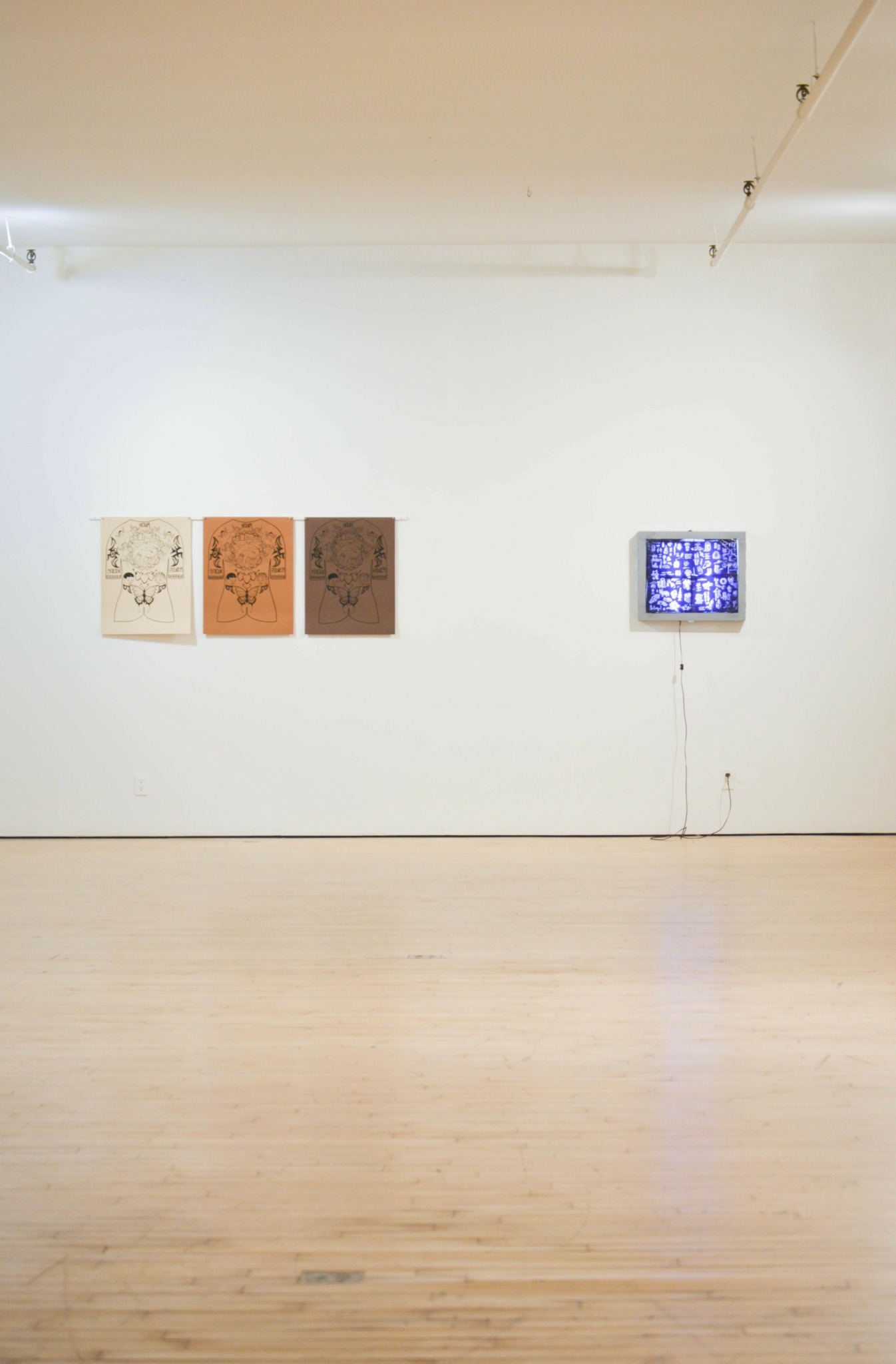
My love of and care for art and art history is really what has helped me build my reputation as a gallerist. Working with artists, they can tell how deeply I care about their work and how appreciative I am to work with them at Harsh Collective. I view every exhibition as a collaboration, and I believe artists appreciate that flexibility and trust. At Harsh Collective, I wear many different hats—from curating, to writing, installing, selling, designing, and advising. When artists see the impact of that effort first-hand, they feel excited to work with me and trust that I’m advocating for them. With a small team, artists and gallery visitors can see that my all-too-literal blood, sweat, and tears go into Harsh. There is a very strong mutual respect that I share with my artists and I’m honored by how much they believe in me.
Have any books or other resources had a big impact on you?
I reference this so often when I first meet artists, and it’s Paula Scher’s TedTalk, “Great design is serious (not solemn).” I watched the conversation early-on in my first-ever design class in college and it has stuck with me since. Scher, a prominent designer and artist, explains the importance of playing throughout one’s career. Using examples of her own work, she illustrates how advancement comes from playing. She explains a life-cycle. Exploring ideas and pushing their boundaries is how serious design is created. Once an idea has been fully formed and executed, it becomes solemn—monotonous, boring, un-fun. This means it’s time to move forward and experiment again, time to play. Scher explains, “Serious play is about invention, change, rebellion—not perfection.” In every exhibition, I think of some way to push myself, to make conscious choices that might not feel comfortable or easy. I fear the notion of becoming entirely formulaic, of feeling stuck. I play in curating, making it feel like its very own art form to me, and I always encourage artists to do the same at the gallery.
Contact Info:
- Website: https://www.harshcollective.com
- Instagram: https://www.instagram.com/harshcollectivenyc/
- Facebook: https://www.facebook.com/p/HARSH-COLLECTIVE-100083931656200/
- Linkedin: https://www.linkedin.com/company/89605410/admin/dashboard/
Image Credits
Gabrielagabrielaa
Garrett Carroll
Christian MacArthur
Serge Fils-Aimé
Henry Truitt Harshaw
(Credits in file names)