



We recently connected with E’toyare Mcdonald-williams and have shared our conversation below.
E’Toyare, appreciate you joining us today. We’d love to hear the backstory behind a risk you’ve taken – whether big or small, walk us through what it was like and how it ultimately turned out.
It has been a long and challenging journey for my family and me. For the past four years, I have tried to find my place in education through several school districts in the DFW area, and each district’s continued inequalities in education, employment, and representation in leadership positions are rooted in our country’s shameful history of racial discrimination and systemic racism. This demeaning treatment motivated me to step out on faith, leave public education after 23 years, and pursue entrepreneurship for the 2023-2024 school year. I started as an educational consultant bringing educational awareness to understand Adverse Childhood Experiences, (ACEs). To spread more awareness, I also became a host of Be Victorieus podcast, a weekly podcast created in April 2022 that shares stories of real people who have intentionally chosen to delve into the impact of Adverse Childhood Experiences (ACEs) on mental health and explores effective strategies for healing and resilience. The podcast streams on YouTube and all podcast platforms!
It did not take long for me to realize that my mentorship and impact on my mentees was a resiliency tool needed in our community, and the Be Victorieus Foundation was created in January 2004. Be Victorieus Foundation is a non-profit (501c3) organization that provides a safe and supportive mentorship program for children who have experienced ACEs by providing members with the mentorship and guidance they need to develop healthy coping mechanisms, build resilience, and achieve their full potential.
These accomplishments would not have been possible without the grace of GOD, my Lord and Savior Jesus Christ, and my family and friends’ encouragement, sacrifice, dedication, and loving support of my 3 daughters!

As always, we appreciate you sharing your insights and we’ve got a few more questions for you, but before we get to all of that can you take a minute to introduce yourself and give our readers some of your back background and context?
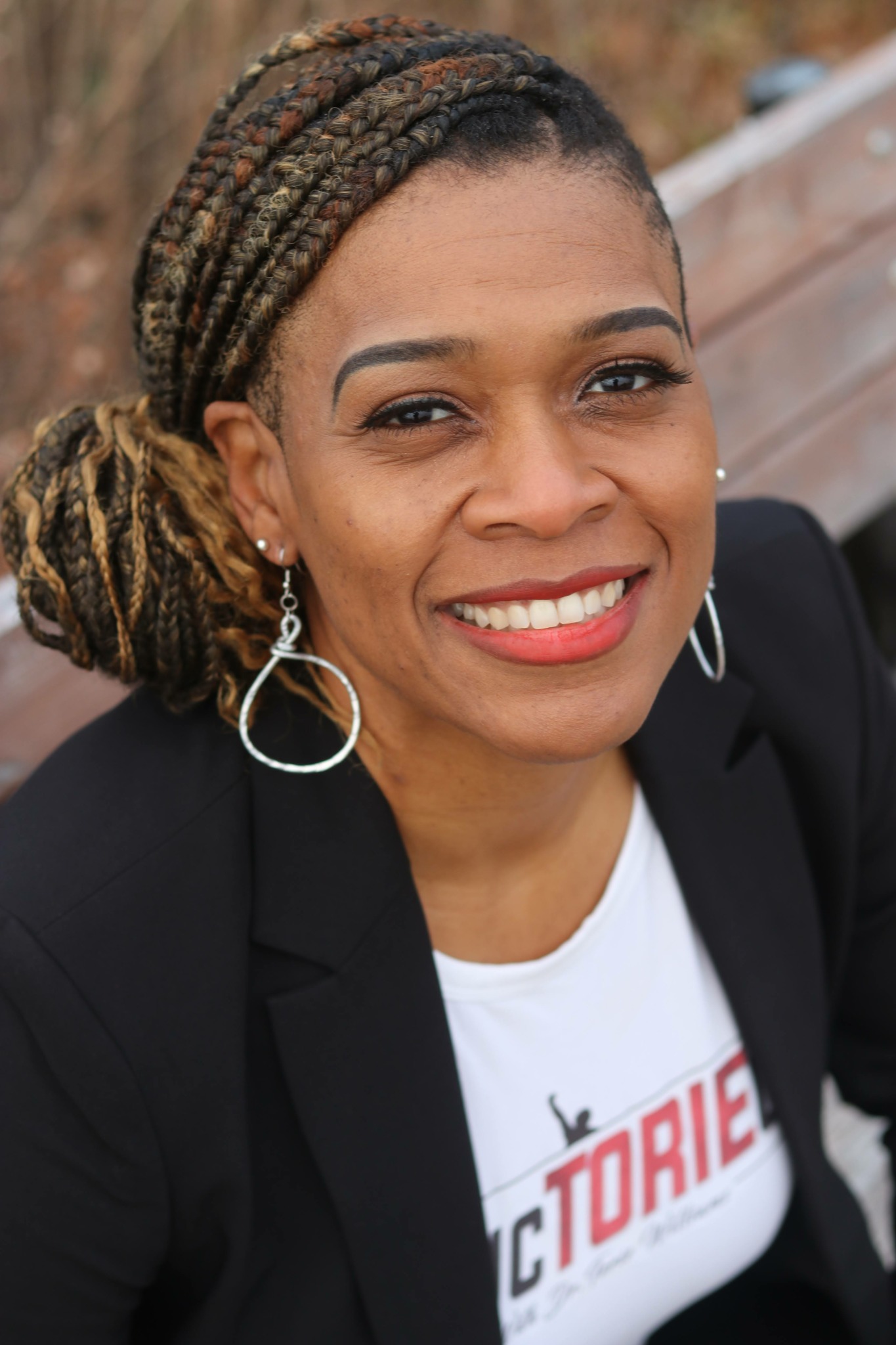
Born in Kansas City, Missouri, Dr. E’Toyare (Torie) McDonald-Williams achieved the milestone of being a first-generation high school graduate from Paseo Academy High School. She obtained her Bachelor of Science in Psychology from the University of Central Missouri in Warrensburg, Mo. Dr. McDonald-Williams furthered her education by completing her Masters of Business Administration (MBA) from the University of Phoenix as well as her Master of Arts in Teaching (MAT) with a focus on Special Education from National Louis University in Chicago. She gained valuable teaching experience in various schools within the Chicagoland area, where she held the roles of Special Education administrator, coordinator and Director of Student Activities. In December 2019, she achieved her most significant accomplishment by receiving her Doctorate of Education in Educational Leadership from Chicago State University.
Since her relocation to Dallas, Tx. Dr. McDonald-Williams has worked in various roles in several districts in the Dallas- Fort Worth Area. Dr. Torie is a multifaceted professional who currently resides with her 3 beautiful children, Ker’Mari 18, Kynnedi, 15 and Korri, 12. She serves as the Founder, CEO and Executive Director of Be VicTORIEus Educational Services, an innovative educational program that has provided services and assisted schools worldwide in developing and implementing trauma-informed practices that have positively impacted student behavior, academic achievement, and social-emotional development.
Be VicTORIEus with Dr. Torie Educational programs:
● Be VicTORIEus podcast, a weekly podcast that shares stories of real people who have intentionally chosen to delve into the impact of Adverse Childhood Experiences (ACEs) on mental health and explores effective strategies for healing and resilience.
● “Be Victorieus Foundation, a non-profit organization that provides a safe and supportive mentorship program for children who have experienced ACEs by providing members with the mentorship and guidance they need to develop healthy coping mechanisms, build resilience, and achieve their full potential.
In her recent book, In this insightful and empowering work, I delve deep into the impact of Adverse Childhood Experiences (ACEs) on mental health and well-being. Drawing on years of experience as a trauma-informed education expert, researcher, educational psychologist, ACES Advocate and educator, parent, and mentor, I explore effective strategies for healing and resilience.
My book, “It’s Time to Talk About ACEs” offers:
-Reflective Narratives: A personal account of examples of individuals who overcame childhood trauma and achievements through resilience.
-Expert Insights: Practical guidance from psychology, education, and social work professionals.
-Actionable Strategies: Tools and techniques for individuals, educators, and caregivers to support healing and foster resilience.
This reference book is a must-read for anyone passionate about understanding and addressing the long-term effects of childhood trauma. Whether you’re a mental health professional, educator, parent, or someone with personal experiences related to ACEs, “It’s Time to Talk About ACEs” will inspire and empower you to take meaningful action.
Order Now!
Dr. Torie is a sought-after author, educational psychologist, researcher, special education administrator, speaker and trainer whose work has been featured in numerous publications. She is a member of Concord Baptist Church in Dallas, Tx, a board member of the Boys and Girls Club of Collin County in Texas and currently working with various organizations, programs and school districts including Chicago Public Schools (CPS) in Illinois as a vendor. She is a true leader in the field of trauma-informed education and her work is making a real difference in the lives of children and families across the world become VicTORIEus!
Are there any books, videos, essays or other resources that have significantly impacted your management and entrepreneurial thinking and philosophy?
Educating yourself and your community about ACEs is a powerful way to promote healing and resilience. By engaging in learning, advocating for trauma-informed practices, sharing resources, and supporting organizations like the Be VicTORIEus Foundation, individuals can play a significant role in breaking the cycle of trauma and fostering environments where children and adults alike can thrive. Whether through personal conversations, community events, or social media campaigns, each step contributes to raising awareness and building stronger, more resilient communities.
1. Learn the Basics About ACEs
Start by understanding what ACEs are, their long-term impact, and how they affect individuals physically, emotionally, and mentally.
– Read Reliable Sources: Books, research, and childhood trauma and resilience articles provide essential insights. Some key resources include:
– “The Deepest Well” by Dr. Nadine Burke Harris
– ‘It’s Time to Talk about ACEs” by Dr. E’Toyare McDonald-Williams
– “What Happened to You?” by Dr. Bruce Perry and Oprah Winfrey
– Online Resources: Utilize trusted websites like:
– Centers for Disease Control and Prevention (CDC) – ACEs
– ACEs Too High (news and community resources)
– Harvard Center on the Developing Child
– National Child Traumatic Stress Network (NCTSN)
2. Take the ACEs Assessment
Taking the ACEs questionnaire can help individuals reflect on their own childhood experiences and begin the process of understanding how trauma may have shaped their behavior, relationships, and well-being. While not diagnostic, it’s an effective tool for self-awareness.
– Reflect on Your Own Experiences: Knowing your ACEs score helps foster personal awareness, which is essential in healing and educating others. Visit my website www.bevictorieus.com to take take the survey!
3. Engage in Learning Through Workshops, Webinars, and Conferences
Attending events, whether virtual or in person, can deepen your knowledge of ACEs and trauma-informed practices.
– Workshops and Training: Look for trauma-informed care workshops, resilience-building seminars, or mental health training provided by community organizations, schools, or healthcare providers.
– Webinars and Conferences: Many organizations host free or low-cost webinars where experts share evidence-based strategies for addressing trauma and supporting affected individuals.
4. Start Conversations and Raise Awareness
Once you’re knowledgeable, share information with your community to raise awareness.
– Parents and Caregivers: Discuss ACEs with parents to highlight how childhood trauma impacts long-term health, behavior, and learning.
– Educators and School Staff: Encourage trauma-informed practices in schools to help students affected by ACEs thrive academically and emotionally.
5. Get Involved in ACEs Communities
Join local or online groups that focus on trauma-informed care and resilience-building.
– ACEs Connection Network: This is a great online community for sharing resources and learning about ACEs in various sectors, including education, healthcare, and justice systems.
– Local Support Groups: Many communities offer trauma-focused support groups where people can learn together and share experiences of overcoming adversity.
6. Share Knowledge Through Social Media
Social media is a powerful tool for spreading awareness about ACEs.
– Share Articles and Visuals: Post relevant articles, videos, and infographics on your platforms to educate your followers about childhood trauma and resilience.
– Write or Blog: If comfortable, share personal stories of resilience or your journey with ACEs to inspire and encourage reflection in others.
7. Advocate for Trauma-Informed Practices in Schools and Healthcare
Schools, healthcare systems, and social services need to be equipped with trauma-informed practices to create supportive environments.
– Encourage Trauma-Informed Schools: Advocate for teacher training on trauma’s effects on learning and behavior. Trauma-sensitive schools are crucial in helping students feel safe and supported.
– Support Trauma-Informed Healthcare: Push for healthcare providers to recognize and consider childhood trauma when offering care, ensuring that treatment is holistic and trauma-sensitive.
8. Organize Community Events
Create opportunities for your community to learn about ACEs through workshops, discussions, or support groups.
– Host Educational Events: Invite guest speakers or professionals to discuss ACEs and trauma resilience. Organize panel discussions, film screenings, or community conversations on mental health.
– Promote Group Discussions: Create spaces where individuals can share their experiences and learn from each other, helping to normalize conversations about trauma and healing.
9. Share Mental Health and Well-being Resources
Many individuals affected by ACEs may not know where to find support, so sharing resources on mental health is critical.
– Connect to Counseling and Therapy: Offer information about trauma-informed counseling and mental health services, whether local or online.
– Provide Helplines: Make sure people know about mental health helplines, like the National Suicide Prevention Lifeline or SAMHSA’s National Helpline for substance use and mental health crises.
10. Encourage Resilience-Building Practices
Help individuals understand that resilience can be nurtured through various strategies, regardless of the trauma they’ve experienced.
– Promote Self-Care: Encourage activities like mindfulness, journaling, meditation, and exercise as ways to manage stress and build emotional resilience.
– Support Positive Relationships: Strengthen connections with caring adults and peers, which is crucial in overcoming adversity. Encourage your child or mentee to seek out positive role models and mentors.
11. Collaborate with Organizations like the Be VicTORIEus Foundation
Support or volunteer with organizations like the Be VicTORIEus Foundation, which focuses on mentoring youth and building resilience in individuals affected by ACEs.
– Volunteer as a Mentor: Becoming a mentor is a direct way to support young people affected by trauma, offering guidance, emotional support, and practical life skills.
– Raise Awareness: Work with organizations to create community-wide ACEs awareness campaigns, educational programs, and public events.
12. Advocate for Policy Change
Advocate for policy changes that integrate trauma-informed care into schools, healthcare systems, and social services.
– Engage Policymakers: Write to local representatives to encourage funding for trauma-informed initiatives in education, healthcare, and social services.
– Promote Trauma-Informed Legislation: Advocate for trauma-informed practices at the government level to ensure that policies address the mental health and well-being of vulnerable populations.

What’s a lesson you had to unlearn and what’s the backstory?
Adverse Childhood Experiences (ACEs) has often been traditionally misunderstood or overlooked in the Black community due to several cultural, historical, and social factors. Here’s an overview of how ACEs have been viewed and some misconceptions that need to be addressed:
Traditional Views of ACEs in the Black Community
1. Resilience as a Cultural Norm: Historically, Black communities have been seen as incredibly resilient in the face of systemic racism, poverty, and oppression. This collective resilience has sometimes led to an underestimation of the psychological toll of trauma, with phrases like “toughen up” or “what doesn’t kill you makes you stronger” being common. While resilience is a strength, it can also overshadow the need to address emotional and psychological trauma resulting from ACEs.
2. Stigma Around Mental Health: Mental health issues have often been stigmatized in the Black community, with some viewing seeking help as a sign of weakness. As a result, many people may not recognize the effects of ACEs as a mental health issue that requires attention and support. This leads to a culture where trauma is normalized or minimized.
3. Survival Over Emotional Wellness: Given the historical context of slavery, segregation, and ongoing discrimination, survival has often been prioritized over emotional well-being. For many Black families, addressing economic survival, safety, and external threats was seen as more pressing than emotional health. This has contributed to ACEs being overlooked or internalized as part of life’s challenges.
4. Family and Cultural Values: Strong family bonds and community ties in the Black community are often seen as protective factors, which they are. However, in some cases, there may be pressure to maintain family loyalty and avoid discussing family-related ACEs, like domestic violence or substance abuse. The idea that family issues should remain private can prevent the acknowledgment and healing of trauma.
Misconceptions That Need to Be Addressed
1. “Trauma Is Just a Part of Life”: One major misconception is that trauma, adversity, and ACEs are normal and inevitable in Black lives, especially given the context of racial and economic oppression. While many have faced hardship, ACEs are not something that should be accepted as a part of life—they are harmful and deserve to be addressed and healed.
2. Strength Equals Silence: There is a misconception that strength means suffering in silence or not seeking help. In reality, healing from ACEs often requires addressing pain, seeking support, and embracing vulnerability. Seeking therapy or counseling is not a sign of weakness but an act of self-care and resilience.
3. Mental Health Doesn’t Affect Us: Some within the Black community may believe that mental health issues, particularly those related to ACEs, aren’t as relevant or serious. This misconception can prevent people from recognizing that ACEs have long-term impacts on physical and mental health, such as depression, anxiety, heart disease, and substance abuse.
4. ACEs Are a Reflection of Personal Failure: There’s often a misconception that experiencing trauma or adversity reflects negatively on an individual or family. This belief can lead to shame or denial, preventing people from seeking help. It’s important to recognize that ACEs are often a result of systemic issues and that acknowledging trauma is a step toward healing, not a reflection of weakness or failure.
5. Only Extreme Trauma Counts: In some cases, people may think only extreme or highly visible forms of trauma (e.g., physical abuse or extreme poverty) are valid. However, ACEs can also include emotional neglect, witnessing violence, or having a caregiver with mental health issues or substance abuse problems. All forms of trauma deserve to be acknowledged and addressed, regardless of how “minor” they may seem.
Addressing Misconceptions for Healing
– Promote Mental Health Awareness: There needs to be more open dialogue in the Black community about mental health, trauma, and the effects of ACEs. This includes breaking down the stigma around therapy and making mental health care more accessible and culturally responsive.
– Normalize Emotional Vulnerability: Emphasizing that vulnerability and seeking help are forms of strength can help dismantle the “suffering in silence” mentality and encourage healing.
– Shift From Survival to Thriving: Moving the conversation from simply surviving adversity to actively healing and thriving is essential. Trauma doesn’t have to define individuals or communities.
– Community-Based Solutions: Empowering communities through culturally relevant programs, resources, and support systems can help address the generational effects of ACEs and promote collective healing.
By addressing these misconceptions and providing education and support, the Black community can continue to foster resilience while also healing from the intergenerational trauma linked to ACEs.
Contact Info:
- Website: https://www.bevictorieus.com/
- Instagram: https://www.instagram.com/dr.victorieus/
- Facebook: https://www.facebook.com/BevicTORIEuswithdrTORIE/
- Linkedin: https://www.linkedin.com/in/mcdonaldwilliams/
- Twitter: @DrVictorieus
- Youtube: https://www.youtube.com/channel/UCkJMIqfuk-f1di2F98p_mDw
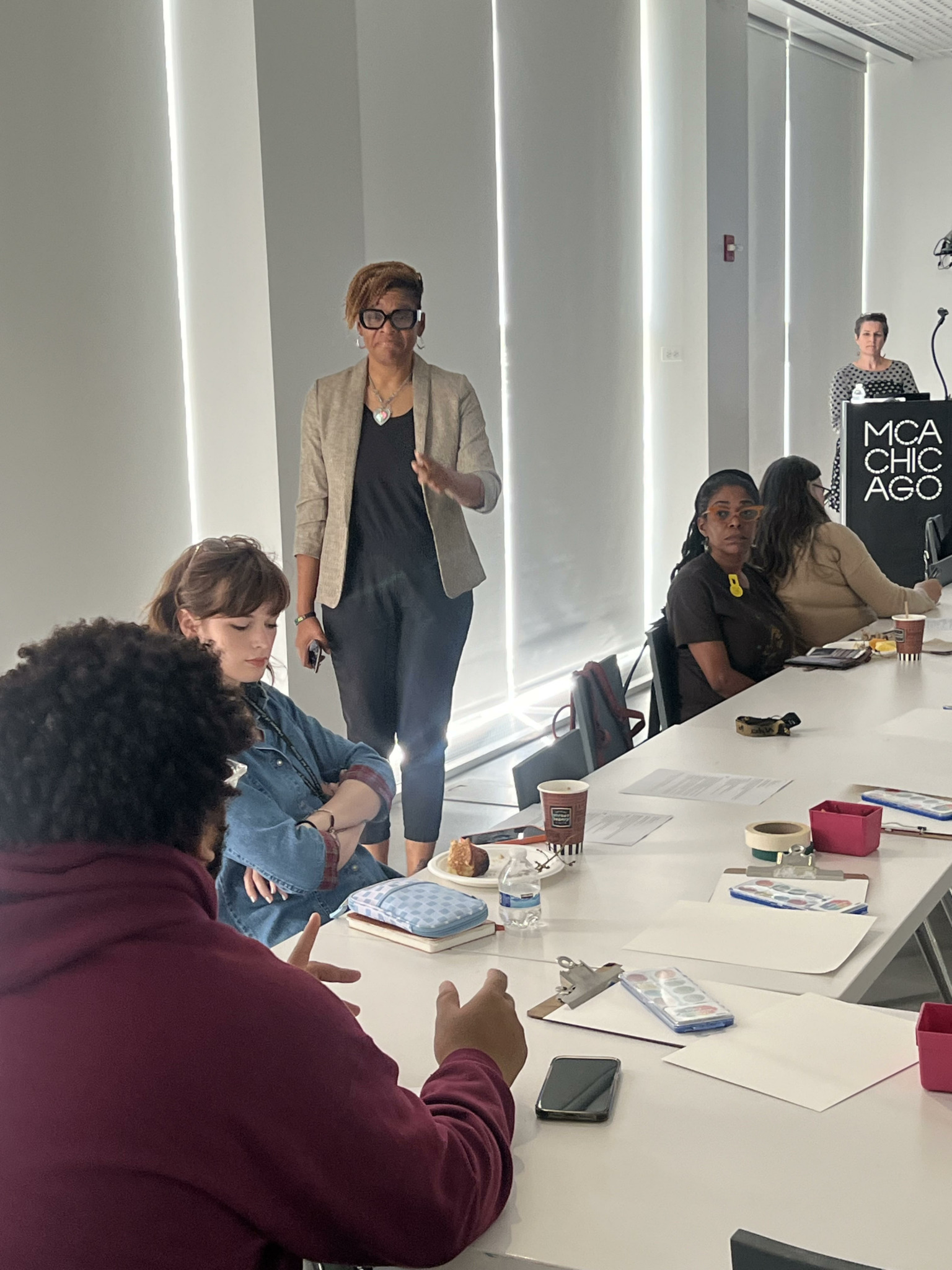
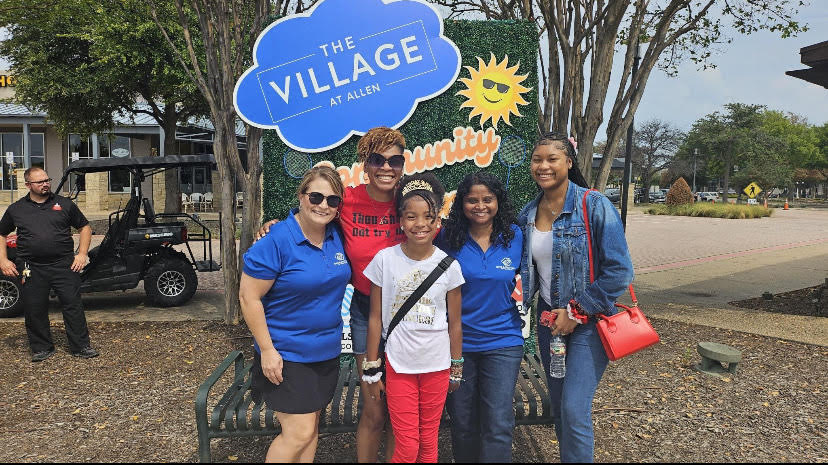
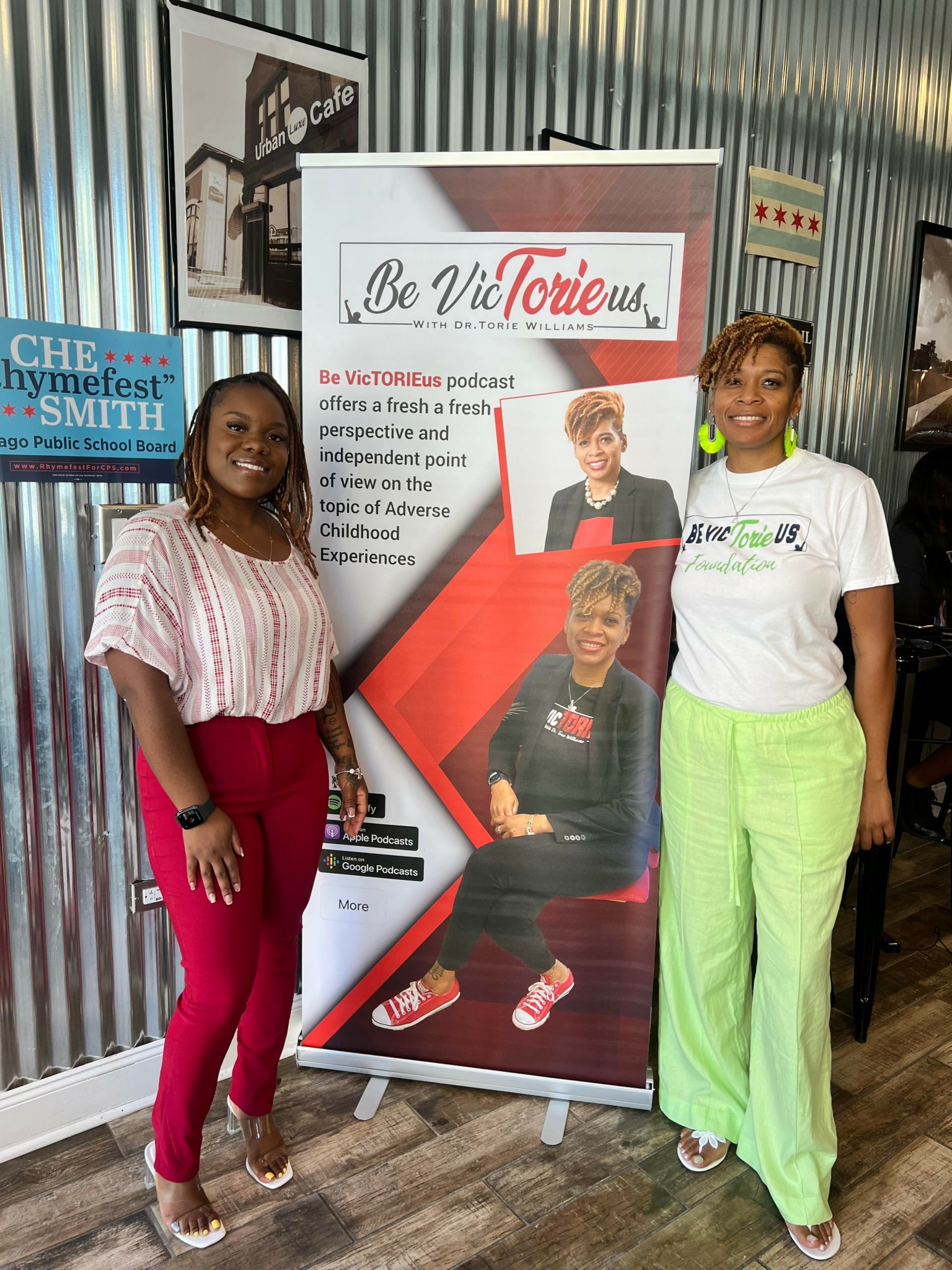
Image Credits
Museum of Contemporary Art- Chicago
Boys & Girls Club- Collin County