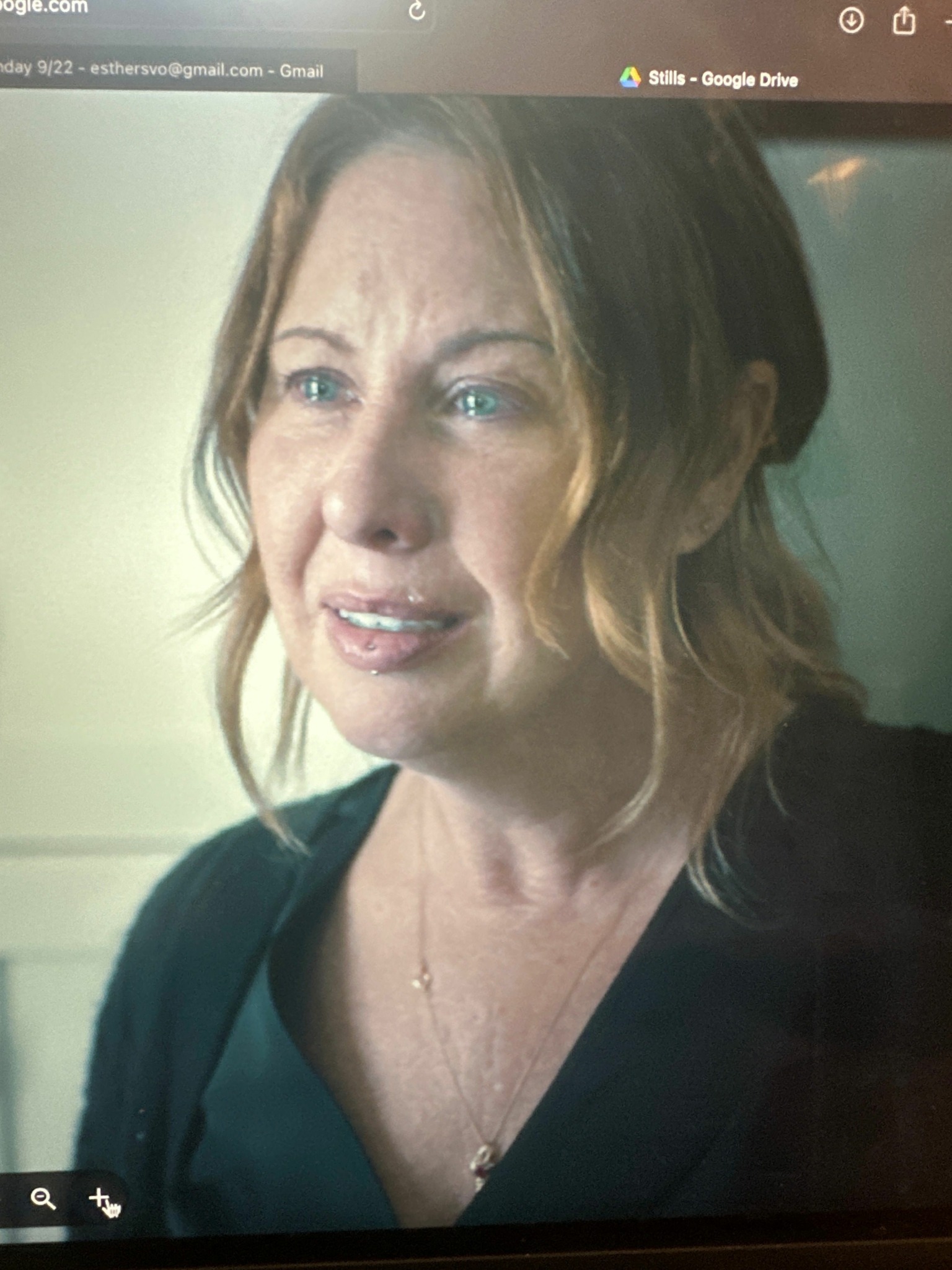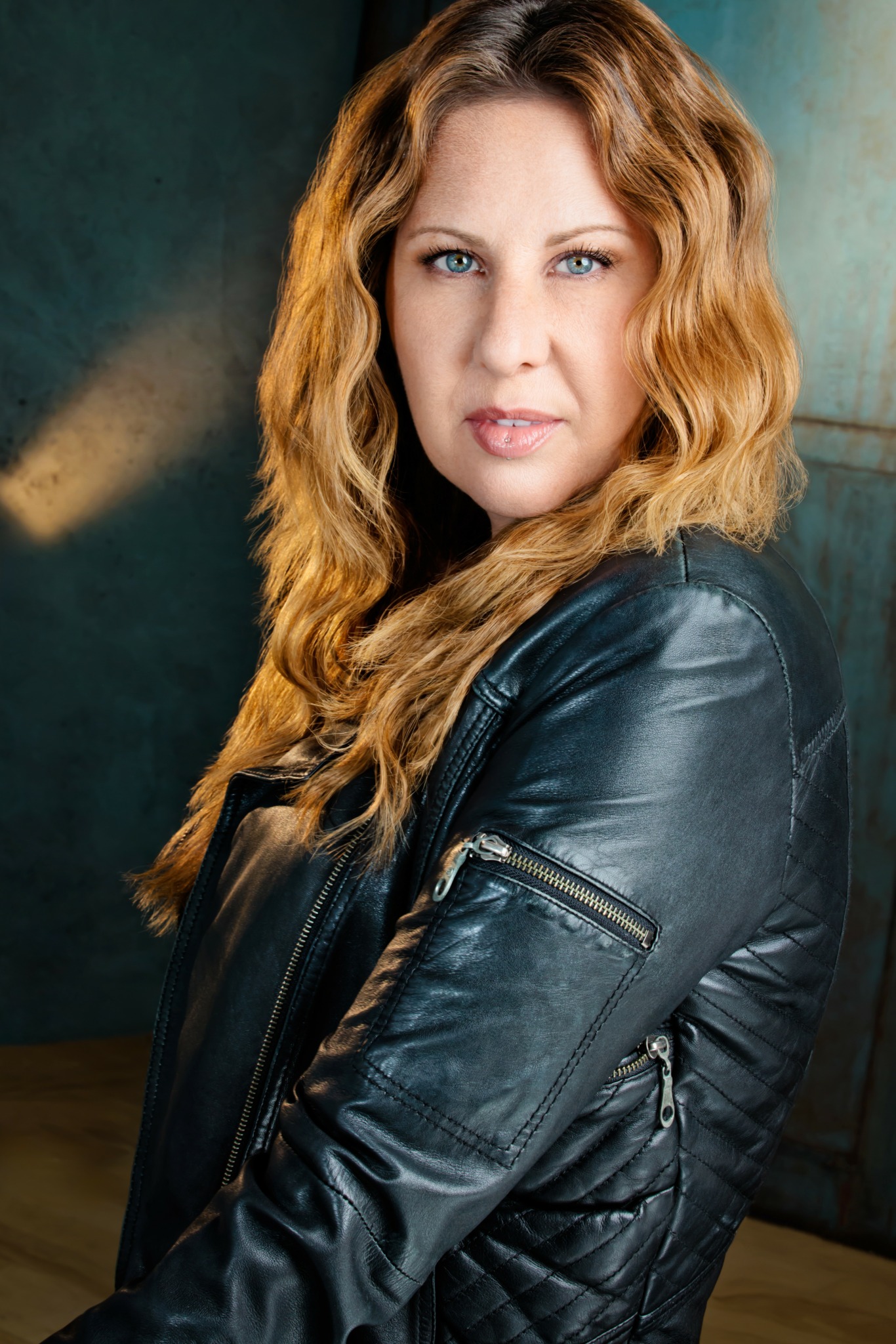

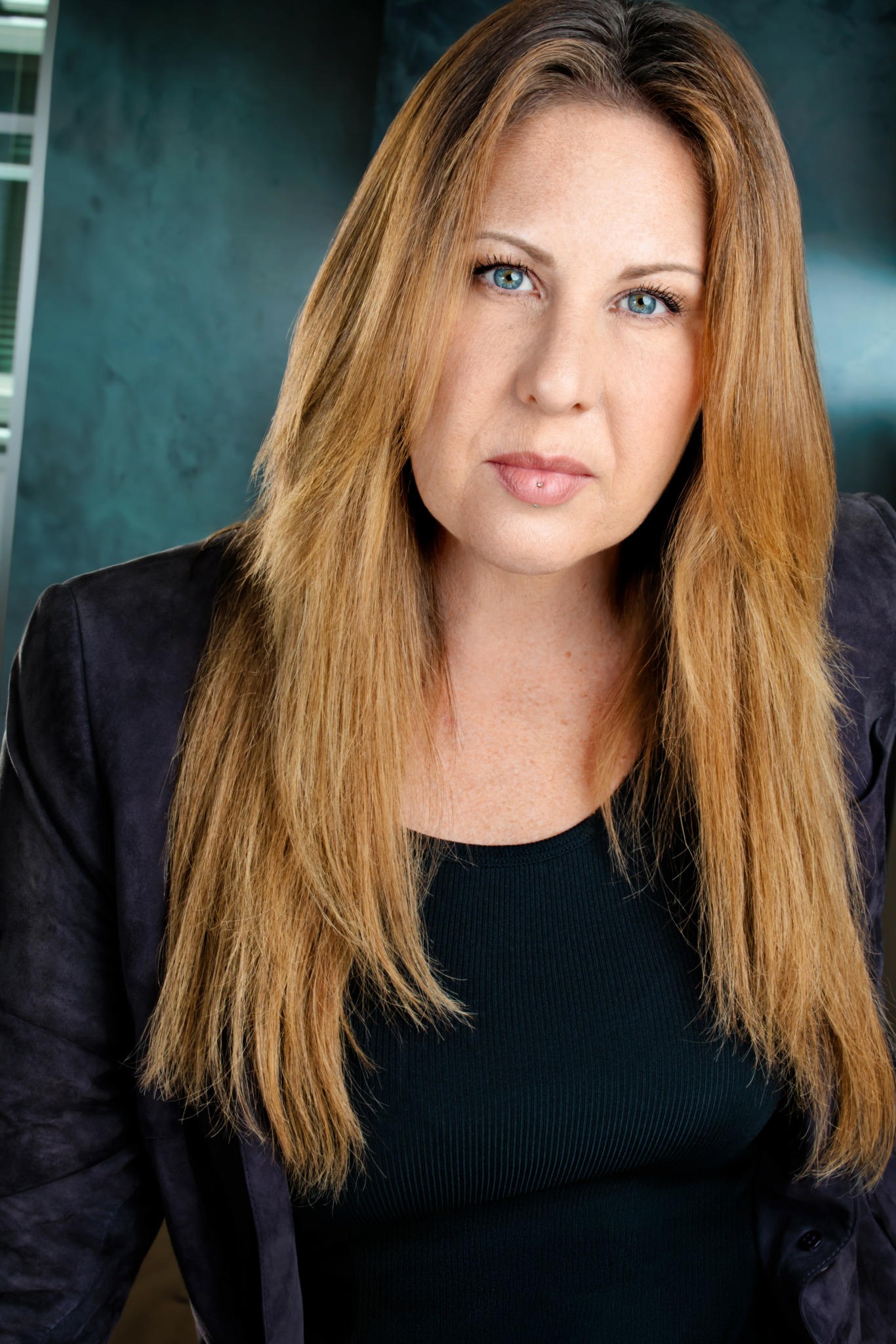
Alright – so today we’ve got the honor of introducing you to Esther Haltom. We think you’ll enjoy our conversation, we’ve shared it below.
Esther, thanks for joining us, excited to have you contributing your stories and insights. Do you have an agent or someone (or a team) that helps you secure opportunities and compensation for your creative work? How did you meet you, why did you decide to work with them, why do you think they decided to work with you?
Finding a first time agent in Seattle in the early 1990’s was daunting. I was living in Seattle, Washington and. pursuing my BFA at the University of Washington. With only theatre as a background I was convinced finding on camera representation would be very difficult. Despite the many shows filming in the area around. that time, Seattle was a unique place to navigate the acting world, it wasn’t Hollywood but had many opportunities, if you knew where to look. Between classes and rehearsals I was submitting to all the big agencies in town. I was hoping to sign with an agent who could take my career to the next level. In those days it was hard to get into an agency, much like today, you needed a referral to even submit your resume and book. It definitely felt like a mini performance every time I stepped into a casting office or agency. The resume had to be carefully crafted as my list of credits were still modest. I just needed someone to believe in me. Many of the agency auditions included performing a monologue that you had practiced endlessly. I signed with The Bell agency after attending a workshop and going through the audition process. It wasn’t a big agency but big enough to get me auditions that I was booking. Gas Powered Games was my first VO gig and Simple Green was my first on camera project. Small but mighty gig’s just, what I needed to help build my confidence.
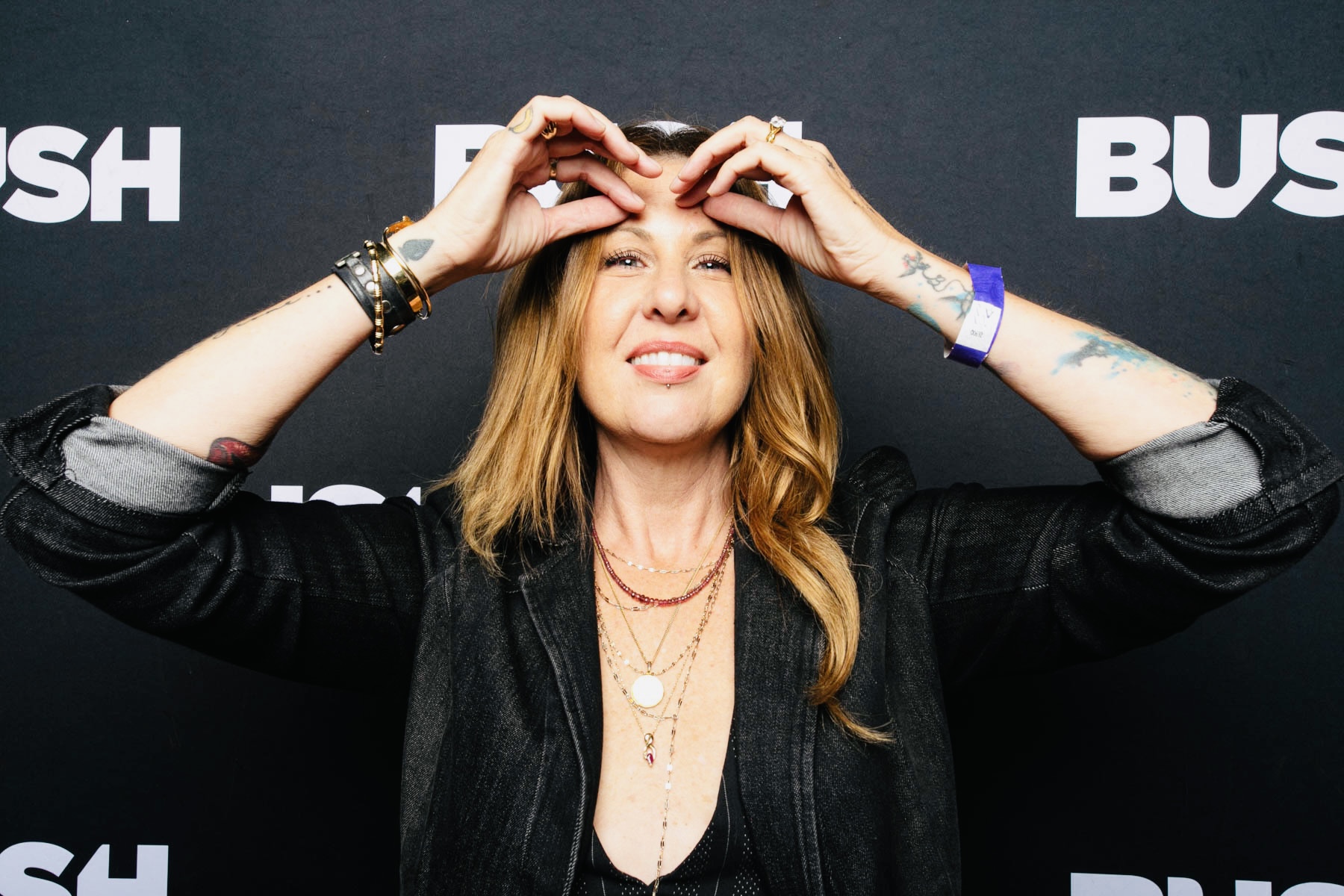
Esther, before we move on to more of these sorts of questions, can you take some time to bring our readers up to speed on you and what you do?
I got into VoiceOver quite by accident. I was concentrating on on camera work auditioning for films and television in Seattle when I was sent an audition for the Gas Powered Game Dungeon Siege II. I sent in my auditions. I think I performed about 10 separate voices and from that they cast me in the game using about four of them. The one thing that is so very important when you’re working in gaming or any kind of acting genre is that you are open to direction and are able to give your directors options. That means being a versatile actor and being able to maintain a professional attitude while doing it One of the most important aspects you can have as an artist is being able to listen and adjust. One thing I am most proud of is the fact that I am able to take direction and change the tone of a story to fit with the director’s vision. It’s also very important to listen to your fellow actors. Don’t just recite your lines, really listen to what they’re saying to you feel that emotion and let that drive your response.
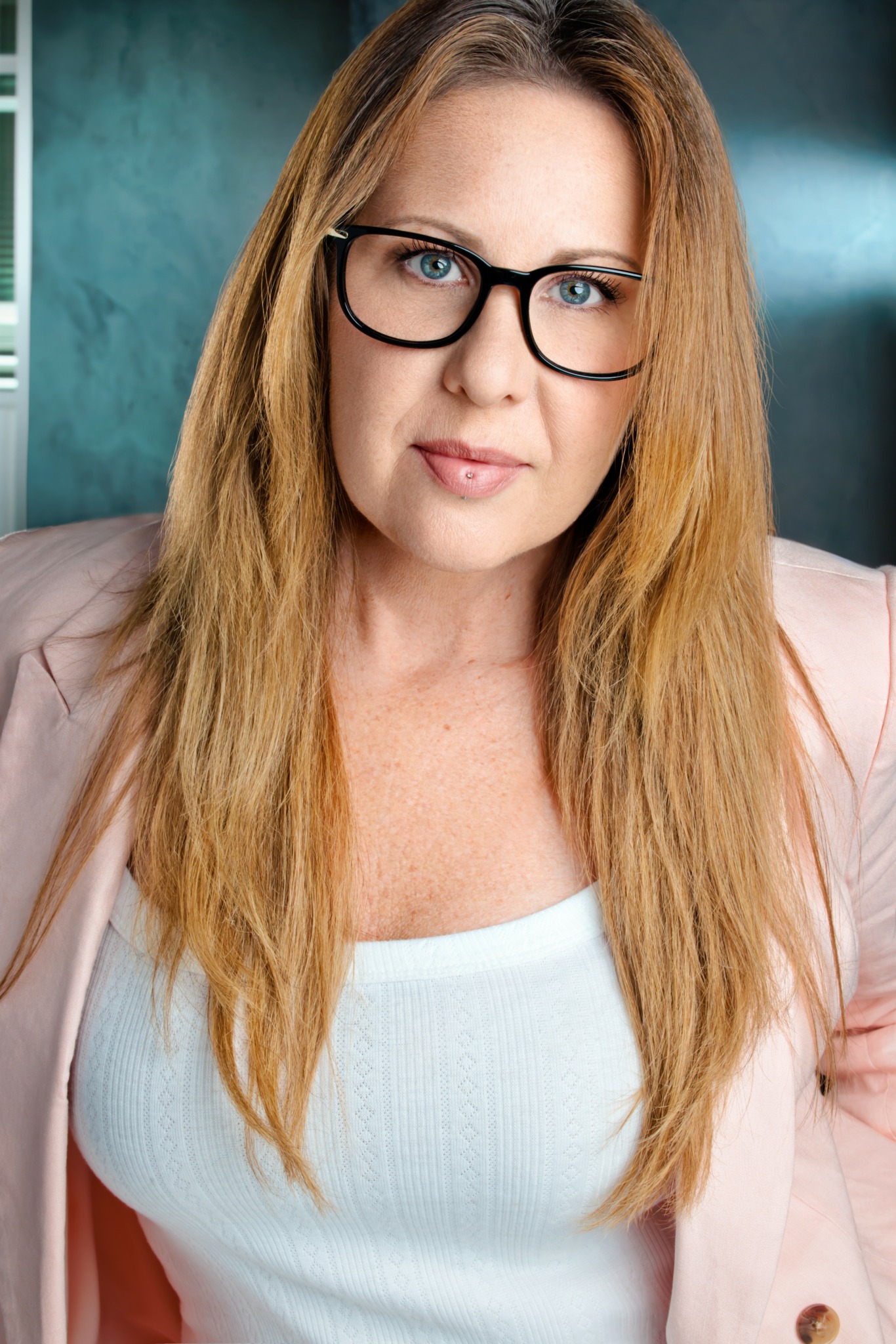
We often hear about learning lessons – but just as important is unlearning lessons. Have you ever had to unlearn a lesson?
One of the biggest lessons I’ve had to learn as a Voice Over Artist is how to scale back my performances. Earlier in the 90s through most of the early 2000s, VoiceOver was very big. There was a lot of bravado in commercials, it was very loud and in your face. When somebody was talking about brushing their teeth, it was loud and with excitement you really didn’t have a lot of chill in those early spots. Moving through the 2000s VoiceOver has become much more understated almost every audition I get the directions says real, not commercially, real person just talking. So it’s reading copy without sounding like your reading copy. It has taken me a lot of work to scale back the performance aspect of doing VoiceOver and move more into a new millennial way of selling products. It is definitely its own skill set and many older VoiceOver actors struggle with that. I have been lucky to take classes and immerse myself and studying how VoiceOver is transitioning and that has really kept me in the game and booking jobs.
Do you think there is something that non-creatives might struggle to understand about your journey as a creative? Maybe you can shed some light?
I think sometimes it’s hard for non-creatives to understand how long the journey is for creative artist, actors, Voice Over Artist theater actors, and on camera actors to actually obtain a goal or book a job. It’s not like any other profession where if you just study enough, you will eventually rise up the ranks and become successful at what you’ve trained to do. Being an artist means having resilience and being able to take rejection over and over and still have the drive to continue to pursue your ultimate goal, which is to be able to make a living doing what it is you love. I think if people understood the drive behind the dedication to succeed and that there is no other option to find happiness in a career, they would be more understanding of the journey and the reason why we as artists hold onto our careers for so long. Well into a time when people on the outside would think we have not been successful, but I take every job as a little token of success to help carry me through till the next booking. Resilience is the key.
Contact Info:
- Website: https://estherhaltom.com
- Instagram: Esther_Haltom
- Twitter: @estherhaltom
- Youtube: https://www.youtube.com/@estherhaltom756