

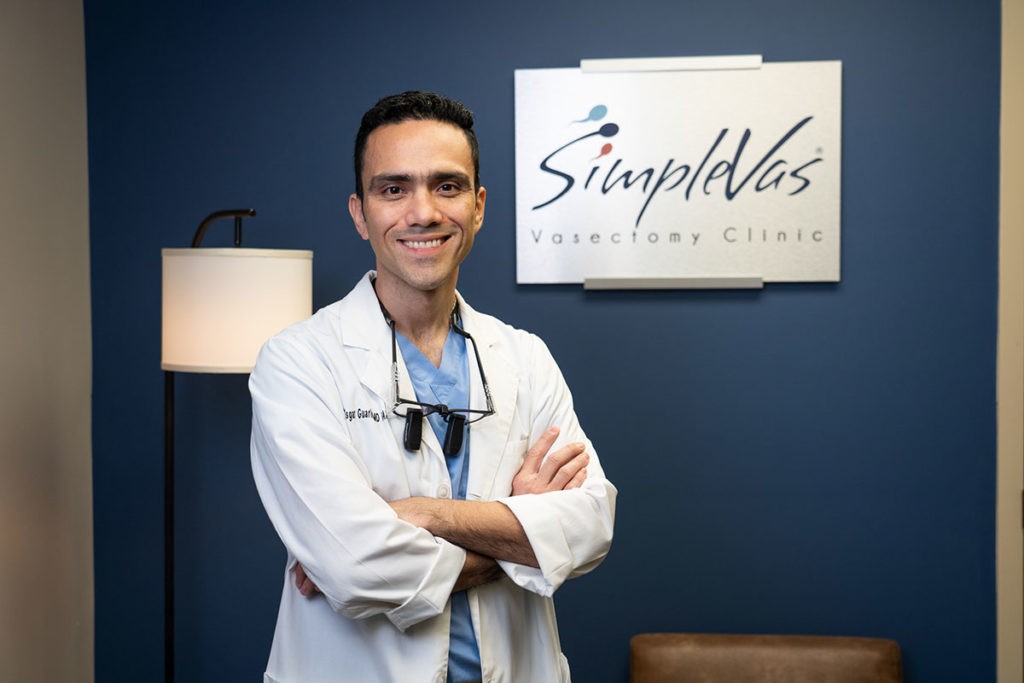

Alright – so today we’ve got the honor of introducing you to Esgar Guarin. We think you’ll enjoy our conversation, we’ve shared it below.
Alright, Esgar thanks for taking the time to share your stories and insights with us today. Was there a defining moment in your professional career? A moment that changed the trajectory of your career?
I was deeply interested in human behavior during my early years of medical training. In medical school, I was committed to the study of psychology and psychiatry. To me, learning about why men and women behave the way we do was extremely interesting.
Immediately after finishing Medical School, in my home country of Colombia, it was required for all graduates to work for the government in a rural remote area for a year. Fulfilling that requirement exposed me to experiences that shaped my academic interest away from my initial intentions in psychiatry toward a more general medical practice.
During a year working in the middle of the Andean mountains, I was in charge of many young families. Reproductive health was definitely an important part of my responsibilities, with close to 100 deliveries managed. Therefore, when I was faced with completing my specialty residency training, a natural choice for me was family medicine. The goal was to be able to confidently and competently manage the healthcare of young families, helping them through their vital cycle.
Residency did not seem sufficient in order to competently manage the very important reproductive stage of families. So, I decided to complete a Maternal and Child Health fellowship that would give me the expertise and surgical abilities to manage more confidently pregnancies, and the care of newborns and children.
Knowing that contraception was a fundamental portion of the reproductive care of families, I did have an interest in the performance of vasectomies, as a simple and effective method of permanent contraception. Unfortunately, training was not easy, as it was seen, by those training me, that the content of my educational program should not include such a procedure. It was then up to me to obtain that training.
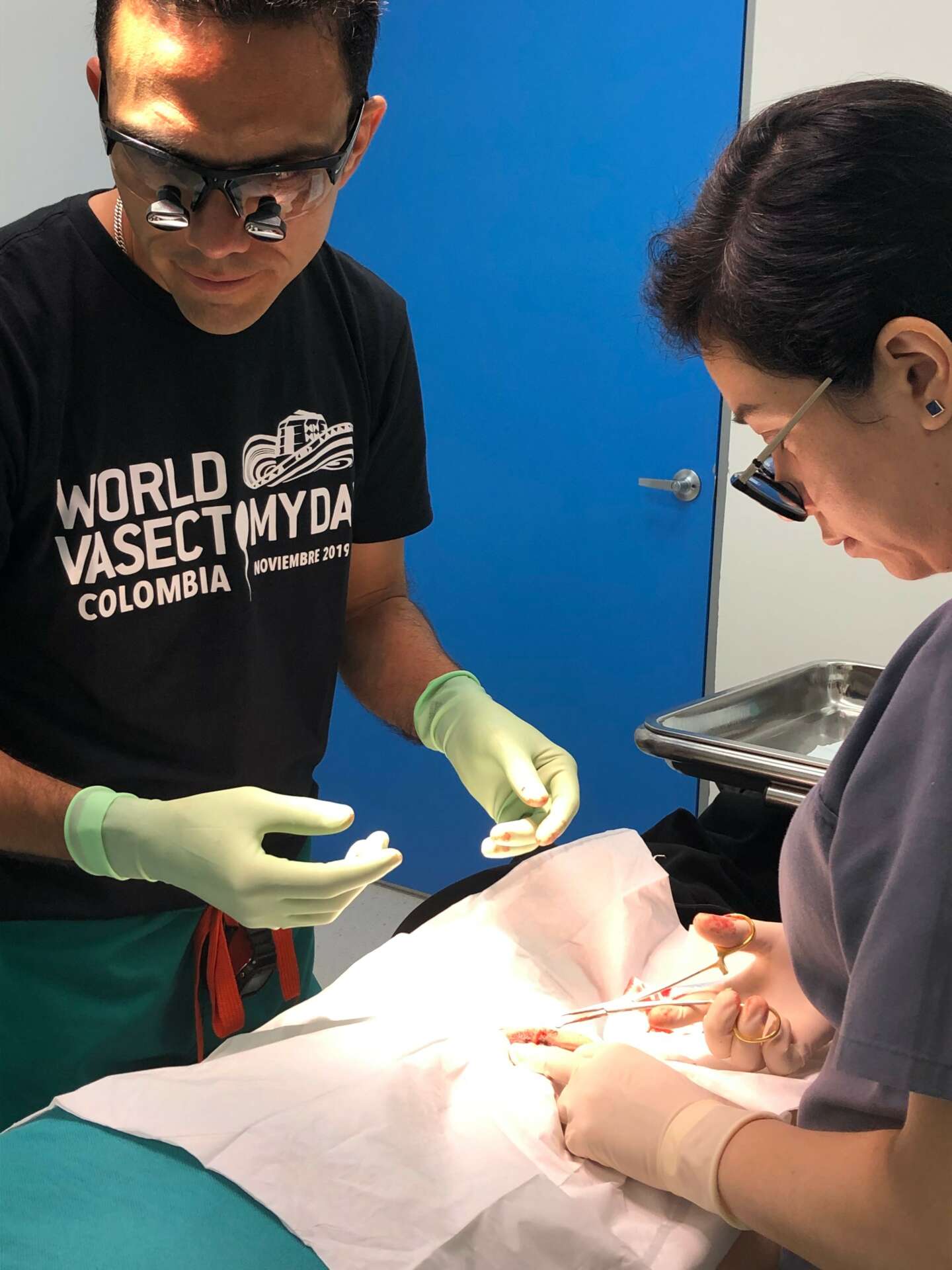
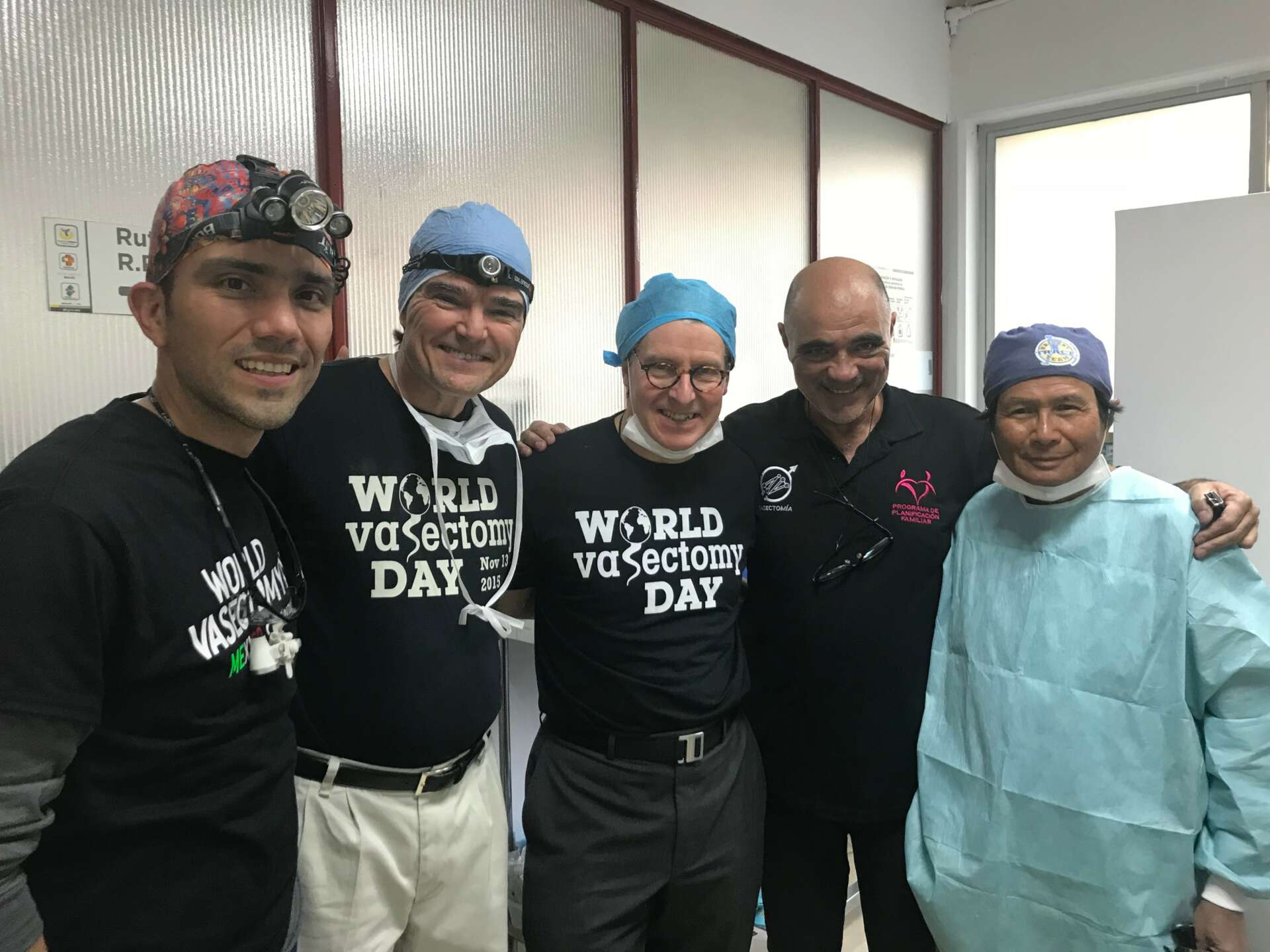
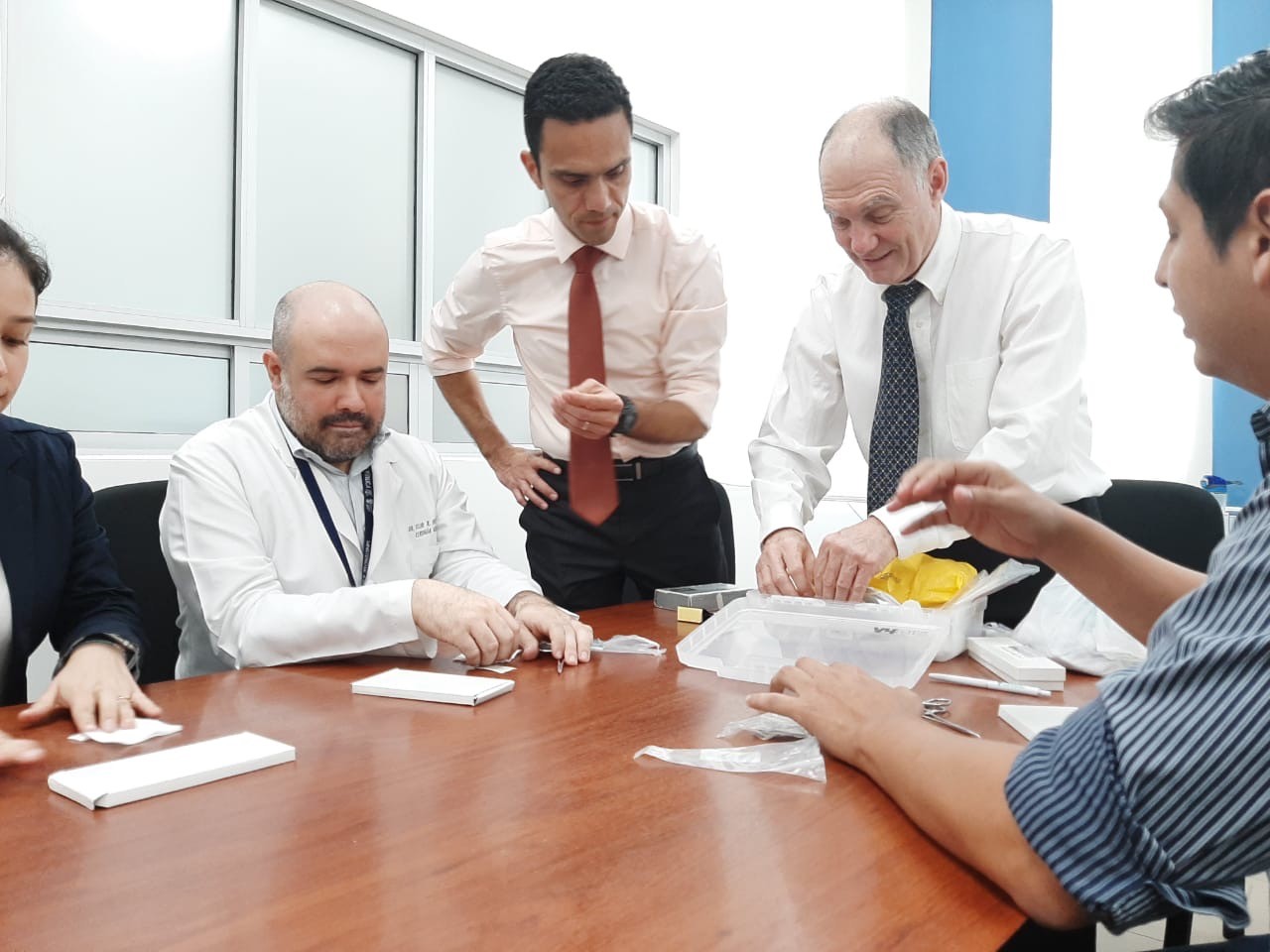
After 3 years of residency and 2 additional years of fellowship training, I went on to find opportunities to become educated in vasectomies, as I was convinced that their inclusion in my services was of great benefit to my patients. Then I met Dr. Douglas Stein, a passionate urologist willing to teach me. He became a mentor in my training on vasectomies. He guided me, taking me down the path of performing safe, simple, and effective procedures with a high reproductive impact.
For years, I had the privilege of caring for one of the most relevant moments in the vital cycle of families: their reproduction. It was there where I got a front-row view of the difficulties women face in reproductive matters. I was able to guide them through their pregnancies and their postpartum periods, as well as their needs in contraceptive care. All that cemented my commitment to the promotion of vasectomies as a very effective alternative where men could be more active participants.
During years of maternal, child, and reproductive health practice, I witnessed multiple patient experiences. Unfortunately, many of those included unfair treatment of women, contraceptive failures, and uninvolved men leaving broken families behind.
One of those experiences put things in perspective for me in such a way that I decided to change my medical practice. Over a period of two and a half years, I delivered the pregnancies of five different women who had been pregnant by the same individual. Their stories, not all uncommon for those of us familiar with reproductive health services and family care, were filled with abandonment and neglect. One after the other was presenting into my office for their prenatal care and subsequent delivery. Some, unavoidably, overlapped in their care and were pregnant at the same time. The man, in the meantime, continued his life without facing any obvious responsibility and was unwilling to take any reasonable permanent measure for his contraception. That seemed extremely unfair to those women and the children involved.
Setting aside the responsibility that those women also bore, the fact that their common male counterpart was not interested in taking a more responsible stance related to his actions was troubling to me. That led me to consider the barriers and limitations men face when trying to access a vasectomy for permanent contraception and decided to develop a way to overcome them.
We designed, together with my wife, a clinic system that simplifies the access to vasectomies and the education about them, in an attempt to ease the process for men interested in the procedure; as well as to spark the interest of those who might be on the fence about it due to insufficient knowledge. After implementing successfully the idea, it became clear to me that, in order to facilitate a change in the mentality of men, I could no longer provide vasectomy services ‘on the side’ as part of my general medical practice. Then I decided that the best approach was to have a dedicated vasectomy clinic.
Great, appreciate you sharing that with us. Before we ask you to share more of your insights, can you take a moment to introduce yourself and how you got to where you are today to our readers?
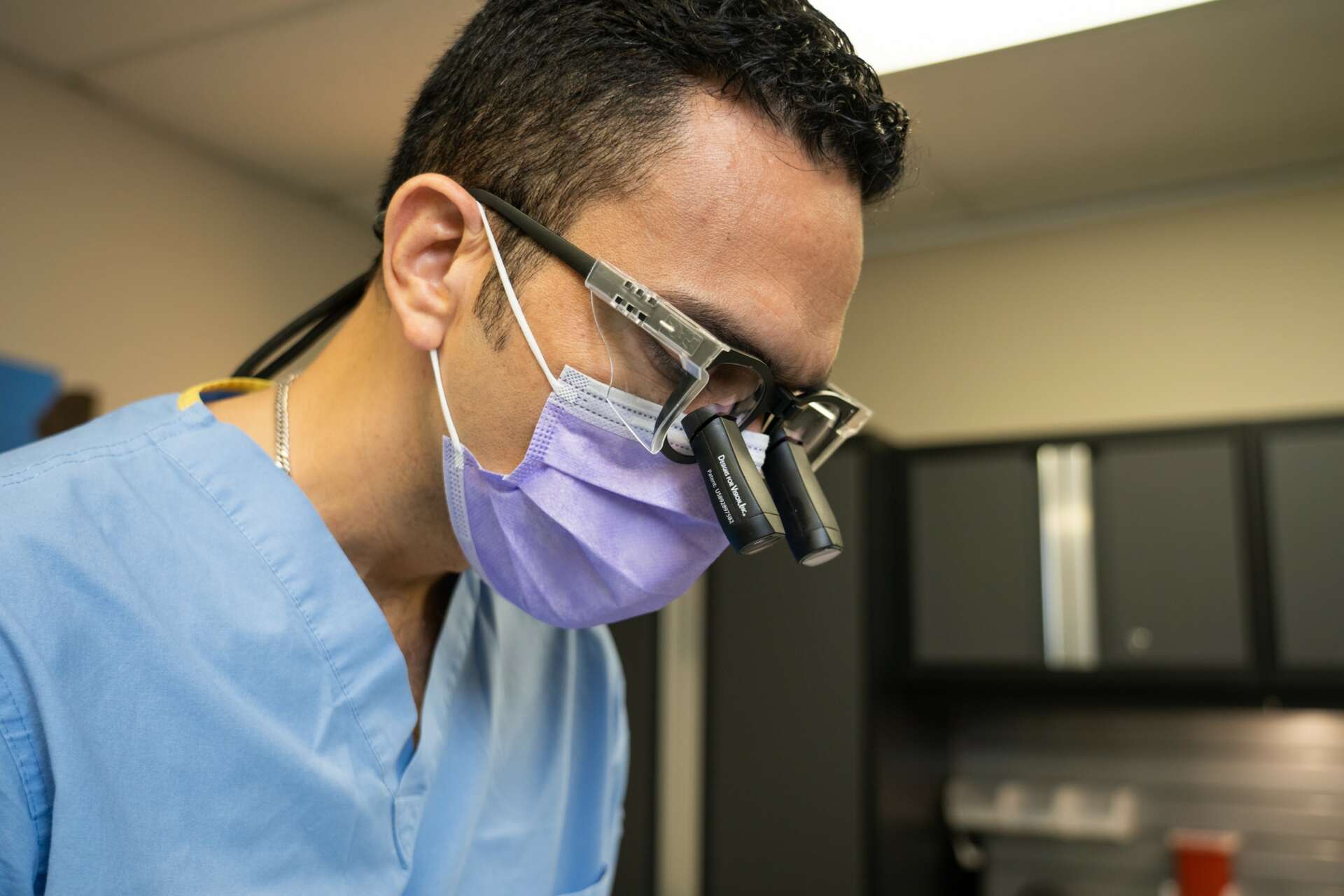
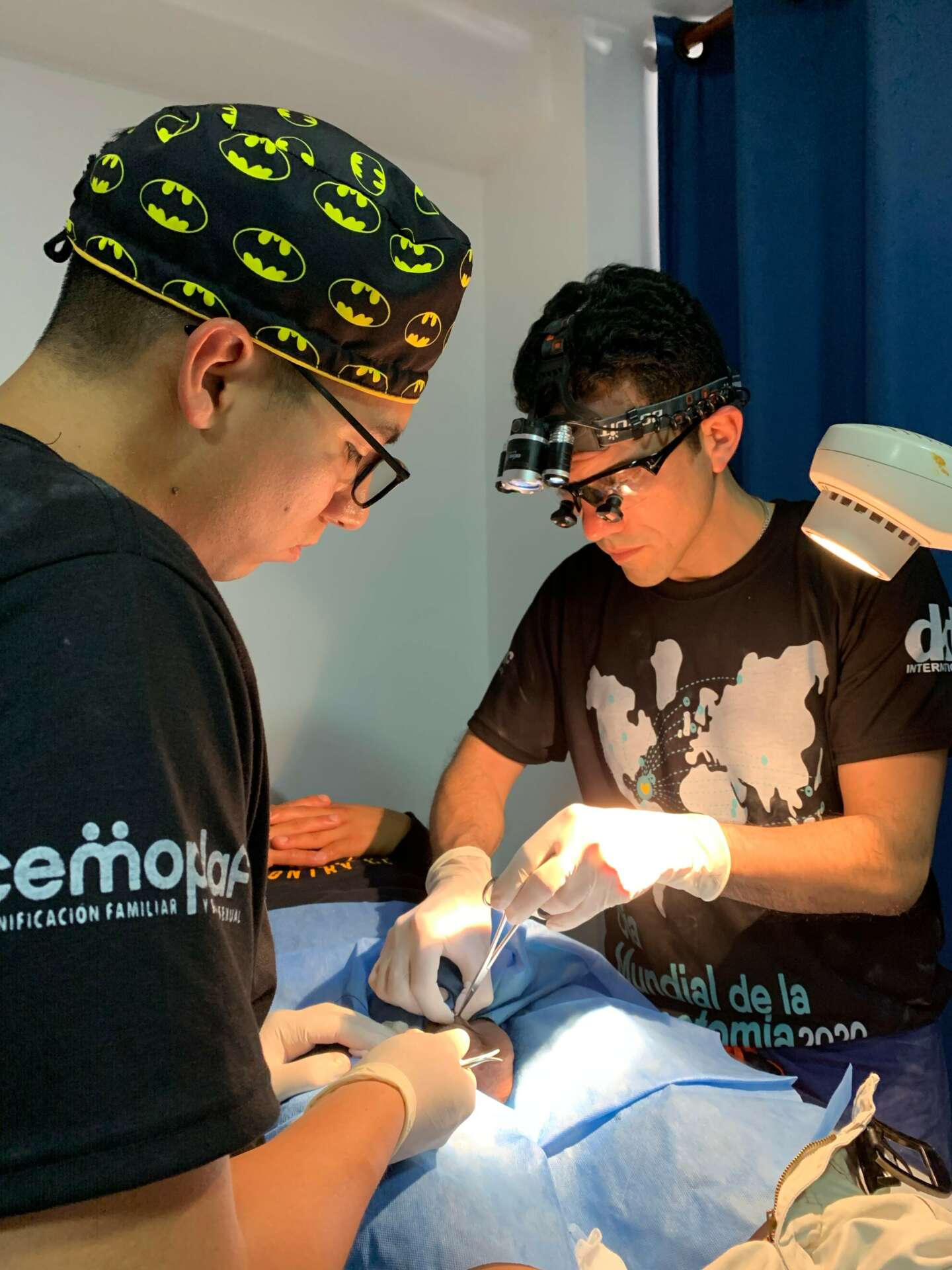
I am a Family Medicine specialist with additional training in Maternal, Child, and Reproductive Health, dedicated full-time to the practice of vasectomies at SimpleVas Vasectomy Clinic.
I am committed to providing a simple and effective avenue for the active participation of men in contraception.
The biggest satisfaction I encounter is that of seeing how men, after going through their procedure, realize it was simpler than expected and become successful ambassadors of the procedure, stimulating other men to participate more proactively in contraceptive decisions.
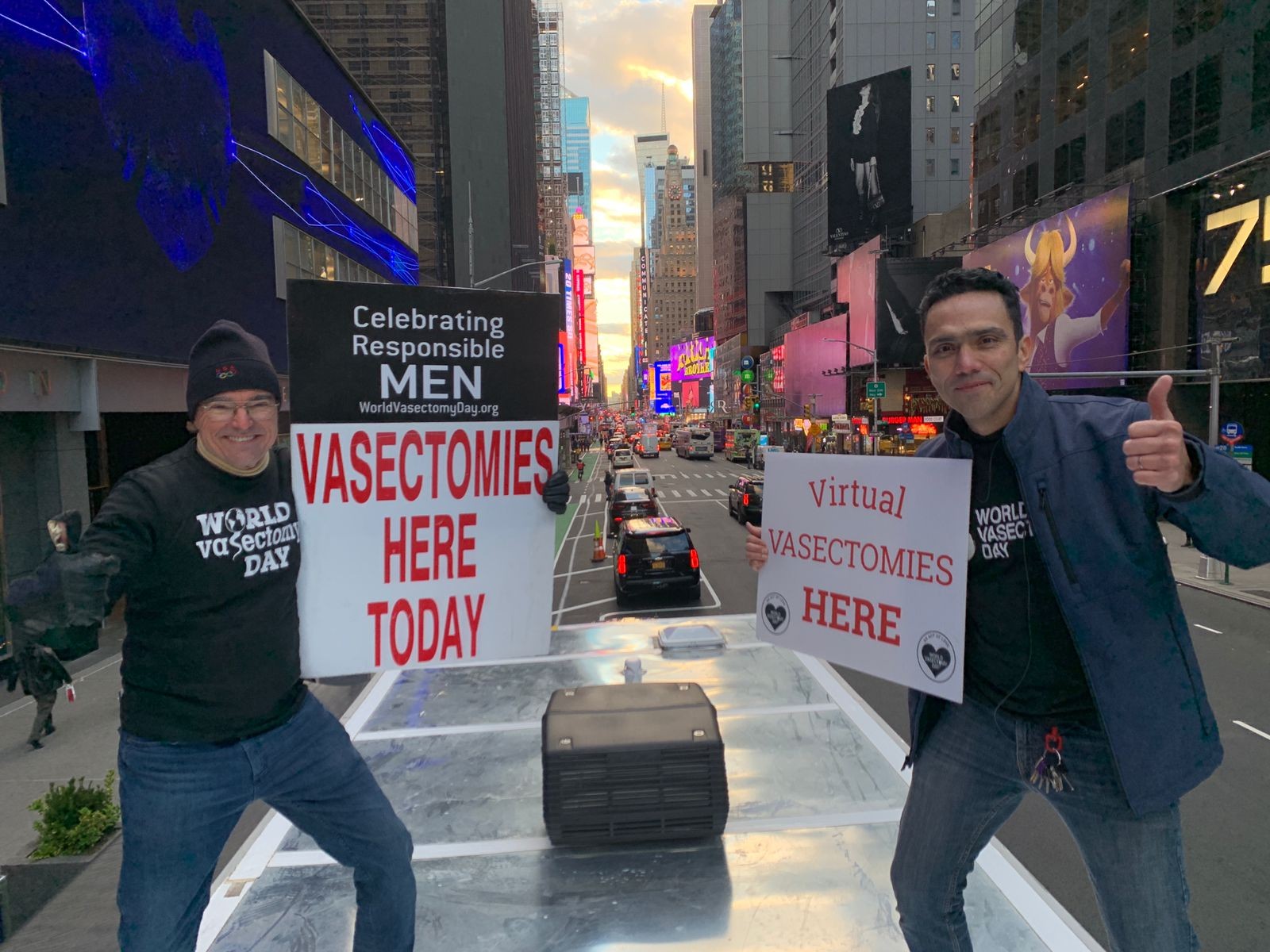
One of our biggest accomplishments has been building a Mobile Vasectomy Clinic to travel around while conveying a clear message about the simplicity of vasectomies.
Putting training and knowledge aside, what else do you think really matters in terms of succeeding in your field?
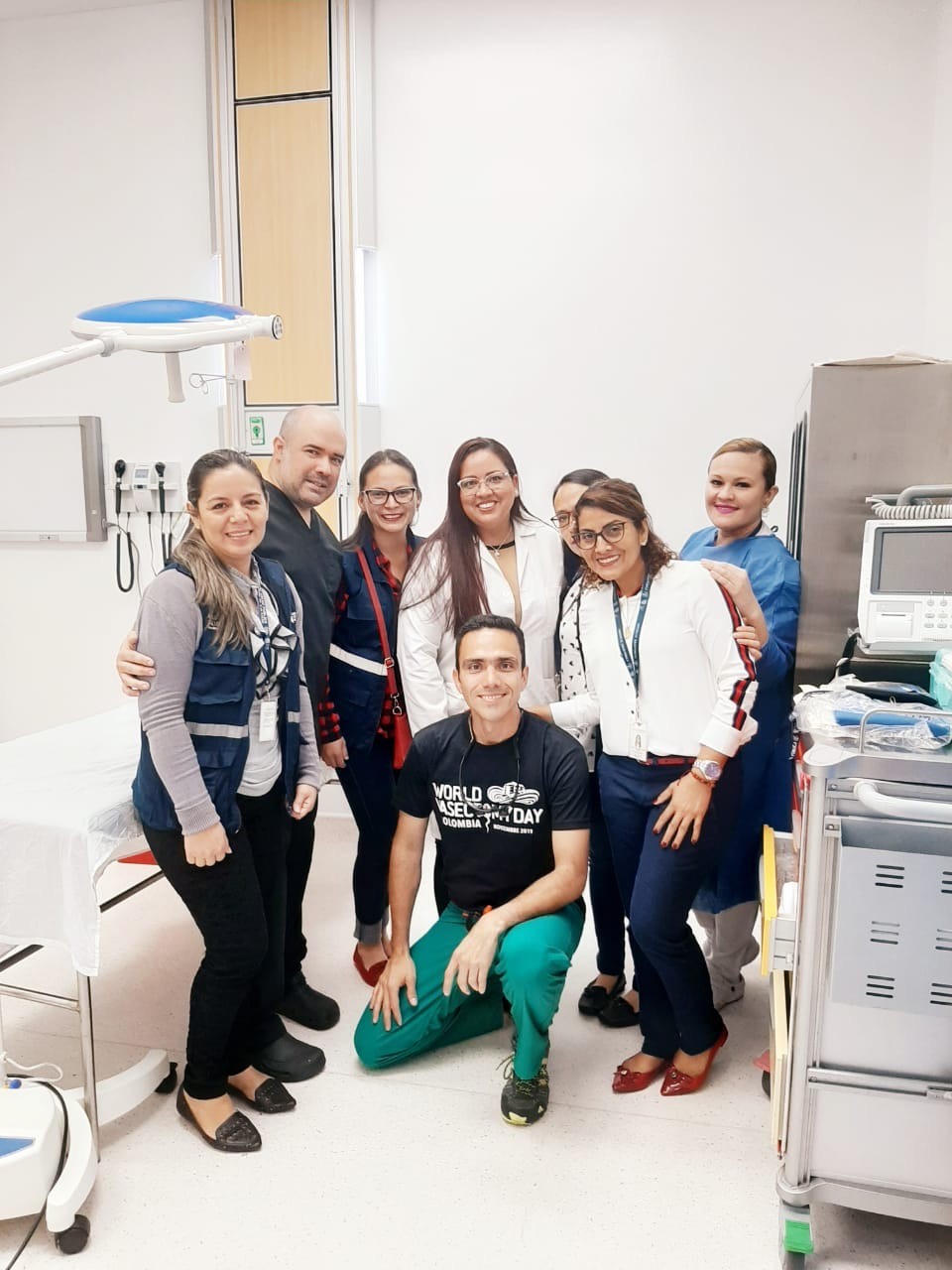
Listening to patients. Every single individual is different. Their different experiences and backgrounds enlighten me constantly.
Have any books or other resources had a big impact on you?
The Human Element by Loran Nordgren. This book talks about the importance of recognizing the points of friction and resistance when introducing an idea or implementing a project. It does not matter how good an idea is, or how much you promote it. If there is no consideration of any resistance or friction the idea itself could create, then there will be no success.

Contact Info:
- Website: www.simplevas.net
- Instagram: https://www.instagram.com/drg_simplevas/
- Facebook: https://www.facebook.com/drgsimplevas
- Linkedin: https://www.linkedin.com/in/esgarguarin
- Twitter: https://twitter.com/esgarmd?lang=en
- Youtube: https://www.youtube.com/channel/UCiEo_hGW0wjEC82aG-i3DaQ
Image Credits
Esgar Guarin, MD