

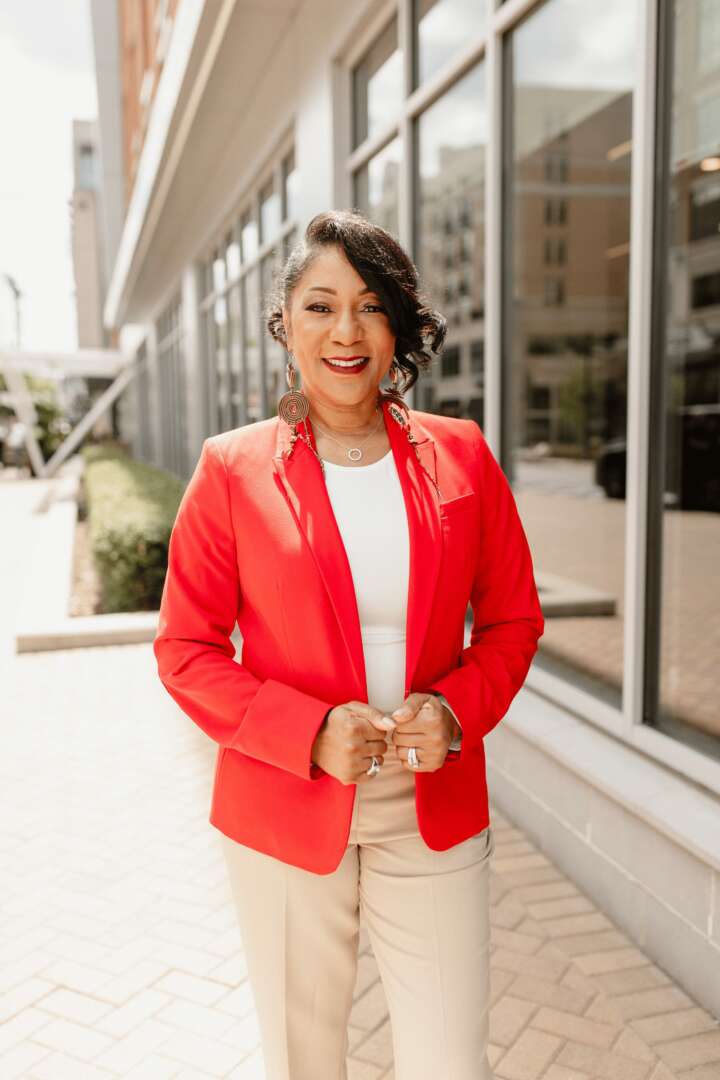

We were lucky to catch up with Eronica Dew recently and have shared our conversation below.
Alright, Eronica thanks for taking the time to share your stories and insights with us today. We love asking folks what they would do differently if they were starting today – how they would speed up the process, etc. We’d love to hear how you would set everything up if you were to start from step 1 today
I launched BES Solutions, Inc. without the benefit of valuable mentorship. Starting the business is the best decision I ever made, but there are a few things I wish I had known from the beginning.
In particular, I wish I would have thought BIGGER from the very start. I know I could have set myself up for faster, more efficient success if I had cultivated a stronger network before leaving Corporate America. Your network can provide opportunities, advice, and support when you need it most.
I also wish I would have decided on the type of company I wanted to build more firmly. You should determine if you want a lifestyle business, a legacy to pass down, or a company to sell at the very start. Clarity on this will help guide your decisions and intentions.
As I really started thinking through that company type for myself, I realized I needed to make some adjustments to the business structure. When I originally created BES Solutions, it was a one-person business.
I set it up as an LLC before I realized my vision for the future of the firm went well beyond that. I converted to a corporation to be able to have the option for a Board and multiple stockholders but that conversion has come with so many unnecessary headaches.
I made the mistake of thinking that since we had one entity and we were moving to a new entity that we needed a new EIN, which was not the case. It cost us more than a year of trying to fix it with the IRS and with Sam.gov, which is the system used for government contracts.
This seems like an administrative issue but it has far-reaching arms. It impacted how we could get paid from one of our clients. And it’s been three years since the switch and I’m still sorting out some branding items that have the LLC moniker!
Entrepreneurship comes with many challenges, but, for me, it has been so worth all of the lessons learned along the way.

Eronica, before we move on to more of these sorts of questions, can you take some time to bring our readers up to speed on you and what you do?
BES Solutions, Inc. (BESS) is a mission-focused organization, providing complete management support services for corporate clients and federal, state, and local government agencies across the U.S.
Where you see challenges, we see opportunity. Solving problems for our clients – both known issues and those yet undiscovered – is the core of our work. Our work empowers clients to thrive in an ever-evolving landscape through cutting-edge solutions, expert guidance, and unwavering support. We are renowned for breaking down RFP requirements, addressing client concerns, and developing innovative solutions tailored to their unique challenges in public service.
BESS is a certified Service-Disabled Veteran-Owned Small Business (SDVOSB), Economically Disadvantaged Woman-Owned Small Business (EDWOSB), Minority Business Enterprise (MBE), and a Disadvantaged Business Enterprise (DBE). We are headquartered in Prince George’s County, Maryland with a second headquarters in Washington D.C.
We recently announced an expansion of our offerings to include four new service areas – Information Technology, Logistics, Facility Management, and Construction. I’m excited about all of the opportunities ahead and the growth we are anticipating over the next year.
But if my younger self could see me now and see all that I’ve built with BESS, she might not believe it!
When I graduated high school, I wasn’t sure if I had a plan at all. It wasn’t until I married my high school sweetheart, moved across the country without knowing anyone other than my new husband, and tried my hand at a couple of different career paths (working at McDonald’s, training and earning my phlebotomy license, supporting an insurance firm), that I ultimately found the right fit – the U.S. Air Force.
My military experience launched me into the woman I am today. Mission-focused. Disciplined. Detail-oriented. Intentional. A strong sense of service over self. All values that show up in BESS’s work today.
I served 10 years in the U.S. Air Force, including a deployment in support of Operation Enduring Freedom. Following my military service, I worked as a federal employee before eventually switching into government contracting, working directly for government clients and later for large defense contractors. As a Program Manager at Lockheed Martin, I managed a $26M Logistics and Communications contract serving Walter Reed Army Medical Center in Washington, D.C. I became an expert in capture management, proposal management, proposal writing, and win plans, leading numerous proposal teams and securing over $3B in federal government contracts.
Fast forward to 2018. I was winning proposals for large firms but my planning and solution-oriented mind couldn’t stop seeing a gap that I knew I could fill. BESS was born out of this strong need for a customer-service-focused firm, lean, agile, and adept enough to navigate the complex government landscape.
Since its launch, I have led the firm to win more than $13M in federal contracts, securing these wins as a prime contractor on every single contract during BESS’s start-up years – an extreme rarity for a new firm.
Alongside my career, I balance my family life – I have five children with my husband of more than 30 years – and my involvement in the community. I am a big believer in approaching an ambitious life by prioritizing the people and plans you care about most.
I am also committed to paying it forward and being the mentor that I wished I had coming up in my career. I want to break down barriers, share my lessons learned, and help others shape the businesses and lives they want to lead.

How did you put together the initial capital you needed to start your business?
I’m glad you asked this question. Getting over the taboo of talking about money or not having funding is real.
Not everyone starts out with a line of credit. Not every company starts out with a whole bunch of capital to begin their business. Some folks are taking out loans on their houses, liens against their property, or borrowing money from friends. Everyone’s start isn’t the same.
I know my start is very humble beginnings, so I have no shame in saying I didn’t have the capital or the funding to start BESS. But I did it anyway.
Initially, I relied heavily on my personal savings and earnings from proposal management consulting, my side hustle at the time. When that wasn’t enough, I leaned on a friend’s line of credit to meet payroll obligations and fulfill our first federal contract with the U.S. Department of Agriculture. For three years, I operated by recycling revenue to cover expenses, constantly managing cash flow to keep the business afloat.
When I first approached banks for funding, my business was an unknown entity, and the answer was always no. However, about six months into our operations, one bank extended a line of credit for $20,000. While this was a positive step, it only covered a third of our payroll needs. Despite this, we continued to build our business and improve our financial standing.
After three years, I approached a different bank with a stronger case. I presented our balance sheet, profit and loss statements, personal financial statements, and all our assets and cash on hand. Additionally, I highlighted the three federal contracts we were performing on and our future projections. This bank saw that we had “skin in the game” and sufficient cash on hand, which led them to approve us for a larger line of credit. This financial support allowed us to breathe easier and relieved the stress of meeting payroll deadlines. (I am proud to say we have never missed a payroll at BESS!) It also enabled us to expand, hire a marketing team, and attend more conferences to build relationships.
For new entrepreneurs seeking investment, my advice is to start with what you have and build from there. Use personal savings and any earnings from consulting or side projects to fund your initial operations. If necessary, don’t hesitate to lean on trusted friends or family for support. Keep meticulous financial records and be prepared to demonstrate your business’s financial health and growth potential to potential lenders or investors.
It’s also crucial to show that you have a personal stake in the success of your business. Banks and investors are more likely to support you if they see that you are fully committed and have invested your own resources.
Persistence is key. The journey to securing funding can be long and filled with rejections, but with a solid business plan, determination, and strategic financial management, you can overcome these hurdles and achieve your funding goals.
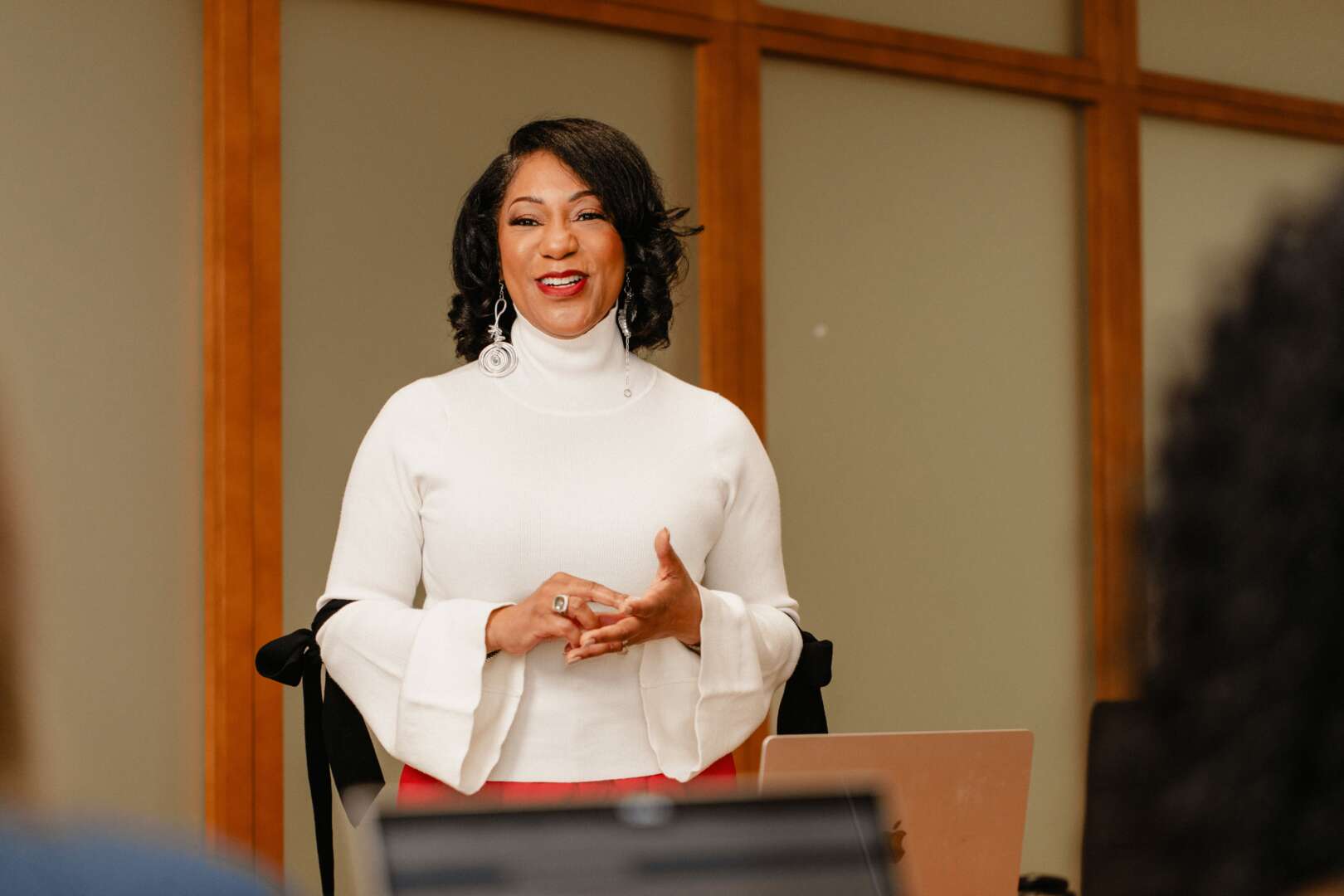
Let’s talk about resilience next – do you have a story you can share with us?
As a military veteran and a Black woman, my journey has been marked by significant challenges and obstacles. After 10 years of service in the U.S. Air Force, I made the difficult decision to separate during the height of Operation Enduring Freedom to ensure the stability of our family. Shortly after my deployment to Kuwait in 2002, when my youngest was only six months old and my oldest was four, I chose to leave the service to provide a stable home environment.
This decision, though necessary, meant that I lost the continuity and support that a military career could offer and transitioning to corporate America presented a new set of challenges. A pivotal moment in my career where resilience played a significant role in overcoming adversity was during my tenure as a Program Manager for a $26 million subcontract at Walter Reed Army Medical Center (WRAMC) in Washington, DC.
I was accustomed to a direct and decisive style of management, which was necessary in the Air Force where quick decisions could be a matter of life and death. However, my leadership style, which was effective and respected in the military, was perceived as too abrasive by some employees who preferred a more nurturing approach, especially from a Black woman.
The adversity I faced was formidable. To prove my capability, I worked 16-hour days for two years, establishing operations and managing six warehouses that supported WRAMC. This contract was critical, serving America’s Veterans, wounded warriors, and their families. Despite the doubts and personal attacks, I persevered, leveraging my background in logistics and quickly learning the intricacies of communications and electronics.
Through resilience and relentless effort, I not only met but exceeded expectations. I grew the scope of the contract from 81 to 95 full-time employees and ensured the smooth operation of a complex logistical and communications network. My ability to adapt, learn, and lead effectively under pressure demonstrated my capacity to overcome significant challenges.
My performance in this role was so successful that it led to my transition into business development, where I could further leverage my skills and experience. This pivotal moment in my career laid the groundwork for my eventual turn to business ownership, taught me the importance of resilience and adaptability, and reinforced my commitment to breaking down barriers and paving the way for others facing similar challenges.
Contact Info:
- Website: https://www.bessolutionsinc.com/
- Instagram: https://www.instagram.com/bessolutions/
- Facebook: https://www.facebook.com/BESSolutionsINC/
- Linkedin: https://www.linkedin.com/in/eronicadew/
- Other: https://www.linkedin.com/company/bes-solutions-inc/
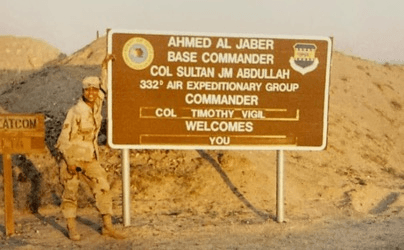
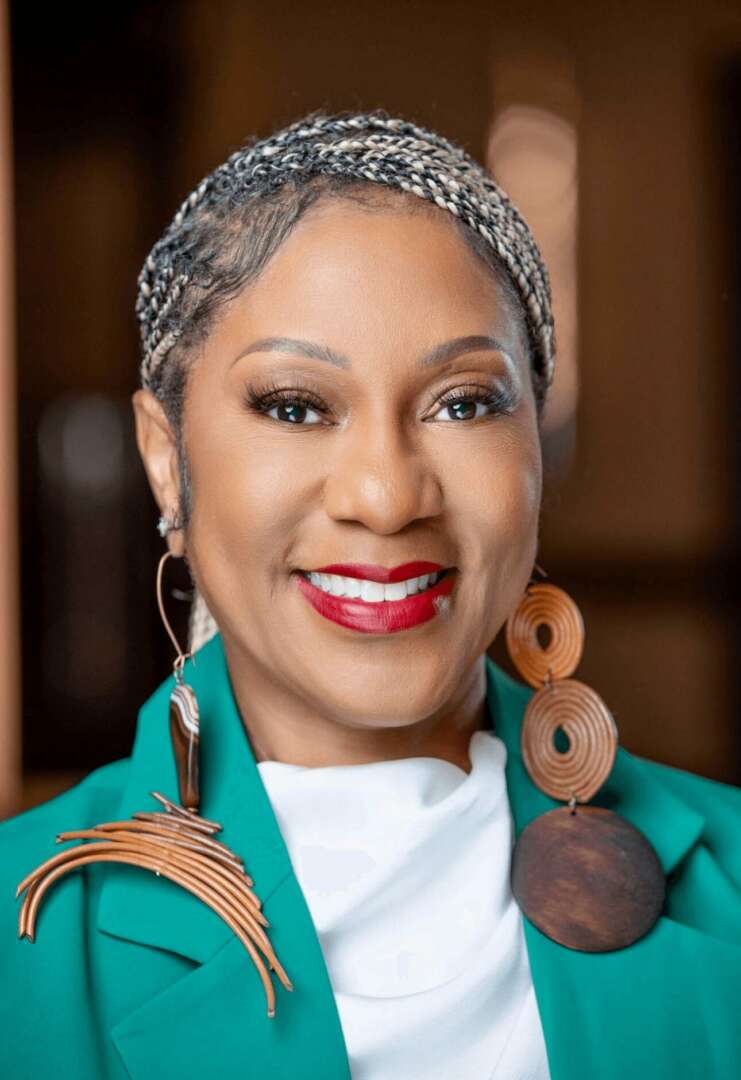
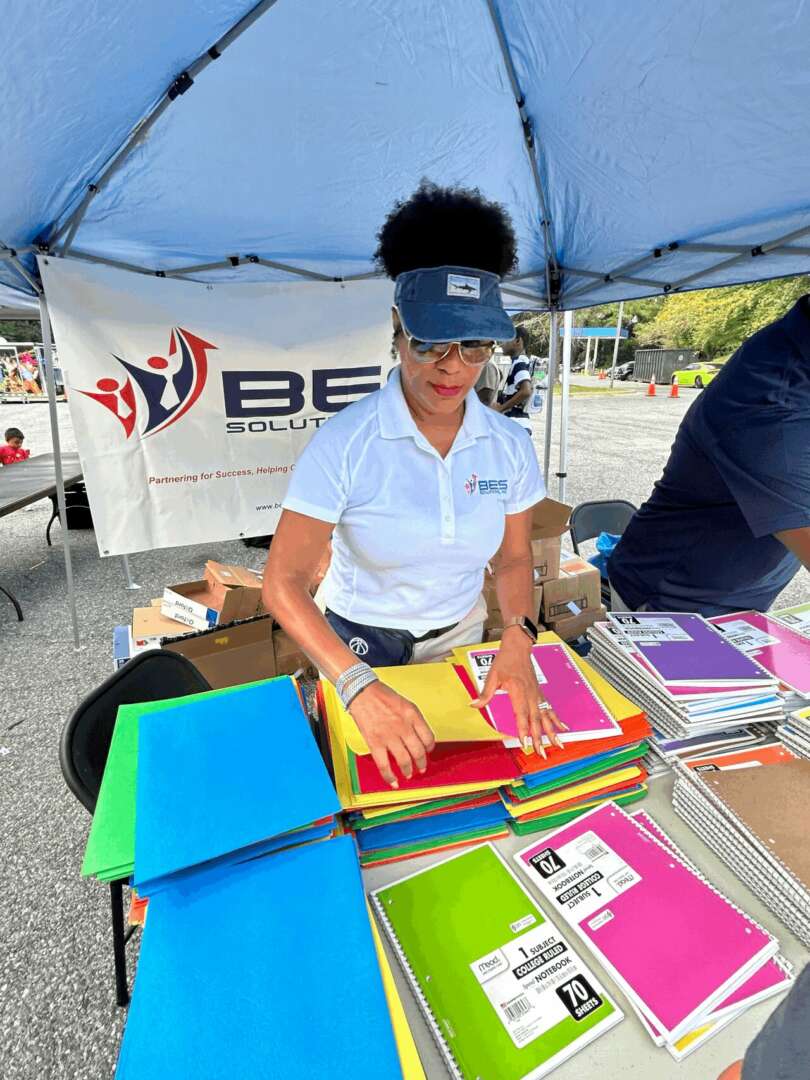
Image Credits
Storytellez – Angelica and Jacob Tellez