



Alright – so today we’ve got the honor of introducing you to Erin Stewart. We think you’ll enjoy our conversation, we’ve shared it below.
Hi Erin, thanks for joining us today. Let’s talk legacy – what sort of legacy do you hope to build?
When a teen reader picks up one of my books, my hope is that they see themselves in the pages. To do that, I have to be raw and honest and not shy away from the tough topics that people don’t always talk about. That has always been my mission as a writer—to make people feel seen. So, I would also hope that is my legacy. I hope readers continue to find my books and connect with my characters. I hope that long after I’m gone, my words will still resonate with that teenager who is feeling alone, who is feeling like no one else in the world has been where they have been. That could be the kid who is secretly self-harming, or the one who has perfect grades but is quietly drowning in anxiety. I want my books to be that lifeline for them, to let them know they are most definitely not alone, they are not broken, and they definitely deserve love, help and the chance to speak up.
Great, appreciate you sharing that with us. Before we ask you to share more of your insights, can you take a moment to introduce yourself and how you got to where you are today to our readers.
I write contemporary novels for teens readers, and my books have become known as raw stories that don’t shy away from tough topics.
I actually started my career in journalism, which in many ways prepared me to be an author. My first novel took me four years to write because I had to teach myself how to write a novel, something I essentially had no training to do. That first novel never sold (and in all honesty, was kind of terrible), but finishing it gave me the education I needed to move forward and write my second novel, which was bought by Random House and became SCARS LIKE WINGS.
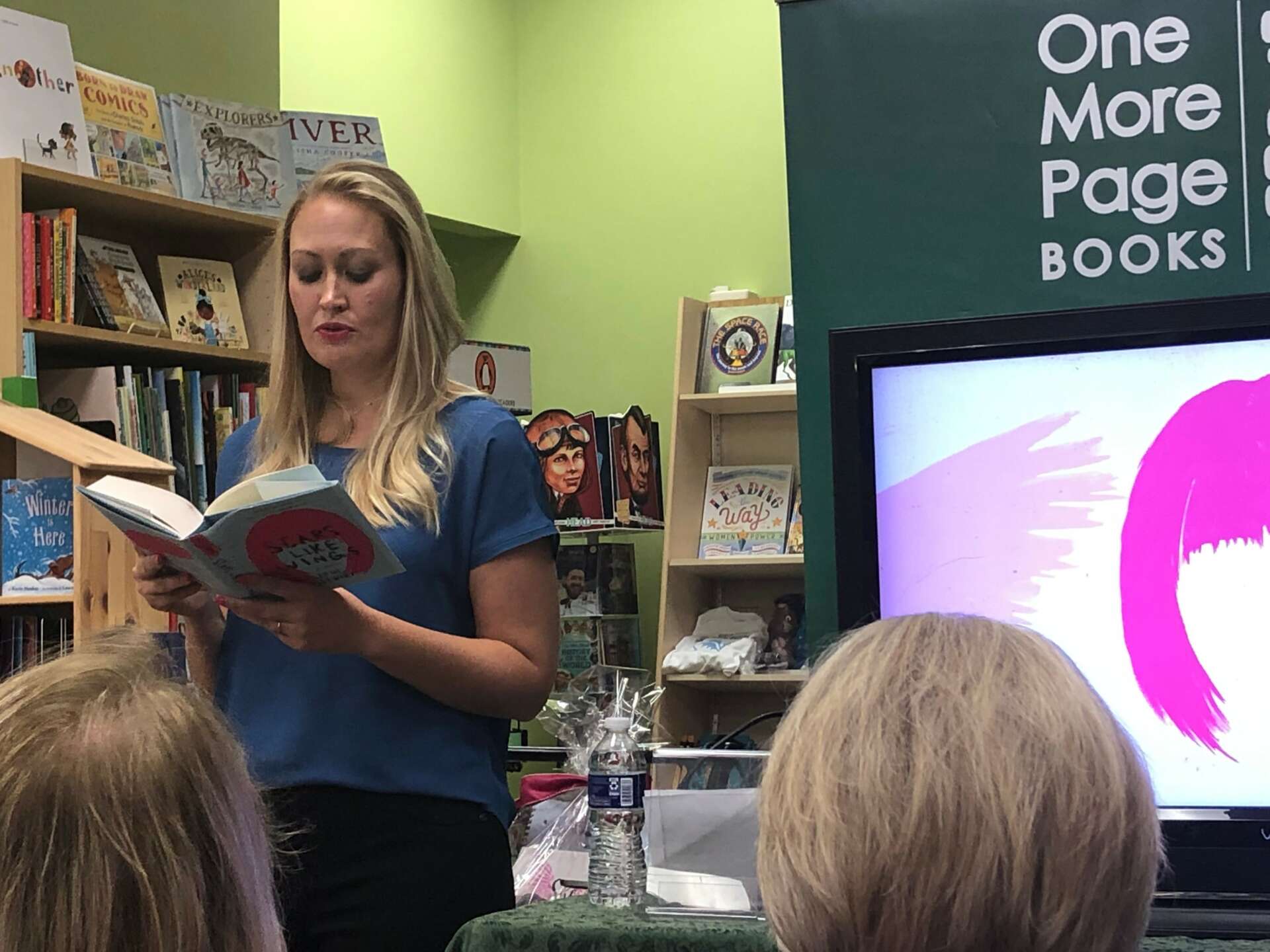
About a teenage girl who survived a fire and is trying to find her new normal as a burn survivor, SCARS LIKE WINGS also sold in more than 17 different countries, became an Amazon editor’s pick and the winner of the annual BookPal Outstanding Work of Literature award.
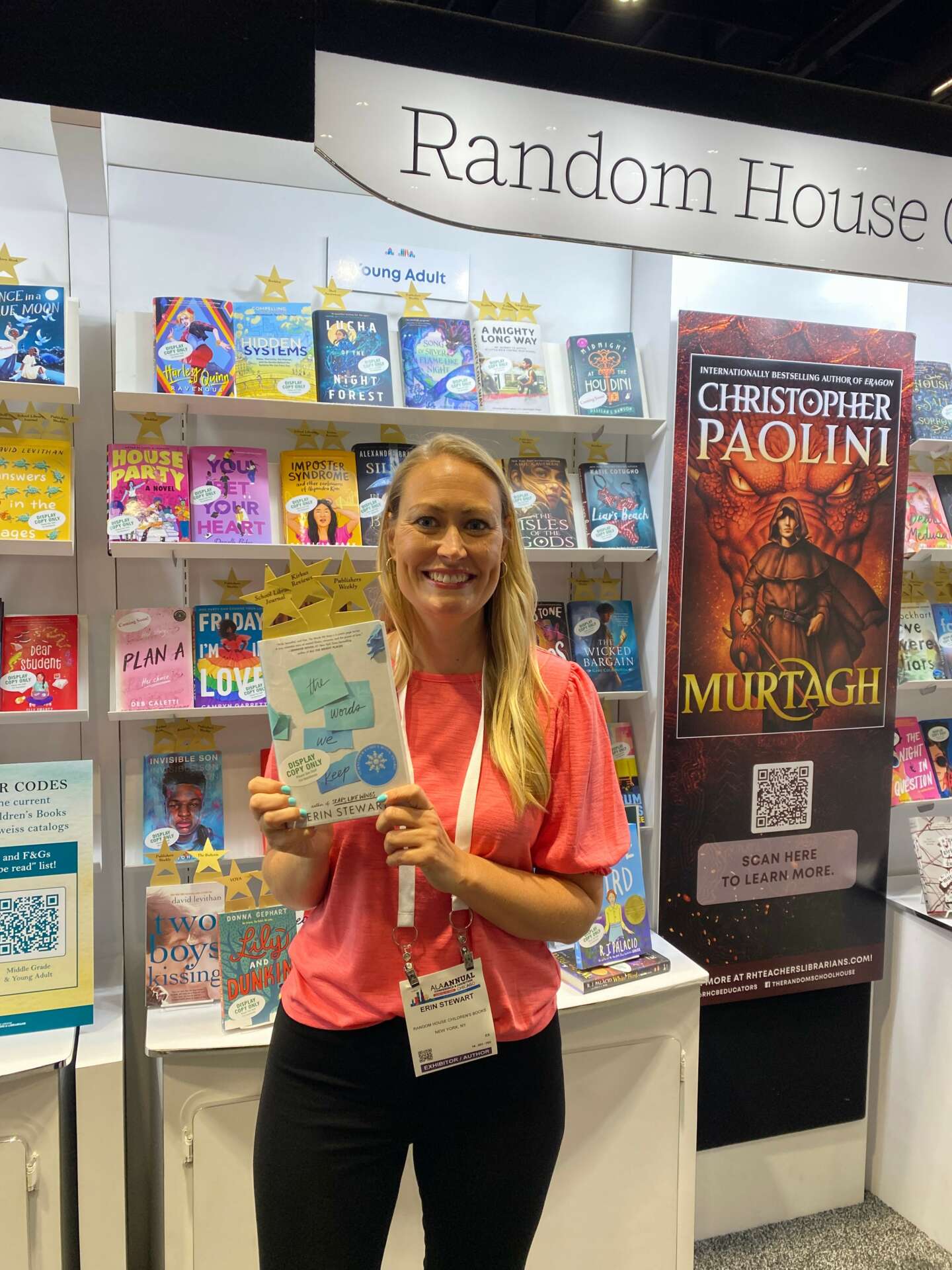
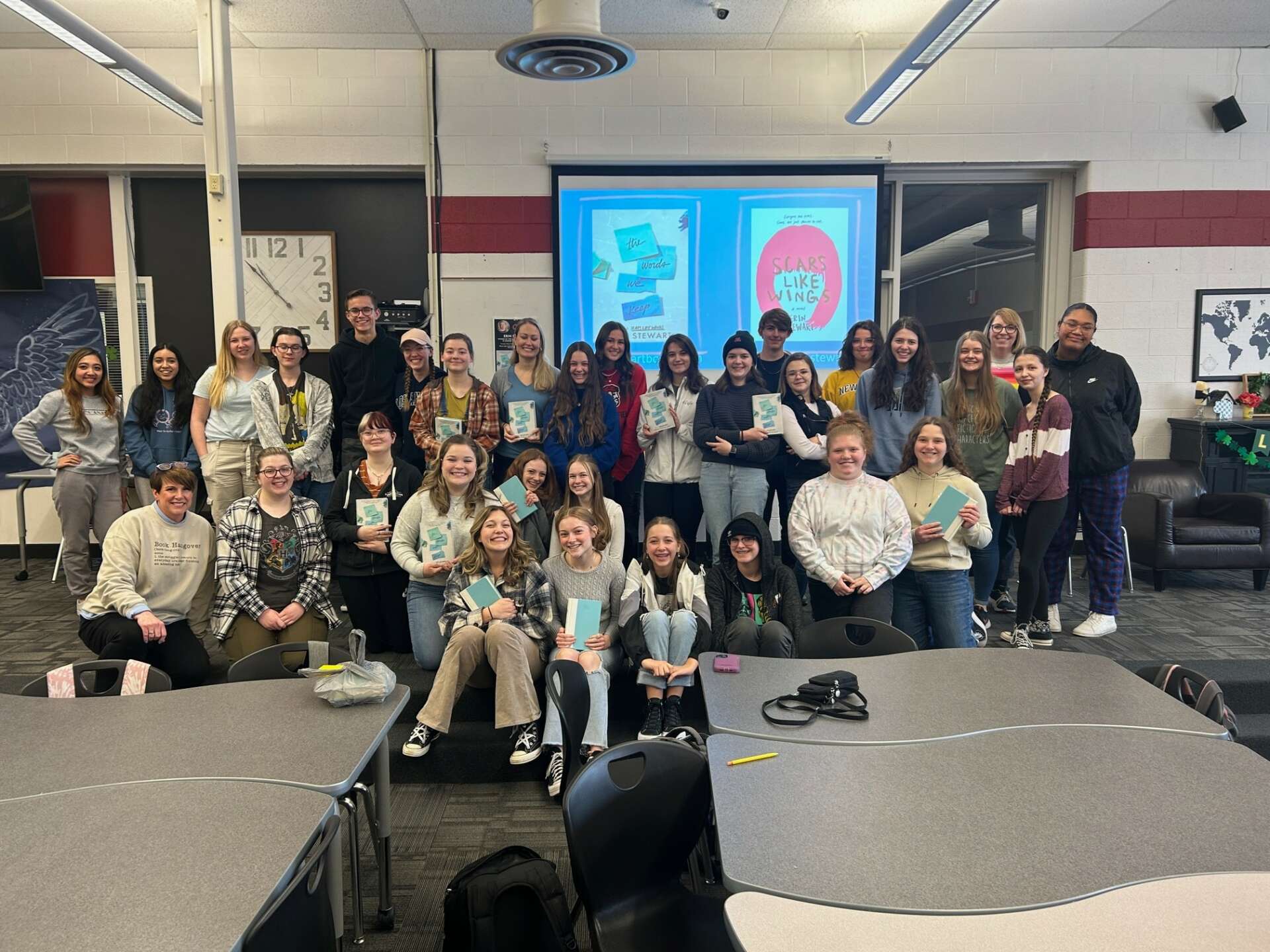
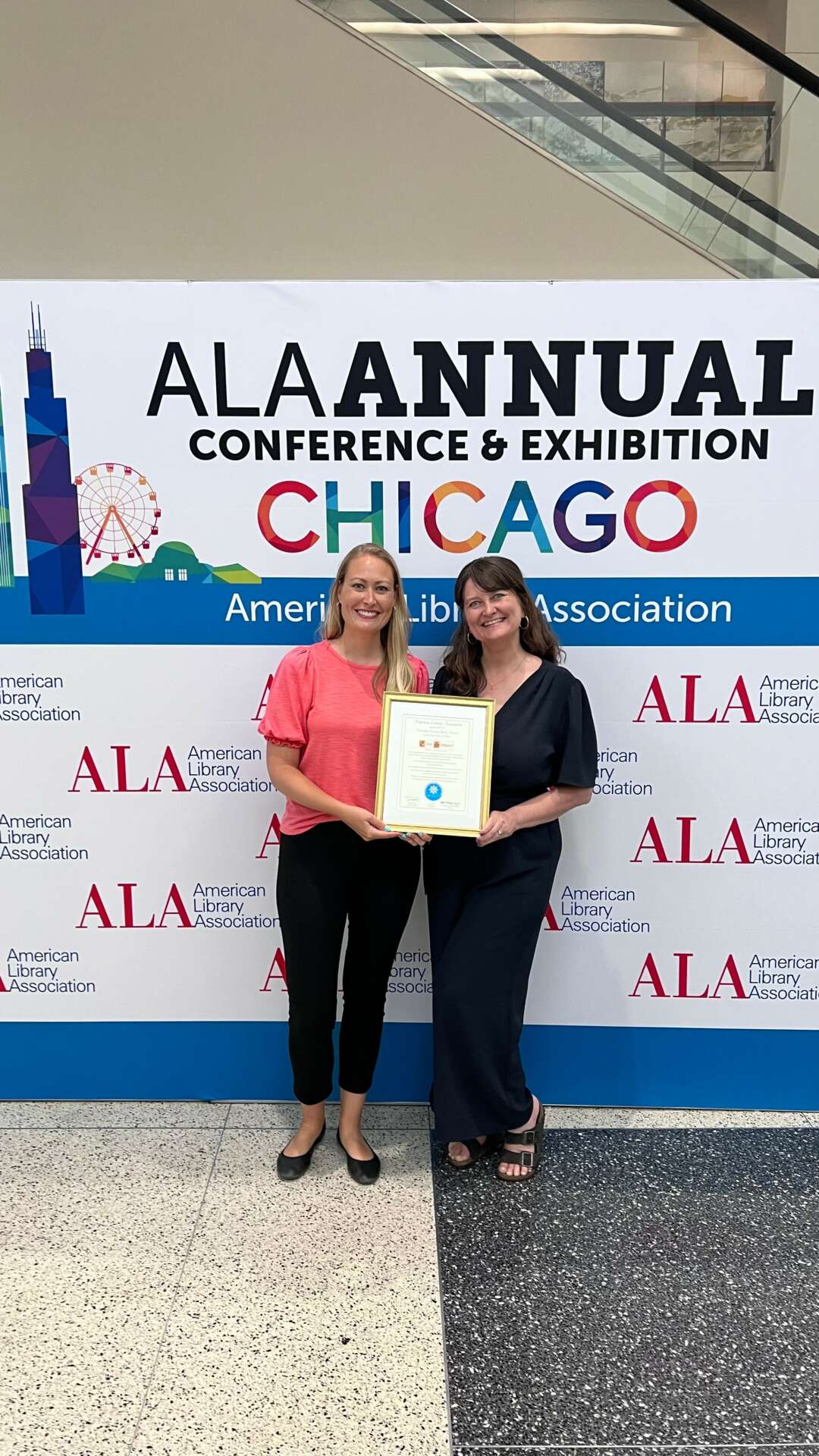
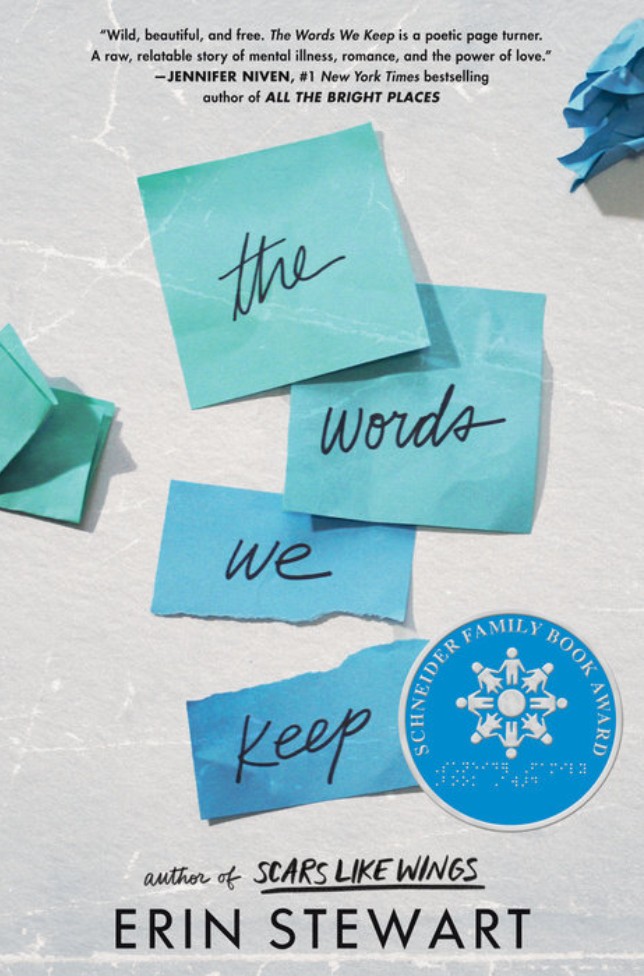
My next book, THE WORDS WE KEEP, focuses on anxiety/perfectionism as it follows 17-year-old Lily through the ups and downs of living with mental health struggles. The book won the American Library Association’s Schneider award for the best use of artistic expression to portray the disability experience. Receiving this honor was a huge moment for me as an author. To have a book about anxiety and mental health be recognized for disability representation is a great step forward to recognizing, legitimizing and treating mental health issues. For many people like Lily, anxiety can become a debilitating and shameful experience. Since writing this book, I have received many messages from teen readers saying how they felt like Lily’s story was also their story. They tell me how they didn’t know other people experienced the same kind of mental health struggles as they did, and that THE WORDS WE KEEP made them feel seen and validated. There is nothing more amazing to hear as an author!
My next Young Adult novel, EVERY BORROWED BEAT, comes out in 2025 and draws on my experience as a heart failure survivor. About a teen girl who goes searching for her donor after a heart transplant, this novel is about second chances and first loves.
I also have my first middle-grade novel coming out in 2025 with Simon & Schuster. This novel, THE FORGOTTEN MAGIC OF ZOEY TURNER, was a little different for me. While it deals with some familiar themes of anxiety, it also has a spark of magic!
Learning and unlearning are both critical parts of growth – can you share a story of a time when you had to unlearn a lesson?
Before my first book was published, I had a lot of unrealistic (and untrue) ideas about the publishing industry. I believed that once you received that first book deal, it was all smooth sailing from there. The book deals would keep rolling in. Sales would be good. My dreams of becoming a well-known and bestselling author would magically come to fruition.
Not so.
While getting that first book deal is a major accomplishment and a big step toward many of these lofty goals, it is just that—a first step. There is never smooth sailing when it comes to publishing. Markets are always changing. Trends come and go. Sales are fickle. And the bottom line, is publishing is a business. Yes, the creatives like me want to just write the “books of our heart” and not think about budgets and sales and money, but once you start publishing, the creative and business side are connected.
Authors, even bestselling ones, have to constantly hustle to stay relevant, to get that next book deal and to write the next novel. There are no guarantees that sales will be good or that the next novel will even get under contract.
So while this all sounds a little depressing, learning that being an author would always be an uphill climb that would depend heavily on changing markets and bottom lines allowed me to reprioritize what I viewed as “success.” And what I’ve learned is that each victory, each book deal, each finished novel is a success all in it’s own. I can’t control the bestseller lists or whether my stories will continue to be snatched up by publishers, but I can control my work. I can keep creating new worlds. I can keep dreaming. I can do what I do best—write.
Can you tell us about a time you’ve had to pivot?
I actually started my writing career in journalism. I went to the Medill School of Journalism for my master’s degree, and then worked as a government reporter at a Salt Lake City paper for several years. I loved the fast-paced environment, and that I was able to tell stories.
When I left full-time reporting after I had my first child, my brain was bored. I craved creativity. And so, I started writing…picture books. And here’s the truth: they weren’t good. but I knew I wanted to write, so I decided instead of giving up on fiction writing, I would pivot. I began to read young adult novels voraciously, and spent four years writing my first novel. It was a pretty cliche science fiction that will never, ever see the light of day. But in writing it, I learned how to write a novel start to finish. I attended workshops and conferences and met other writers. I learned the craft, little by little.
Now, after three young adult books with Random House, I find myself in another era of pivoting. I am venturing into the world of middle grade books, a younger audience than my usual teen novels. The change has been difficult, but also exhilarating. And that’s kind of how it is in writing, or in any career. We pivot to stay relevant. We pivot to keep our brains entertained. We pivot because an idea hits us in the middle of the night and even though it’s new and scary and uncertain, we can’t stop thinking about it.
Contact Info:
- Website: www.erinstewartbooks.com
- Instagram: erin_n_stewart
- Twitter: erin_n_stewart