We caught up with the brilliant and insightful Erin Spencer a few weeks ago and have shared our conversation below.
Erin, appreciate you joining us today. Learning the craft is often a unique journey from every creative – we’d love to hear about your journey and if knowing what you know now, you would have done anything differently to speed up the learning process.
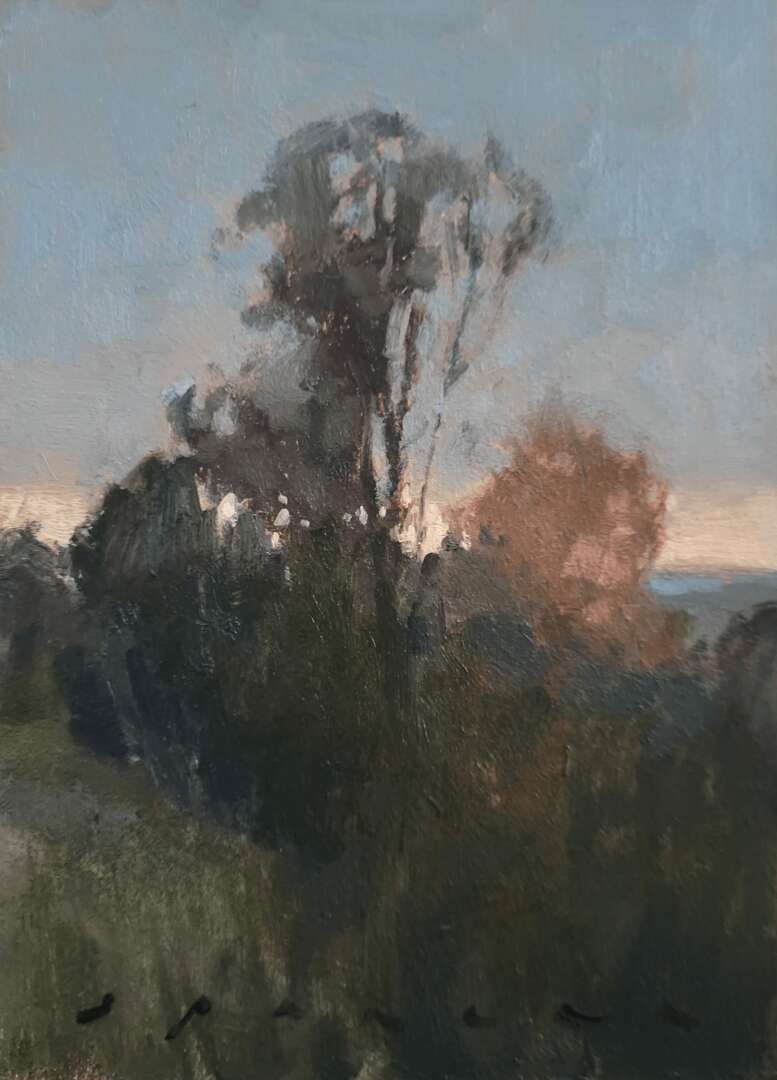
I never went to art school. I picked up my first paint brush when I was about 27 years old. While I had always loved art as a child and had pursued artistic interests over the years, I had never painted with oils before. But I had a fire lit under me when I saw a friend’s art up close. I walked away from that encounter knowing that I wanted to be a painter. That was when I really embarked on this journey. I knew I was drawn to the landscape, the clouds in particular, but I was really just starting from scratch. I had no training, but I also had no context for what I was doing. I didn’t have any real understanding of art history beyond what I had gleaned over the years. I didn’t really know what I liked. So, I was navigating my art practice a little blindly. After painting from photographs for about a year I began my plein air practice. This changed everything for me! My best teacher has always been nature herself. There is so much variety of design and narrative in nature. Learning to “see” in new ways has been my constant avenue for growth as an artist. When I begin to feel that my art is growing stale, I know that I need to get out for more plein air. This brings new inspiration, new motifs, new challenges into my work. The infusion of new life brings energy to my practice, which propels me forward. I tend toward isolation as an artist, but I have enjoyed the collaborative nature of painting from time to time over the years. In those times I feel that I learn from other artists as I watch them work and as I see their process. But my greatest teachers have been nature, time, and deliberate effort.
Awesome – so before we get into the rest of our questions, can you briefly introduce yourself to our readers.
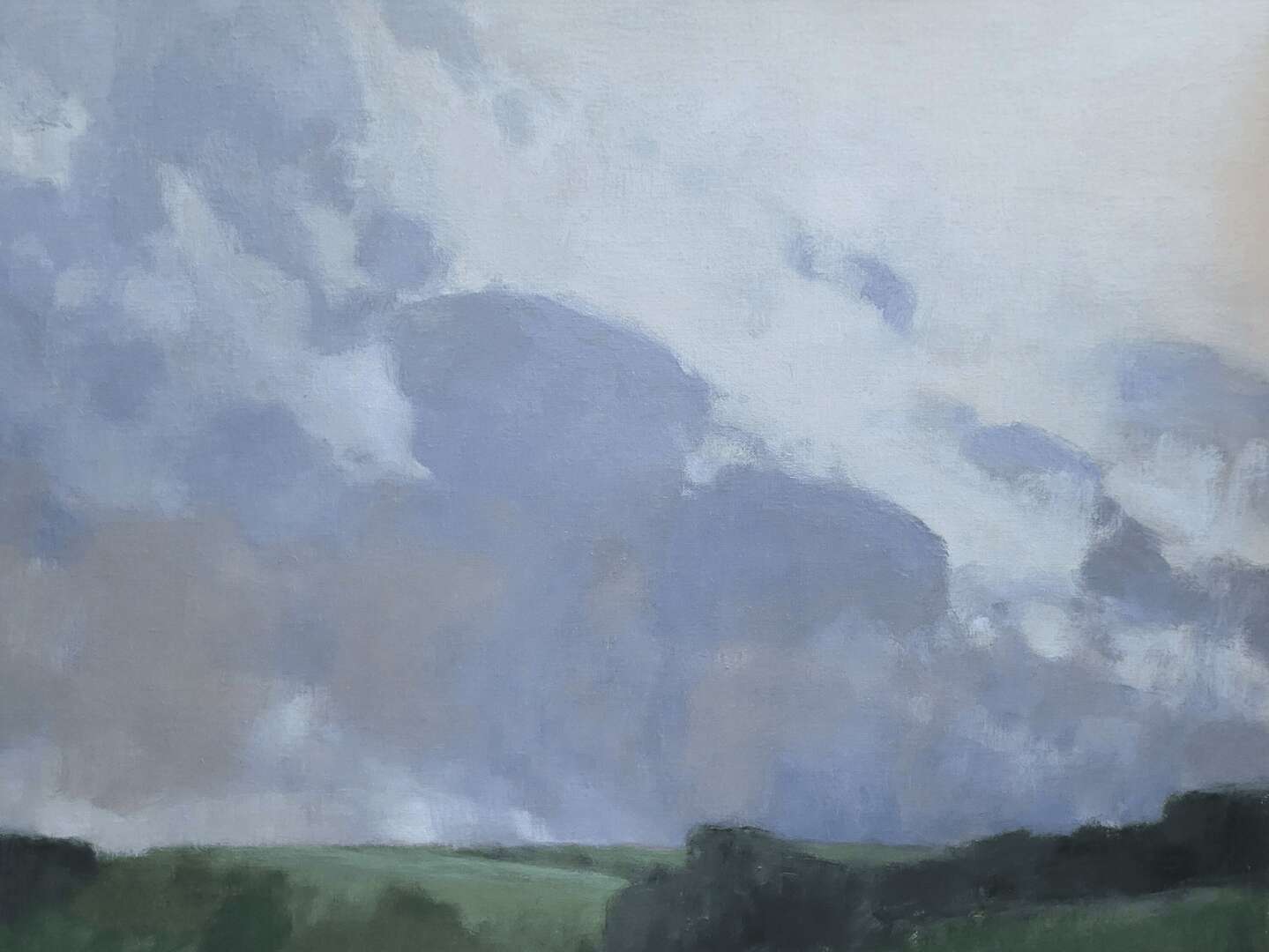
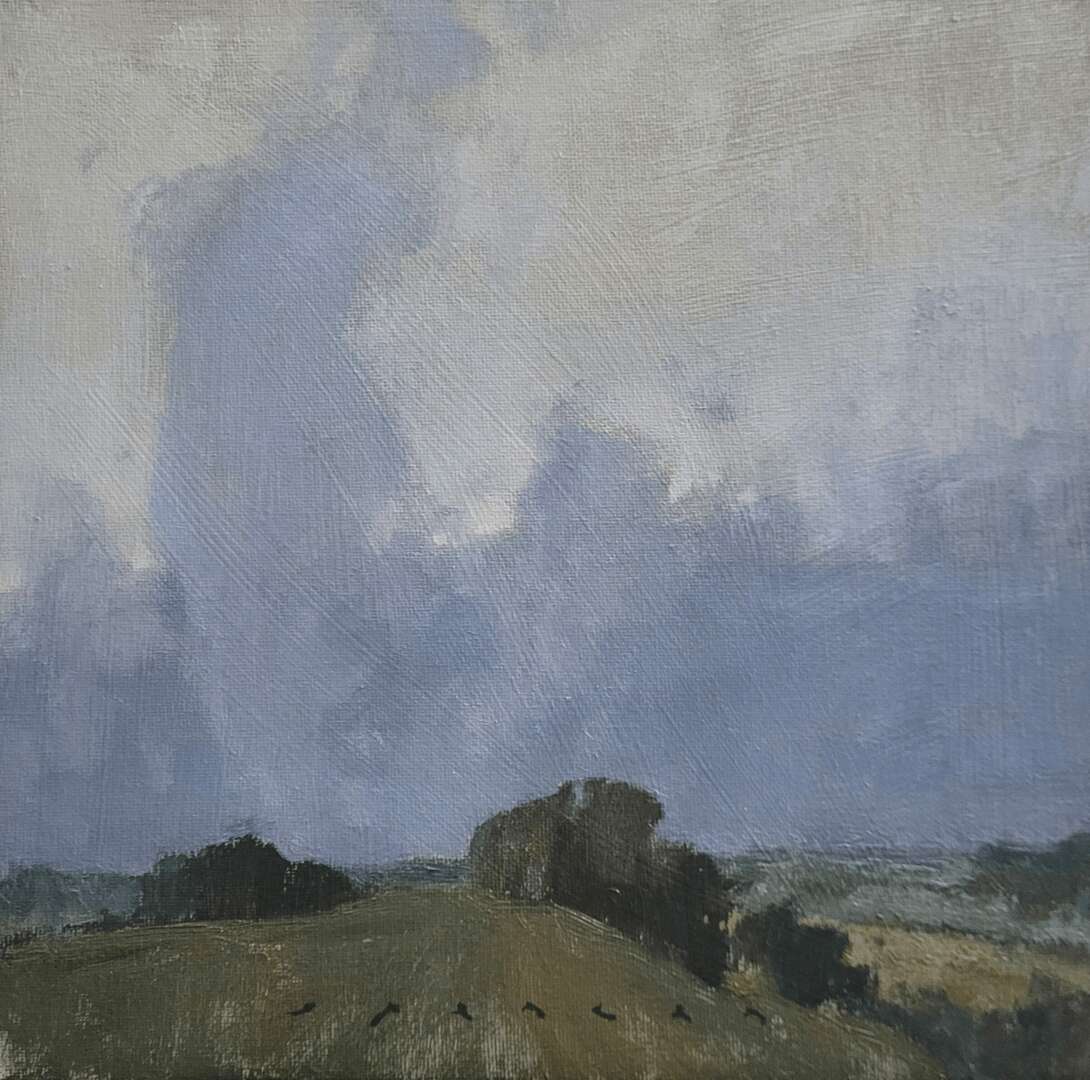
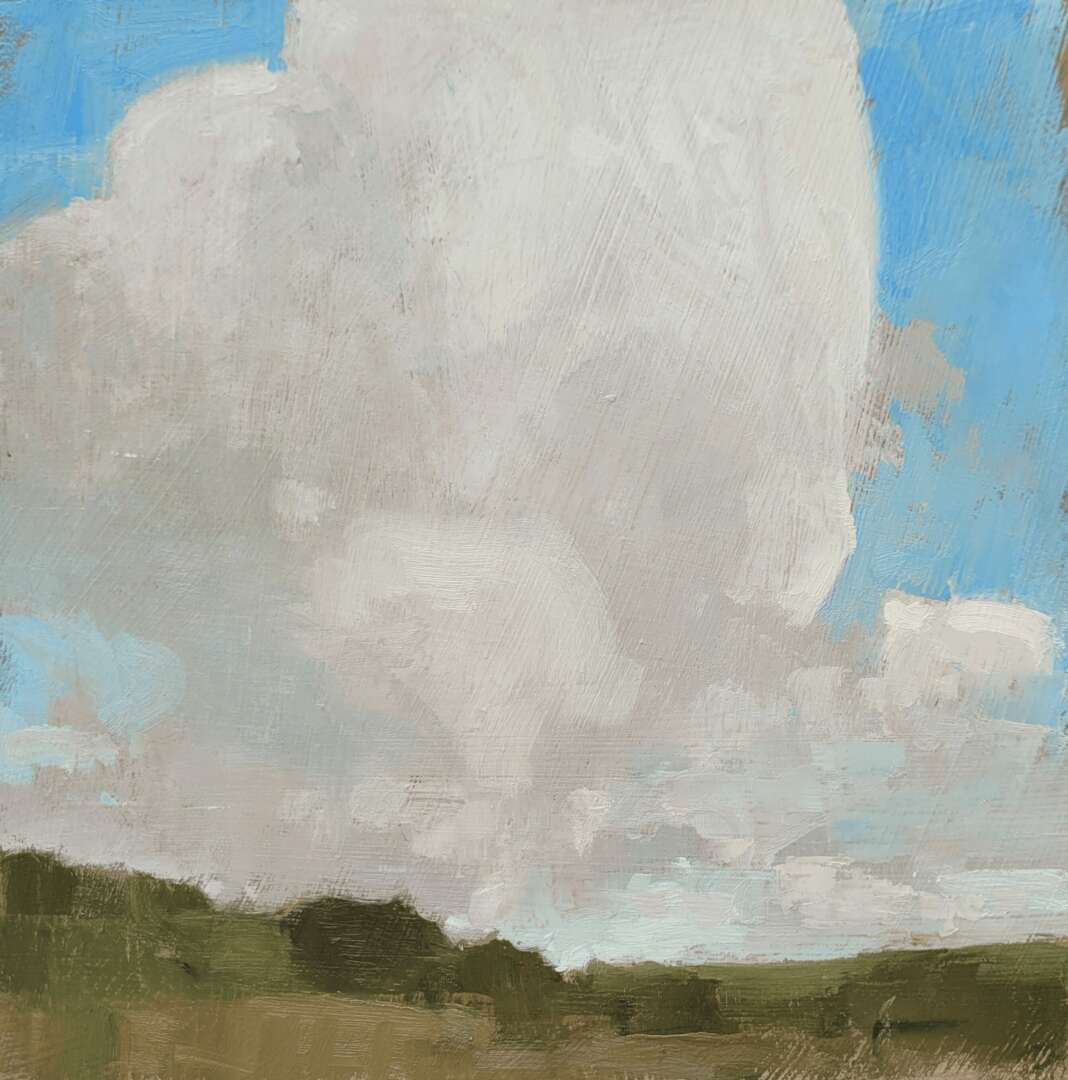
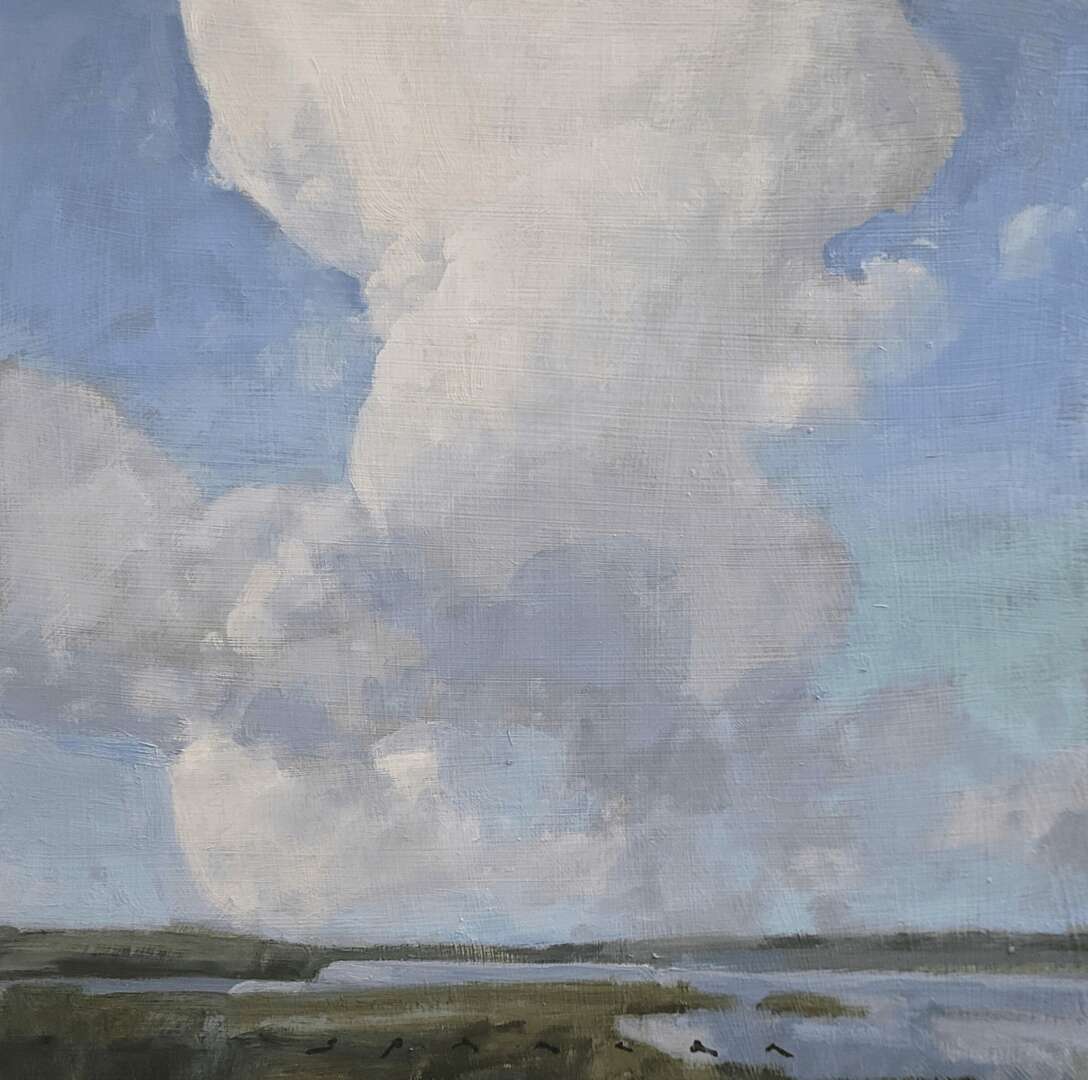
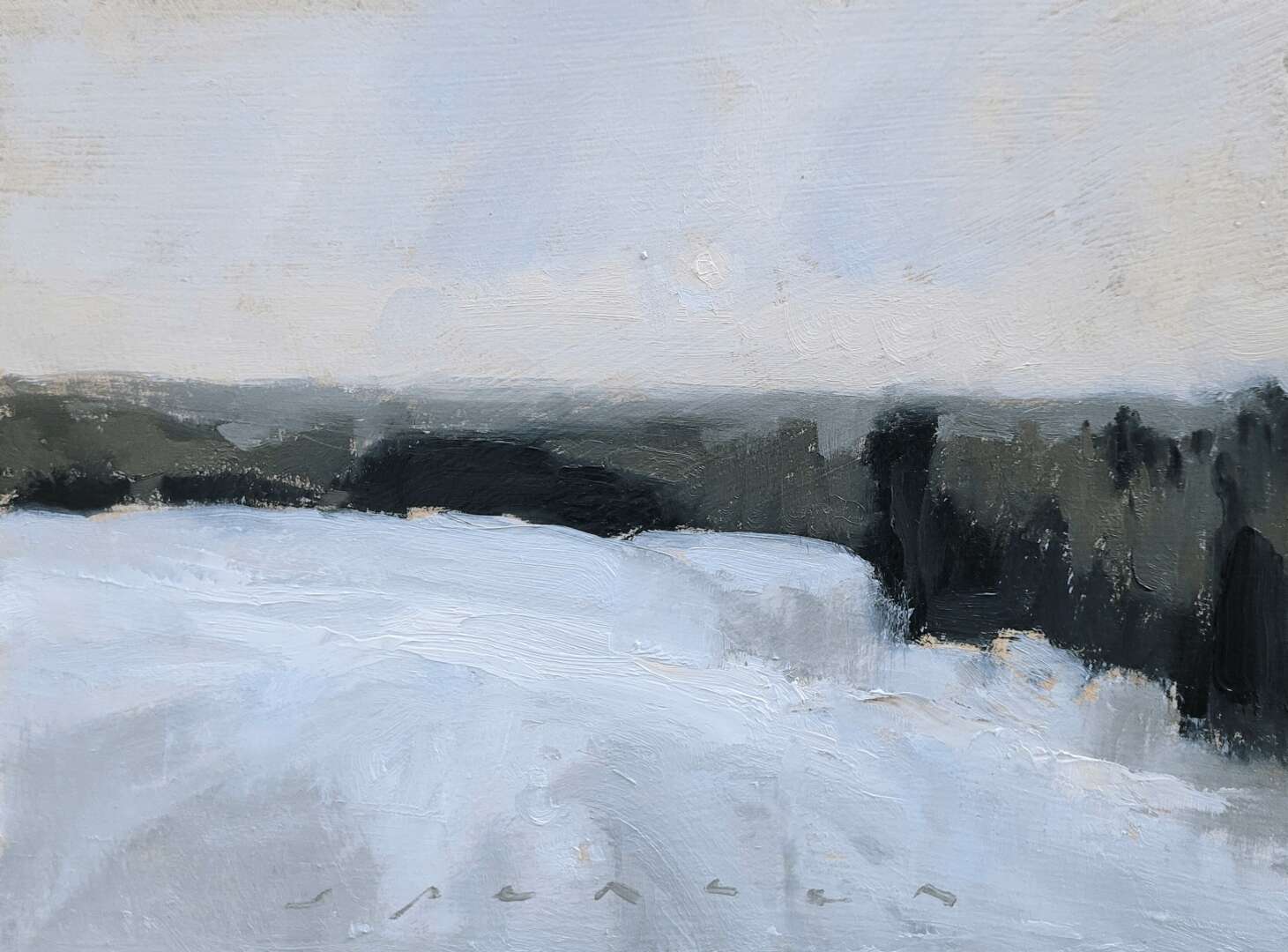
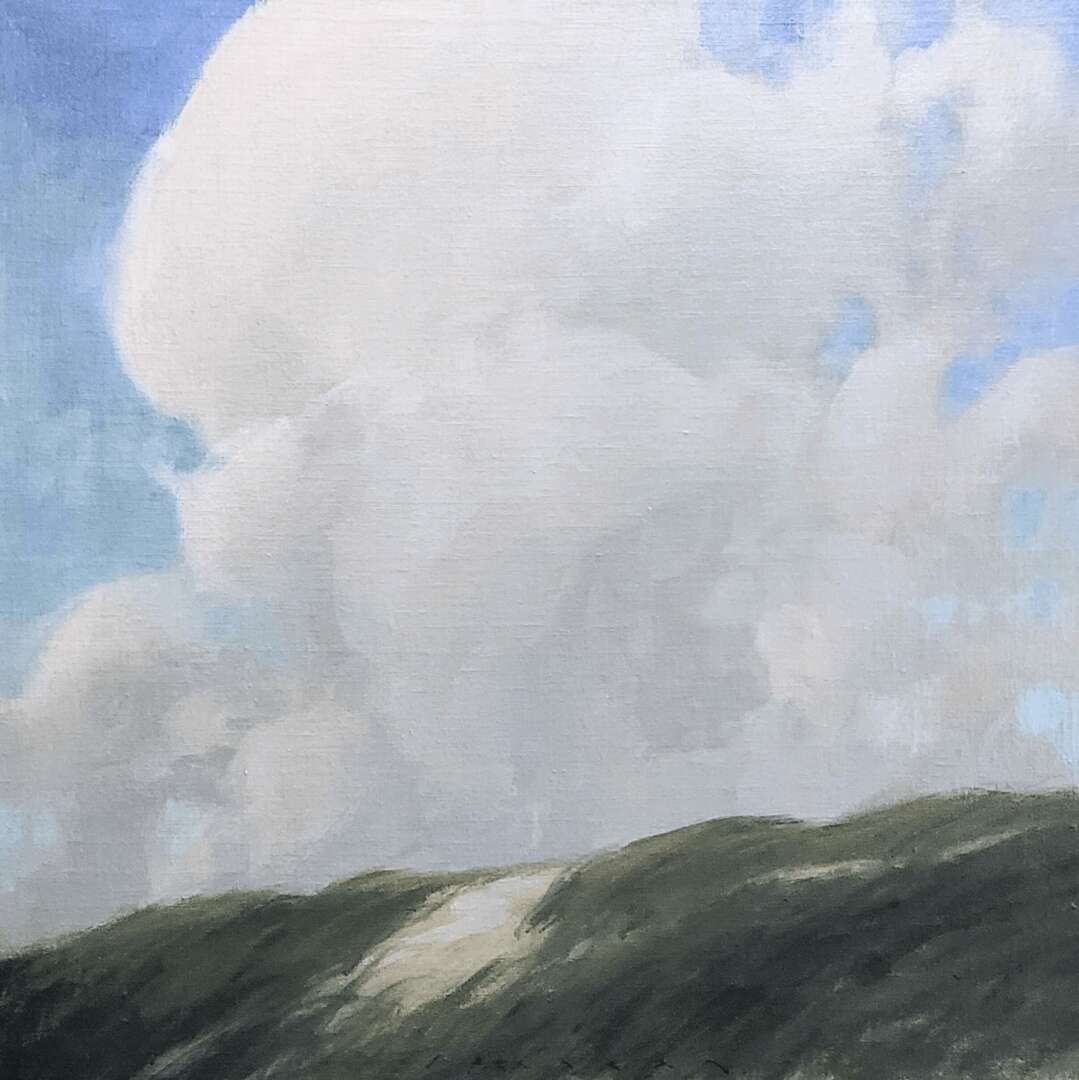
I am a landscape oil painter, living and working in coastal Rhode Island with my husband and our three children. We love New England. I especially love the beautiful landscape of Rhode Island, characterized by lots of water, busy skies, and green green green. I have always painted landscapes and am particularly drawn to skies. When I first began painting I really wanted to master clouds. It has taken many years of practice and failure, but I think I am finally beginning to understand clouds a little bit better. I have never received any formal training in art, so I’d say I am self taught. But that doesn’t mean I haven’t benefitted greatly from the knowledge of other artists. I have read and gleaned from other artists all along my own journey, and I continue to do so. My greatest teachers have been painting from nature and painting consistently. I show up in my studio almost every day to put my ideas to the test. I try new things and try to paint from a desire to explore and expand rather than to do the same things over and over again. I want my work to mature and grow in time rather than striking on a formula to simply manufacture paintings I know will sell. I split my practice between studio painting and plein air painting. When one part of my process begins to grow stale I switch to a different area of focus. This helps my work to grow and change as I grow and change as a person and an artist.
What can society do to ensure an environment that’s helpful to artists and creatives?
I’d love to see a return to an appreciation for handmade, hand crafted objects in our lives. There is a lot of fast fashion and disposable consumerism in our world today. The creation of something unique and beautiful takes time and vision. I would love to see society care more about living in spaces that reflect our true selves rather than spaces that are a version of something seen in a home decor superstore or a magazine. When we slowly accumulate and curate the items we choose to live with we can be more intentional about what we consume. I believe this would create a society where artistic vision is highly valued. And if that were true across the broader society then I believe artists would have many more avenues open to them where their work would be seen, valued, and collected. The can begin at the most basic level with keeping and supporting art programs in schools, encouraging artistic expression in young people, and seeing an art practice as part of a well rounded education. Museums and galleries should be accessible and open to the public regularly. We can do more as communities to create a focus on artistic careers, putting art in the public view, and promoting and supporting artists.
Are there any resources you wish you knew about earlier in your creative journey?
I don’t regret any of the steps I have taken along the way in my art career, but there are some tools I wish I had started utilizing earlier. The biggest one that comes to mind is starting out early to build a mailing list of my collectors. So many of the tools available to artists today revolve around social media platforms. These are wonderful tools, but we need to keep in mind that we don’t own or have much control over those audiences. If we begin to keep an email list then we are giving ourself a powerful tool to keep in touch with our collectors and those interested in following along with our work. That way, even if we lose control over our social media audience, we can still have a way to communicate with those who have chosen to follow our work.
Contact Info:
- Website: https://www.erinspencerart.com
- Instagram: @erinspencerart