



We were lucky to catch up with Erin Ross recently and have shared our conversation below.
Hi Erin, thanks for joining us today. Can you talk to us about a risk you’ve taken – walk us through the story?
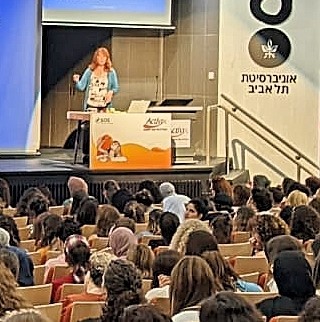
I never thought I would be a business owner. I work in a Neonatal Intensive Care Unit (NICU) and started giving talks to educate professionals about helping premature babies learn to eat safely. These small talks grew to many, and soon I had a 2-day course that I gave to professionals around the country, and then around the world. I had a 3 page website just to let people know how to reach me. Over time (I started in 1999) I had to make a choice – keep working in a hospital as my primary source of income, or scale back on that so I had time to devote to traveling and teaching. By the time the pandemic hit, probably 90% of my income was coming from traveling to give conferences. And then it all stopped. I had to take a big risk – and leap of faith – to survive. I searched to find the right web design team, and got to work. They started building my website to support online trainings, and I started learning how to record and edit my course. The first versions done while I sat trying to be “perky” while I was scared to death were rough. And took hours to record and even longer to edit. But I kept going. And kept investing time and money into building an online presence. It was all due to necessity – I could no longer travel. And it was a huge investment, that is turning out to be a positive one. I now have multiple video trainings as well as ZOOM trainings, and this year I am resuming in-person trainings.
Erin, love having you share your insights with us. Before we ask you more questions, maybe you can take a moment to introduce yourself to our readers who might have missed our earlier conversations?
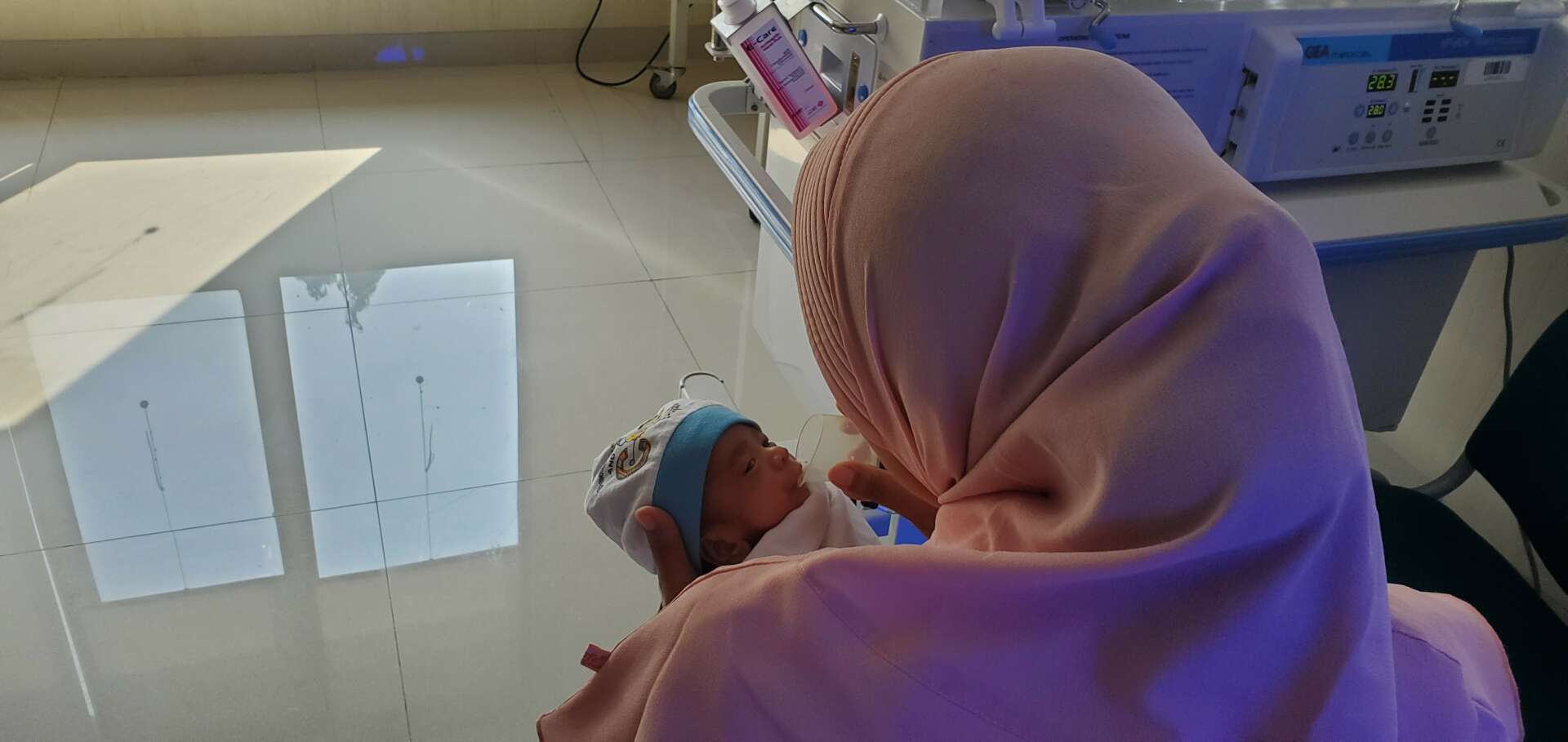
I am a Speech Language Pathologist by training, and I have a PhD in Health Services Research. Most people don’t think of Speech in the NICU, but we deal with feeding and swallowing problems. I started in the NICU in 1990. At that time, I did what other people were telling me to do. But it did not feel right. These tiny babies were being pushed, forced in fact, to try and eat. And my job was to push them harder. So I started asking “is this the best way to do this?” I asked so many questions my mentors told me to go back to school, get a PhD, and design a better way to do it. Research is now showing that approximately 40% of babies who come from an NICU have ongoing feeding problems after going home. There had to be a better way. That is how I created SOFFI® (Supporting Oral Feeding in Fragile Infants). I felt that there was a better way of helping babies learn to eat, and to like eating. And my mentors helped me to start giving small talks to professionals, trying to teach a new way of thinking. The training grew to a 2-day course. I am fortunate – one of my mentors is very well known in the field of helping older children who have feeding challenges. I was co-teaching with her and so people were getting to know me. Once they knew me, they wanted to learn SOFFI® too. What sets me, and my program, apart is the inclusion of the baby in decisions regarding a feeding. Babies are communicating with us all the time. This is another area where being a Speech Pathologist helps. The babies just don’t communicate verbally. They may tell us things are hard because they are breathing faster, or their bodies are arching back away from us. In fact, babies communicate non-verbally in much the same way as we do as adults. In my trainings, I start with the baby. How to understand their language. And then how to help them (not push them) as they learn the difficult skill of eating. Think about it – babies are supposed to have 40 weeks to develop inside mom. Preterm babies may be born as early as 17 weeks before they are due. They are not ready to do everything on their own. This includes eating. And their nerves are not fully developed, so eating is riskier.
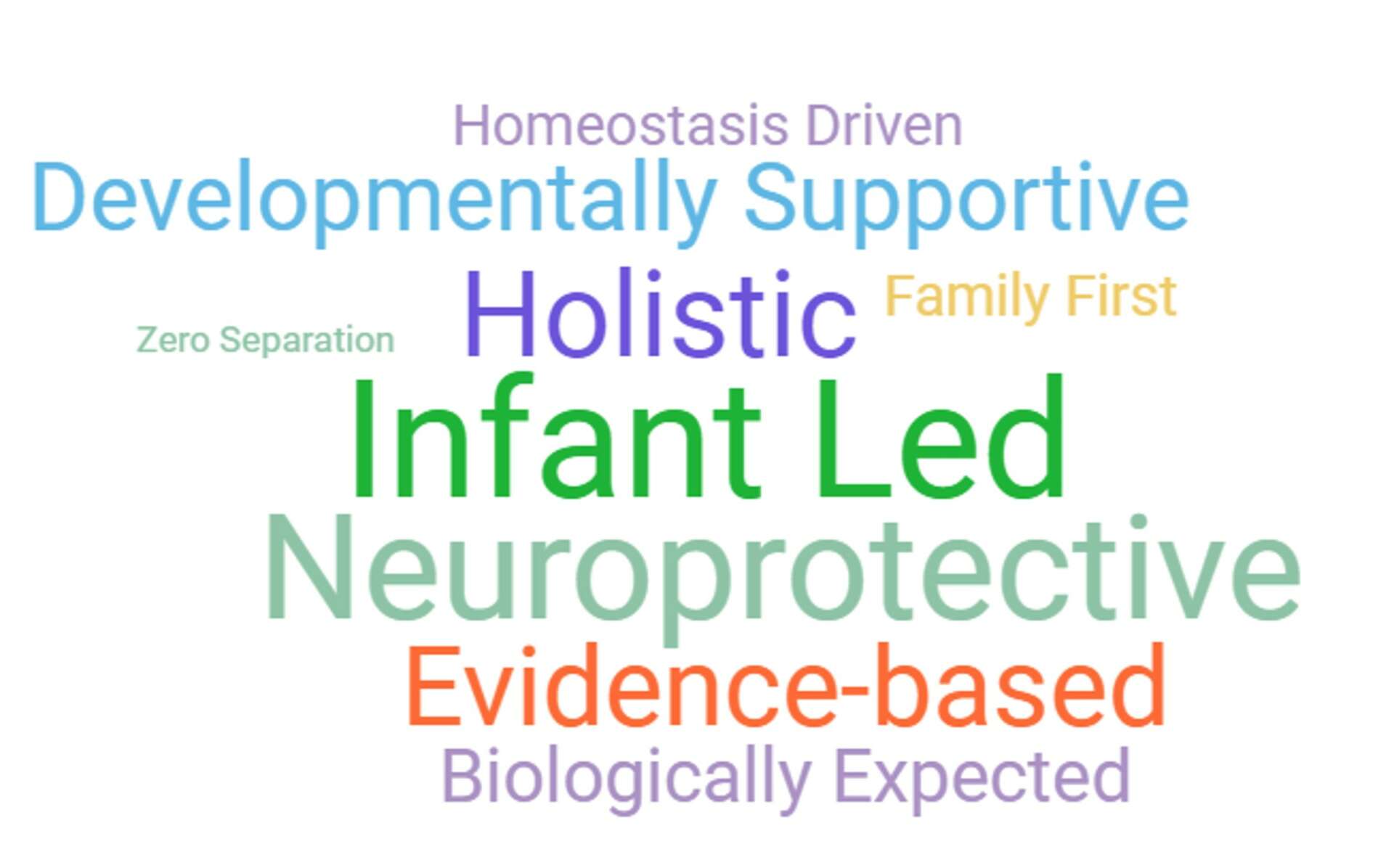
I am most proud that I am known for bringing people back to understanding normal development, and giving the infant a voice. When we remember that the premature baby is not supposed to be breathing yet – we understand how hard eating is. And when we think about doing something really hard – we know we have to go slowly and build the skills. I am also known for using evidence in my training program – a skill I attribute to my PhD.
What’s a lesson you had to unlearn and what’s the backstory?
I don’t trust people easily – not when it comes to my business. My integrity, my reputation, is critical for my success. When I first started, the web people I worked with charged me a lot and did very little of what I asked of them. I had to search to find the right fit, and be very hands-on. I taught myself a lot about websites. And I finally found the right company. As my business grew, I needed to learn to trust. Another word you might use is delegate. Because delegating helps you grow – you can’t do it all. And neither could I. I still ask lots of questions, and learn each time I talk with my web people. But I no longer try to figure out how to do things that they can do. I needed to learn to trust when it came to hiring, too. My first “hire” was a good friend who had retired recently. I had seen her work hard when she was employed, so I felt I could trust her. But I still kept stepping on her toes because I wasn’t good at delegating. When she got busy enough she did not want any more hours (after all – she was retired), I was faced with the scare prospect again of hiring someone to help with the “day-to-day” stuff. I started first with my friends and found my next team member. And again I would ask her to do something and then get in her way by not delegating and trusting. But as I have learned to hire the right people, and to delegate to them, I have moved into my true role as business owner. My job is to create. My team around me then takes what I create and moves it forward. I no longer record my own videos. I hired a company to do that, too. As I free myself up from these activities, I have time to create and that is what grows my company. And I am happier.

How did you build your audience on social media?
I confess, I am not a Social Media person. I don’t understand the backside of Facebook. I don’t understand Instagram. But I hired someone who does. And she is helping me understand the power of SM. When I was so scared at the start of the pandemic, I heard someone talk about how we all were scared. And so I started posting positive sayings that I found in a book of memorable quotes. This was just to be positive during the early days of the pandemic. But I really wanted to get people to go to my website from SM. So I started a weekly “quiz” with questions about feeding preterm babies. The answers were on the website the same day – or followed on Facebook a week after. I encouraged to answer the quiz – share the reasons why they answered the way that they did. This went on for most of a 5-month period. At the end, we made the quiz into a handout that people could download for free. But this was when I really started to see the power of SM. Our followers grew every week! Then I started to understand Instagram – and that people actually do like to know what I am thinking. Or doing. I take photos of statues in parks, of animals on hikes, of food…. and then come up with something fun/catchy to say about it. I was hiking and heard a woodpecker. For once, I could easily see the woodpecker, and so I took a short video. I then thought – the woodpecker reminded me of when I am trying to get my message across to people and how it seems like I am sometimes running into a brick wall. So my SM person took that video and idea and created a post that went on Facebook, Instagram, and LinkedIn. I am learning the power of SM. In my business, most of the business comes from word of mouth. Which is Social Media these days.
Contact Info:
- Website: www.feedingfundamentals.com
- Instagram: feedingfundamentals
- Facebook: feeding fundamentals, llc
- Linkedin: erin-ross-2185b8b0
Image Credits
I have either taken, or own the copyright for, all images