

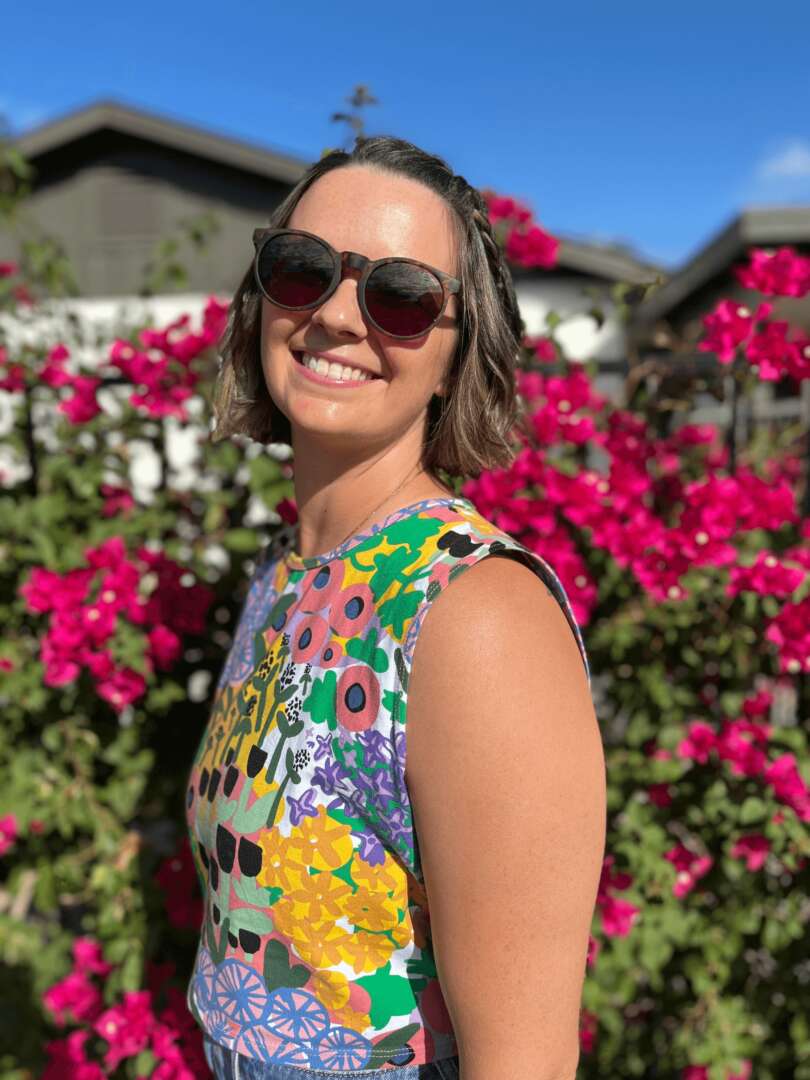

We were lucky to catch up with Erin Clephas-Schulz recently and have shared our conversation below.
Alright, Erin thanks for taking the time to share your stories and insights with us today. So let’s jump to your mission – what’s the backstory behind how you developed the mission that drives your brand?
(s)low impact goods is a business I started because I saw a gap in my community offerings. I wanted to find clothing and gift options that were not only ethically and sustainably made, but also colorful/fun and accessibly priced. After being increasingly frustrated with local options, I finally decided to try it myself! Now, I make coming to that decision sound easy, but it certainly wasn’t. I frankly toiled over this idea for quite some time, and my idea evolved many times over. But as I grew increasingly frustrated with the way people treat the earth, disenchanted with my full time job in healthcare and longing to do something that mattered – I decided to go for it. A culminating moment in this journey came for me when I visited Northern California for the first time last year. The beauty of nature and natural encounters with wildlife gave me a stronger than ever desire to embrace a more conscious consumerism.
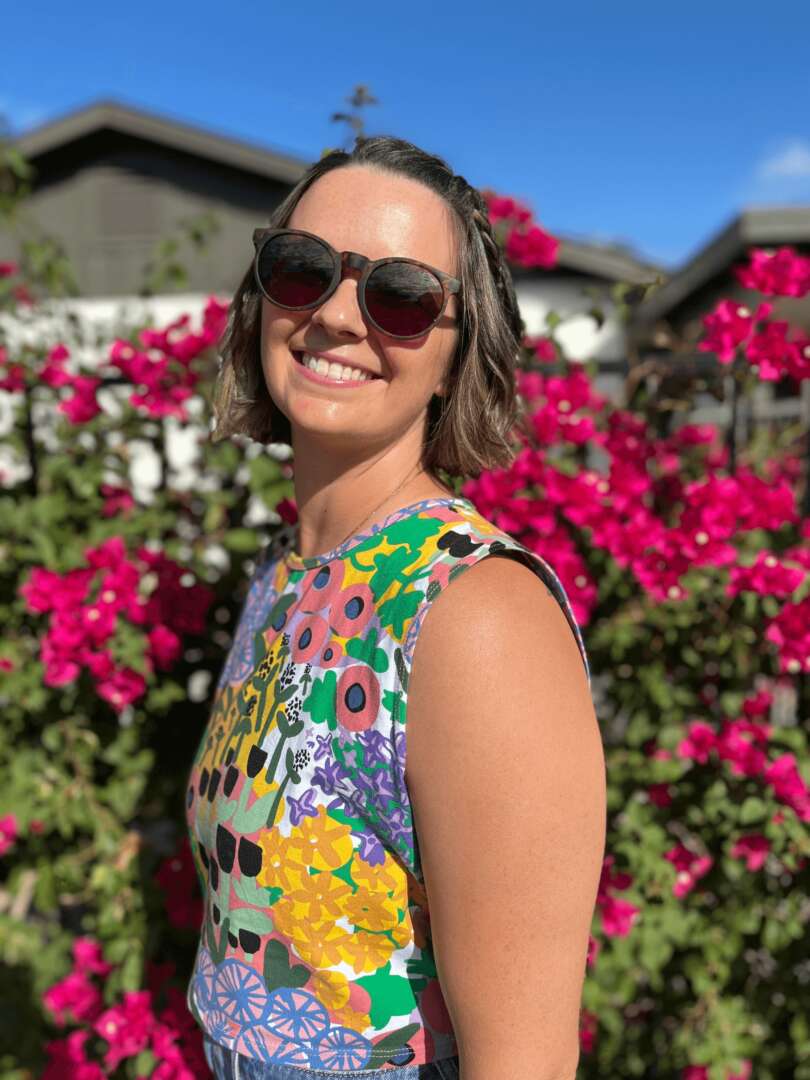
Awesome – so before we get into the rest of our questions, can you briefly introduce yourself to our readers.
Personally, I have always wanted to have my own business or shop but have really always been a worker bee. My full-time professional job is as an occupational therapist and I work in the inpatient rehabilitation setting. Having said that, I’ve still always been dreaming about having my own business someday. I’ve had MANY thoughts/ideas, but (s)low impact goods felt like the first thing I could actually have the means to do – particularly if I started as a pop-up. I don’t come from money and I didn’t have much to invest as startup, but I worked within my means to make it happen.
My dream was to bring ethically/sustainably made clothing items to the marketplace. Did I have any idea how to do this? Not really…..but I started out by sending emails in order to figure out who would wholesale to me. It ended up being a really fun process where I figured out quickly that people are actually really nice and helpful.
My ultimate mission is to be a safe space for people to shop, one in which they know these brands have been highly vetted to eliminate greenwashing. I want to be a trusted resource my shoppers can use for personal and gift shopping, knowing that everything they purchase has been thoughtfully made. To me this means that the people who produced the items are paid a fair wage and in safe working conditions. It also means that materials and processes are in place that honor people and the planet.
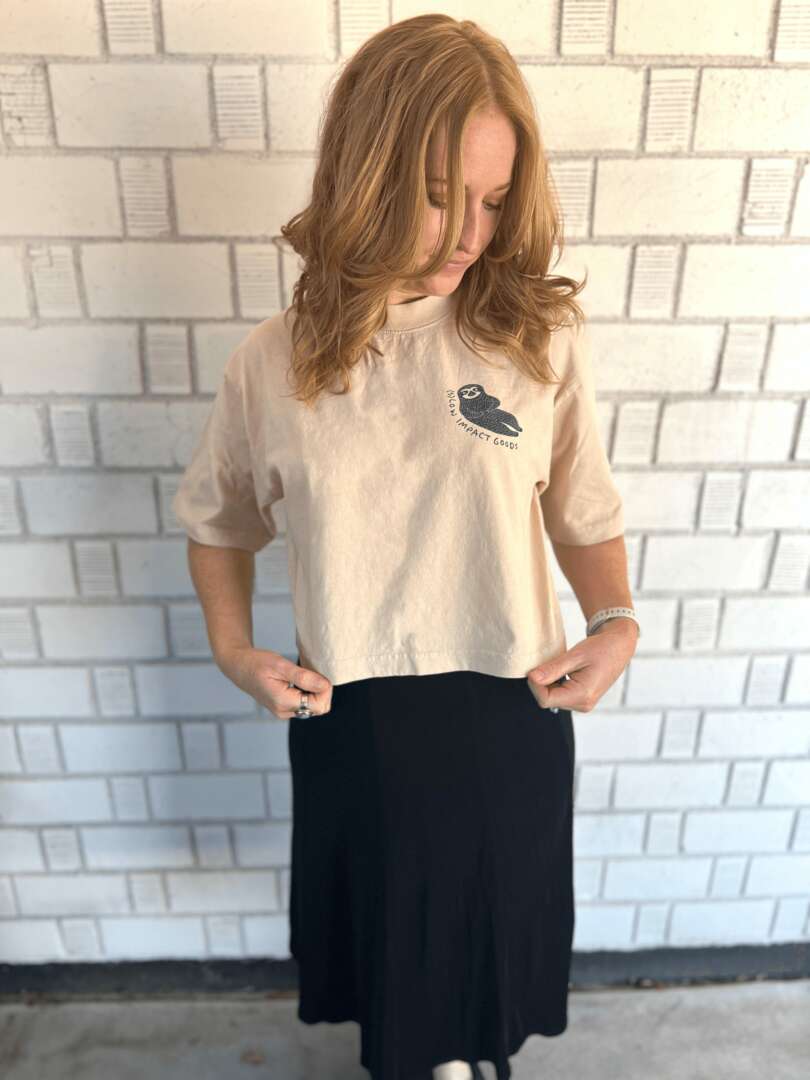
What do you think helped you build your reputation within your market?
I am still growing my reputation, but I think simply being authentic and open really helps people connect with me and my business. I am not here to shame people into only buying uber sustainable brands, never ever using plastic, etc. I want my booth (and hopefully my future shop) to be a community space where people can connect, openly communicate, share ideas and, most importantly, learn. I foster this by always welcoming people into my space, encouraging these conversations. I’m also very transparent about my standards for products and how I research them.
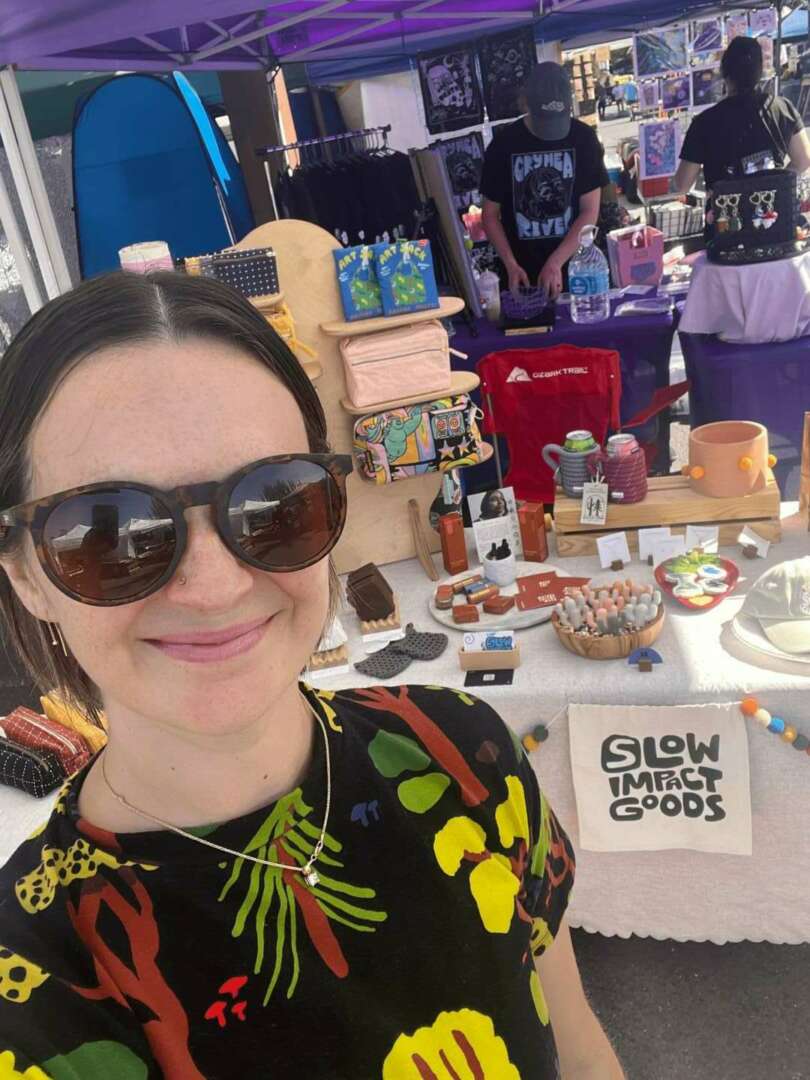
We’d love to hear a story of resilience from your journey.
I have seen quickly that when you are in business with only yourself, there are many learning curves! In one particular instance, I was at a market early setting up my booth and my entire clothing rack fell over. I was relieved since all of the clothes were still in garment bags, thank goodness!
Well, later that day I realized that many of the tops had teeny tiny holes/snags in the left shoulder. I quickly put together that the damage was caused when the rack fell, presumably by the heavy wooden hangers I was using at that time. (Those hangers have since been donated and never seen again!) I didn’t know what to do. I was still SO new and felt devastated that all of this inventory was essentially ruined. But I stepped back and thought to myself – the damage is so minor. Perhaps this is a chance to open to discussion on repairing versus replacing as a sustainability practices. So that’s what I did! I sold the pieces at a discount, shared that message and felt great that this gave people an opportunity to experience these incredible brands at a reduced rate. It wasn’t ideal, but it helped me learn. It also showed me how beautifully my community could show up to help and support me. The fact that people wanted to support was so touching and meant more than anything.
Contact Info:
- Website: https://www.slowimpactgoods.com
- Instagram: https://instagram.com/slowimpactgoods
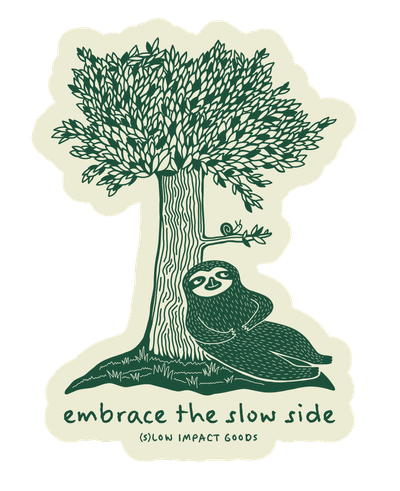
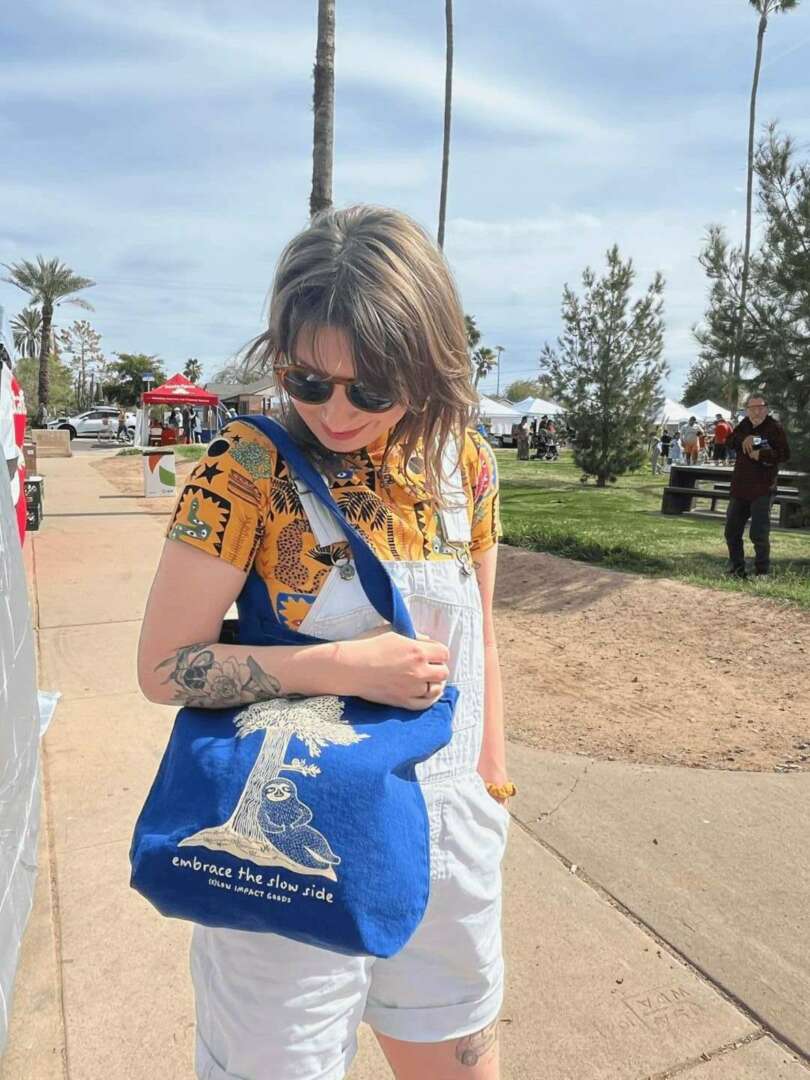
Image Credits
Erin Clephas-Schulz