

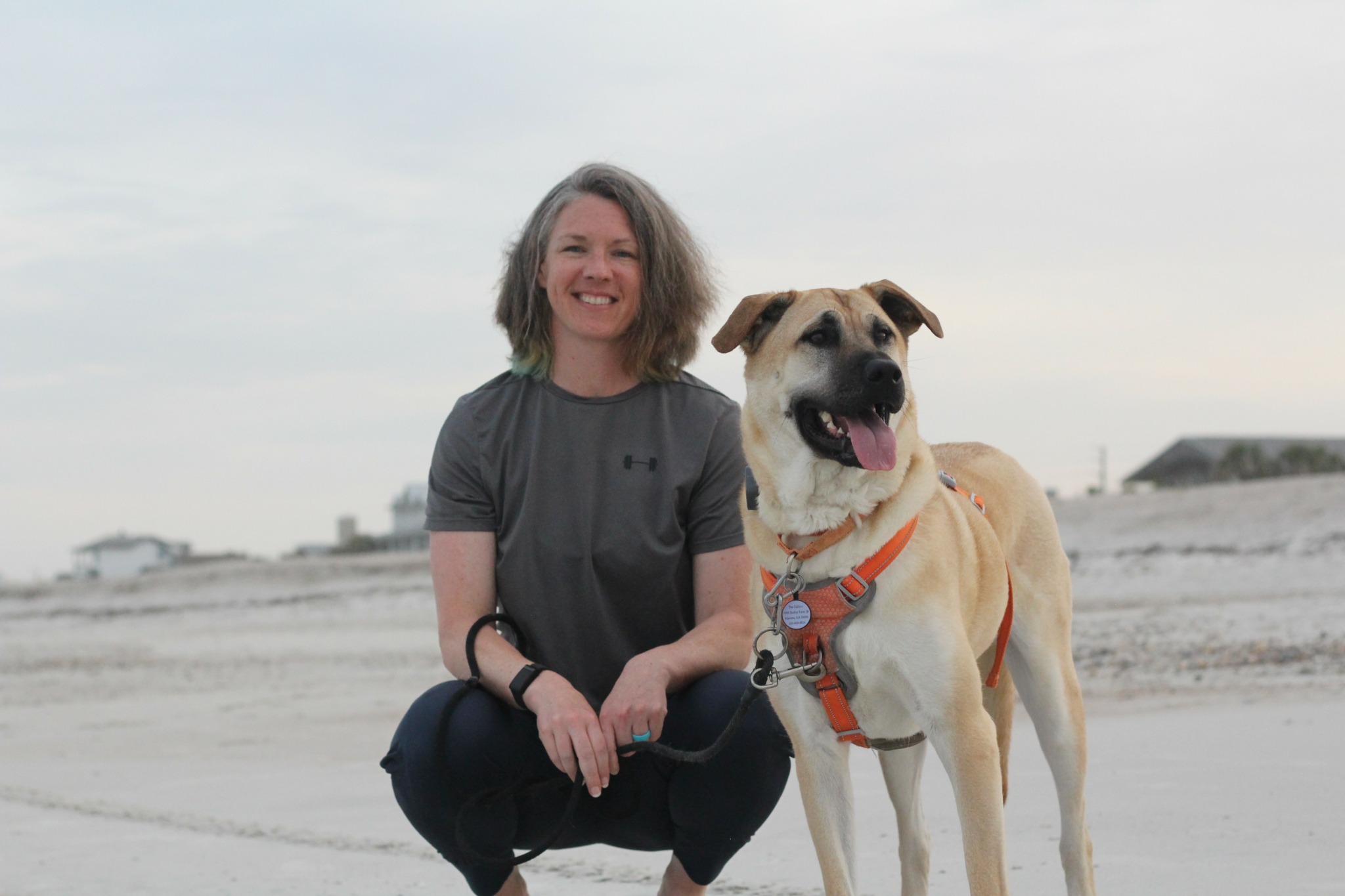

Alright – so today we’ve got the honor of introducing you to Erin Askeland. We think you’ll enjoy our conversation, we’ve shared it below.
Erin , thanks for taking the time to share your stories with us today Coming up with the idea is so exciting, but then comes the hard part – executing. Too often the media ignores the execution part and goes from idea to success, skipping over the nitty, gritty details of executing in the early days. We think that’s a disservice both to the entrepreneurs who built something amazing as well as the public who isn’t getting a realistic picture of what it takes to succeed. So, we’d really appreciate if you could open up about your execution story – how did you go from idea to execution?
I knew several years ago that I wanted to take on more challenges. I felt stuck and wanted to do more of what I truly enjoy, but I wasn’t sure how. I hadn’t really considered going into a business myself because it seemed beyond my reach. I started doing small projects with different, mission-oriented organizations on a volunteer basis, and I realized there was a demand for my particular skill set. That’s when I decided to make the leap, thoughtfully, taking the time to develop my concept, invest in learning new platforms and software, honing in on exactly what I want to offer, and creating my brand. I’m a big, concept-driven person, so I wanted a high-level vision first. Then I worked backwards to develop my plan. A friend of mine gifted me a creative workbook that helped me nail down my vision and goals—this was key for me to see ideas on paper and refine them into a specific vision with clear intention. Otherise, I would have remained in the idea phase, which won’t work when it comes to running a business!
I didn’t just come up with the concept and hope it would stick. I also handled the legal setup, figured out the finances, shaped the brand, defined my services, built the website, and managed all the marketing. Every step, from idea to execution, was me figuring it out, learning as I went, and making it real. It’s taken almost two years to launch, but the patience is paying off.
That process has made me even better at what I do for clients. I know what it feels like to be on the ground level of something new, with limited resources and a hundred decisions to make. I’ve had to think strategically and creatively at the same time. I’ve had to prioritize, pivot, and problem-solve constantly. And because I’ve lived that process myself, I can show up with even more empathy and insight when I’m helping others build or change something big or small.
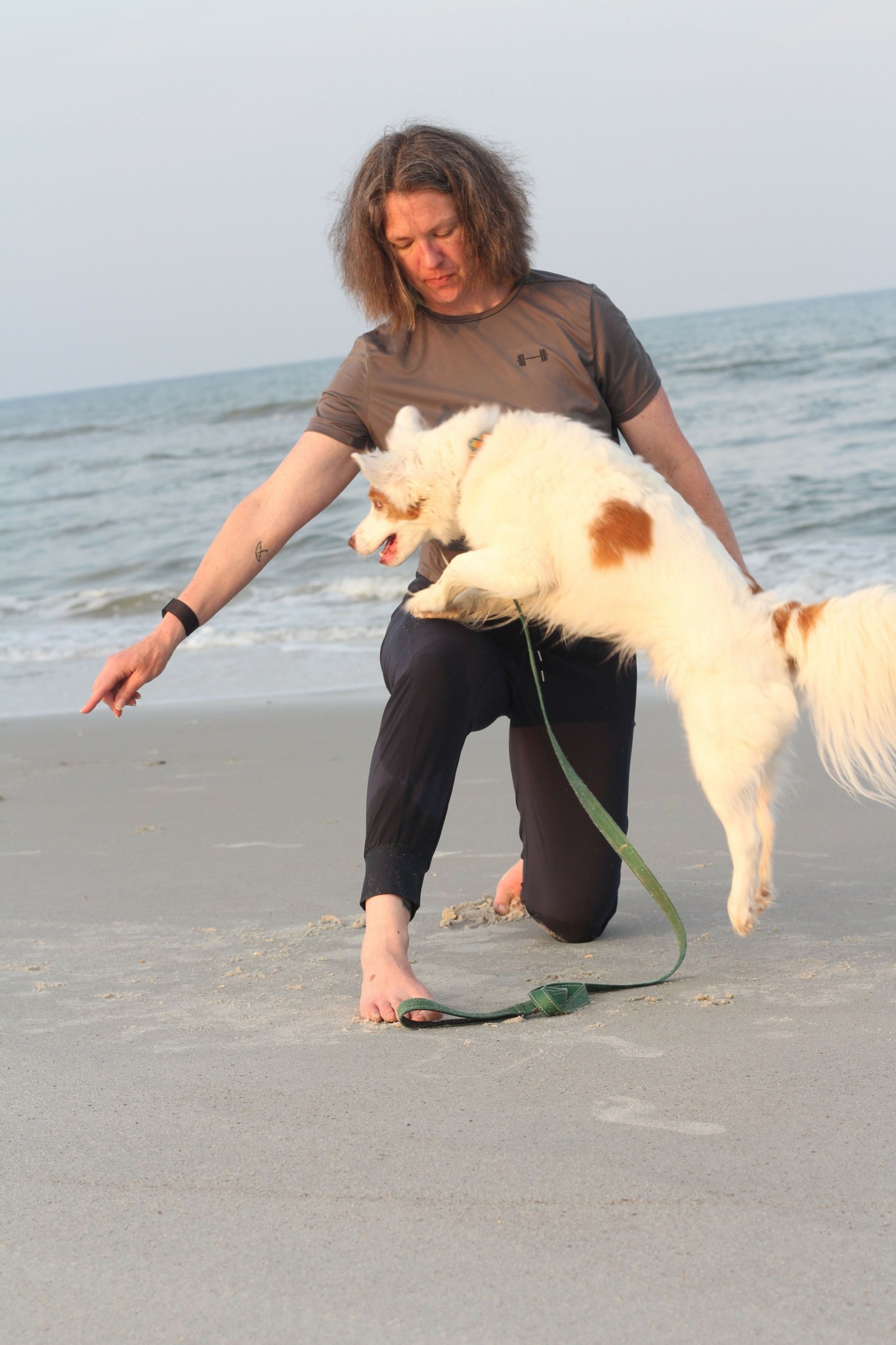
Erin , before we move on to more of these sorts of questions, can you take some time to bring our readers up to speed on you and what you do?
I’ve dedicated my entire professional career to the animal care industry, growing up, as many of us do, as an animal lover. During my 20+ years in the industry, I’ve seen the benefit of education and training for employees and the challenges faced by organizations who struggle to deliver this type of employee support. While I entered the animal care industry on behalf of the animals, I’ve discovered a passion for serving the people that care for animals, which results in improving their lives as well as the animals in their care. This is the ultimate reward. Many people who enter the pet care space will not be there for life, but the education and training they receive can shape how they care for, talk about, and advocate for animals throughout their life.
At For the Love of Snouts, I partner with animal care organizations to elevate the wellbeing of animals, the confidence of staff, and the impact of services. I work with these organizations to design practical, progressive training and education programs grounded in compassion, science, and a deep respect for the human-animal bond.
Working with other organizations, I adhere to these values:
Compassion First
I prioritize the emotional and physical wellbeing of animals and the people who care for them. I meet learners and organizations where they are with empathy, patience, and respect.
Science with Heart
I combine evidence-based practices and research with real-world experience to create training and education that’s both effective and humane.
Empowerment Through Education
I believe education is more than skill-building: it’s confidence-building. Whether it’s staff, volunteers, or pet parents, it’s important to equip people to make thoughtful, informed choices.
Practical, Not Perfect
I focus on progress, not perfection. Programs I develop are actionable, adaptable, and designed to work in the dynamic environments of shelters, vet clinics, nonprofits, and pet care businesses.
Partnership in Practice
I work closely with each organization to understand their unique needs. Every solution is built through partnership, not prescription, to reflect their culture, challenges, and goals.
Any stories or insights that might help us understand how you’ve built such a strong reputation?
Honestly, I think what’s helped me build a solid reputation is my ability to take big, complex ideas and break them down into something that actually makes sense and gets done. That’s something I genuinely love doing. There’s something really satisfying about taking a concept that feels overwhelming or abstract and turning it into clear, actionable pieces that people can actually use and build on. Whether it’s a new training program, a shift in culture, or a completely undefined idea, I like figuring out how to make it practical and approachable.
A lot of the time, clients come to me with a general goal or feeling, like “we know we need something, but we’re not sure what it should look like.” That’s where I do some of my best work. I’m comfortable starting with very little direction and helping shape what the project needs to be.
I’m also someone who doesn’t need to be micromanaged. Once we’re aligned on the goal, I can take a project and run with it, but I’m always looping in feedback along the way and adjusting as needed. I think that’s what makes the work sustainable and useful for clients long-term. It’s not just about getting it done, it’s about getting it right for them.
And I’m adaptable. If something falls outside my direct experience, I know how to ask the right questions, find the resources, and figure it out without slowing everything down. I don’t pretend to know everything, but I do know how to learn and adjust quickly, and that goes a long way when you’re working in fast-moving or ambiguous spaces.
These attributes and ability to deliver along with my experience in the industry make me a valuable resource.
Can you tell us about a time you’ve had to pivot?
That’s a tough one to pinpoint, so I’ll go with a more recent, personal story. Last year, I suffered some fairly large disc herniations in my back which resulted in one of my legs having severe nerve compression and being “asleep”. Luckily for me, I was not in a lot of pain, so with the help of doctors, physical therapists, and chiropractic care, I adapted my workout routines to allow my body time to heal, anticipating a full recovery and return to the Crossfit, Strongman, and weightlifting activities I participate and love. I followed all recommendations, did my stretches and exercises, laid off heavy lifting, my beloved barbell, and any explosive movement, and adapted to machine lifting, pilates, yoga, and biking while I waited for my body to recover. Unfortunately, over a year later, I’ve had little improvement in the nerve in my leg which remains on constant pins and needles. While it’s possible it could still continue to heal, the reality is, it’s likely permanent at this point, which is uncommon, but can happen (lucky me!). This has been incredibly challenging for me mentally, as I’m a highly active person who cherishes hard workouts without strict limitations and pushing my body to its limits.
After some time away from my local Crossfit gym and months of reflection, I ultimately decided it was smarter to preserve the physical health I have now rather than unnecessarily risking it. This meant forfeiting my favorite movements (think heavy squat cleans, split jerks, sandbag throws, and gymnastic movements), in favor of more precise, less dynamic movements. While nothing is specifically stopping me from doing all of the things I love, having one leg on pins and needles means I can’t connect to it the same as I did before and I’m off balance, so the risk of re-injury or injuring my other side is significant. I had to pivot, adapt, and find new ways to move so that I can continue to be active for a long time rather than put myself at risk, so I’ve returned to swimming and taken up pickleball, which has been more fun than I could have imagined.
It is still mentally draining to know I am not likely to ever return to my old routine, and I miss the feeling of lifting heavy weight like I did, but I know I made the right choice to keep me as healthy as possible. A lot of choices we have to make aren’t necessarily all good or all bad outcomes (or all right or wrong): they are simply choices that need to be made and then you have to decide to embrace that choice.
Contact Info:
- Website: https://www.fortheloveofsnouts.com
- Instagram: @fortheloveofsnouts
- Linkedin: https://www.linkedin.com/in/erinleighaskeland/