



We caught up with the brilliant and insightful Erika Choe a few weeks ago and have shared our conversation below.
Erika, thanks for taking the time to share your stories with us today Can you tell us about a time that your work has been misunderstood? Why do you think it happened and did any interesting insights emerge from the experience?
“It must be so nice to have a job where you get to dance all day!” “You can’t draw? But you’re an artist!” “What’s your real job?” “Why don’t you do art later on, when you’re much older and earned enough money?” I think almost every artist out there have had run-ins with interactions like these when sharing what they do. Most of us are quick to assume what a person’s work looks like, few of us take the time to get to know the complexity of someone’s work.
I’ve had many different career paths and jobs, sometimes they occur simultaneously, other times they switch up at different phases of my life. For a good 7 years, I was both a professional dancer and a designer at the same time. The way people treated me; the things they would say to me; and the assumptions they made about my day-to-day all varied according to which occupation I decided to share that I had. I think it is fascinating that we try to categorize people’s work or what they do into a simple buzzword, disregarding the multiplicities that we hold as humans and how we spend our lives towards an output.

Erika, love having you share your insights with us. Before we ask you more questions, maybe you can take a moment to introduce yourself to our readers who might have missed our earlier conversations?
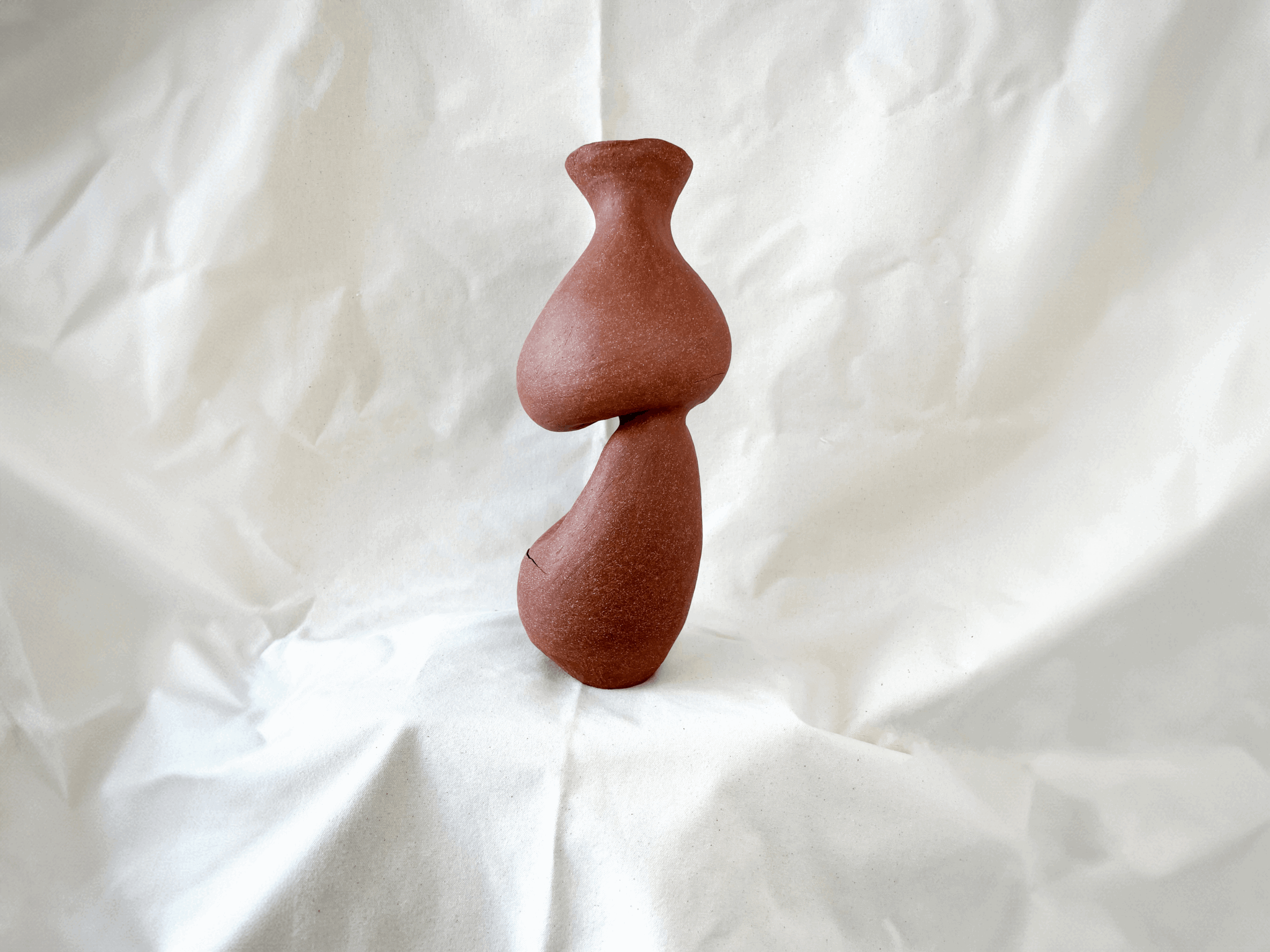
I’m an artist, teacher, researcher, and performer. I contemplate our knotted relationship with our bodies, technology, and capitalism through installation, performance, video, sculpture, and writing. In my work, I ask questions like “is the body necessary to be human?”, “do we leak into one another?”, “what continues to get entangled in our humanness as technology plays a more prevalent role in our lives?”.
My introduction to the arts was through dance at a very young age, I trained tirelessly at the craft and performed professionally for choreographers and productions around the globe. At the same time, I developed an affinity for the visual space, making money designing brands, products, and digital interfaces for startups, agencies, and corporate companies. It was not until I entered my thirties that I started to reconsider how I was contributing to my world. Since, I remain purposeful with how I apply my skills toward different outputs and career choices, saying yes to opportunities that align with my values.


Have any books or other resources had a big impact on you?
Glitch Feminism by Legacy Russell
Bodies of Water by Astrida Neimanis
The Burnout Society by Byung Chul Han

What’s a lesson you had to unlearn and what’s the backstory?
In every lesson I’ve learned on a craft or skill, I’ve gone through the process of training, practicing, mastering, and then unlearning. It is through the unlearning that we, as artists, are able to make the work our own, have it hold meaning to our personal practice, and reflect purpose within our stories.
Contact Info:
- Website: erikachoe.com
- Instagram: https://www.instagram.com/erikachoe/
- Linkedin: https://www.linkedin.com/in/erikawchoe/


Image Credits
Luana Maria Seu, Trevor Nathan, Shannon Greer