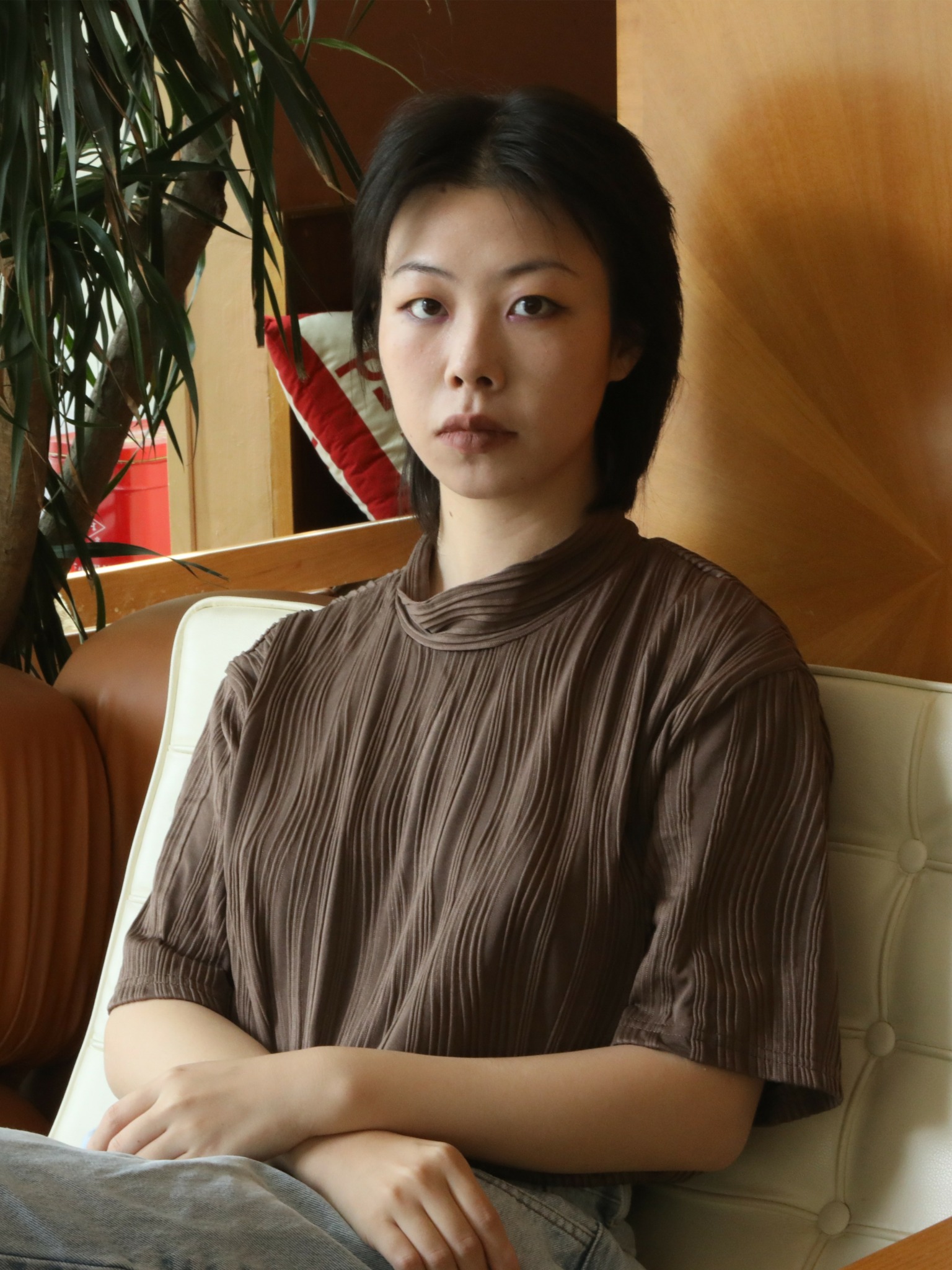

We recently connected with Erica Zhan and have shared our conversation below.
Erica, appreciate you joining us today. Did you always know you wanted to pursue a creative or artistic career? When did you first know?
It’s difficult to pinpoint a single moment when I knew I wanted to pursue art professionally; in many ways, the path unfolded before I fully realized it. My initial engagement with the art world was as an administrator, researcher, and writer during my undergraduate years. At that time, I interpreted art rather than created it. However, my roles within the art world have always been fluid, and these early experiences subtly influenced my eventual decision to become an artist.
It wasn’t until I took my first performance art class during graduate school at the School of the Art Institute of Chicago that I found a deeper connection to artmaking. This class completely transformed my understanding of the body and participatory art. The act of performing, both in practice and with other artists, opened a new door for me—one that anchored my journey into conceptual art.
Since then, performance art has remained the foundation of my practice. It has allowed me to critically engage with the questions and propositions that matter most to me as an artist. My work incorporates elements like body movement, improvisation, and audience participation, exploring the boundaries of performance experimentation. While I now also work in mediums such as photography, video, and artist books, performance art continues to shape and inform the core of my practice.

Awesome – so before we get into the rest of our questions, can you briefly introduce yourself to our readers.
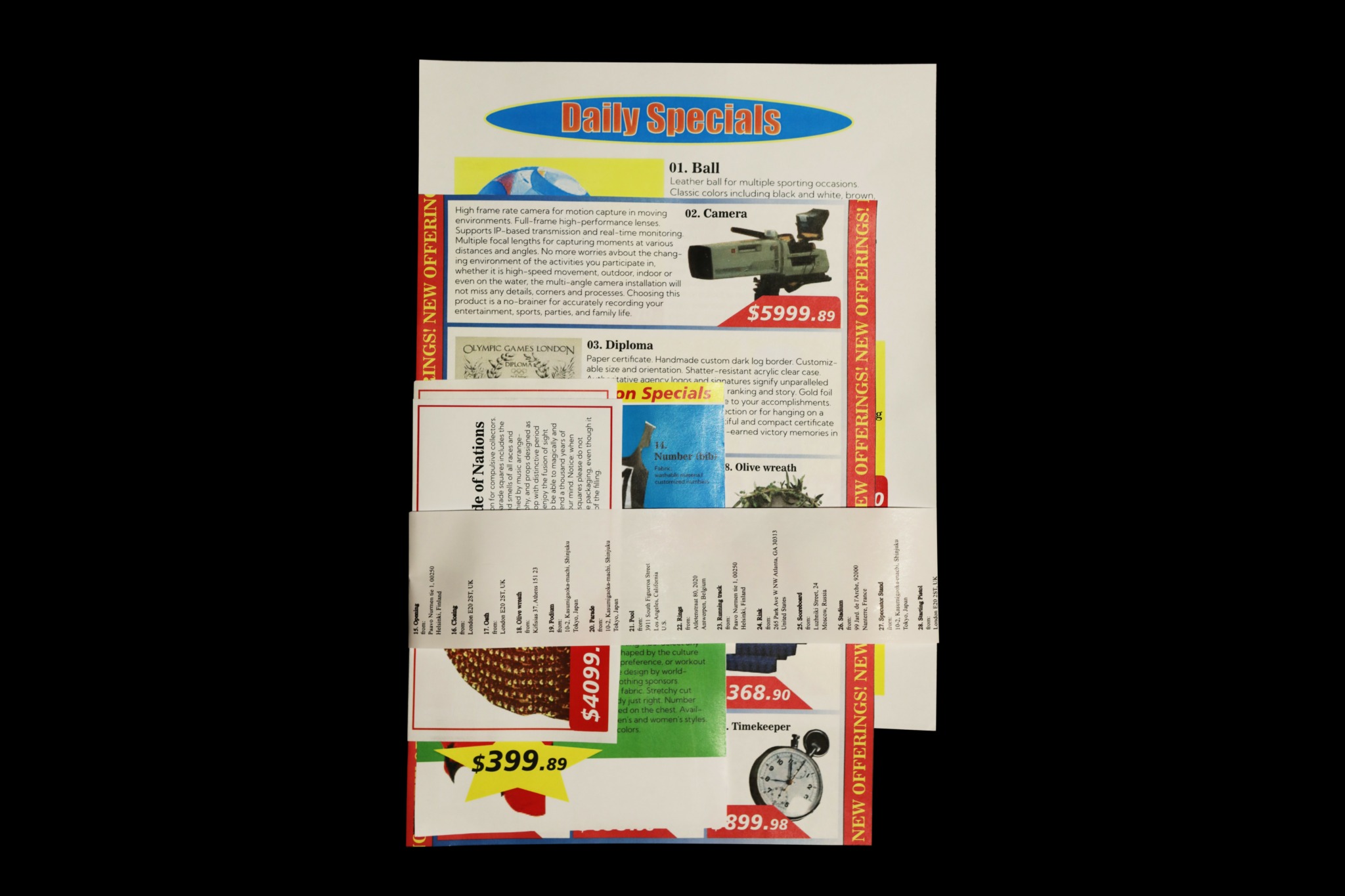
I am a Chinese-born interdisciplinary artist and writer, currently based in Chicago. My practice challenges the norms of professionalism and standardization, positioning myself as a rule-hacker and an alternative player within the art world. Through performance, moving images, photography, and writing, I investigate themes such as game dynamics, competition, training, and systemic structures, particularly in the context of contemporary sports. My work explores how discipline and regulation shape both vulnerability and power.
At the core of my practice is a fascination with the evolution of competition and games within capitalist systems. In the realm of professional sports, the spirit of play has been eroded by the economic interests and the professionalization of labor, reducing what was once spontaneous and joyful into a rigid structure. I use performance and video to examine these shifts, questioning the affective strategies used to monetize athleticism and the relationship between athletes and spectators.
What sets my work apart is its blend of humor, parody, and performativity, which I use to dissect the structures and rules of major sporting events. By doing so, I bring these elements back into an authentic context, one that invites reflection on their true purpose. I also expand the scope of my work to explore competitive dynamics in other human activities, such as healing, communication, and play. My performances often involve the body and the audience, weaving together intimate narratives that reveal the tensions, lies, and sentiments within consumerism and competition.
Ultimately, my goal is to restore a sense of playfulness and authenticity to the viewer’s experience, reconnecting them with a more natural, unfiltered state of being. By engaging both the personal and the collective, I aim to create works that not only critique, but also invite dialogue, participation, and introspection.
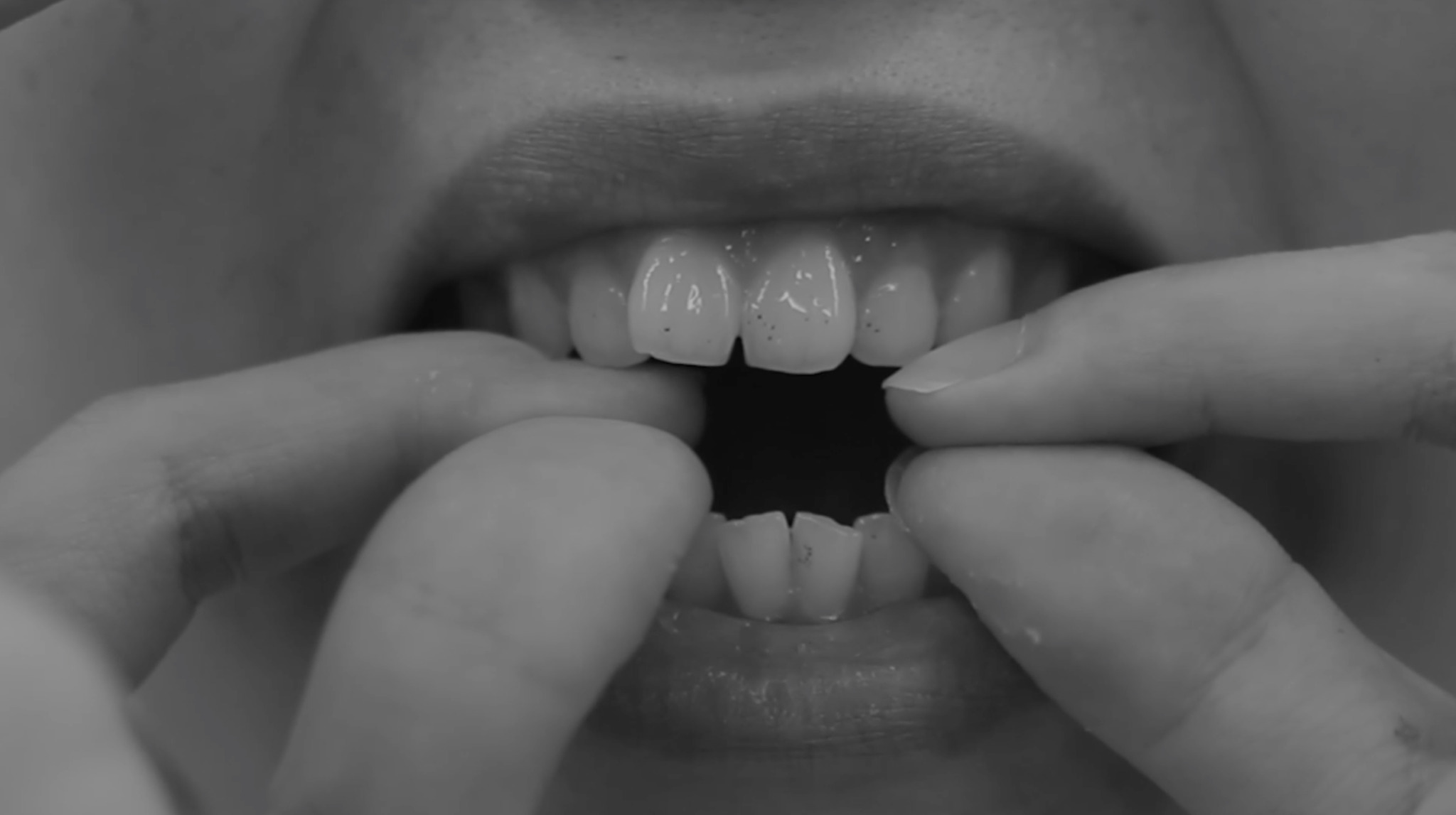
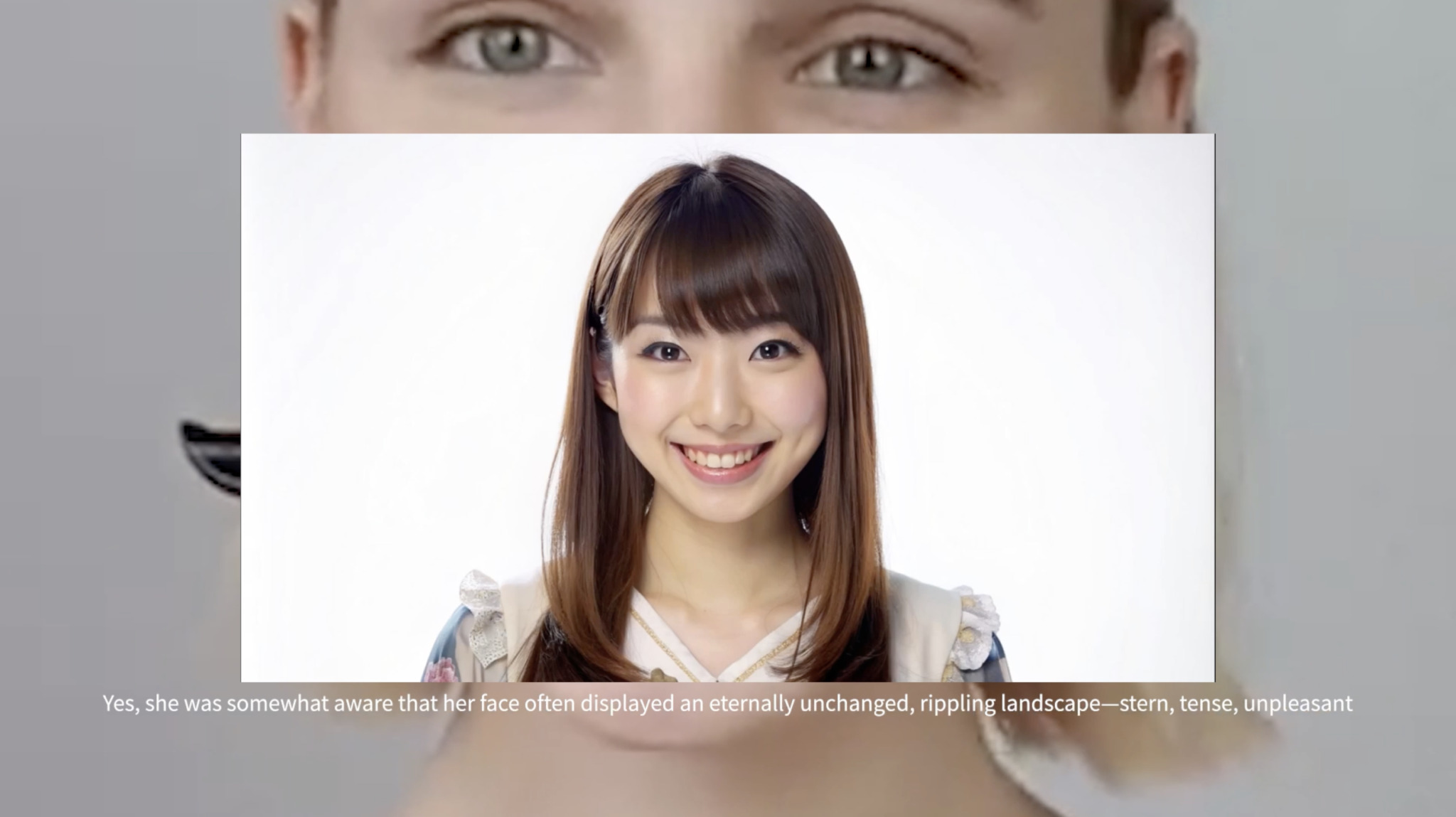
What do you find most rewarding about being a creative?
In order to maintain criticism in my work, I have to be brutally honest and candid about my emotions, desires, and self-constitution. This is the part I find most rewarding. For me, critiquing the bondage and exploitation of human beings by standardized social structures through art first requires me to be clear and transparent in my understanding of where I stand in the social system. What are the traces left on my body by all the social parameters and indicators? What are the pleasures I crave while playing a game? What kind of self am I projecting while watching a competition? As I navigate performativity to scrutinize human states, reactions, and strategies in competitive and professional environments, my own body, which is involved, inevitably becomes the object of investigation. This removes me from the real-life game of playing various social roles, in plain view, to be questioned and interrogated. Being an artist in this context is a place of unadorned freedom for me: I need to restore a naked map of my life in my mind in order to move forward with my work. I value this process. It involves anguish, but it is also accompanied by relief and remodeling.
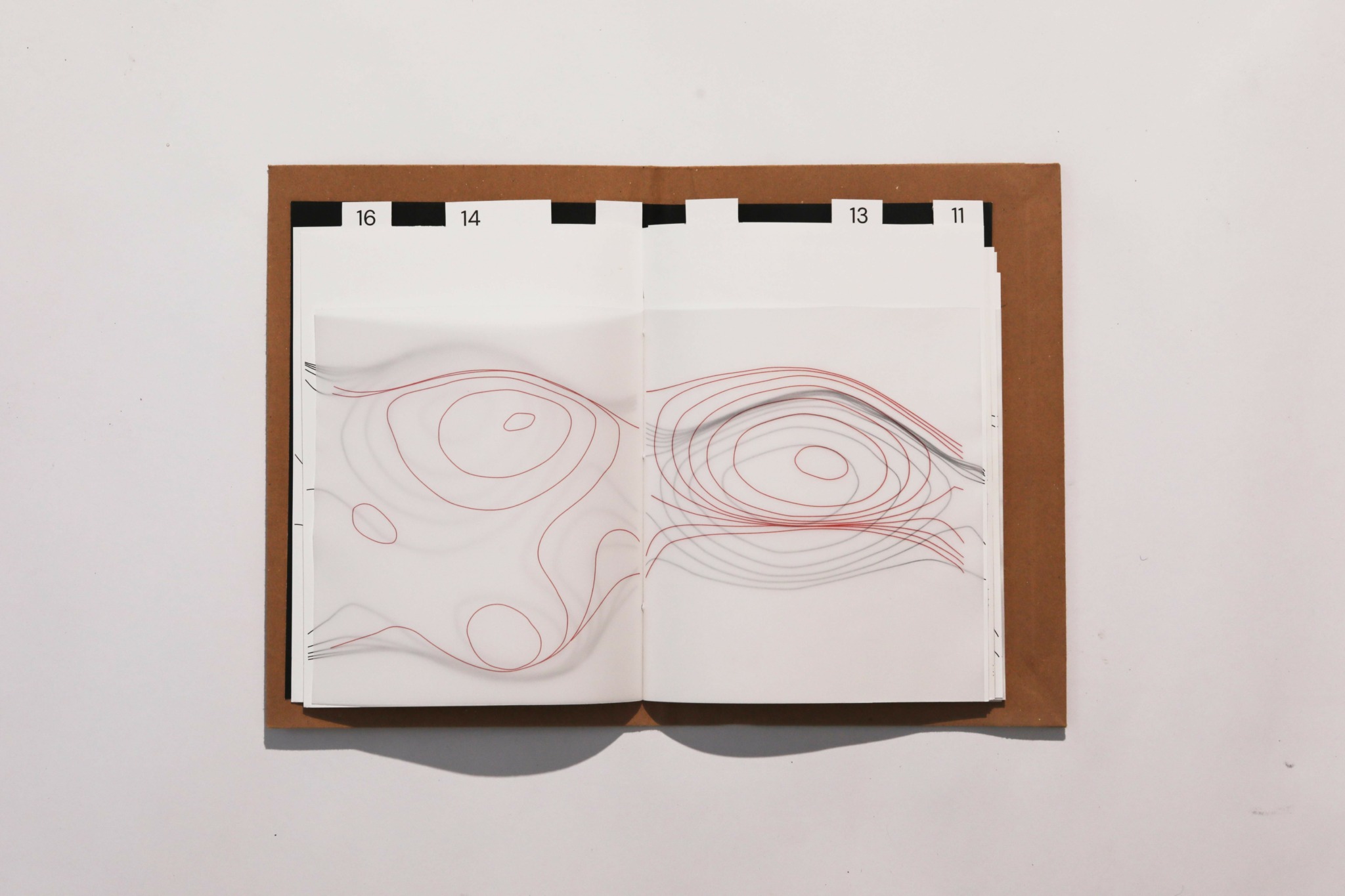
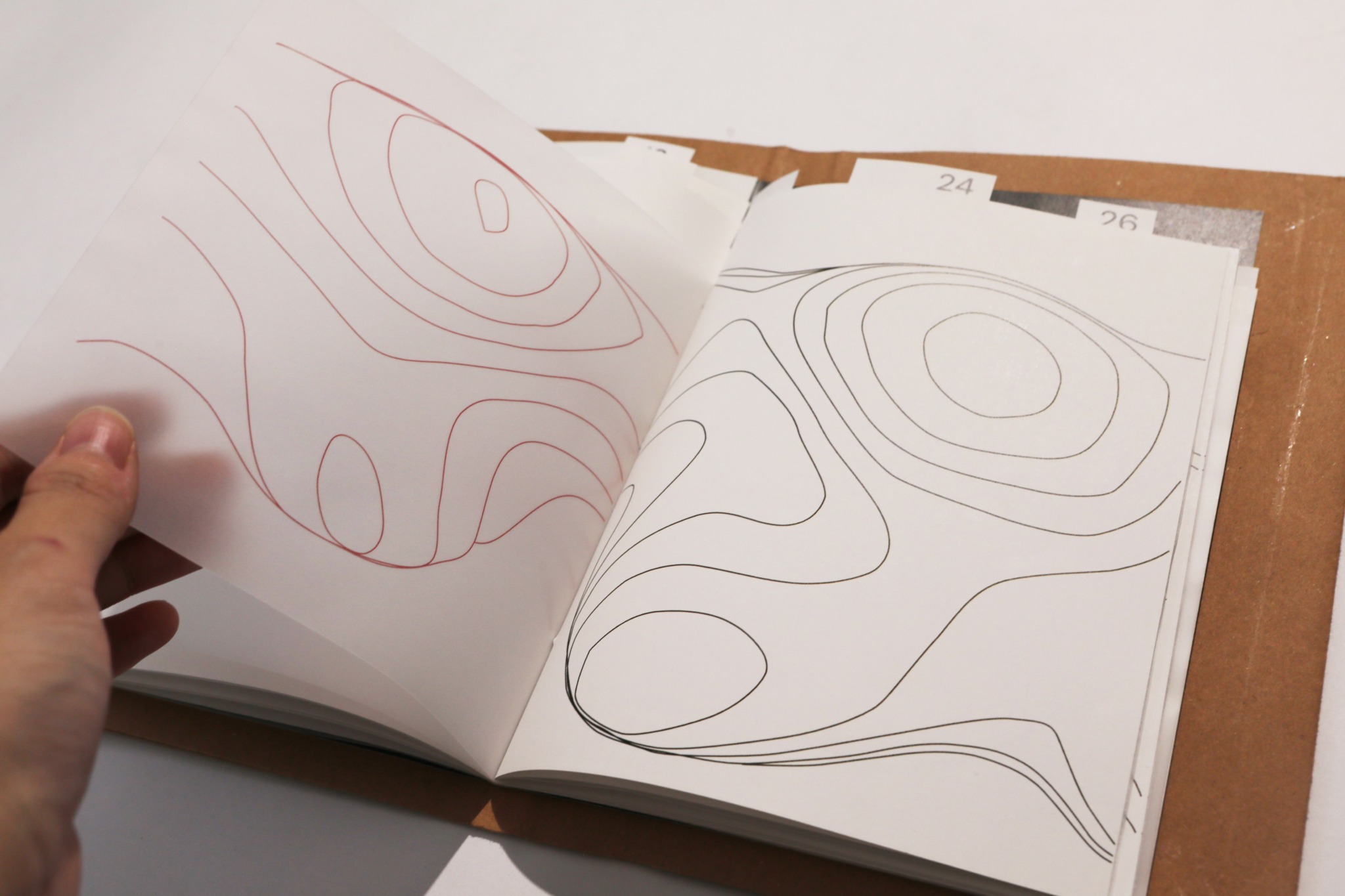
What can society do to ensure an environment that’s helpful to artists and creatives?
I believe that financial challenges are something most working artists face, regardless of their career stage. Artists often aren’t recognized as laborers, despite the fact that many spend countless hours in their studios creating work. To sustain their practice, many artists take on additional part-time jobs to cover both living expenses and the costs of producing their work. While there are opportunities for funding through awards, fellowships, and grants, these are highly competitive, and they only reach a fraction of the creative community.
Additionally, many exhibitions still do not compensate artists for displaying their work, and, in some cases, artists are expected to cover their own costs for promotion and peer support. This disconnect underscores a systemic issue: the labor that goes into creating art is often undervalued, even though it plays a vital role in the cultural and social fabric of society.
The most effective way to support artists is to ensure fair compensation for their work and recognize the labor required to produce it. Institutions, governments, and foundations must step up to provide more funding opportunities and develop systems that acknowledge the true value of artistic labor. The key question to ask is: why isn’t the display of an artist’s work in an exhibition considered part of the fruits of their labor?
A thriving creative ecosystem cannot rely solely on individual perseverance or passion. It requires a system where labor is fairly rewarded, and where artists are supported in a meaningful and sustainable way. Only then can the industry foster creativity and innovation at its highest potential.
Contact Info:
- Website: https://ericaisplaying.xyz
- Instagram: @snorkelerzjyyy