


We recently connected with Eric Nehrlich and have shared our conversation below.
Alright, Eric thanks for taking the time to share your stories and insights with us today. Was there an experience or lesson you learned at a previous job that’s benefited your career afterwards?
Early in my time at Google, I was struggling because I was working 8am to midnight most days (including weekends) but not having the impact I wanted to have. Most of the successful people around me were doing the same.
But there was one director I knew whose work was so impactful that he was respected by executives up to and including the CEO Eric Schmidt and the CFO Patrick Pichette. Yet he somehow also managed to leave work at 6pm. So I asked him how he did it.
He said, “I work on the most important thing first. And if I don’t get to the second thing, that’s okay, because it was less important.”
It seems so simple, and yet I was failing to do it. I came in each day, and spent a couple hours on email. Then I spent several hours in meetings other people put on my calendar. Then I spent another hour on email responding to the responses from the morning. And then it was 6pm…and I had not started on the one thing I had to get done that day, which is why I was regularly working until midnight.
My director ignored email that wasn’t relevant to his top project. He didn’t go to meetings that people invited him to unless they were about his priorities. He annoyed a lot of people who wanted his attention, but he made the conscious decision to deliver results to his most important stakeholders rather than try to keep everybody happy.
It took me years to internalize this lesson and let go of the idea that I could do it all, but once I did, I had much greater impact while working fewer hours.
Great, appreciate you sharing that with us. Before we ask you to share more of your insights, can you take a moment to introduce yourself and how you got to where you are today to our readers.
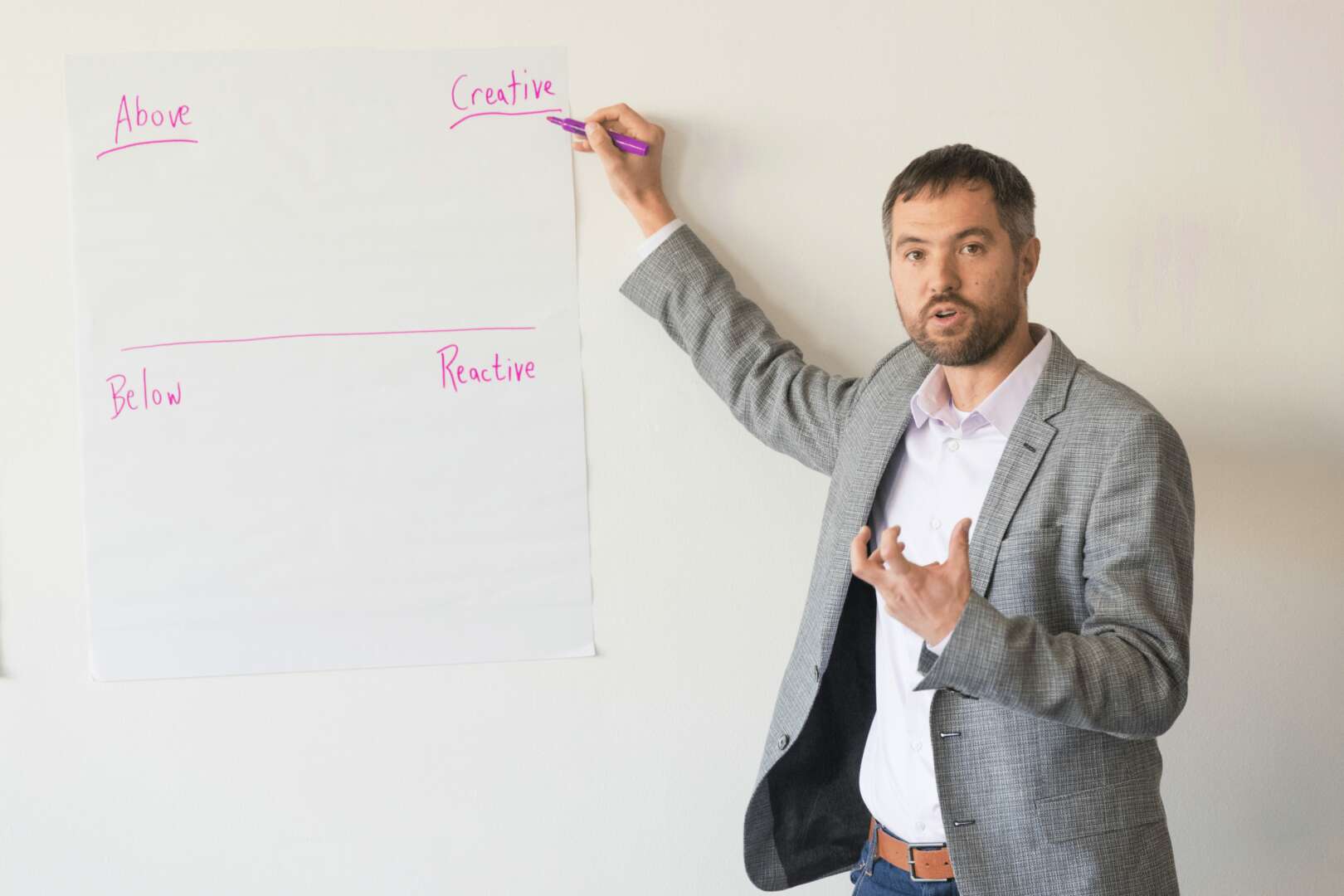
I coach leaders to have more impact while working less by focusing their energy on the work they are uniquely positioned to do.
This often involves identifying mindsets and habits that once served them, but are now holding them back from further success e.g. “I can do it, so I should do it” was the belief holding me back in my previous answer. A typical example is the domain expert who built their career on knowing all the details and solving problems themselves, but is now getting overwhelmed as their scope grows. I help them let go of being the problem solver and instead become an executive that builds systems and leads others to solve the problems. This approach has worked for C-suite startup leaders (CEO, CTO, CFO, CMO, etc.) and VPs at bigger tech companies who are growing their scope.
Before becoming a coach, I worked as an engineer and product manager across several startups before joining Google, eventually leading business strategy and operations for the Google Search Ads team for six years as Chief of Staff. That breadth of experience means that I understand my clients’ perspectives and can offer practical advice on their business challenges, while also helping their development as leaders.
After seeing that my transformational approach worked for myself and dozens of executives, I wanted to share it with a wider audience, so I published my first book, You Have A Choice: Beyond Hard Work to Meaningful Impact. I lead the reader on a journey to explore what success really means to them, identify the mindsets and patterns that are holding them back from that success, and experiment to find new behaviors that bring them closer to their dreams.
We often hear about learning lessons – but just as important is unlearning lessons. Have you ever had to unlearn a lesson?
Hard work is not enough.
I used to believe that if I worked hard and produced good results, then success would find me. That’s the way it worked in school because the teacher was evaluating my homework. That’s the way it worked in my first job because my manager was reviewing my work and keeping tabs on the progress I was making.
However, as I progressed in my career, working hard was no longer enough. Sometimes my manager was too busy to pay attention to what I was doing. Sometimes I wasn’t aligned with my manager, so they would dismiss the work that I thought was important. Sometimes I was working ineffectively; working harder actually got me further behind because I was working on the wrong things. Sometimes I wasn’t communicating effectively; I was working on the right things, but I hadn’t convinced my manager or leader why they should care about those things. I had to learn to identify the real problem so that I could respond appropriately.
I am still unlearning this pernicious idea that effort translates into results. Nobody cares about my effort except me. What other people want are results that help them. How I get those results is irrelevant.
This is a mistake that many people make when starting a business. They think their hard work is what matters. It doesn’t. Nobody cares. What customers care about is how you will help them solve their problems. It’s not about you, but about them; if you focus on solving customer pain points, you will be successful.
Along those lines, I have a simple social media strategy. When I say something that is helpful to a client in a coaching session, I write it down and then post it on LinkedIn. If it was helpful to one person, it will be helpful to other people like that. If I consistently post about how to deal with certain situations, I attract the attention of people who have similar problems, who are potential clients for me.
We’d love to hear a story of resilience from your journey.
I once burned out at Google while trying to earn a promotion. I was working 100+ hour weeks trying to get everything done that my manager asked of me, believing that hard work is what mattered, but I eventually couldn’t take the stress any more, and collapsed sick in bed for a week.
But something shifted in me that week, where I did not want to keep going as I had been. At my next 1:1, I told my manager that I wasn’t going to work that hard any more. They didn’t understand. I told them I was not going to keep putting in those kind of hours. They said “If you can’t handle the work, I’ll find somebody who can” and “this means losing your chance at that promotion because you won’t be exceeding expectations any more”. I agreed, they took away half my team, and slashed my performance rating.
And, surprisingly to me, I survived. I had never “failed” before. I had always exceeded expectations in school and at my other jobs. I had been feeling stuck because I “had to” earn the promotion, and I “had to” do whatever my manager said. But what I learned from that experience was that it was my own rules that were keeping me stuck; once I decided that my health was more important to me than a promotion and that I could accept the consequences of not doing what my manager said, it was easy to step away from the work.
Surprisingly, that insight led to my greatest professional successes. I went from failing at that job to become the Google Search Ads Chief of Staff, leading business strategy and operations for a $100+B business for six years, and then to my current job of executive coach. Once I was clear for myself on what mattered, I was no longer distracted by less important work, and focused on delivering results that led to greater impact.
Contact Info:
- Website: https://www.toomanytrees.com/
- Linkedin: https://www.linkedin.com/in/nehrlich/
- Other: podcast appearances: https://open.spotify.com/playlist/7jZZQJITop7n7Un9SdXUOm
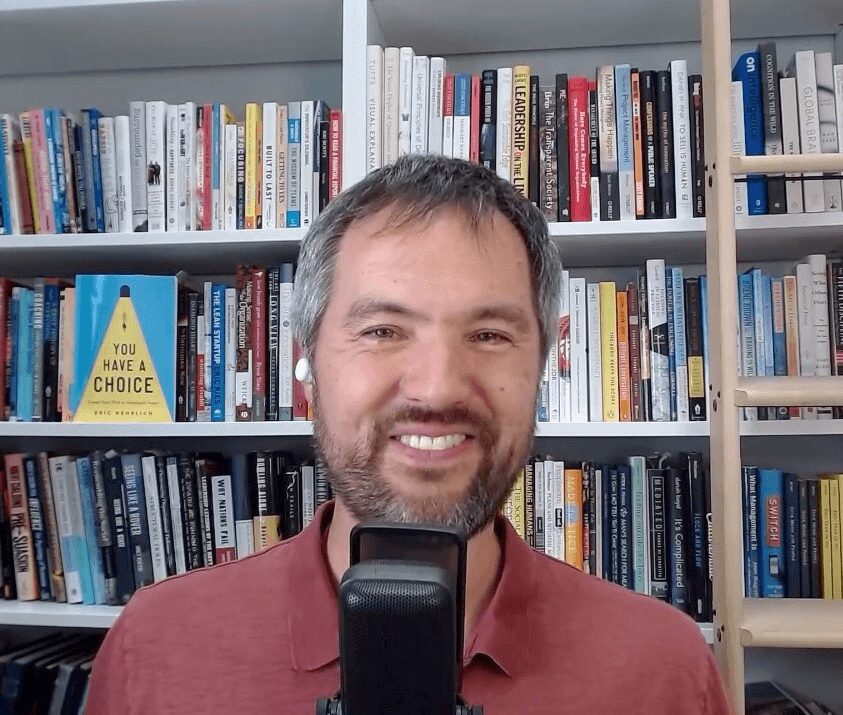
Image Credits
First three photos are credit to Charlotte Fiorito (https://www.charcreative.com/)