

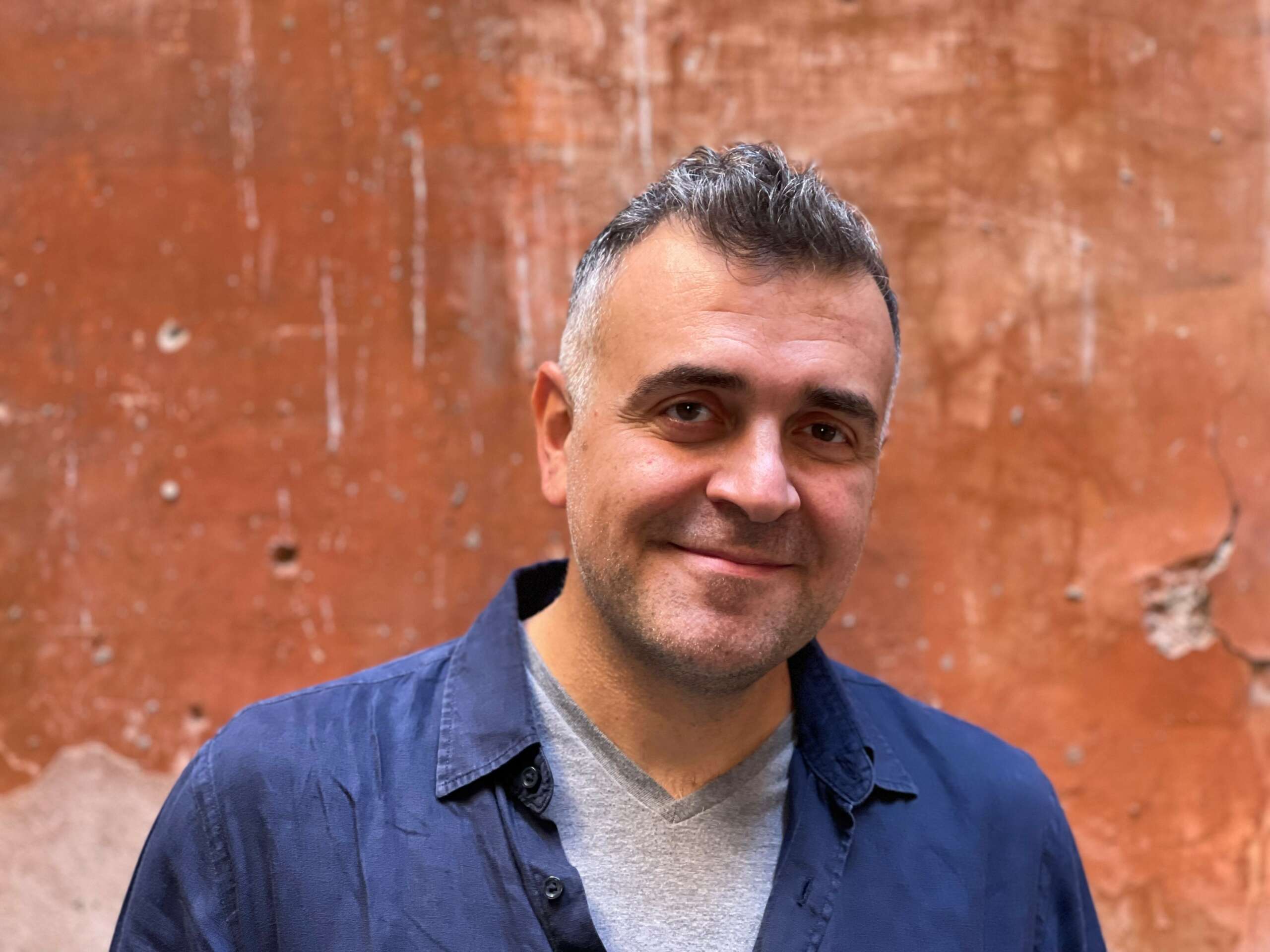

We’re excited to introduce you to the always interesting and insightful Eric Nazarian. We hope you’ll enjoy our conversation with Eric below.
Eric, appreciate you joining us today. What’s been the most meaningful project you’ve worked on?
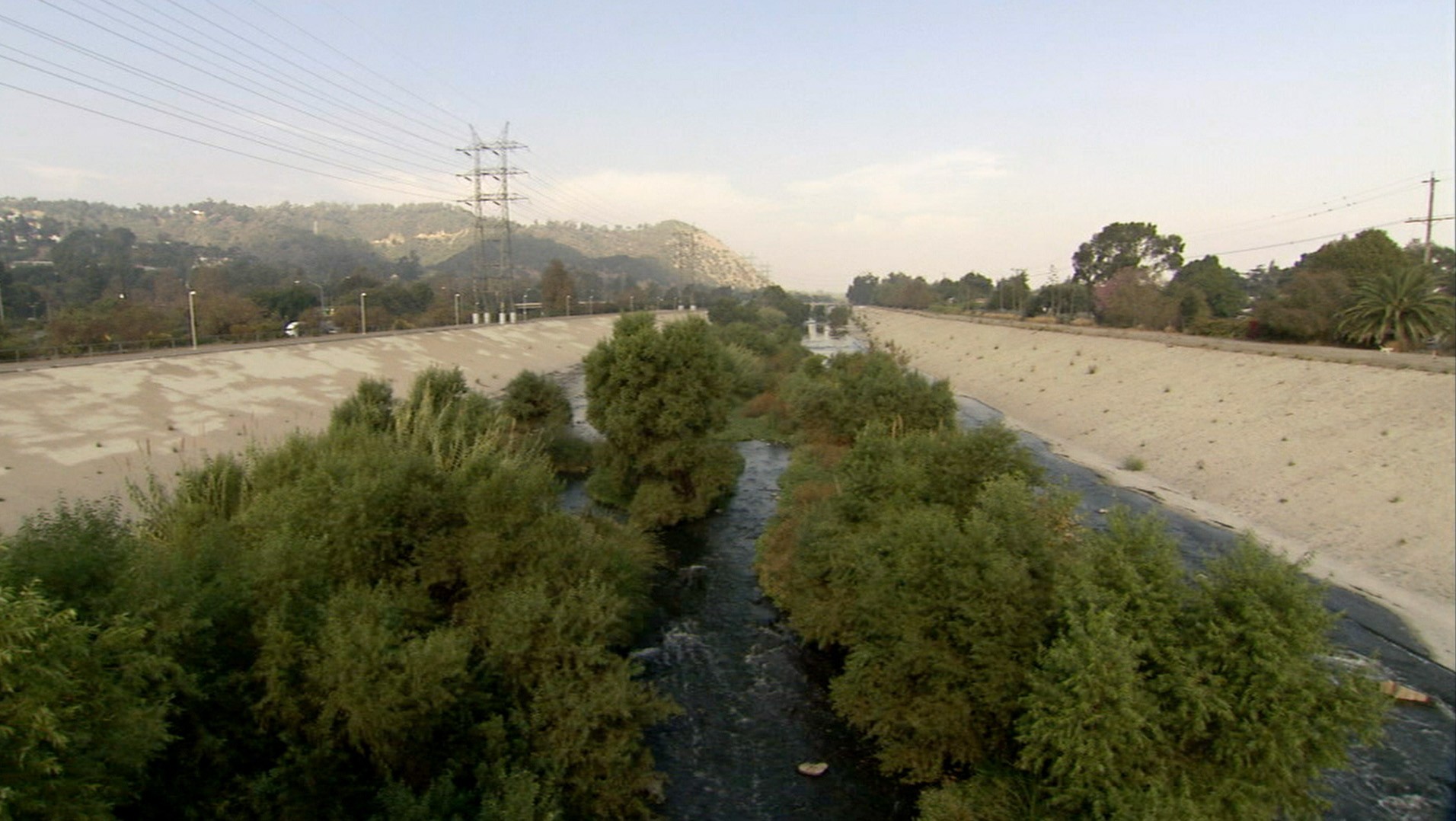
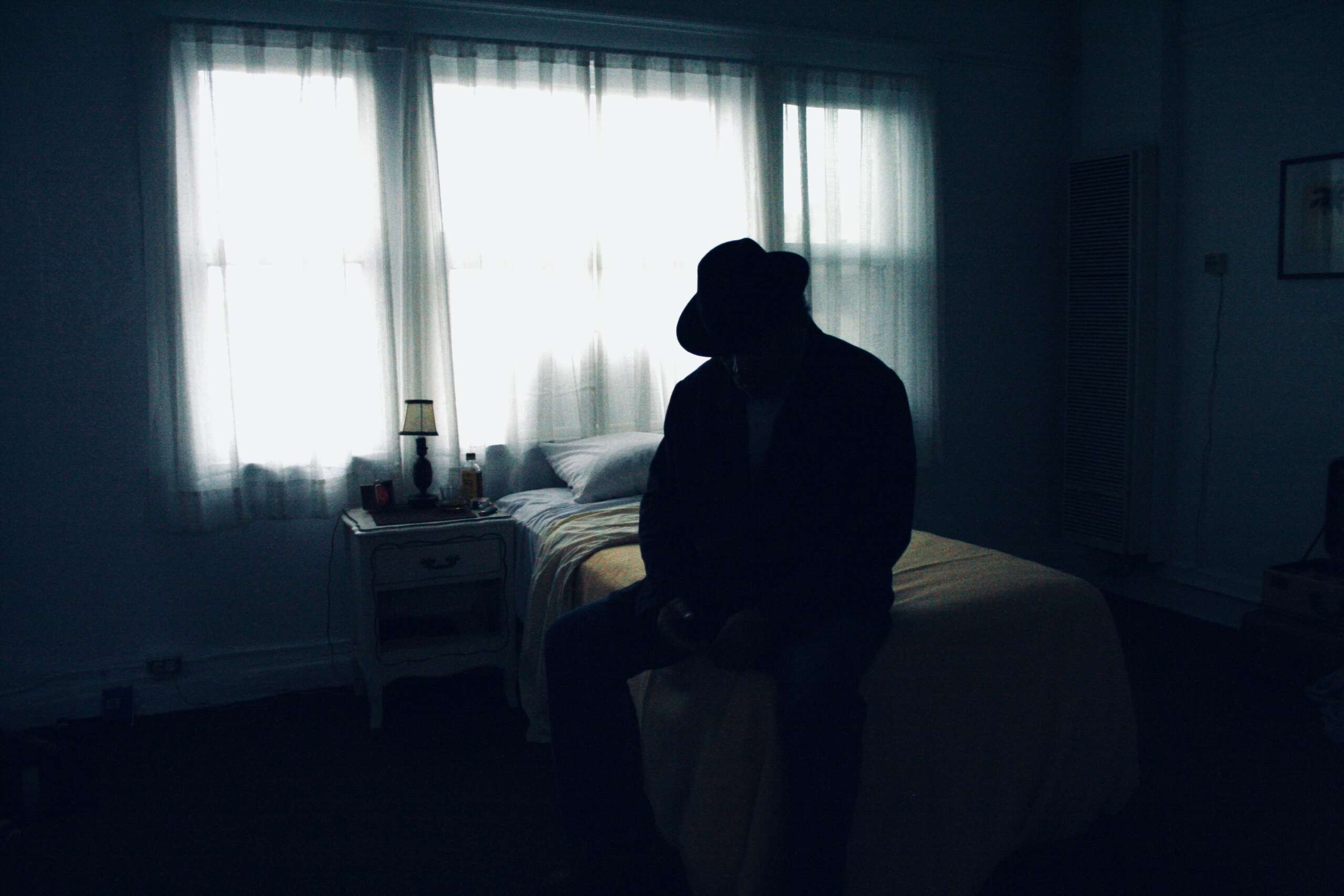
Definitely my first feature film “The Blue Hour” that is composed of four short stories set around the Los Angeles River where I grew up. The stories are individual portraits of four Angelenos that never meet nor communicate but are connected to the River and each other in spiritual ways. I wanted to go back to the roots of early cinema and make a feature film that did not require spoken dialogue to be understood. So the film is 95% images, sounds and music and only 5% off-screen dialogue. As much as I love words as a writer, I believe the human potential for language transcends written words and belongs to music and imagery. Making the film 100% by hand independently was my education in a beautiful epiphany that the act of filmmaking can bridge so many seemingly unrelated people and places within a society and make them function beautifully like an orchestra. The making of the film became the message: however divided the world may be, there is unity in diversity when artists, students, communities and grassroots change-makers all unite to create cinema. “The Blue Hour” became an L.A. fresco composed of four intimate portraits that speak to the incredible potential and power of the multicultural mosaic of Los Angeles.
Eric, love having you share your insights with us. Before we ask you more questions, maybe you can take a moment to introduce yourself to our readers who might have missed our earlier conversations?
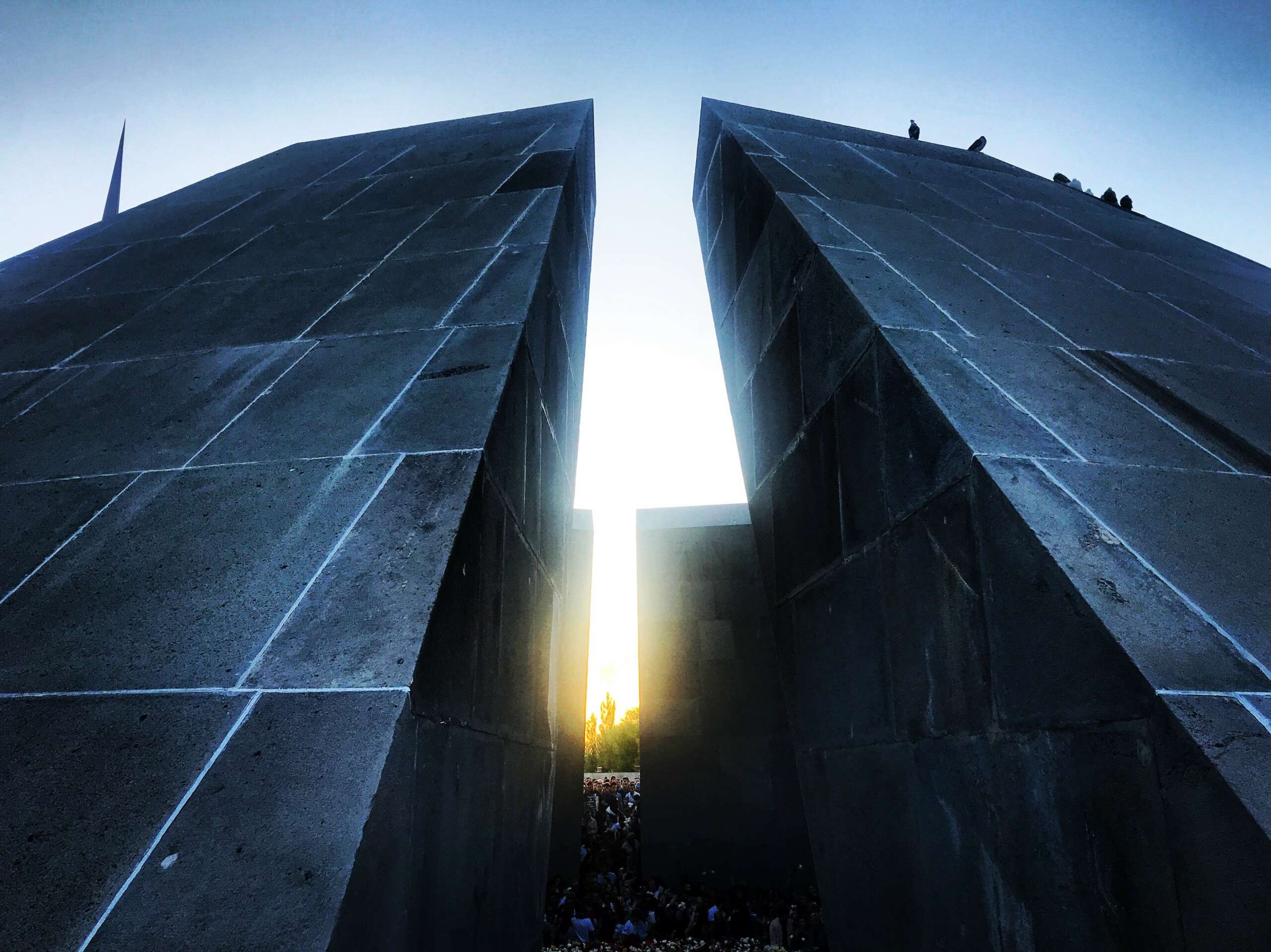
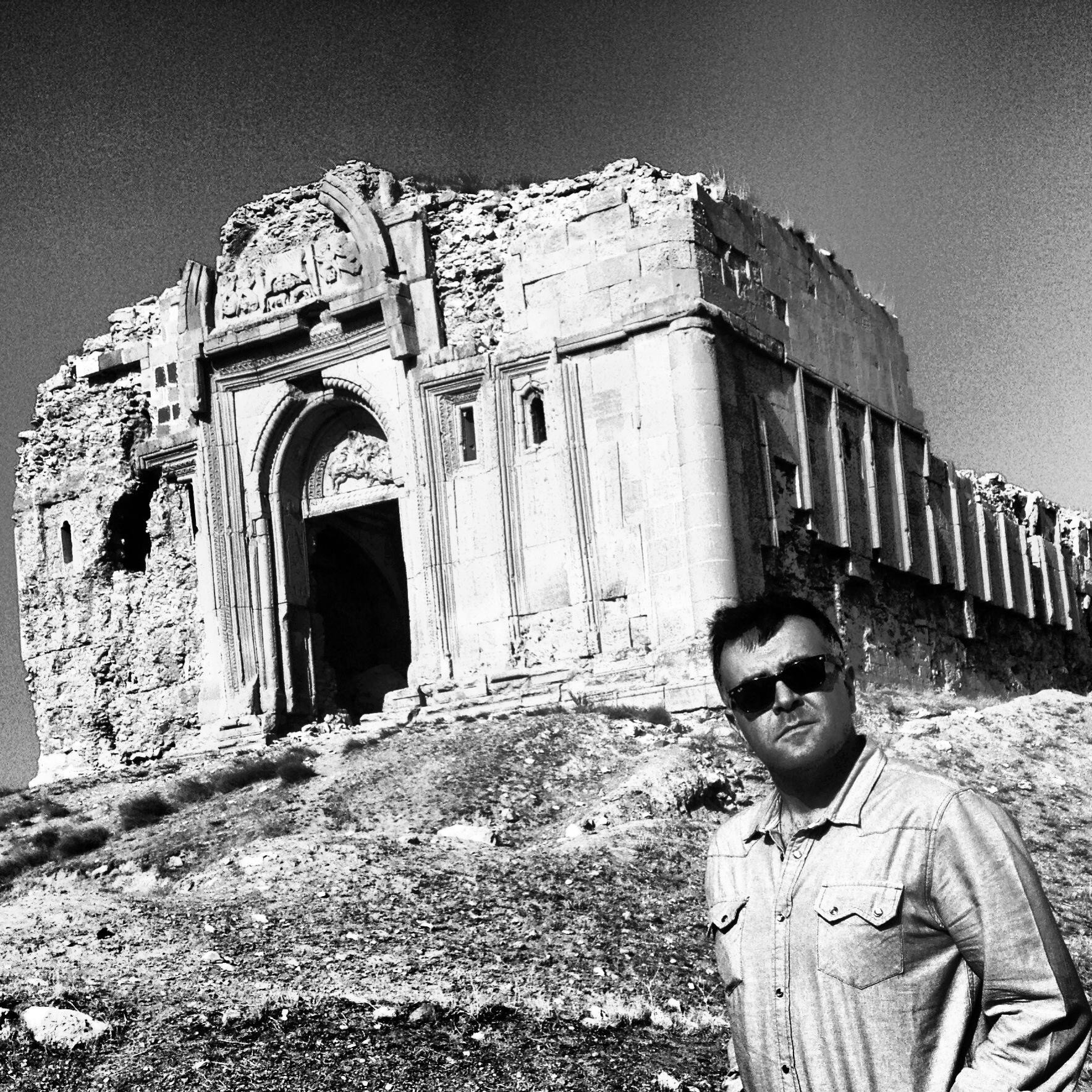
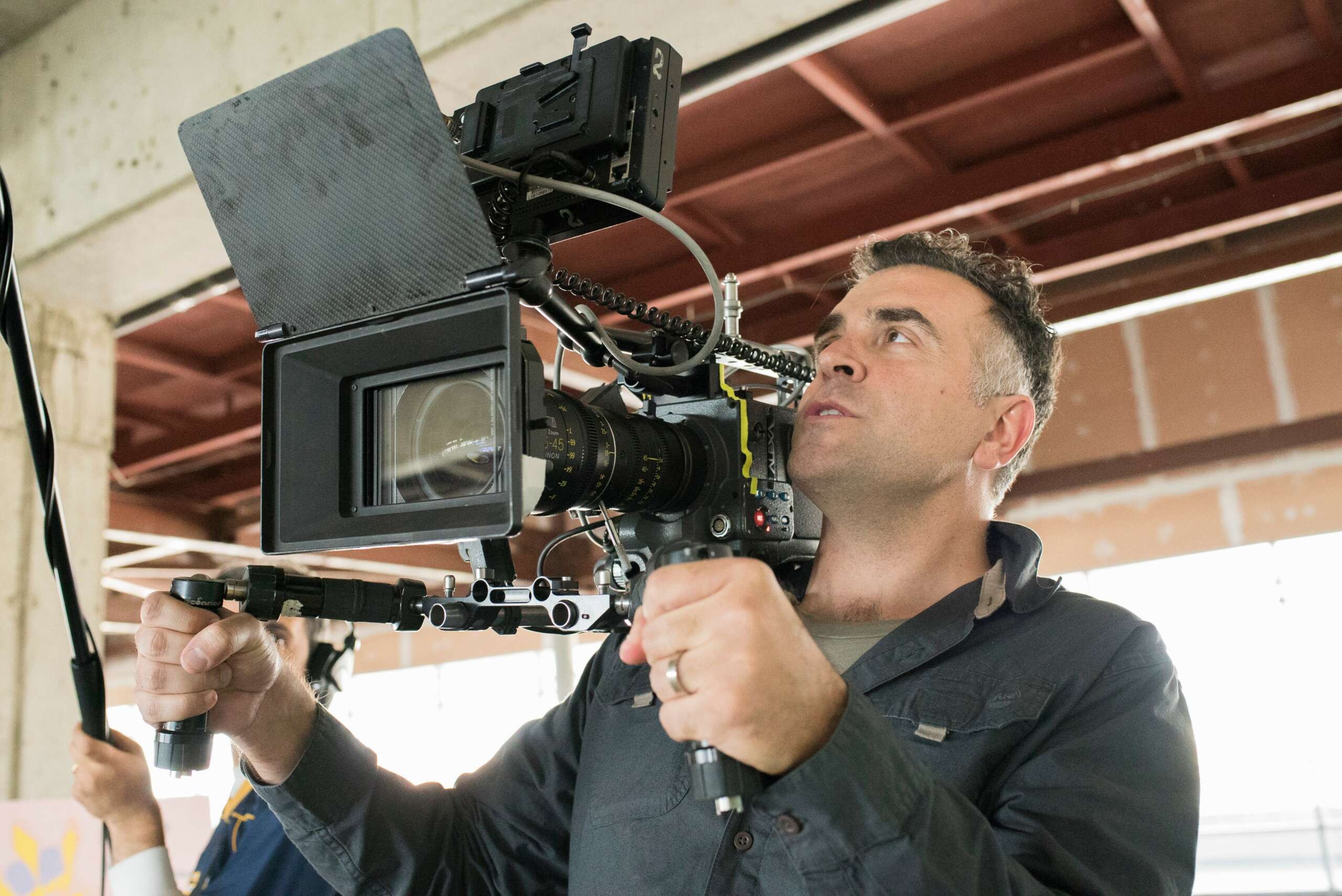
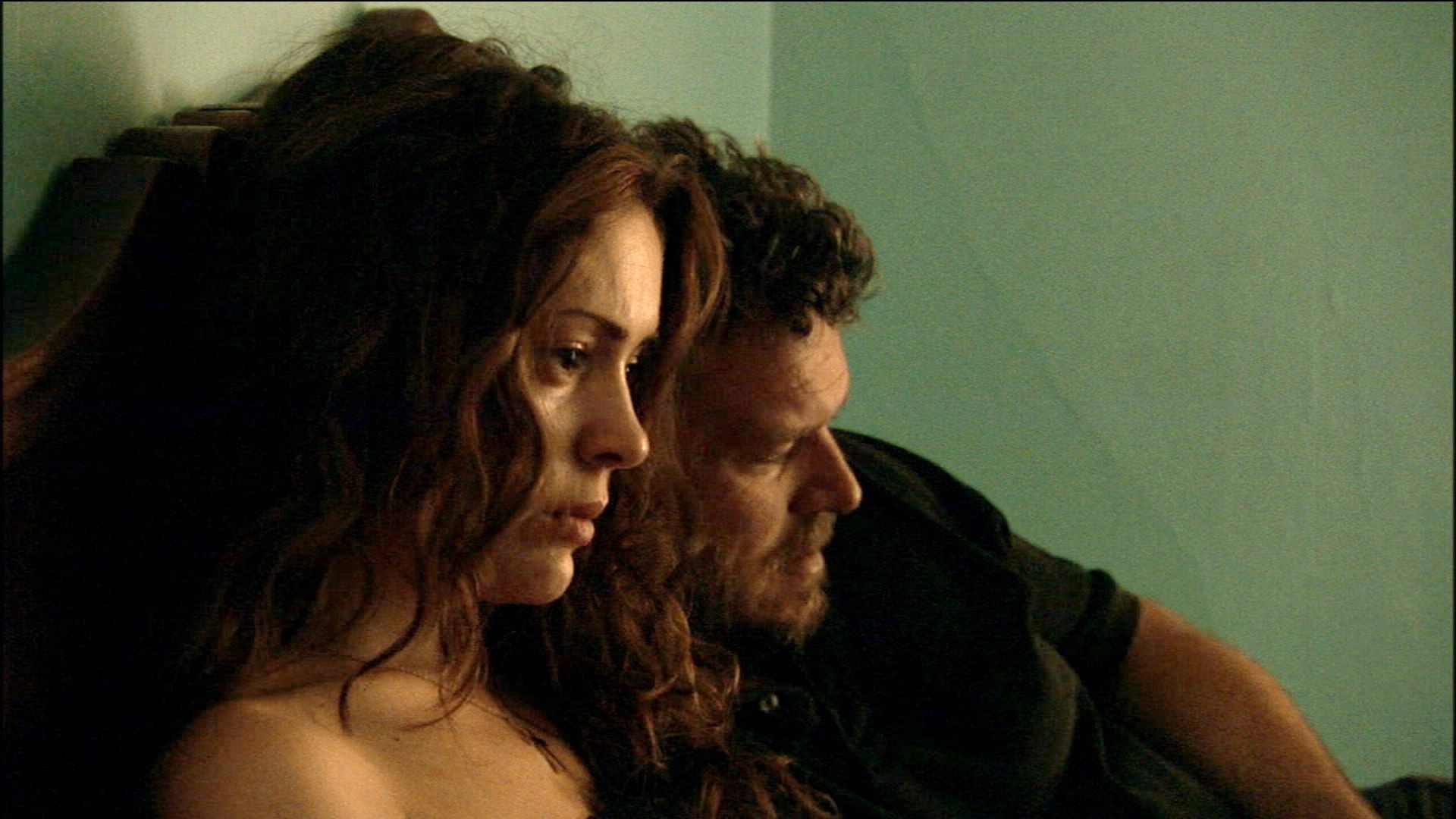
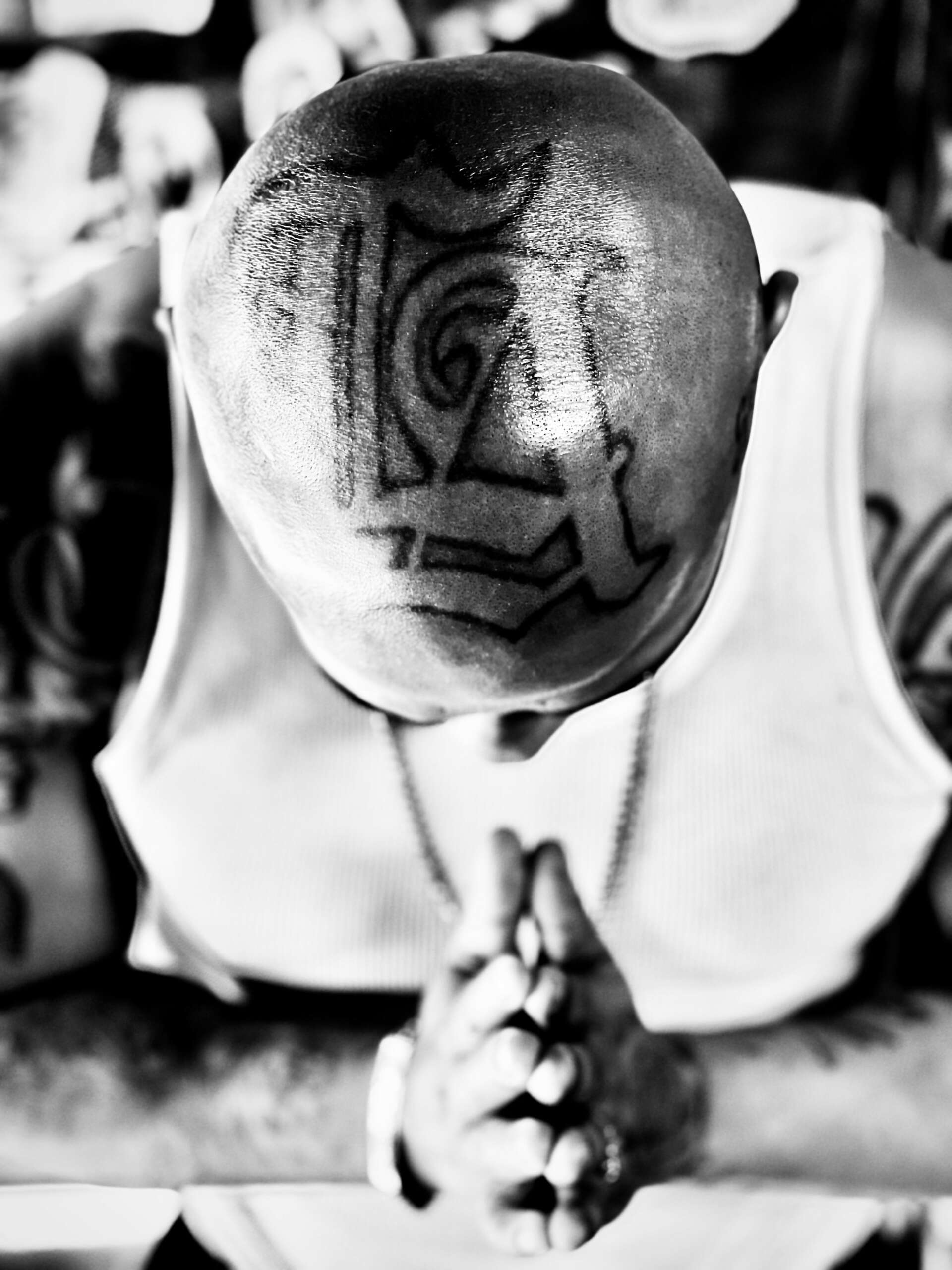
My name is Eric Nazarian. I was born in the former Soviet Armenia. My family immigrated to the U.S. when I was four. Our journey as refugees in America started in Columbus, Ohio, moved south to Lake Charles, Louisiana, then far west to L.A. where we set root. My father inspired me to make films. He was a film student who was not given the chance to make films in the Soviet Union. Movies were the portal to the world, our imaginations, the past, present and future. The first film I saw was Steven Spielberg’s timeless “E.T.” as a child. It rocked me to my core and gave me the wings as a child to fly into the world of my imagination. “Everything is possible” is what my father would always tell me as a child. This is the greatest gift a parent can instill in their children. To dream, to be fearless and to always believe in the power of the possible. I write screenplays, make films and have been doing short animation projects for over the past decade in L.A., Mexico and Armenia. I am finishing my upcoming feature film “Die Like a Man,” a rite of passage story set in L.A. about the effects of gun violence on a small Westside community. I made this film continuing the community integrative approach to filmmaking that I started with “The Blue Hour” in 2006 by casting, training, hiring and collaborating with individuals within the communities I was telling the story about. By bridging activism with academia and film literacy for social impact, I am most proud of this program I hatched with this film that employed and gave a platform for representation for L.A. indigenous aspiring actors and formerly incarcerated individuals to act and work on the film as a vehicle for healing and illuminating the current nationwide problem of gun violence in America that is sadly metastasizing. Art, culture and storytelling have the power to heal through creating community bridges.
What’s the most rewarding aspect of being a creative in your experience?
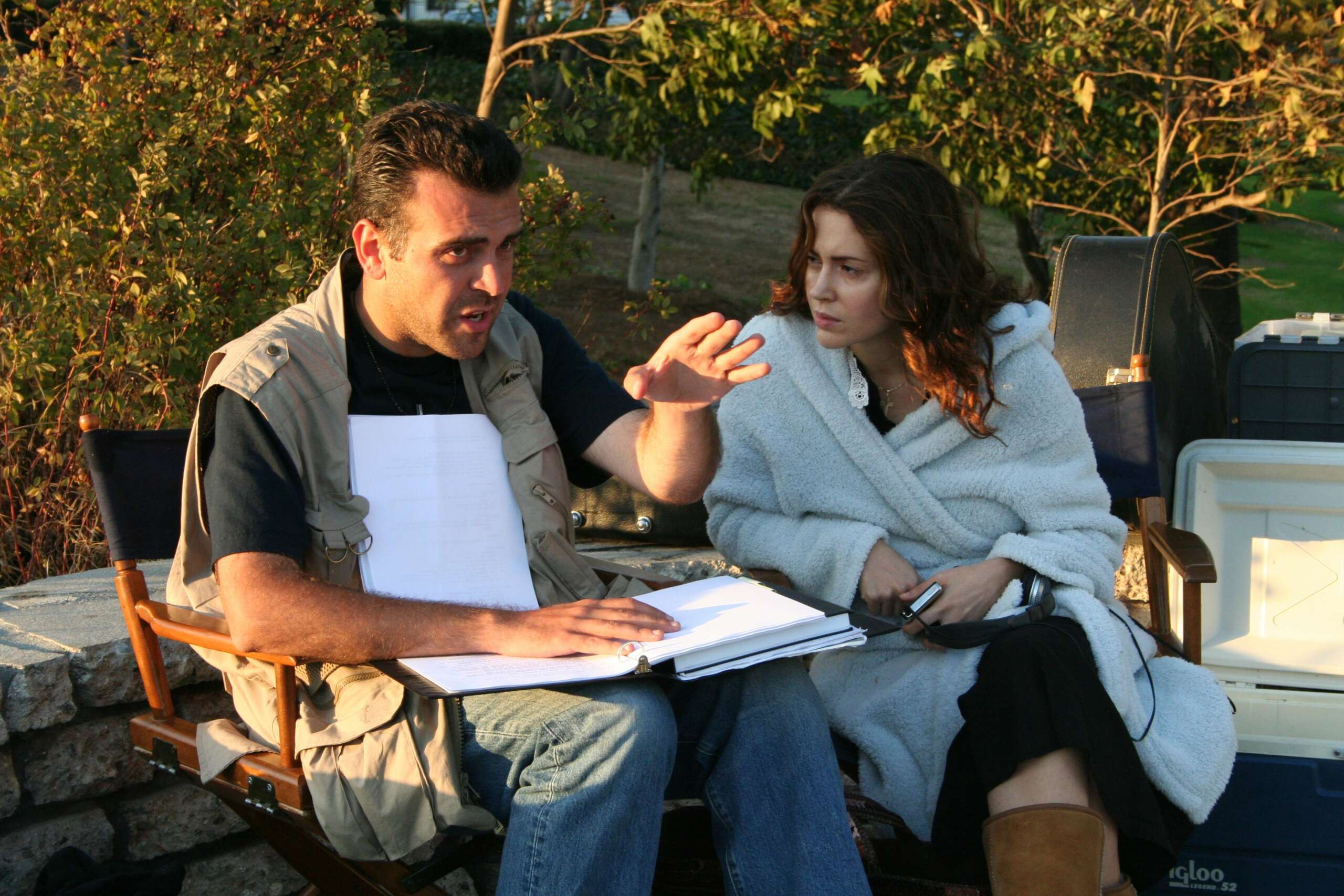
The chance to unite with people from every single culture around the world through the universal language of cinema and audiovisual storytelling. Like chess, making films has a universal paradigm yet each film and each chess game is wholly original and different, just like us. Through our collaboration we build bridges. I shot my film “Die Like a Man” in Los Angeles, edited it in Guadalajara, Mexico with my dear friends Memo and Paco Navarro, then color corrected it in Warsaw, Poland. Technology, now more than EVER, allows us to be global not just in interactions and work, but in spirit and awareness of just how special our human species is. This is what I love about being a creative. The earth is my creative home and there really are no more borders for the magnificent work we all can do if we dare to dream and stick to our guns and create bold, original and inspiring works that transcend language and speak to our human experience and imagination.
Is there something you think non-creatives will struggle to understand about your journey as a creative? Maybe you can provide some insight – you never know who might benefit from the enlightenment.
I believe that every human being is a creative, even if they think that they are not. The so-called “non-creatives” are the people that sow discontent and discord in the world, yet even that takes some measure of creativity. What is important now more than ever, is for people who wish to create a story, a song or a vision to not limit themselves to what they have lived, they know, or they have survived, endured or dreamed. There is a reason why we all have been given an imagination. To use it and not to limit our work to “me me me.” As a former photojournalist, I had the great blessing to visit so many different communities in the West Coast of the U.S. to the Southern Caucasus and tell stories of people who were underexposed through photography and writing. Each of those pictures and stories deepened my sense of humanity and how fragile we are as a species. In primary school we use our imaginations way more freely before society tries to crush it as we get older by expecting us to conform to rigid formulas. Break those formulas. Defy the conformity, embrace true independent thinking and do not limit yourself to what you think you can or can’t accomplish. The best time is now to take risks and break the rules because the best artists and creatives from Stanley Kubrick to The Beatles to Steve Jobs to Einstein to Kendrick Lamar all became exceptions to the rules of their respective eras.
Contact Info:
- Instagram: @ericnazarian
- Facebook: https://www.facebook.com/eric.nazarian.73
- Linkedin: https://www.linkedin.com/in/eric-nazarian-b1b2a48?utm_source=share&utm_campaign=share_via&utm_content=profile&utm_medium=ios_app
- Twitter: @NazarianEric
Image Credits
Eric Nazarian