



We’re excited to introduce you to the always interesting and insightful Enrique Mendoza. We hope you’ll enjoy our conversation with Enrique below.
Enrique, looking forward to hearing all of your stories today. Can you open up about a risk you’ve taken – what it was like taking that risk, why you took the risk and how it turned out?
The biggest risk I have taken was deciding to dedicate my life to electroacoustic music.
What makes that risk unusual is that I did not discover this field at the beginning of my career. I was already 33 years old and studying in Amsterdam when I encountered electroacoustic music through my mentor, Jos Zwaanenburg. Through him, and through my experiences at STEIM, I was introduced to a completely different way of thinking about sound. Until then, music had been something I composed, performed, and studied. Suddenly, listening itself became the subject.
That experience changed the direction of my life. I began creating my first electroacoustic works and performances, and I felt I had finally found the artistic language I had been searching for. The problem was that this discovery did not come with a clear path forward.
After finishing my master’s degree, I had to return to Mexico because I could not remain in the Netherlands due to visa restrictions. Back home, I quickly realised how small the electroacoustic music scene was and how difficult it would be to dedicate oneself fully to this practice. There were moments when I questioned whether it made sense to continue. From a practical perspective, there were easier and more predictable options.
At the same time, I had become increasingly fascinated by questions of listening, space, perception, and the ways technology can transform our relationship with sound. These questions stayed with me and gradually became the centre of my artistic work. What began as curiosity slowly turned into a conviction that this was the path I wanted to follow, even if I did not know where it would lead.
Then the pandemic arrived. Plans became uncertain, opportunities disappeared, and the future felt suspended for everyone. During those years, I was trying to develop ideas that would eventually become the basis of my doctoral research into hybrid listening and spatial music. There was no guarantee that any of it would happen. Looking back, that period taught me a great deal about patience and persistence. Sometimes an artistic path is not a sequence of breakthroughs; sometimes it is simply the decision to keep going despite uncertainty.
Today, I see that the greatest reward was not a position, a degree, or a particular achievement. It was the freedom to develop my own artistic practice. Over the years I found a community of artists, composers, performers, and researchers who shared a desire to explore new ways of listening and creating. Together we have grown, exchanged ideas, challenged one another, and helped shape a field that is still evolving.
The risk ultimately was not moving from one country to another. It was committing myself to a way of listening and making music that offered no clear roadmap. I chose it because I felt there was something important there that I needed to understand. Years later, I still feel that way. The questions have changed, but the curiosity remains the same. That curiosity continues to guide both my artistic work and my understanding of the world.
Enrique, love having you share your insights with us. Before we ask you more questions, maybe you can take a moment to introduce yourself to our readers who might have missed our earlier conversations?
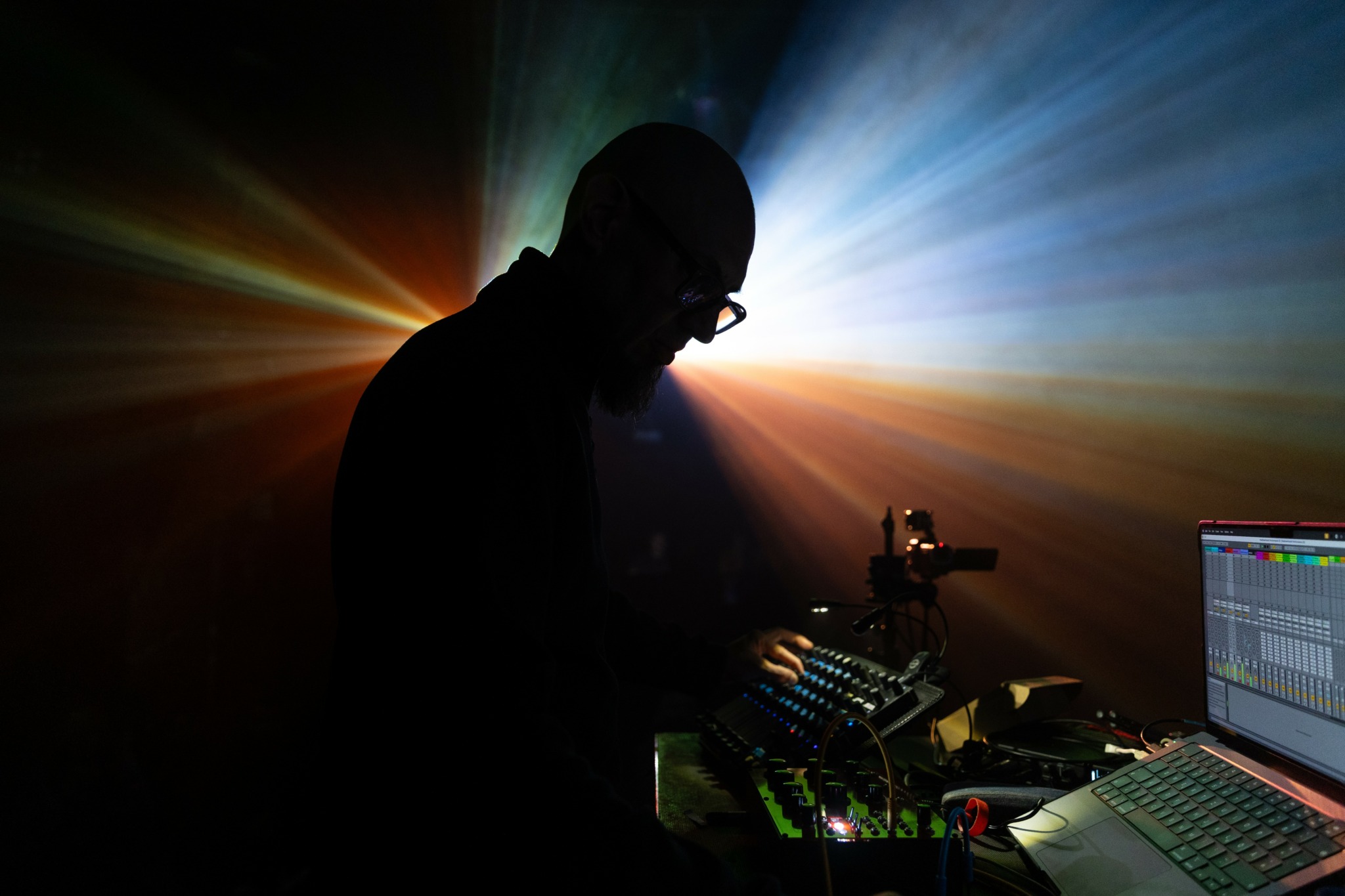
I am a composer, performer, and educator originally from Mexico and currently based in Austria. My practice brings together electroacoustic music, spatial audio, artistic research, and live performance. Although these activities may appear different on the surface, they are all connected by the same question: how do we listen, and how can sound transform the way we perceive ourselves and the world around us?
My path into this field was not entirely straightforward. I grew up studying and performing music, but it was not until later in my career, during my master’s studies in Amsterdam, that I encountered electroacoustic music in a way that fundamentally changed my artistic direction. Through that experience, I discovered that sound could be treated not only as musical material but also as a medium for exploring space, perception, memory, and human experience. Listening itself became the focus of my practice.
Today I create electroacoustic compositions, multichannel performances, audiovisual works, installations, and artistic research projects. Collaboration is also an important part of my practice, and I frequently work with performers, visual artists, and other creative practitioners whose perspectives challenge and expand my own. These exchanges often open unexpected artistic directions and reinforce my belief that listening is not only an individual act but also a shared experience. Many of these works explore the relationship between physical and imagined spaces, between what is heard and what is perceived, and between technology and human experience. Some pieces emerge from deeply personal reflections, while others engage with broader social realities. Regardless of the starting point, I am interested in creating situations in which listening becomes an active and transformative experience rather than a passive one.
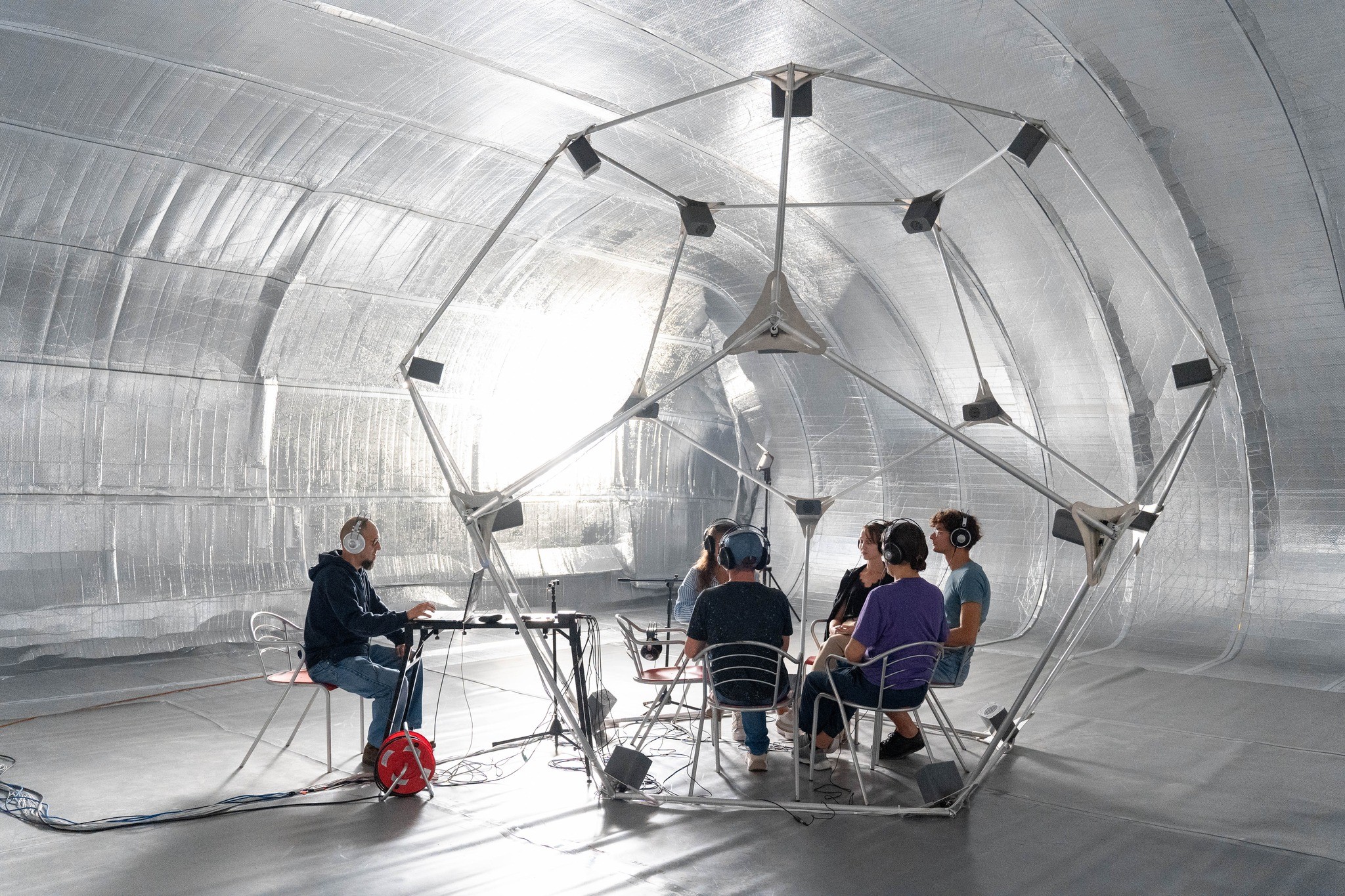
A significant part of my work is dedicated to spatial audio and the development of new listening environments. Through my doctoral research, I created the Hybrid Audio Diffusion System (HADS), a system that combines loudspeaker arrays and open-back headphones simultaneously, allowing listeners to experience multiple layers of sonic space at once. Rather than treating technology as an end in itself, I see it as a tool that can open new possibilities for artistic expression and perception.
As an educator, I bring the same curiosity into the classroom. I encourage students to think critically about sound, technology, and creativity, and to develop their own artistic voices. Teaching, composing, and performing are not separate activities for me; they continually inform one another.
What I am most proud of is not any single composition, concert, or achievement. It is the fact that over time I have been able to build a coherent artistic practice around questions that genuinely matter to me. The work has evolved, the technologies have changed, and the contexts have shifted, but the central curiosity has remained the same.
If there is one thing I would like people to know about my work, it is that it is ultimately about listening. Whether through a concert, an installation, a performance, or a research project, my goal is not simply to present sounds. It is to create experiences that invite people to listen differently, and perhaps to discover something they had not noticed before.
Is there something you think non-creatives will struggle to understand about your journey as a creative? Maybe you can provide some insight – you never know who might benefit from the enlightenment.
I think many people outside the arts underestimate how much of a creative life is spent working without certainty.
In many professions, there is a relatively clear relationship between effort and outcome. You study, develop skills, gain experience, and progress through established structures. Creative work is often different; you can spend months or years exploring an idea without knowing whether it will lead anywhere meaningful. You invest time, energy, and attention into questions that may not have immediate answers.
For me, this has been especially true because my work is driven by curiosity rather than by a predefined result. Much of my artistic practice revolves around listening, perception, and spatial experience. These are not problems that can be solved once and for all. They are questions that continue to evolve. Sometimes a composition begins with a technical experiment. Sometimes it begins with a personal experience. Sometimes it starts with something I cannot yet fully explain. The challenge is learning to stay with the uncertainty long enough for something meaningful to emerge.
I think many people imagine that artists are constantly enjoying themselves. In reality, a large part of the work involves connecting the dots and learning to listen to sounds, ideas, collaborators, audiences, and the world around us.
Another thing that may be difficult to see from the outside is that artistic development rarely follows a straight line. The most important discoveries in my career did not come from carefully following a plan; they emerged from unexpected encounters, failed experiments, accidents, conversations, and moments of curiosity. Looking back, many of the things that shaped my artistic path only make sense in retrospect.
What keeps me interested and happy after all these years is that I still feel there is more to discover. The questions, the tools, and the contexts have changed, but the curiosity to understand how music can transform a person remains the same.
Is there mission driving your creative journey?
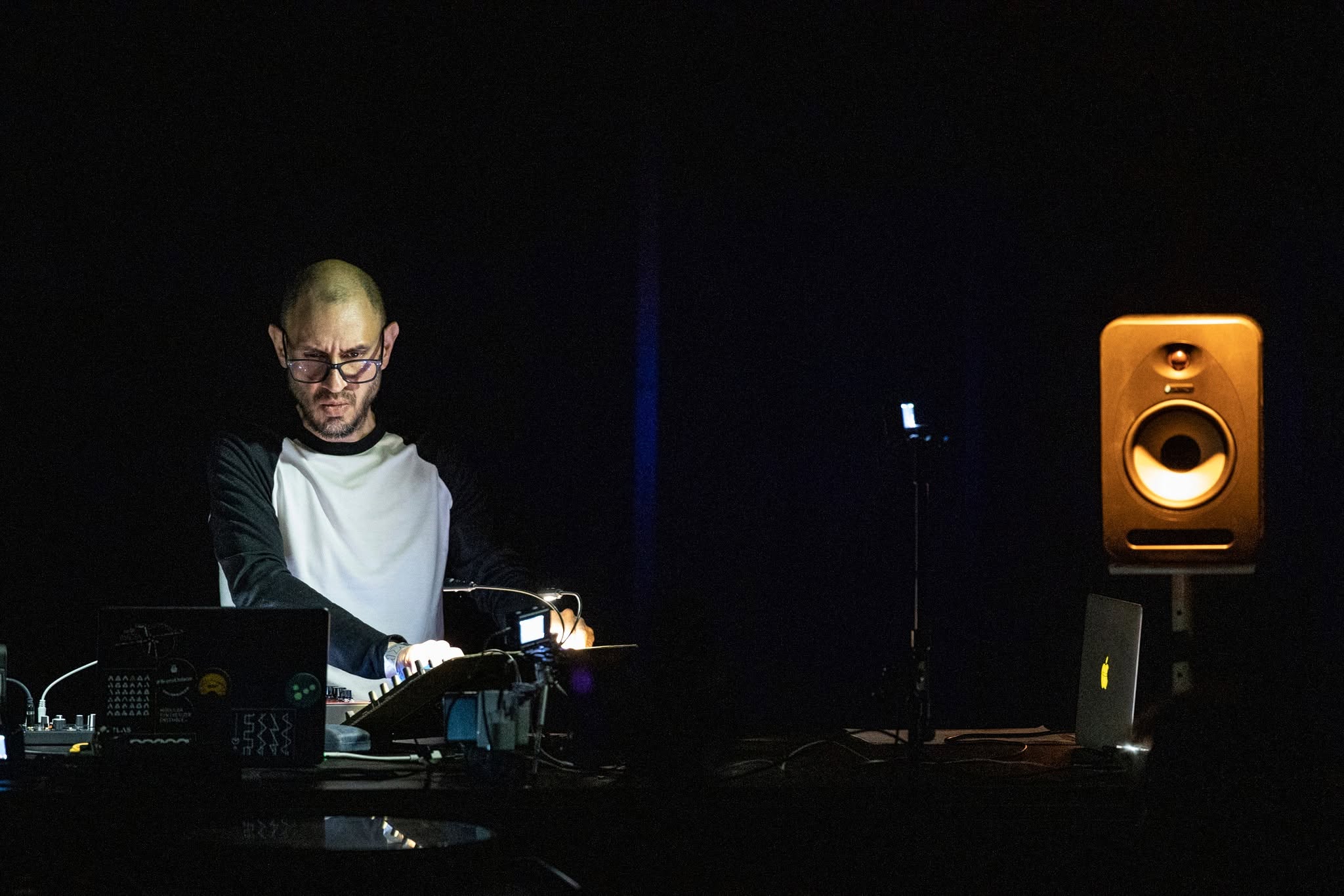
I would not describe it as a mission in the traditional sense, because I am not trying to convince people of anything. My music is driven by an incessant curiosity concerning listening and its function in shaping our experience of the world.
We often think of listening as something passive, something that simply happens. Yet listening is one of the primary ways we construct reality. It influences how we relate to places, technologies, memories, other people, and even ourselves. Through my work as a composer, performer, educator, and researcher, I create situations that encourage people to listen differently and, in doing so, perhaps perceive differently.
Much of my artistic practice explores spatial audio and the relationship between sound and space. I am fascinated by the fact that sound can create places that do not physically exist, transform our perception of real environments, and blur the boundaries between fiction and reality. That fascination eventually led me to develop the Hybrid Audio Diffusion System (HADS), a listening environment that simultaneously combines loudspeakers and headphones. Beyond the technology itself, my deeper interest lies in what these experiences reveal about perception and human experience.
At a wider level, I am interested in expanding the possibilities of listening within contemporary culture. We live in a world overloaded with sound, yet we rarely take time to truly listen. Music, for me, is an opportunity to explore attention, presence, memory, emotion, and perception, rather than simply a collection of sounds organised in time.
As an educator, I encourage students not only to learn techniques but also to question and understand the logic of things. Technical knowledge is important, although curiosity is even more important. Often, the most meaningful artistic discoveries begin with a question rather than an answer.
What connects everything I do is the desire to create experiences which invite emotional and deeper listening. Whether by a concert, a performance, a research project, or a conversation with a friend, I hope to open spaces where people can encounter sound, and perhaps themselves, from a slightly different perspective.
Contact Info:
- Website: https://enriquemendoza.net
- Instagram: https://www.instagram.com/enriquemendozamejia
- Other: Listen to the music:
https://enriquemendoza.net/media/
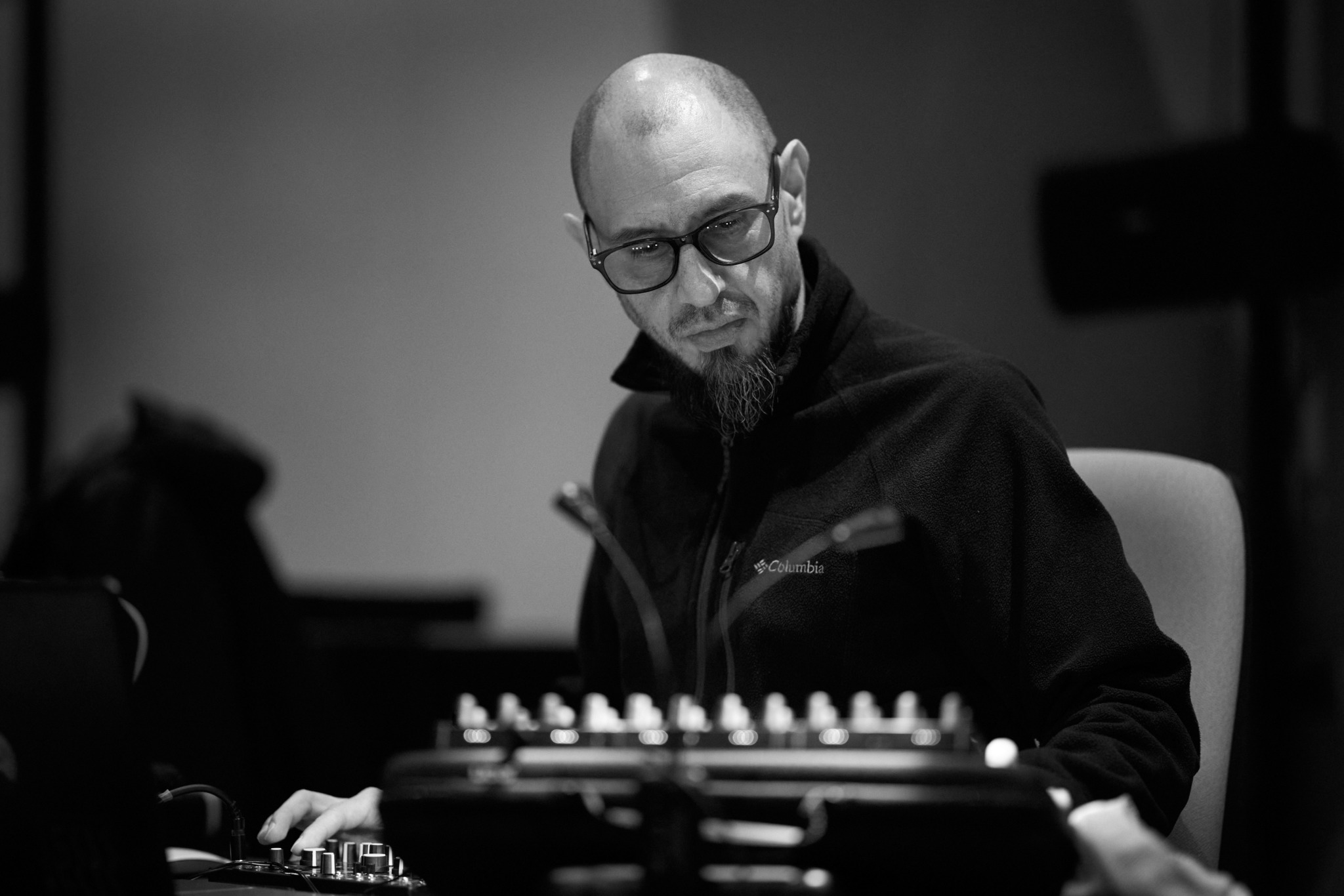
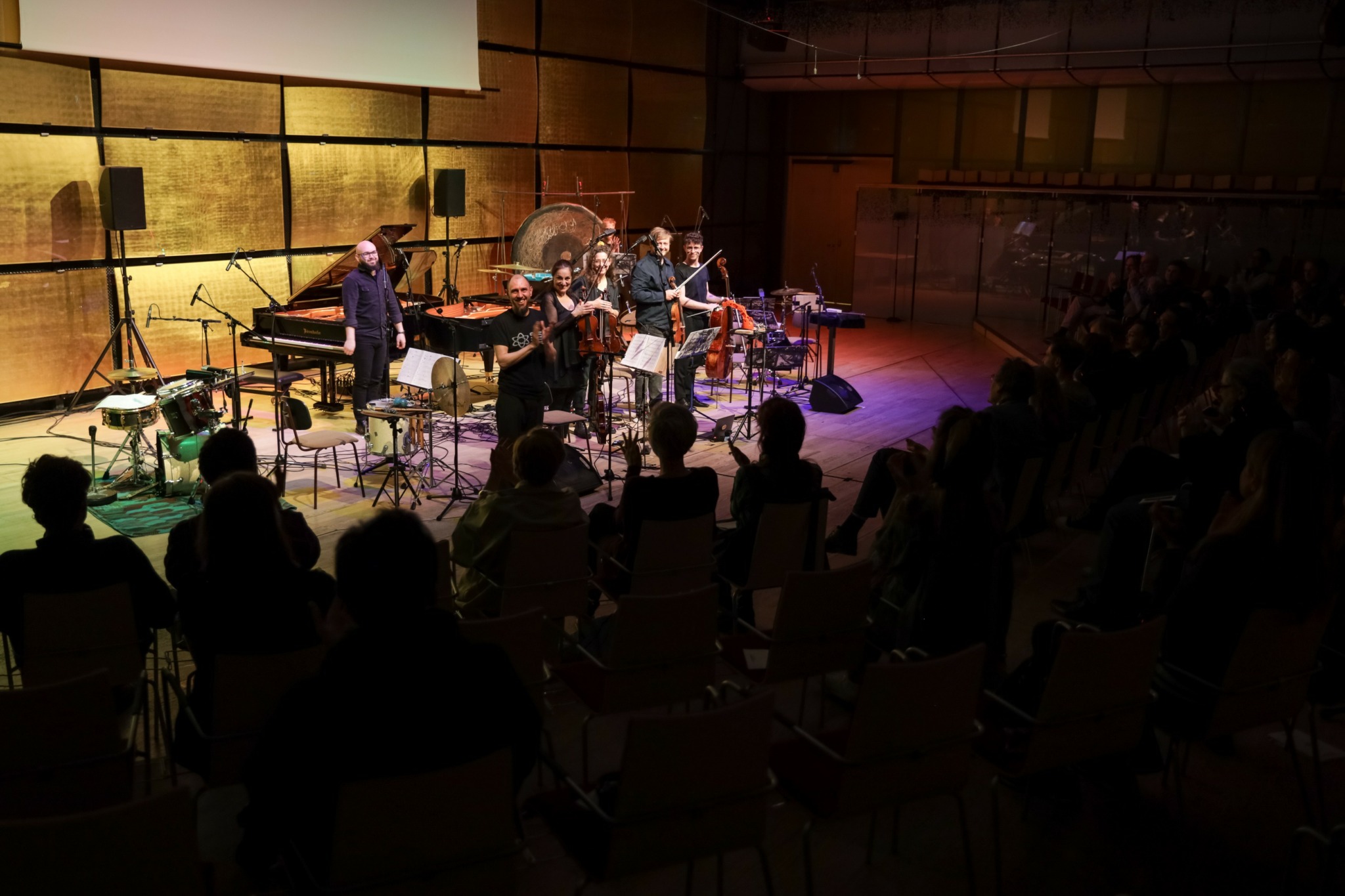
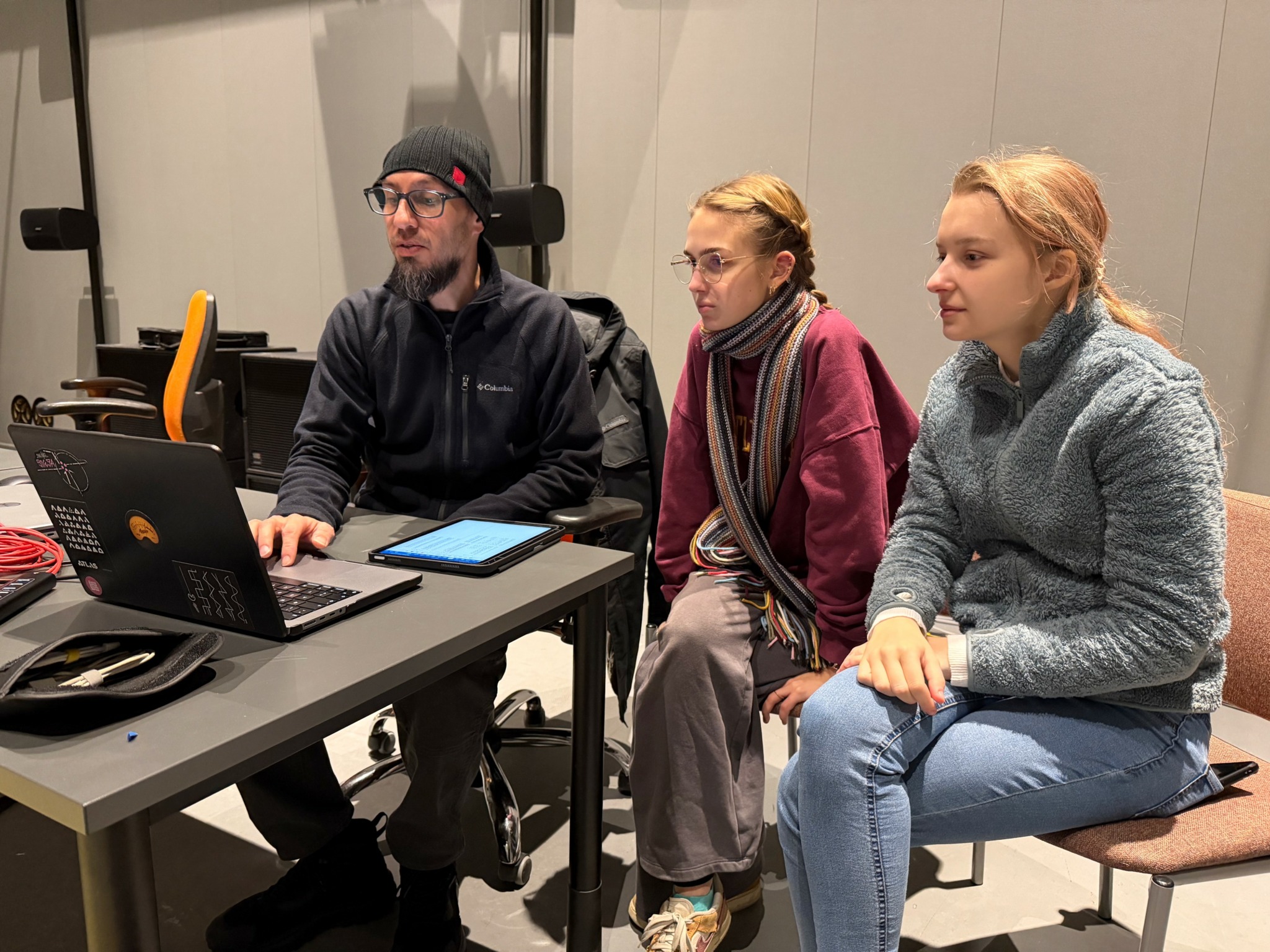
Image Credits
Emilija Blauzdyte, Bogi Nagy, Brane Zorman, Marcin Rupociński.