



We were lucky to catch up with Emmy Jeffries recently and have shared our conversation below.
Emmy, thanks for taking the time to share your stories with us today. One of the things we most admire about small businesses is their ability to diverge from the corporate/industry standard. Is there something that you or your brand do that differs from the industry standard? We’d love to hear about it as well as any stories you might have that illustrate how or why this difference matters.
The pricing model I have is definitely not “industry standard” by any means. Designers typically make a profit on two pricing models: charging hourly or flat fee coupled with selling products like furniture, artwork, decor, etc. Most businesses can purchase furnishings at a discount but they then turn around and add a markup to anything sold to the client. They make a profit while the client gets that piece they can’t get anywhere else, it appears to be a win-win, except I’ve seen firms charge anywhere from 30% all the way to 2.5x the price of an item. In my opinion it leaves the client at a disadvantage with a jaded view of what they’re paying for.
In my pricing model I charge an hourly fee for my time and charge clients the price I pay for any purchased furnishings. There are manufacturer’s approved prices I have to abide by but typically I don’t mark up items for profit; I prefer transparency where my clients actually understand the value of what they’re paying for. Damewood is a concierge level design experience where they pay for my expertise and not hidden fees on purchases. Now some designers will say I’m leaving money on the table or that clients understand what they’re paying for…but what I’m doing isn’t about making the most money. What I’m doing is positioning myself to be the trusted, tried and true business that they want to keep working with. Transparency builds rapport with clients. Everyone loves a discount and when I give my client’s discounts on high-quality designer pieces, they feel ecstatic like they’re getting a steal. Psychologically they enjoy the high of a good deal while associating the positive feelings with me. They get a genuine understanding of what their goods are worth and I get happy client’s, that’s the real win-win.

As always, we appreciate you sharing your insights and we’ve got a few more questions for you, but before we get to all of that can you take a minute to introduce yourself and give our readers some of your background and context?
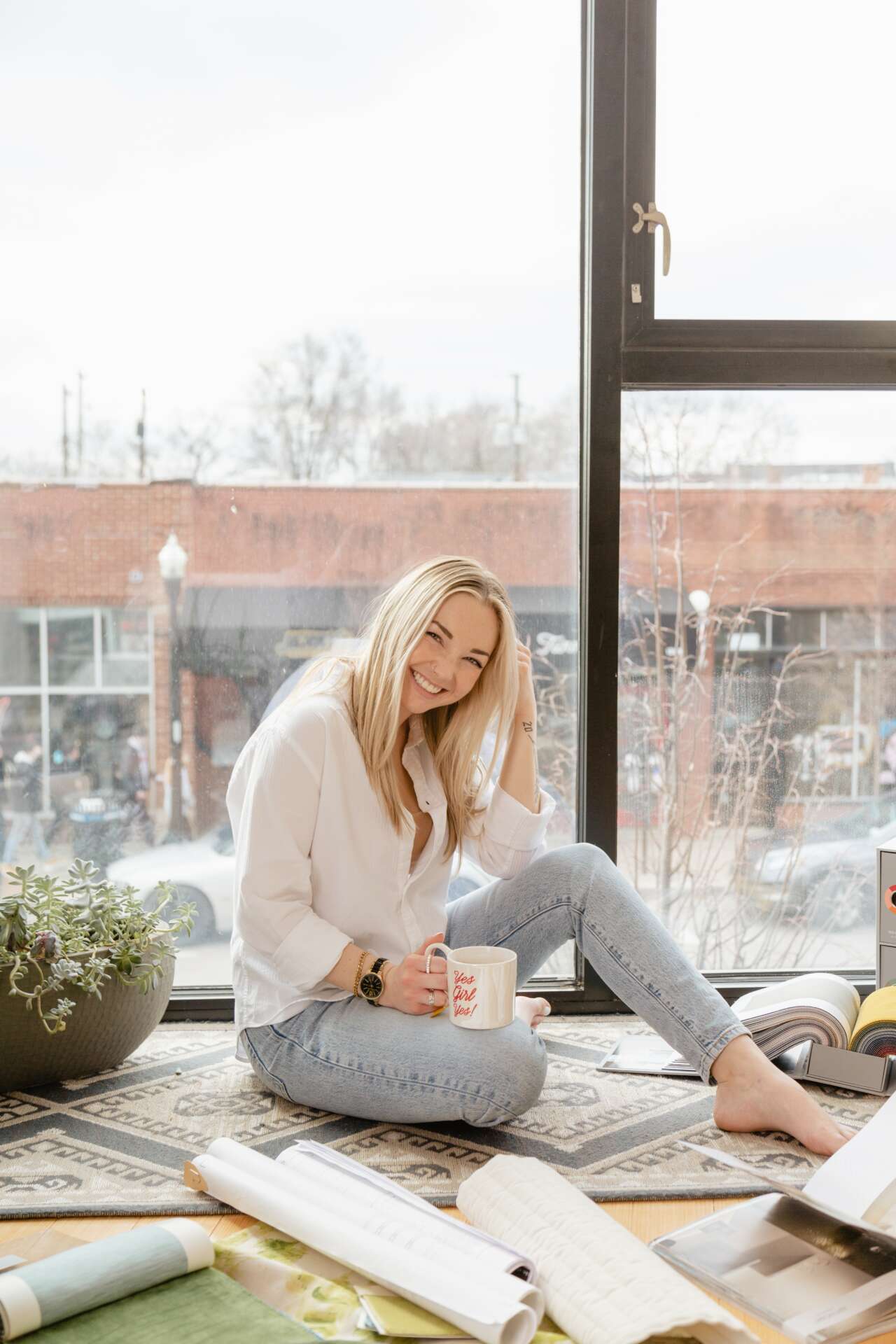
I’m Ohio born and raised, living with my husband and our plant babies in downtown Columbus. In the summer of 2020 I started my company, Damewood Designs, an interior and environmental design studio. I formally studied Interior Design and Psychology but I got into entrepreneurship by fate. I actually had no plan of starting my own company but ended up leaving a toxic workplace in the initial height of Covid and since the world was at a stand-still, no companies were hiring. Thankfully what I do best is create connections and all it took was a blast from the past asking if I was interested in a project to get me in the right mindset. I started my LLC the next week and got underway designing my first solo project for a commercial office space.
At Damewood I don’t just tell clients what looks aesthetically pleasing, I help them find their style and direct it so that it supports their ideal environment. I encourage radical honesty and genuine transparency that way clients get the most from the experience. Trends have a way of progressing design without any meaningful enhancements and the turnover is quickening due to technology. It’s leaving society obsessed with this imaginary line between “in” and “out” and less about what works for them. Sure, design looks good now but function feels good forever.
Since starting I’ve worked on a few homes, commercial spaces, weddings, and a corporate headquarters. It’s been two years of learning, doing, and adapting every day, not to mention learning how to accomplish a business practice that I’m happy with. It’s all a learning curve but I’m privileged to say I get to do it on my own terms and in my own way.
What’s a lesson you had to unlearn and what’s the backstory?
Not everyone has their shit together so stop worrying about how far behind you are because it’s okay if you don’t have it all figured out yet, focus on what you can give and evolve as you go.
The backstory is from overcoming imposter syndrome by talking with other small business entrepreneurs. A while back I had been really envious of how this business looked on socials and I admired how easy business came to them but the moral of the story is, never judge a book by the cover. One day we were chatting and I mentioned something regarding state sales tax and vendor licenses when they responded they “don’t do that”. This is where my head jerked and I went “huh?!” with my eyes about to pop out of my head. They have this thriving design business and staging seems to be a large part of the clientele, that would be insane. It turned out that they weren’t aware of the state requirements and didn’t think it was necessary. In talking them through the proper steps to apply for a license, I realized I have to stop putting energy into what other people have that I don’t. Imposter syndrome be damned. Just because someone online seems to have all the secrets with the easiest life, doesn’t mean it’s real or that you have to be there!

What’s been the most effective strategy for growing your clientele?
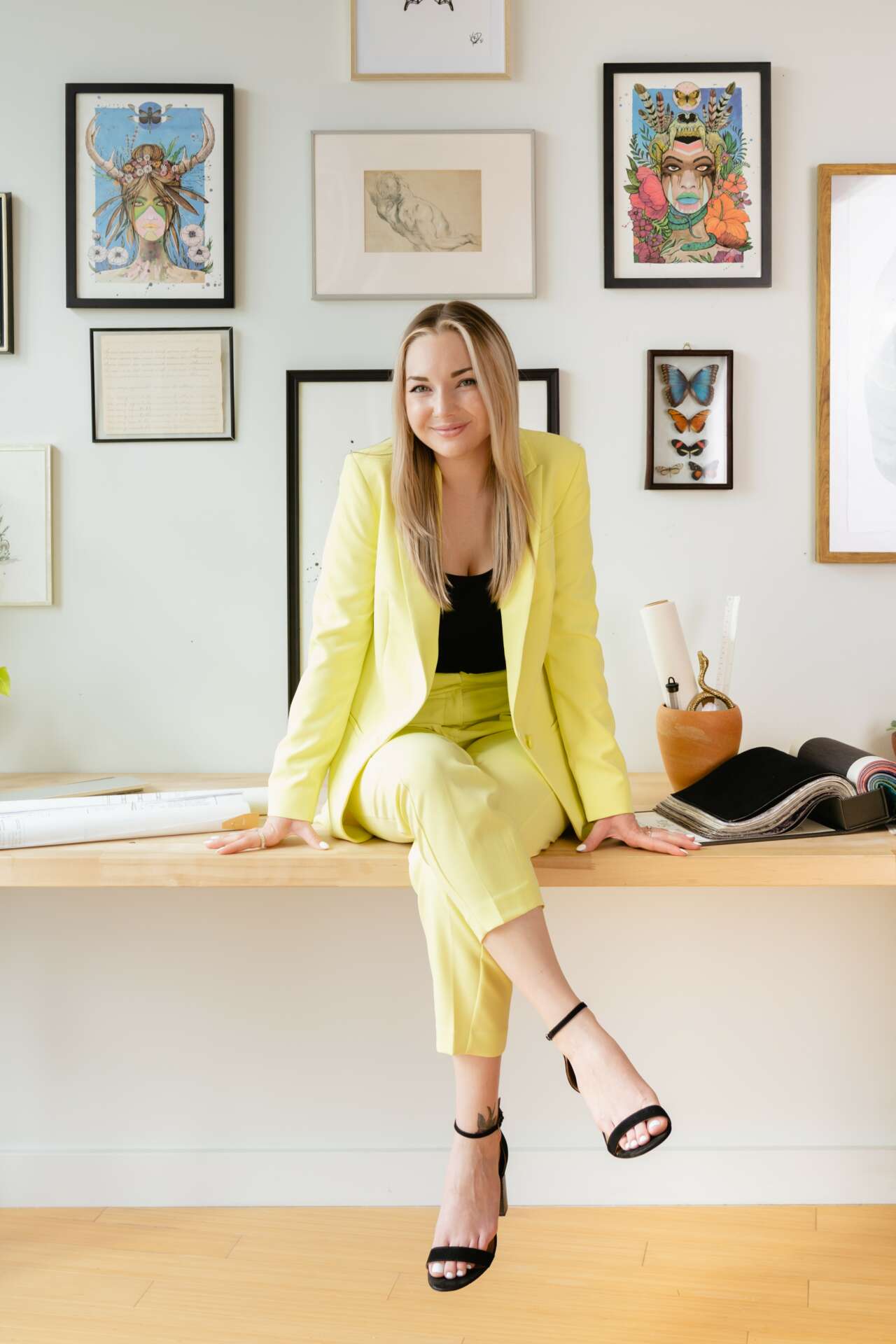
Keeping clients happy enough to rave about me to their friends! I’ve done minimal marketing but I thankfully haven’t needed to. Most of my clients are from word of mouth, either by previous clients or contractors. I discuss the inner workings of clients daily life so I typically develop pretty personal relationships with them. I put a lot of focus on my client experience and what they gain out of working with me. This goes for contractors too because good working relationships can make or break a project. I have experience in construction which gives me an advantage with contractors. I understand their limitations so I can actively value engineer solutions everyone is happy with. By building a positive rapport with my professional contacts I’ve been able to effectively grow my business without seeking out new projects.
Contact Info:
- Instagram: https://instagram.com/damewood_designs?utm_medium=copy_link
- Other: https://voyageohio.com/interview/conversations-with-emmy-ober/
Image Credits
Betty Ra Theras Photography